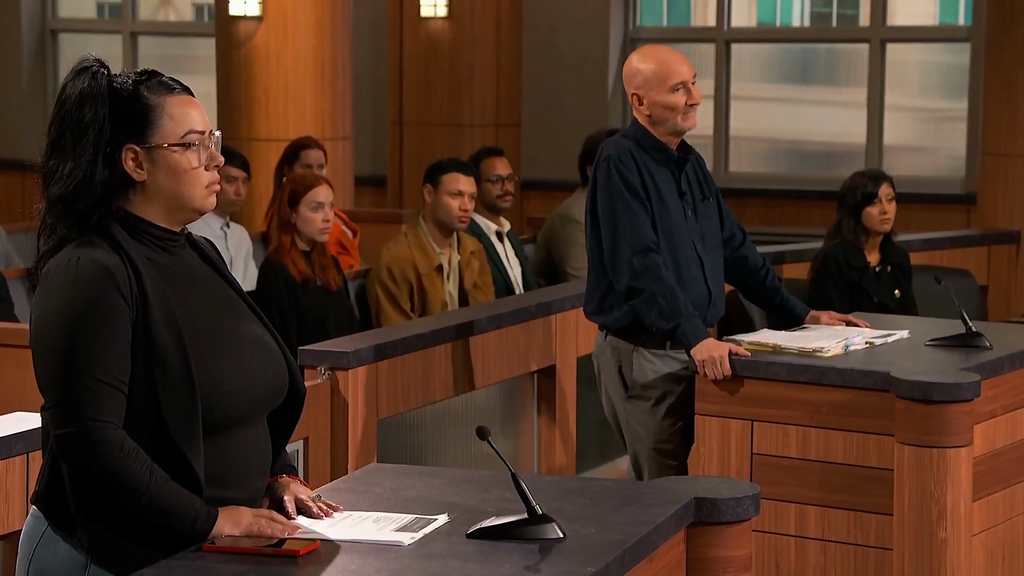
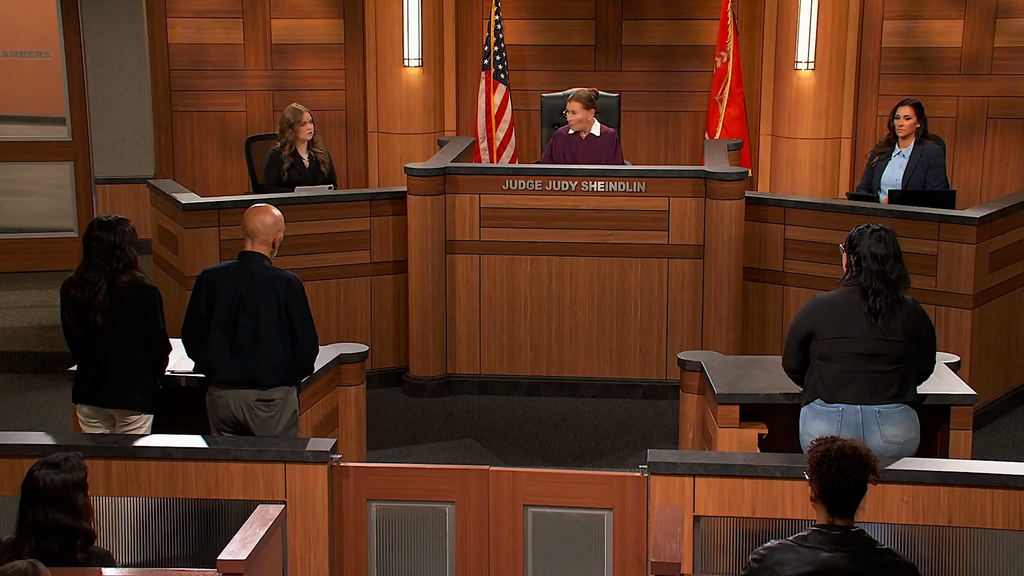
Inside a county jail waiting area, two marriage officiants crossed paths in front of a bride preparing to marry an incarcerated man. What followed was not a ceremony, but an argument over alleged scams, inflated fees and years of professional hostility. Jennifer Flores and Jean-Claude Bensoussan each claimed the other had damaged a highly specialized business built around jail weddings. But when their accusations reached court, the judge found plenty of bad blood—and almost no reliable proof of defamation, plagiarism or lost income.
(uc.)
A Specialized Business Behind Jail Walls
Marriage ceremonies are usually associated with family gatherings, music and celebration. For Jennifer Flores and Jean-Claude Bensoussan, the work took place in a more restrictive setting: California county jails.
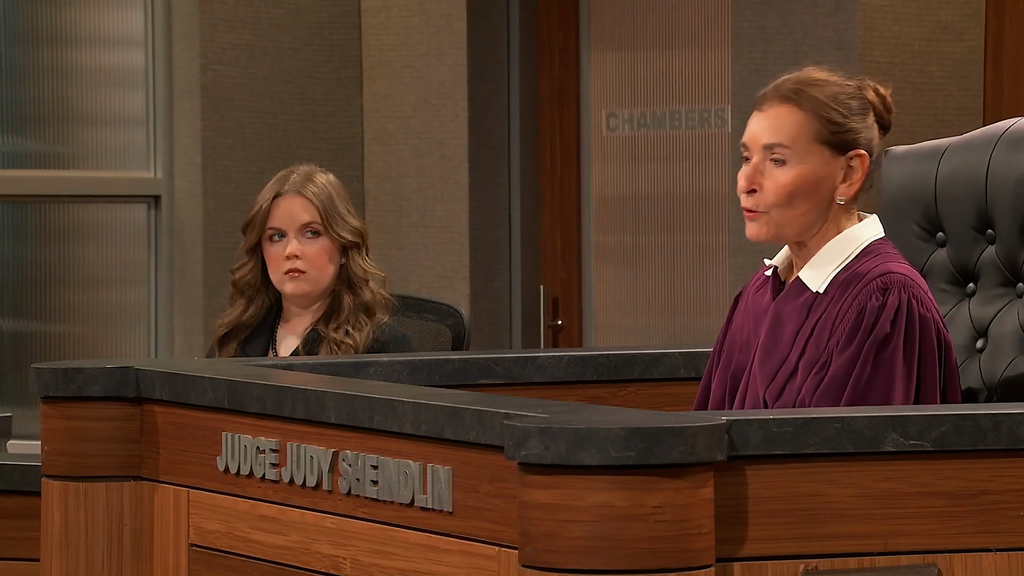
Both acted as marriage officiants for couples in which one partner was incarcerated. Their services involved more than reciting vows. Depending on the client’s circumstances, an officiant might need to coordinate documents, travel to a county clerk willing to process a license and work within a detention facility’s rules.
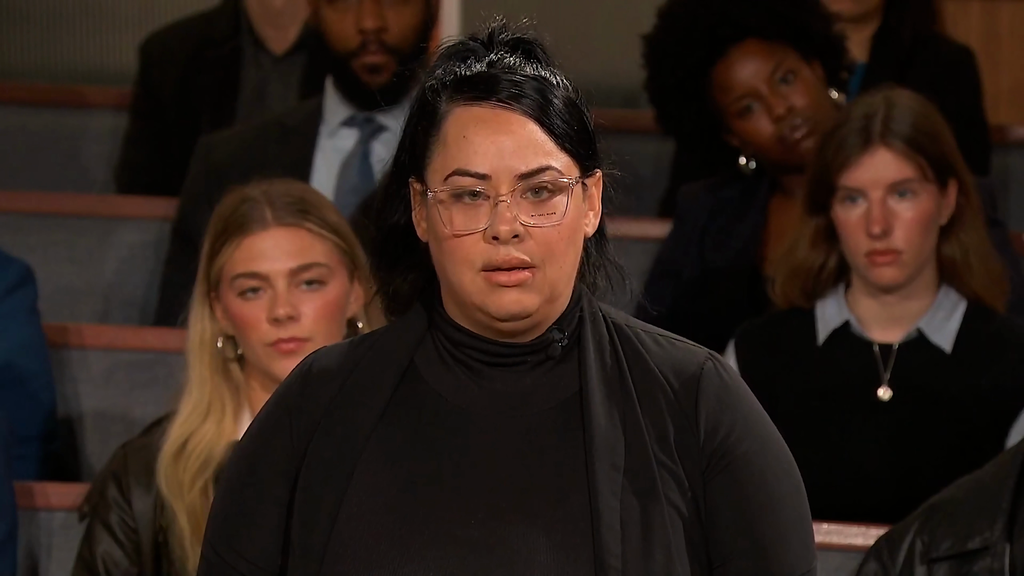
The niche created both opportunity and competition. Flores and Bensoussan offered similar services in overlapping locations. By the time they appeared in court, each believed the other had tried to undermine their professional reputation.
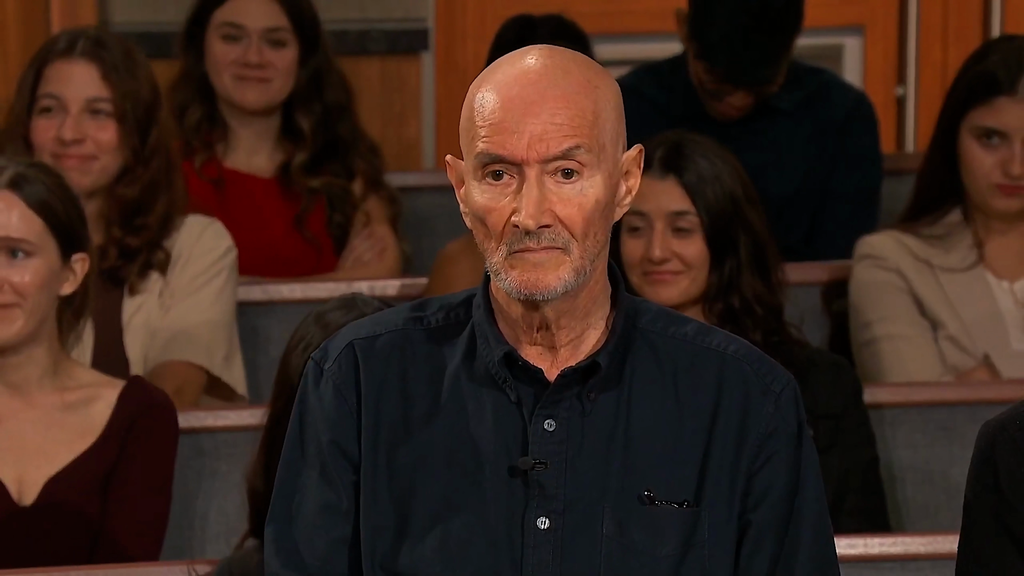
Flores sued Bensoussan for defamation and lost wages. Bensoussan counterclaimed for loss of business, defamation and plagiarism. Their courtroom battle presented a long list of allegations, but the ruling ultimately turned on a familiar legal divide: hostile words are not automatically compensable defamation, and suspicion is not proof of financial loss.
How Jennifer Flores Became an Officiant
Flores testified that the idea began while she was working for an attorney. The office received inquiries from clients who wanted to marry someone held in county jail, but the staff did not know where to refer them.
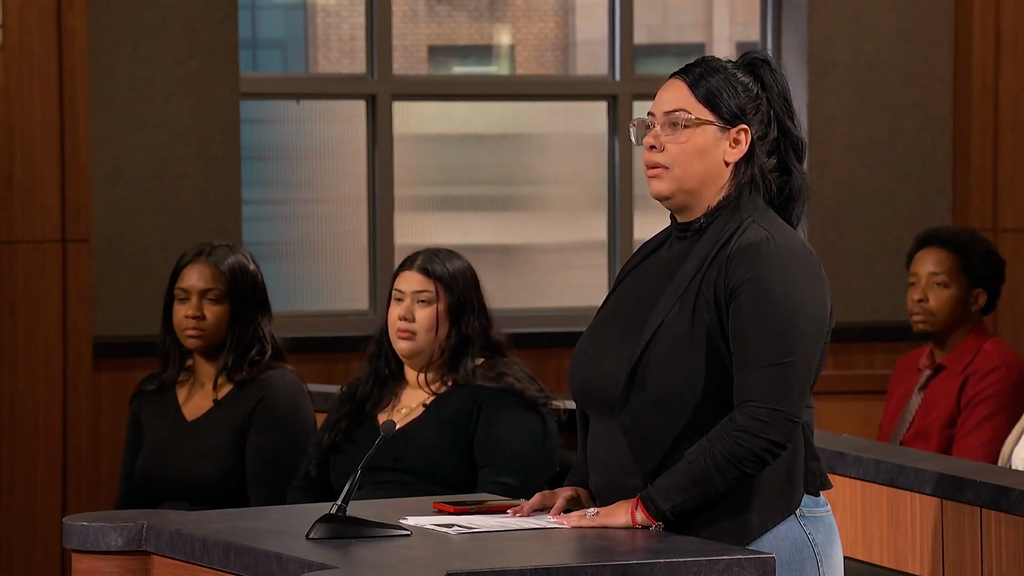
After Flores’s cousin married in jail, the cousin suggested that Flores obtain a certificate allowing her to perform ceremonies. Flores paid $47 for the credential and later turned the work into a side business. She said she was ordained on January 16, 2022.
Her standard fee structure reflected the paperwork and travel required. Flores testified that she charged $475 when the incarcerated person had government-issued identification and $600 when identification was unavailable.
For a person who could not appear before a clerk—because of incarceration or hospitalization—Flores described an “inability to appear” form verified through a notary. She said only two clerks in California would issue a marriage license using that form without also requiring identification and a birth certificate. Reaching those offices could involve drives of approximately three or five hours.
Bensoussan said he entered the profession through a similar ordination process and had been performing this work for 25 years. That difference in experience became part of the tension between them: one was relatively new to the field, while the other had spent decades building a jail-wedding practice.
Two Competitors, Two Defamation Claims
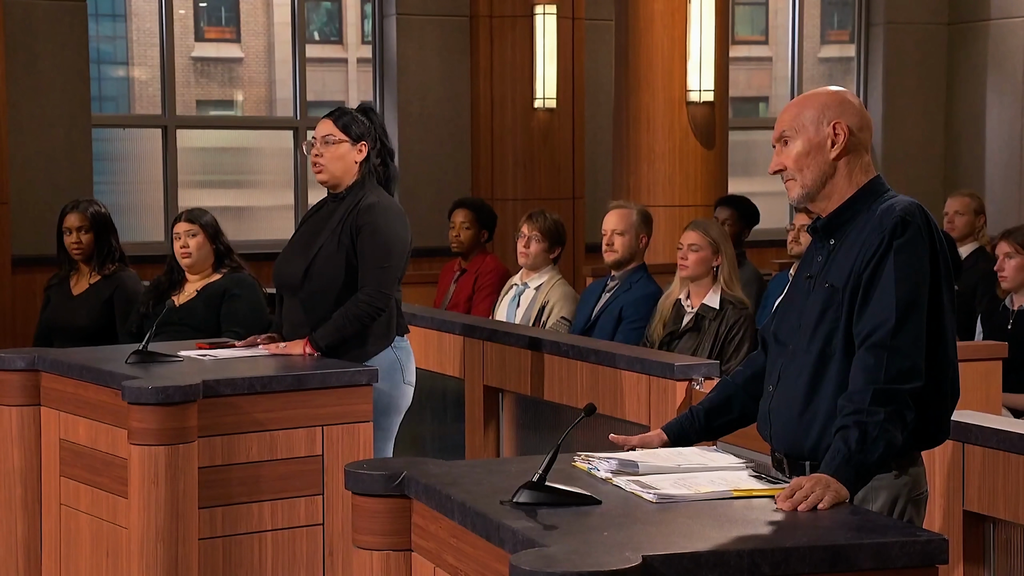
Bensoussan claimed Flores had been slandering him for years. Flores, meanwhile, alleged that Bensoussan had contributed to complaints against her and damaged her ability to work.
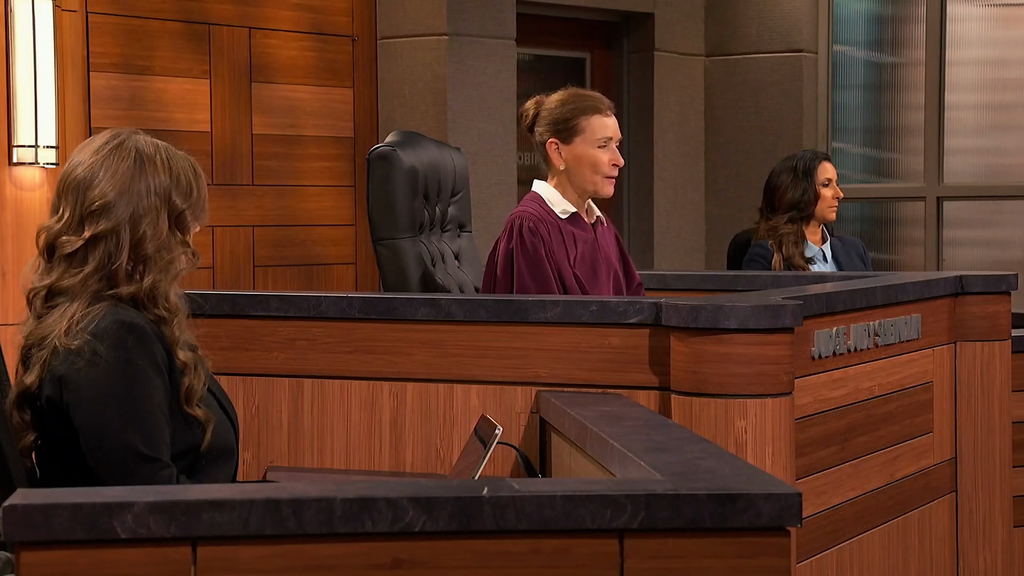
Defamation claims require more than evidence that two competitors spoke critically about each other. A claimant generally needs an identifiable false statement communicated to someone else, along with proof that the statement caused legally recognizable harm.
The hearing exposed weaknesses on both sides. Some witnesses could describe arguments but not the precise words attributed to the opposing party. Others repeated information they had received from someone who was not testifying to the same conversation. Neither Flores nor Bensoussan produced persuasive evidence linking a specific statement to a measurable loss of customers or income.
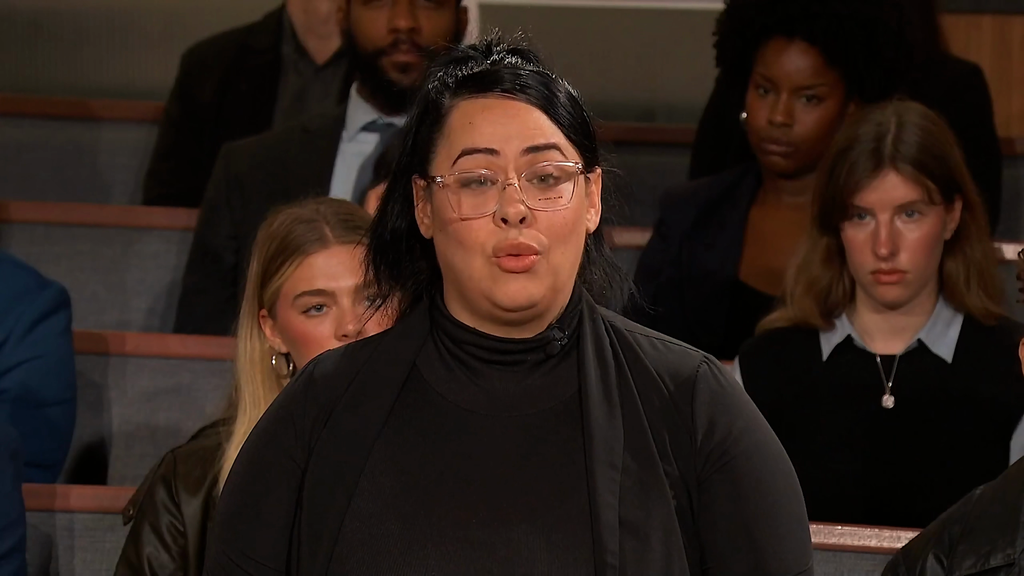
The court therefore examined the incidents one by one, beginning with a confrontation inside a jail on the day of a wedding.
The June 15 Jailhouse Confrontation
A witness identified as Genesis testified that she initially considered hiring Flores to help her marry her incarcerated husband. She had seen Flores on social media and contacted her to ask about the service.
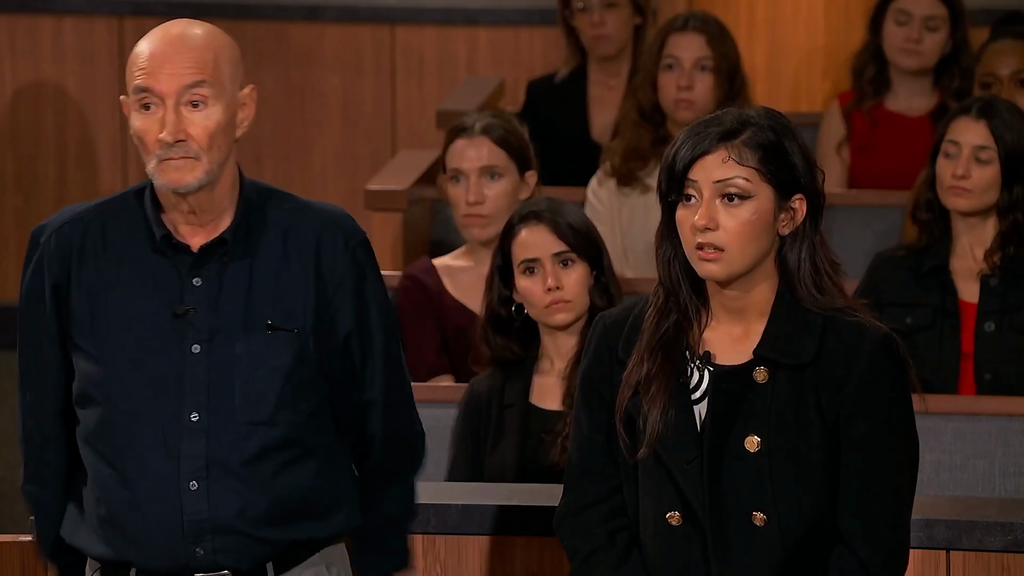
According to Genesis, she understood that Flores would have the couple sign paperwork separately and would not perform a ceremony. Genesis said she believed that arrangement might be improper and decided to hire Bensoussan instead because she wanted what she considered a proper ceremony.
Bensoussan performed the wedding on Saturday, June 15. Genesis said he charged $1,000 because her husband lacked papers and the process required travel of approximately four hours to a clerk who could approve the license.
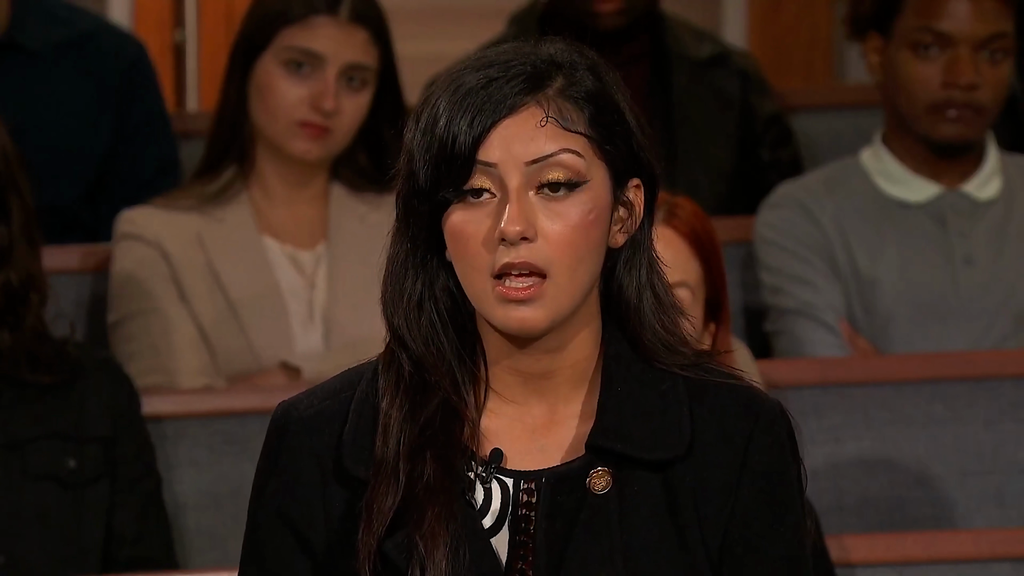
On the wedding day, Genesis and Bensoussan were sitting inside the facility waiting for her husband to be brought out. Flores was also there to conduct several other marriages. When Flores returned from performing one ceremony, a confrontation began.
Genesis said Flores approached and described Bensoussan as a scam, claimed he treated women badly and suggested that he did not provide the full service. Flores denied remembering that version of the conversation, although she acknowledged that an exchange occurred.

That distinction mattered. Genesis offered a direct accusation, but the court also heard a substantially different account from Flores and a supporting witness.
What Genesis Said She Heard
Genesis testified that she had not discussed Bensoussan with Flores before the wedding day. She said she did not know about the conflict between the officiants until the confrontation inside the jail.
Her account positioned Flores as the person who introduced the alleged criticism. Yet Flores said the discussion began after Bensoussan spoke to Genesis while Flores was away performing a ceremony.
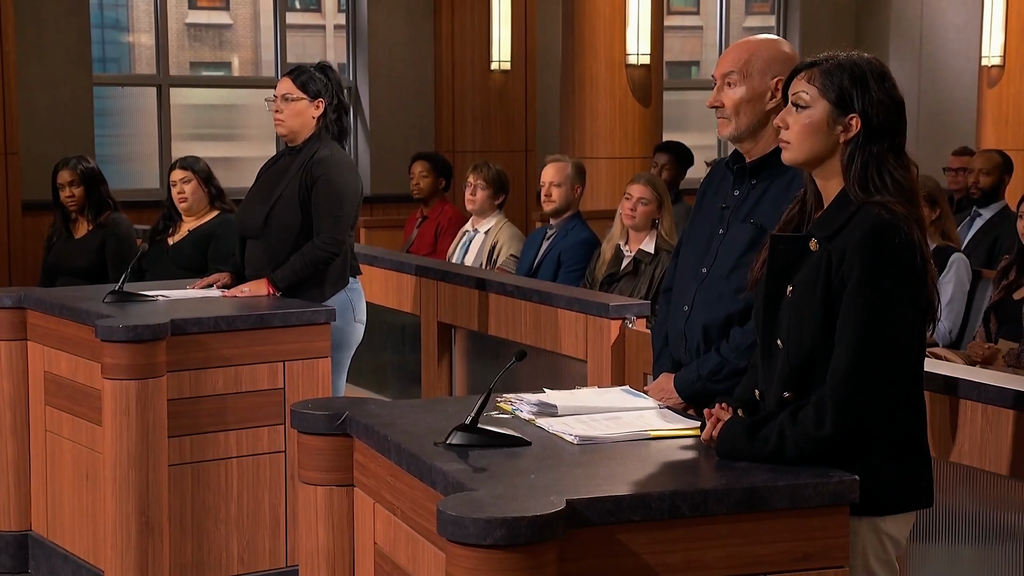
When Flores returned, Genesis allegedly told her to stop slandering Bensoussan. From that point, even the participants agreed that the exchange became heated. Flores admitted responding with profanity because she was frustrated by the accusation.
Genesis said Bensoussan’s higher charge reflected additional travel necessitated by her husband’s lack of identification. Flores challenged the idea that immigration papers required different marriage documents. She told Bensoussan that he should not have charged Genesis extra because, in her view, there was no additional paperwork.
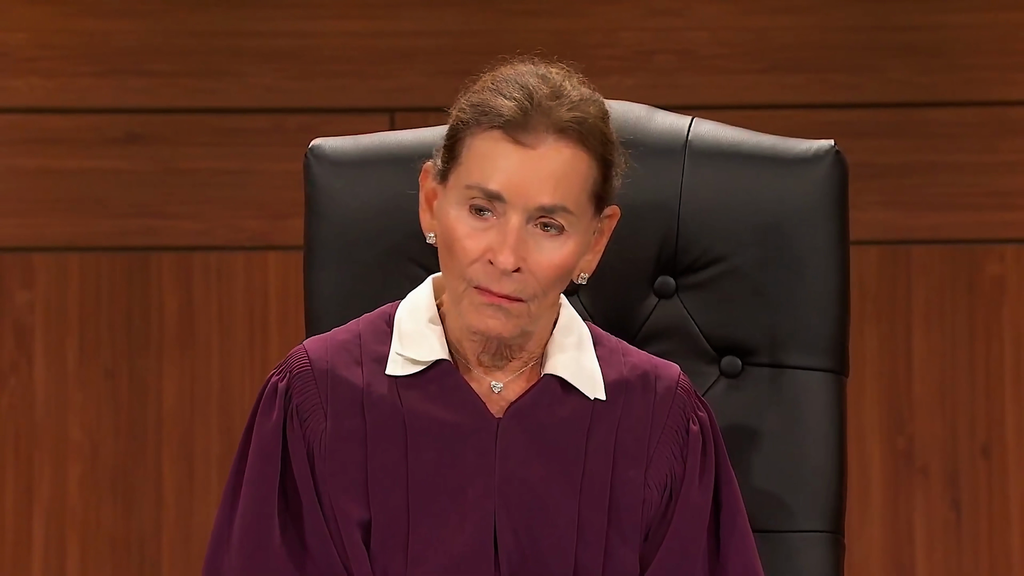
The judge questioned why Flores involved herself in another officiant’s pricing at all. A competitor may charge more because of travel, time or business decisions. Whether that fee is higher than another provider’s does not itself make the service fraudulent.
Jennifer Flores’s Version of the Exchange
Flores said she was at the facility to perform five marriages for clients whose licenses had been arranged weeks earlier. After she walked away for one ceremony, she was later told that Bensoussan began talking about her and claiming her clients would not receive their marriage licenses.
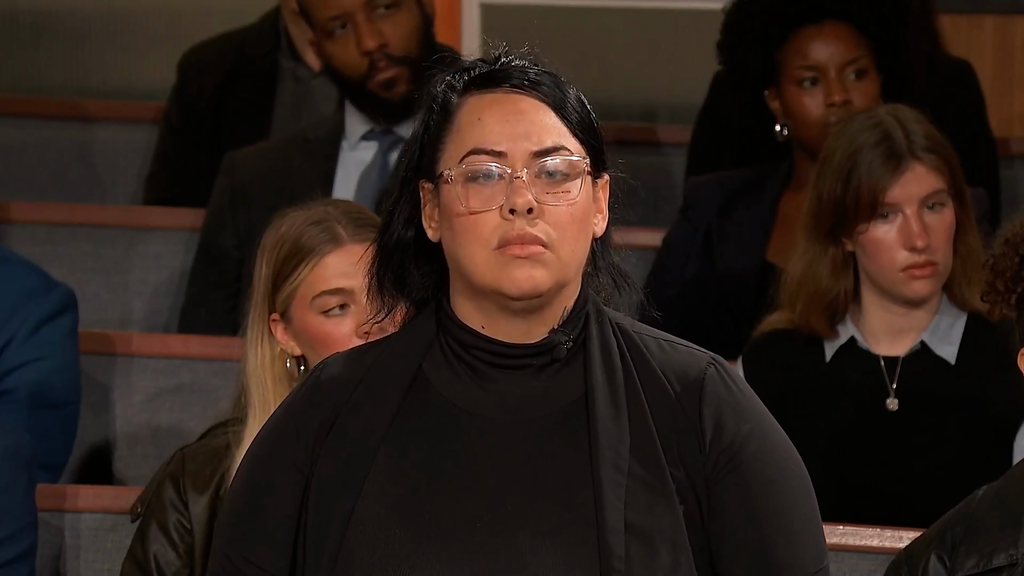
Upon returning, Flores asked Genesis and Bensoussan whether they had a problem with her. Genesis then accused Flores of slandering him.
Flores denied previously speaking to Genesis about Bensoussan. She said her initial remark was that Genesis had probably selected him because he was cheaper. Genesis responded that the service actually cost more than $1,000 because her husband lacked papers.
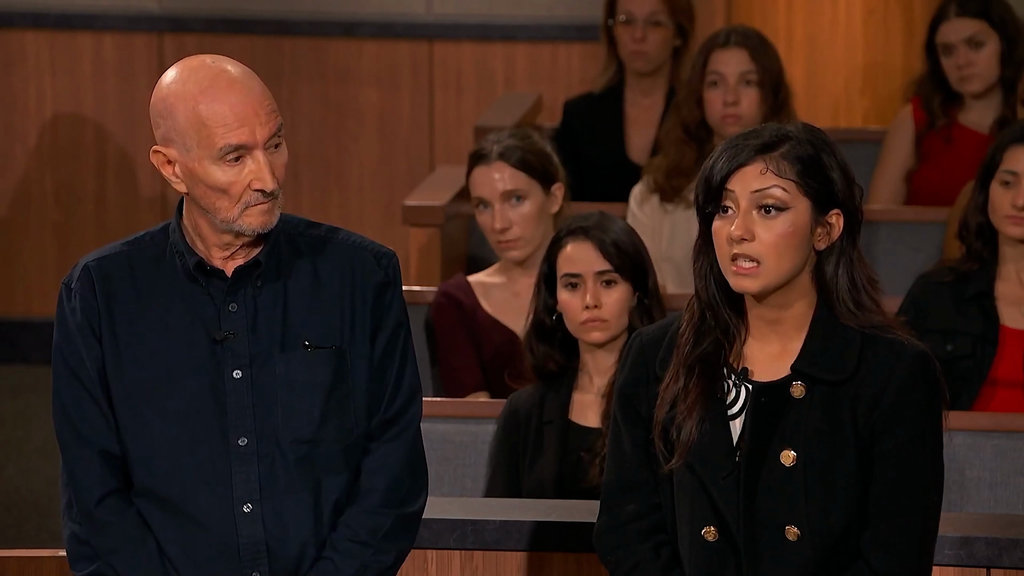
Flores then directed her criticism toward Bensoussan’s pricing. She argued that the paperwork submitted did not change based on immigration status. The judge noted that identification and immigration status had become blurred in the discussion and that Bensoussan could charge more for the four-hour trip his client described.
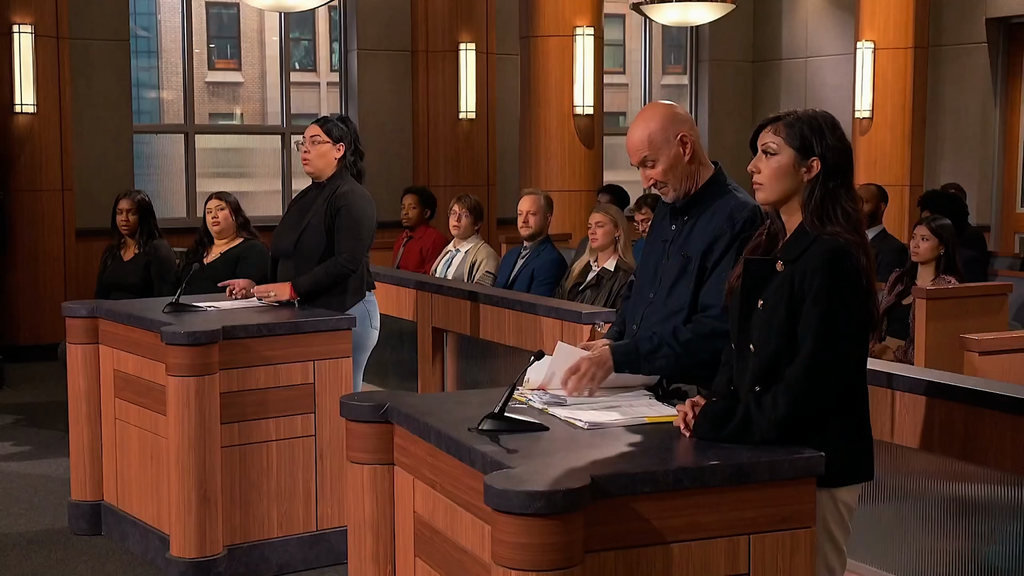
The exchange established friction and unprofessional conduct. It did not establish which party began a broader campaign of false statements or what business was lost because of it.
A Second Witness and an Unnamed Warning
Flores called another witness, Ms. Burton, who was at the jail visiting her own incarcerated husband. Burton knew Flores because Flores had previously performed her marriage ceremony.
Burton testified that, before the June incident, she had once heard Bensoussan talking outside the jail with a potential client. She recalled him advising the person to use his services because other officiants engaged in fraud, scams or schemes to take customers’ money.
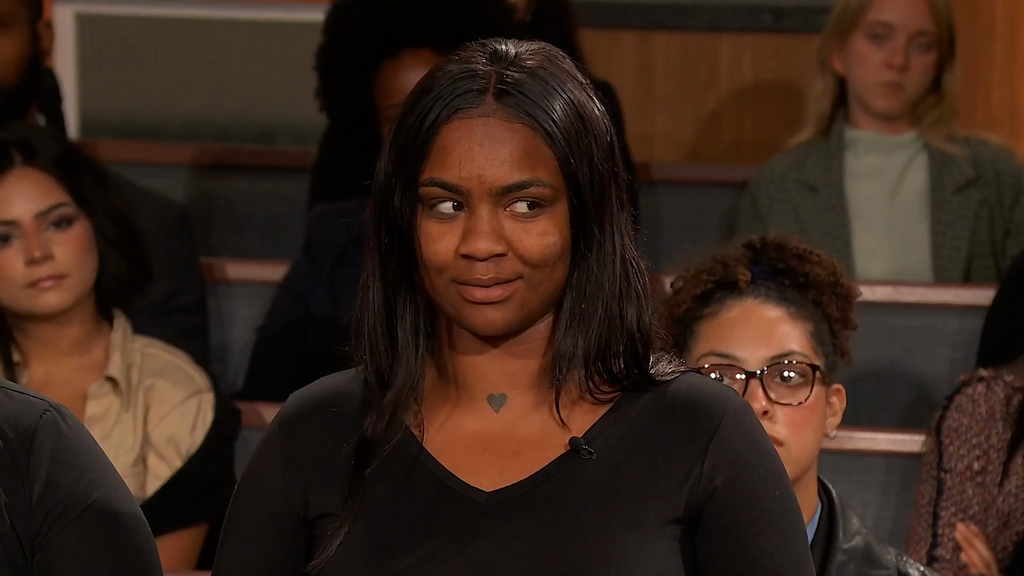
Critically, Burton said Bensoussan did not name Flores.
Burton nevertheless knew there was tension between the two officiants. On the day of the confrontation, she saw Bensoussan turn his head when Flores returned to the waiting area. She then heard Genesis tell Flores that she should not slander him.
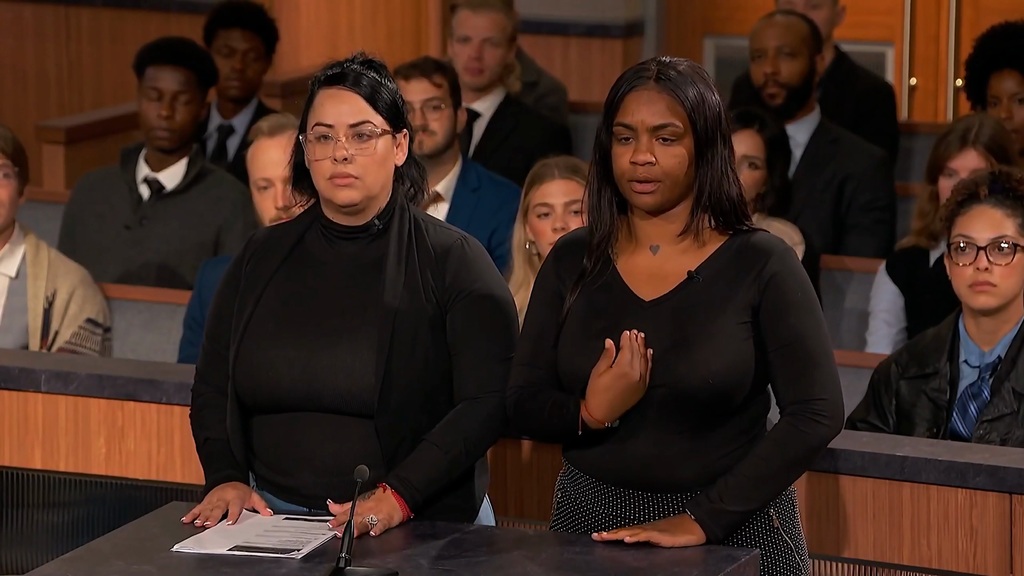
Burton’s recollection supported Flores on one limited point: Genesis appears to have confronted Flores about slander before Flores made the remarks about Bensoussan’s price. But Burton could not establish that the earlier unnamed warning outside the jail referred specifically to Flores.
Without an identifiable target, that statement could not carry Flores’s defamation claim.
The Website Plagiarism Counterclaim
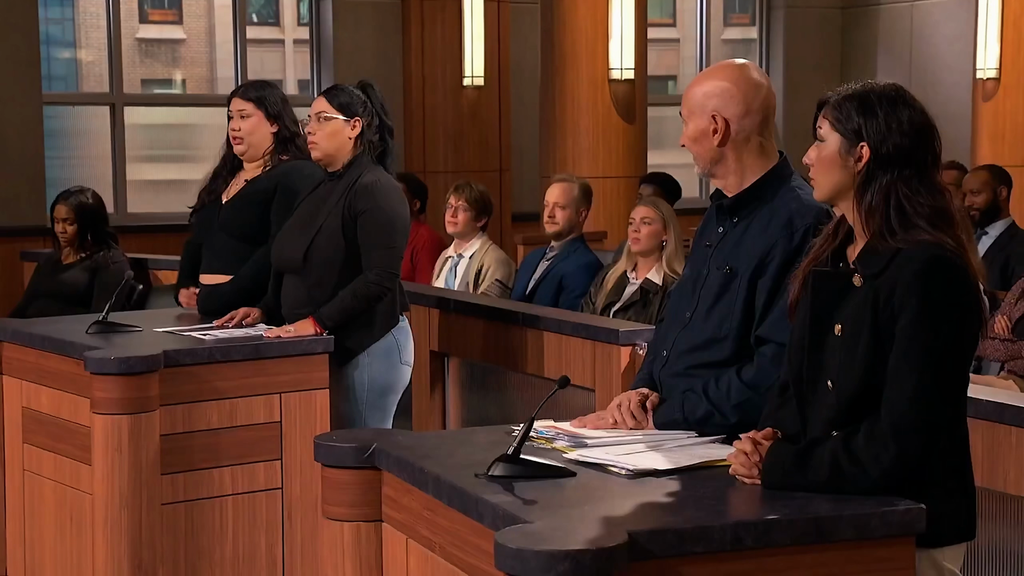
Bensoussan’s counterclaim extended beyond spoken accusations. He alleged that Flores copied his website content verbatim.

The judge reviewed the materials and rejected the claim. Both websites described the same category of service—performing marriages in jails—and listed the names and addresses of facilities where those services were available.
The court found nothing proprietary in that information. Locations, addresses and straightforward descriptions of jail-wedding services were functional facts that both officiants could list. Similar services will naturally require similar basic explanations.
Bensoussan did not demonstrate that Flores appropriated protected original material or that any alleged copying caused him a financial loss. The court instead questioned why the two competitors could not coexist when there appeared to be sufficient demand for both businesses.
The $200 Bribe Allegation Falls Apart
Flores also claimed she had lost money after being reported to the Orange County Clerk-Recorder and placed under investigation. She said she was cleared on September 12, but believed Bensoussan was behind the complaint.
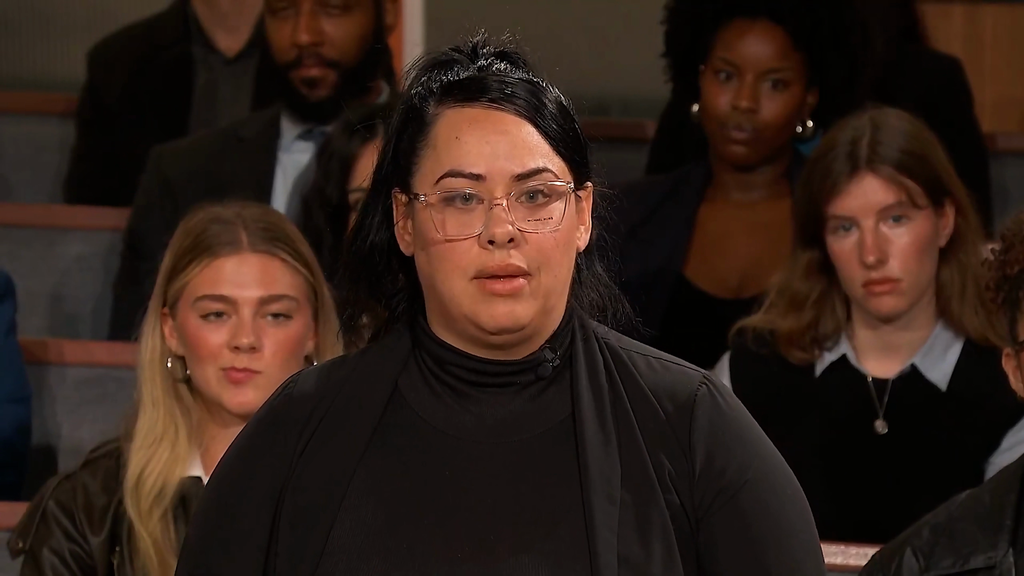
To support that theory, Flores called Ashley Garcia. Garcia said she had accompanied her friend Leilani on June 27 while Leilani asked Bensoussan about possible marriage services.
At first, Garcia appeared to testify that Bensoussan offered them approximately $200 in cash to report Flores for failing to perform services or performing them fraudulently.
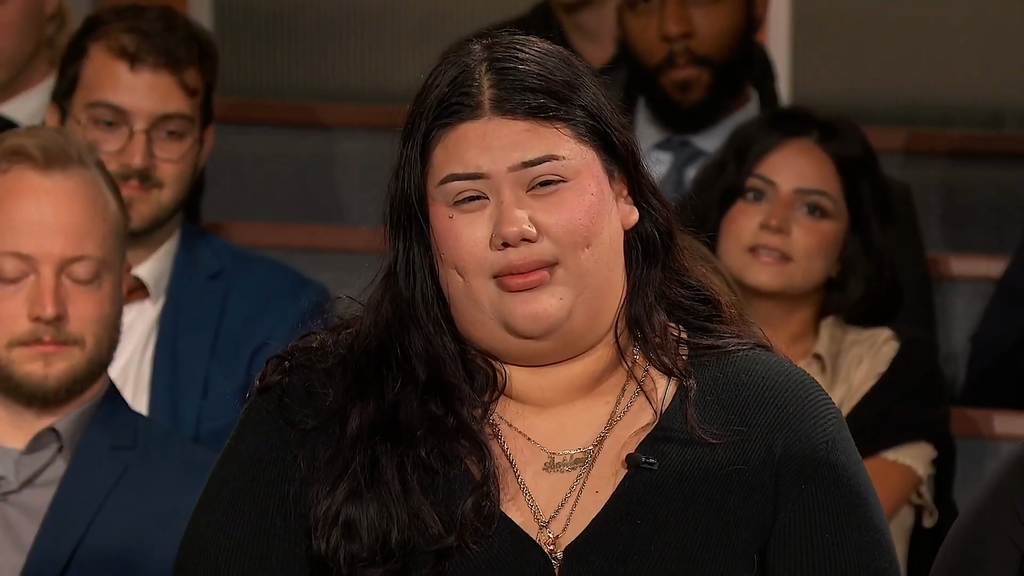
The judge pressed her to explain how Flores’s name arose during a consultation with a prospective client. Garcia’s story then changed in a crucial way. She acknowledged that Leilani had stepped away and spoken with Bensoussan separately. Leilani later returned alone and told Garcia about the alleged offer.
Garcia had not heard Bensoussan offer money. He had not offered Garcia anything directly. Her testimony about the payment was based entirely on what Leilani later told her.
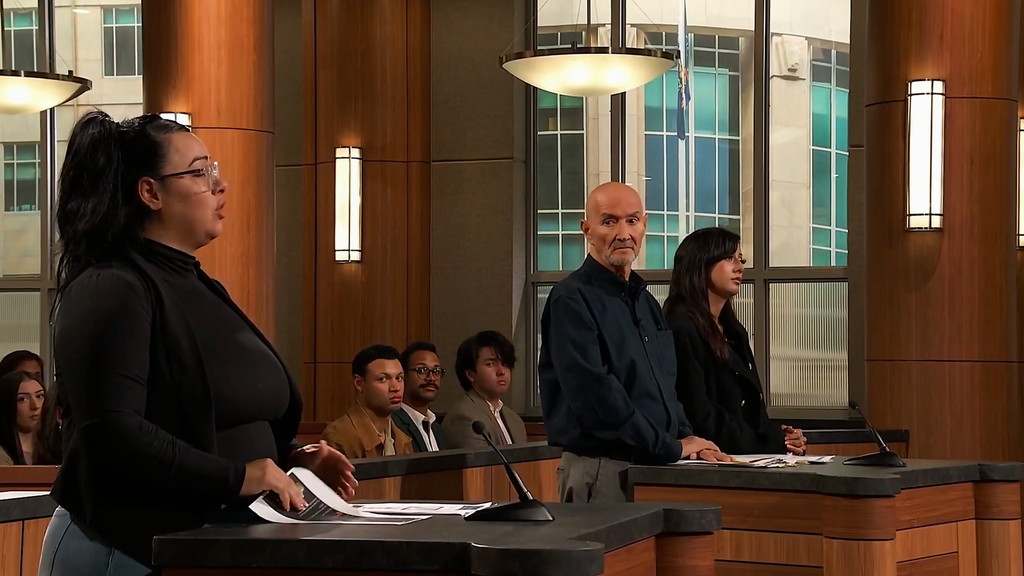
The judge classified that account as hearsay and told Flores that Garcia was not a helpful witness. Although Garcia may have contacted the clerk, her testimony did not prove she acted at Bensoussan’s direction.
The investigation and Flores’s eventual clearance were part of the timeline. The missing link was reliable evidence connecting Bensoussan to the report and connecting the report to specific lost wages.
Why Both Cases Were Dismissed
The court dismissed Flores’s lawsuit and Bensoussan’s counterclaim.
Both parties demonstrated that they disliked each other and had spoken critically in a competitive business. Neither proved the elements necessary for a monetary award.
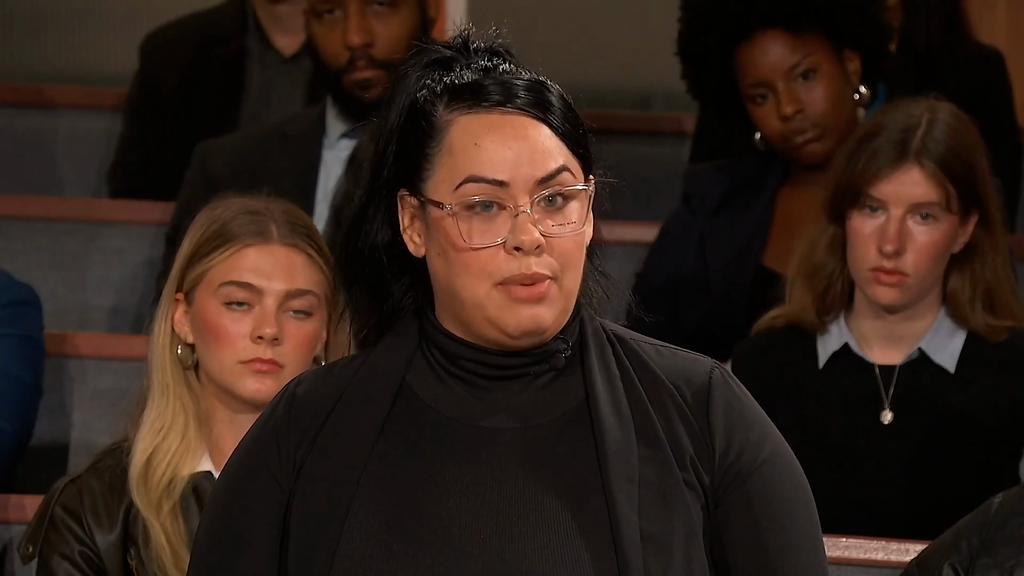
Flores did not establish with admissible evidence that Bensoussan directed the complaint against her, offered a bribe or caused a documented loss of income. Garcia’s supposed knowledge of the $200 offer came from Leilani, who had the private conversation and was not the witness recounting it in court.
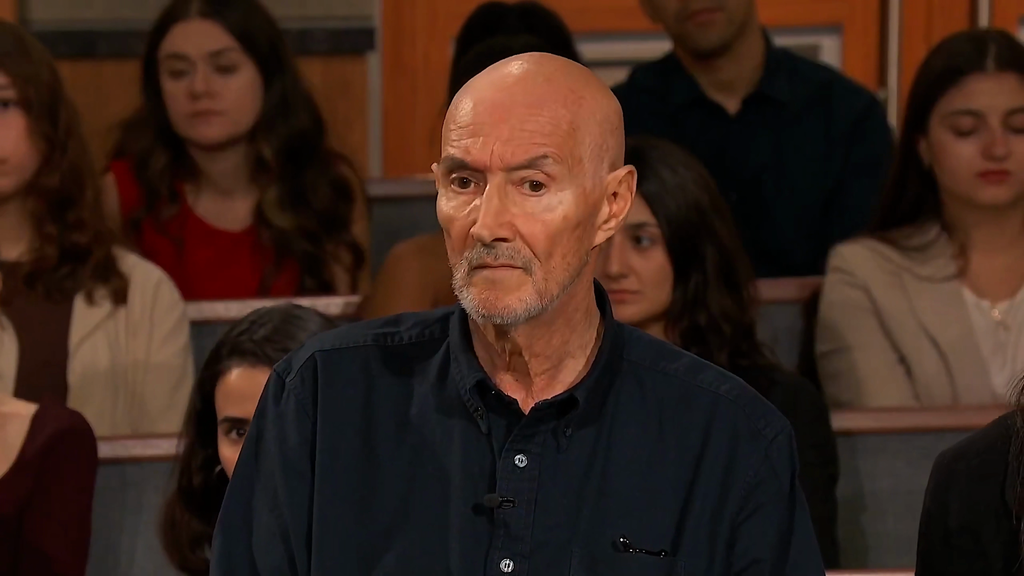
Bensoussan did not prove that Flores’s statements cost him clients or wages. His witness described a hostile jailhouse exchange, but the conflicting testimony did not establish a broader pattern of compensable defamation. His website claim also failed because the material he identified was not proprietary.
The judge advised both officiants to stop bad-mouthing each other and learn to coexist in the same field. The demand for jail marriages appeared large enough that neither lacked potential customers.
After the ruling, each side continued to blame the other. Bensoussan called Flores’s statements lies and suggested she wanted exclusive control of the incarcerated-marriage business. Flores said the complaint had led to an investigation but that she had been cleared and could resume working at the relevant facilities. She also challenged Bensoussan’s assertion that she had defamed him for four years, noting that she had not been ordained until 2022.
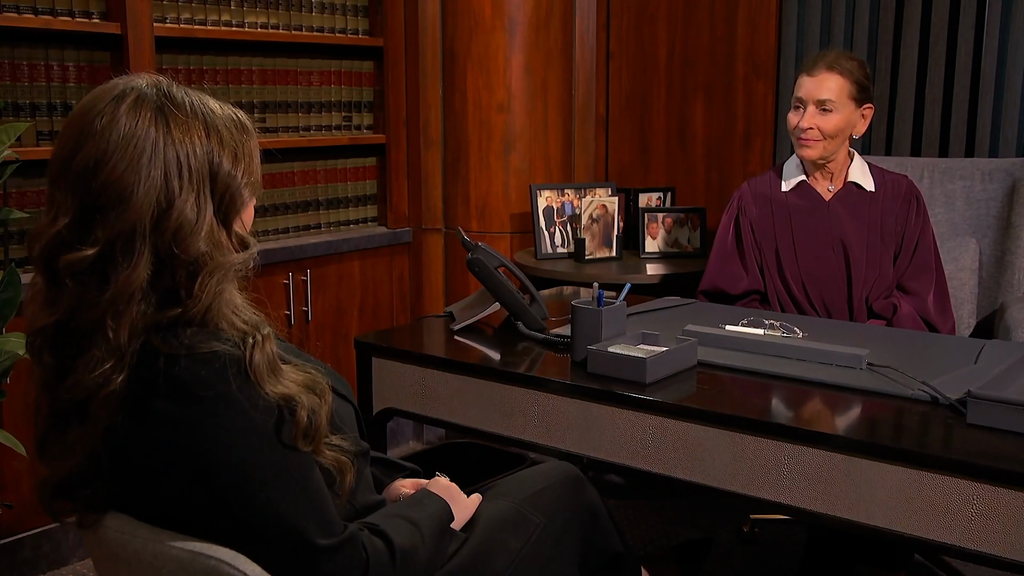
Their comments underscored the court’s central conclusion. The rivalry was real. The damages were not proven.
(uc.)
FAQ
Who were the parties in the jail-wedding officiant dispute?
Jennifer Flores was the plaintiff, and Jean-Claude Bensoussan was the defendant and counterclaimant. Both performed marriage services for couples in which one partner was incarcerated.
What did Jennifer Flores accuse Jean-Claude Bensoussan of doing?
Flores sued for defamation and lost wages. She alleged that complaints connected to Bensoussan led to an investigation of her officiant business, although the court found that she did not prove he directed the complaint or caused measurable losses.
What did Jean-Claude Bensoussan allege in his counterclaim?
Bensoussan counterclaimed for loss of business, defamation and plagiarism. He accused Flores of disparaging his services and copying content from his website.
Why was the alleged $200 offer excluded?
Ashley Garcia admitted she did not hear Bensoussan make the alleged offer. Her friend Leilani reportedly told her about it after a private conversation, making Garcia’s account hearsay rather than direct evidence.
What was the final ruling in Flores v. Bensoussan?
The judge dismissed Flores’s case and Bensoussan’s counterclaim. Neither party proved lost business or compensable damages, and the court found the website information was not proprietary.
Sources
- Judge Judy, including testimony from Jennifer Flores, Jean-Claude Bensoussan, Genesis, Ms. Burton and Ashley Garcia, as well as the ruling and post-hearing comments.
- Public episode transcript for Judy Justice, “Unlawful Ordination,” used only to confirm the spelling of Jean-Claude Bensoussan’s name.
- LAist profile of California jail-wedding services, used only as secondary confirmation of Bensoussan’s name and professional role.
- Disputed statements are attributed to the witnesses who made them and are not presented as independently verified facts.