The music had stopped, the performer had left, and the tribute band had moved on. But a $1,000 payment and a collection of handmade stage costumes remained caught between two former collaborators. Were the clothes Christian Robinson’s tools of the trade—or property purchased for Mark Pollack’s production? And was the money a personal loan, or merely an advance against future performances?
(uc.)
A Tribute Project Built Around One Performer
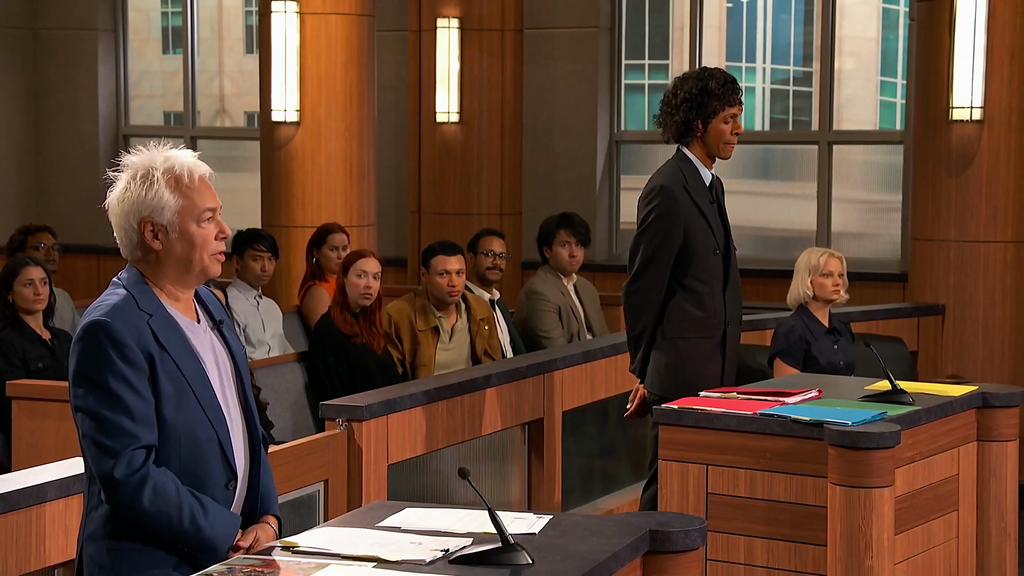
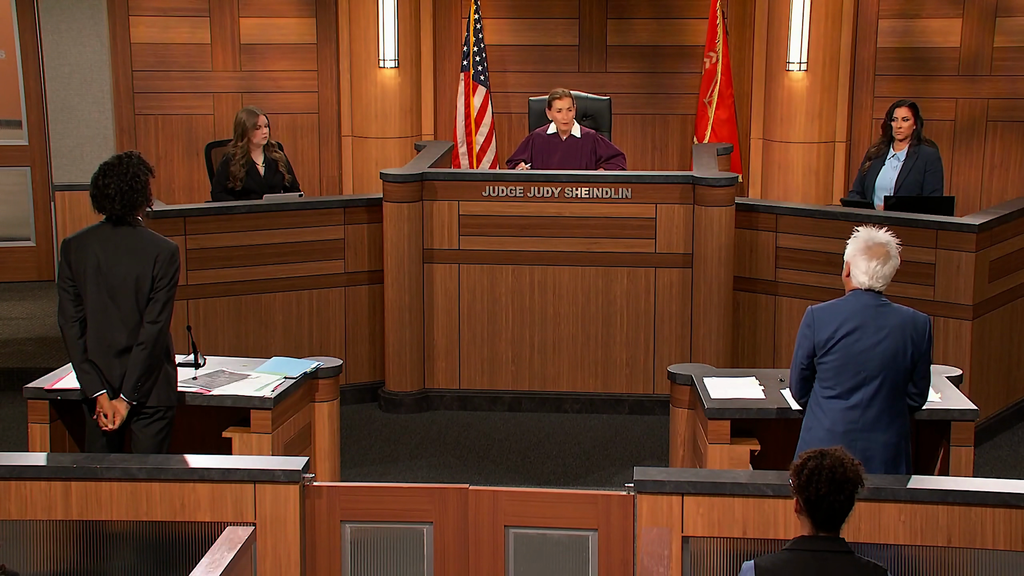
By the time Mark Pollack and Christian Robinson appeared in court, their working relationship had already ended. The performances, rehearsals, and plans that once connected them had been replaced by a dispute over money, costumes, and what each man believed their agreement required.

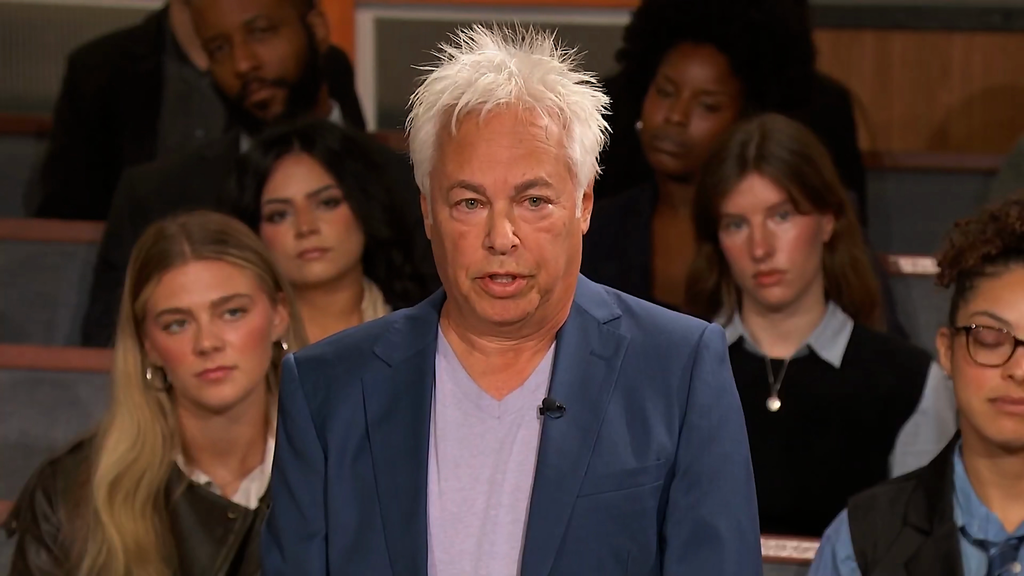
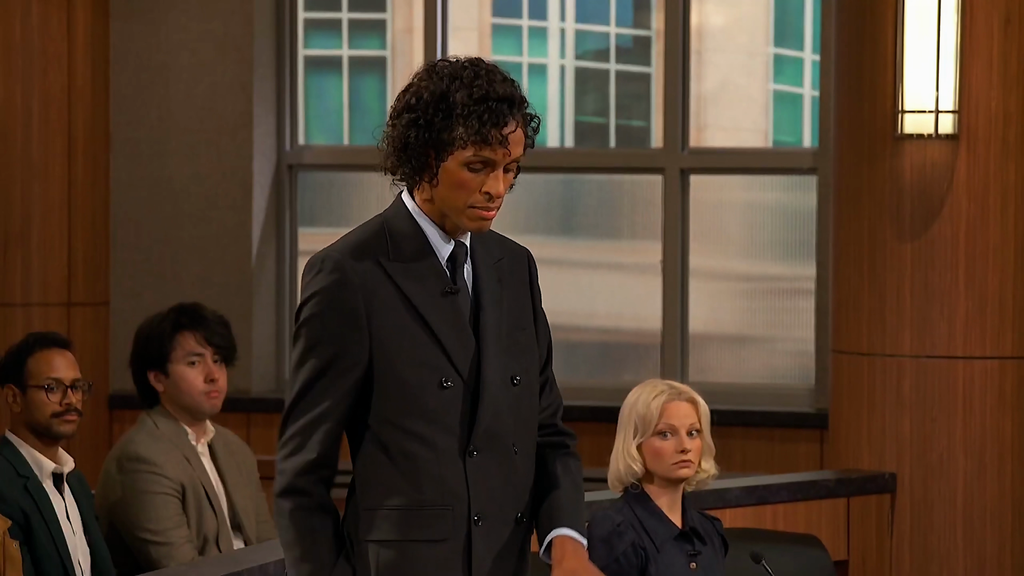
Pollack worked in real estate, but he also pursued a separate creative project: forming a Michael Jackson tribute band. Robinson was the featured impersonator—the performer around whom the concept was built. According to the testimony, the two men met in the middle of 2018 and began working on the project roughly two or three months later.
The band did not immediately begin playing public shows. Its first performance did not take place until 2023, years after the men initially connected. That gap matters because it shows that the project involved a long development period before it began generating performance income. During that time, the band needed more than musicians and rehearsal space. It needed a recognizable visual presentation, including specialized stage clothing suited to the tribute act.
That wardrobe would eventually become one of the central questions before the court.
The dispute was not about whether Robinson had performed with the band or whether Pollack had helped finance the production. Both sides acknowledged those basic facts. The conflict arose from the way they characterized the money and property that passed between them. Pollack saw himself as the person funding assets for his production and separately helping Robinson with a personal loan. Robinson viewed at least some of those same transactions as part of his compensation and his work as the featured performer.

Those competing interpretations could coexist while the band remained together. Once Robinson left in May 2024, however, every unresolved detail became consequential.
The Costumes at the Center of the Partnership
The stage costumes were created with the assistance of Robinson’s girlfriend, who designed and constructed them. Her labor was significant to the finished product, but the evidence also showed that Pollack paid most of the documented material costs.
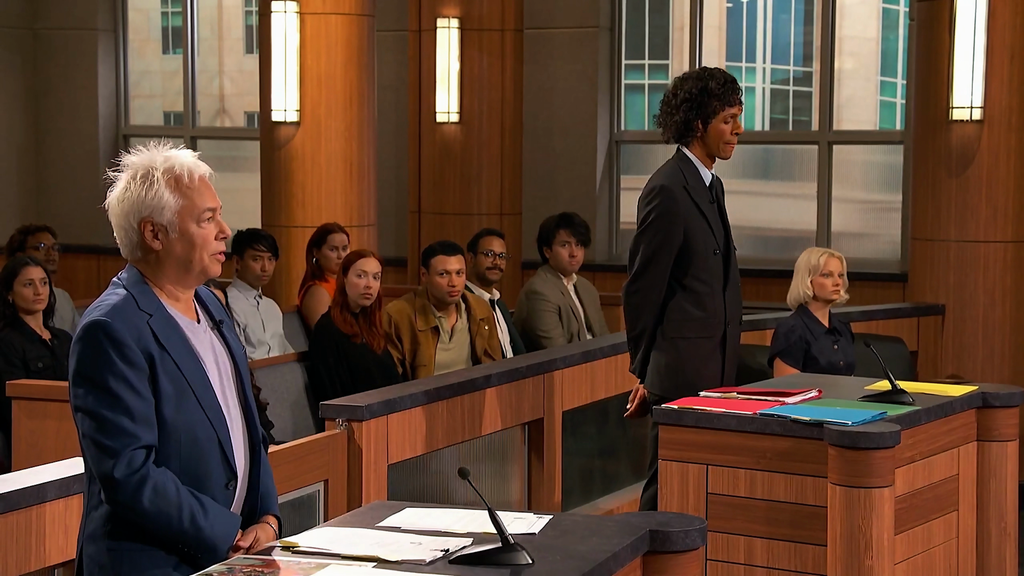
Robinson acknowledged that Pollack had paid $2,772.52 for costume materials. Robinson said he contributed $460.64, and he also referred to purchasing crystals—an expense discussed as approximately $187—along with tools used in the costume-making process. The garments remained in Robinson’s possession after he left the group.
That created a divide between creative contribution and legal ownership.
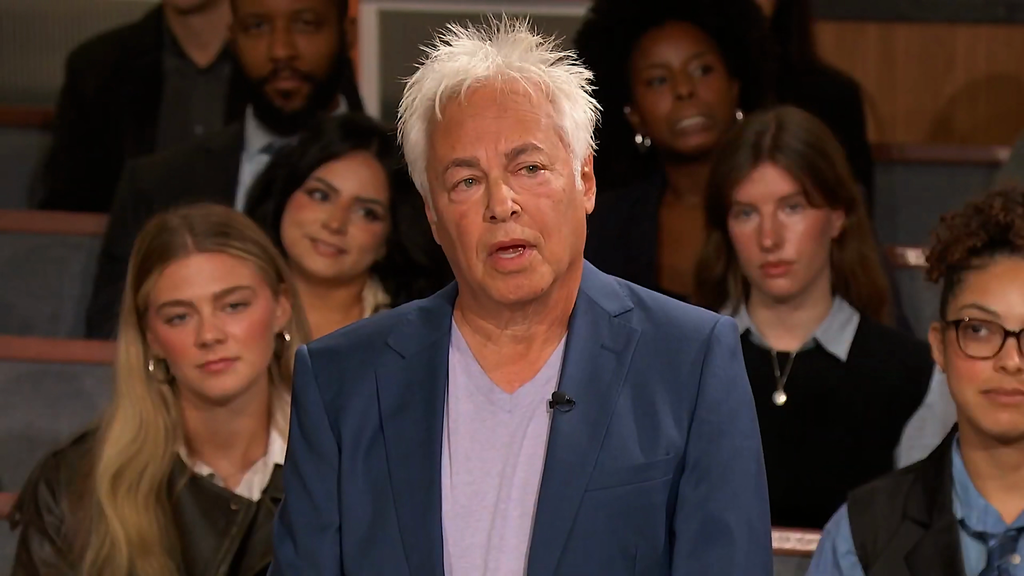
From Robinson’s perspective, the costumes were closely connected to him. They had been designed for his performances, his girlfriend had spent time making them, and he had contributed some money and supplies. In practical terms, he was the person who wore them onstage and held them afterward.
Pollack’s position was different. He had financed the bulk of the materials for the benefit of the band. The costumes were not casual gifts or personal clothing purchased without reference to the production; they were acquired and assembled as part of the tribute show he was developing.

The court also had to separate Robinson’s girlfriend’s labor from Robinson’s own claim. Although she created the garments, the testimony did not establish a contract between her and Pollack requiring him to pay her for that work. Her unpaid labor could explain why Robinson felt entitled to retain the costumes, but it did not by itself transfer ownership to him.
The $1,000 Payment
The second major dispute began in December 2023, when Pollack gave Robinson $1,000.
Pollack described the payment as a personal loan. Under his account, it was separate from the band’s finances and separate from Robinson’s performance compensation. It therefore remained repayable even after the band earned money from later shows.
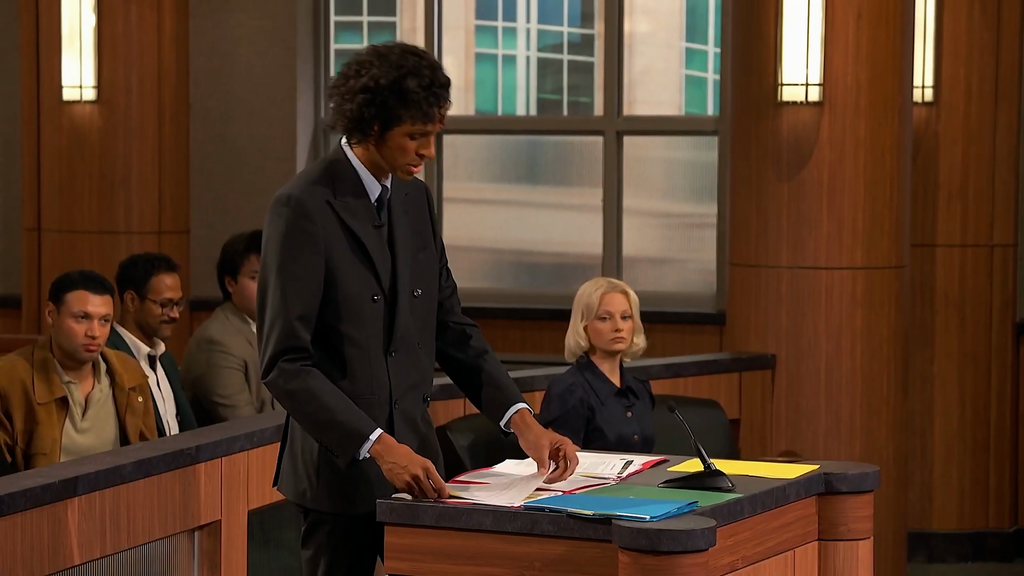
Robinson did not deny receiving the funds. Instead, he disputed their meaning. He characterized the $1,000 as an advance that was supposed to be deducted from money he later earned through the band.
This distinction was decisive. If it was a conventional loan, Robinson owed the money unless he could show that he had repaid it. If it was an advance against performance income, later payments could potentially satisfy the obligation even if no separate repayment ever changed hands.
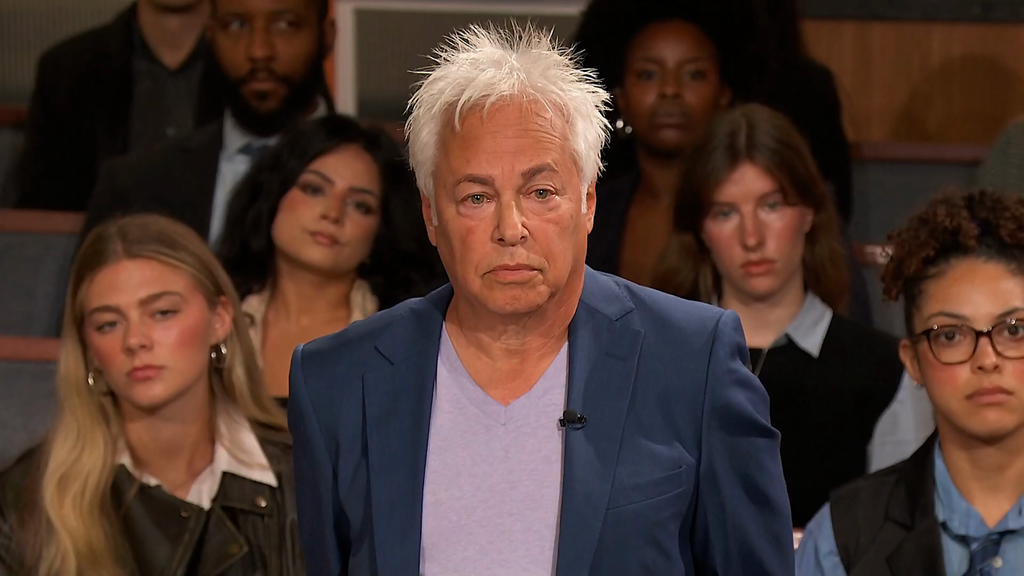
The record described no repayment designated specifically for the $1,000. The question therefore became whether the band’s later compensation arrangement proved that the debt had already been absorbed.
Two Shows and Two Different Interpretations
Between the December 2023 payment and Robinson’s departure in May 2024, the band performed two shows, both in April 2024.
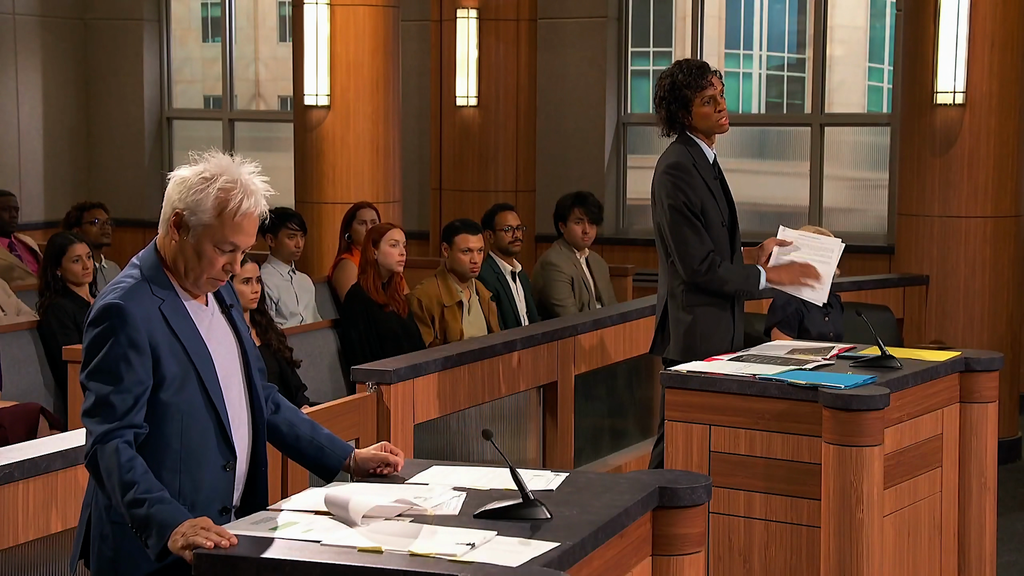
The first show generated gross revenue of $7,600, and Robinson received $1,082. The second grossed $5,600, and Robinson was paid $775. Those figures established that Robinson had received performance compensation during the period in which the $1,000 remained disputed.
But the existence of those payments did not prove that the debt had been deducted.
Pollack testified that nothing was withheld from Robinson’s show earnings to repay the $1,000. He treated the loan as a personal matter, outside the band’s accounting and tax records. In his view, recording a private loan as a band expense or silently subtracting it from entertainment income would have blurred two separate transactions.
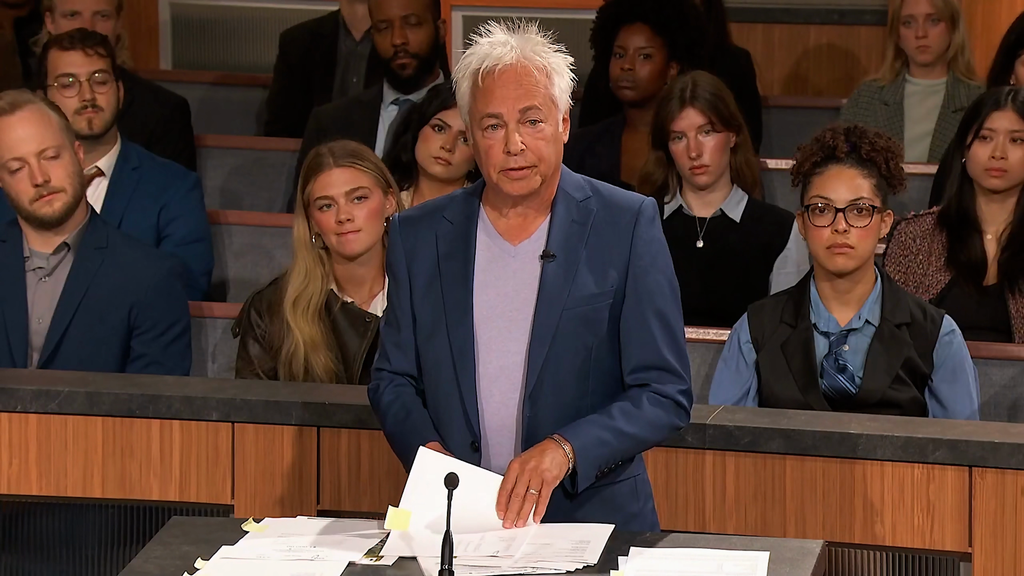
Robinson’s theory required the court to infer that the show payments and the earlier $1,000 were part of a single compensation arrangement. Yet the figures presented in court did not demonstrate an actual $1,000 deduction. There was no contemporaneous accounting showing the amount removed from Robinson’s earnings, no receipt identifying repayment, and no clear payment record tying the April shows to the December transfer.
The court ultimately accepted Pollack’s interpretation. Robinson still owed the $1,000.
The Contract Argument
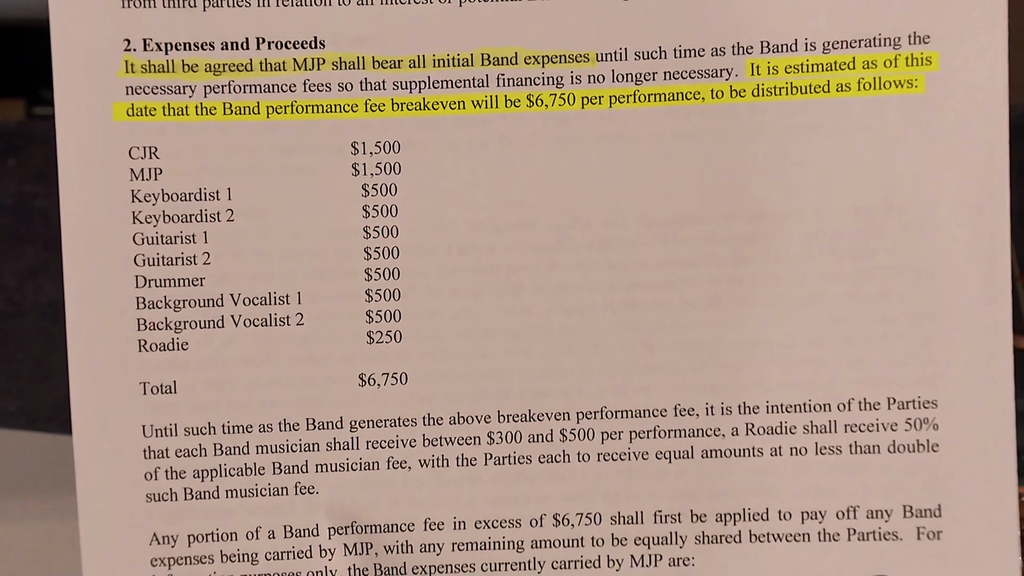
Robinson also argued that the band’s written arrangement entitled him to more compensation. During the hearing, he referred to an additional amount described in the transcript as “15” per show. The subtitle record does not preserve that unit clearly enough to convert it safely into either a dollar figure or a percentage.

What mattered to the judge was the wording and function of the document itself. The compensation language was treated as an estimate, not a guarantee of a fixed payment for every performance. In other words, the document did not establish that Robinson had automatically earned another specific sum that could offset the loan.
This part of the dispute illustrates why performance agreements need precise definitions. An estimate can help artists understand what they might earn, but it is not necessarily a promise. A guaranteed fee, percentage of gross revenue, share of net profit, and projection based on expected ticket sales are legally and financially different concepts.
The parties’ disagreement showed what can happen when collaborators rely on the same document but assign different meanings to it. Robinson regarded the provision as proof that more money was due. The court found that the language did not support that conclusion.
Who Owned the Wardrobe?
The costume question turned on the purpose of the purchases and the structure of the production.
The judge used a theater analogy to explain the result: an actor hired to play Sir Lancelot in a Broadway production does not ordinarily leave the show with the production’s costumes simply because those garments were made for that actor’s role. The wardrobe remains with the production unless an agreement says otherwise.
Applied to the tribute band, the analogy placed the costumes among the show’s assets. Pollack paid most of the material costs so that the garments could be used in his production. Robinson wore them because he occupied the featured role, but possession and use did not establish ownership.
Robinson’s partial contribution did not persuade the court to award him the complete wardrobe. Nor did his girlfriend’s work establish that Pollack had promised to compensate her or surrender the finished costumes. Without a different contractual arrangement, the clothing followed the production funding rather than the departing performer.

The evidence that Pollack later worked with another Michael Jackson impersonator also helped clarify the practical issue. That replacement performer brought his own costumes and was no longer with the band by the time of the hearing. But the band’s temporary ability to perform without the disputed wardrobe did not erase Pollack’s ownership claim. Property does not become someone else’s merely because its owner finds a substitute.
The court ordered Robinson to return the costumes.
Christian Robinson’s $4,186 Counterclaim
Robinson did not appear only as a defendant. He filed a counterclaim seeking $4,186 in travel expenses.
The claim raised a different evidentiary problem: timing. Robinson did not show that he had presented those expenses to Pollack when they were incurred, invoiced the band after the first performance, or consistently sought reimbursement while the working relationship remained active.
Instead, the demand surfaced after the relationship had deteriorated and Pollack pursued his own claims. The judge treated it as an after-the-fact attempt to recover expenses that had not been communicated in the ordinary course of business.
The absence of timely notice was especially important because business partners need an opportunity to approve, reject, question, or budget for costs. A performer who expects travel reimbursement can document that obligation in a contract, obtain advance approval, and submit receipts promptly. When no such process occurs, a later total—particularly one assembled after litigation begins—can be difficult to verify and even harder to enforce.

The court dismissed Robinson’s $4,186 counterclaim.
That dismissal did not necessarily mean Robinson had incurred no travel costs. It meant the evidence presented did not establish that Pollack was legally obligated to reimburse the claimed amount.
The Court’s Final Decision
The ruling resolved each part of the dispute in Pollack’s favor.
Robinson was ordered to repay the $1,000. The court found that the payment was a loan, not an advance already satisfied through the April 2024 shows.
Robinson was also required to return the stage costumes. The judge concluded that the wardrobe belonged to the production financed by Pollack, even though Robinson wore the garments and his girlfriend had constructed them.
Finally, Robinson’s $4,186 counterclaim for travel expenses was dismissed because the reimbursement demand had not been established through timely communications or contemporaneous billing.
After the hearing, Pollack said the outcome was what he expected. He characterized the split as the result of creative differences and maintained that the band had performed well. Robinson offered a different account of the breakup, saying that the other band members had left Pollack and were working with him.
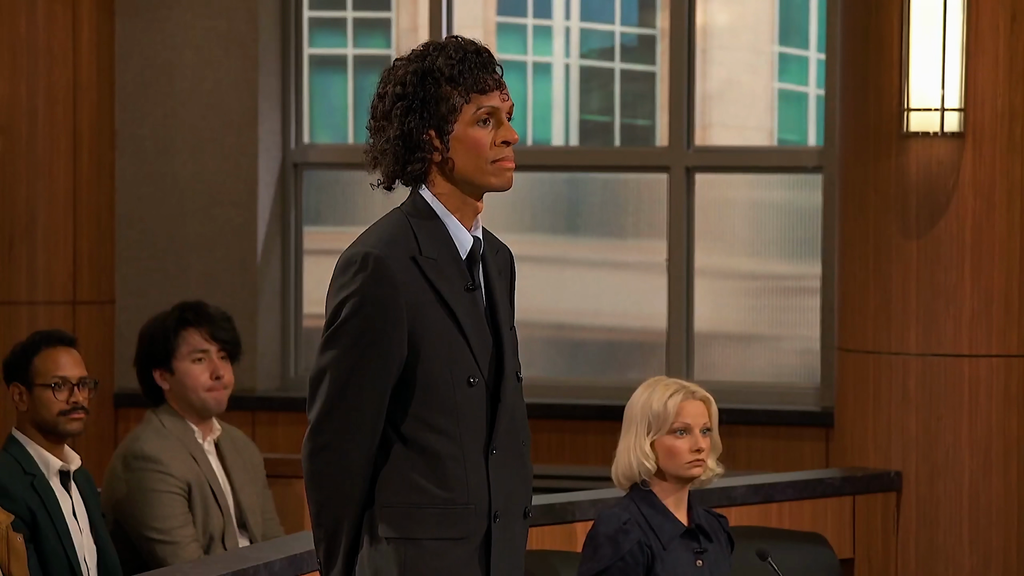
Those competing statements described the personal and professional fallout, but they did not change the judgment. The court’s decision was narrower: the loan remained unpaid, the costumes belonged to Pollack’s production, and the travel-expense claim had not been proven.
What the Case Reveals
Although the conflict arose inside a tribute band, the underlying problems are common in small creative businesses. Informal projects often begin through trust, shared enthusiasm, and personal relationships. Financial systems arrive later—sometimes only after money or property becomes contested.
Three separate categories became entangled here: personal assistance, performance compensation, and production assets. Pollack believed he had kept those categories distinct. Robinson believed some of them overlapped. Once the collaboration ended, the parties lacked a shared written record strong enough to prevent litigation.
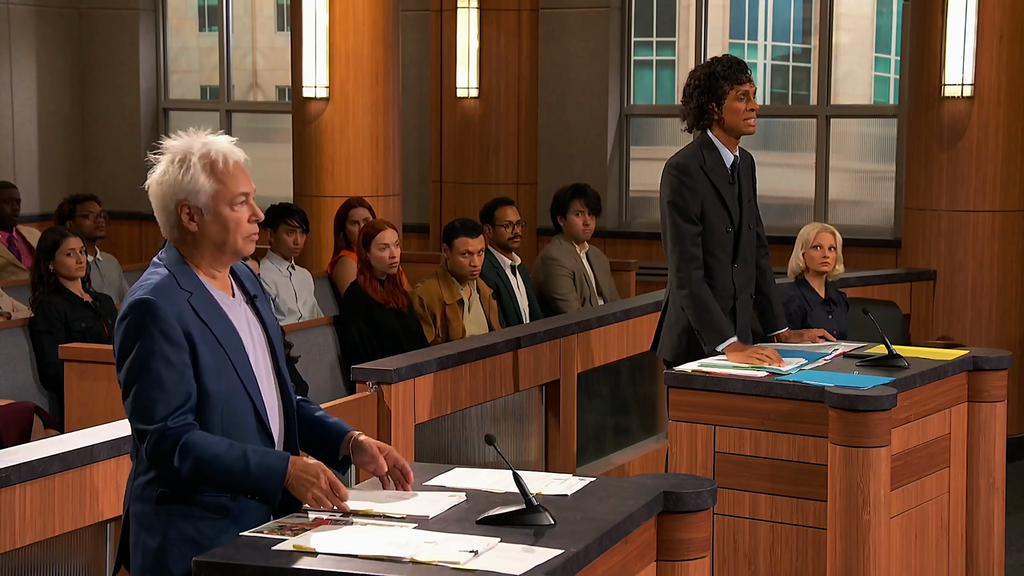
The case also demonstrates why ownership should be addressed before custom work begins. A garment can be designed for a particular performer without belonging to that performer. A creator can contribute labor without automatically becoming the owner of materials purchased by someone else. And a performer’s possession of an item does not necessarily establish title.
Likewise, expenses should be documented as they occur. Travel reimbursement terms, approval requirements, receipt deadlines, and payment procedures may seem unnecessarily formal when a project is new. In a dispute, however, those details can determine whether a legitimate cost is recoverable or merely asserted too late.
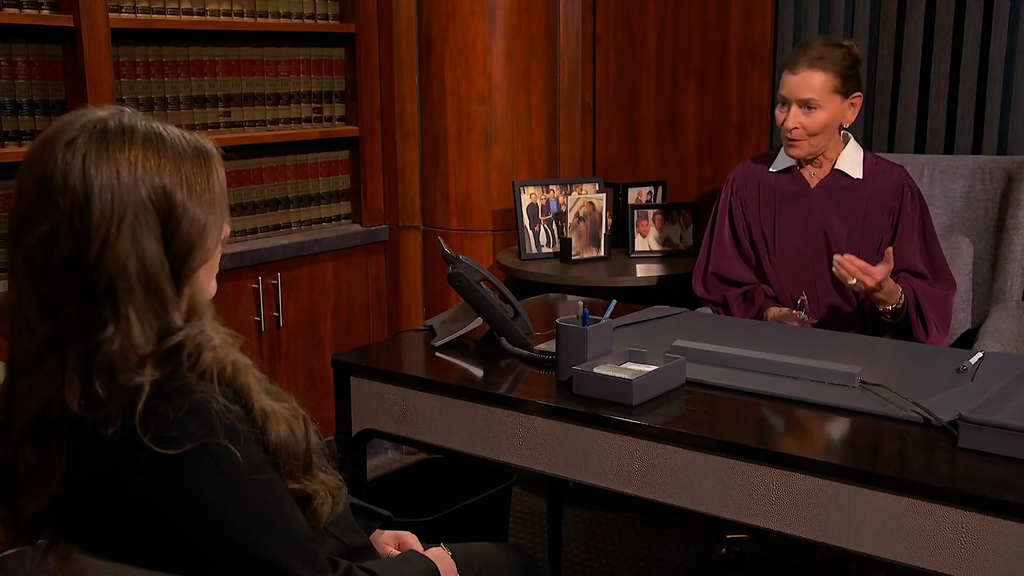
The court did not decide whose creative vision was better or which man deserved loyalty from the other musicians. It decided the issues that could be tied to money, documents, conduct, and ownership. That restraint is what gave the ruling its clarity.
(uc.)
FAQ
Why did Mark Pollack sue Christian Robinson?
Pollack sought repayment of a $1,000 loan and the return of stage costumes created for a Michael Jackson tribute band. Robinson disputed the nature of the payment and retained possession of the wardrobe after leaving the group.
Was the $1,000 a loan or an advance?
The court found that it was a personal loan. Robinson argued that it was an advance to be deducted from later performance earnings, but the evidence did not show that the April 2024 payments included such a deduction.
Who paid for the Michael Jackson tribute costumes?
Robinson acknowledged that Pollack paid $2,772.52 for materials, while Robinson contributed $460.64 and discussed additional purchases such as crystals and tools. Robinson’s girlfriend designed and constructed the garments.
Why did the court order the costumes returned?
The judge treated the costumes as assets of Pollack’s production. They were financed primarily for use in the tribute show, and no agreement established that Robinson could keep them after leaving the featured role.
What happened to Christian Robinson’s travel-expense counterclaim?
The court dismissed the $4,186 counterclaim. Robinson had not shown timely invoices or communications establishing that Pollack was responsible for reimbursing those expenses.
Sources
- Judge Judy, used as the primary factual source for testimony, amounts, dates, arguments, and the ruling.
- Apple TV episode listing for Judy Justice, Season 4, Episode 25, used to confirm the episode context and dispute summary.
- Public episode transcript for Not So Smooth Criminal and German Shepherd Jeopardy, used only to verify the spelling of Mark Pollack’s name.