
A restrained documentary-style image of an unbranded cruiser motorcycle parked outside a credit union at dusk, with an $8,500 loan form, a phone displaying blurred text-message bubbles and ten $280 payment receipts arranged in the foreground. Use cool, sober lighting and leave negative space for the headline. Do not show identifiable faces, physical aggression, police imagery or a staged courtroom confrontation.
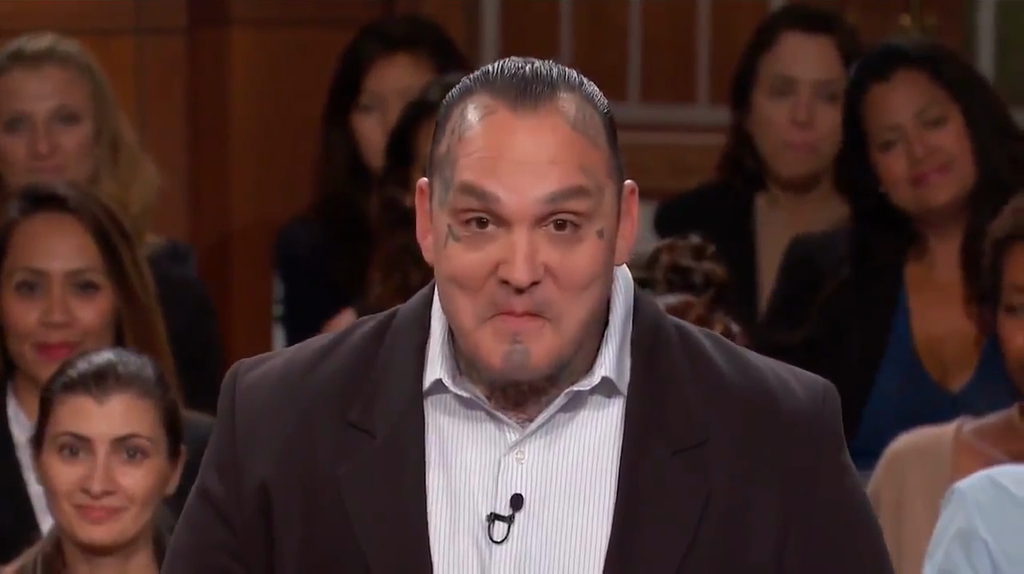
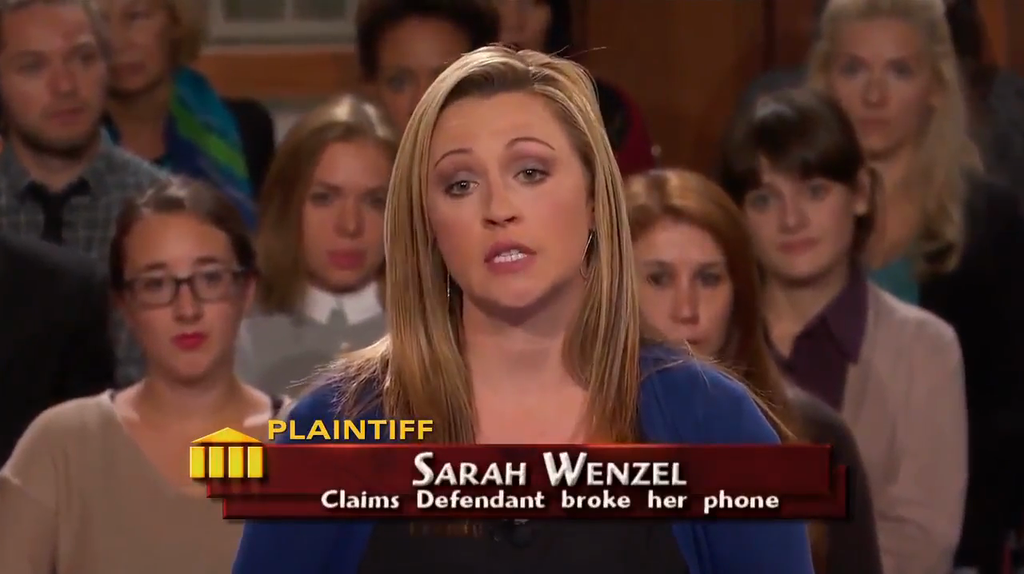
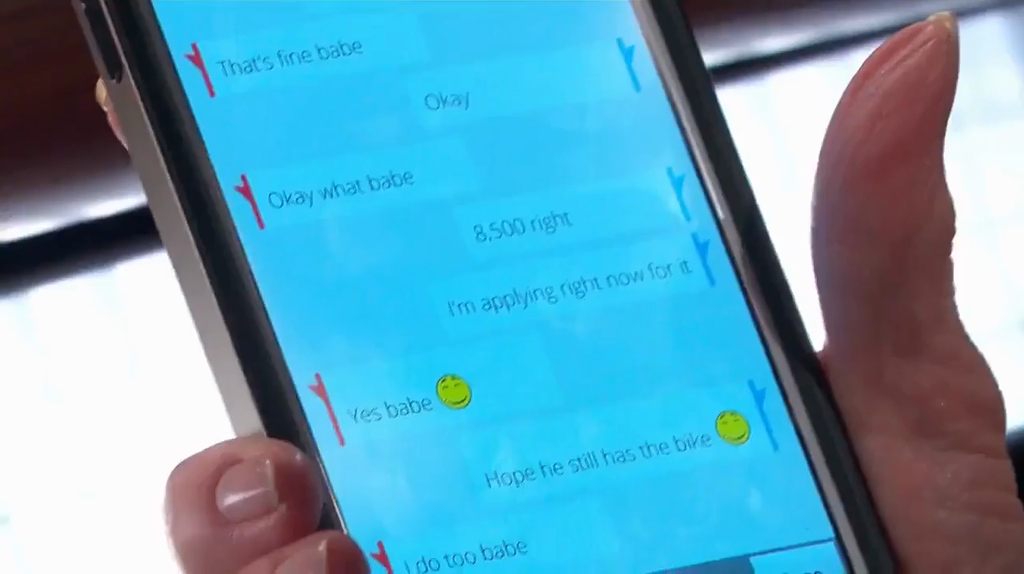
The message on Sarah Wenzel’s phone seemed ordinary enough: she was applying for $8,500, and Christopher Wood replied that he hoped the motorcycle was still available. What followed was anything but ordinary. Sarah said she left the bank with cash for a Harley-Davidson deal, then watched a brief romance dissolve into repeated demands for repayment. Christopher insisted she had never given him a dollar. Inside the Judge Judy courtroom, the dispute would not turn on a signed contract—there was none—but on a digital trail, a pattern of cash payments and a co-worker who remembered seeing money change hands.
Four Houses Apart—and a Deal Built on Trust
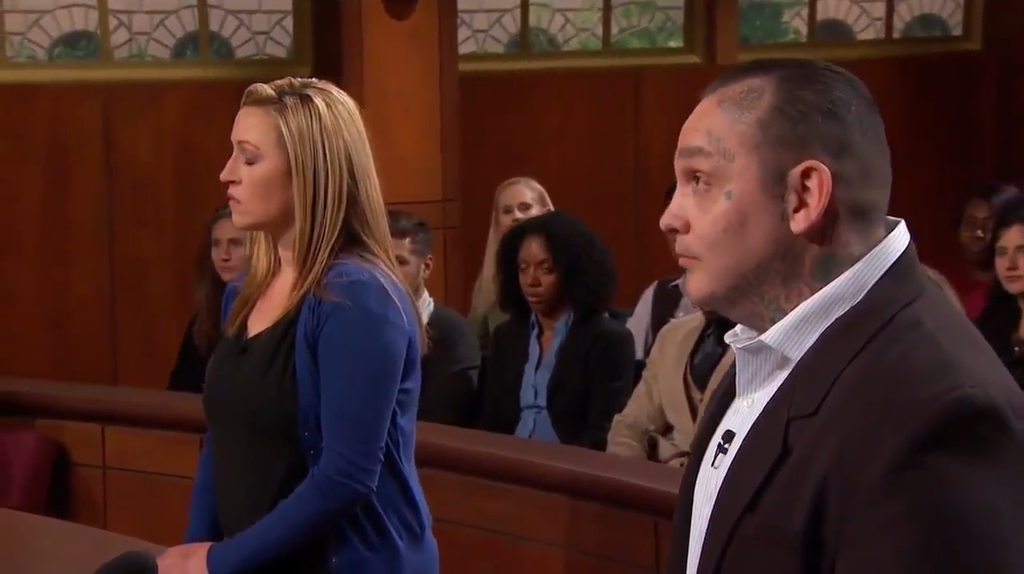
Sarah Wenzel moved into her home on February 1, 2015. Christopher Wood lived four houses away. According to Sarah, the neighbors became friends, spent time together and briefly dated. That developing trust mattered because the financial arrangement at the center of their later lawsuit was informal. There was no signed promissory note and no contract spelling out repayment terms.

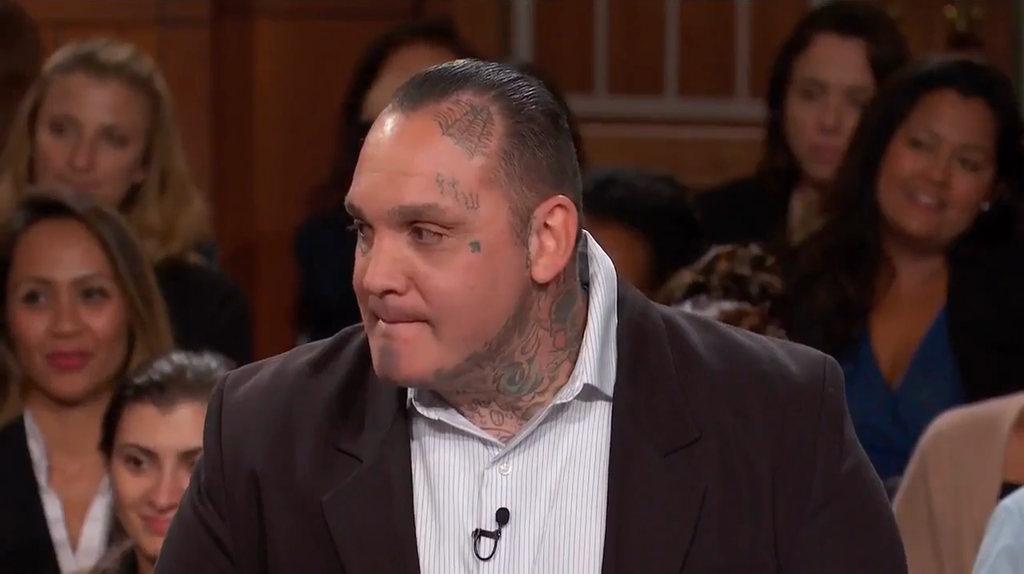
Sarah worked full time as a registered dental assistant and told the court she had remained with the same dentist for 14 years. Christopher described himself as a tattoo artist with 25 years in the trade. He said he earned roughly $600 a week from that work and another approximately $400 a week as a part-time setup technician operating a CNC machine that produced aluminum rims and motorcycle parts.

Their courtroom disagreement was therefore not about whether Christopher knew motorcycles. It was about who financed one particular purchase.
March 5, 2015: The $8,500 Loan
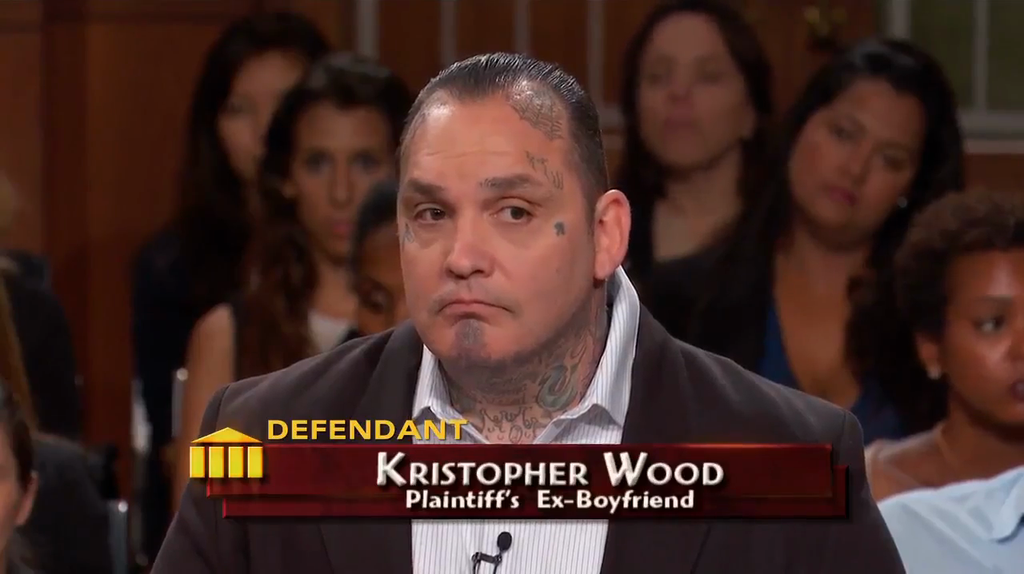
Sarah testified that Christopher approached her during the first week of March with an opportunity. A private seller near Sacramento, California, was asking $7,500 for a motorcycle that Christopher allegedly believed was worth almost twice as much. Sarah said he planned to resell it for $13,000 or $14,000 and repay her within three or four months.
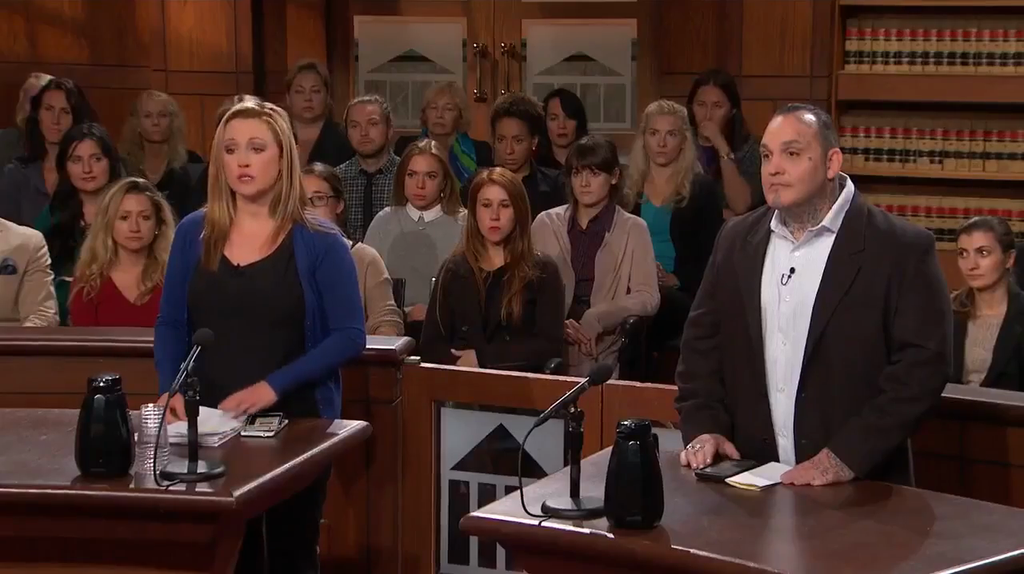
On March 5, Sarah went to Coast Hills Federal Credit Union and applied for a personal loan of $8,500. She said the additional $1,000—beyond the motorcycle’s price—was intended to cover tax, licensing and registration. After the loan was approved, she testified, she met Christopher and gave him the cash. He then traveled toward Sacramento with his roommate, Lauren, to collect the bike.
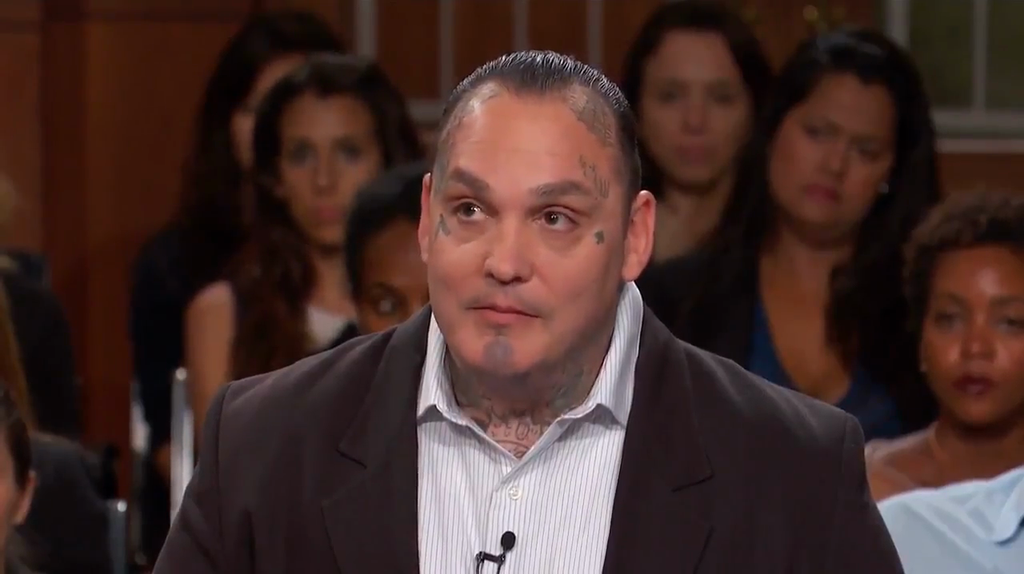
Christopher denied receiving Sarah’s money. Yet while discussing his motorcycle purchases, he acknowledged buying three bikes in 2015, including one near the end of March. The timing did not by itself prove Sarah funded that purchase, but it placed a motorcycle acquisition in the same period as the disputed loan.
The Text Message That Anchored Sarah’s Account

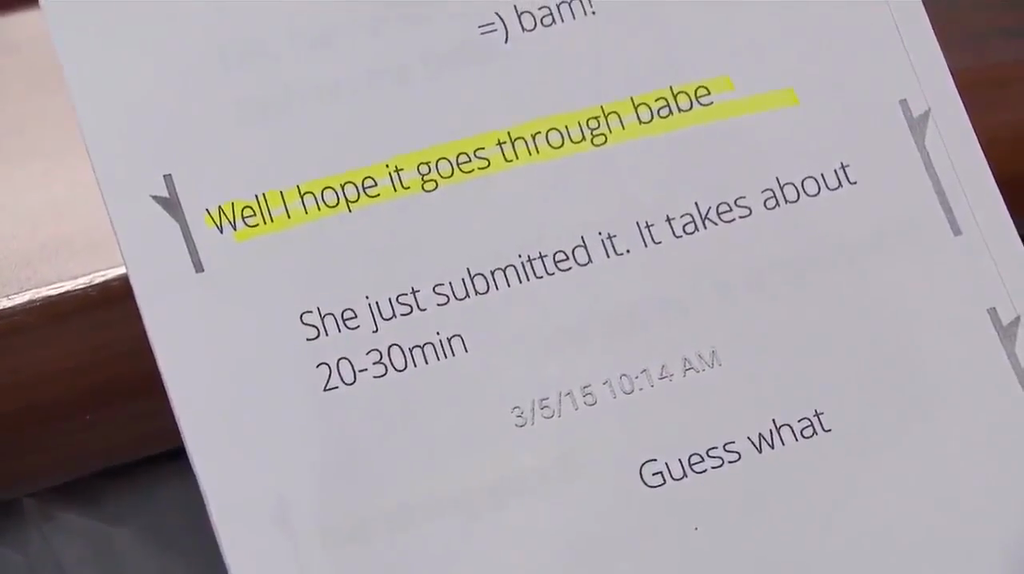
The hearing repeatedly returned to a message exchange from March 2015. Sarah’s message said she was applying for $8,500. Christopher’s reply, as read in court, was: “Yes babe, hope he still has the bike.”
That exchange did not expressly say Sarah would hand Christopher the proceeds or that he promised to repay them. The judge treated it as “some evidence,” not a complete written contract. Still, the message connected four critical elements at once: Sarah, an $8,500 application, Christopher and a motorcycle that both appeared to know about.
The distinction was important. Sarah could prove she borrowed money from a lender, but that alone would not prove she transferred it to Christopher. The court needed evidence from him—or conduct attributable to him—that acknowledged the debt.
A Broken Phone and Screenshots Under Scrutiny
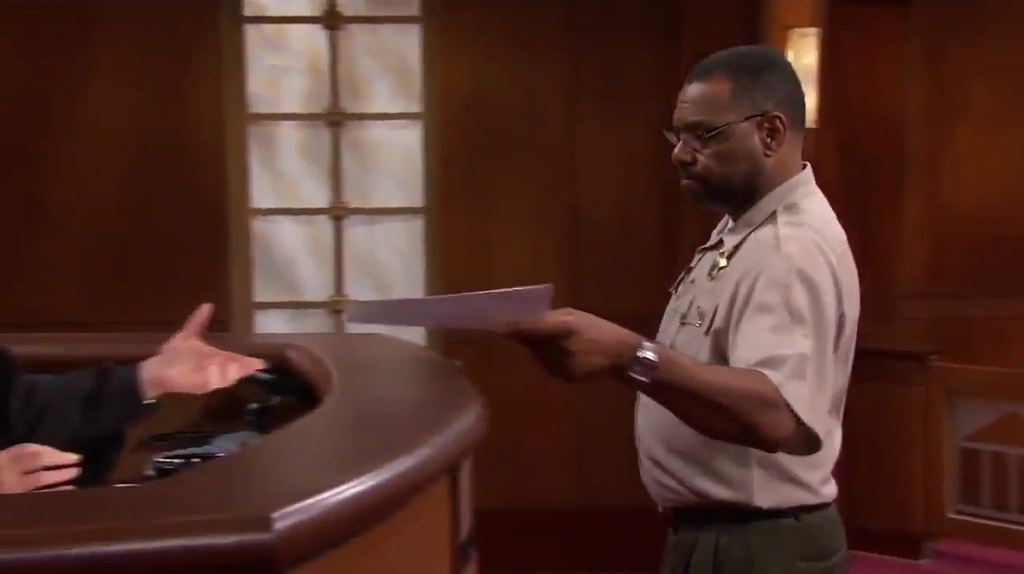
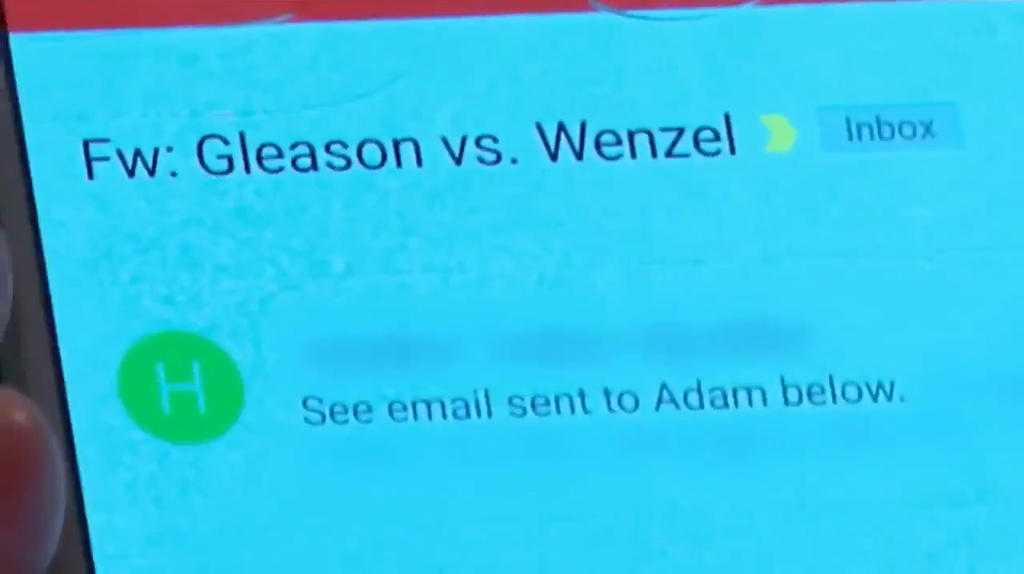
Sarah brought printed screenshots of the text exchange. Judge Judith Sheindlin wanted to see the messages on a device rather than rely only on paper copies. Sarah said the original phone no longer worked because Christopher had punched it in mid-April 2015 while wearing a ring. She alleged that he became angry after reading a message from her friend Jesse.

That phone-damage account remained Sarah’s allegation; the court did not separately adjudicate it. What mattered to the loan inquiry was how the screenshots survived. Sarah said she had captured the messages and emailed them to herself after she began worrying that Christopher would not repay her. After a recess and a lengthy search on her newer phone, the March exchange was located and read in court.

The episode illustrated a recurring problem in informal-debt cases: evidence created during a relationship may later have to carry legal weight it was never designed to bear. The timestamps and words mattered more than either party’s characterization of them.
Ten Payments That Did Not Fit a Total Denial
Sarah testified that the first loan payment was due April 19, 2015. Two days earlier, she said, she asked Christopher for the money and he told her it was not the time to raise the issue. Despite that start, Sarah said he eventually made ten cash payments of $280, totaling $2,800. She would then take the cash to the bank and make the lender payment herself.
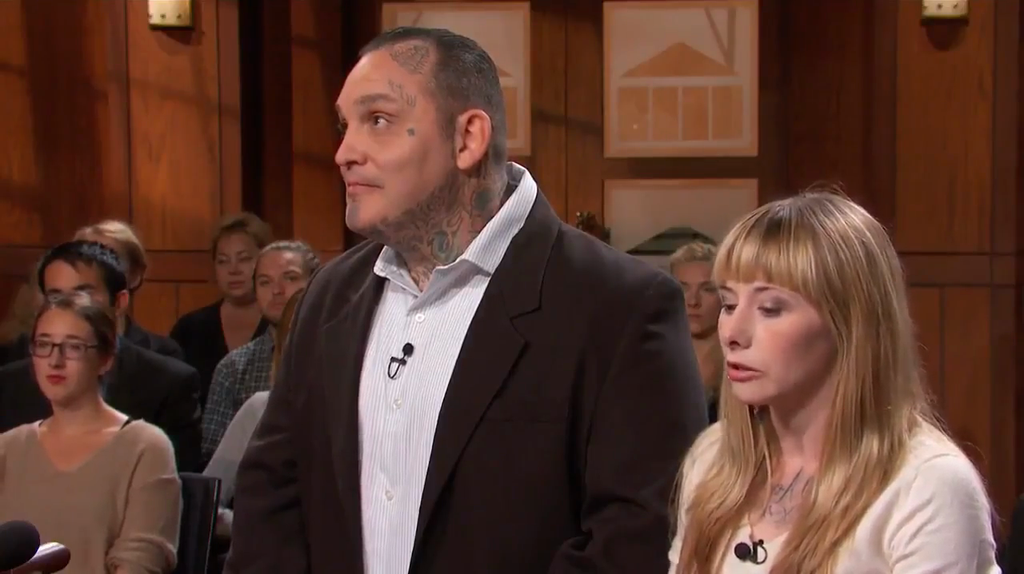
According to Sarah, the regular payments stopped in December 2015. She also described receiving a later payment in April 2016 after continued calls and texts. The subtitle record does not clearly establish whether that April payment was included among the ten payments or came in addition to them, so no additional total should be inferred.
The crucial point was simpler: Christopher’s position was not that he had repaid a loan, misunderstood its terms or disputed the remaining balance. He said Sarah had never loaned him money at all. Evidence that he repeatedly handed her the exact amount of a monthly payment therefore cut directly against an absolute denial.
As in the [Lexis Scales car-repossession dispute](/lexis-scales-charlotte-hammerschmidt-car-repossession/), the outcome depended less on the parties’ labels than on the sequence of payments and possession that the evidence could support.
Two Witnesses, Two Very Different Contributions
Lauren, Christopher’s roommate, said they had lived together for three years at their current residence and six years at another. She acknowledged that their relationship had sometimes been more than a roommate arrangement. Asked about the alleged Sacramento trip, however, she said she did not recall it. She reasoned that they would have needed a trailer and generally bought motorcycles locally, though the court observed that a working bike could have been ridden home.
Lauren also said Christopher was resourceful enough to find money if he needed it and questioned why Sarah had not obtained a written contract. Neither point established where the March purchase money came from.
Sarah’s co-worker Christina supplied more direct testimony. She said she had worked with Sarah for ten years and saw Christopher visit their office twice during the summer of 2015. On one occasion, Christina testified, she watched him hand Sarah money through the driver’s window of his pickup. Sarah then said she was going to make the loan payment. On another visit, Christina heard Sarah ask for the loan-payment money and Christopher respond that he would provide it later.

Christopher said his visits had another purpose: Sarah supplied him boxes of gloves at wholesale cost. That explanation could account for why he went to the dental office. It did not, in the judge’s assessment, overcome Christina’s account of what she saw and heard.
Why the Court Awarded Sarah $5,000
The ruling emerged from accumulation rather than one perfect document. Sarah showed that she obtained an $8,500 personal loan on March 5, 2015. The contemporaneous message tied Christopher to that amount and to an available motorcycle. Christopher acknowledged buying a motorcycle later that month. Sarah described a series of $280 cash payments, and Christina testified that she witnessed both a cash handoff and a discussion explicitly referring to a loan payment.
Taken together, those facts persuaded the court that money had been transferred and that Christopher owed the remaining debt. Judge Sheindlin entered judgment for Sarah in the amount of $5,000. That was the final award announced in the televised case.
The result resembles the evidentiary turning point in the [Tashawna Woodbury rental-car case](/tashawna-woodbury-larry-leah-williams-rental-car-case/): a categorical denial became difficult to sustain once an independent witness connected a party to the disputed conduct.
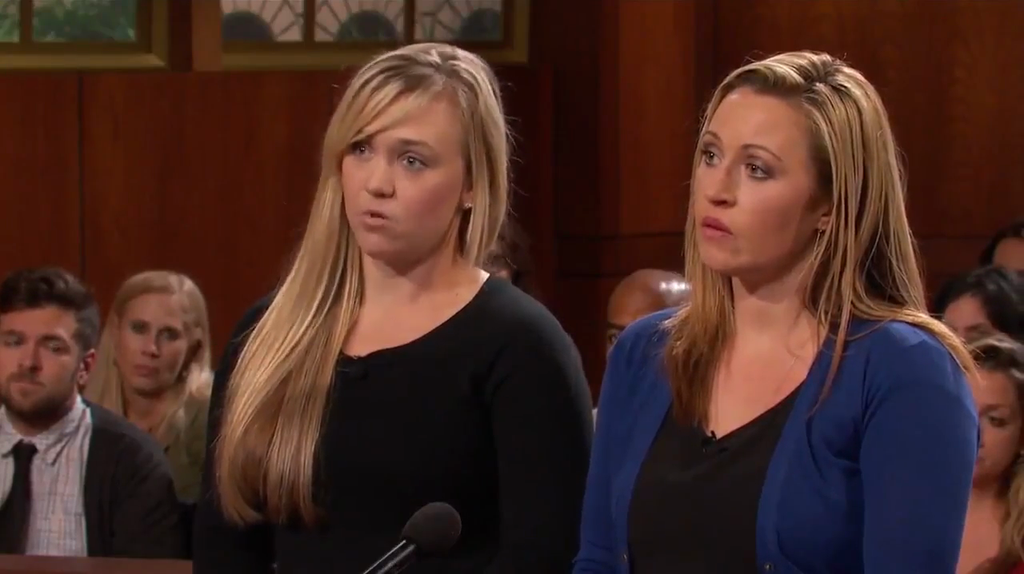
The Counterclaim That Went Nowhere
Christopher countersued over window tinting and an exhaust system. The court moved to that claim only after resolving Sarah’s loan case. He began by saying he had paid to tint her windows, but an exchange about speaking quickly escalated into a dismissive remark. Judge Sheindlin immediately announced the $5,000 judgment for Sarah and dismissed Christopher’s counterclaim.

Because the court did not hear a developed presentation of receipts, dates, agreed prices or other proof supporting the counterclaim, the record does not justify a finding that the work never occurred. It supports only the procedural result: Christopher recovered nothing on that claim.
The case also offers a contrast to the [Katherine and Wesley Helms truck dispute](/katherine-wesley-helms-1989-pickup-truck-dispute/), where shifting testimony weakened the claimant’s demand. Here, Sarah’s account gained strength from contemporaneous messages, a payment pattern and corroborating testimony. A handshake agreement had left room for denial, but the surrounding evidence filled enough of the gap for the court to rule.
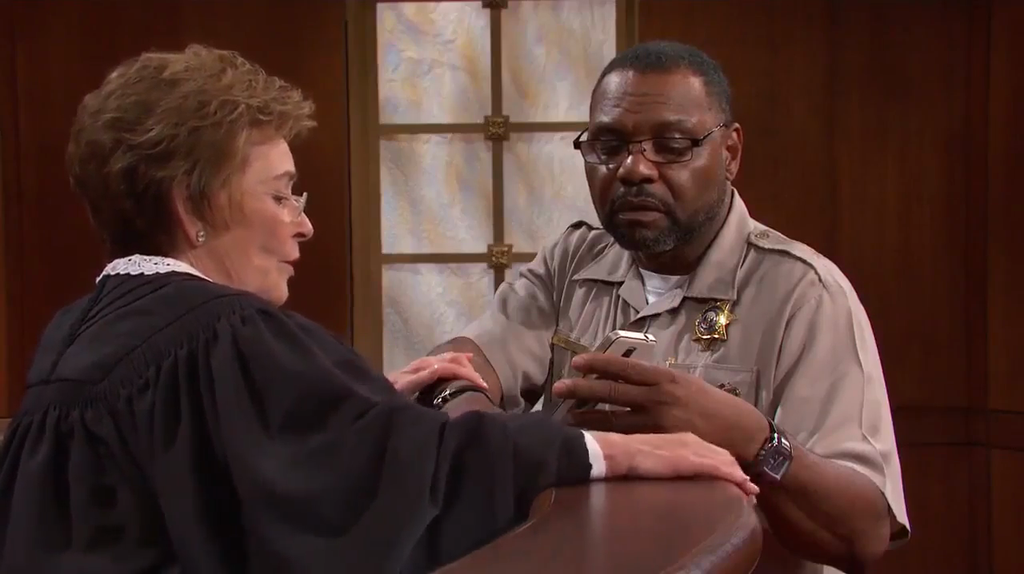
Editorial note: This was a civil debt dispute, not a criminal prosecution. Allegations of harassment, aggressive behavior and phone damage are identified as allegations unless the court expressly resolved them. The SRT is the primary record used for the account above.
FAQ
Who were the parties in the Judge Judy Harley loan case?
Sarah Wenzel was the plaintiff, and her former boyfriend and neighbor Christopher Wood was the defendant. Sarah said she financed a motorcycle purchase for Christopher; he denied receiving money from her.
How much did Sarah Wenzel say she borrowed for Christopher Wood?
Sarah testified that she obtained an $8,500 personal loan on March 5, 2015. She said $7,500 was for the motorcycle and another $1,000 was for tax, licensing and registration.
What evidence supported Sarah Wenzel’s claim?
The evidence included a contemporaneous text exchange about applying for $8,500 and the available motorcycle, Sarah’s testimony about $280 cash payments, bank-payment receipts, and co-worker Christina’s account of seeing Christopher give Sarah money and hearing them discuss a loan payment.
How much did Judge Judy award Sarah Wenzel?
Judge Sheindlin awarded Sarah $5,000. The court also dismissed Christopher’s counterclaim concerning window tinting and an exhaust system.
Did the court rule that Christopher Wood committed a crime?
No. The episode concerned a civil debt claim and a civil counterclaim. The judgment did not constitute a criminal conviction.
Which Judge Judy episode featured Sarah Wenzel and Christopher Wood?
The dispute appeared in Judge Judy Season 21, Episode 69, titled “Bad Attitude Ex-Boyfriend?!,” originally aired on November 14, 2016.