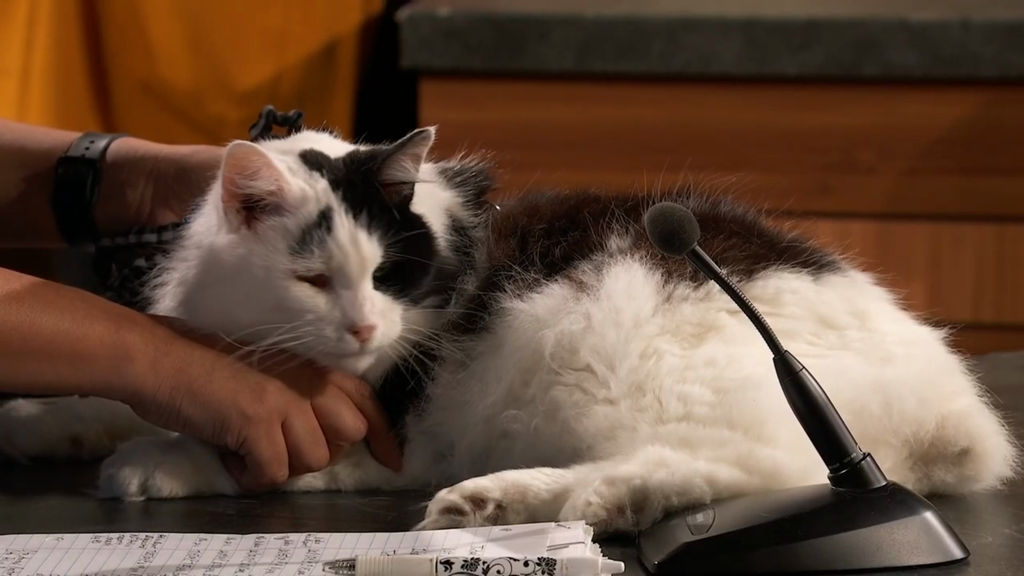
At 3:05 a.m. on June 1, 2024, Angelina Cazares found two husky-type dogs around her van and her injured cat, Chester, hiding underneath. Chester would eventually lose his tail, and Angelina and her husband blamed their neighbor’s dogs. But Judge Judy saw a critical problem: no witness or video proved how Chester was actually injured.
(uc.)
Chester Goes Outside for the Night
The dispute began several hours before Angelina Cazares discovered anything unusual outside her home. Chester was an indoor-outdoor cat, and according to the testimony, he had last been inside at approximately 10 p.m. the night before the incident. The family did not have an exterior cat door, meaning Chester had been deliberately allowed outside and would eventually need someone to let him back in.
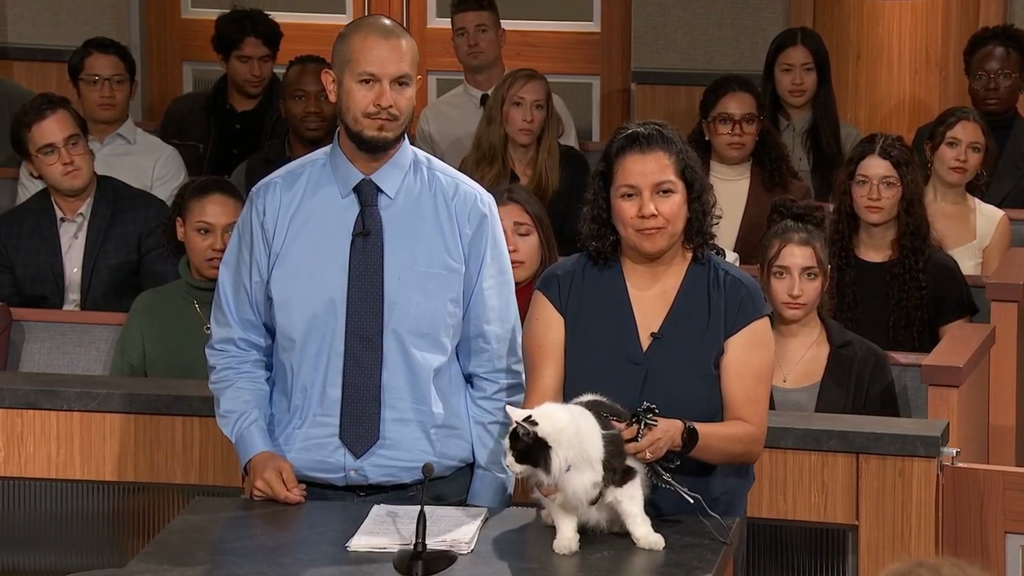
That ordinary routine became important once the case reached Judge Judy. Between approximately 10 p.m. and 3 a.m., nobody in the Cazares household knew exactly where Chester had been or what he had encountered. By the time Angelina found him, roughly five hours had passed without anyone watching him. The Cazareses would later argue that the circumstances surrounding his discovery pointed directly to their neighbor’s dogs, but the unexplained hours before that moment created an evidentiary gap they could not easily overcome.
(uc.)
The 3:05 A.M. Discovery
At approximately 3:05 a.m. on June 1, 2024, Angelina woke after hearing the family’s three dogs barking inside the house. She went downstairs and opened the door to investigate. After turning the corner near the garage, she saw two husky-type dogs around the family’s van. Angelina described the animals as moving their paws or clawing beneath the vehicle.
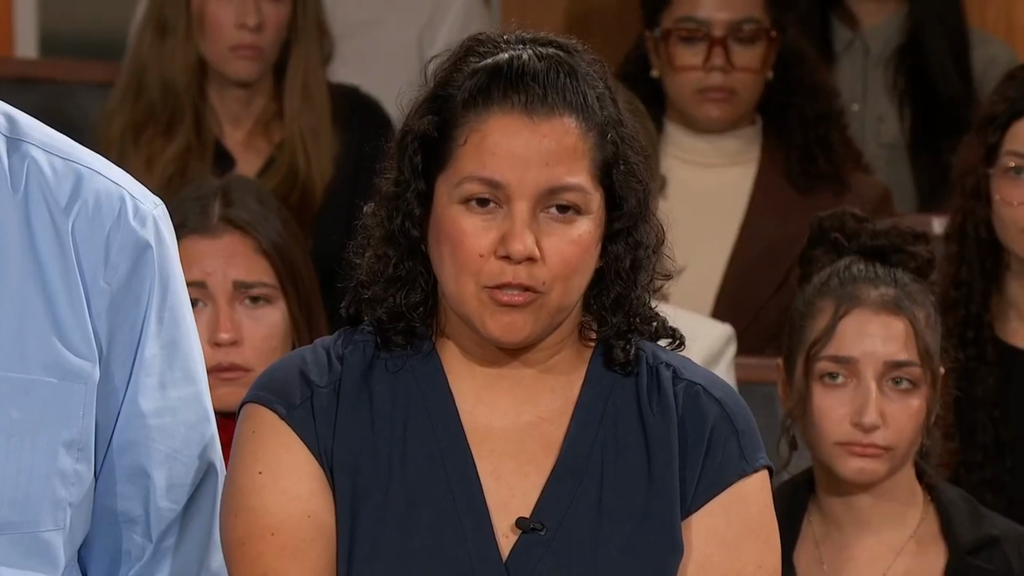
She frightened the dogs away by clapping and making loud noises. When she then looked beneath the van, she discovered Chester hiding there. The cat would not come when she called him, so Angelina reached underneath and pulled him out herself. Once she brought Chester inside, she noticed that something was wrong. His rear area appeared wet or matted, and he was walking abnormally. The injury was serious enough that Chester’s tail eventually had to be amputated.
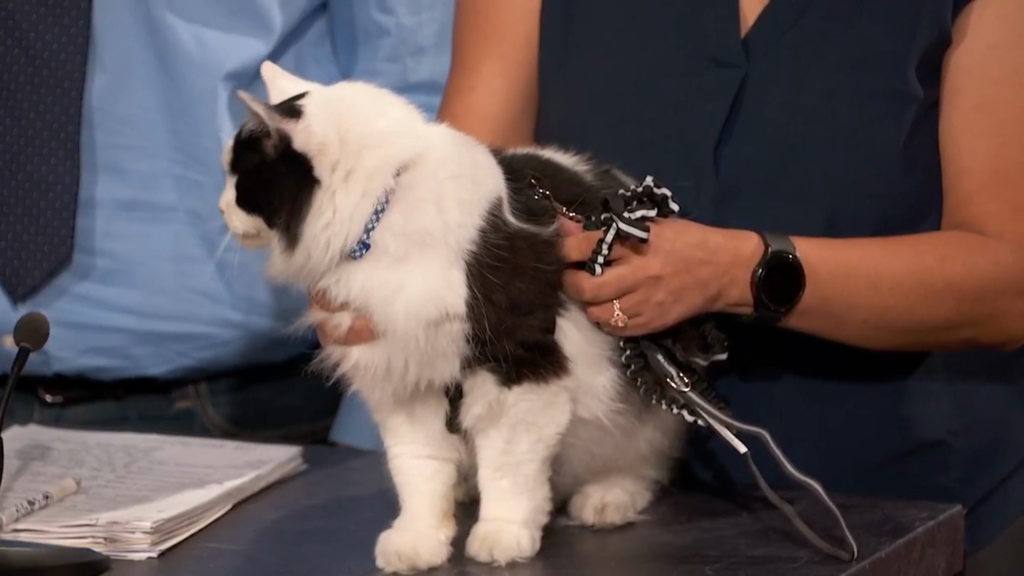
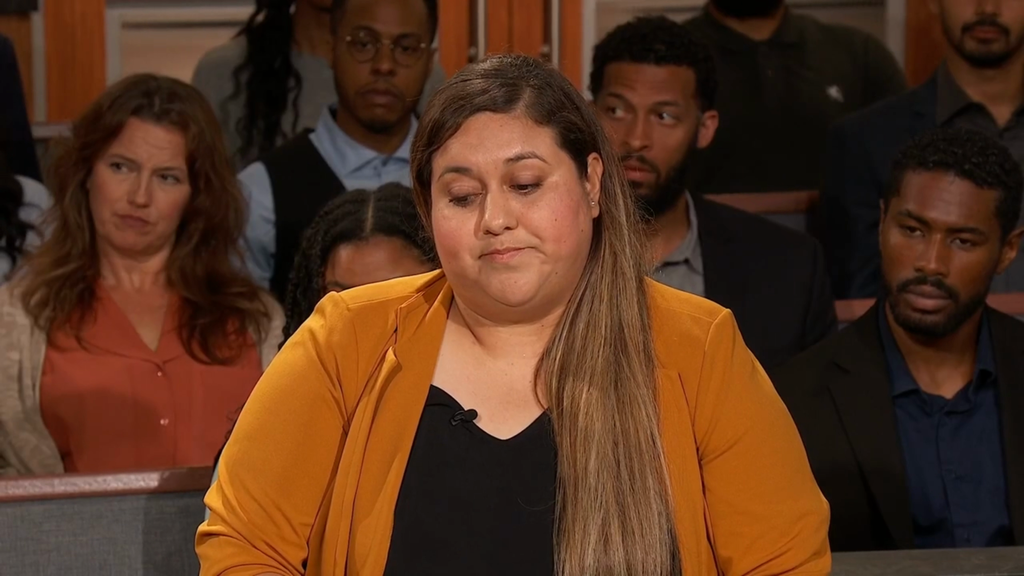
Angelina and her husband, Gustavo Cazares, believed the dogs belonged to their neighbor, Maria Roque, and that the animals were responsible for Chester’s injury. They sought veterinary expenses from Maria. Yet Angelina’s testimony also established a crucial limitation: she had not personally seen either dog physically attack Chester.
(uc.)
What the Security Camera Actually Showed
Security footage became one of the most important pieces of evidence in the hearing. The recording showed two dogs around the van while Chester was underneath it, apparently attracting their attention. To the Cazareses, the scene supported their belief that the dogs had gone after their cat. Judge Judy, however, focused on precisely what the camera had captured rather than what the parties believed had happened before the recording began.
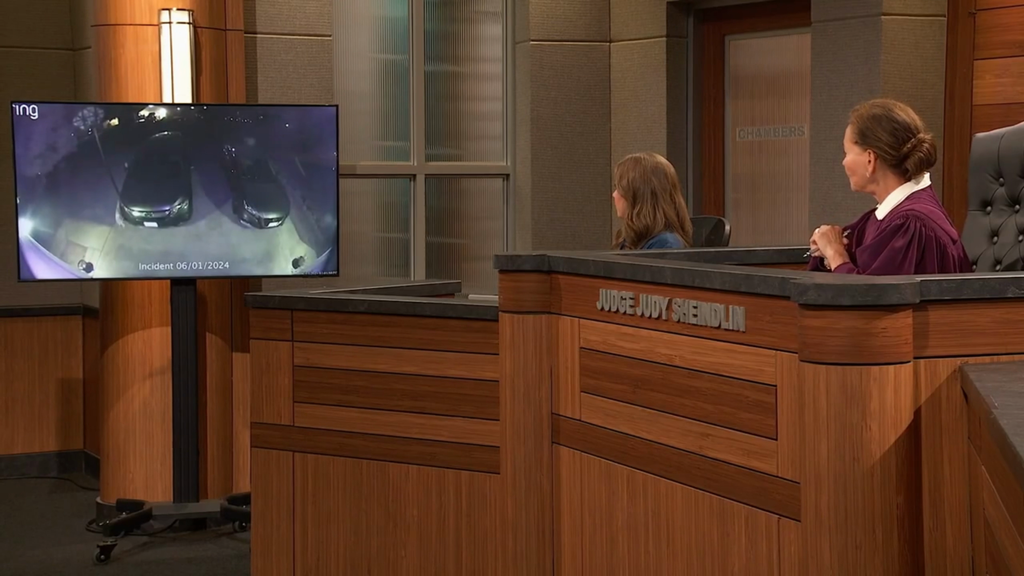
The footage did not show the dogs physically attacking Chester. It did not show them biting his tail, and it did not establish that they had chased him beneath the van. What it showed was narrower: two dogs near the vehicle, barking or moving around while Chester was underneath. That distinction became central because the plaintiffs were asking the court to connect two established facts — the presence of the dogs and Chester’s injury — without direct evidence showing how one caused the other.

Judge Judy repeatedly returned to that missing connection. The circumstances could raise suspicion, but a civil claim still required evidence linking the defendant’s animals to the specific injury for which compensation was being sought.
Judge Judy Identifies Maria’s Dogs
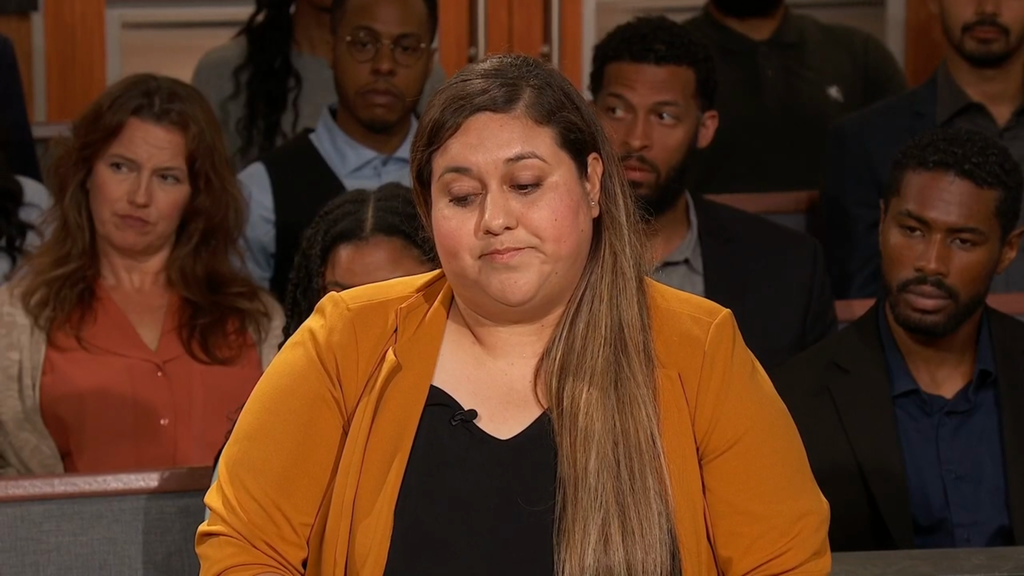
Maria initially disputed whether the dogs shown in the dark security footage were actually hers. She acknowledged owning two huskies but said other huskies were also present in the neighborhood and maintained that her own dogs had been inside her home.
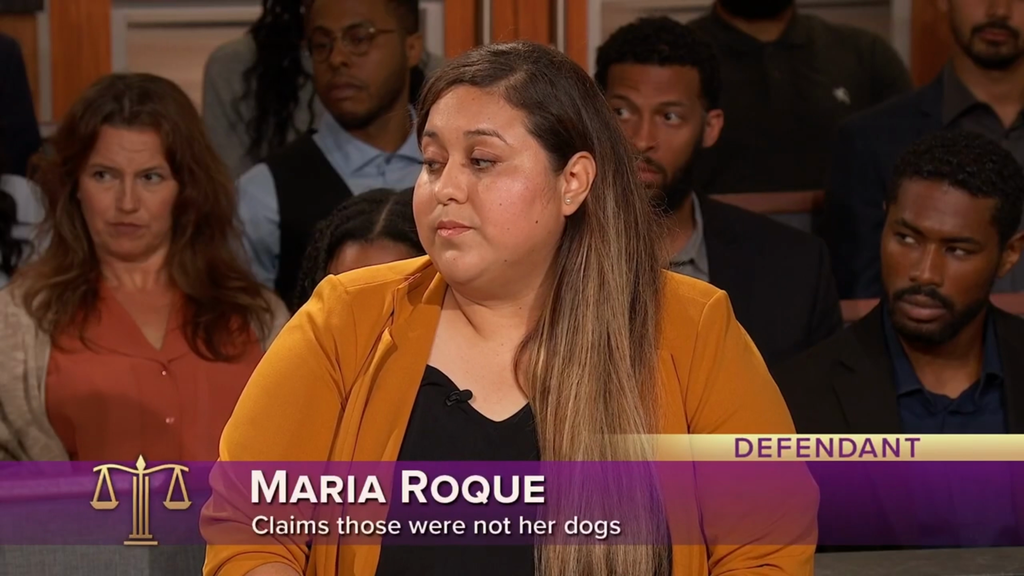
Judge Judy compared photographs of Maria’s dogs with the animals captured on the video and rejected that explanation. She concluded that the dogs shown around the Cazareses’ van were Maria’s. That finding weakened Maria’s claim about where her animals had been, but it did not automatically establish liability for Chester’s injury.
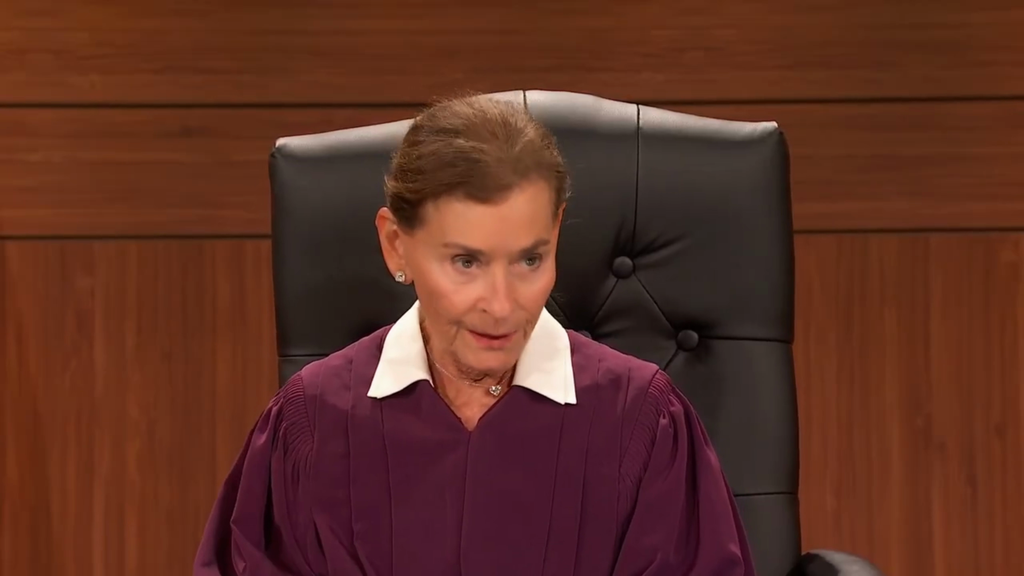
This distinction was critical. Judge Judy made clear that allowing dogs to roam unattended could expose an owner to responsibility if those animals caused harm. But proving that Maria’s dogs were loose was not the same as proving they had injured Chester. The plaintiffs still needed evidence connecting the animals directly to the damaged tail.
The Five-Hour Gap in Chester’s Night
The period between Chester leaving the house at approximately 10 p.m. and being discovered around 3:05 a.m. became increasingly important as the hearing continued. Gustavo explained that Chester liked being outdoors, but Judge Judy focused on the risk created when an animal is allowed to roam for hours without supervision.
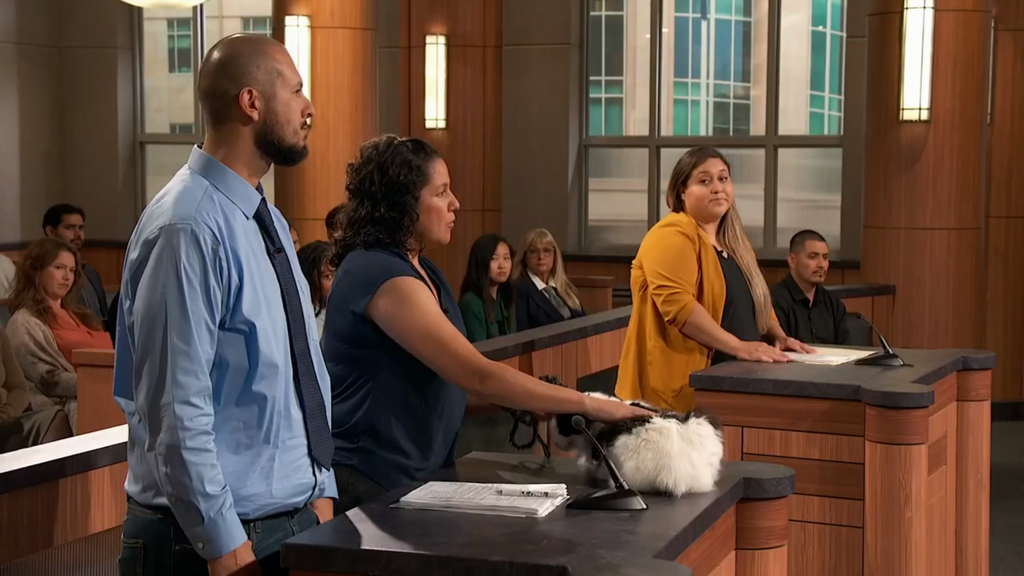
The Cazareses lived in the Fresno area of Central California. During several unattended hours outside, Chester could potentially have encountered other animals, traffic or other hazards. Judge Judy did not determine that any particular alternative caused his injury. Instead, those possibilities demonstrated why the court could not simply assume that Maria’s dogs were responsible because they happened to be present when Chester was discovered.
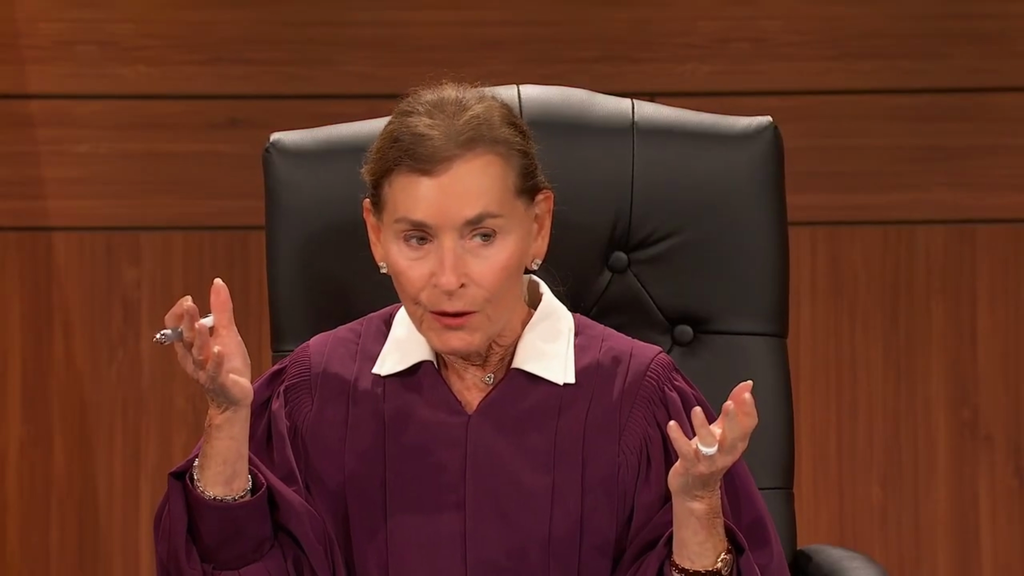
The plaintiffs needed what Judge Judy described as a “nexus” — a direct connection between Maria’s dogs and Chester’s injured tail. Without an eyewitness, video or another persuasive piece of evidence establishing that connection, the five-hour gap left too many unanswered questions.
The Missing Ring Camera Footage
Late in the hearing, Angelina mentioned another recording that could potentially have been significant. She said that while reviewing footage from a Ring camera near the front door, she had seen Chester curled up and sleeping on a walkway before one of the dogs appeared. The clip, according to Angelina, was extremely short.
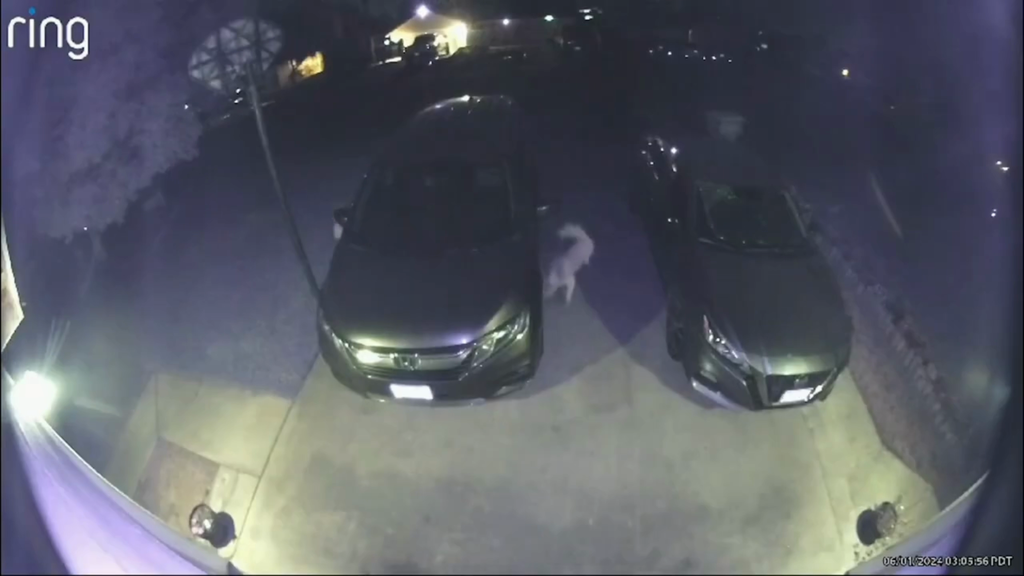
Judge Judy immediately wanted to know why that recording had not been presented in court. Angelina explained that Ring retained the footage only for a limited period and that she had not preserved the clip or taken a screenshot. The footage she had saved was the recording she sent to a police officer on the night of the incident.
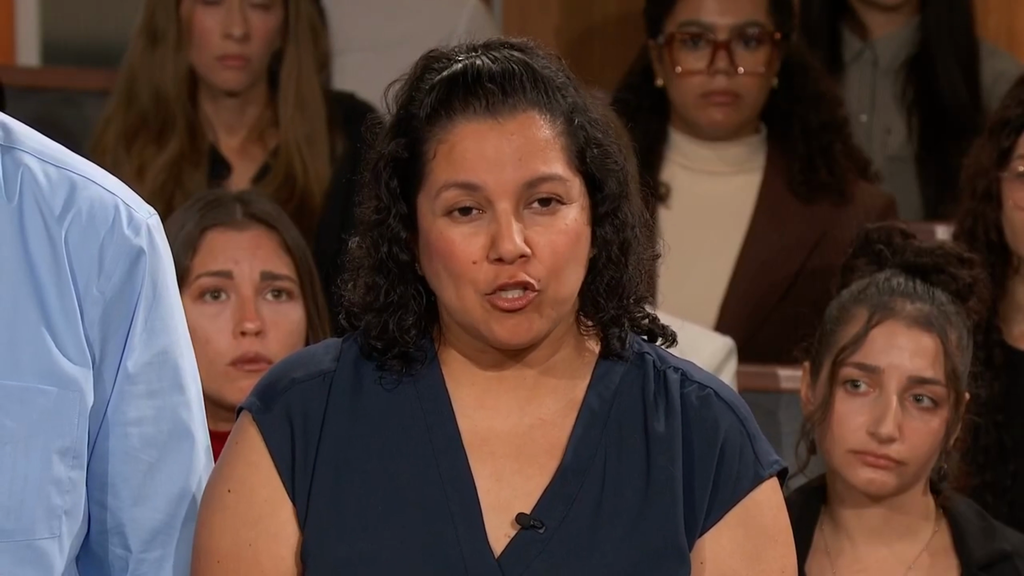
That meant the court could not independently examine the additional video Angelina described. Her recollection of what the clip showed could not substitute for the recording itself. If the footage had documented a clearer sequence between Chester resting safely and one of Maria’s dogs approaching him, it might have strengthened the plaintiffs’ argument.
But Judge Judy could only decide the case using evidence actually available in court.
Why Other Incidents Were Not Enough
Gustavo also referred to other occasions when Maria’s dogs allegedly returned to their property and attempted to go after their cats. The plaintiffs discussed a police report and other material they believed demonstrated an ongoing problem with the dogs roaming the neighborhood.
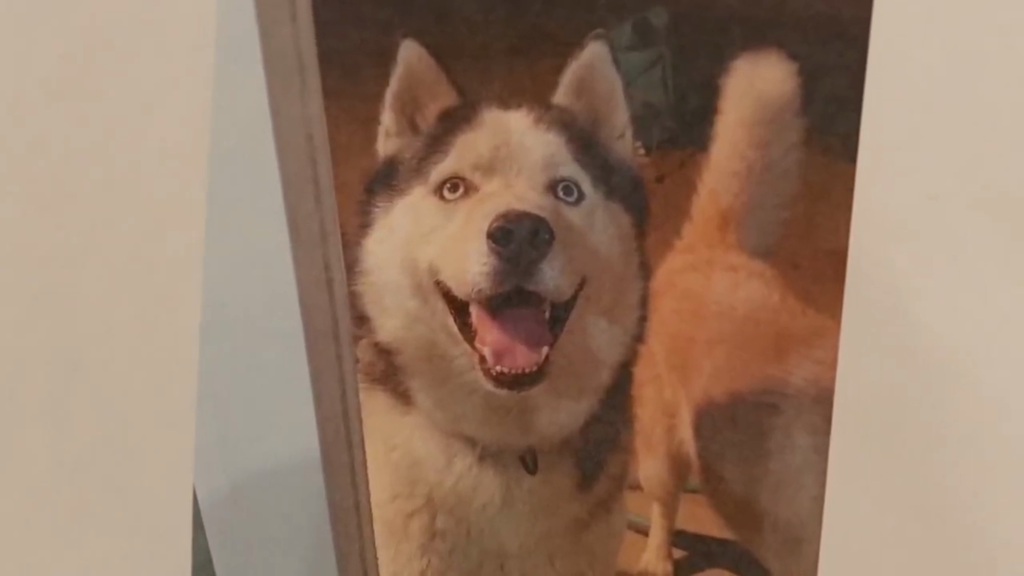
Those allegations provided context for why Angelina and Gustavo suspected Maria’s animals, but they still did not answer the narrow question before Judge Judy: what caused Chester’s injury on this particular night?
No police officer had witnessed the alleged attack. Angelina had not seen it happen. Gustavo had not seen it happen, and Maria had not seen it happen. The surveillance footage presented in court showed the dogs near Chester but not injuring him. Even proof that the dogs had behaved aggressively on another occasion could not establish that they caused this specific injury without a reliable connection to the incident being litigated.
The court therefore separated a broader neighborhood dispute from the evidence necessary to decide the veterinary-bill claim. Maria’s dogs roaming unattended could be irresponsible without making every unexplained injury to another animal legally attributable to them.
Why Judge Judy Dismissed the Case
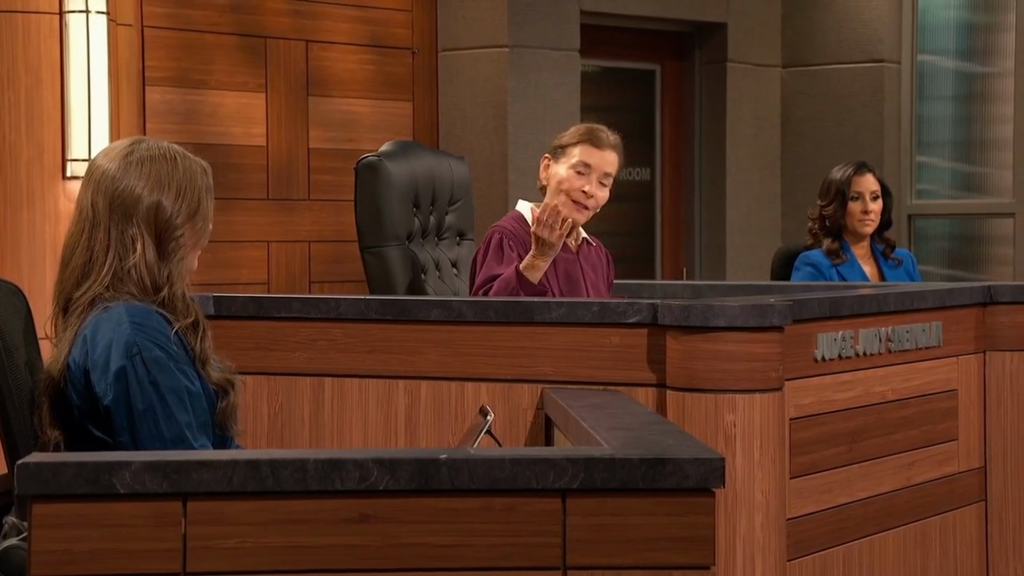
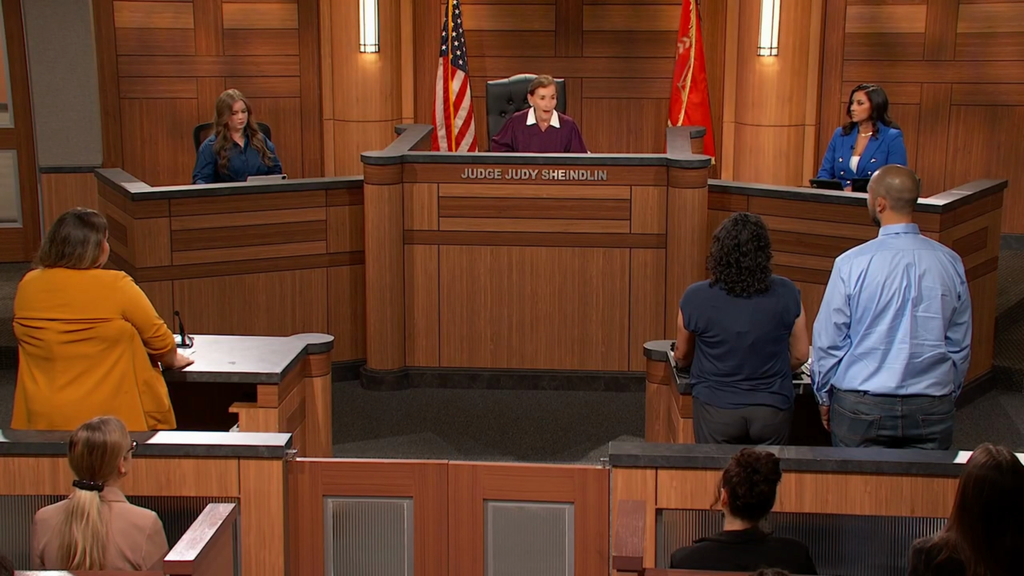
Judge Judy did not excuse Maria for allowing her dogs to roam. She made clear that owners have a responsibility to control their animals and that Maria could have been financially responsible if the evidence showed her dogs had caused Chester’s injury. At the same time, she criticized the decision to allow Chester outside unattended overnight, because doing so made it impossible for his owners to know exactly what happened to him during those hours.
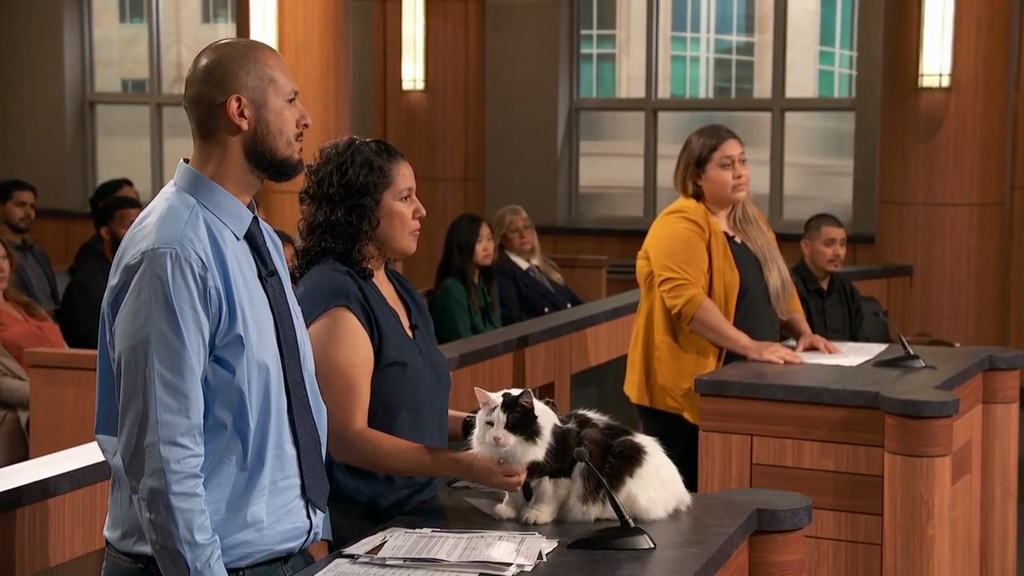
Ultimately, the ruling turned on causation rather than sympathy or suspicion. The plaintiffs had established that Chester was injured. They had established that Maria’s dogs were outside and that the animals were near the van where Chester was found. Judge Judy also concluded that the dogs captured by the security camera belonged to Maria. What the Cazareses had not established was the final and most important link: proof that those dogs caused the injury that resulted in Chester losing his tail.
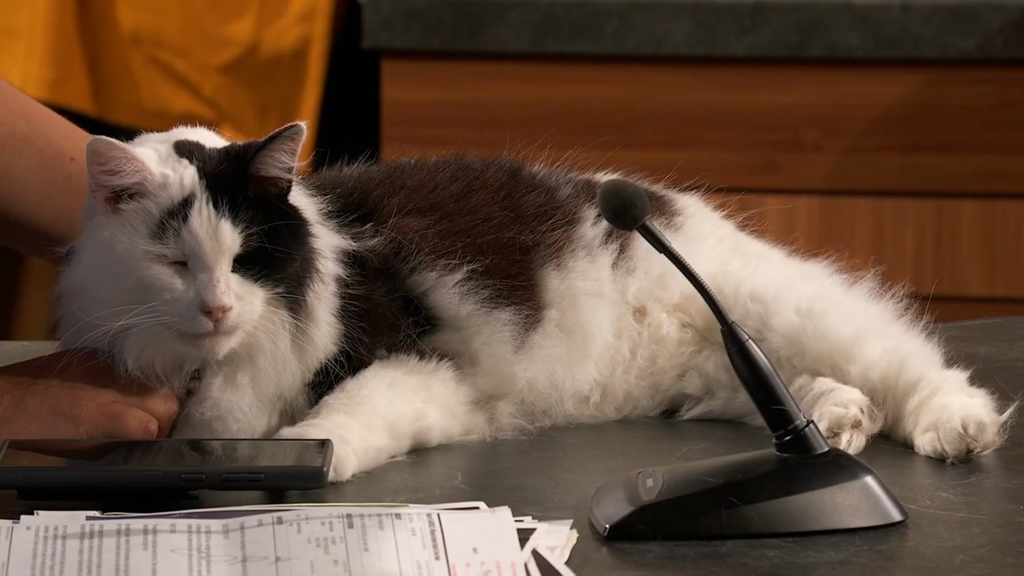
Without that nexus, Judge Judy dismissed the case. The decision did not mean Chester had not suffered a serious injury, nor did it establish that Maria’s dogs could not possibly have caused it. It meant the plaintiffs had not produced sufficient evidence to prove that they did.
After the Ruling
The disagreement continued after the hearing. Angelina and Gustavo remained convinced that Maria’s dogs were responsible and maintained that the animals had repeatedly roamed the neighborhood and attempted to go after their cats. Maria continued to deny that her huskies had attacked Chester and pointed out that other animals also roamed the area.
Despite their disagreement, both sides expressed relief that Chester survived. His owners affectionately joked that after losing his tail, he now resembled a beautiful bobcat. Maria likewise said she was happy the cat was okay. The comments offered a quieter ending to a dispute that had centered on a painful injury but ultimately failed because the cause of that injury could not be established to the court’s satisfaction.
What the Ruling Really Established
The case illustrates the difference between a compelling sequence of circumstances and evidence sufficient to establish responsibility. Finding an injured cat beneath a vehicle while two neighboring dogs surround it may create a powerful impression of what happened. In court, however, the missing moments matter just as much as the moments captured on camera.
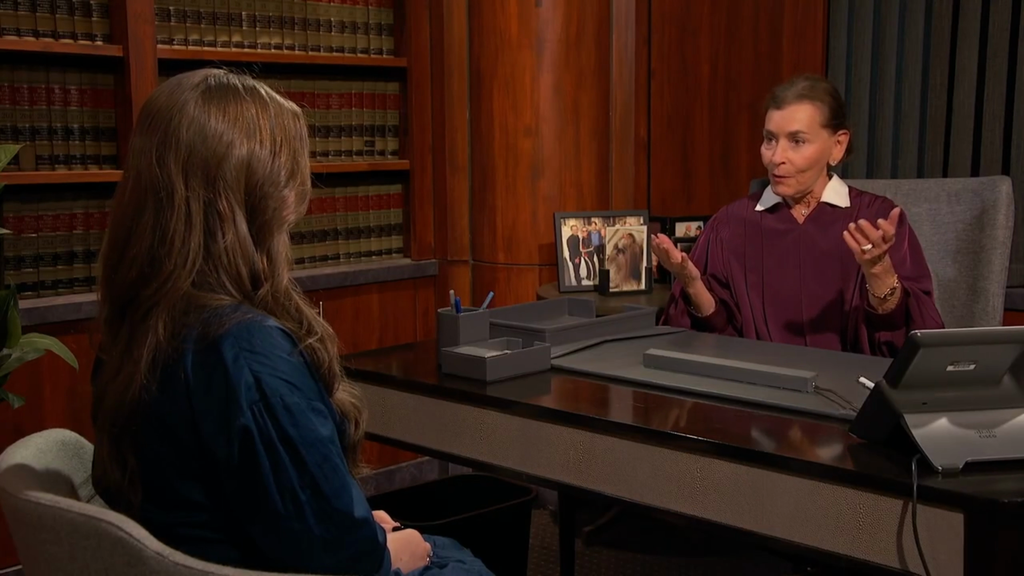
Judge Judy did not have footage showing an attack. She did not have an eyewitness who saw the dogs injure Chester. The additional Ring footage Angelina remembered had not been preserved, while several hours of Chester’s movements remained completely unknown. The evidence therefore established proximity but stopped short of causation.
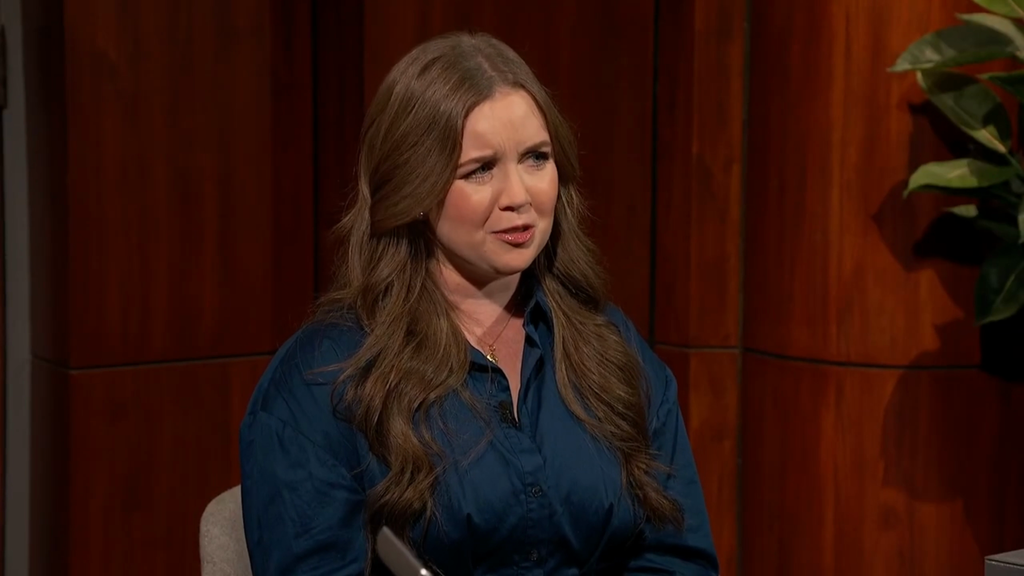
That distinction decided the lawsuit. Maria’s dogs should not have been roaming unattended, but their presence alone could not make Maria financially responsible for an injury the plaintiffs could not prove they caused. For Angelina and Gustavo, one missing link separated a deeply held belief about what happened to Chester from a claim they could prove in court.
FAQ
Why did Angelina and Gustavo Cazares sue Maria Roque?
Angelina and Gustavo sought veterinary expenses after Chester suffered an injury that ultimately required his tail to be amputated. They alleged that Maria’s dogs were responsible.
Did the security video show Maria’s dogs attacking Chester?
No. The footage showed the dogs near the van while Chester was underneath it, but it did not capture them physically attacking or injuring him.
Did Judge Judy believe the dogs belonged to Maria Roque?
Yes. After comparing the footage with photographs, Judge Judy concluded that the two dogs shown near the van were Maria’s.
Why did Judge Judy dismiss the case?
The plaintiffs could not prove a direct connection between Maria’s dogs and Chester’s injury. The dogs’ presence near Chester was not enough to establish that they caused the damage to his tail.
What happened to Chester?
Chester survived, but his injured tail had to be amputated. His owners said after the hearing that they were grateful he was still alive.
Sources
Judge Judy, the supplied subtitle transcript covering the courtroom testimony, security footage discussed during the hearing, the parties’ arguments, Judge Judy’s ruling and the post-hearing interviews. The article treats allegations from Angelina Cazares, Gustavo Cazares and Maria Roque as attributed claims rather than independently established facts where the court did not resolve them.