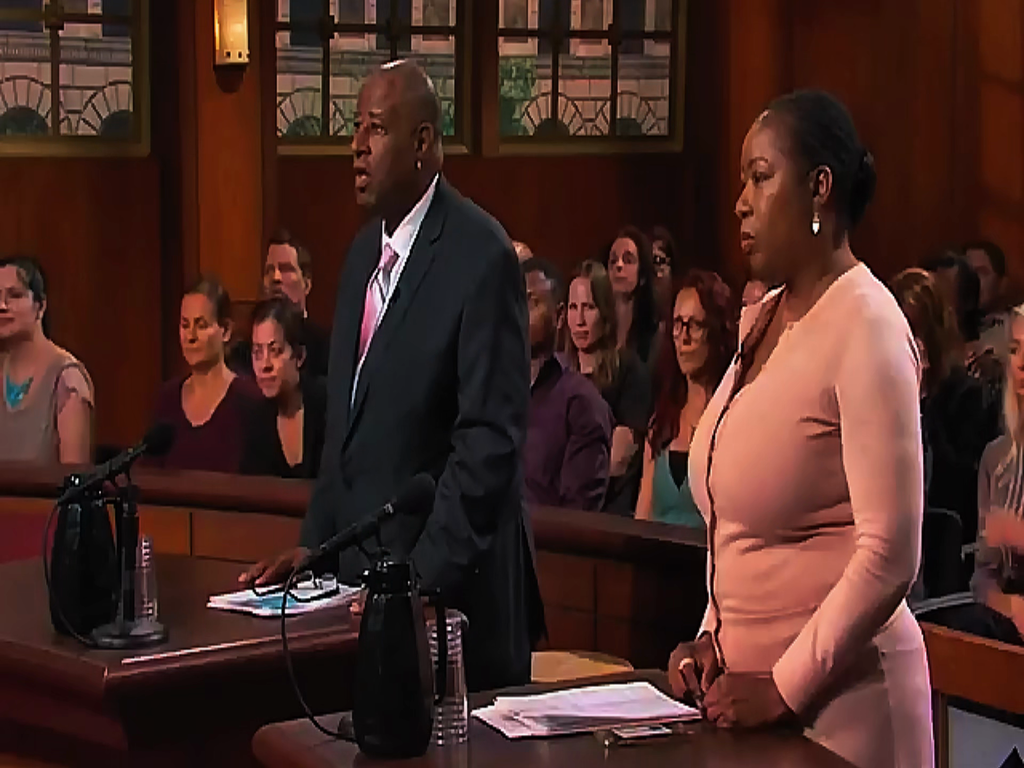
Mr. Graham and Caroline Douglas had not even met face-to-face when money first entered their online relationship. Caroline needed to travel to Los Angeles with her actress daughter for an important interview, but she was short on funds after a friend failed to repay roughly $800 she had loaned years earlier. Graham stepped in and paid for the ticket. Soon afterward, the two finally met and explored a romantic relationship — but it did not last. By the time they appeared before Judge Judy, Caroline described the airfare as something Graham had freely offered, while Graham wanted his money back. The judge was far more interested in why Caroline had turned to a man she had never met when she needed help.
(uc.)
An Online Relationship Before They Ever Met
Mr. Graham and Caroline Douglas both lived in Missouri, although not particularly close to each other. Graham told the court he lived in Missouri, while Caroline identified Hazelwood as her home. Their relationship began online rather than through mutual friends or an in-person introduction. They communicated for a period of time before eventually arranging to meet in the St. Louis area, but the financial transaction at the center of the lawsuit happened before that first meeting.
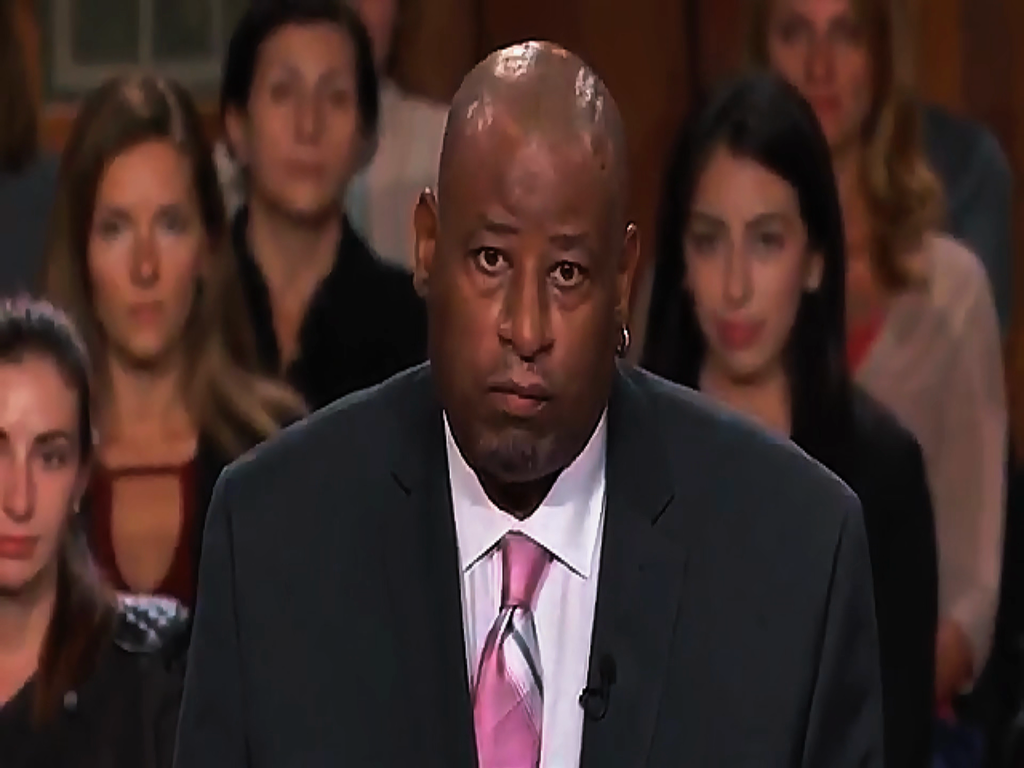
That timing immediately interested Judge Judy. This was not a long-established couple sharing expenses after years together. Graham had purchased an airline ticket for a woman he knew through online communication but had not yet met face-to-face. The ticket was specifically for Caroline; Graham was not traveling with her. Its destination was Los Angeles, where Caroline planned to accompany her daughter to an interview connected with her daughter’s acting career. Caroline described herself as her daughter’s assistant or manager and said she was expected to participate in the meeting.

The dispute was therefore never about whether Graham had paid for his own romantic vacation or whether the couple had planned a joint getaway. He spent money so Caroline could make a trip she said was connected with her daughter’s professional opportunity. The key question was whether that payment had been a gift made voluntarily by a generous man or financial assistance Caroline was expected to repay.
Caroline Was Waiting for $800 That Never Arrived
Graham testified that the story began around May 8, when Caroline contacted him while upset about money. According to Graham, Caroline had previously loaned a friend approximately $800 and had expected that person to repay her. The friend initially promised repayment but eventually blocked Caroline’s number, leaving her without the money she had been counting on.
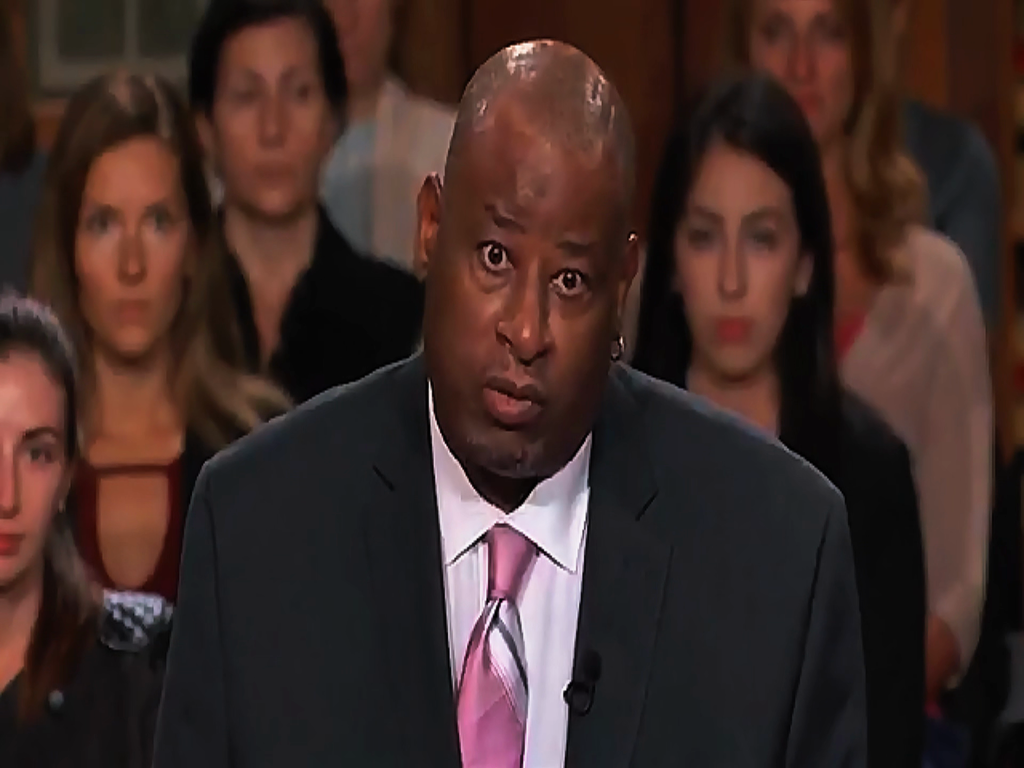
Graham described Caroline as crying hysterically during the call. Caroline disputed that characterization and insisted she had been venting rather than crying, but she acknowledged the substance of the financial problem. She had loaned a friend roughly $800, she had been counting on getting it back, and she needed money in connection with traveling to Los Angeles with her daughter. Judge Judy found those details important because they closely matched Graham’s account despite Caroline initially resisting parts of his timeline.

Caroline’s daughter was an actress and was traveling to Los Angeles for an interview. Judge Judy asked whether Caroline actually had to accompany her, and Caroline said she was expected to participate in the meeting because she served as her daughter’s assistant. Whatever the professional necessity of Caroline’s presence, one fact became clear: she wanted to make the trip and did not have the money she had expected to use for it.
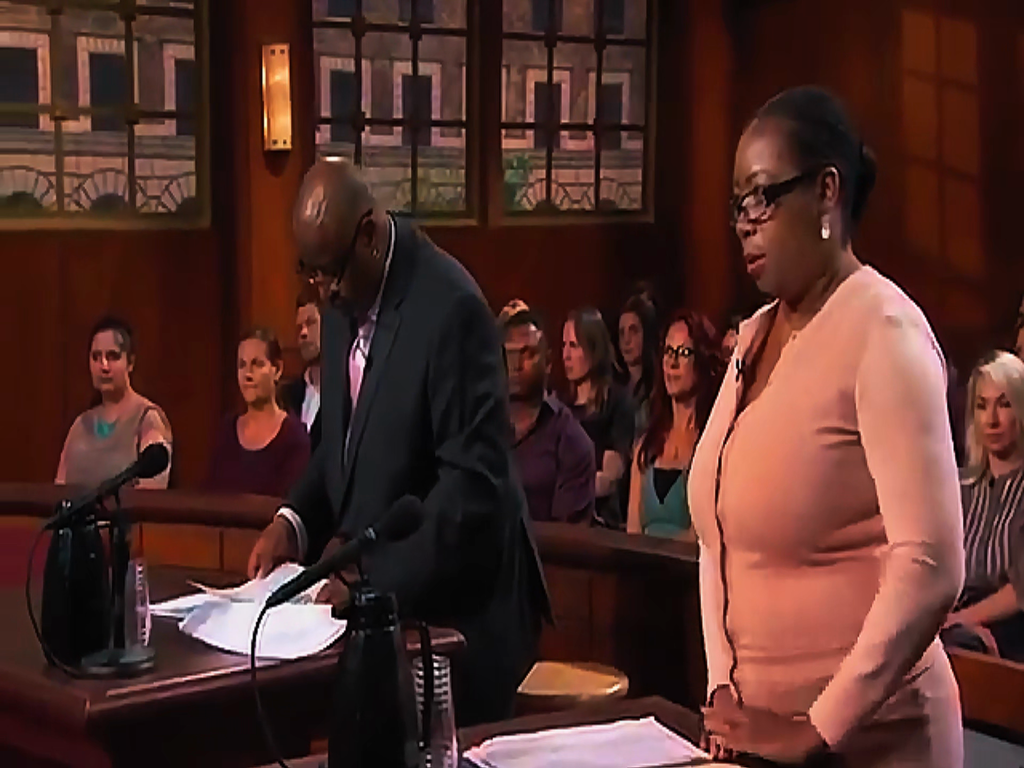
That was when Graham entered the financial picture.
Graham Offers to Pay for the Los Angeles Ticket
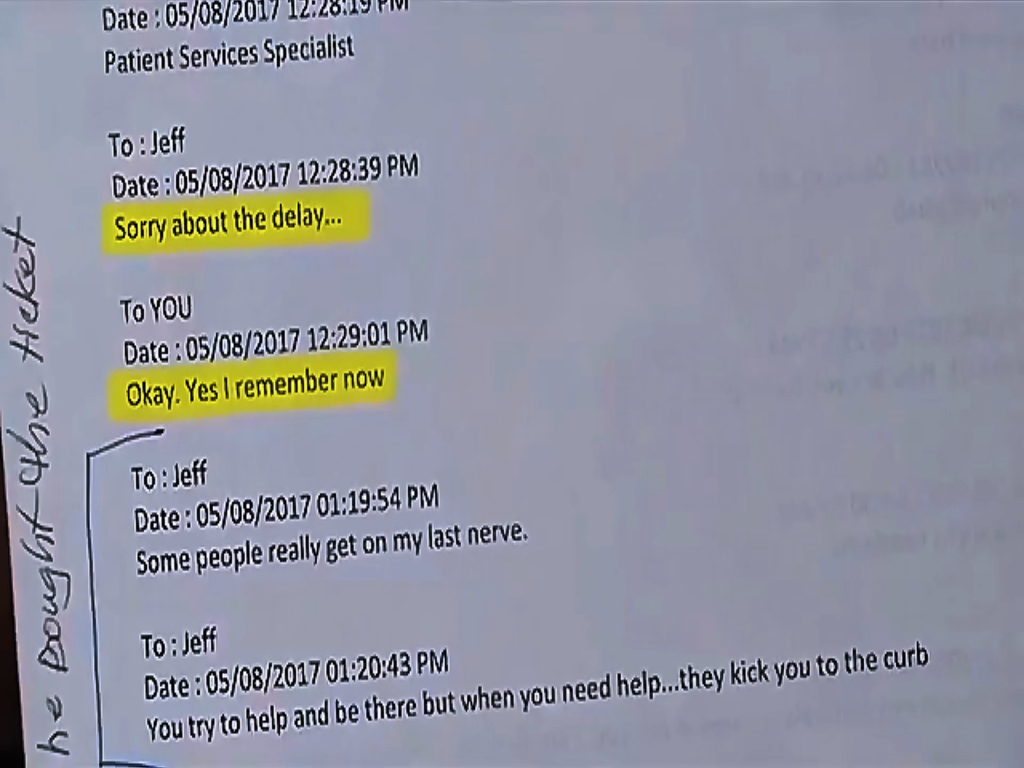
Caroline denied directly calling Graham and asking him to buy her a ticket. Her version was more nuanced. She said she had sent him a message expressing frustration about what happens when you help someone and that person refuses to help you in your own time of need. Graham asked what she meant, and the two eventually spoke by telephone.

During that conversation, Caroline explained what had happened with the friend who owed her money. According to her testimony, Graham then told her he would pay for the airline ticket. Caroline said she initially refused and told him she did not want him to do that. She claimed Graham continued offering, saying that he had been blessed and had clients, implying that he was financially able to help.
Judge Judy wanted to know whether there was written evidence of that generous offer. Caroline could show text messages surrounding the conversation, but when she described Graham supposedly saying he had been blessed and had plenty of clients, the judge asked her to point to that statement in writing. Caroline had to acknowledge that this part of the exchange had occurred over the phone.
The lack of a complete written record left Judge Judy evaluating credibility, and Caroline’s earlier answers had already created problems.
The May 8 Conversation Becomes a Credibility Issue
At first, Caroline denied calling Graham on May 8. Judge Judy challenged that answer because Graham knew highly specific details about the $800 Caroline had previously loaned to someone else and about her need to travel to Los Angeles. Unless Graham had somehow invented an unusually detailed story, Caroline must have communicated those facts to him.
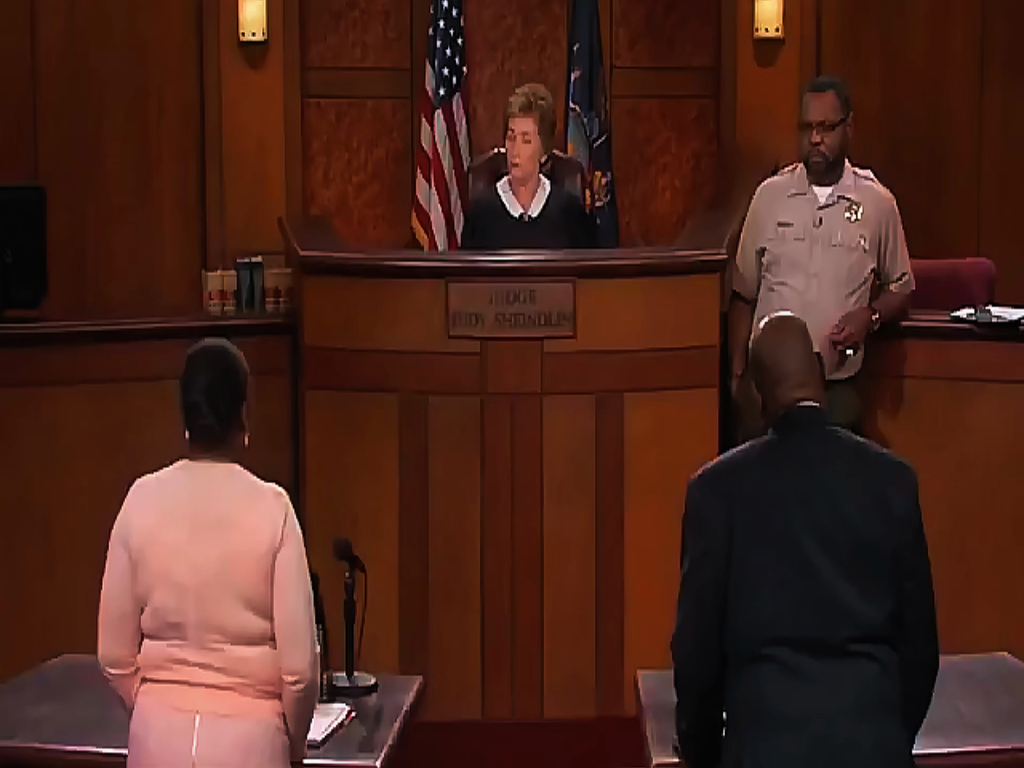
When Judge Judy reframed the question and asked whether Caroline had spoken with Graham on or around May 8, Caroline acknowledged that she had. The text messages then helped establish the sequence more clearly: Caroline sent messages, Graham responded, and a telephone conversation followed on May 8.
That mattered because Judge Judy was watching Caroline’s answers closely. Caroline continued insisting that she had not explicitly asked Graham to buy the ticket, but she acknowledged discussing the failed $800 repayment, her financial difficulty and the Los Angeles trip with him. Graham then offered to pay.
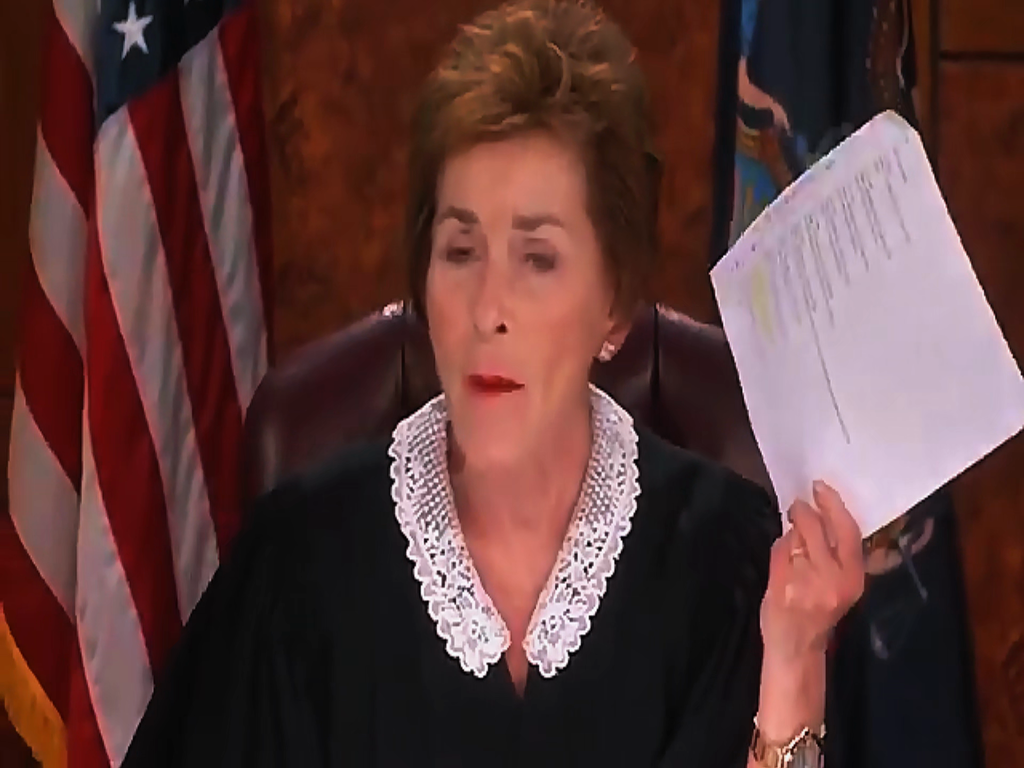
To Caroline, that sequence supported the idea that the airfare was a voluntary gift. To Judge Judy, it suggested something different. Caroline had reached out to a man she had never met, described a financial crisis that was preventing her from making an important trip, and then accepted his money when he offered to solve the problem.

The judge was not persuaded that Caroline could simply keep the benefit once their personal relationship later failed.
They Finally Meet After Graham Buys the Ticket
The unusual chronology became even more important when Judge Judy established that Graham and Caroline had not yet met in person when he offered to pay for the flight. Their first face-to-face meeting came afterward in the St. Louis area. Both apparently liked each other enough to explore a romantic relationship.
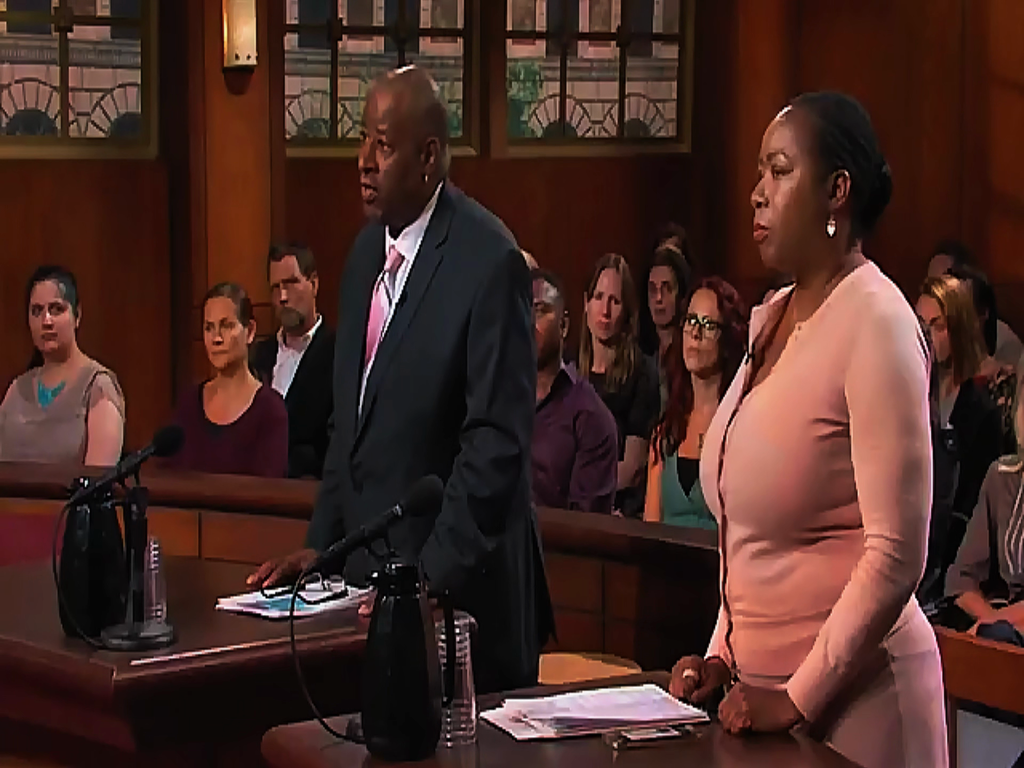
Graham eventually wanted their relationship to become more exclusive. Judge Judy referenced Caroline’s written answer indicating that after they met and expressed mutual interest, Graham asked her to remove her online dating profile. Caroline did not want to do so immediately. She attempted to distinguish her wording from Judge Judy’s characterization, saying it was not exactly that she intended to keep searching indefinitely, but the essential fact remained that she did not want to remove the profile at that point.

That exchange illustrated how differently the two may have understood the developing relationship. Graham had already spent hundreds of dollars helping Caroline before meeting her and then appeared ready to move toward exclusivity. Caroline was more hesitant. The relationship eventually failed, and what may once have looked like an act of generosity became a disputed financial obligation.
Judge Judy did not treat the failed romance as a reason for Graham to absorb the airfare.
Judge Judy Was Troubled by Caroline’s Explanation
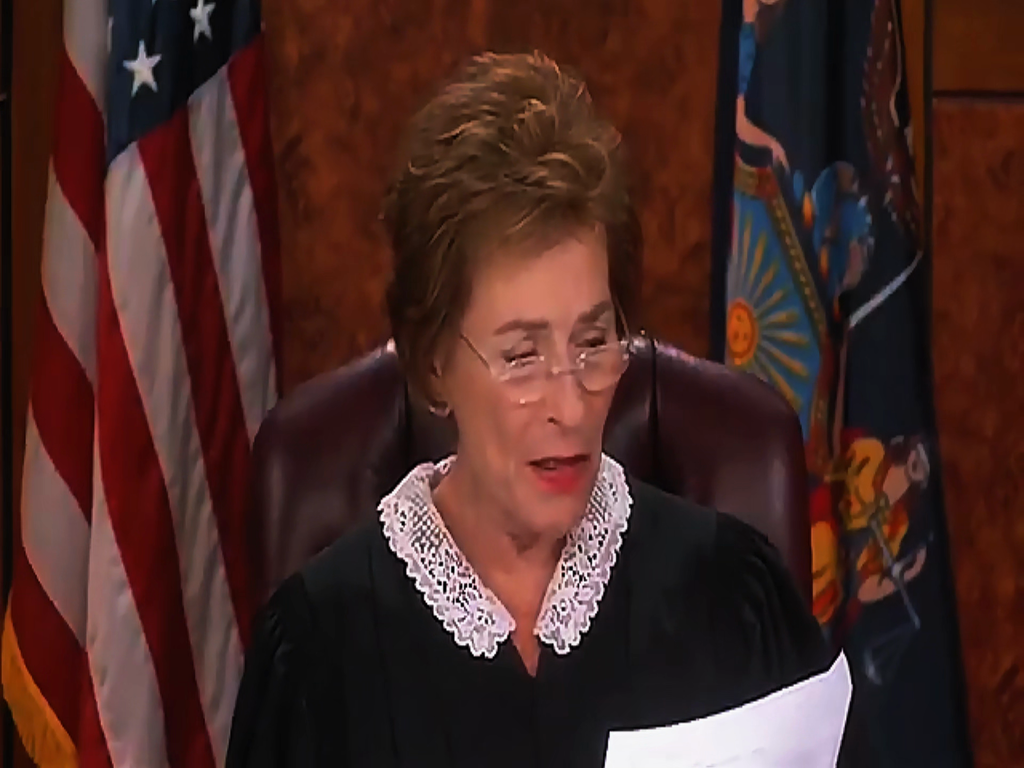
As Caroline attempted to explain the circumstances, Judge Judy became increasingly skeptical. The judge described getting a “slippery” feeling from the story and emphasized that Caroline had contacted Graham about a financial problem before the two had ever met. Caroline insisted she had not deliberately reached out to manipulate him into buying the ticket, but Judge Judy viewed the sequence differently.

Caroline needed money for the Los Angeles trip because the $800 she expected from her friend had not materialized. She communicated that problem to Graham. He offered to pay for the ticket, and she ultimately accepted. Judge Judy did not believe Caroline could rely on the fact that Graham technically volunteered the payment to transform it permanently into a no-strings-attached gift.
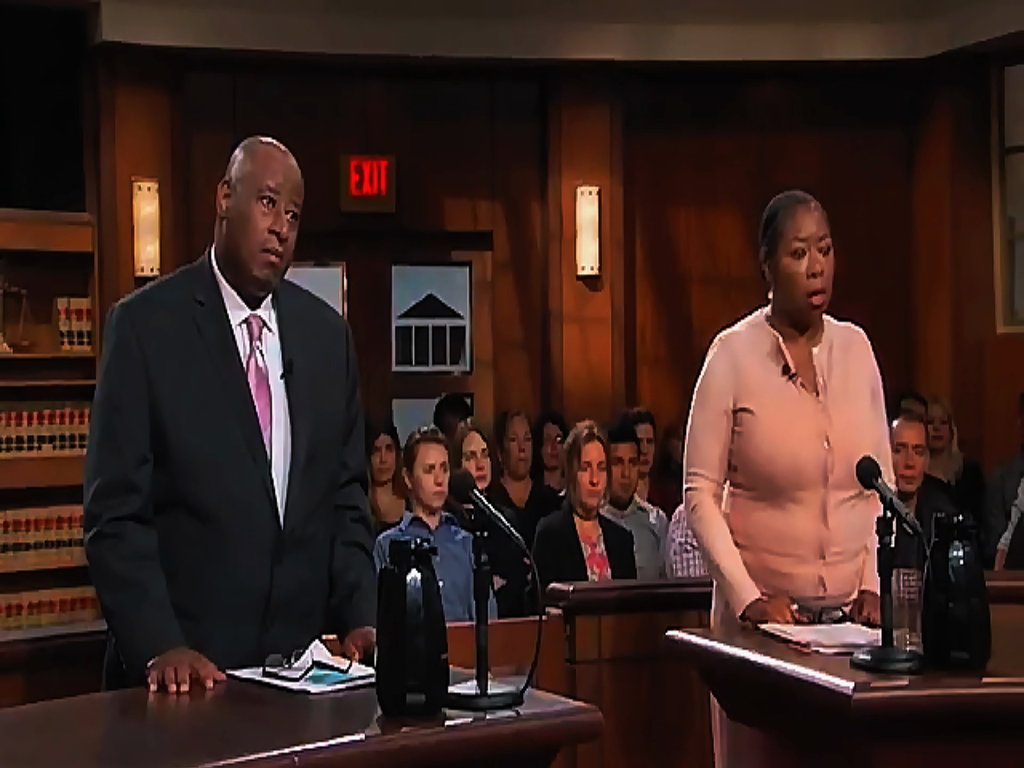
The judge’s reasoning was blunt: the relationship did not work out, so Caroline should pay him back for the ticket. She also remarked that nobody likes to be made a fool of, reflecting her view that Graham’s generosity had been tied to the relationship that the two were beginning to explore.
The airfare itself was then established precisely. Graham testified that the ticket cost $613.95.
The Daughter’s Los Angeles Opportunity Did Not Work Out
Judge Judy briefly asked Caroline about the purpose of the trip and whether her daughter ultimately got the job connected with the Los Angeles interview. Caroline said her daughter was supposed to go back, but when the judge pressed for a direct answer about whether she actually got the job, Caroline answered no.

That fact was not the legal basis for the judgment. Whether Caroline’s daughter secured the opportunity did not determine whether Graham was entitled to reimbursement. It did, however, complete the story of the trip that had triggered the entire dispute: Caroline needed money to accompany her daughter to Los Angeles, Graham provided the airfare, and the professional opportunity did not ultimately produce the result they had hoped for.
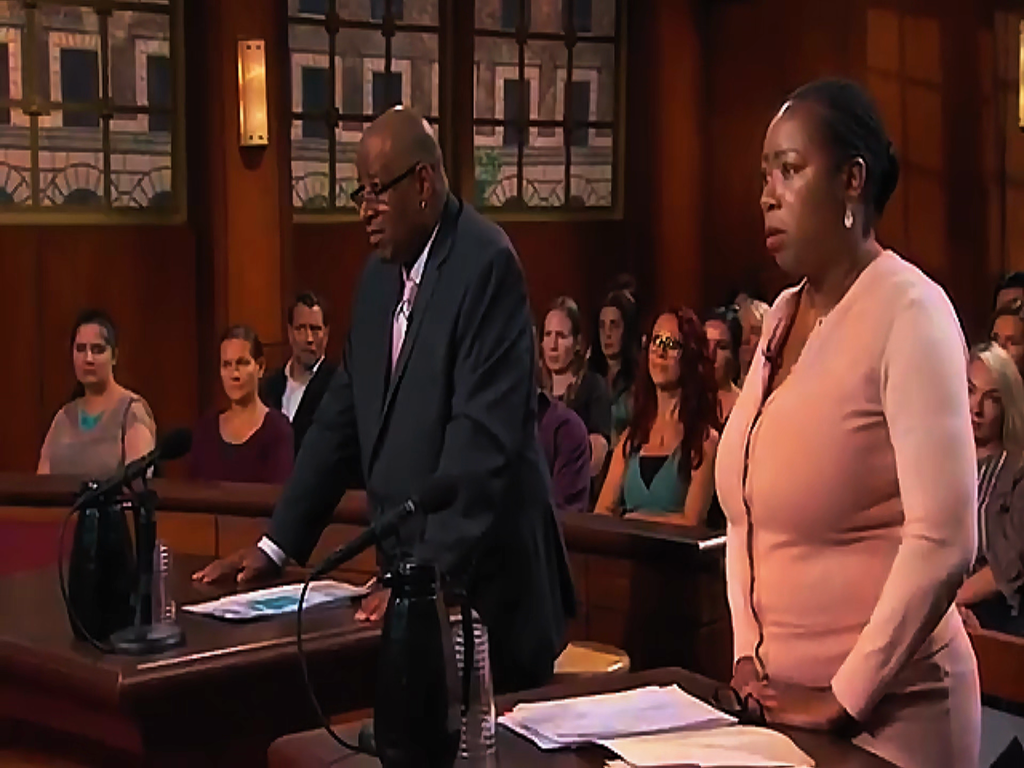
By then, the romantic relationship between Caroline and Graham had also failed. The trip and the relationship had both become part of a larger dispute over what each person believed had been promised.
Judge Judy resolved the financial part quickly.
Caroline’s Counterclaim Is Dismissed
Caroline had filed a counterclaim against Graham, but Judge Judy dismissed it outright, calling it “ridiculous.” The transcript segment does not develop the counterclaim in sufficient detail to responsibly reconstruct every component of what Caroline was seeking, so it would be misleading to invent additional allegations or assign amounts that are not clearly established in the source.

What is clear is the result: Caroline received nothing on her counterclaim. The only successful monetary claim was Graham’s demand for reimbursement of the airline ticket.
After leaving the courtroom, Caroline continued to reject the suggestion that she had taken advantage of him. She said she was not an opportunist and maintained that she had told Graham she would refund him. She also insisted that Graham had offered to pay for the ticket and that she had not been trying to use him.
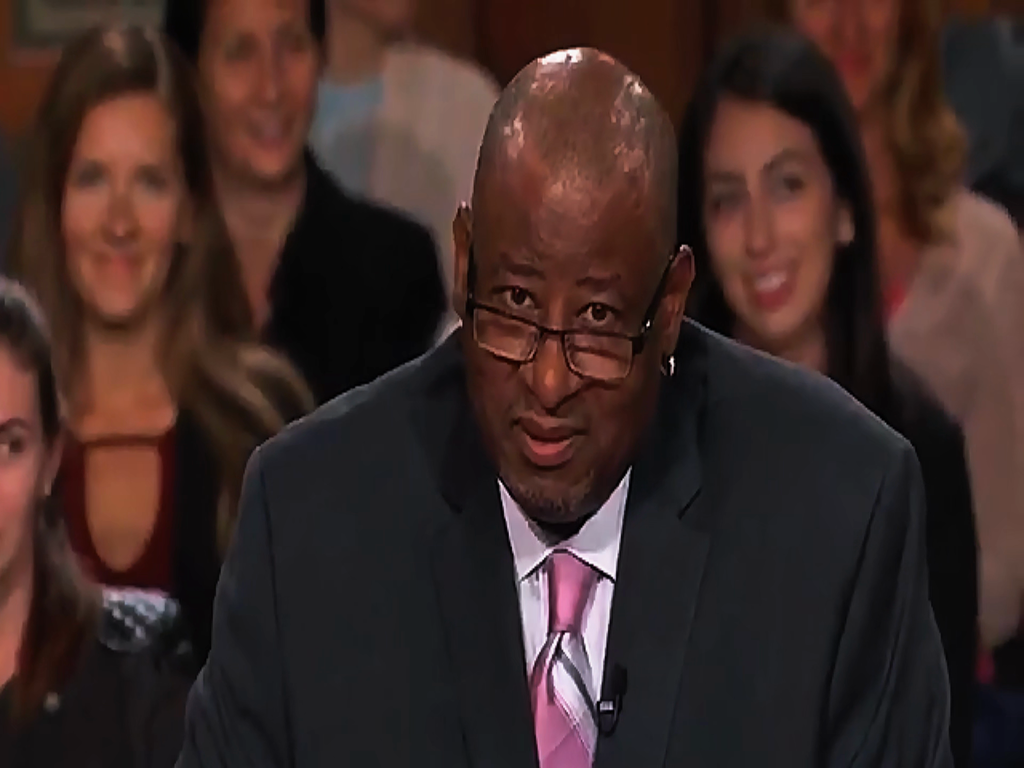
Graham’s post-case reaction reflected a very different emotional takeaway. He said the experience made him not want to help anybody anymore and cautioned against moving too quickly. The comments captured the personal disappointment underneath what had become a relatively simple $613 lawsuit.
When Does Romantic Generosity Become a Debt?
The case highlights one of the recurring problems in financial disputes between people who meet online. Early in a relationship, gifts and favors can happen before either person has a clear understanding of where the relationship is going. One person may view paying for something as an unconditional act of generosity, while the other may believe repayment is understood if the circumstances change.
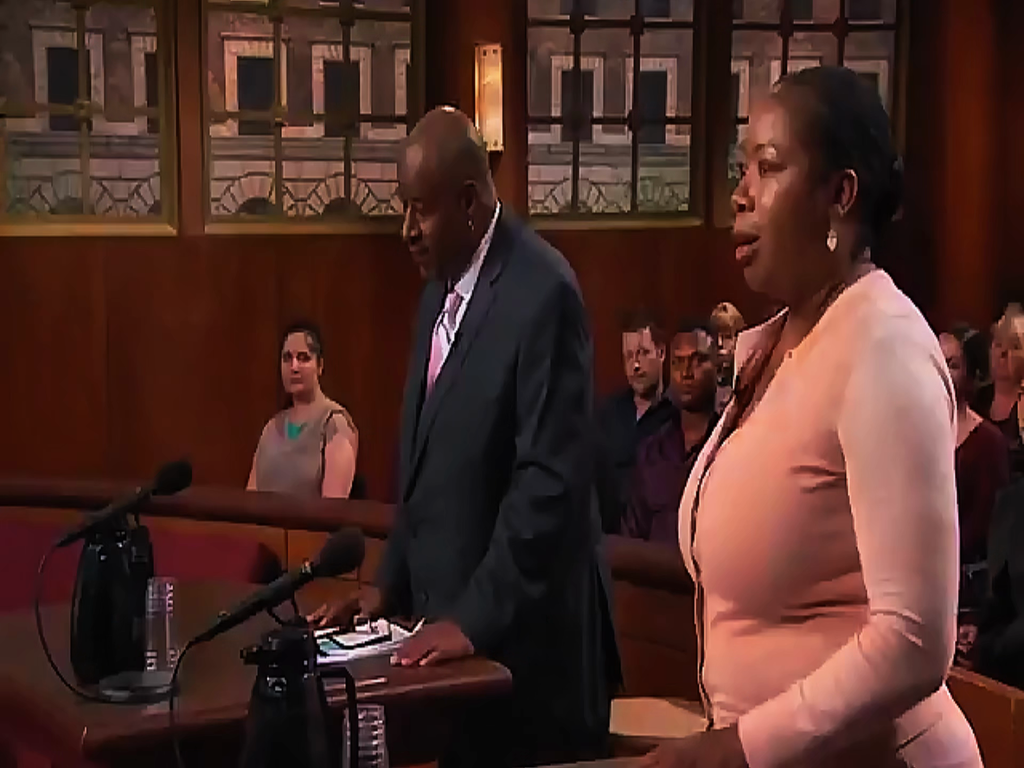
Caroline had a legitimate point that Graham himself offered to buy the ticket. The transcript does not show her sending a direct written demand saying, “Buy me a plane ticket.” She described her financial situation, he learned that she needed money to make the trip, and he offered assistance. Caroline even testified that she initially told him no.

But Judge Judy evaluated more than the literal wording of the offer. She considered why the conversation happened, Caroline’s financial need, the fact that Graham knew very specific details about the missing $800, the timing of the communication and the fact that the two had not even met when he provided the airfare. Caroline’s shifting answers about the May 8 contact did not help her credibility.
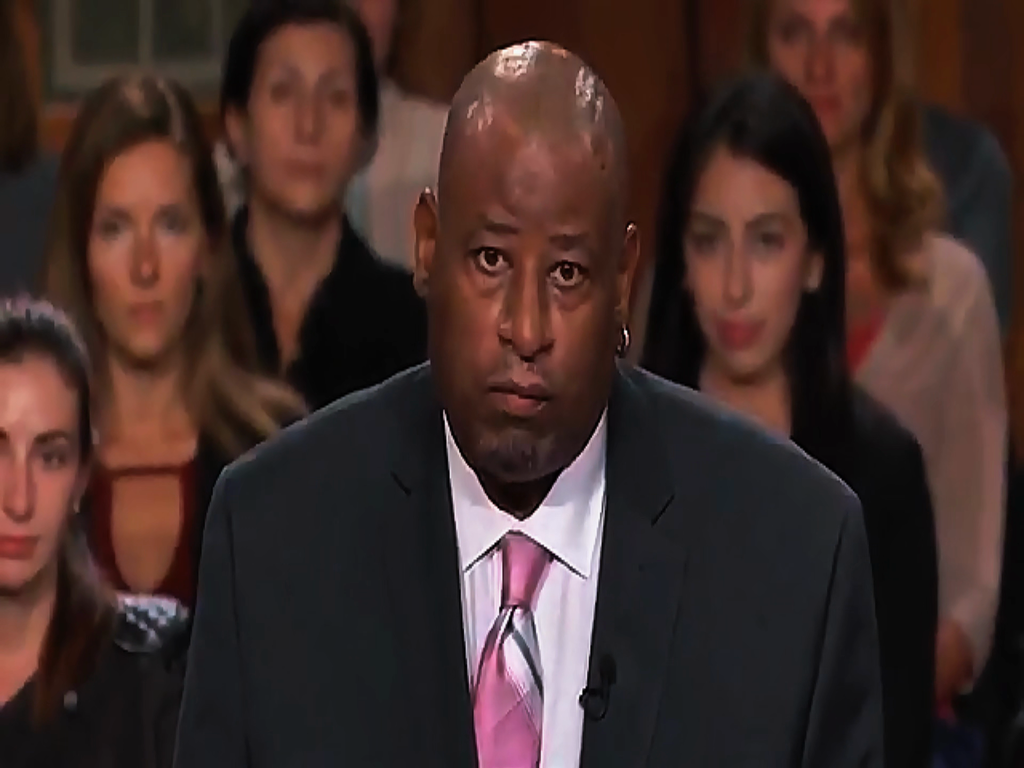
The court ultimately treated the payment as money that should be returned rather than as a permanent gift Caroline was entitled to keep after the relationship ended.
Judge Judy Awards Graham $613
The final ruling was concise: Judge Judy entered a $613 judgment for Mr. Graham and dismissed Caroline Douglas’s counterclaim. Although Graham testified that the actual airfare was $613.95, the judge announced the judgment as $613 in the transcript. To preserve the court record accurately, the verdict should therefore be reported as the court stated it rather than silently changing the judgment to $613.95.
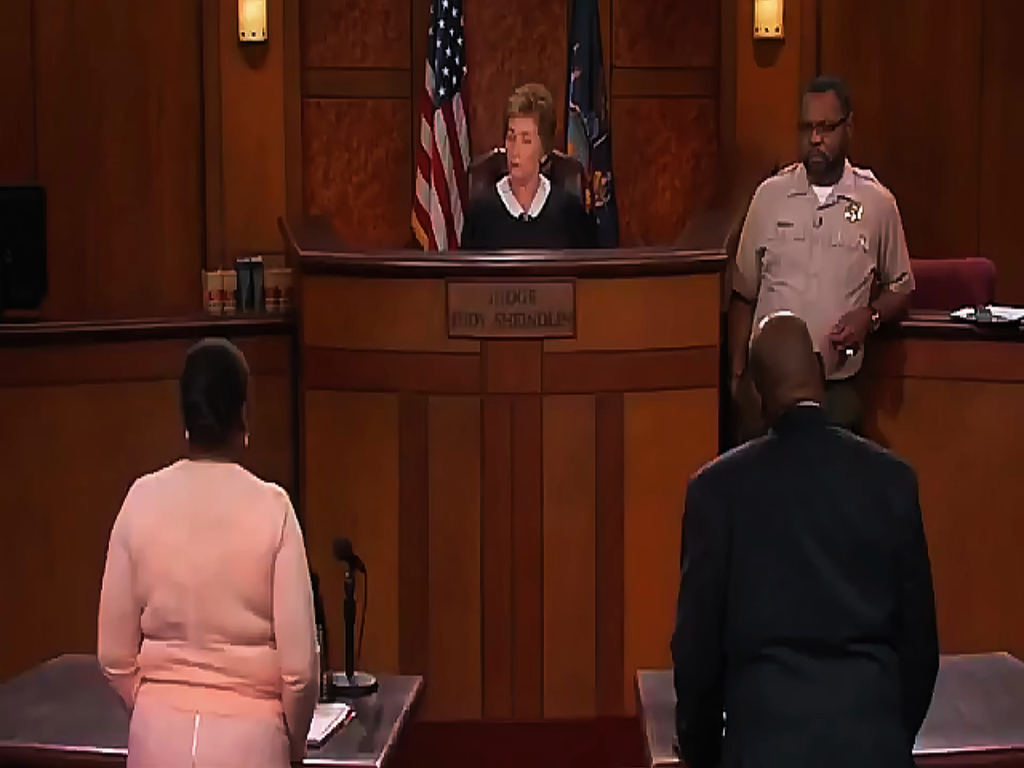
The case did not turn on whether Graham had voluntarily clicked the purchase button or initially wanted to help Caroline. Everyone understood that he had offered financial assistance. The deeper issue was whether Caroline could accept hundreds of dollars from an online romantic interest she had not yet met, pursue a relationship with him afterward, and then characterize the airfare as an unconditional gift once that relationship failed.
Judge Judy’s answer was no.

Caroline continued to say she had never intended to use Graham, and the ruling did not require a finding that she had deliberately planned to exploit him from the beginning. Instead, Judge Judy focused on the practical financial result. Graham had paid for Caroline’s trip when she lacked the funds, the personal relationship did not work out, and Caroline had to reimburse him.
The amount was small compared with many courtroom disputes, but the lesson was unmistakable: a generous gesture made at the beginning of an online romance can become very expensive once two people disagree about what that gesture actually meant.
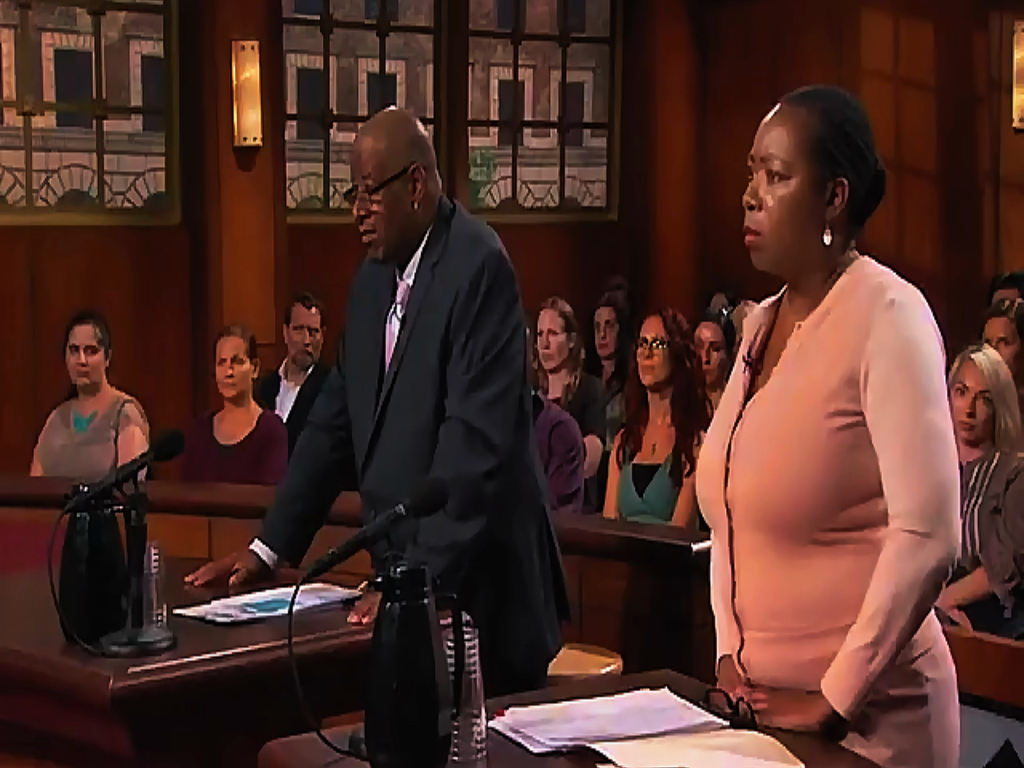
For Graham, the final judgment was $613. For Caroline, the counterclaim was dismissed. And for both of them, a relationship that started online and moved quickly into financial assistance ended with Judge Judy deciding who had to pay.
(uc.)
FAQ
Why did Mr. Graham buy Caroline Douglas a plane ticket?
Caroline needed to travel to Los Angeles with her actress daughter for an interview and had been counting on approximately $800 that a friend owed her. After Caroline discussed the situation with Graham, he offered to pay for her airline ticket even though the two had not yet met in person.
Did Caroline directly ask Graham to buy the ticket?
Caroline denied directly asking him to purchase it. She acknowledged discussing her financial problem and need to travel with him, after which Graham offered to pay. She said she initially declined before ultimately accepting the ticket.
How much did the Los Angeles plane ticket cost?
Graham testified that the ticket cost $613.95. Judge Judy subsequently announced a $613 judgment for the plaintiff, so the court-stated judgment is reported as $613.
Why did Judge Judy order Caroline to repay Graham?
Judge Judy was skeptical of Caroline’s explanation and focused on the fact that she had discussed her financial need with Graham before they had even met. The judge concluded that after the relationship failed, Caroline should reimburse him for the airfare rather than retain the benefit as a gift.
What happened to Caroline’s counterclaim?
Judge Judy dismissed Caroline Douglas’s counterclaim, describing it as ridiculous. The transcript segment does not provide enough reliable detail to expand on every element of that counterclaim without speculation.
Sources
Judge Judy, including testimony about Mr. Graham and Caroline Douglas meeting online, Caroline’s previous $800 loan to a friend, her need to accompany her daughter to Los Angeles, the May 8 communications, Graham’s offer to purchase the ticket before the couple had met, their later meeting and dating-profile disagreement, the $613.95 airfare, Caroline’s daughter’s interview and Judge Judy’s final $613 judgment for Graham with Caroline’s counterclaim dismissed.