Nancy Minucci came to court focused on money. After Child Protective Services intervened in her son and daughter-in-law’s household, Nancy took in three children and later objected when the biological father of two of the boys claimed them on his 2016 tax return. But Judge Judy quickly discovered that Nancy had cared for the boys for only part of that tax year, while their custody history stretched across several homes and several years. By the end of the hearing, the tax dispute had almost disappeared. Judge Judy dismissed Nancy’s claim entirely and said Connecticut family court needed to take a very close look at where the two boys actually belonged.

(uc.)
Three Children Were Removed From Their Parents’ Home
Nancy Minucci was the mother-in-law of a woman identified in the transcript as Carmela, who had two sons from an earlier relationship with Mr. Menendez. Carmela later married Nancy’s son, Steven, and the couple had a little girl together. That created a blended family of three children in the household: Carmela’s two boys and the daughter she shared with Steven.
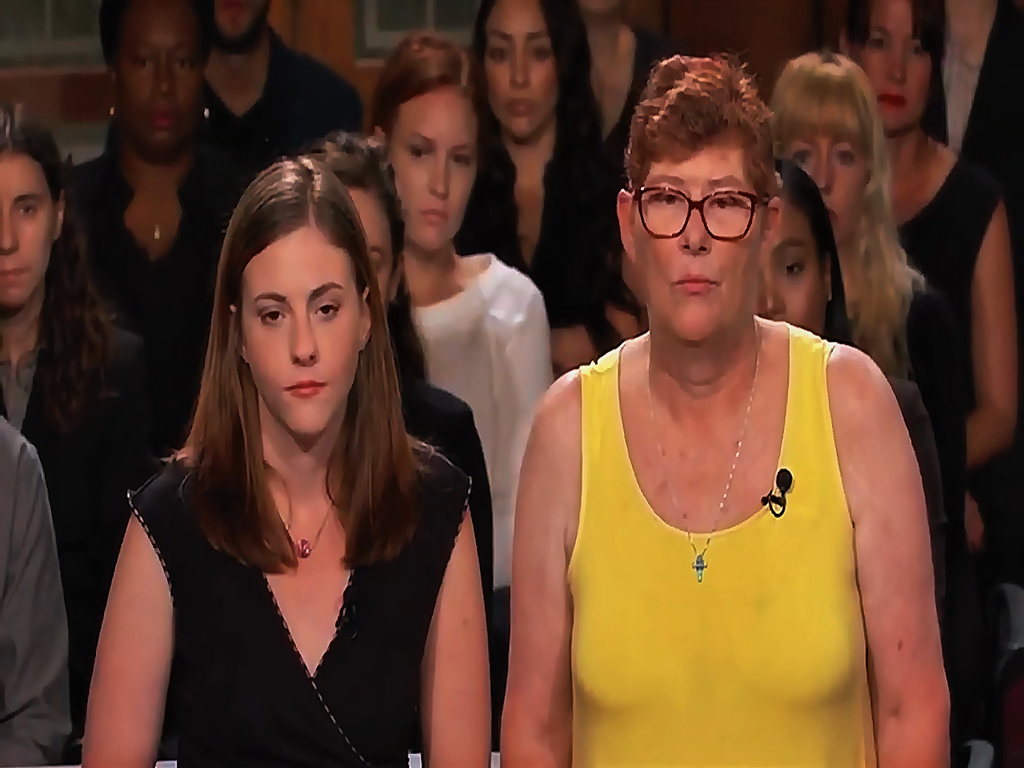
The family situation changed dramatically in October 2016. Nancy testified that she received a call informing her that Child Protective Services was preparing to remove the children from Carmela and Steven because of a drug problem. Nancy was asked to step in and take custody of all three children, and she agreed. According to her testimony, the children came into her care on October 10, 2016.

By the time of the Judge Judy hearing, however, Nancy no longer had all three children. She still had the young daughter born to Carmela and Steven and the 8-year-old boy, but the older boy, who was 10, had become extremely difficult for her to manage. Nancy said he had become aggressive toward the other children and eventually spent 10 days in a behavioral health unit. In January, she said she had to give him up, and he was subsequently placed in a therapeutic foster home.
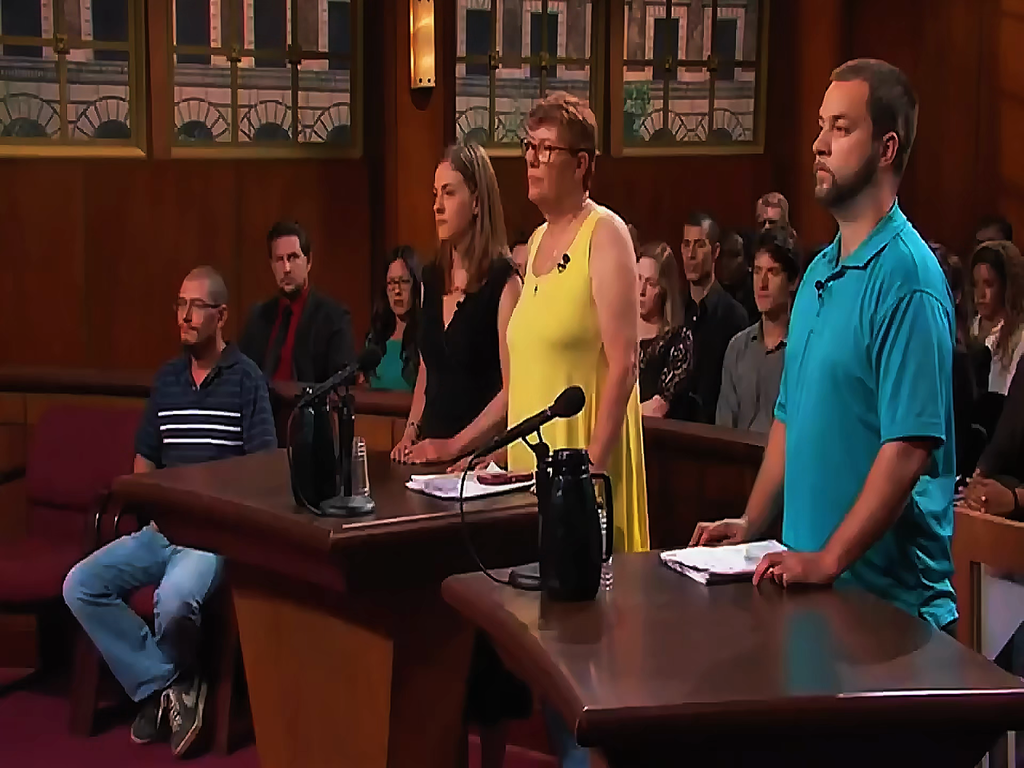
That was the family background behind what Nancy initially presented as a financial dispute.
Nancy Objected to Mr. Menendez Claiming the Boys on His 2016 Taxes
Nancy’s complaint centered on Mr. Menendez’s decision to claim his two sons as dependents on his 2016 tax return. She believed he had no right to do so because she said he had not been supporting the children and had not been meaningfully involved with them during that period. Nancy told the court that he had not paid “a penny.”

Judge Judy immediately focused on the calendar. Nancy had taken the children on October 10, meaning she had cared for the boys for only a little more than two and a half months of 2016. That raised an obvious question: who had been supporting them during the rest of the year?

Nancy initially pointed toward her son Steven and daughter-in-law Carmela. Judge Judy therefore began questioning Carmela and Mr. Menendez directly, reconstructing where the boys had actually lived over the preceding several years.
The answers quickly made the case far more complicated than Nancy’s original complaint suggested.
The Boys Had Lived With Their Mother During Part of 2016
Carmela testified that she had worked part-time as a personal care assistant in 2016 and received food stamps for herself, her husband and the children. Steven worked as a manager at Valvoline Instant Oil Change. Judge Judy then asked about the boys’ prior tax history and learned that Mr. Menendez had claimed them on earlier returns.
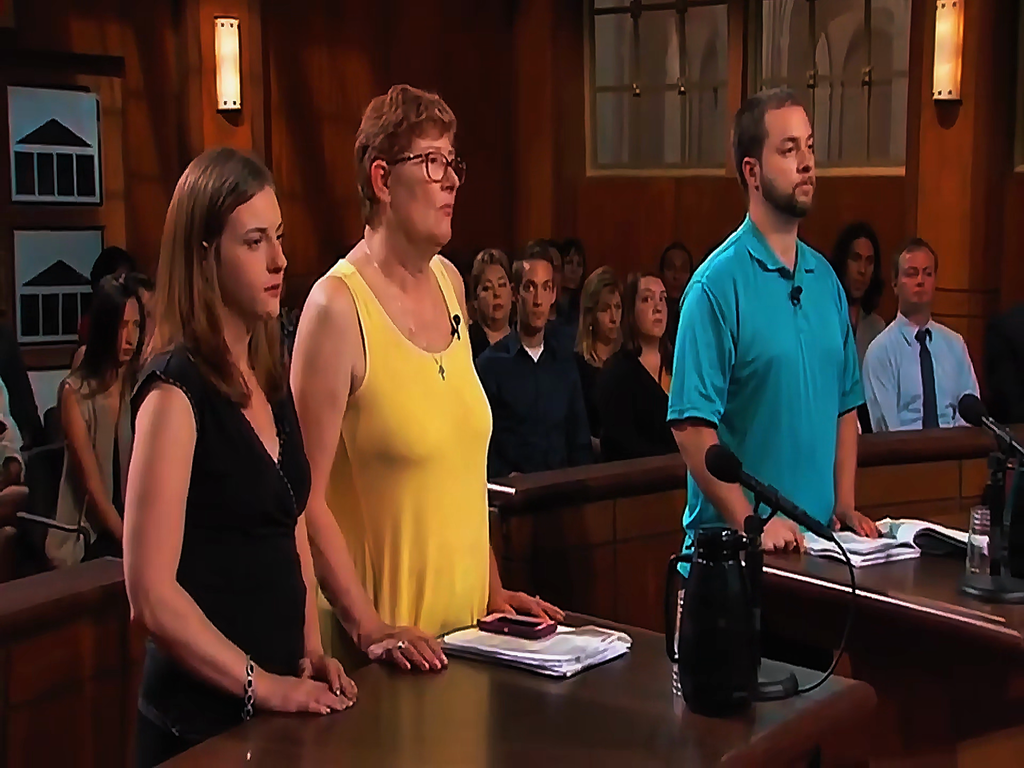
There was also a child-support order requiring Mr. Menendez to pay $50 per week, although Nancy repeatedly interjected that he had not actually paid it. Judge Judy noted that part of the children’s support was being subsidized by the government and continued examining the timeline rather than allowing the hearing to become solely an argument about unpaid child support.

Mr. Menendez initially said that he had custody of the boys until 2016. When Judge Judy broke the year down month by month, however, he acknowledged that during January, February, March, April and May 2016, the boys were living with their mother. He explained that custody had been moving back and forth through proceedings in Connecticut.

That information mattered because Nancy’s own period of care did not begin until October. The boys’ living arrangements during 2016 therefore could not be reduced to a simple claim that Nancy supported them while Mr. Menendez did nothing.
Judge Judy then went further back.
Judge Judy Reconstructs Years of Custody
The testimony showed that Mr. Menendez had played a much larger role in the boys’ lives before 2016 than Nancy’s lawsuit initially suggested. Asked about 2015, Mr. Menendez said the boys had lived with him and his aunt. Carmela disputed his suggestion that it had been the entire year and testified that they were with him from approximately January through June 2015.
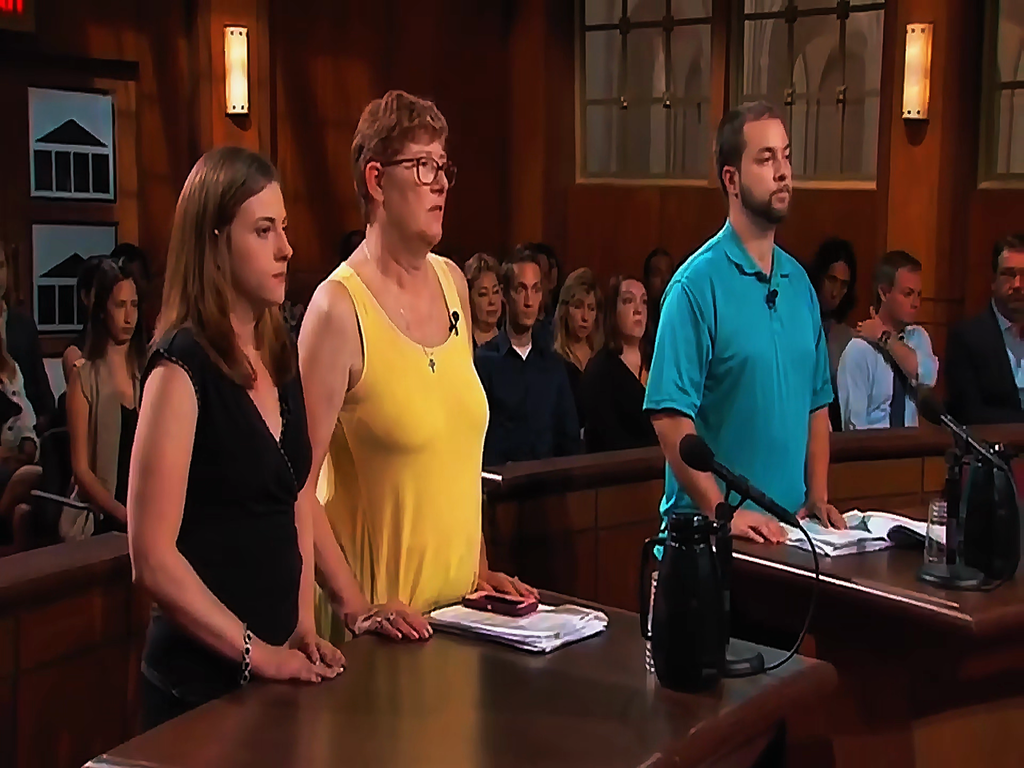
Judge Judy then asked about 2014. The answer was clearer: Mr. Menendez had physical custody of the boys full time. When she went back to 2013, Carmela again acknowledged that the boys had lived with their father.

A pattern was emerging. Whatever conflicts existed by the time of the Judge Judy hearing, Mr. Menendez was not a stranger who had suddenly appeared to claim children he had never raised. The testimony established significant periods during which the boys had lived with him, including all of 2014, part of 2015 and apparently earlier periods as well.
Judge Judy explicitly said she was beginning to see a pattern. That custody history would soon become much more important to her than the tax return.
Carmela Married Steven in September 2016 — Then CPS Intervened
Judge Judy turned her attention toward the dramatic changes that occurred in 2016. Carmela married Nancy’s son, Steven, in September 2016. Approximately one month later, Child Protective Services was preparing to remove the children because of drug-related concerns involving Carmela and Steven.

Judge Judy contrasted that development with the years when the boys had lived with Mr. Menendez. She established through questioning that Child Protective Services had not removed the children from his care during the earlier periods discussed in court. The judge found the chronology troubling: the boys had spent significant time living with their biological father without the same CPS intervention described in the current household, yet they were now separated from him and one of them had ended up in therapeutic foster care.
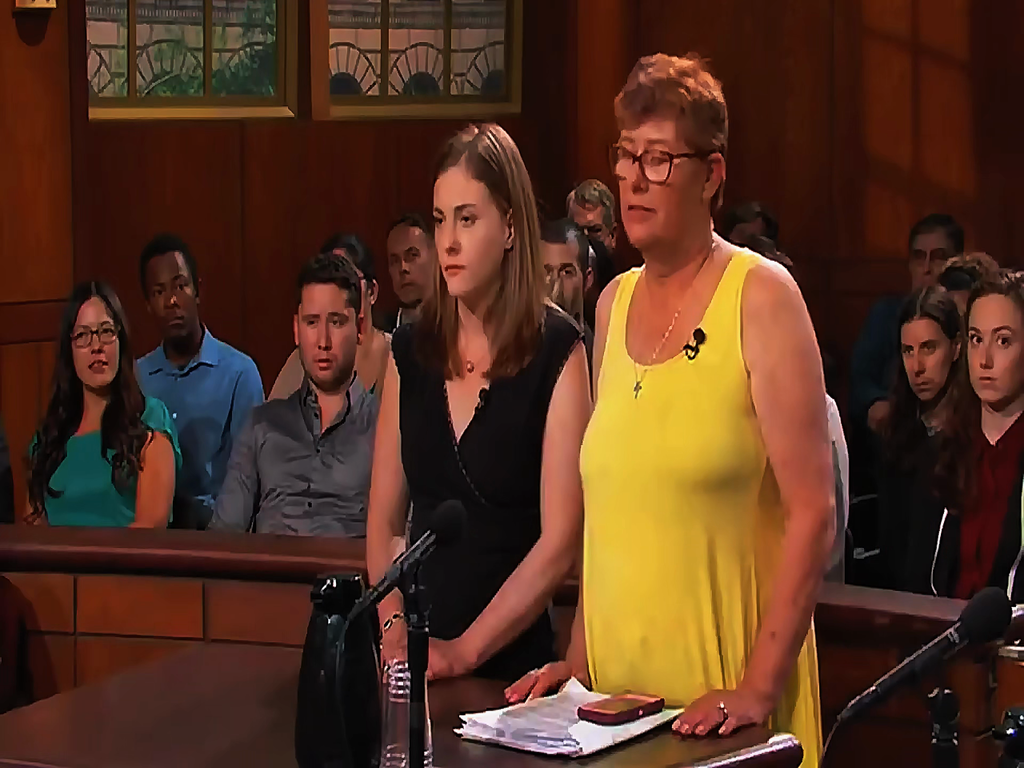
The daughter shared by Carmela and Steven had been born in July 2015. Judge Judy asked whether the baby had been born drug-addicted, and Carmela answered no. The judge did not make a medical finding about the parents based on that answer. Her focus remained on the more recent CPS intervention and what it meant for the children’s future placement.
The hearing had now moved almost completely away from taxes. Judge Judy was looking at two boys, ages 8 and 10, whose lives had moved through multiple custody arrangements and who were currently separated from each other.
Mr. Menendez Says Homelessness Led Him to Give Up Physical Custody
Judge Judy asked Mr. Menendez why he had relinquished the boys to their mother. He said he had not wanted to do so but had been homeless at the time and did not have a stable place to stay. He believed temporarily allowing the children to stay with their mother was the better option while he tried to get back on his feet.

He described that decision as a mistake in hindsight because Child Protective Services later became involved. According to Mr. Menendez, if he had possessed appropriate housing, he would have taken the children back.
At the time of the hearing, he said he was living with his girlfriend. Judge Judy questioned why, if he now had somewhere to live, he was not taking care of his sons. Mr. Menendez responded that CPS allegations and the existing process prevented him from simply taking custody and that he had to work through the system.

Judge Judy was clearly concerned. Drawing on her own background as a former family court judge, she said there was “a lot more here than meets the eye” and suggested that someone in Connecticut needed to examine the case closely.
Her strongest concern centered on the 10-year-old boy.
Judge Judy Questions Why a 10-Year-Old Is in Therapeutic Foster Care
Nancy had testified that the older boy became unmanageable, was aggressive toward the other children and spent 10 days in a behavioral health unit before being placed in therapeutic foster care. Judge Judy did not dismiss those difficulties, but she questioned whether therapeutic foster placement was preferable to placement with a biological parent who was not shown in this hearing to be involved with drugs.

Judge Judy said she believed the 10-year-old could potentially do better with a non-drug-involved parent than in therapeutic foster care. This was not a formal custody order. Judge Judy did not have the Connecticut family court case before her and repeatedly recognized that the larger custody dispute belonged there. Her comments were instead a strong recommendation that the appropriate authorities reexamine the family’s situation.
The judge also asked Mr. Menendez about contact with his younger son. He said he had seen the 8-year-old the previous month when Child Protective Services brought the child to his workplace. He also described bowling with both of his children.

Then Mr. Menendez revealed another recent development: he said Child Protective Services had called him the previous week and told him that Nancy could no longer care for his 8-year-old son and that the boy was supposed to be picked up. Nancy immediately disputed the implication, telling Judge Judy that she still had the child.
For Judge Judy, that exchange only reinforced the conclusion that the case in front of her was not really about a tax return.
“Zero, Nothing, Nada” — Nancy’s Case Is Dismissed
Judge Judy ended Nancy Minucci’s monetary claim decisively. She told her that she had no claim against Mr. Menendez and dismissed the case, emphasizing the point with the words “zero, nothing, nada.”
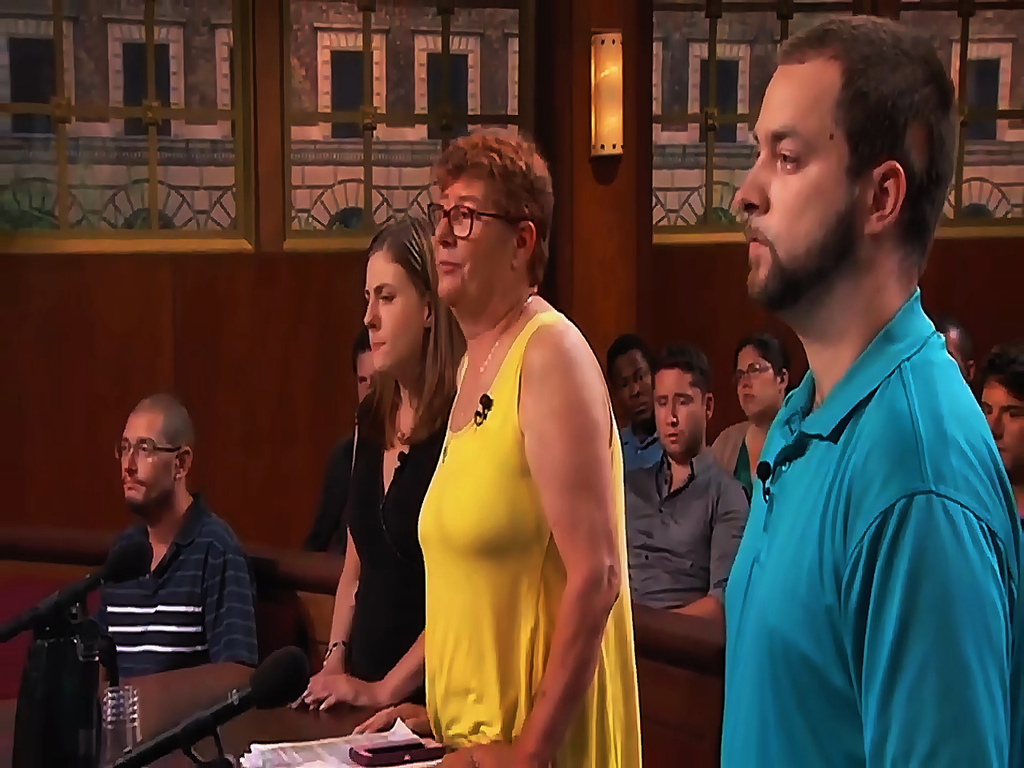
The reason was rooted in the complicated custody history. Nancy had cared for the boys for only the final portion of 2016, beginning October 10. The testimony established that the children had lived in different households throughout the year and that Mr. Menendez had also provided substantial care during earlier years. Whatever tax issues existed, Judge Judy did not find that Nancy had established a valid claim against him in this proceeding.

Nancy attempted to correct what she believed were inaccurate facts after the dismissal. She said the boys had lived with Carmela, Steven and the Minucci household for more than a year and disputed parts of the timeline presented by Mr. Menendez. Judge Judy nevertheless refused to reopen the dispute.
“This is a family court matter,” she told them.
That statement captured the real conclusion of the hearing. The judge believed the adults were fighting over an issue that was minor compared with the urgent question of where the children should live.
Judge Judy Calls for a Closer Family Court Review
Judge Judy said someone needed to take a “very, very close look” at which parent was most appropriate to raise the two boys, who were 8 and 10 years old. She also questioned whether the brothers should be separated at all.

Based on the testimony she heard, Judge Judy said it sounded as though the boys had lived with their father for much of their lives. She also noted that she saw no visible evidence in the courtroom suggesting drug involvement by Mr. Menendez, while saying she could not make the same observation about the other side. That was an in-court observation, not a drug-test result or formal finding from a Connecticut custody proceeding, and it should not be treated as one.
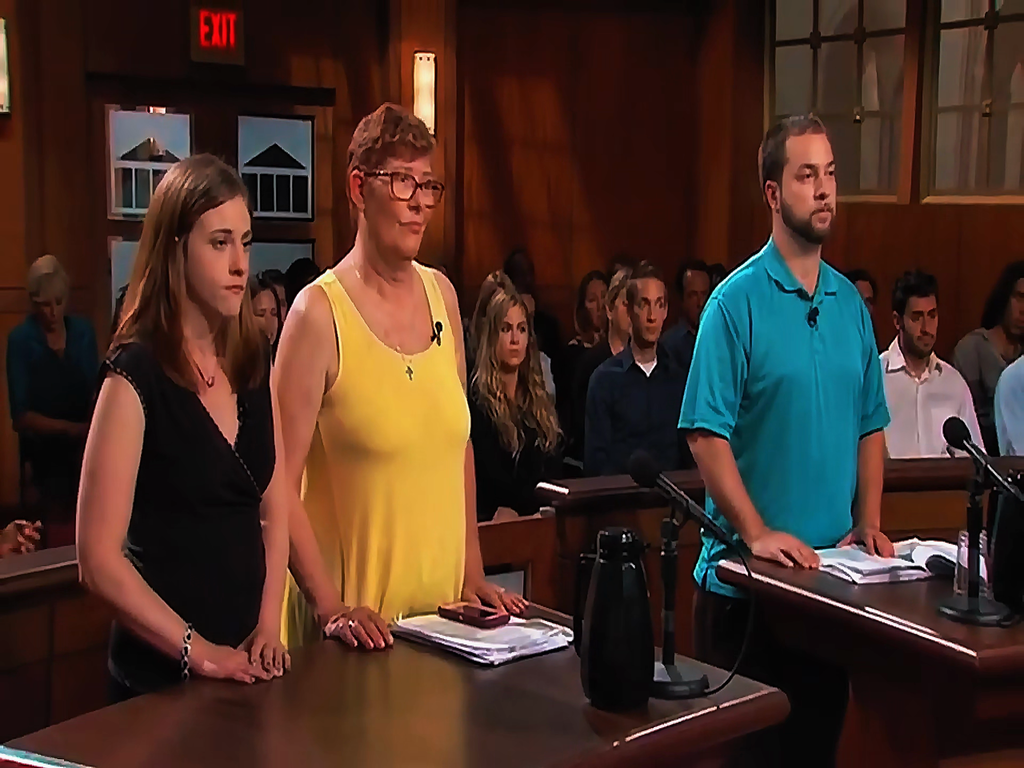
Most importantly, Judge Judy did not award custody to Mr. Menendez. She could not resolve the underlying Connecticut family court matter through this small-claims proceeding. Instead, she dismissed Nancy’s case and strongly urged the relevant court and child-welfare authorities to examine the circumstances surrounding both boys.
Her concern was particularly sharp because the brothers were living apart. One remained with Nancy at the time of the hearing, while the other was in therapeutic foster care. Judge Judy plainly believed that arrangement deserved renewed scrutiny.
The Adults Continue Their Dispute Outside the Courtroom
After the hearing, the conflict continued. Carmela disputed the portrayal of the custody history and argued that Mr. Menendez had seen the children only a handful of times. She said she had tried to get him involved and referenced ongoing court proceedings. These were her allegations after the case and were not established as findings by Judge Judy.
Mr. Menendez presented a very different account. He said he had been trying to regain custody and claimed that Carmela’s parental rights had been relinquished. He described himself and his children as victims of the situation and said he hoped that when he returned home he could get the boys back into his care.

Nancy’s comments were perhaps the most emotional. She said she was 61 years old that day and did not believe she should be raising small children at her age. She described the situation as heartbreaking and said it was affecting the children badly.
Those comments underscored why Judge Judy had stopped treating the dispute as a simple argument over tax benefits.
A Tax Case That Became a Warning About Two Children
Nancy Minucci entered the courtroom believing Mr. Menendez had wrongfully claimed his two sons on his 2016 taxes while she was supporting them. But once Judge Judy reconstructed the family history, the claim became far less straightforward. Nancy had taken the children on October 10, meaning she had them for only part of that year. The boys had lived with their mother during earlier months, while Mr. Menendez had maintained physical custody during significant periods in previous years.

More troubling was what happened after the boys entered Carmela and Steven’s household. Child Protective Services intervened amid drug-related concerns, Nancy took in the three children, the older boy later required behavioral treatment and eventually entered therapeutic foster care, and the brothers became separated.

Judge Judy did not attempt to solve all of those issues from her courtroom. She did something narrower with the lawsuit and something broader with her warning. Legally, she dismissed Nancy’s claim against Mr. Menendez entirely. On the family side, she urged Connecticut authorities to look closely at the children’s circumstances and determine who was actually best positioned to care for them.
The final result therefore contained no monetary judgment for Nancy. Her lawsuit was dismissed.

But the most memorable part of the case had nothing to do with taxes. Judge Judy saw two young brothers caught in years of unstable custody arrangements and believed the adults and the family court system needed to focus on them instead.
For Nancy’s lawsuit, the answer was “zero, nothing, nada.” For the boys’ future, Judge Judy believed the questions were much more serious.
(uc.)
FAQ
Why did Nancy Minucci sue Mr. Menendez?
Nancy objected to Mr. Menendez claiming his two sons on his 2016 tax return. She had taken the boys into her care beginning October 10, 2016, after Child Protective Services became involved with the household of her son and daughter-in-law.
How long did Nancy have the boys during 2016?
According to the testimony, the children came to Nancy on October 10, 2016, meaning she cared for them for a little more than two and a half months of that tax year.
Had the boys previously lived with their father?
Yes. The testimony established significant periods in which they lived with Mr. Menendez. Carmela acknowledged that he had physical custody in 2014 and for approximately the first half of 2015, while the hearing also referenced the boys living with him during earlier periods.
Why was one of the boys in therapeutic foster care?
Nancy testified that the 10-year-old boy became aggressive toward the other children and difficult for her to manage. He spent 10 days in a behavioral health unit, and Nancy said she ultimately had to give up his placement. He was then living in a therapeutic foster home.
What was Judge Judy’s final ruling?
Judge Judy dismissed Nancy Minucci’s claim entirely, telling her she had no claim against Mr. Menendez — “zero, nothing, nada.” She said the larger dispute belonged in family court and urged Connecticut authorities to take a close look at which parent was most appropriate to raise the two boys.
Sources
Judge Judy, including testimony about Nancy Minucci taking the three children on October 10, 2016, the disputed 2016 tax claims, Mr. Menendez’s earlier periods of custody, the $50-per-week child-support order, Child Protective Services intervention, the 10-year-old boy’s behavioral-health placement, the 8-year-old remaining with Nancy at the time of the hearing and Judge Judy’s dismissal of Nancy’s claim. Some names are inconsistently rendered by the automatic subtitles, particularly Minucci/Manachi and Menendez/Mendez, so this article avoids treating caption variations as separate individuals.