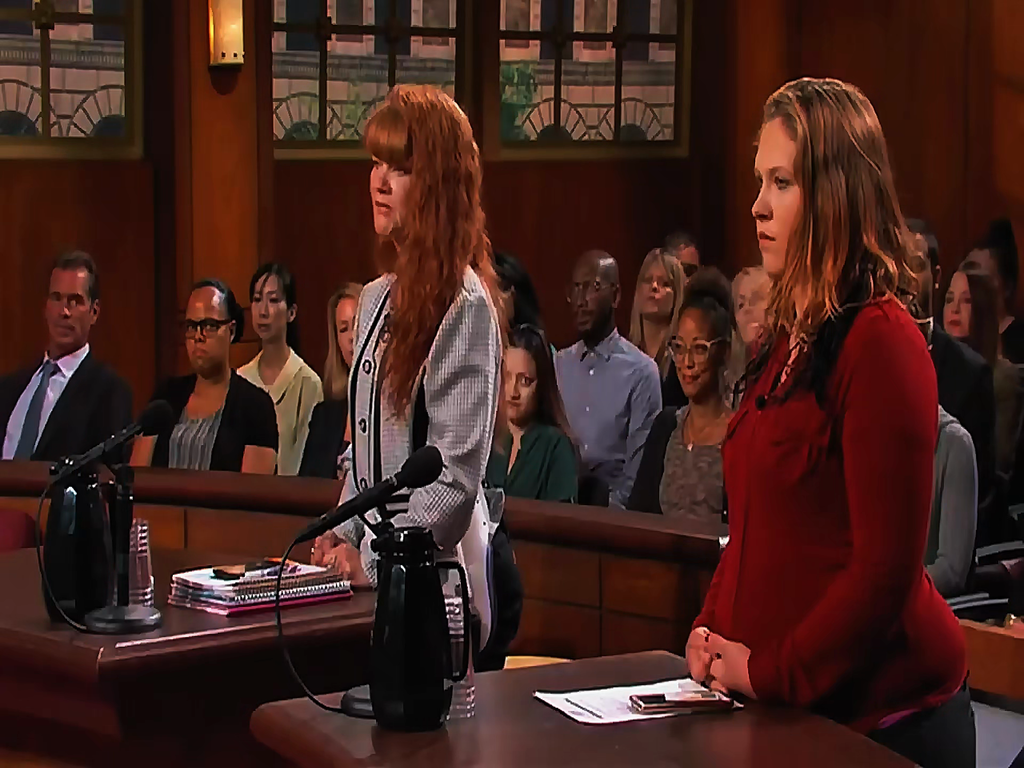
Christina Wall spent more than two months caring for Kayla Franks’s two young children while Kayla returned to work at Subway. There was no clearly established weekly rate, but Christina insisted she received nothing for the work. Kayla told Judge Judy a very different story: she claimed she had paid Christina in cash every two weeks and provided groceries, but said Christina failed to complete classes needed for state daycare assistance. The problem was that Kayla’s own written answer told a different story. Judge Judy did not believe she had paid Christina at all — and used what Kayla later paid her own mother as the yardstick for an $850 judgment.
(uc.)
Christina Wall Agreed to Babysit Two Young Children
Christina Wall knew Kayla Franks through Kayla’s brother. At some point, that connection developed into an arrangement in which Christina began caring for Kayla’s two children while Kayla returned to work. The children were very young at the time — 2 and 4 years old — meaning the arrangement involved genuine childcare responsibilities rather than occasionally watching older children for a few hours.

Kayla had secured a job at Subway, initially working part-time. She testified that she remained part-time for approximately the first month to month and a half before moving into full-time hours. Her pay was $10 per hour, and Subway paid her every two weeks. Judge Judy immediately used those facts to establish something basic but important: Kayla went to work, performed services for her employer and expected to receive a paycheck. Christina was providing the childcare that allowed Kayla to do that same work, so the question became why Christina should not also have been compensated for her services.
According to Kayla, Christina began watching the children on August 3 and continued until October 8. During August, Kayla was still primarily working part-time. By September she was working full-time, and she remained full-time into the beginning of October. Christina therefore provided childcare across more than two months while Kayla’s own work schedule became increasingly demanding.

Christina’s lawsuit sought unpaid babysitting fees as well as the value of property. But once Judge Judy began questioning the women, the babysitting arrangement quickly became the central issue.
Kayla Says She Paid Christina Every Two Weeks
When Judge Judy suggested Kayla had paid Christina nothing, Kayla immediately disagreed. She claimed she had paid Christina whatever amount Christina told her to pay every two weeks. That sounded like a straightforward defense: if Kayla had regularly paid her babysitter, Christina should not be able to recover the same money again.
Judge Judy noticed a serious problem almost immediately. Kayla had filed a written answer before the hearing, and that answer apparently did not say she had paid Christina every two weeks. The judge pointed out that such a fact would have been extremely important to include. If someone sues you for unpaid babysitting and your defense is that you already paid, saying “I paid her” would naturally be one of the most important parts of your written response.

Christina flatly denied receiving money from Kayla. Asked whether Kayla had paid her every two weeks, she answered no. Asked whether Kayla had given her any money at all, Christina again said no.
Judge Judy then returned to Kayla’s written answer. Rather than saying Christina had already been paid, Kayla’s response apparently explained that Christina did not receive payment because she had failed to complete a CPR class required to qualify for state payment. To Judge Judy, that was fundamentally inconsistent with Kayla’s new courtroom claim that she had personally paid Christina every two weeks.

The credibility problem became immediate.
The Written Answer Undercuts Kayla’s Payment Story
Judge Judy told Kayla she did not believe she had paid Christina anything unless she could produce proof. Since Kayla herself received paychecks from Subway, the judge asked whether she had any check, receipt or other record demonstrating that some of those funds had gone to Christina.

Kayla had no conventional payment record. Instead, she said that whenever she gave Christina money, the two women recorded it in a notebook Christina kept. According to Kayla, Christina would sign the notebook and Kayla would sign it as well. If that were true, the notebook could have been powerful evidence because it would document individual payments and contain signatures from both parties.
But no such proof established Kayla’s claim in court.
Judge Judy was unconvinced. She directly told Kayla, “I don’t believe you,” and said she did not believe Kayla had paid Christina any money. Kayla’s courtroom explanation did not align with the written defense she had previously submitted, and she lacked documentation to overcome that inconsistency.
The dispute then shifted from whether Christina should be paid to determining how much her work was reasonably worth.
Kayla Blames the Problem on Daycare Assistance Requirements
Kayla attempted to explain that their original arrangement involved state daycare assistance. She said Christina was supposed to complete two classes so she could qualify for the childcare assistance program, but Christina refused to do them. Kayla specifically referenced the requirements when explaining why the state did not pay Christina.
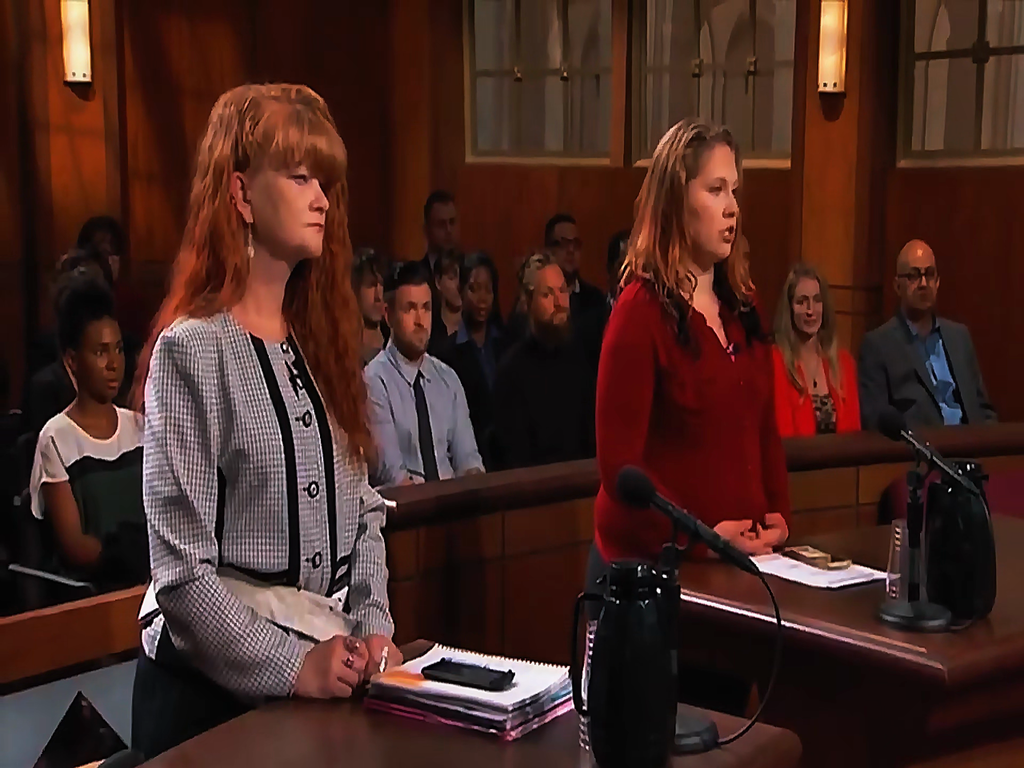
According to Kayla, she nevertheless gave Christina cash, groceries and other items while Christina cared for the children. Christina disputed receiving the claimed payments. Judge Judy did not accept Kayla’s account that those alleged cash payments satisfied her obligation.
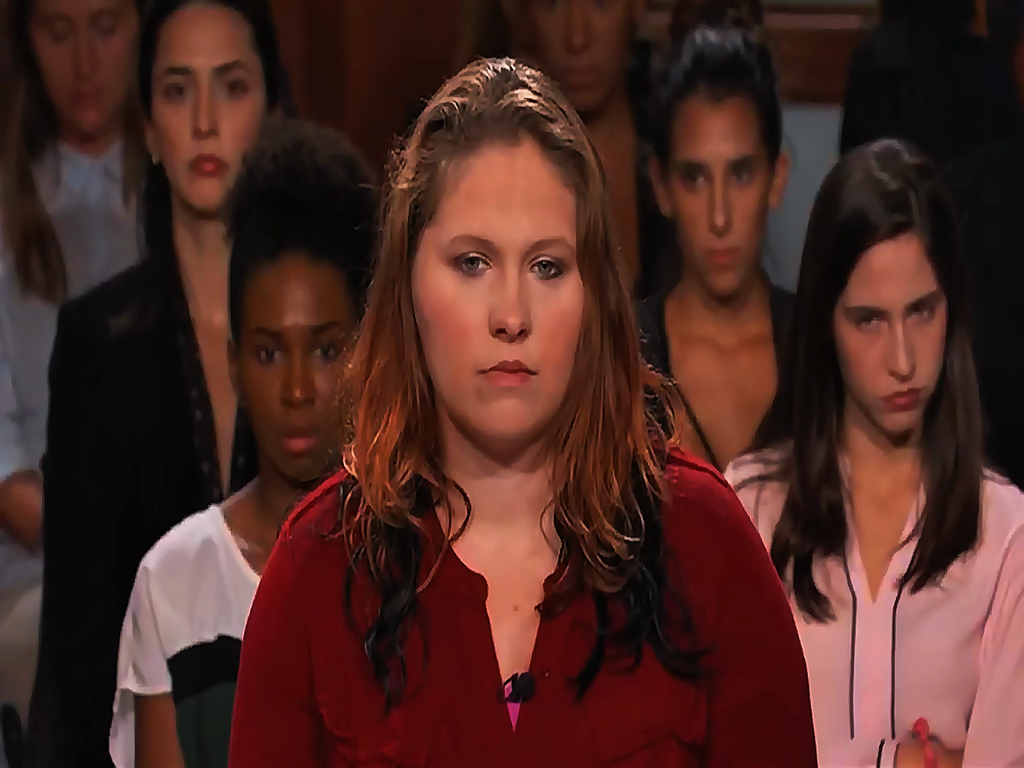
The distinction between state assistance and Kayla’s personal responsibility became important. Whatever requirements Christina may have needed to complete to receive money from a government childcare program did not erase the fact that she had actually performed babysitting services. Kayla had been able to go to Subway and earn her own wages because someone else was caring for her 2- and 4-year-old children.
Judge Judy stated the principle plainly: Christina worked for Kayla and had to be compensated for that work.

The challenge was that Christina and Kayla had not established a clear fixed amount in advance. There was no reliable agreement saying Christina would receive a specific weekly or monthly rate. Judge Judy therefore needed another way to calculate reasonable compensation.
Unexpectedly, Kayla herself supplied the answer.
Kayla’s Own Mother Becomes the Perfect Comparison
Judge Judy asked Kayla what happened with childcare after Christina stopped watching the children. Kayla explained that her mother began providing daycare. By that point Kayla was still working, and her mother was not receiving payment from the state. Instead, Kayla said she personally paid her mother from her paychecks.
Judge Judy asked exactly how much. Kayla answered $250 every two weeks, equivalent to approximately $125 per week.

That number immediately gave Judge Judy a practical benchmark. Kayla was willing to pay her own mother $250 every two weeks to watch the same children. If that was a reasonable amount for Kayla’s mother — who was caring for her own grandchildren — then Judge Judy saw no reason Christina’s childcare should be valued at nothing.
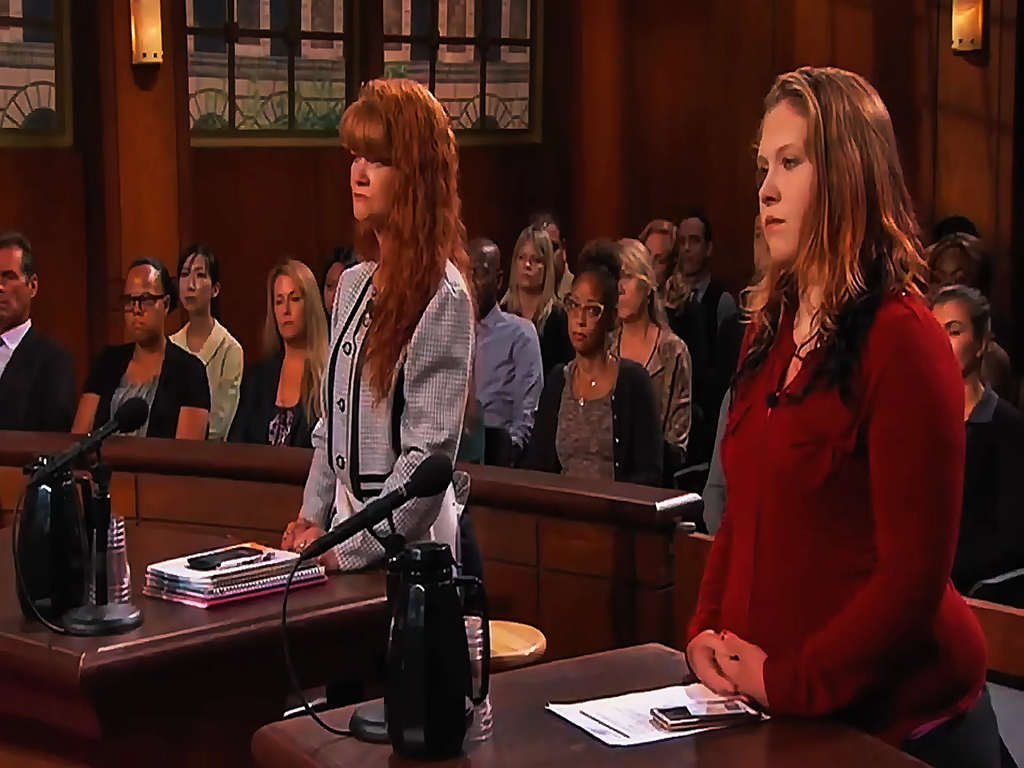
Kayla tried to explain that the amount had been her mother’s chosen rate because she knew Kayla was a single mother and wanted to help her financially. But that explanation actually reinforced the usefulness of the figure. Her own mother was deliberately charging a relatively accommodating family rate, and Kayla was paying it.
Judge Judy decided to use that amount as the yardstick for Christina’s compensation.
Judge Judy Calculates a Fair Babysitting Rate
Judge Judy acknowledged that Christina’s original complaint did not establish a fixed amount Kayla had agreed to pay. That prevented the court from simply enforcing a specific contractual rate. But the absence of a predetermined price did not mean Christina’s labor had no value.
The judge therefore reconstructed the childcare period based on Kayla’s work schedule. During August, Kayla was working part-time. Rather than awarding Christina the same amount she would receive for a full month of full-time childcare, Judge Judy allocated $250 for August.

In September, Kayla was working full-time. Using the rate Kayla paid her own mother — $250 every two weeks — Judge Judy valued Christina’s September childcare at $500. Christina then continued working into October, with October 8 identified as her last day. Judge Judy allocated another $100 for that final period.
The calculation was straightforward: $250 for August + $500 for September + $100 for October = $850.

Judge Judy asked Christina whether that amount seemed reasonable. Christina answered yes. With that, the case was over.
Why Kayla’s Credibility Became the Deciding Issue
Kayla’s defense might have looked very different if she had produced clear payment records. If she possessed a notebook signed by both women showing cash payments every two weeks, receipts for childcare payments or checks written to Christina, Judge Judy would have had concrete evidence to evaluate against Christina’s denial.
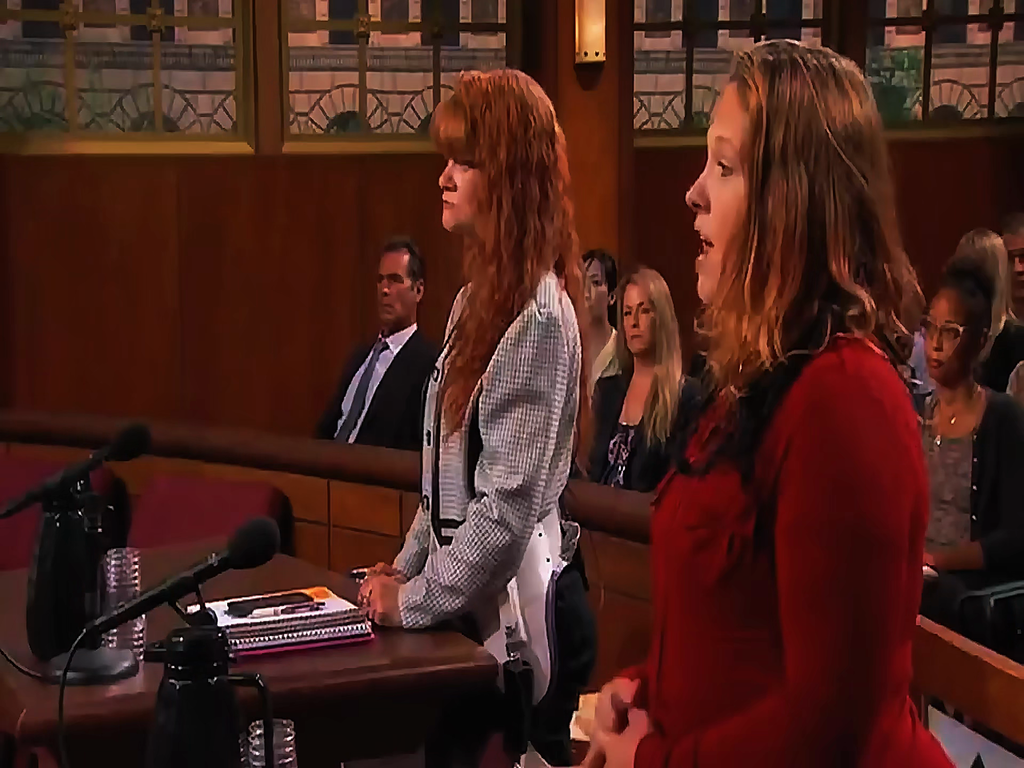
Instead, Kayla’s own statements created the biggest problem. Her written answer apparently said Christina did not get paid because she failed to take a CPR class necessary for state compensation. In court, however, Kayla claimed she had personally paid Christina every two weeks anyway. Judge Judy immediately recognized the contradiction.
The alleged notebook did not rescue the story. Nor did Kayla’s claim that she had supplied groceries and other necessities while Christina watched the children. Judge Judy concluded that Christina had not been compensated for the work and moved on to determining fair value.

Kayla’s later arrangement with her mother made that determination much easier. She could hardly argue that babysitting her two young children was worth nothing when she was currently paying someone else $250 every two weeks to perform essentially the same service.
Judge Judy used Kayla’s own behavior to establish what a reasonable rate looked like.
The Case Shows Why Informal Childcare Agreements Can Become Expensive
The dispute between Christina and Kayla is a good example of what can happen when friends create an informal work arrangement without documenting the essential terms. Christina agreed to watch two young children for more than two months, but there was no clear written contract specifying exactly how much she would receive, when she would be paid or what would happen if state daycare assistance did not materialize.
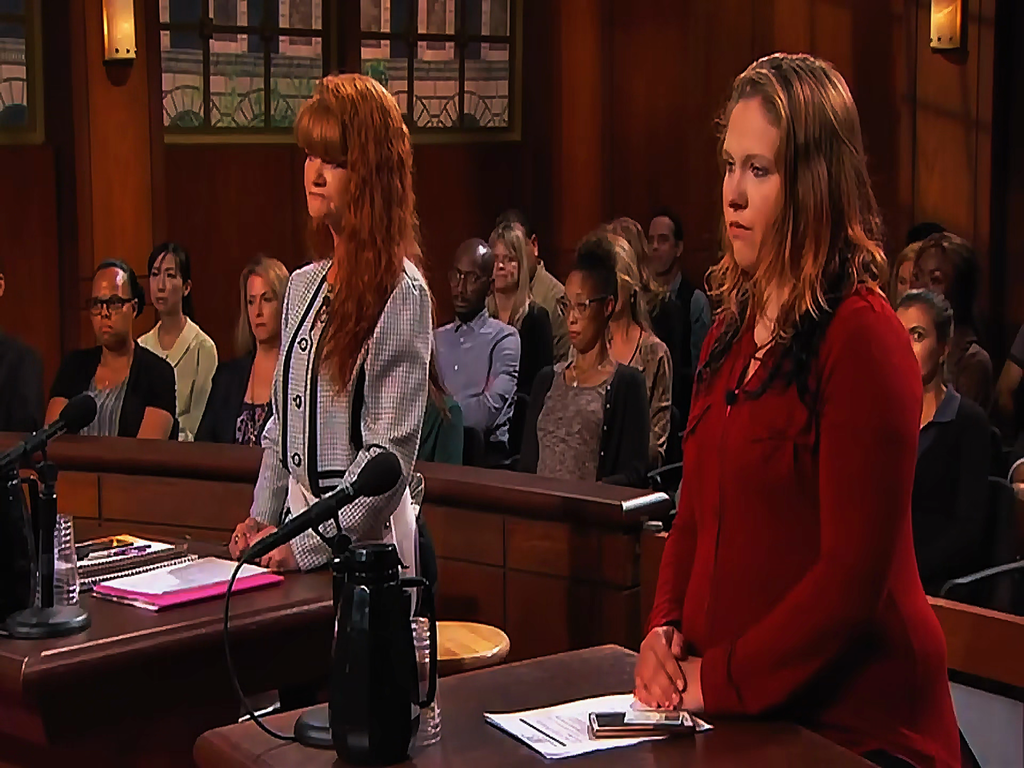
That ambiguity gave both sides room to tell very different stories. Christina said she worked and received nothing. Kayla said she had made cash payments every two weeks while also expecting Christina to complete classes for state assistance. Without a written agreement or reliable payment receipts, the court had to decide which account was credible.

Judge Judy did not allow the absence of a fixed rate to become an excuse for free childcare. Christina had performed actual services, and those services allowed Kayla to work part-time and later full-time. The judge therefore looked for objective evidence of reasonable value and found it in Kayla’s own subsequent childcare arrangement.

The result is also a reminder that cash transactions can be difficult to prove. Kayla insisted after the hearing that she had paid Christina in cash every two weeks. But without persuasive documentation — and with a written answer that appeared to contradict that claim — Judge Judy was unwilling to credit the payments.

For anyone using a friend or relative for regular childcare, even a simple written record can prevent this kind of dispute. The rate, schedule, payment dates and responsibility for government-assistance paperwork should all be clear before months of work accumulate.
Judge Judy Awards Christina Wall $850
Judge Judy ultimately entered judgment for Christina Wall for $850 in unpaid babysitting services. The amount was not based on the rate Christina originally demanded because the women had not established a fixed price. Instead, Judge Judy created what she considered a fair calculation using the rate Kayla was already paying her own mother.
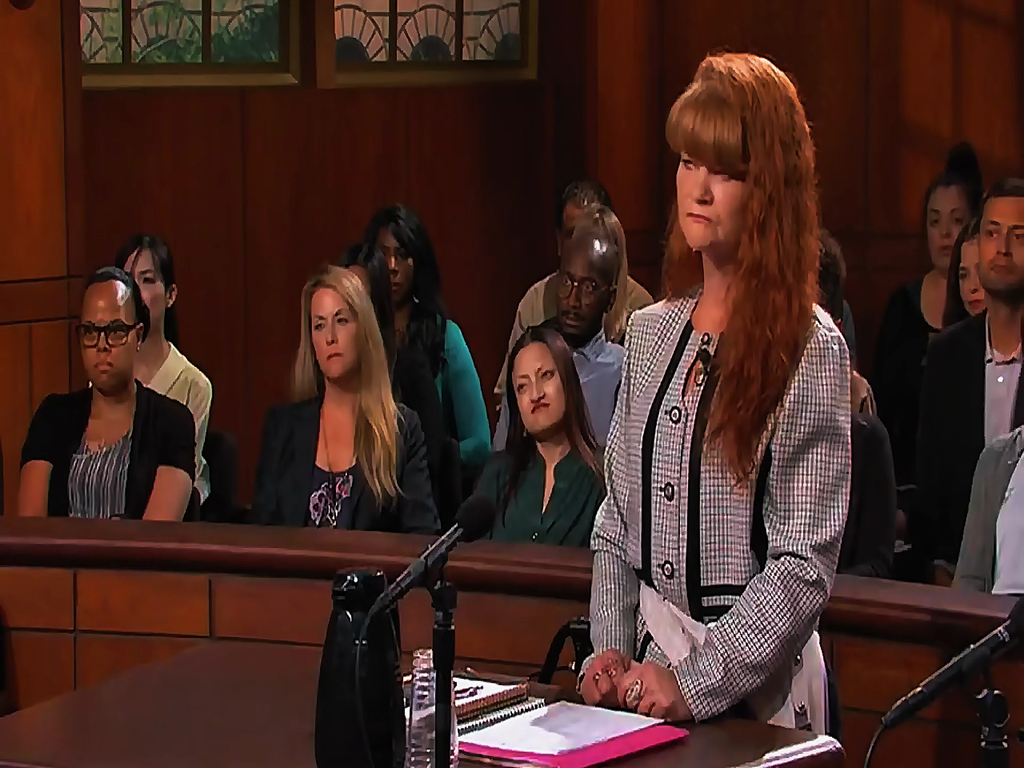
August was valued at $250 because Kayla was working part-time. September was valued at $500 because she was working full-time. Christina’s final week of childcare in October added $100, bringing the total to $850.
Outside the courtroom, the disagreement remained unresolved on a personal level. Christina accused Kayla of taking advantage of the system and refusing to pay her while she was babysitting. Kayla continued insisting that Christina had been paid in cash every two weeks. The women agreed on at least one thing: their friendship was over.

Judge Judy, however, had already settled the financial question. Kayla had received regular childcare while she worked and had failed to convince the court that Christina had actually been paid. The absence of a fixed rate did not mean the work was free, and Kayla’s own payments to her mother provided the judge with exactly the benchmark she needed.
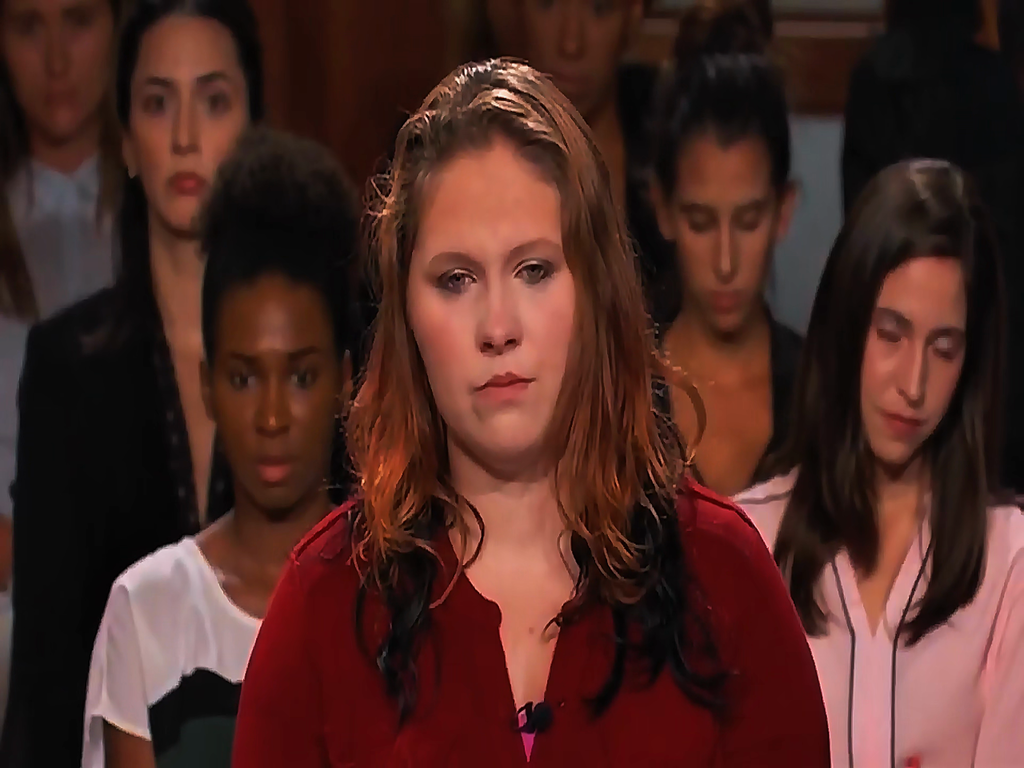
Final judgment: $850 for Christina Wall.
(uc.)
FAQ
Why did Christina Wall sue Kayla Franks?
Christina sued Kayla for unpaid babysitting fees and the value of property after caring for Kayla’s two children. The babysitting claim became the central issue addressed in the hearing.
How old were Kayla Franks’s children?
The children were 2 and 4 years old while Christina was caring for them.
How long did Christina babysit for Kayla?
According to the testimony, Christina began babysitting on August 3 and her last day was October 8. Kayla initially worked part-time and later moved to full-time hours at Subway.
Did Kayla claim she had already paid Christina?
Yes. Kayla testified that she paid Christina in cash every two weeks and said the payments were recorded in a notebook. Judge Judy did not believe her, particularly because Kayla’s written answer instead referenced Christina not being paid because she failed to complete requirements for state daycare assistance.
How did Judge Judy calculate the $850 award?
Judge Judy used the $250 every two weeks that Kayla later paid her own mother for childcare as a benchmark. She awarded Christina $250 for August, $500 for September and $100 for the first part of October, totaling $850.
Sources
Judge Judy, including testimony from Christina Wall and Kayla Franks about childcare for Kayla’s 2- and 4-year-old children, Kayla’s Subway employment, the August 3 through October 8 babysitting period, disputed cash payments, the CPR/daycare-assistance requirement, Kayla’s later $250-every-two-weeks arrangement with her mother and Judge Judy’s calculation of $250 + $500 + $100 = $850. The transcript establishes the $850 judgment for Christina’s babysitting services; it does not show a separate property award in the portion provided.