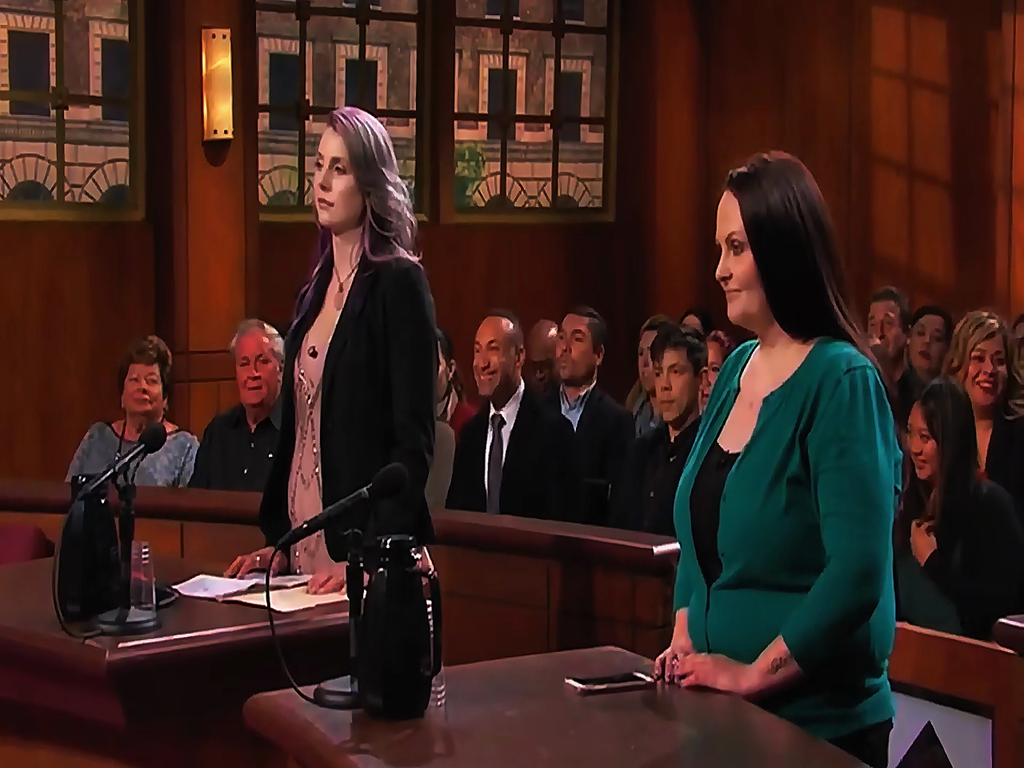
When Jenny Benzon was arrested in early February 2013, her friend Cheyenne Verbiish agreed to co-sign her bail. Cheyenne believed Jenny would handle the financial responsibility, but Jenny was arrested again shortly afterward and the bail was revoked. For years, Cheyenne apparently heard little about the unpaid balance. Then a collections problem surfaced and threatened her credit, forcing her to pay the debt herself with a credit card. By the time the former friends appeared before Judge Judy, Jenny acknowledged that Cheyenne had co-signed for her. Cheyenne had the bill, the collection history and proof of payment. Judge Judy needed little else.
(uc.)
Cheyenne Verbiish and Jenny Benzon Had Been Friends
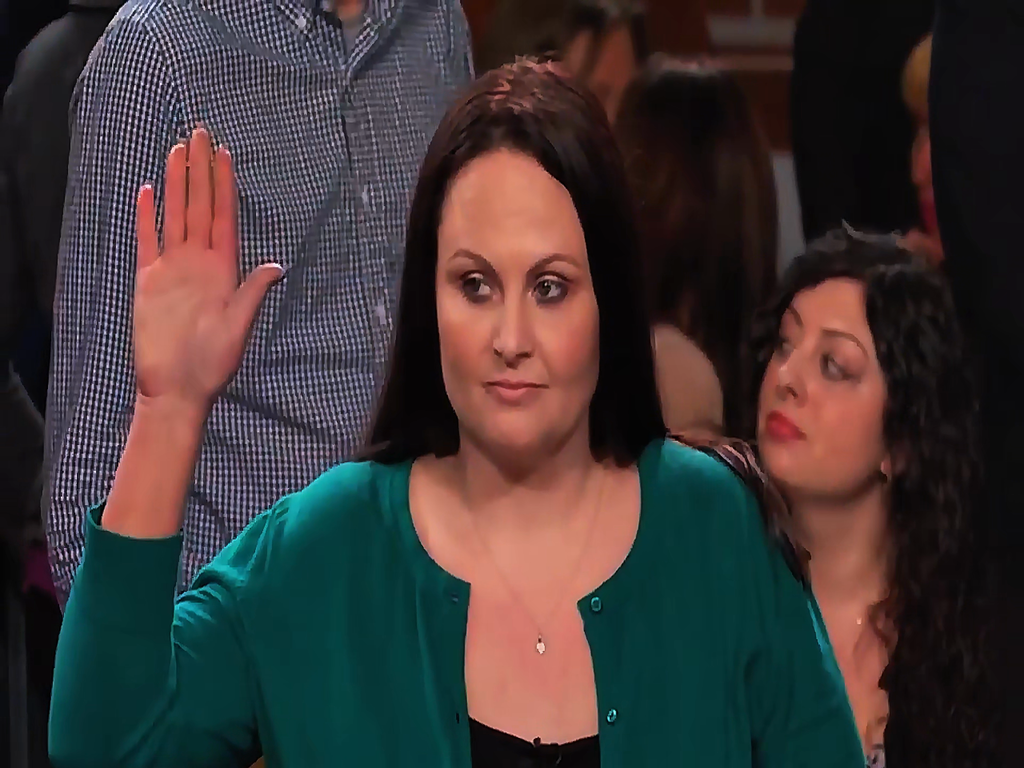
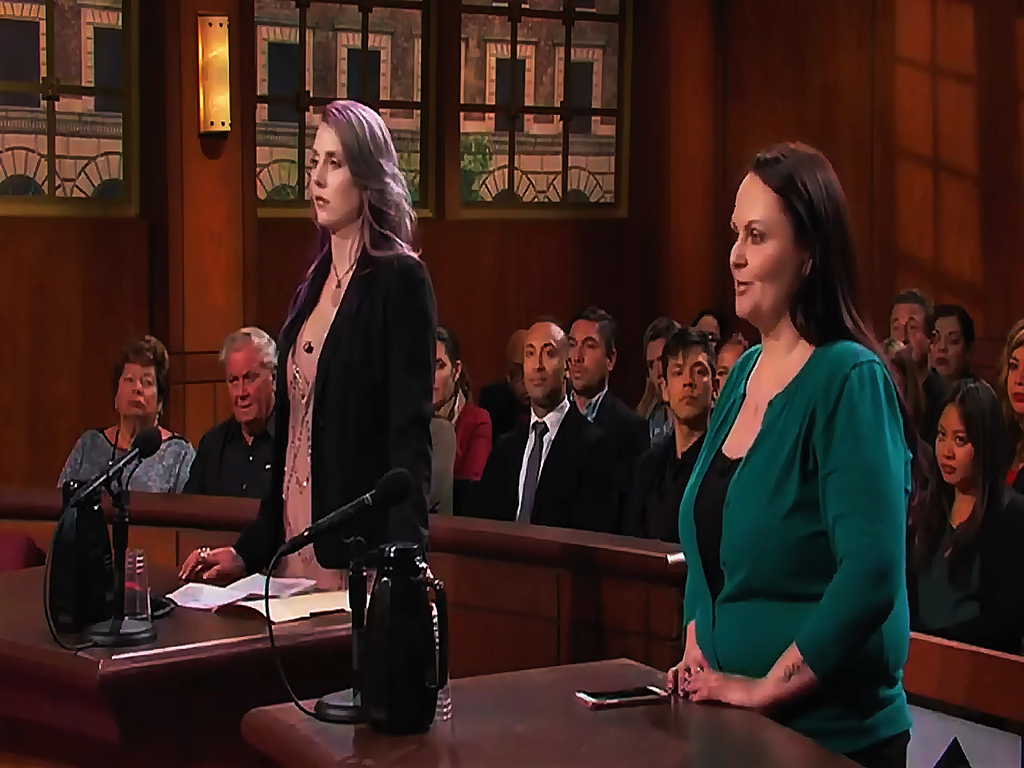
Cheyenne Verbiish was 23 years old when she appeared in Judge Judy’s courtroom seeking reimbursement from her former friend Jenny Benzon. The two women had known each other when they were younger and had remained friends more recently, but the relationship ultimately became entangled with Jenny’s criminal case and the financial consequences of a bail bond.
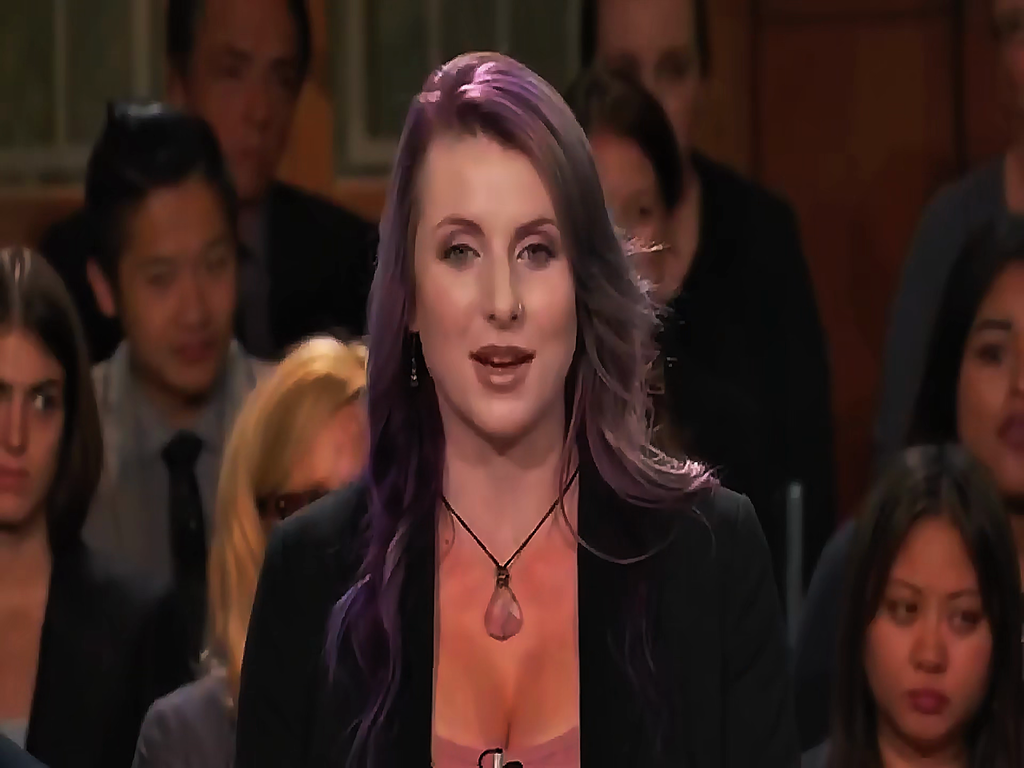
The dispute traced back to the beginning of February 2013. Jenny was arrested on a drug-sales charge and needed someone to serve as a co-signatory for her bail. Cheyenne agreed to do it. At that moment, she was helping a friend get out of custody, but co-signing placed her own finances behind Jenny’s obligation. That decision would not become an immediate problem. Instead, the consequences resurfaced years later.
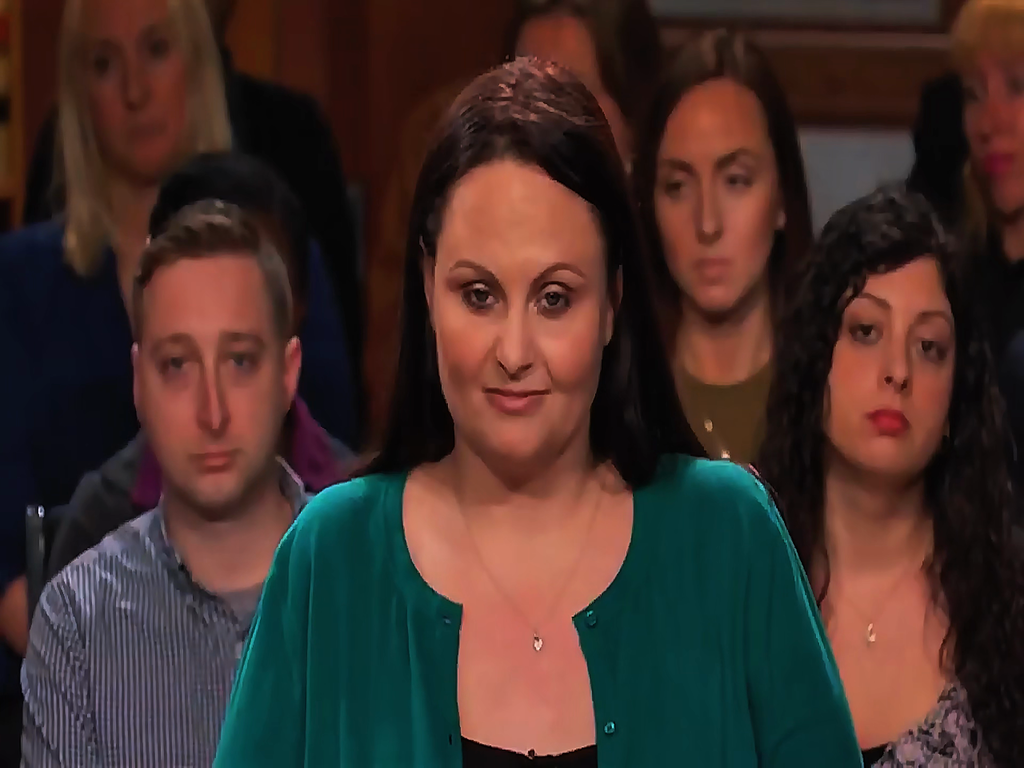
Judge Judy first established the circumstances of Jenny’s arrest rather than jumping directly to the unpaid bill. Jenny acknowledged that she had been arrested more than once. Asked specifically about the February 2013 case, she confirmed that the charge involved drug sales. She also confirmed that the case was eventually resolved, although not through a dismissal or acquittal after trial.
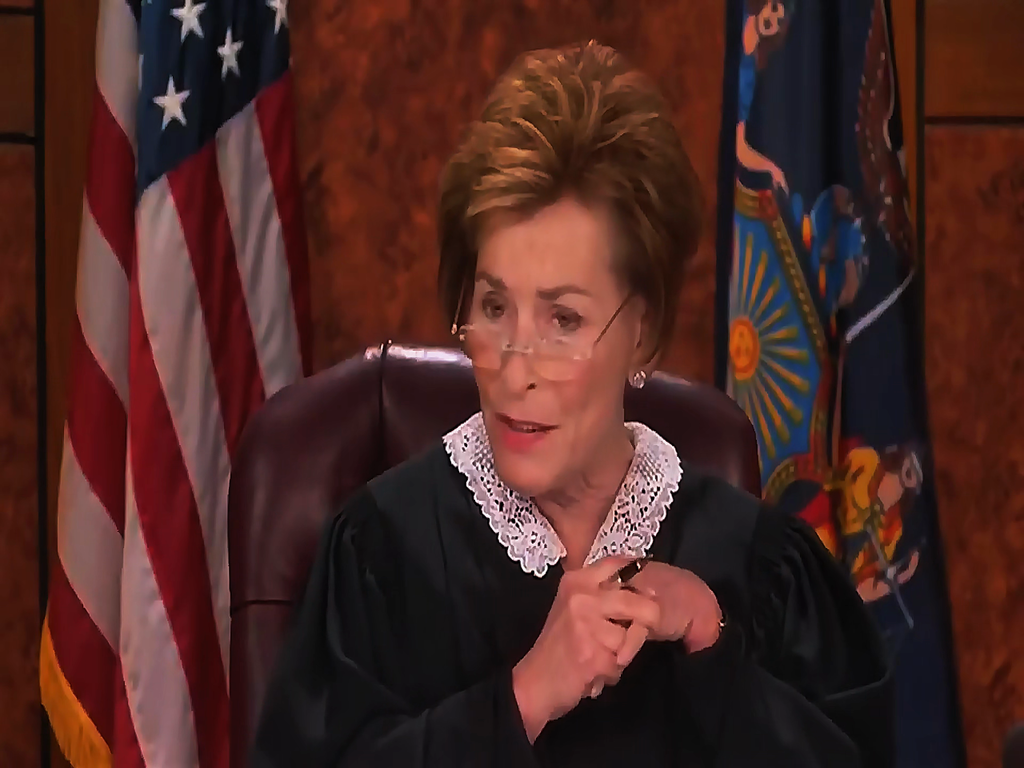
Jenny told Judge Judy that she initially took the case toward trial but ultimately accepted a plea and went to rehab. She also acknowledged serving jail time in connection with her legal problems. These details established the background of the bail arrangement, but Judge Judy did not treat Jenny’s criminal history itself as the basis for Cheyenne’s civil judgment. The financial issue was much narrower: Cheyenne had co-signed a bail obligation for Jenny, the obligation was not satisfied, and Cheyenne eventually paid it.
Cheyenne Co-Signed Jenny’s Bail in February 2013
Judge Judy directly confirmed with Jenny that Cheyenne had co-signed her bail in February 2013. Jenny did not dispute it. That admission eliminated any question about whether Cheyenne had voluntarily become involved in the bail transaction or whether the women were talking about someone else’s debt.
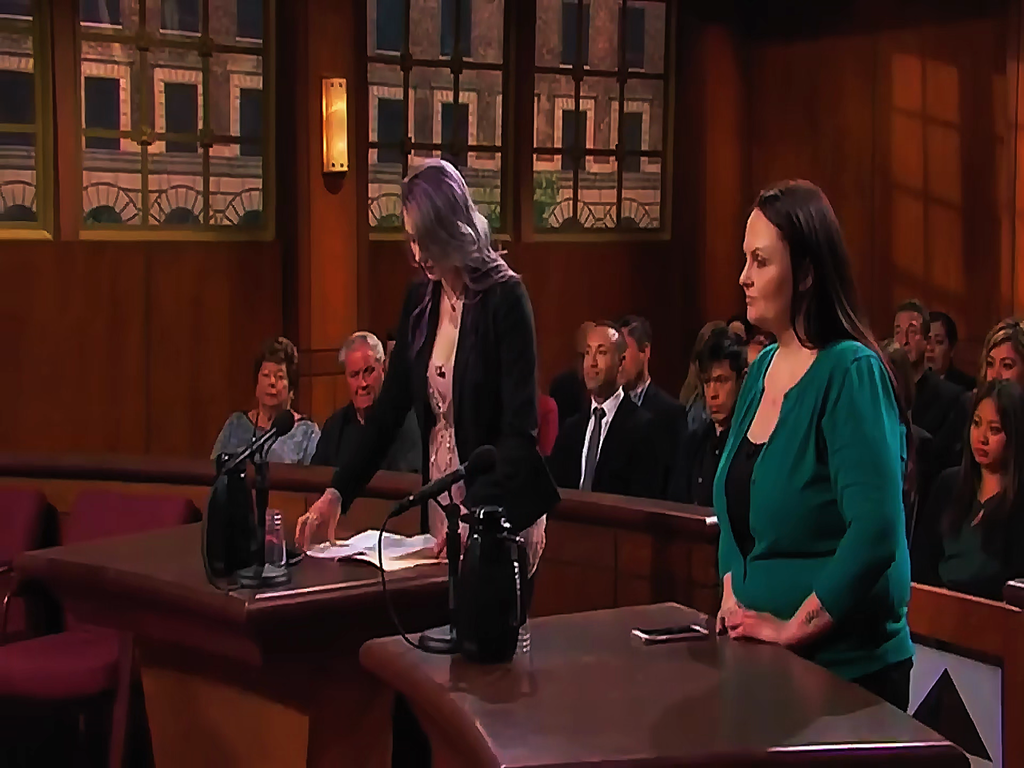
The trouble did not end with the original arrest. Judge Judy asked Jenny whether she was subsequently arrested again after Cheyenne had co-signed the bail. Jenny initially appeared uncertain about exactly what the later arrest was for, but acknowledged that another arrest occurred only a few days later. The transcript indicates Judge Judy asked whether the subsequent arrest involved additional drug sales; Jenny answered yes before saying she was not exactly sure what the later arrest had been for.
What mattered financially was what happened next: Jenny’s bail was revoked.
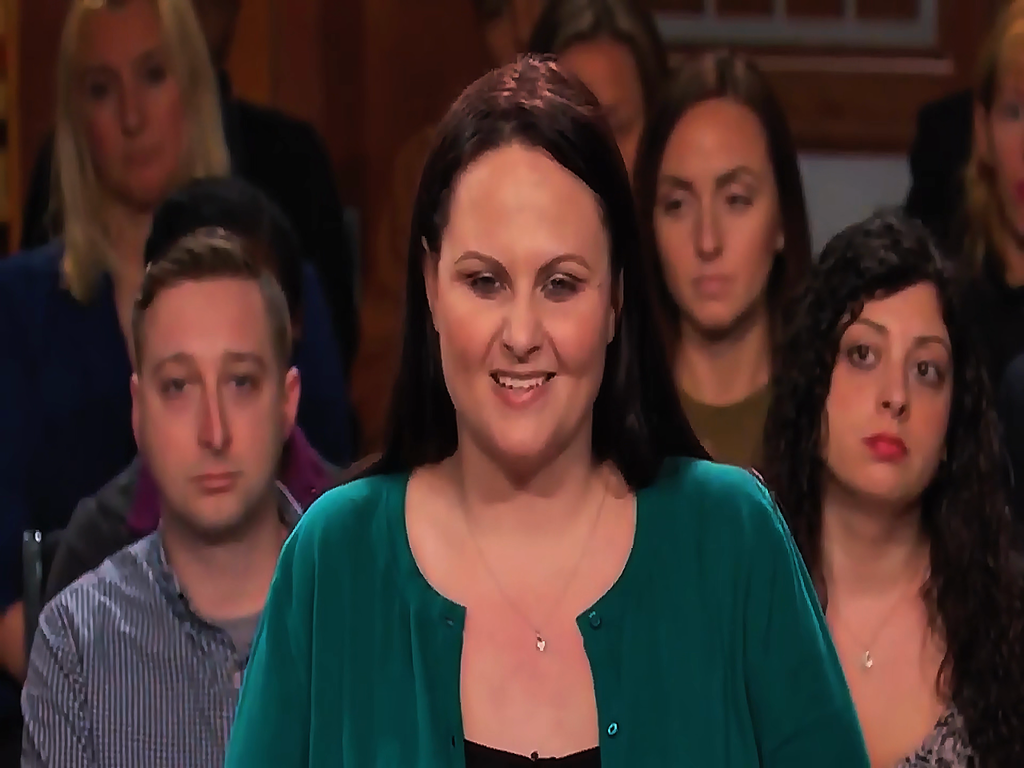
Once the bail was revoked, Cheyenne’s role as co-signer became far more consequential. A co-signer is not merely providing a personal reference. Cheyenne had put herself financially behind the bail arrangement, and the unpaid obligation ultimately followed her rather than disappearing with the end of Jenny’s criminal case.
According to Cheyenne, she eventually received a bill connected with the bail debt in December of the previous year. By that point, the problem had reached collections.
The Original Bail Balance Was $1,015
Judge Judy asked Cheyenne about the amount owed to the bail bondsman. The transcript identifies the balance at the time of the original bail as $1,015. Cheyenne confirmed that amount and, more importantly, confirmed that she had ultimately paid the debt.
Judge Judy asked to see the paperwork. Cheyenne provided it.

The debt had gone to collections, which meant the problem was no longer simply an old informal obligation between two former friends. Cheyenne explained that the unpaid amount had surfaced in connection with her credit, creating pressure for her to resolve it herself.
After the hearing, Cheyenne described the situation in more detail. She said she had believed Jenny would have the bail obligation paid off. Then, approximately four years later, she received something in the mail indicating that the debt was going to affect her credit report. That was when the consequences of the 2013 co-sign finally became immediate for her.
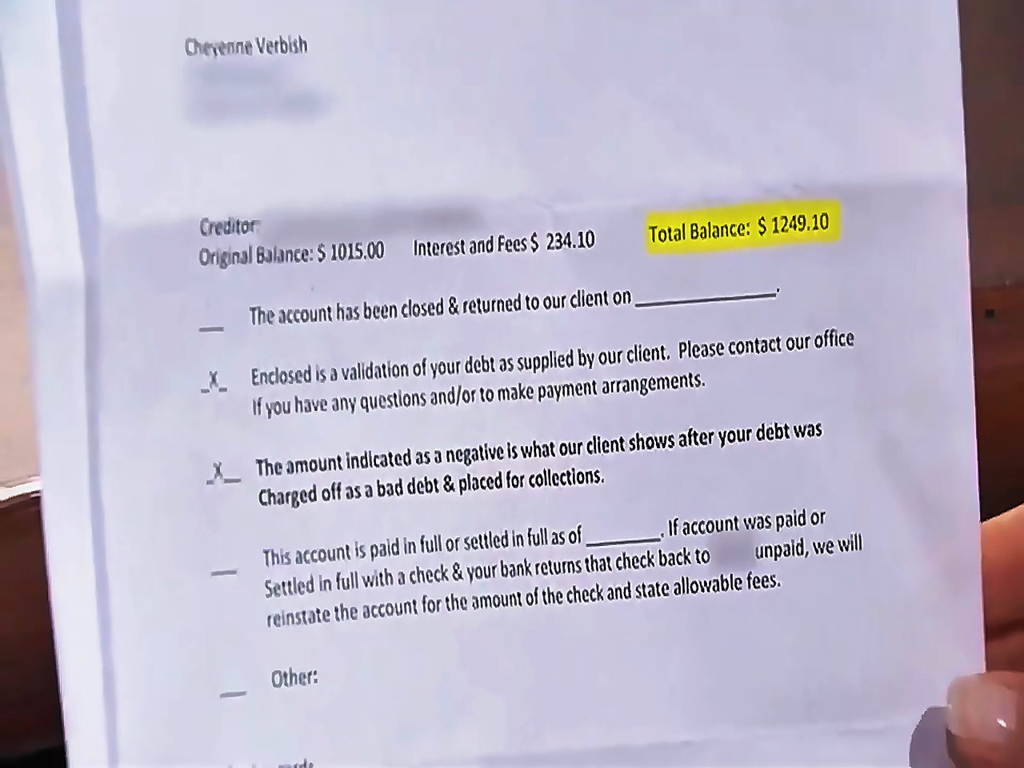
Cheyenne contacted Jenny, but according to Cheyenne’s post-case comments, Jenny told her that she could not pay. With the debt threatening Cheyenne’s own financial record, Cheyenne took responsibility for resolving it. She used her credit card.
Cheyenne Had Proof That She Paid the Debt
This is where the case became remarkably simple compared with many Judge Judy financial disputes. Cheyenne did not rely only on her memory of an agreement made years earlier. She brought documentation showing the debt and documentation showing that she personally paid it.

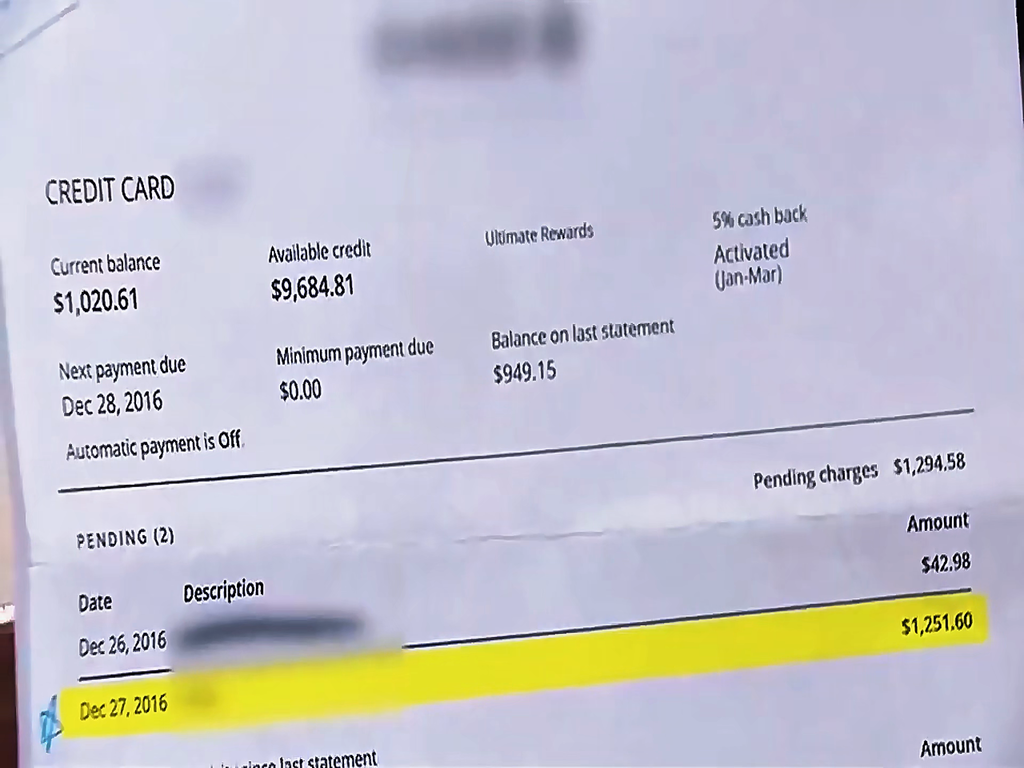
When Judge Judy asked whether Cheyenne had paid the collections balance, Cheyenne said yes and produced her credit-card statement. She even pointed out that the relevant transaction had been marked with a star to make it easier to identify.
Judge Judy reviewed the paperwork.
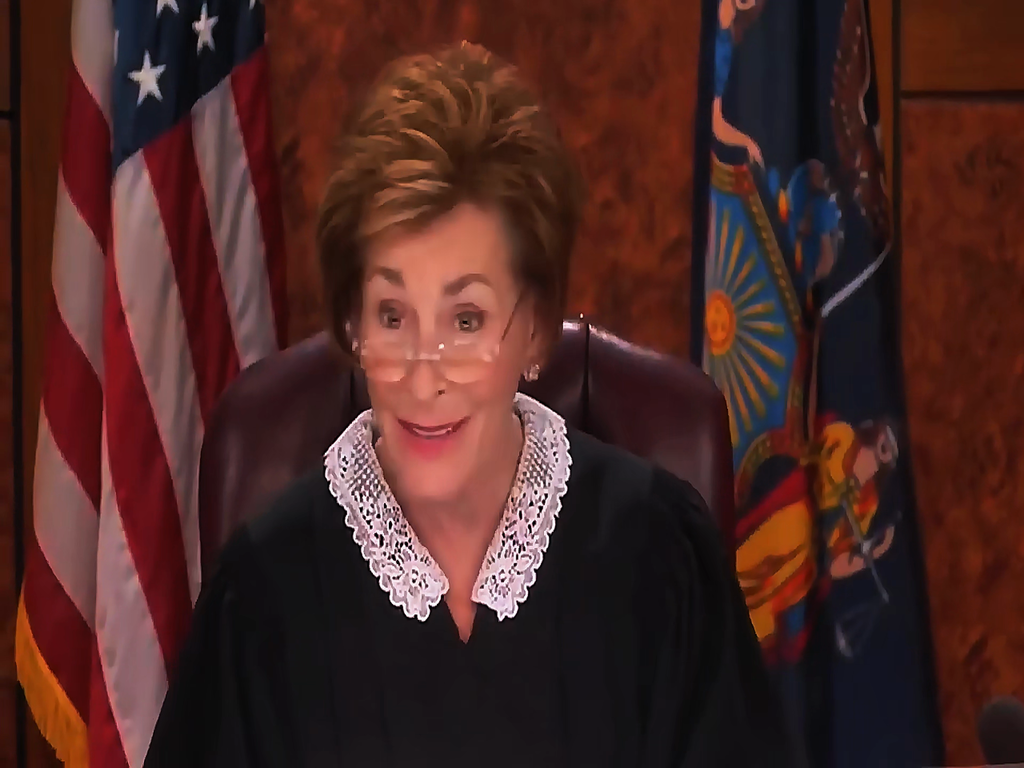
There was no extended argument over whether the payment existed. There was no dispute over whether Cheyenne had been the co-signer. Jenny had already confirmed that Cheyenne co-signed her bail, and the documents established that Cheyenne ultimately bore the financial cost after the unpaid bail obligation reached collections.
Jenny Says She Did Not Realize She Would Have to Pay
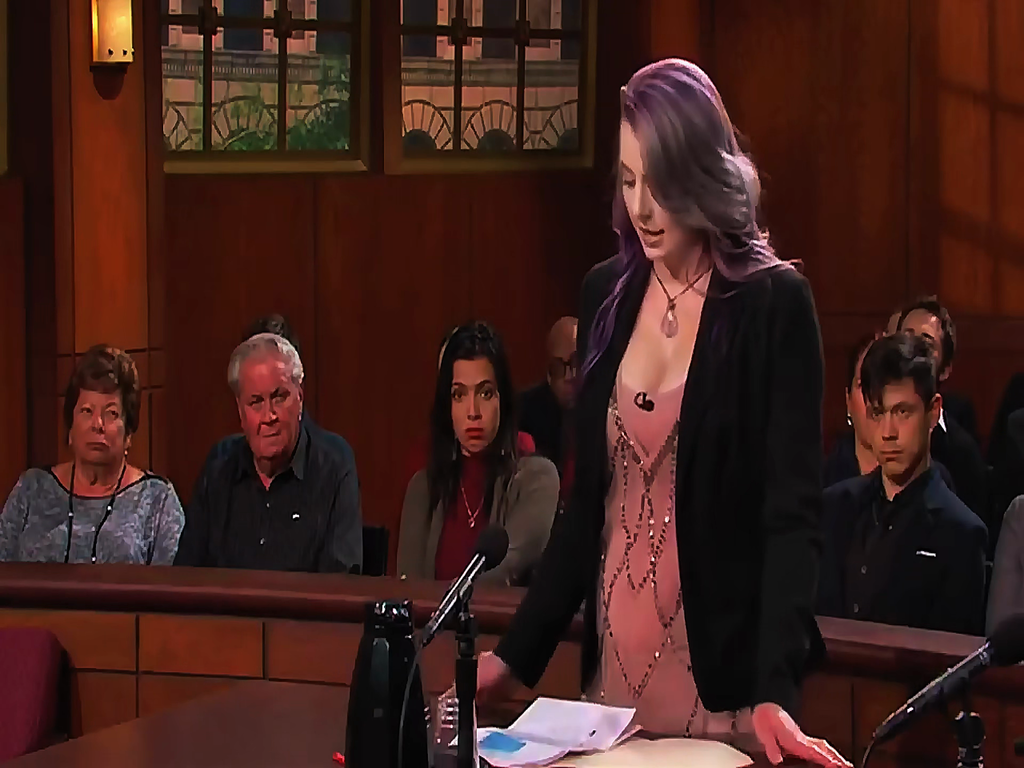
After the ruling, Jenny offered her perspective on how the situation had developed. She said that in the beginning she had not realized she would personally have to pay anything because she understood Cheyenne’s involvement as simply being a co-sign.
That explanation revealed a fundamental misunderstanding of what had happened. Whether Jenny fully appreciated the legal and financial consequences at the time did not change the fact that Cheyenne eventually had to satisfy the debt associated with Jenny’s bail.
Jenny also said Cheyenne had made it clear that she would have the matter paid off. The transcript’s post-case comments are somewhat compressed, but Jenny’s position appears to have been that she had not understood the obligation would ultimately fall on her in the way Cheyenne claimed.
Judge Judy did not spend time debating Jenny’s subjective understanding. The documentary trail mattered more. Cheyenne had co-signed for Jenny. Jenny’s bail was revoked after another arrest. The bail-related debt went unpaid. Years later it reached collections, and Cheyenne paid it with her own credit card.
For the court, that sequence established the financial responsibility clearly enough.
Why Co-Signing for a Friend Can Become a Serious Financial Risk
The case illustrates why co-signing any financial obligation can be dangerous, even when the person asking for help is a close friend. The person who signs may believe she is simply helping someone through an emergency, but the signature can create a real financial obligation if the primary person fails to satisfy the agreement.
Cheyenne’s experience was particularly striking because the consequences were delayed. She co-signed the bail in 2013, yet she described the collections problem surfacing roughly four years later. By then, the friendship had changed, Jenny could not pay and Cheyenne was faced with a debt connected to an old decision.
That delay can make these disputes especially frustrating. A person may believe an issue was resolved because months or years pass without a bill. When the unpaid obligation eventually reaches collections or appears on a credit report, however, the co-signer can suddenly discover that the original agreement never truly disappeared.
Cheyenne did what many people do when their credit is threatened: she paid the debt first and pursued reimbursement afterward. That approach also gave her strong evidence in court. She could show not merely that someone was demanding money from her, but that she had actually paid the obligation.
Judge Judy did not have to speculate about hypothetical future damages. Cheyenne’s loss was documented.
The Criminal Case and the Civil Debt Were Separate Issues
Jenny’s history included drug-related arrests, a plea, rehabilitation and jail time, but Judge Judy’s civil ruling should not be confused with punishment for those events. The court was not imposing an additional penalty because Jenny had been arrested or because she had accepted a plea in the earlier criminal case.
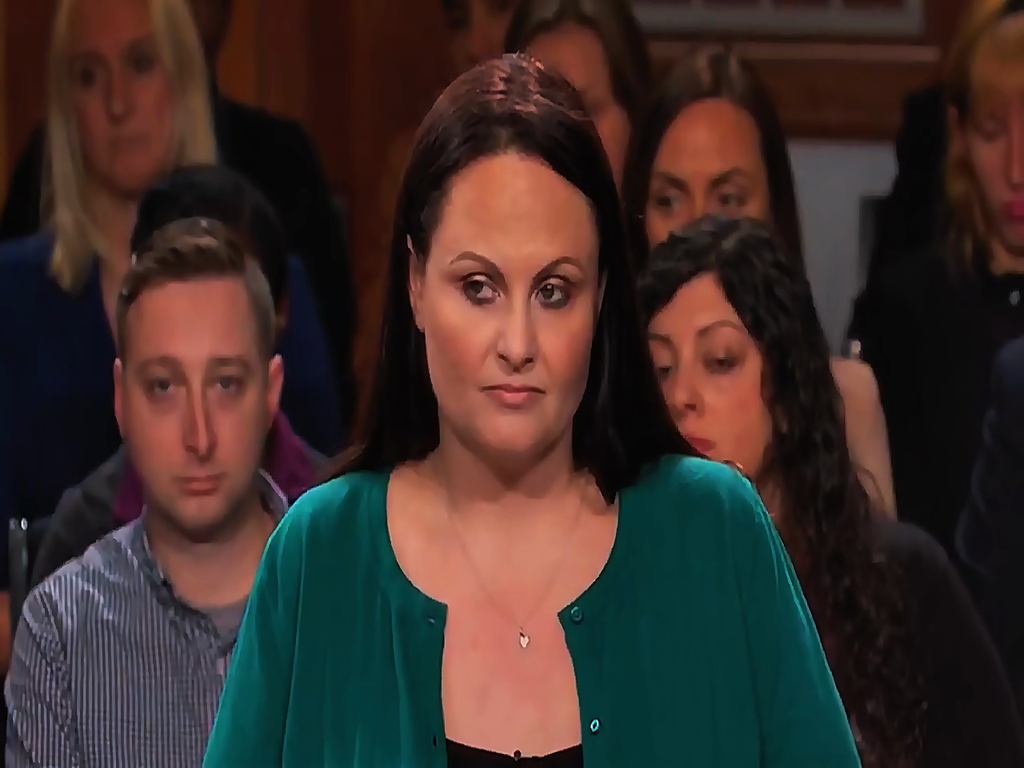
The criminal history explained why the bail existed and why it was revoked. Cheyenne’s financial claim arose because she had co-signed the bail and later had to pay the resulting obligation. That was the basis of the judgment.
This distinction matters because the opening narration described Jenny as having been arrested for selling drugs, and Jenny herself confirmed that the February 2013 arrest involved drug sales. She also acknowledged a later arrest, although she was uncertain about precisely what that subsequent arrest involved. It would therefore go beyond the transcript to confidently characterize every later arrest as a proven drug-sales offense.
Judge Judy did not need to resolve those details. Jenny confirmed enough of the sequence: Cheyenne co-signed the bail, another arrest occurred and the bail was revoked.
The paperwork handled the rest.
Judge Judy Awards Cheyenne $1,251
Judge Judy entered judgment for Cheyenne Verbiish in the amount of $1,251. The ruling came immediately after the judge reviewed Cheyenne’s documentation showing the bail-related debt and her credit-card payment.
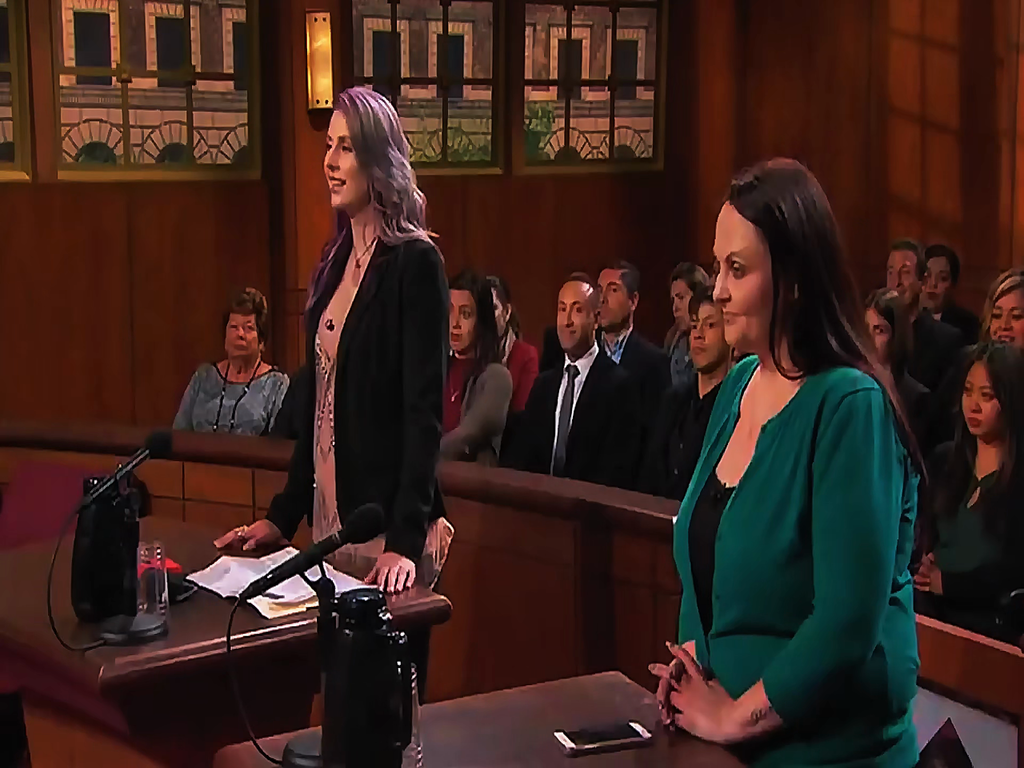
There is an important numerical detail in the transcript. During the hearing, Judge Judy identified the balance connected with the original bail as $1,015, while the final judgment she announced was $1,251. The transcript does not clearly explain every component of the difference between those two figures. It would therefore be inaccurate to invent interest, collection fees or other charges to reconcile them. The proper way to report the case is exactly as the record presents it: the original bail balance discussed was $1,015, and Judge Judy’s final judgment was $1,251.

Cheyenne reacted with surprise and gratitude when the judgment was announced. Outside the courtroom, she explained that she had contacted Jenny after the old obligation resurfaced and that Jenny said she could not pay. Cheyenne ultimately accepted that reality at the time, saying, in effect, that it was what it was. But once she had personally absorbed the debt, she brought the matter to court.
Judge Judy found the evidence sufficient.
The case lasted only a few minutes because there was little left to debate once the documents appeared. Jenny acknowledged the bail arrangement. Cheyenne demonstrated that the debt reached collections and showed the credit-card statement proving she paid it.
A favor made between friends in 2013 had finally become a documented financial loss. Judge Judy put that loss back where she believed it belonged.
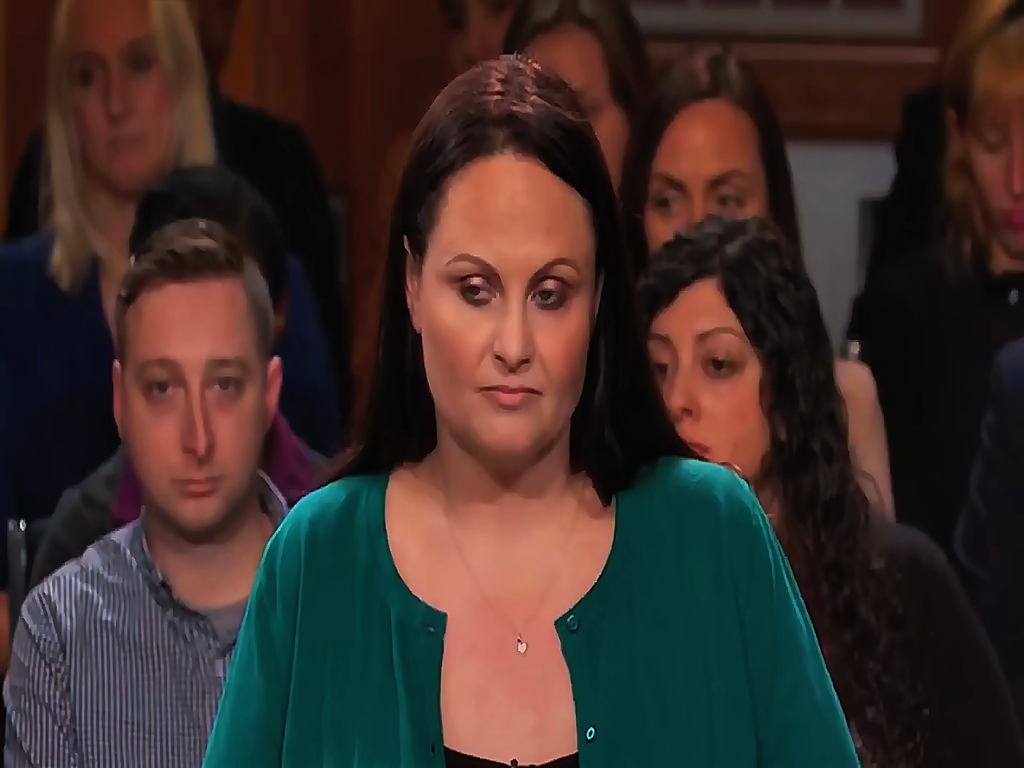
Final judgment: $1,251 for Cheyenne Verbiish.
(uc.)
FAQ
Why did Cheyenne Verbiish sue Jenny Benzon?
Cheyenne sued Jenny over money connected with a bail obligation. Cheyenne had co-signed Jenny’s bail in February 2013, and after the bail was revoked and the balance remained unpaid, the debt eventually went to collections. Cheyenne paid it herself and sought reimbursement.
Why had Jenny Benzon been arrested?
Jenny testified that the February 2013 arrest involved drug sales. She said the case ultimately ended with her accepting a plea and going to rehab, and she also acknowledged serving jail time. She was arrested again shortly after the original bail, after which the bail was revoked.
How much was the original bail-related balance?
Judge Judy identified the balance at the time of the original bail as $1,015. Cheyenne later produced documentation showing that she had paid the debt after it reached collections.
How did Cheyenne prove that she paid?
Cheyenne provided Judge Judy with her credit-card statement showing the payment. She had marked the relevant transaction with a star so the judge could identify it easily.
What was Judge Judy’s final verdict?
Judge Judy entered judgment for Cheyenne in the amount of $1,251. The transcript does not clearly explain the difference between the $1,015 original balance discussed and the $1,251 final judgment, so no additional fees or interest should be assumed beyond what the source establishes.
Sources
Judge Judy, including testimony identifying 23-year-old Cheyenne Verbiish and former friend Jenny Benzon, Jenny’s February 2013 drug-sales arrest, Cheyenne’s bail co-sign, Jenny’s subsequent arrest and bail revocation, the $1,015 original balance, the debt reaching collections, Cheyenne’s credit-card proof of payment and Judge Judy’s final $1,251 judgment for Cheyenne. The automatic captions contain spelling variations such as Verbiish/Verbiage and Benzon, so the names used here follow the clearest introductory identification in the transcript.