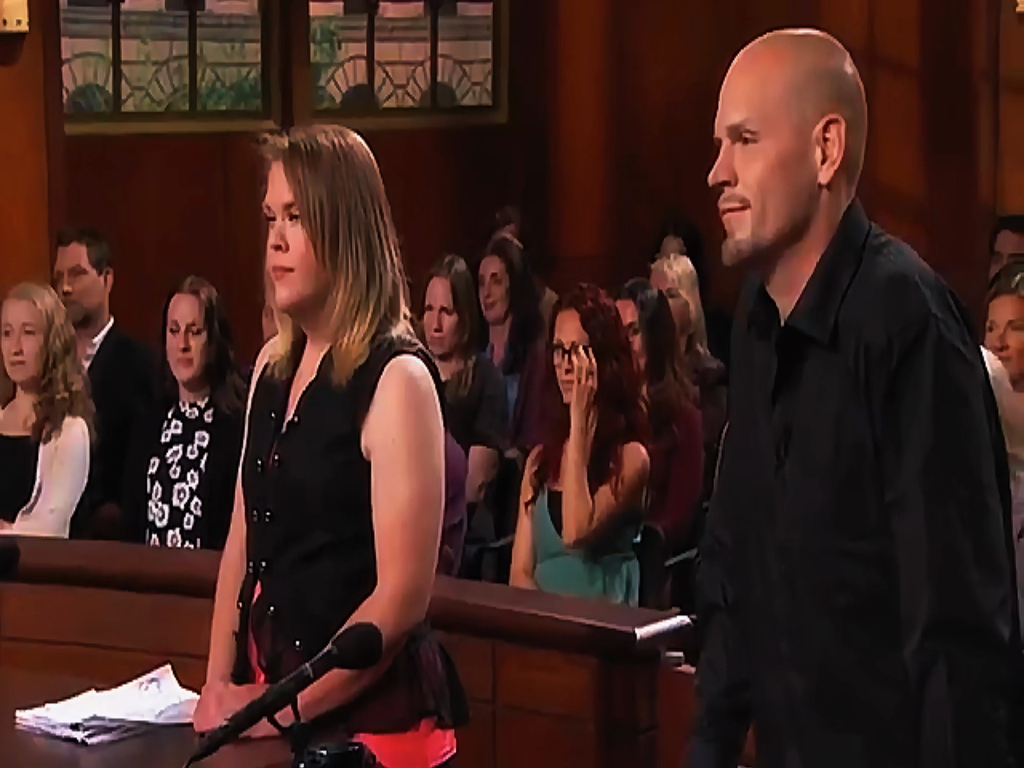
Samantha Hines and Timothy Peck Jr. thought an online car-wrap offer could bring extra cash into their household. Instead, two checks worth more than $3,300 landed in Samantha’s bank account and later came back bogus. Their failed money-making attempt soon became a bitter dispute over who should cover the loss.
(uc.)
An Online Car-Wrap Offer Promises Extra Income
Before the Judge Judy Craigslist car wrap scam dispute reached court, Samantha Hines and Timothy Peck Jr. lived together as a couple. They had shared a home for roughly three months. During that time, they looked for ways to bring more money into the household. Timothy told Judge Judy that he was struggling with bills, so an online car-wrap offer caught their attention.
The proposal appeared simple. Samantha and Timothy could allow advertising material on their vehicles and receive money in return. Neither had participated in such an arrangement before. Timothy said detailed emails explained the process to Samantha. According to his account, they were supposed to take part of the money to an auto-detailing business. That business would then place the advertising material on their vehicles.
Timothy did not bring those emails to court. Judge Judy therefore could not review the instructions herself. One fact remained clear from both sides of the dispute: no one ever wrapped either vehicle.
Two Checks Worth More Than $3,300 Arrive
Although no one had wrapped the cars, two checks arrived. The transcript gives Samantha’s check as approximately $1,488. Timothy received another check for $1,850. Combined, the checks totaled more than $3,300.
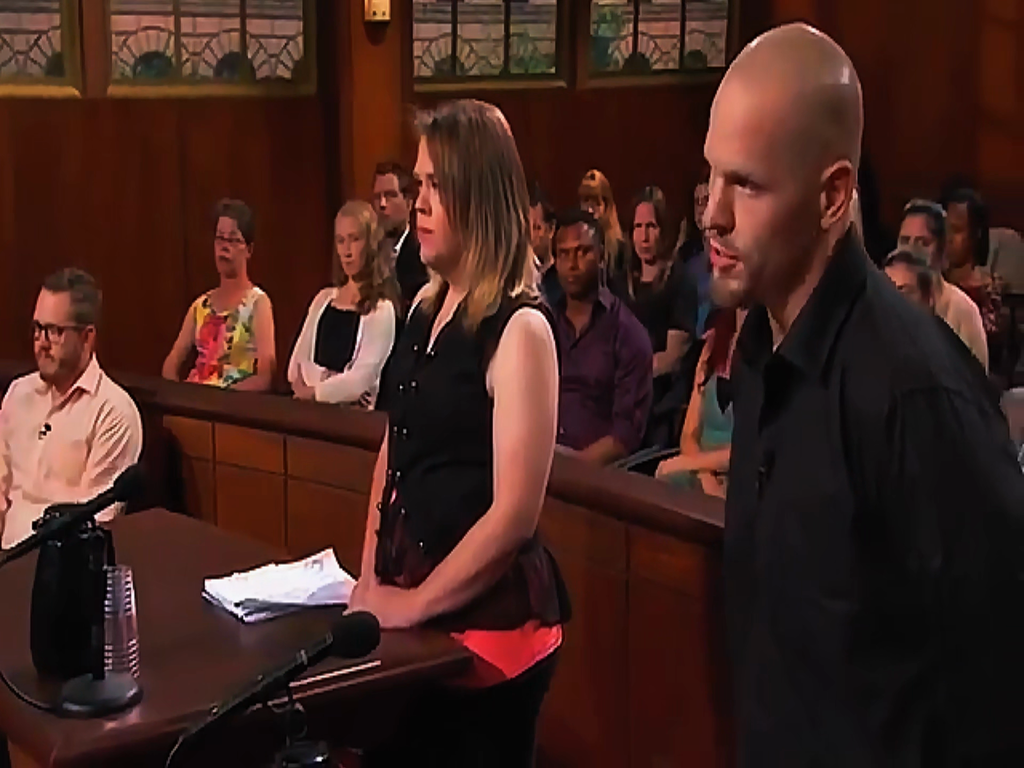
The money created an immediate banking problem for Timothy because he did not have a checking account. Judge Judy asked him why. Timothy connected the issue to problems during his divorce. He said his former wife had overdrawn an account and both of them had encountered banking difficulties afterward.
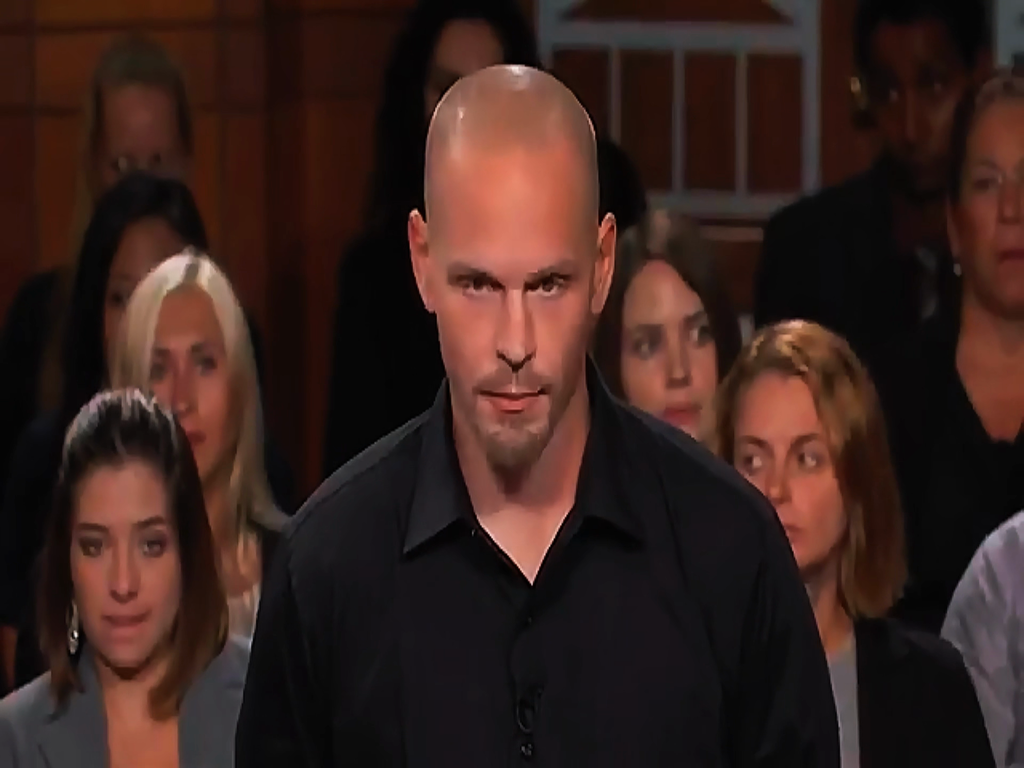
During that exchange, Timothy also acknowledged a previous period of incarceration. When Judge Judy asked whether his own actions had caused that situation, he accepted responsibility. The judge then returned to the financial dispute and focused on how Timothy handled the $1,850 check.
Timothy’s $1,850 Check Goes Into Samantha’s Account
Samantha had an active checking account and received her wages through direct deposit. She told the court that she worked as a caretaker through Independent Opportunities in Michigan. Since Timothy lacked his own checking account, he endorsed the $1,850 check to Samantha. She deposited it along with the check issued in her name.
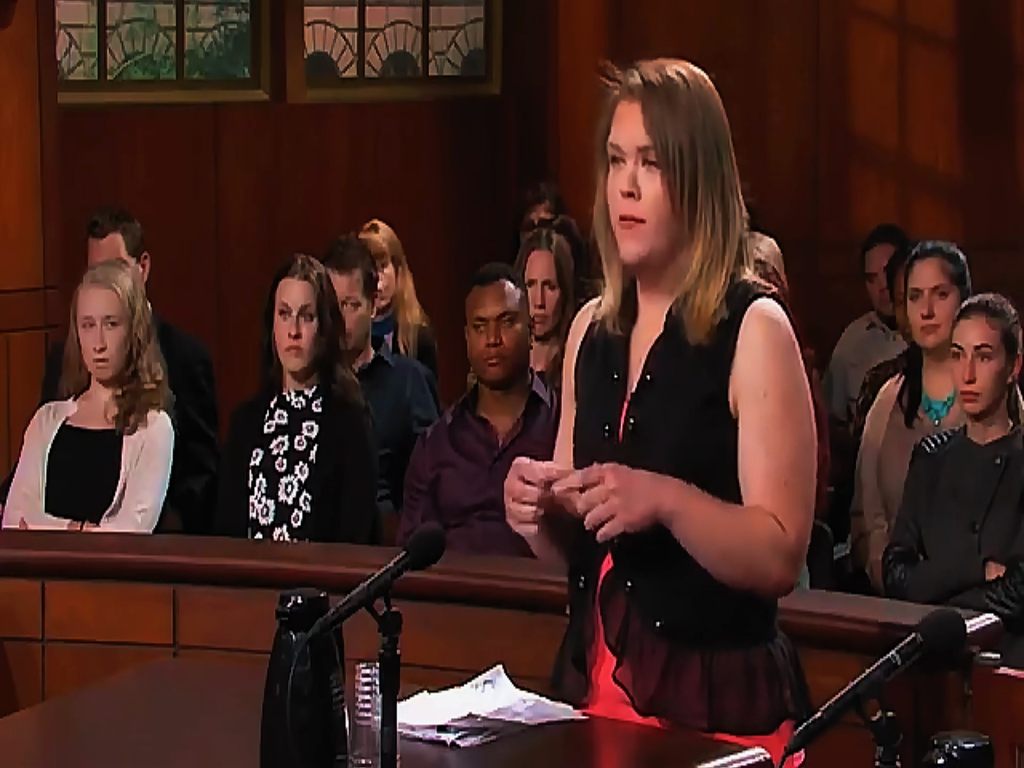
Timothy acknowledged that he did not accompany Samantha when she made the deposits. The couple then waited for the bank to make the funds available. He estimated that they waited about two days before returning to access the money.
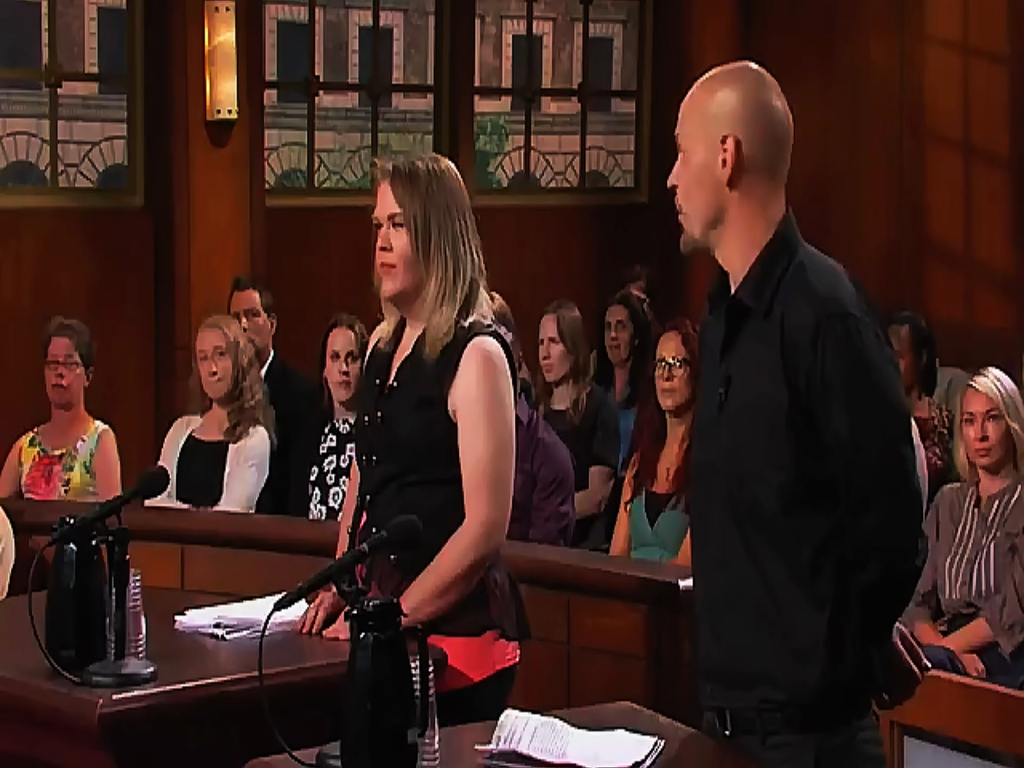
At that point, their accounts sharply diverged. Samantha claimed she withdrew Timothy’s entire $1,850 and gave it to him. Timothy denied that. Their disagreement over this single transaction later became the central issue in Samantha’s lawsuit.
The Couple Withdraws Money
According to Samantha, she and Timothy went to the bank after the checks cleared. She withdrew $1,850, which matched Timothy’s check. Samantha said she then handed him the cash. In her version, Timothy had used her account only because he could not deposit the check himself.
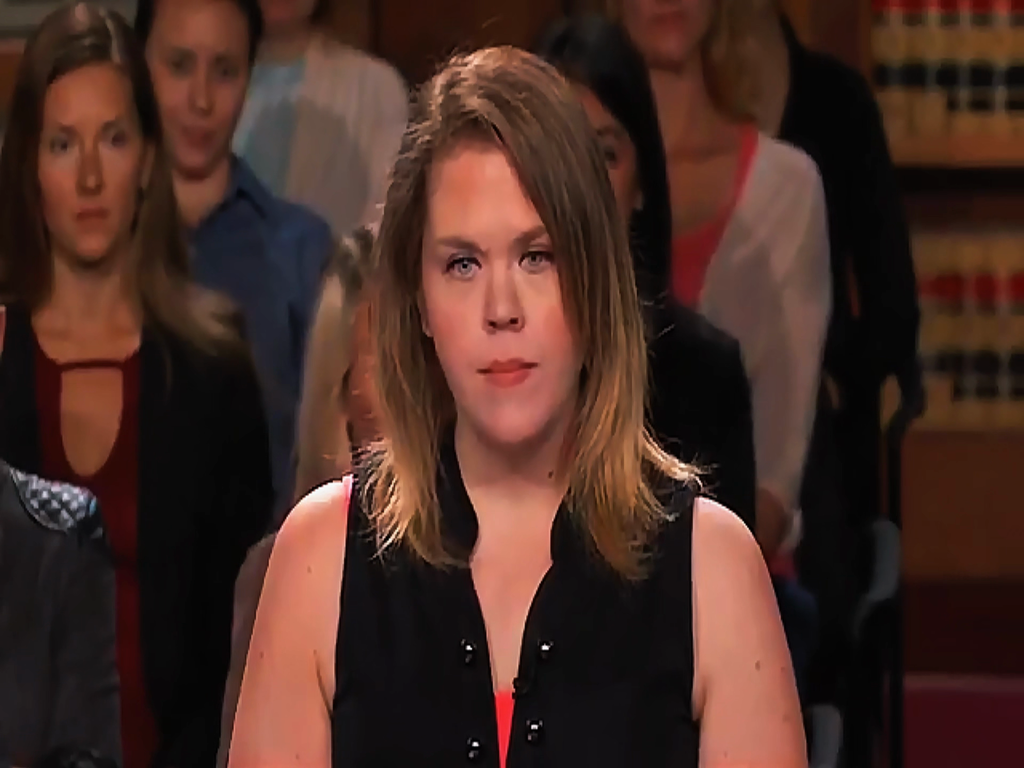
Timothy told a very different story. He agreed that he accompanied Samantha when she withdrew money. However, he denied receiving $1,850 in cash. He said Samantha refused to give him the full amount despite his complaints that he had no money. According to Timothy, she instead bought him Marlboro cigarettes and a $20 bag of marijuana.
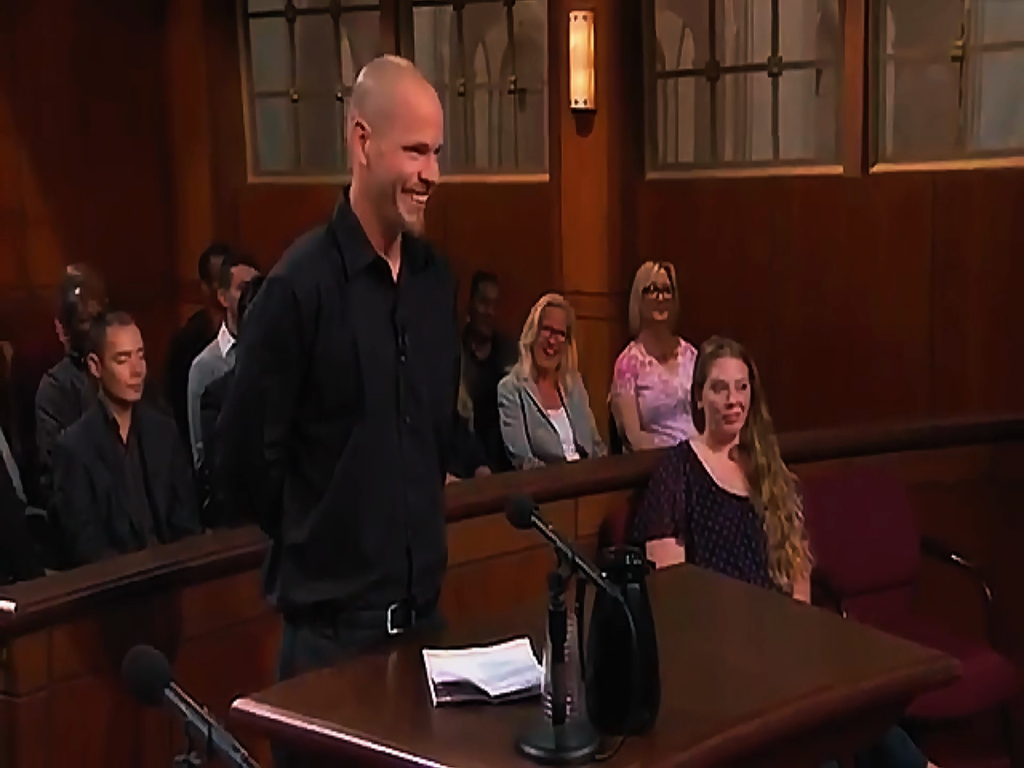
That disagreement mattered because Samantha later wanted Timothy to cover the loss from his check. If she had handed him $1,850, her claim had a clear basis. If they had used the money together, the financial picture looked very different.
Five Days Later, the Bank Rejects the Checks
The apparent windfall did not last. Samantha testified that she deposited the checks on June 24, 2016. On June 29, the bank rejected them as bogus. Only five days separated the deposit from the reversal.
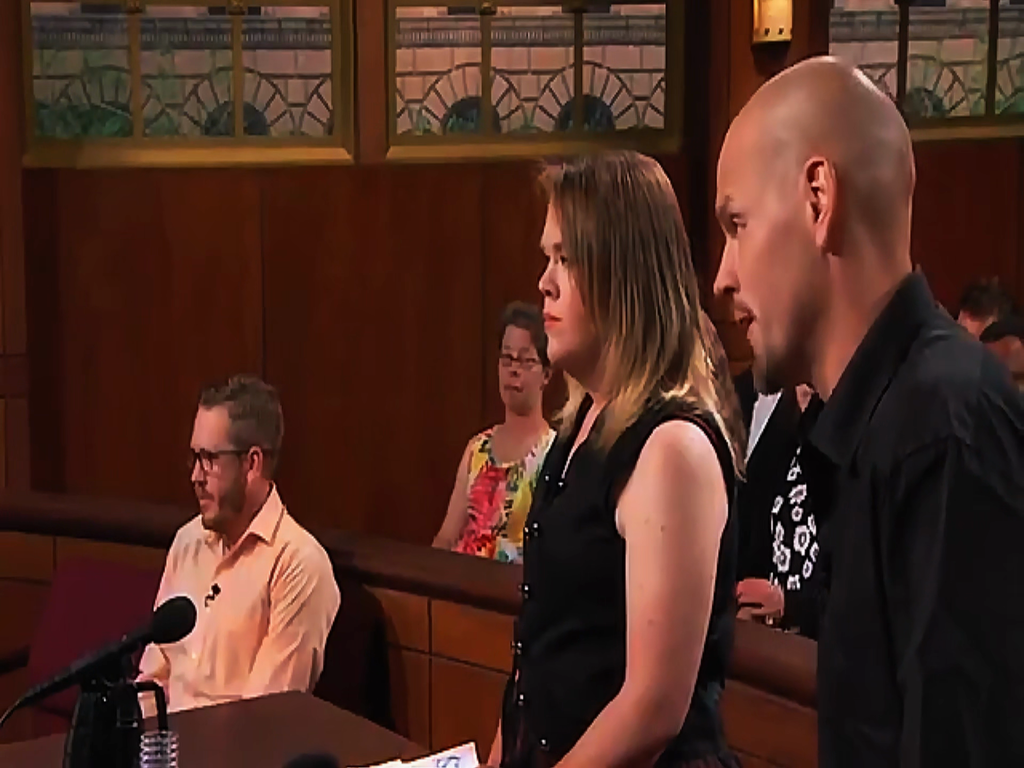
By then, the couple had already accessed some of the money. Timothy recalled Samantha becoming extremely upset when she discovered the problem. He said she cried and told him she had paid credit cards, bills and other expenses with the funds. The couple then faced the problem of replacing money that no longer existed in the account.

Their relationship survived for only a short period after the banking crisis. Samantha and Timothy continued living together before separating in July 2016. Later, Samantha tried to recover Timothy’s $1,850 through court.
Samantha Says Timothy Took His $1,850
Samantha remained firm about what happened at the bank. She told Judge Judy that she withdrew Timothy’s entire $1,850 and gave it to him. After the bank rejected his check, she said she had to deal with the resulting shortage. Samantha also claimed that she borrowed money from a friend to help replace his portion.
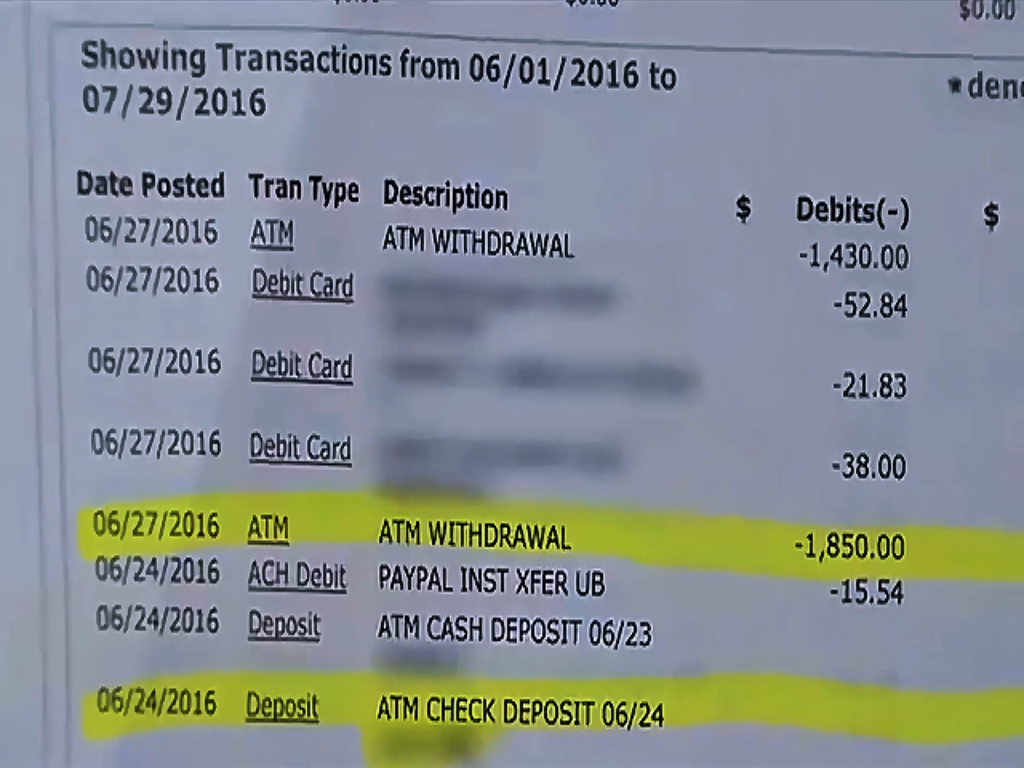
Her bank records appeared to support part of the story. Judge Judy found a withdrawal for exactly $1,850. The amount closely matched Timothy’s check and initially created a problem for his denial. Judge Judy even indicated that Timothy had sounded convincing until the bank statement entered the discussion.
Yet the statement contained more information. As Judge Judy continued reviewing the transactions, another large withdrawal caught her attention. That second transaction complicated Samantha’s version of events.
Bank Records Complicate the Story
Judge Judy noticed another withdrawal of roughly $1,430 on the 27th. That amount came close to the value of Samantha’s own check. When the judge questioned her, Samantha acknowledged the transaction. She also indicated that her earlier recollection had not been accurate.
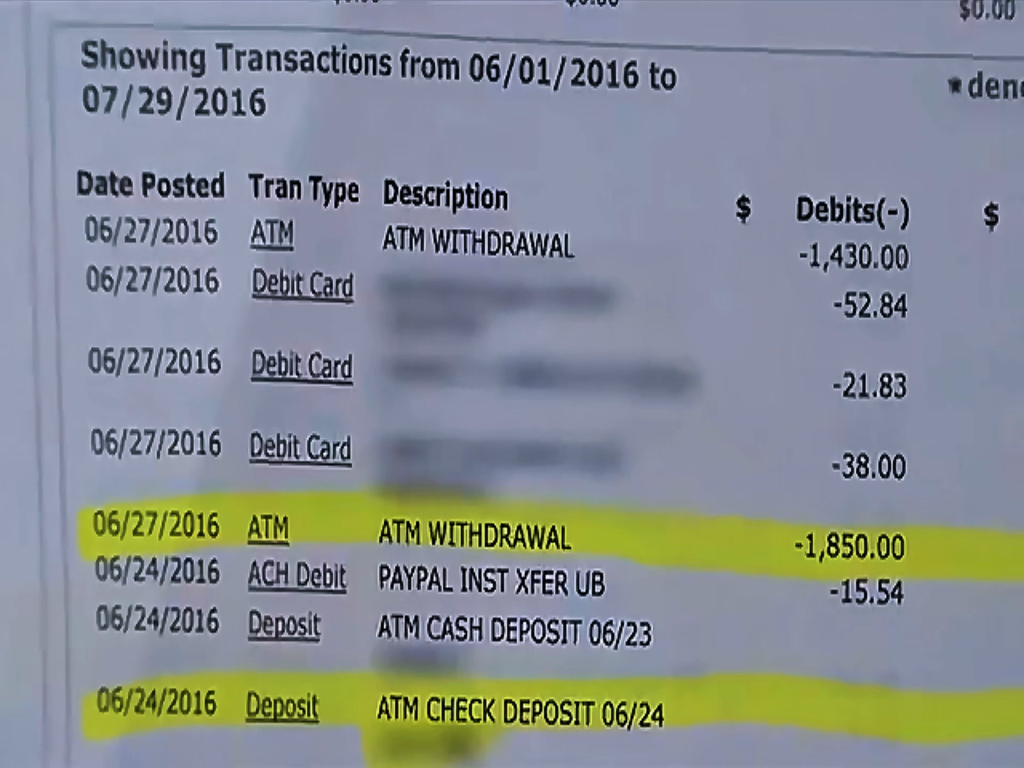
Samantha maintained that she did not ultimately spend that money. She suggested the records would show its return shortly afterward. Still, Judge Judy no longer viewed the $1,850 withdrawal as clear proof that Samantha had handed Timothy that exact amount in cash.
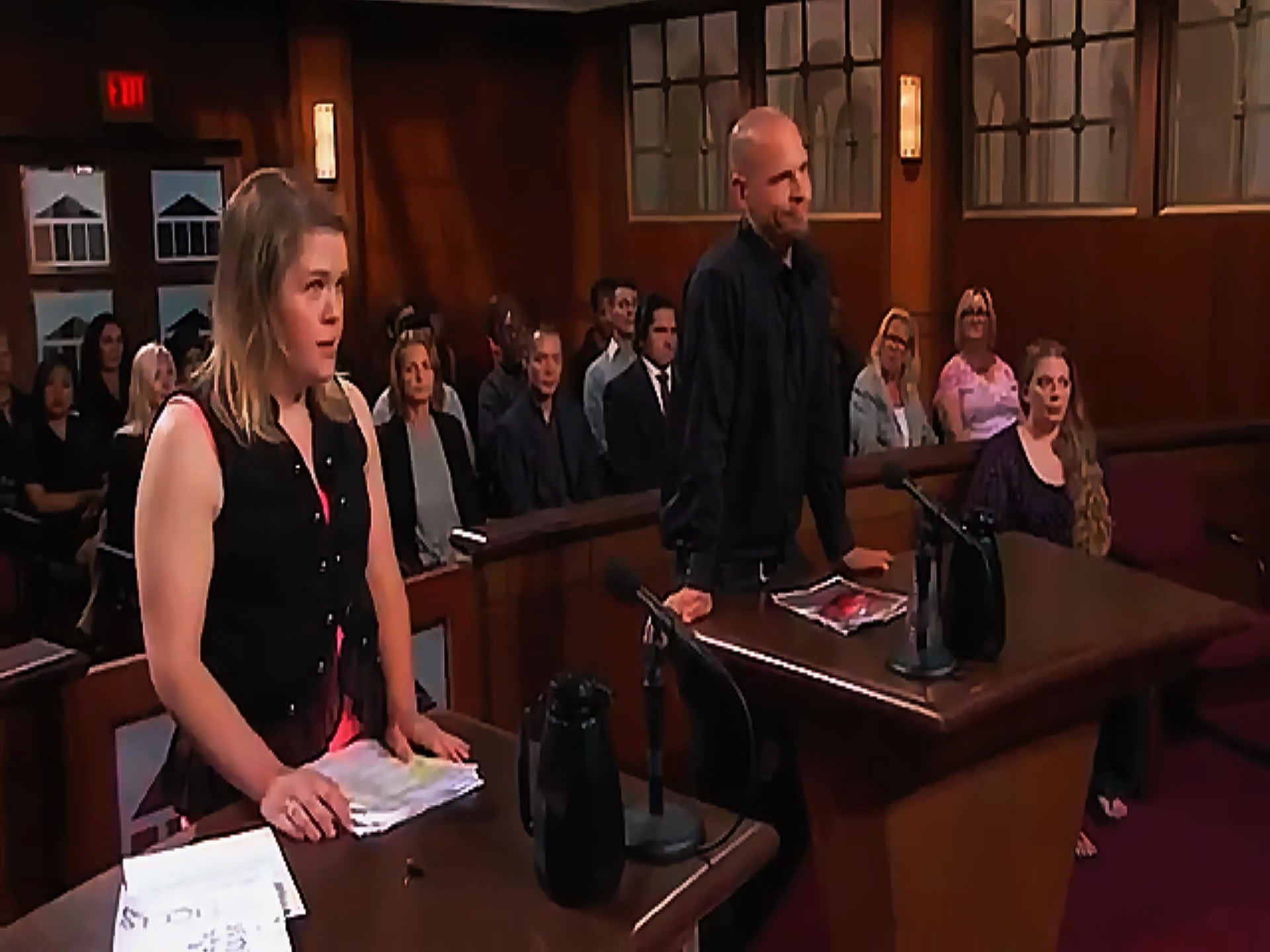
The judge also considered how the couple normally handled money. Timothy received unemployment benefits and generally paid the rent. Samantha covered expenses such as utilities, internet and cable. Timothy would withdraw cash from his state-issued debit card, give it to Samantha and use a money order for rent. Their household finances already involved regular transfers between them.
Timothy Gives Judge Judy Another Version
Timothy argued that the check money became part of the couple’s shared finances. He said Samantha controlled the funds after the deposits and disagreed with him about how they should spend them. His account did not describe a simple transaction in which Samantha cashed his check and handed him the proceeds.
Judge Judy found that broader financial context important. Samantha and Timothy lived together as a couple. They shared bills, moved money between themselves and pursued the car-wrap offer to increase their household income. The checks entered Samantha’s account while that relationship still existed.

The judge eventually described the money as part of their household “kitty.” In her view, Samantha could not later separate Timothy’s $1,850 from the rest of their shared finances simply because the relationship had ended.
Judge Judy Dismisses Samantha’s Claim
Judge Judy ultimately told Samantha that she believed Timothy on the central issue. She did not accept Samantha’s claim that she had simply handed him the entire $1,850. Instead, the judge concluded that the couple used the funds within their shared household while they were still together.
That finding defeated Samantha’s effort to recover Timothy’s check amount from him personally. Their later breakup did not convert money used during the relationship into a straightforward debt. Judge Judy therefore dismissed Samantha’s monetary claim.

The ruling did not establish that Samantha knowingly participated in creating bogus checks. It also did not identify whoever sent them. The transcript establishes only that the couple pursued the online offer, received the checks and deposited them. They accessed money before the bank rejected the checks five days later.
The Former Couple Fights Over Tools
The bogus checks were not the only source of conflict. Samantha also wanted Timothy to return several tools. She identified a half-inch ratchet, a 3/8-drive ratchet and three sockets measuring 8 mm, 10 mm and 12 mm. According to Samantha, Timothy borrowed them around January 2017 to work on a vehicle.
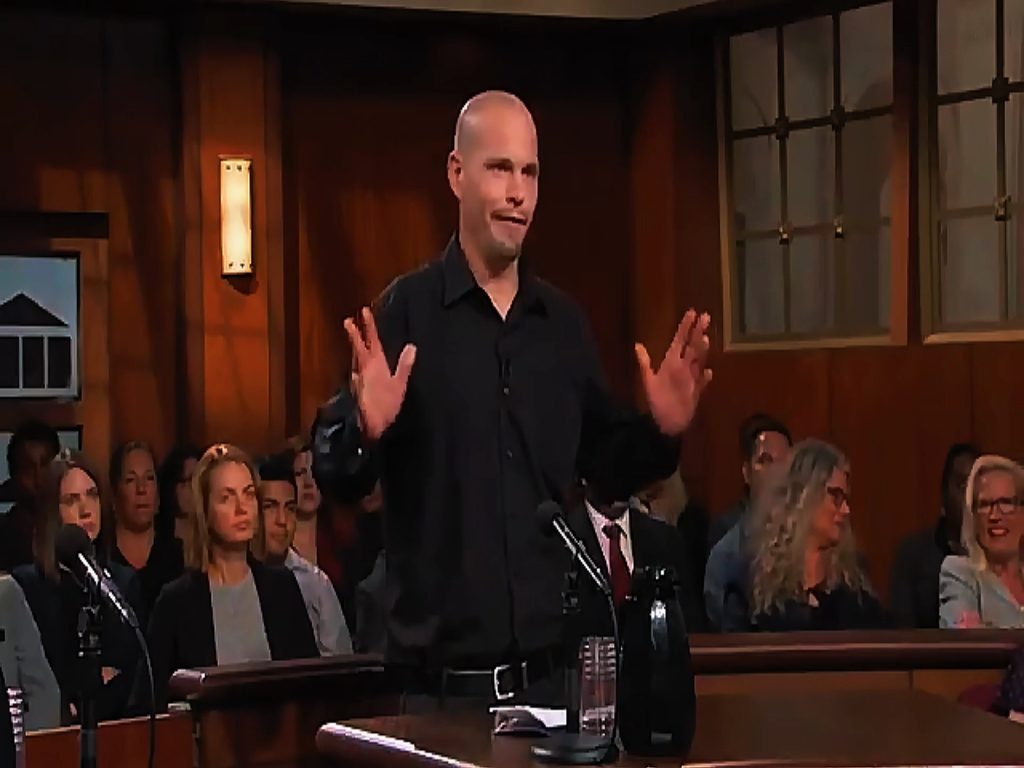
Samantha wanted the actual tools rather than their cash value because she said they carried sentimental importance. The timing also revealed another detail about their relationship. Although Samantha and Timothy had stopped living together in July 2016, they continued interacting afterward.
Timothy acknowledged that their relationship remained more than simply friendly for part of that period. Their continued contact helped explain why he could have borrowed Samantha’s tools months after the original breakup.
Timothy Files a Counterclaim
Timothy arrived in court with accusations of his own. His counterclaim involved alleged vandalism, stalking and harassment. He accused Samantha of damaging his fiancée’s vehicle and described an allegation involving fish oil in its vents.
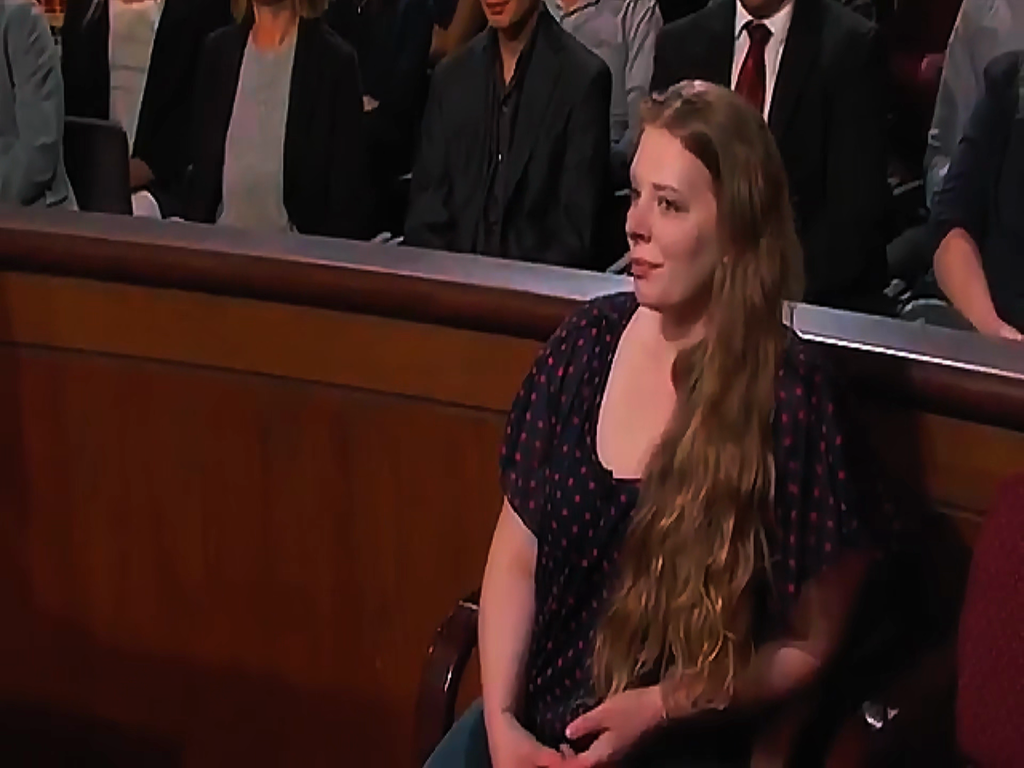
Judge Judy quickly identified a legal problem with that part of the claim. The vehicle belonged to Timothy’s girlfriend. Therefore, Timothy could not personally seek compensation for damage to her property. Judge Judy explained that his girlfriend would have to bring her own lawsuit if she wanted to pursue such a claim.
Timothy also accused Samantha of persistent harassment. He claimed her actions damaged relationships and friendships and affected his ability to work. Judge Judy did not turn the hearing into a broad examination of every conflict between the former couple. Timothy’s counterclaim ultimately failed.
The Vandalism Allegations Remain Disputed
The former couple continued arguing about the alleged vandalism outside the courtroom. Timothy maintained that Samantha had damaged a vehicle. Samantha denied putting anything inside it, although her post-hearing comments acknowledged throwing items on the outside.
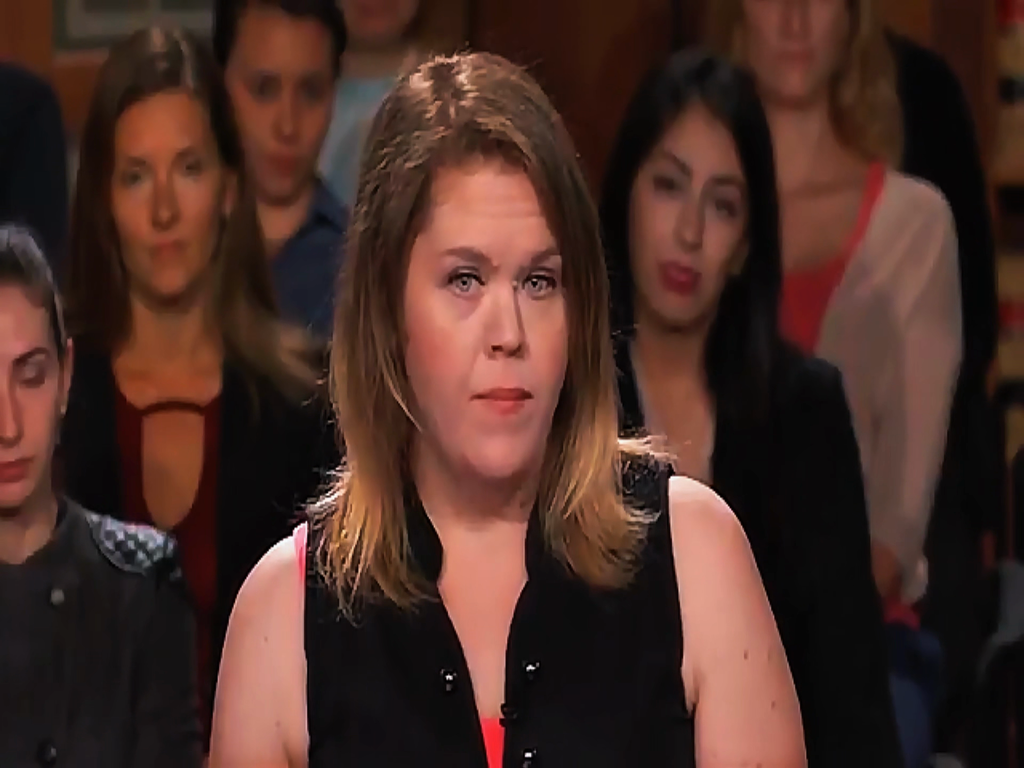
Timothy separately referred to sardines and Dr Pepper while describing what he said happened. Those statements represent competing accounts from the parties. The supplied transcript does not show Judge Judy finding that Samantha committed the alleged vandalism.
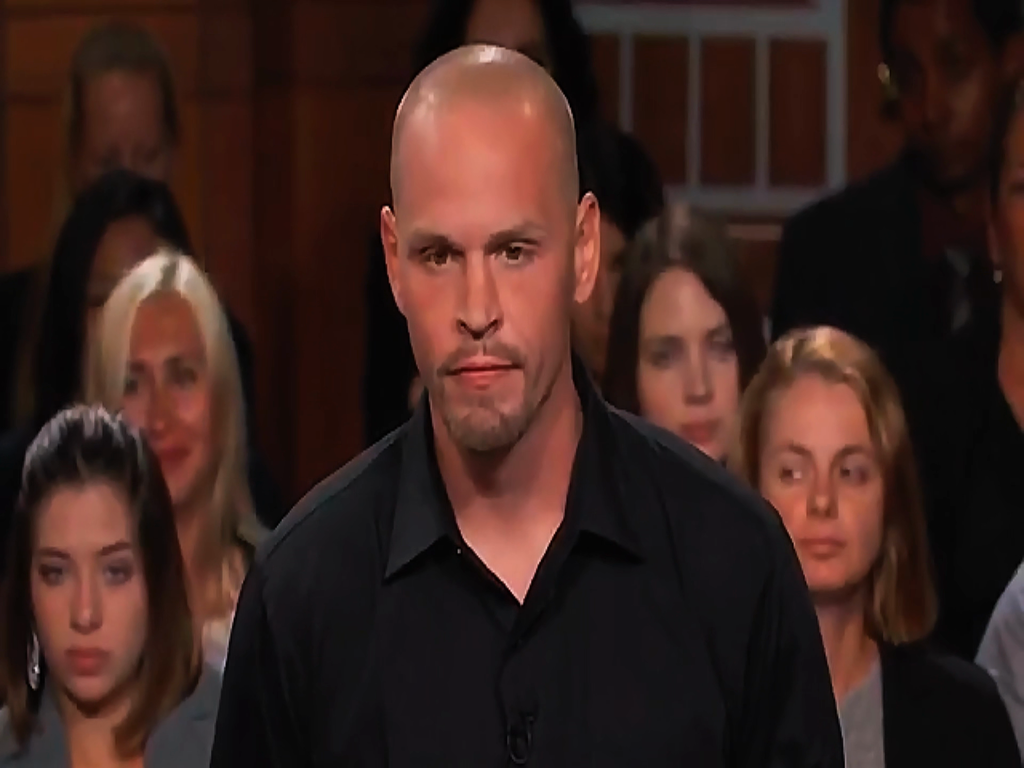
That distinction matters when reporting the case. Timothy made an accusation, but an accusation does not become an established fact simply because someone repeated it in court. Judge Judy dismissed the counterclaim without making the alleged vandalism the basis for an award.
Why Neither Side Gets the Outcome They Wanted
The Judge Judy Craigslist car wrap scam dispute ended without either former partner securing the financial result they wanted. Samantha failed to convince Judge Judy that Timothy personally owed her $1,850. The judge believed the check money had entered their shared household finances rather than going directly into Timothy’s hands. Timothy also failed to win his counterclaim.
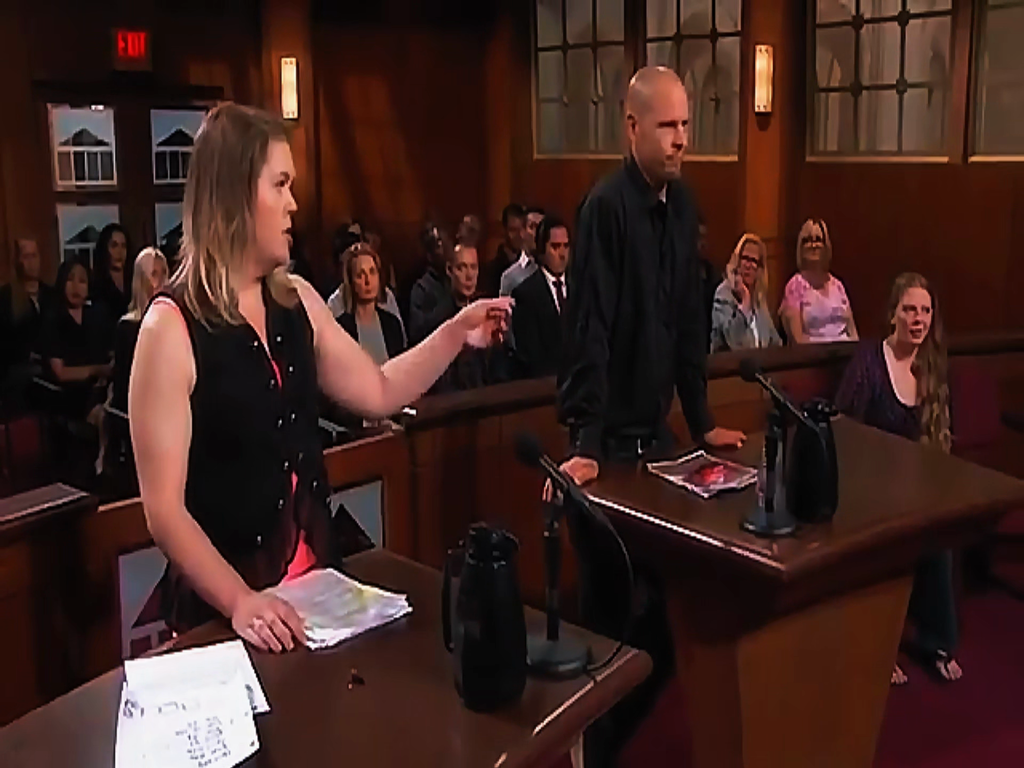
The bank records played a major role in Samantha’s case. Her $1,850 withdrawal initially appeared to support her testimony. However, another large transaction and the couple’s history of sharing expenses complicated that interpretation. Judge Judy ultimately favored Timothy’s account of how they used the funds.
The dispute therefore turned on more than the bogus checks themselves. Both sides agreed that the bank rejected the checks. The harder question concerned what happened to the money during the five days when the funds appeared available.
A Money-Making Offer Ends in Court
Samantha and Timothy entered the car-wrap arrangement while trying to generate extra household income. Neither car ever received an advertising wrap. Yet checks worth more than $3,300 arrived before anyone completed that work. Samantha deposited them, the couple accessed funds and the bank reversed the checks five days later.

Their relationship then turned a shared financial problem into a personal dispute. Samantha tried to separate Timothy’s $1,850 from the household spending. Timothy insisted that they had used the money together. Judge Judy accepted his explanation and dismissed Samantha’s claim.
What began as an opportunity to earn extra money ended with bogus checks, bank losses and a courtroom fight between former partners. Their experience also shows why financial records can become crucial when personal relationships and shared expenses overlap.
(uc.)
FAQ
What was the Judge Judy Craigslist car wrap scam case about?
The case involved former couple Samantha Hines and Timothy Peck Jr. They pursued an online offer that promised money for placing advertisements on their vehicles. Two checks worth more than $3,300 entered Samantha’s bank account. Five days later, the bank rejected both checks as bogus.
How much were the two car-wrap checks?
The transcript gives Samantha’s check as approximately $1,488 and Timothy’s check as $1,850. Timothy lacked a checking account, so he endorsed his check to Samantha. She deposited both checks into her account.
When did the bank reject the checks?
Samantha said she deposited the checks on June 24, 2016. The bank rejected them on June 29, 2016. The reversal therefore came five days after the deposit.
Did Samantha give Timothy the $1,850?
Samantha said she withdrew $1,850 and handed the cash to Timothy. He denied receiving the full amount. After reviewing their testimony and financial records, Judge Judy said she did not believe Samantha had simply handed Timothy all $1,850.
Why did Judge Judy dismiss Samantha’s claim?
Judge Judy concluded that Samantha and Timothy had treated the check proceeds as part of their shared household finances. She did not believe Timothy received the entire $1,850 as a separate cash payment. As a result, she declined to order him to repay Samantha after their relationship ended.
Were Samantha and Timothy’s vehicles ever wrapped?
No. The testimony in the supplied transcript indicates that neither vehicle ever received the proposed advertising wrap.
What tools did Samantha want back?
Samantha identified a half-inch ratchet, a 3/8-drive ratchet and three sockets measuring 8 mm, 10 mm and 12 mm. She said the tools had sentimental value and wanted Timothy to return the actual items.
What did Timothy claim in his counterclaim?
Timothy raised allegations involving vandalism, stalking and harassment. He also accused Samantha of damaging his fiancée’s vehicle. Judge Judy explained that his girlfriend would need to pursue any claim involving damage to her own property.
Did Judge Judy find that Samantha vandalized the vehicle?
No such finding appears in the supplied transcript. Timothy accused Samantha of vandalism, while Samantha disputed his account. Judge Judy did not establish the allegation as fact when she resolved the case.
Sources
Judge Judy. The transcript provides the case details about Samantha Hines, Timothy Peck Jr., the online car-wrap offer, the two checks, the June 24 deposit and June 29 reversal. It also covers their disputed $1,850 transaction, bank records, tools and Timothy’s counterclaim.