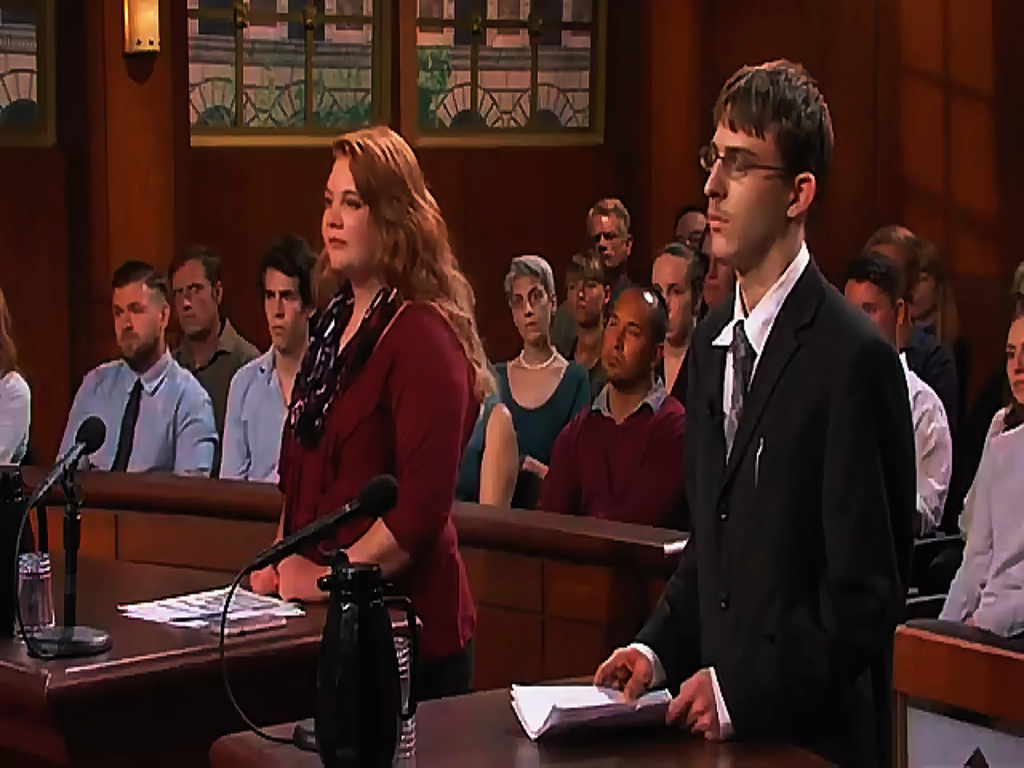
Miss Crosby wanted the crib and other baby items back after leaving Mr. Stevens with their five-month-old son, Oliver. But the dispute quickly became about far more than furniture. Judge Judy discovered that the young mother had no custody order, while the father said he could barely see his child.
(uc.)
Two Teenagers Become Parents
The Judge Judy baby furniture dispute involved Miss Crosby and Mr. Stevens. Both were only 18 years old when they appeared in court. They shared a five-month-old son named Oliver.

Their relationship had started much earlier. Judge Judy noted that they were about 17 when they became parents. By the time the case reached her courtroom, their romantic relationship had collapsed. Their disagreement now involved Oliver, his belongings and how much time each parent could spend with him.

Crosby did not have her own home. She lived with her 17-year-old best friend and the friend’s mother, Miss Bassett. Bassett had taken Crosby and Oliver into her household.
Stevens still lived with his grandmother. That house had also been Oliver’s first home.
Crosby Moves Into Stevens’ Grandmother’s Home
Crosby explained that she had lived with her own family during much of her pregnancy. Around Christmas, however, her father no longer allowed her to remain there. She then moved into the home where Stevens lived with his grandmother.
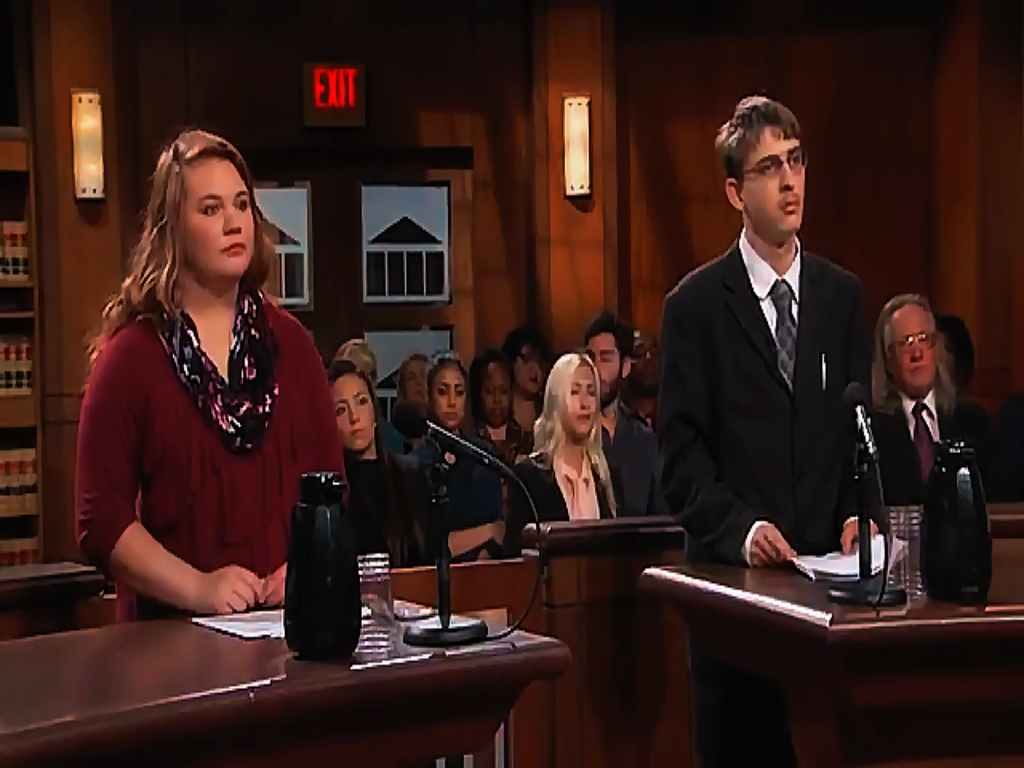
Oliver arrived in February. Crosby and Stevens tried to raise him together in the grandmother’s house, but their relationship soon became unstable. At one point, Crosby left for about a week and stayed with the Bassetts. She took Oliver with her. Crosby later returned to Stevens because she thought they could repair their relationship.
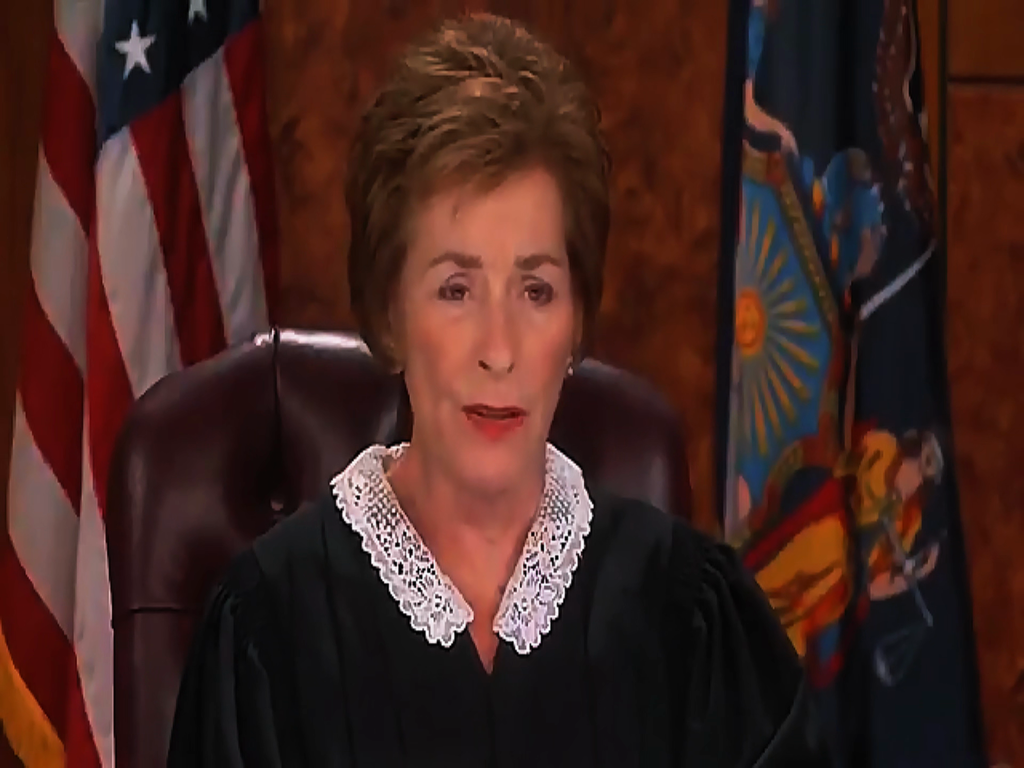
The reconciliation lasted several more weeks. By around May, Crosby left again and returned to the Bassett home. Once again, she took Oliver with her. That separation set the stage for the courtroom dispute.
The Fight Over Baby Furniture Reaches Court
Judge Judy quickly identified the immediate issue. Crosby had removed her own belongings when she left, but many of Oliver’s possessions remained at Stevens’ grandmother’s house.

She wanted the crib and the baby’s other items. Stevens wanted those items to remain at his home. Crosby explained that she had received the baby furniture through her baby showers. Judge Judy focused on an important distinction: people had given those items for Oliver, not simply for Crosby.
That mattered because Stevens was also Oliver’s parent. If Oliver spent time at his father’s home, Stevens would need furniture and supplies there. The case therefore could not be resolved simply by asking who originally received the gifts.
Stevens Says He Cannot See His Son
The hearing changed direction when Judge Judy asked Stevens whether he saw Oliver. He answered no.
Stevens said Crosby would not let him see his son. According to his testimony, she told him that her lawyer had advised her to stop visitation entirely. Crosby initially asserted that she had sole custody and could decide whether Stevens saw Oliver. Judge Judy immediately challenged that statement.
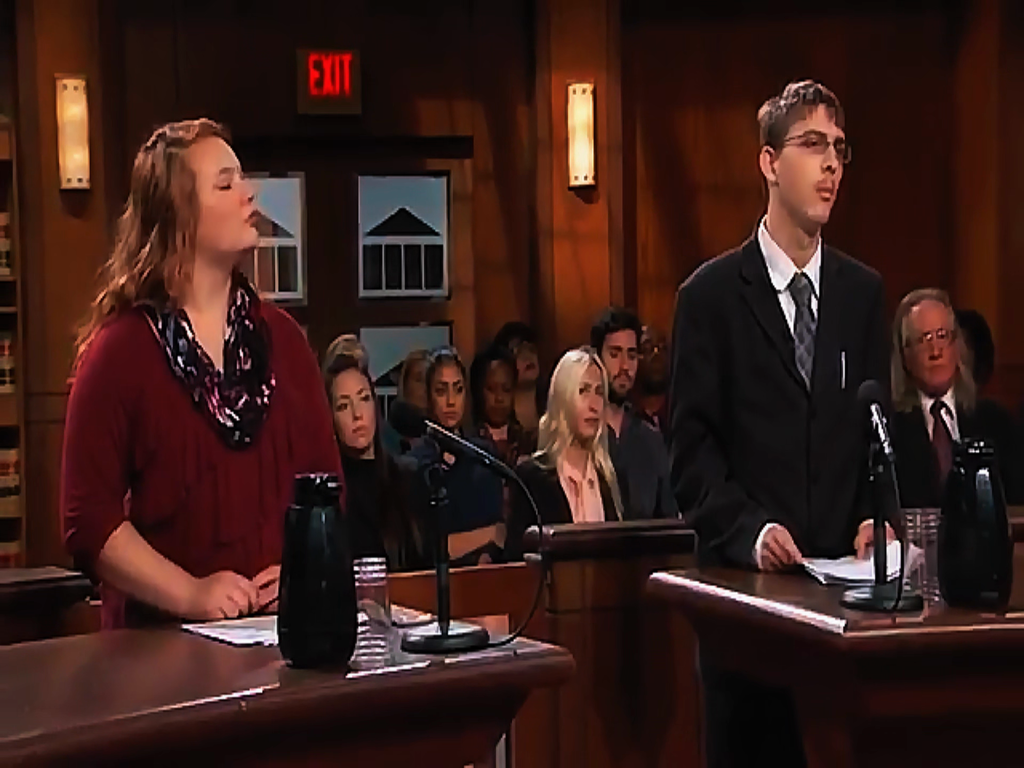
If a court had actually given Crosby sole custody and complete discretion over visitation, the judge wanted to see the order. Crosby could not produce one.
Crosby Claims She Has Sole Custody
Crosby told Judge Judy that an office in her town had given her custody. However, she admitted that she did not have the order with her. Judge Judy continued questioning her. Had there been a trial? No. Had a court held a hearing? Crosby again said no.
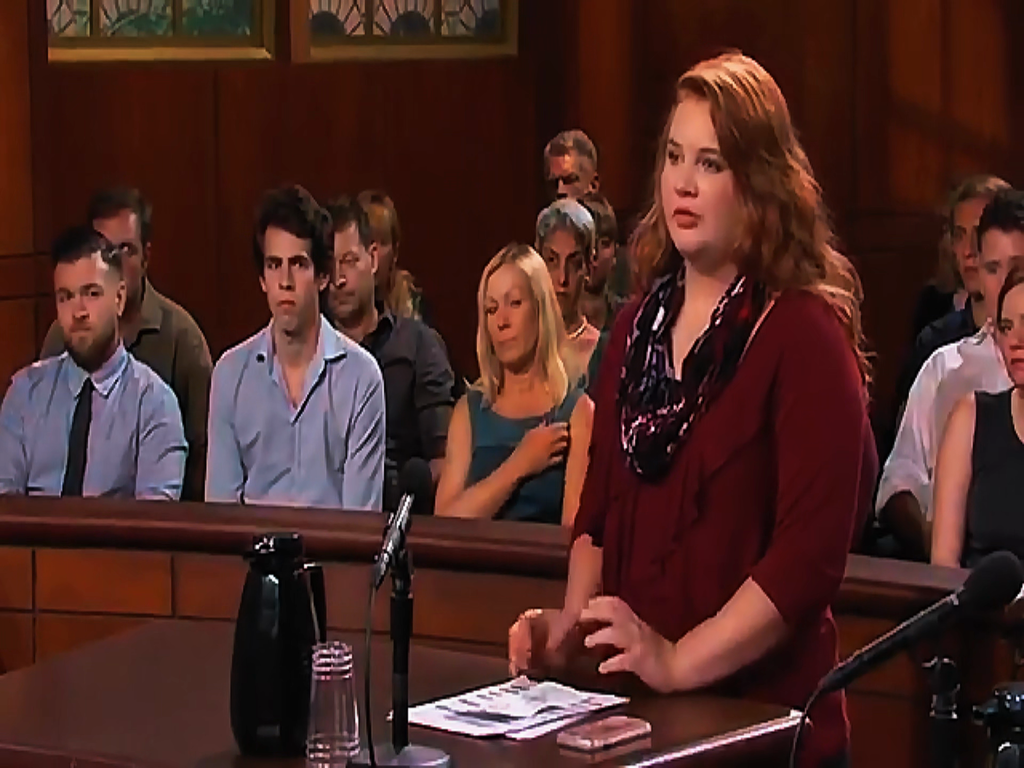
The judge rejected the idea that Crosby could simply claim complete authority without a court order. No document before Judge Judy established that Crosby alone could determine whether Stevens saw Oliver.
That issue became central to the hearing. The case had started with furniture, but the conflict surrounding Oliver’s relationship with his father now dominated the courtroom.
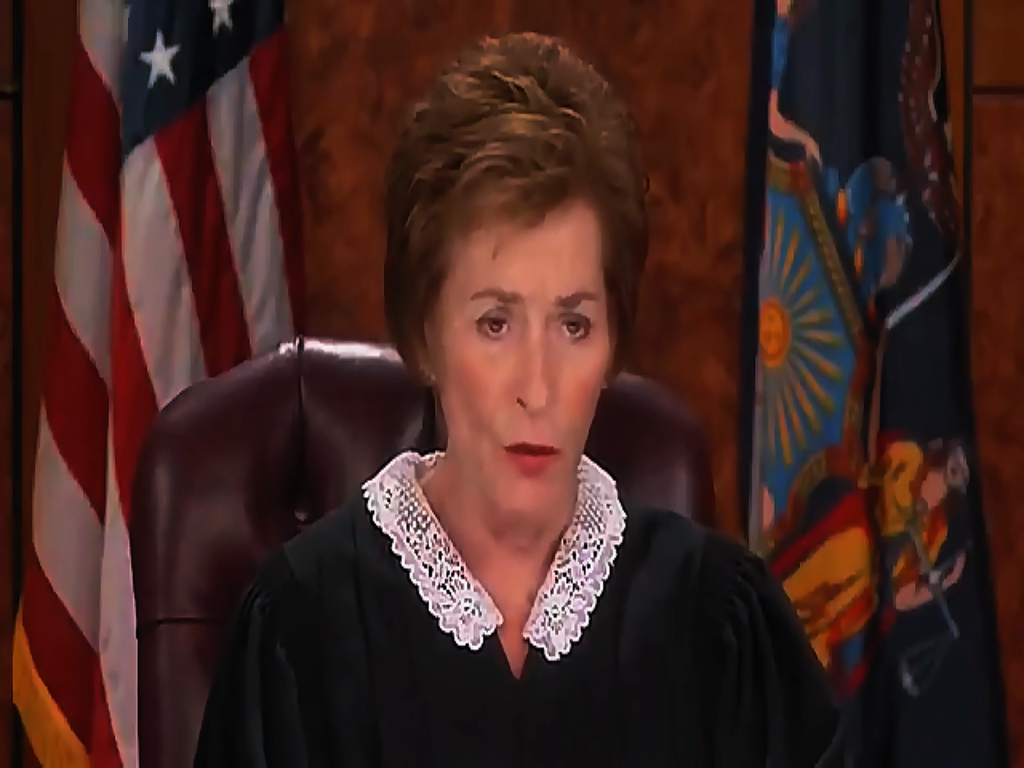
Judge Judy then examined what had happened before Crosby restricted Stevens’ contact.
Crosby’s Work History Raises a Key Question
Crosby had worked for short periods, including at Burger King. While she lived at Stevens’ grandmother’s home, some of her shifts ran from 4 p.m. to 10 p.m. Others lasted until midnight.
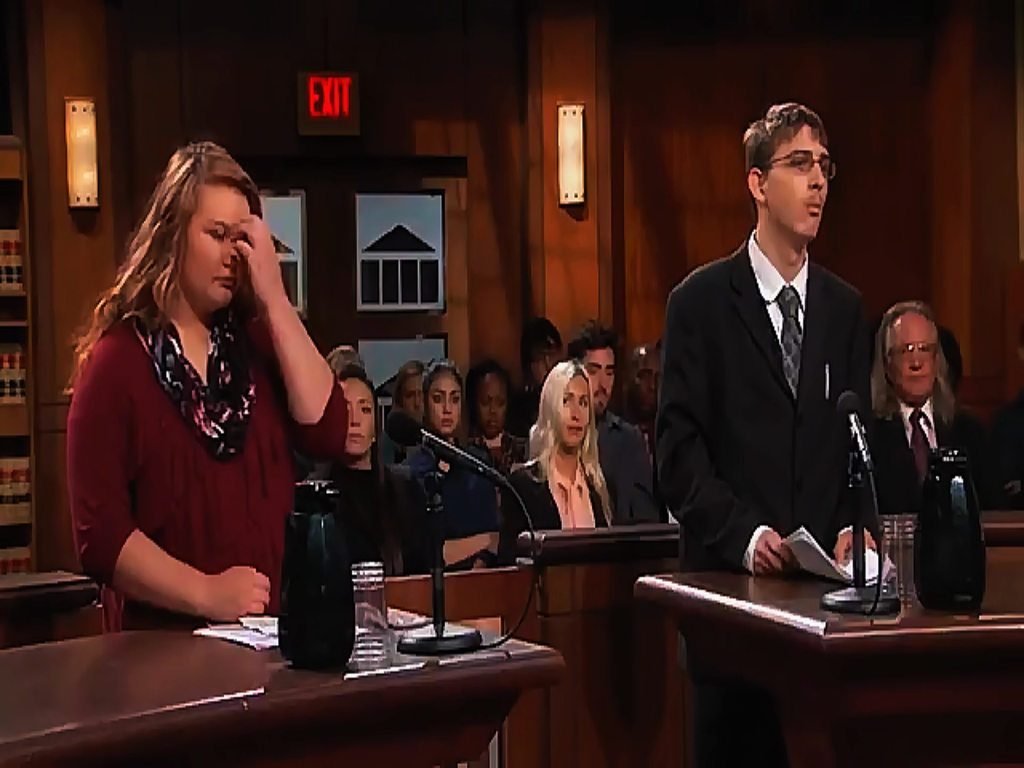
Judge Judy asked who watched Oliver during those hours. Crosby answered that Stevens did. That admission mattered. Crosby had previously trusted Stevens to care for their son for hours while she worked. Judge Judy saw a contradiction between that history and Crosby’s later effort to sharply limit his contact.

Crosby said she had recently allowed visits on Tuesdays and Fridays at a city park. The transcript renders the exact stated time unclearly, but Judge Judy understood the visits as short and controlled.
She did not believe that arrangement gave Stevens meaningful, regular time with his son.
Judge Judy Refuses to Give Crosby All the Baby Furniture
The furniture dispute now looked different. If Stevens should have regular time with Oliver, Judge Judy reasoned, he would also need basic baby equipment in his home.

She asked Crosby who had purchased the furniture. Crosby again said she had received it through baby showers. Judge Judy responded that the gifts belonged to the baby. She would not treat them as property that Crosby could automatically remove simply because Oliver currently lived with her.
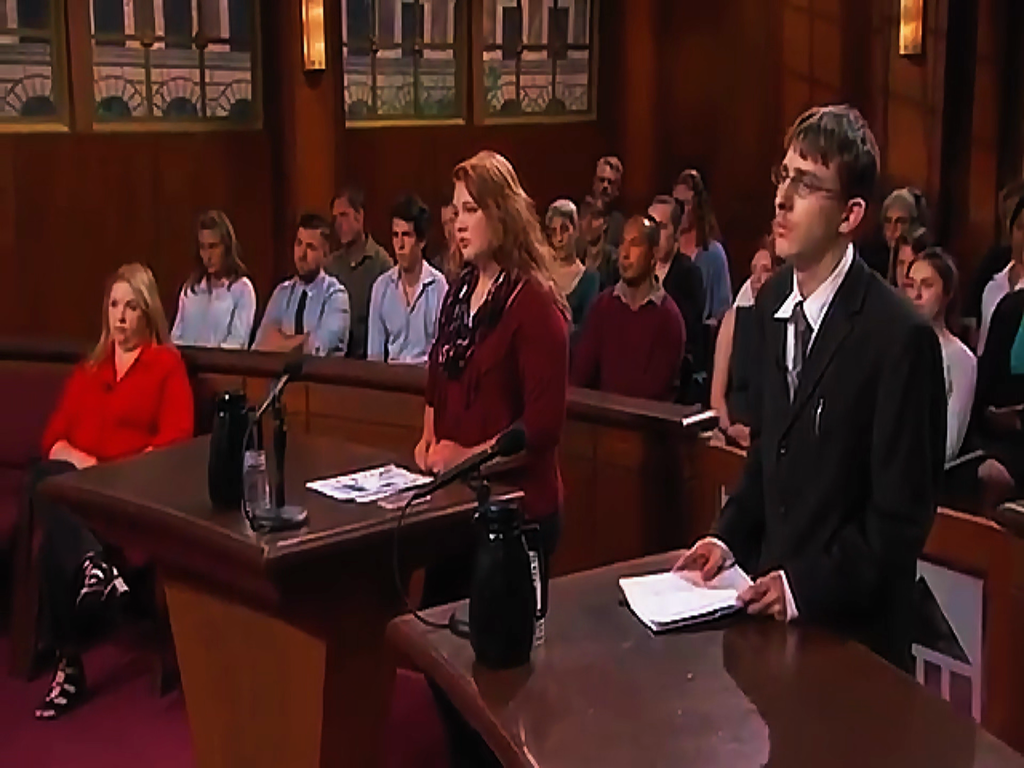
The judge also rejected the idea that Stevens should have no furniture while the parents fought over visitation. Her message was clear: Oliver had two parents. His belongings existed for his care, not as leverage in a dispute between former partners.
A Dispute Over Support and Visitation Emerges
Crosby raised another complaint. She said Stevens had a job but would not provide basic items for Oliver. She described asking him for diapers and wipes.

Judge Judy agreed that Stevens should contribute financially to his son. At the same time, she insisted that support and visitation had to work in both directions. Stevens had a responsibility to help support Oliver. Crosby also had to recognize his role as the child’s father.
Judge Judy encouraged the parents to create a regular arrangement. Stevens should provide support, and he should see Oliver consistently. Crosby also needed to address employment and daycare.
The judge viewed those issues as connected parts of responsible parenting rather than weapons one parent could use against the other.
Crosby Says Stevens Kept Oliver for Two Days
Crosby then described an incident that influenced her decision to restrict contact. She said she had allowed Stevens to watch Oliver while she worked. On the second occasion, according to Crosby, Stevens refused to return the baby for two days.
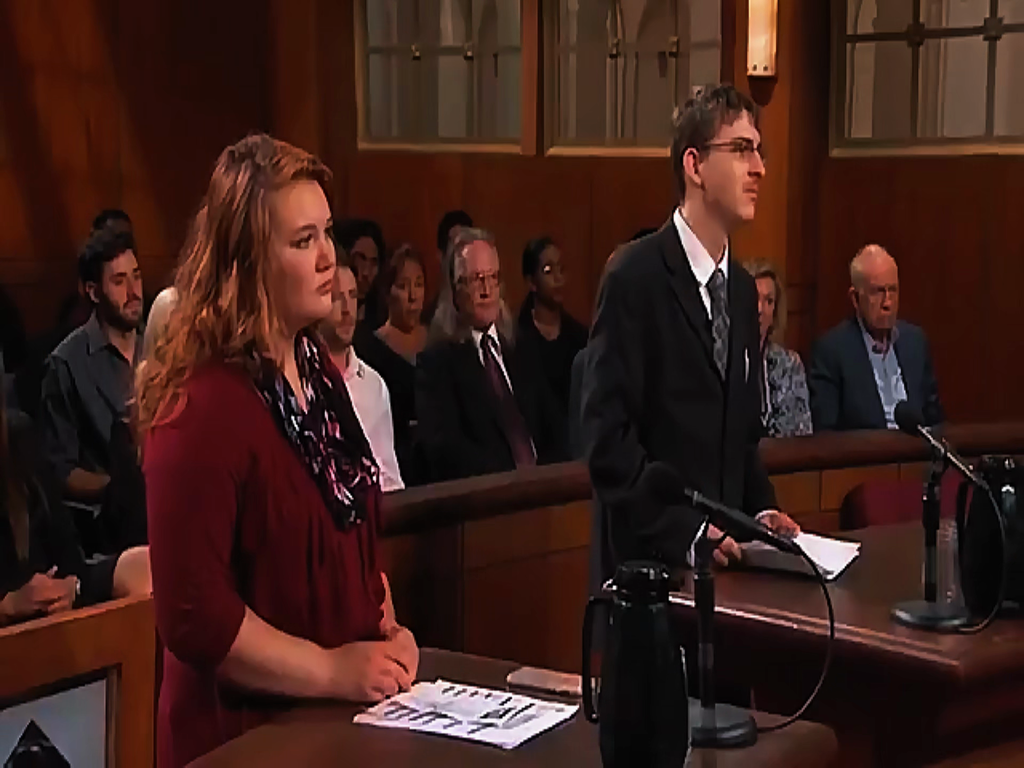
She claimed she could not see or touch Oliver during that period. Crosby also said she went to the police several times. Judge Judy did not dismiss Crosby’s concern. Instead, she challenged the assumption behind it.
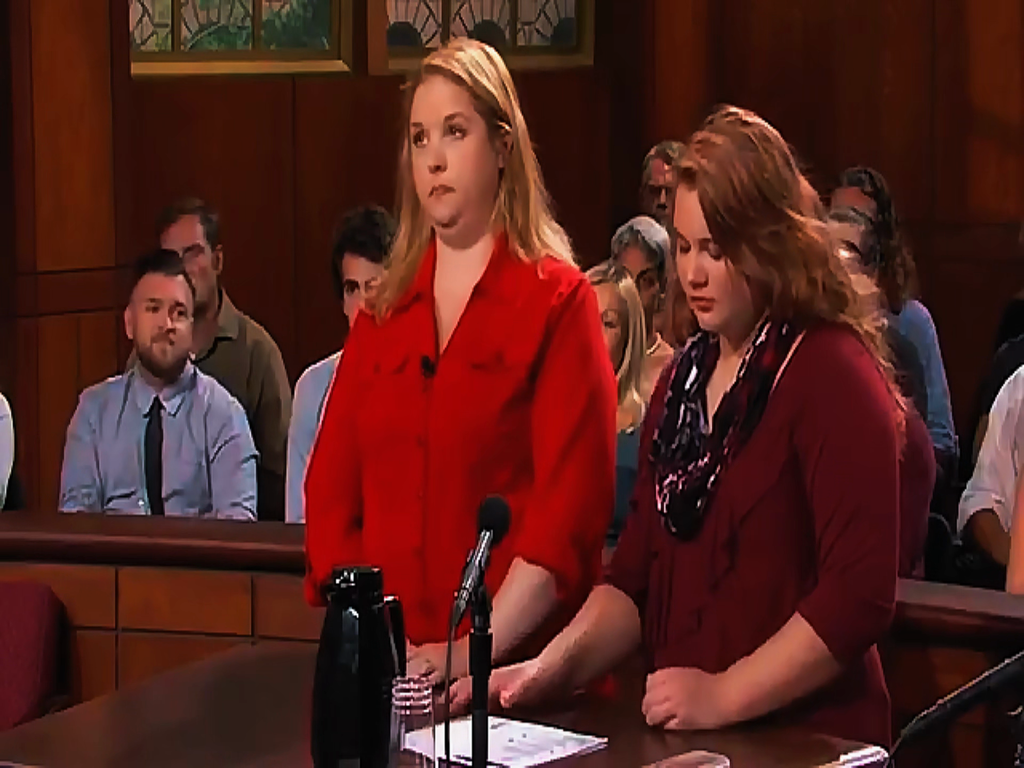
Crosby considered Stevens wrong for keeping Oliver because she was the baby’s mother. Judge Judy responded that motherhood did not automatically give Crosby greater parental rights than Stevens.
That point became one of the defining themes of the hearing.
Judge Judy Focuses on Equal Parental Rights
Judge Judy asked Crosby what gave her more right than Stevens to take physical custody of Oliver when their relationship ended.
Crosby had left the home where Oliver had lived and taken him to the Bassett residence. She did so without first obtaining a custody order or reaching a formal parenting agreement.
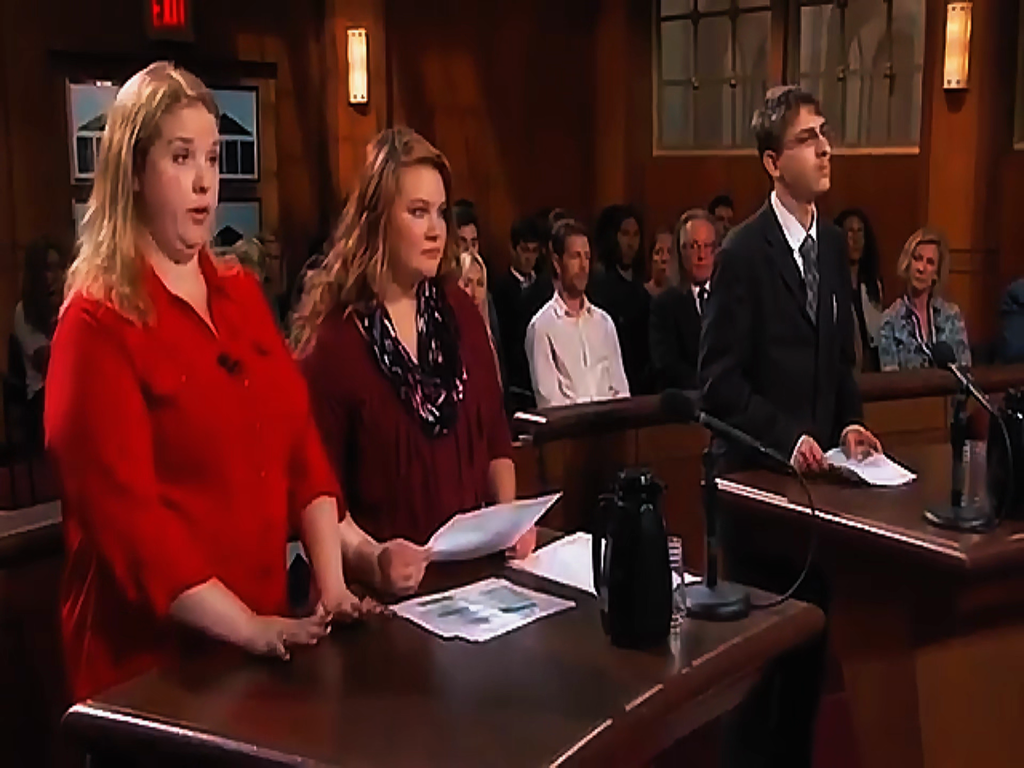
Judge Judy emphasized what she described as gender-neutral parenting. In her explanation, a father did not have lesser parental rights simply because the other parent was the mother.
Neither Crosby nor Stevens had produced a court order giving one of them exclusive rights to Oliver. Judge Judy believed they should have addressed custody and visitation through mediation or family court instead of acting independently. The young parents had done the opposite.
The Police Become Involved in the Parenting Conflict
The dispute became more complicated when Stevens refused to return Oliver after Crosby left him there. Crosby contacted police, and officers became involved.

Judge Judy characterized both parents as using “self-help” instead of resolving custody formally. Crosby had first taken Oliver when she left Stevens’ grandmother’s home. Stevens later refused to return him after Crosby brought the baby back for childcare. Without a clear custody order, their personal conflict became increasingly difficult.

Judge Judy explained that family court or mediation offered a better route. A formal arrangement could establish when Oliver stayed with each parent and how both parents would support him.
That solution also connected directly to the original furniture dispute.
Allegations of Controlling Behavior Surface
Crosby described Stevens as controlling. Miss Bassett also spoke about the former couple’s relationship and claimed that Stevens repeatedly called Crosby when she visited the Bassett home.
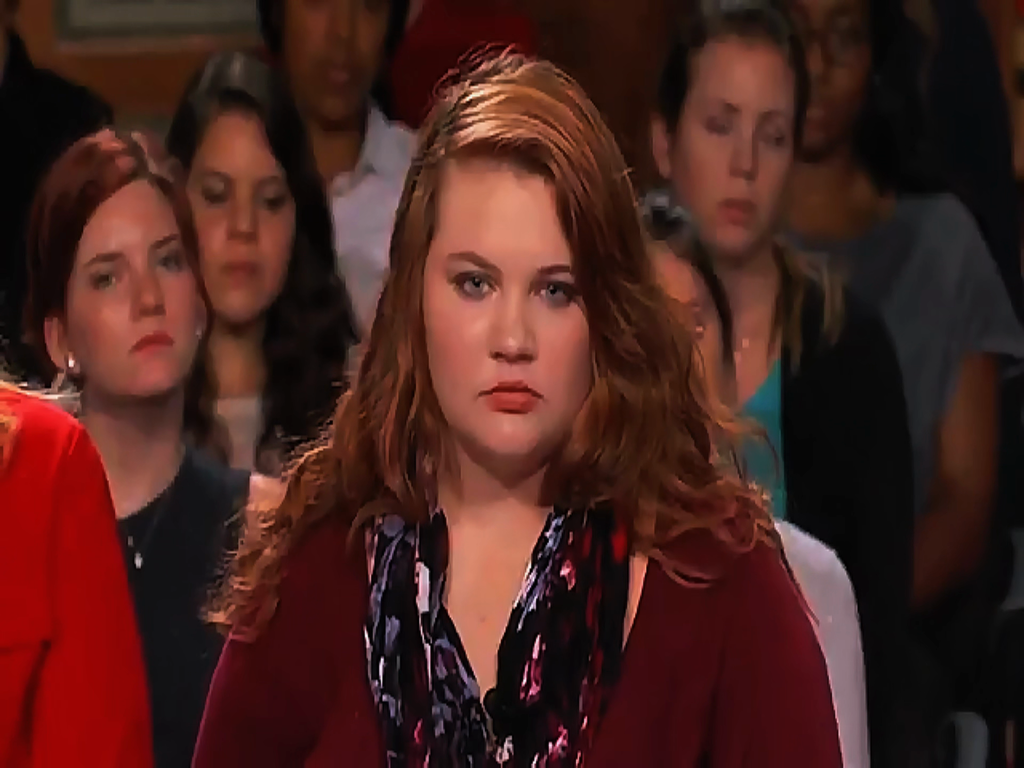
According to Bassett, Stevens sometimes demanded that Crosby return home. She also described a text message that she interpreted as threatening. These statements reflected Bassett’s and Crosby’s accounts of the relationship; the transcript does not establish them as independent findings.
Judge Judy cautioned Bassett about interpreting a relationship from the outside. Bassett herself was separated from her husband, and the judge used that experience to illustrate how two partners could describe the same relationship differently.

The judge kept returning to the issue she could address from the testimony before her: Crosby and Stevens remained Oliver’s parents even after their romantic relationship ended.
Crosby Raises Concerns About Stevens’ Anger
Near the end of the hearing, Crosby raised another concern. She alleged that Stevens had punched holes in walls when angry.
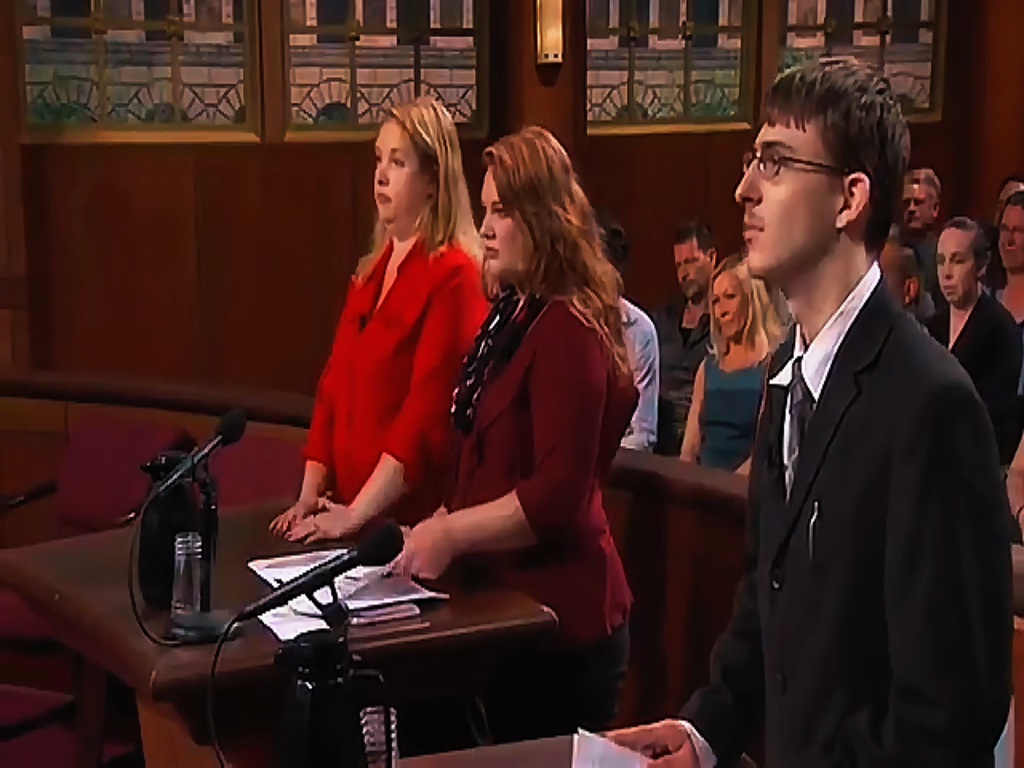
Crosby also described an occasion when Oliver was on a bed. According to her testimony, Stevens became angry with her and struck the other side of the bed, causing it to shake. These were allegations from Crosby. The transcript does not show Judge Judy making an independent finding that Stevens abused Oliver.

In fact, Judge Judy pointed to Crosby’s previous conduct. Crosby had repeatedly left Oliver alone with Stevens while she worked. Based on the testimony presented, the judge said she did not see proof that Stevens had neglected or abused the child.
That distinction shaped her approach to visitation.
Why Judge Judy Pushes Mediation Instead
Judge Judy did not attempt to create a detailed custody schedule in this property dispute. Instead, she repeatedly urged the parents to use their lawyers and pursue mediation.
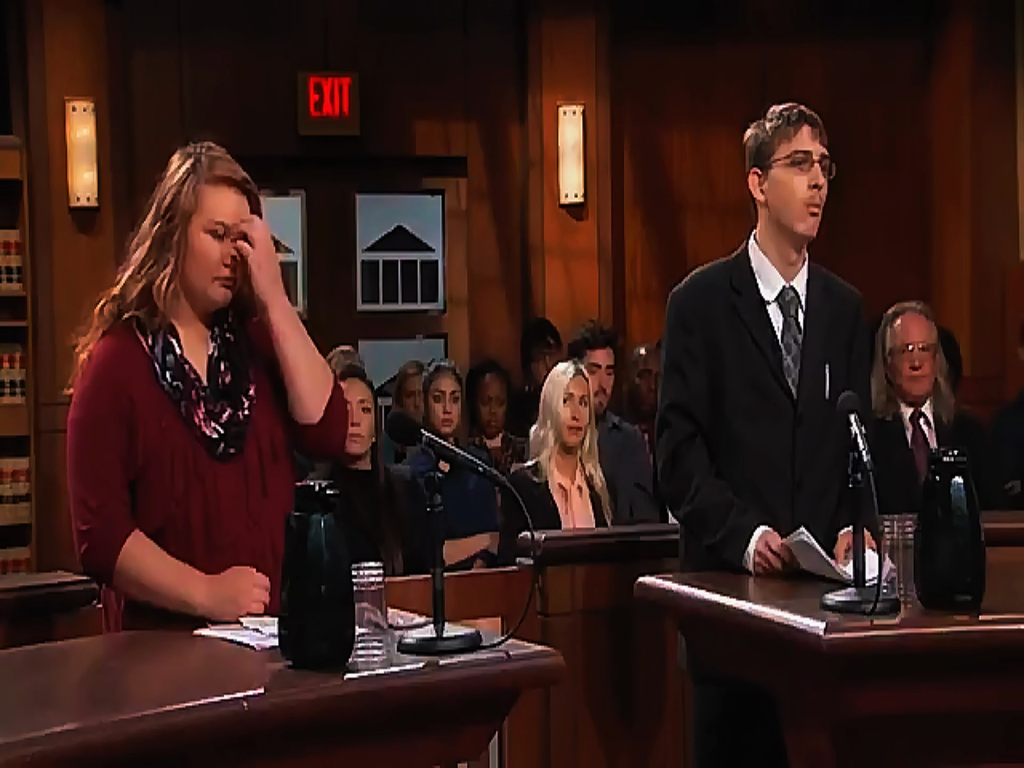
Crosby had access to a Legal Aid lawyer. Stevens told the court that he had hired an attorney. Judge Judy wanted those lawyers to help the parents establish regular custody and visitation. She also wanted them to address support and Oliver’s belongings. Baby furniture, clothes and diapers could then remain where Oliver actually needed them.
Judge Judy specifically said she was not ordering the mediated arrangement herself. She was telling the parents what she believed they needed to do next.
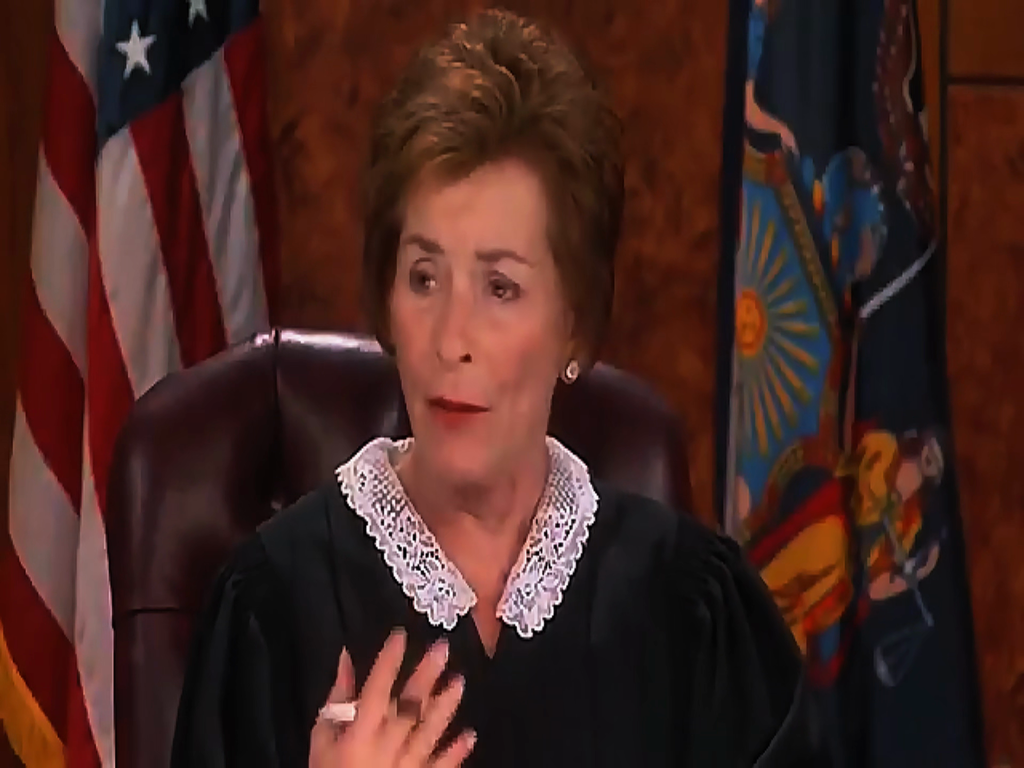
Her larger message centered on cooperation. Neither parent could continue treating Oliver as something one person controlled.
The Baby’s Belongings Should Serve the Baby
By the final part of the case, the original property claim had almost disappeared beneath the parenting conflict.
Crosby wanted baby furniture, clothes and supplies from Stevens’ home. Bassett said there were boxes of clothing and diapers that Stevens would not even divide. Judge Judy did not simply order Stevens to surrender everything. She believed Oliver needed supplies in both places if his parents established regular parenting time.
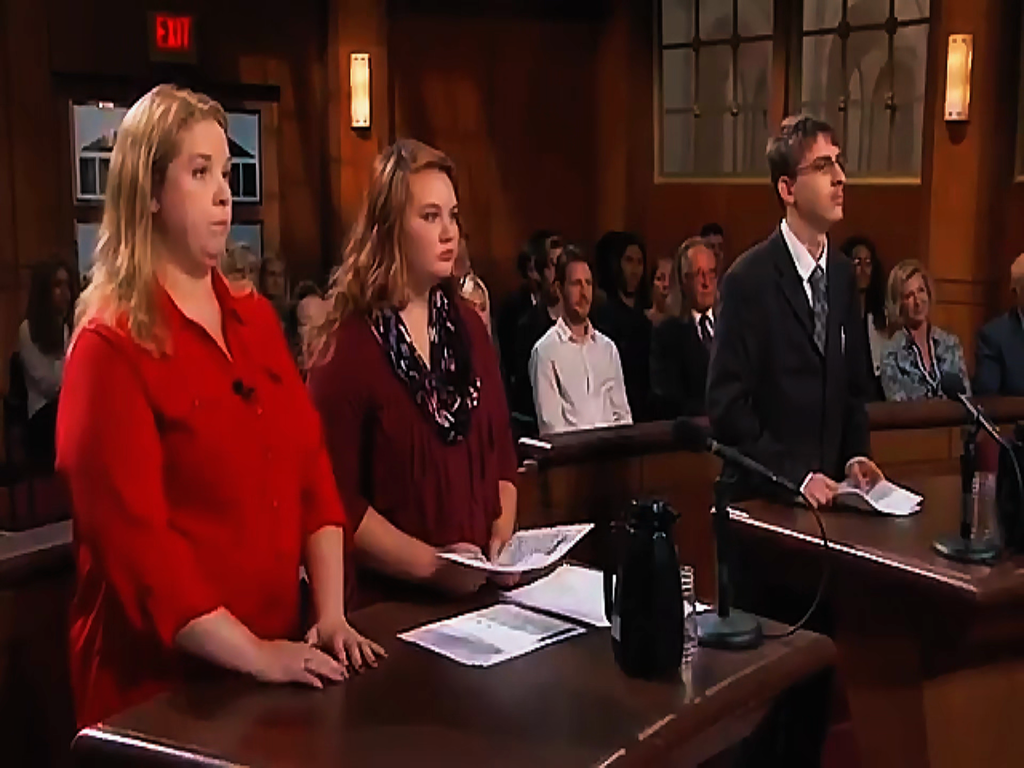
The property dispute therefore illustrated the larger problem. Crosby and Stevens were treating the child’s belongings as part of their personal conflict.
Judge Judy wanted them to use mediation to address custody, visitation and shared property together.
The Case Ends With a Message to Both Parents
The Judge Judy baby furniture dispute did not end with a dramatic cash award. Instead, Judge Judy focused on what she saw as the real problem: two very young parents had failed to create a workable plan for their five-month-old son.
Stevens needed to support Oliver financially. Crosby needed to recognize that Stevens also had parental rights. Both needed a regular schedule rather than short visits controlled by one parent or unilateral decisions about where Oliver stayed.
The furniture followed the same principle. A crib, clothes and diapers existed for Oliver’s care. Judge Judy would not treat those items as a prize for whichever parent currently had physical custody.
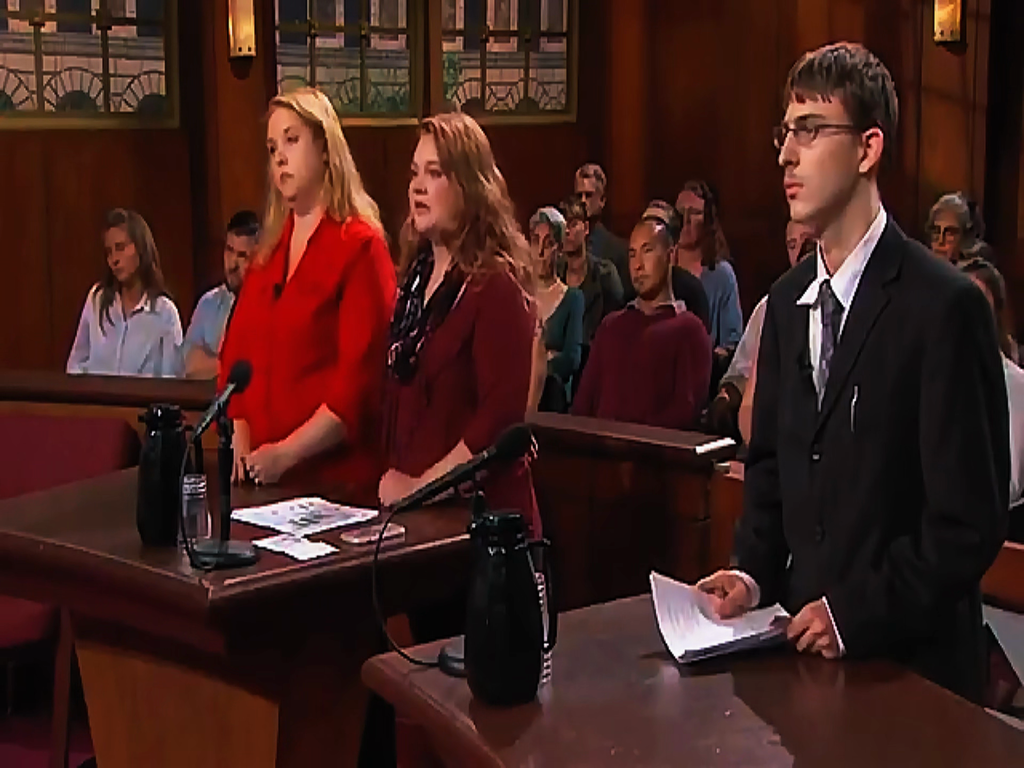
She urged both sides to grow up, involve their lawyers and use mediation. Oliver needed financial support and regular contact with both parents unless a proper proceeding established a reason for a different arrangement.
The hearing then ended with the parties excused.
(uc.)
FAQ
What was the Judge Judy baby furniture dispute about?
Miss Crosby wanted baby furniture and other belongings from Mr. Stevens after their relationship ended. The former couple shared a five-month-old son named Oliver. The hearing soon expanded into a dispute about visitation, custody and parental responsibilities.
How old were Miss Crosby and Mr. Stevens?
Both were 18 years old when they appeared before Judge Judy. The judge noted that they had become parents when they were very young.
How old was their son Oliver?
Oliver was five months old at the time of the hearing.
Why did Crosby want the baby furniture?
Much of Oliver’s furniture and other belongings remained at Stevens’ grandmother’s home after Crosby moved out. Crosby said she had received the furniture through her baby showers and wanted the baby’s items back.
Did Judge Judy give Crosby all the baby furniture?
No. Judge Judy rejected the idea that Crosby should automatically receive all the baby furniture. She emphasized that the items were gifts for Oliver and that his father would also need supplies when caring for him.
Did Crosby have sole custody of Oliver?
Crosby claimed that she had sole custody, but she could not show Judge Judy a custody order. She also acknowledged that no trial or hearing had taken place. Judge Judy therefore rejected her claim that she alone could decide when Stevens saw Oliver.
Had Mr. Stevens cared for Oliver before the dispute?
Yes. Crosby acknowledged that Stevens cared for Oliver while she worked evening shifts. Some shifts ran from 4 p.m. to 10 p.m., while others lasted until midnight.
Why had Crosby restricted Stevens’ contact with Oliver?
Crosby raised several concerns. She said Stevens caused trouble during visits and claimed that he once refused to return Oliver for two days. She also alleged controlling behavior and later described incidents involving Stevens’ anger. These remained her allegations rather than independent findings of abuse in the transcript.
What did Judge Judy say about fathers’ parental rights?
Judge Judy emphasized what she called gender-neutral parenting. She told Crosby that being Oliver’s mother did not automatically give her greater parental rights than Stevens.
Did Judge Judy find that Stevens abused or neglected Oliver?
The transcript does not show such a finding. Judge Judy specifically noted that Crosby had trusted Stevens to care for Oliver for extended periods while she worked. Based on the testimony before her, the judge said she did not see proof that Stevens had abused or neglected the child.
What solution did Judge Judy recommend?
Judge Judy repeatedly urged the parents to use their lawyers and mediation. She wanted them to establish a regular parenting schedule, address financial support and work out how to share Oliver’s belongings. She clarified that she was recommending this approach rather than issuing the mediated arrangement herself.
Sources
Judge Judy, the complete supplied subtitle transcript. It establishes the ages of Miss Crosby and Mr. Stevens, their five-month-old son Oliver, Crosby’s living arrangements, the baby-furniture dispute, Stevens’ previous childcare role, the lack of a produced custody order, the visitation conflict and Judge Judy’s discussion of mediation and parental rights.