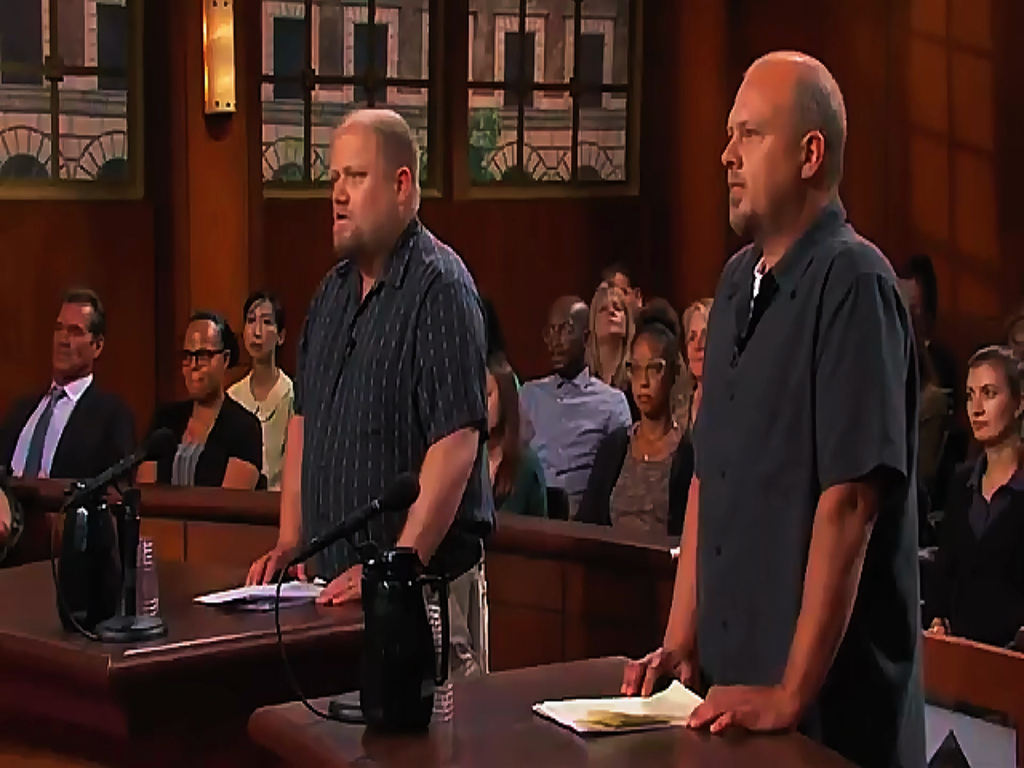
Twenty-eight marijuana plants stood at the center of a friendship that had already begun to fracture. D.J. Anderson and Timothy Miller entered court accusing each other of damaged property and physical aggression after their shared growing arrangement collapsed on January 3. But who owned the plants, why were they thrown into the snow, and what really triggered the confrontation? As the judge questioned both men, their competing explanations became harder to reconcile.
(uc.)
A Partnership Built Around Medical Marijuana
D.J. Anderson and Timothy Miller were once friends with a shared purpose. In Washington State, both men said they used marijuana for medical reasons. Anderson testified that he had done so since 2010. Because physical limitations prevented him from managing a grow by himself, he turned to Miller for help.
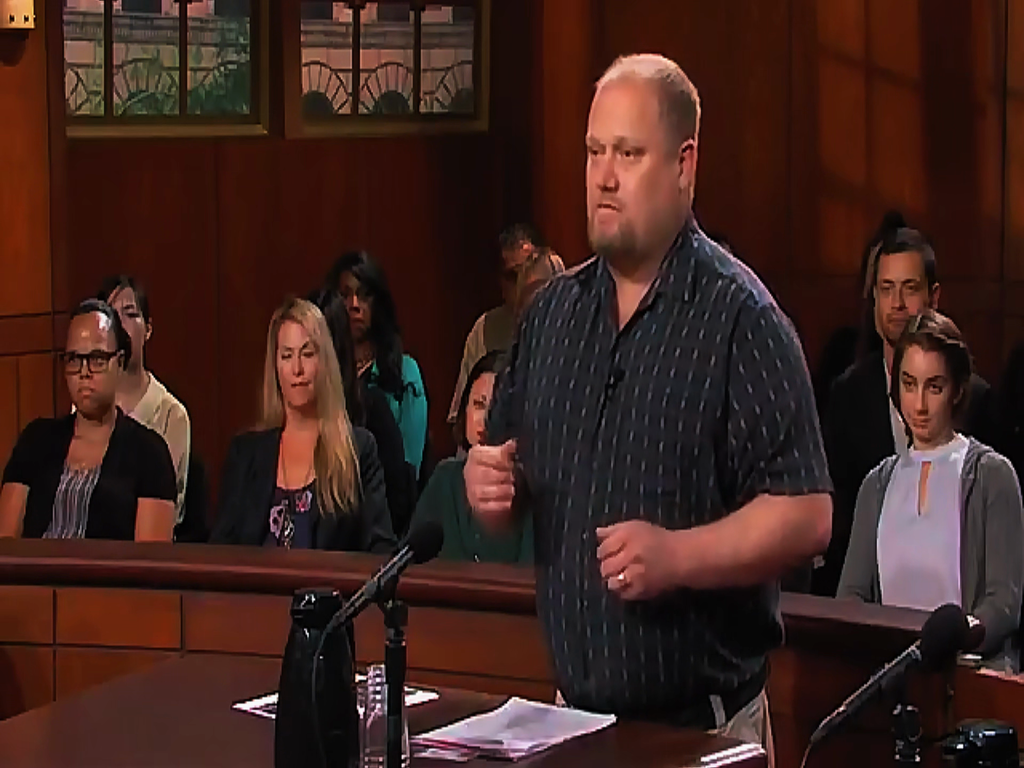
Their arrangement was not described as a conventional business in which one man paid the other a wage. Miller said he tended the plants and expected to receive a portion of the marijuana flower for his own medical needs. Anderson covered expenses such as electricity and nutrients. In the judge’s summary, the two men were effectively working together to provide marijuana for themselves.
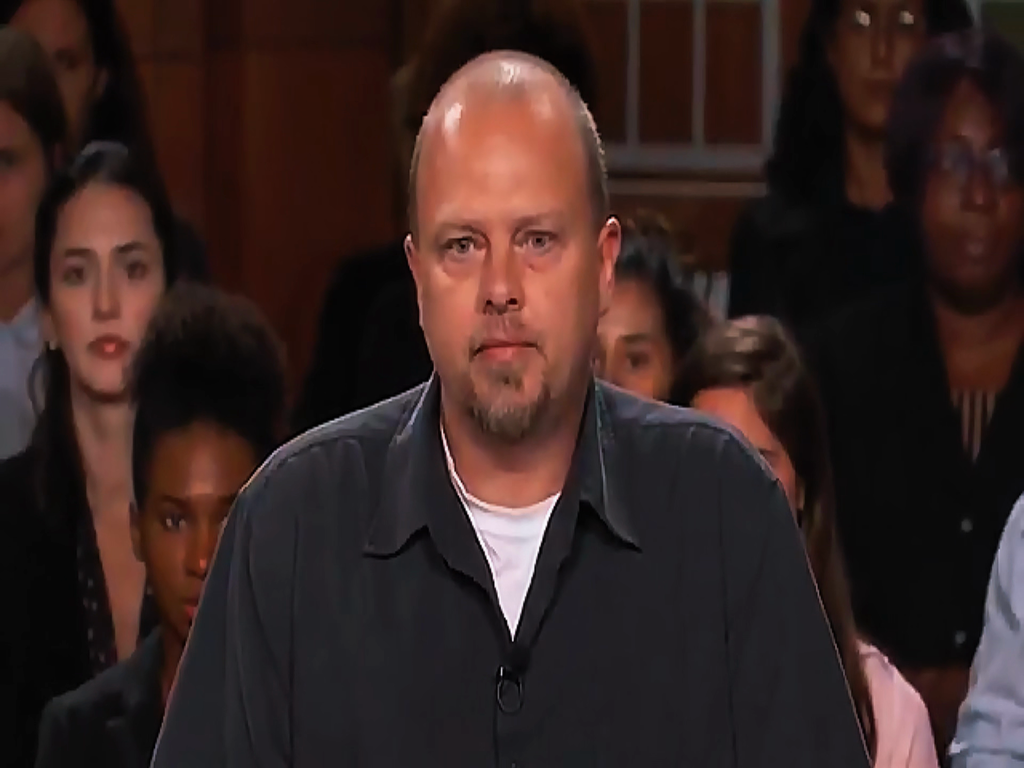
That informal structure left important questions unanswered. There was no clear written division of ownership described in the hearing. The plants were located at Anderson’s Spokane property, but Miller said he had brought plants to the house and performed the cultivation work. Once the friendship ended, each man relied on a different understanding of what belonged to whom.
Who Owned the Plants
Miller told the court that he initially supplied 30 plants. Under his account, 15 were intended for Anderson and 15 remained his. Two plants died, leaving 28. Anderson’s property provided the growing location, while Miller supplied day-to-day care.
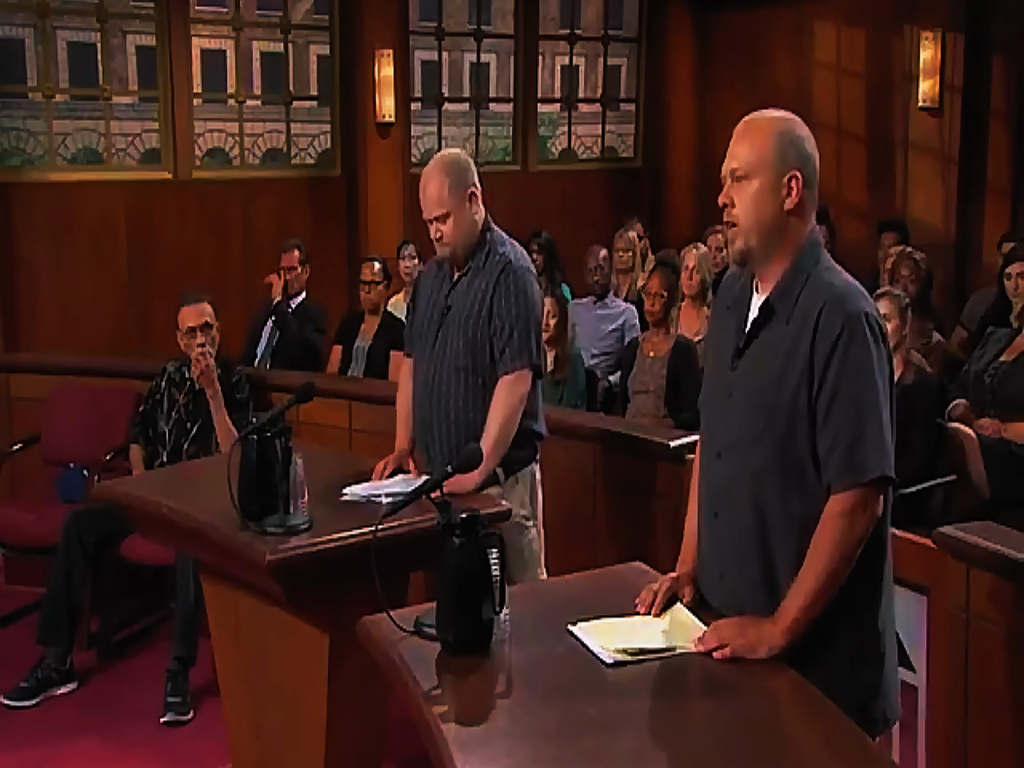
The ownership dispute mattered because both men accused the other of destroying marijuana plants by throwing them into the snow. Anderson sued his former friend for theft, property damage, and assault. Miller counterclaimed for lost property and assault. Beneath those allegations was a basic disagreement that the arrangement had never adequately resolved: did possession of the property, contribution of the plants, payment of expenses, or cultivation labor determine ownership?

The transcript does not establish a written contract or a documented inventory assigning each surviving plant to one man. Without that foundation, the court was left with two former friends offering opposing accounts of the same shared grow.
The January 3 Confrontation
Both sides connected their claims to a confrontation around January 3. Neither man went to a doctor or hospital afterward. Anderson said he filed a police report; Miller said he did not.
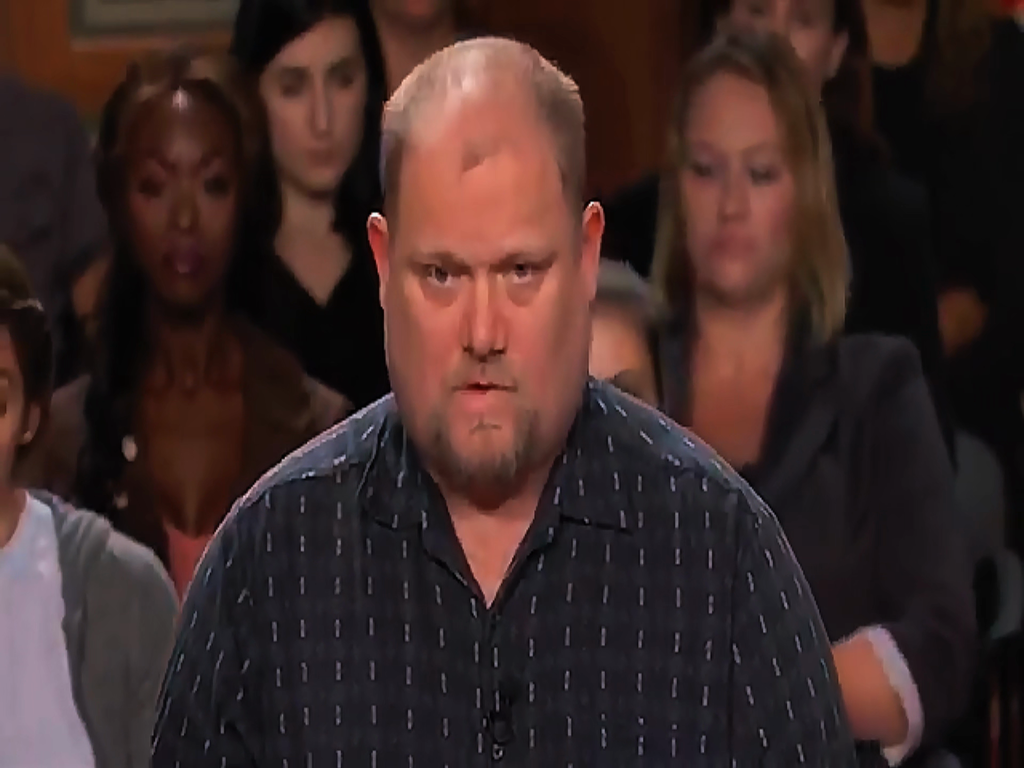
According to the report discussed in court, Miller was not struck. He said Anderson grabbed him and reached back as if preparing to hit him, but no blow followed. The judge emphasized the absence of injuries and separated the act Miller described from a completed strike.
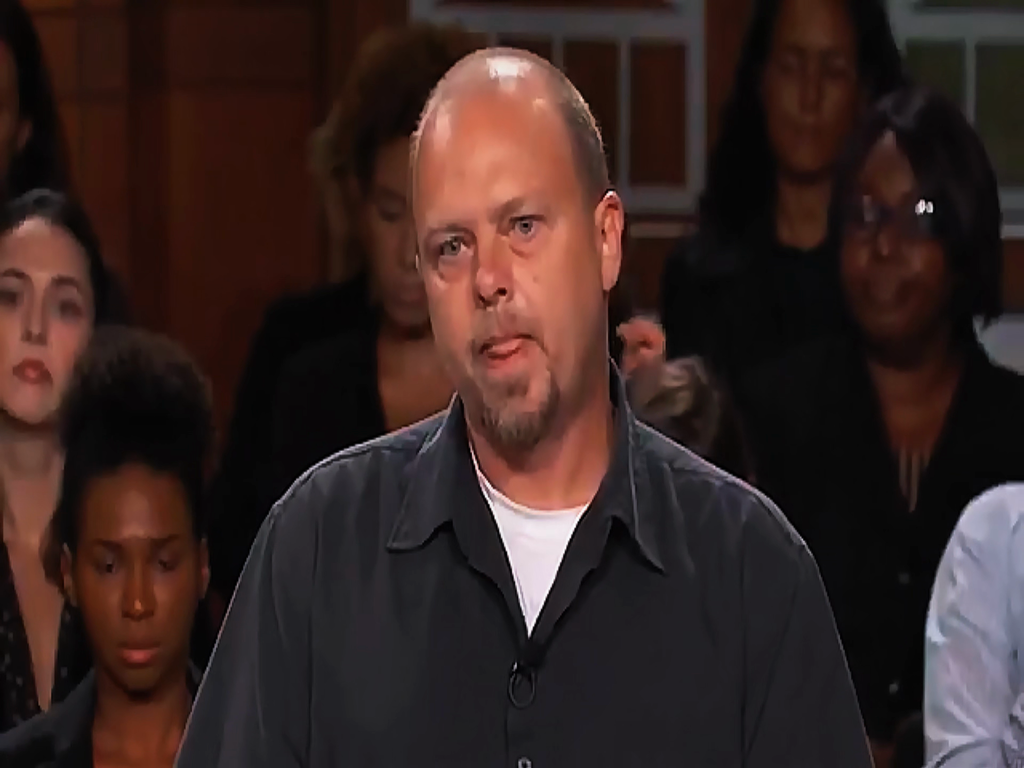
The more difficult issue was what started the confrontation. Early in the hearing, the police narrative appeared to suggest a disagreement about growing additional plants. Miller denied that explanation. He instead said he wanted to stop growing at Anderson’s property because the location was near a school and next to a mobile-home park. He also pointed to Anderson’s Idaho residency as a legal concern.
A Changing Explanation
The judge tested Miller’s timeline. The men had begun growing together in November. The mobile-home park had not suddenly appeared after the project began. Miller said the school was newly built and that he had not previously driven past it by that route. The judge openly rejected that explanation, telling him she did not believe it.
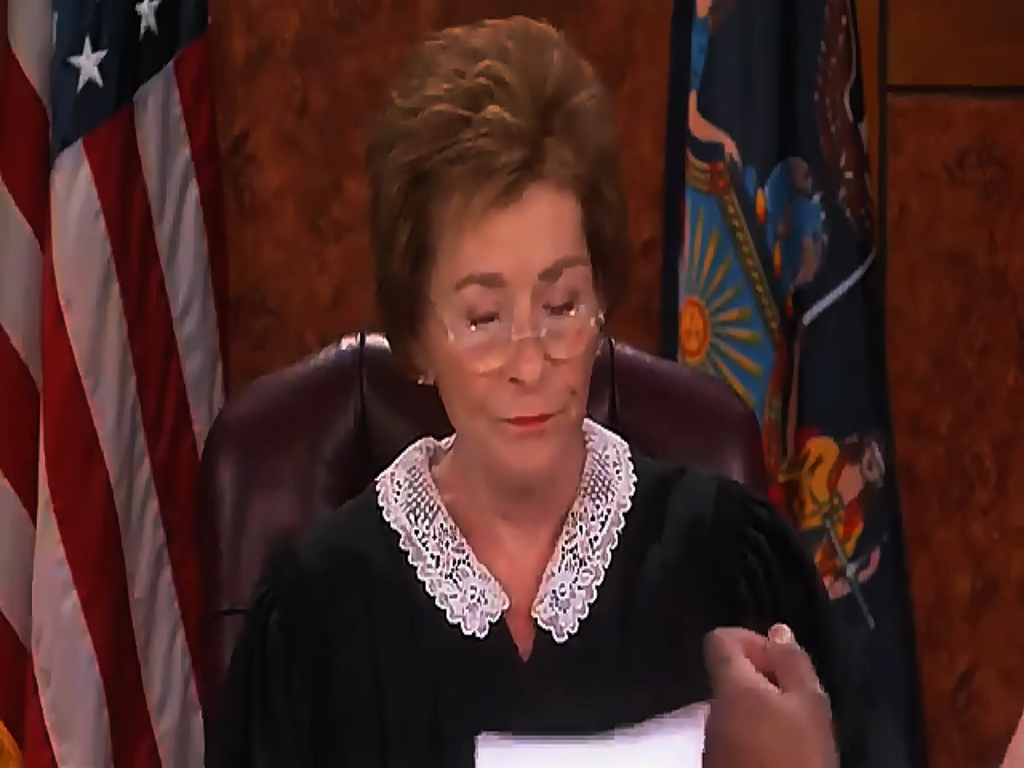
When asked again what caused the argument, Miller offered a different account. He said Anderson asked him to load a bowl of cannabis for them to smoke. Miller took cannabis from a jar that belonged to Anderson. According to Miller, Anderson then became angry because Miller had used Anderson’s marijuana rather than his own and threw the jar at him.
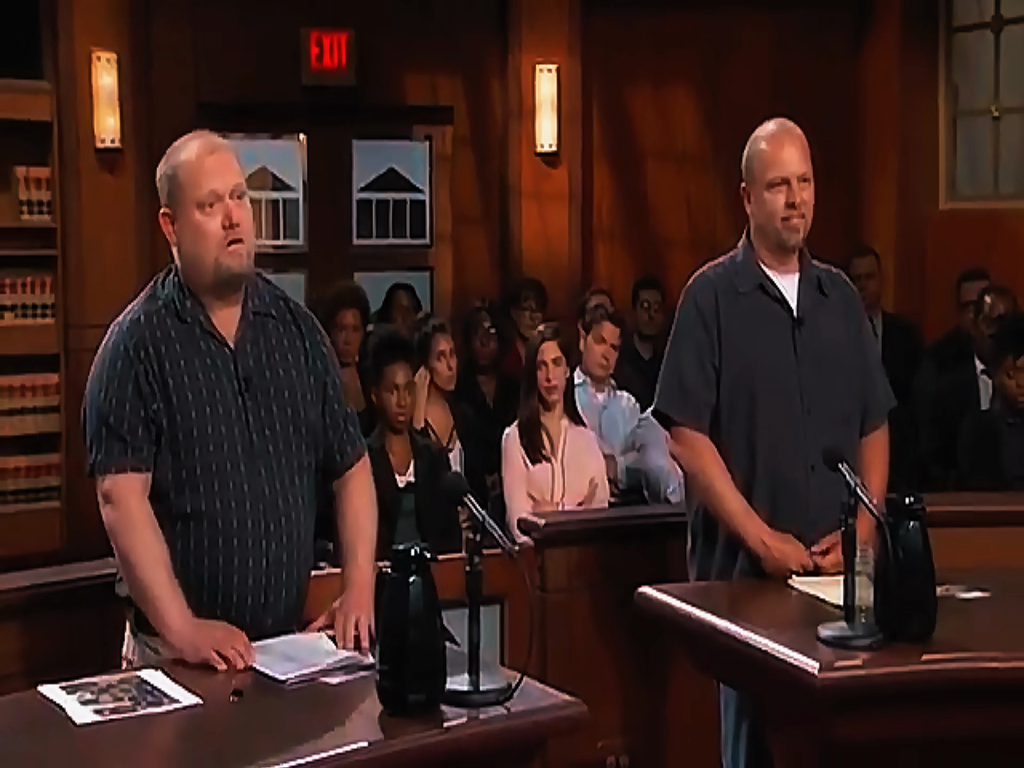
This account shifted the center of the dispute away from zoning or location concerns and toward possession and use of the marijuana already inside the house. The judge’s questioning exposed the gap between Miller’s first explanation and the more immediate trigger he later described.
Licenses and Legality
Miller also testified that Anderson removed a posted authorization or license from the growing area and told him that he was now operating illegally. Miller explained that licenses were posted near the grow tent and claimed Anderson’s removal of his authorization had been deliberate. He further alleged that Anderson taunted him after taking it down.
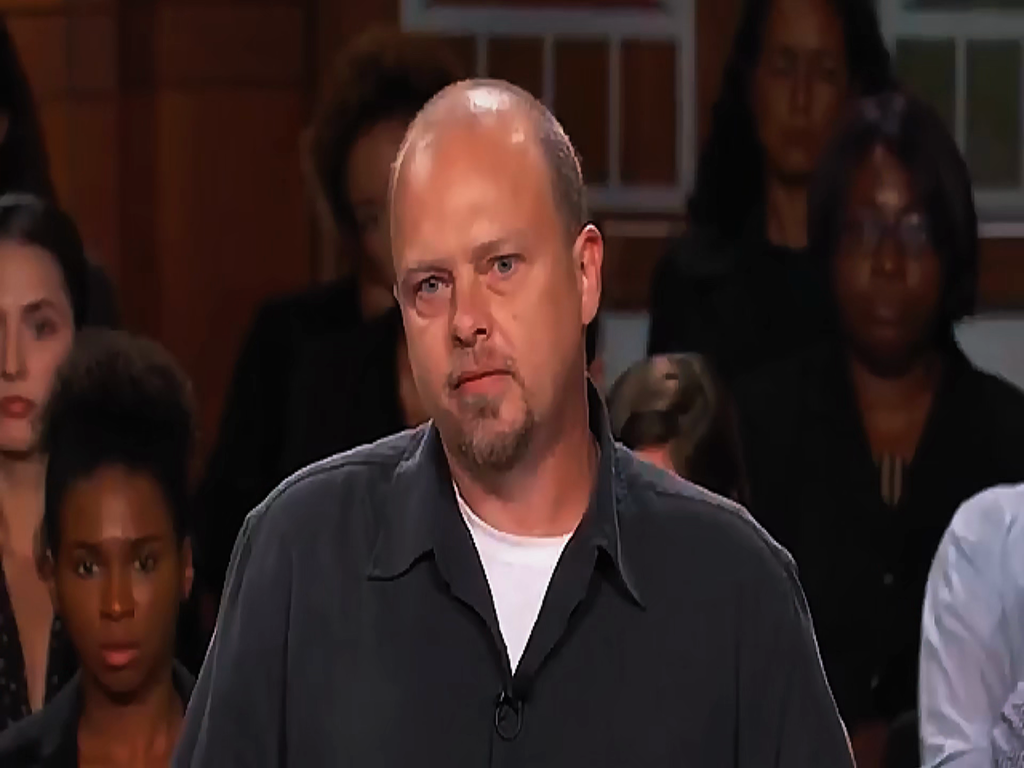
The court did not issue a detailed ruling on Washington marijuana regulations in the transcript. At the beginning of the hearing, the judge questioned both men about the difference between medical and recreational marijuana. Anderson and Miller maintained that their activity was legal, but their own testimony revealed uncertainty about the rules and the exact timing of legalization.
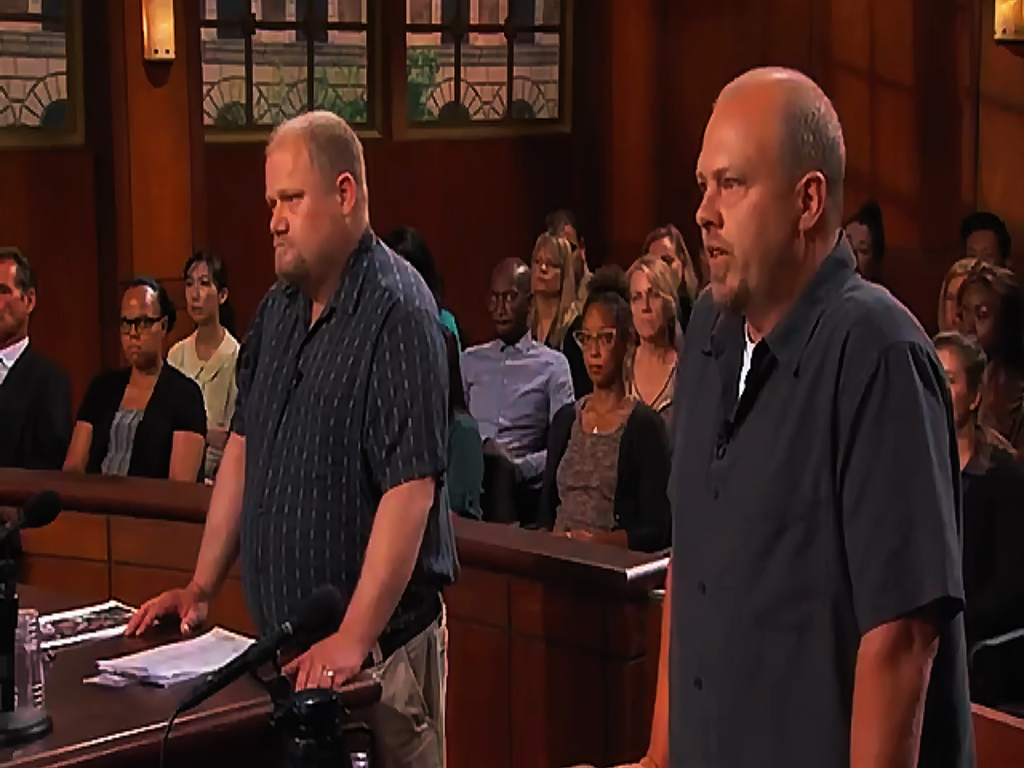
For accuracy, the legal status of the grow cannot be resolved solely from their statements. What the transcript establishes is that legality became part of their disagreement and that Miller used the location and licensing issues to explain why he wanted to withdraw from the arrangement.
Why the Court Ended the Case
After hearing the competing stories, the judge asked Anderson whether he had found someone else to grow marijuana for him. Anderson said he was finished trying to find another person and would instead purchase recreational marijuana from a licensed store. Miller said he supplied his own.
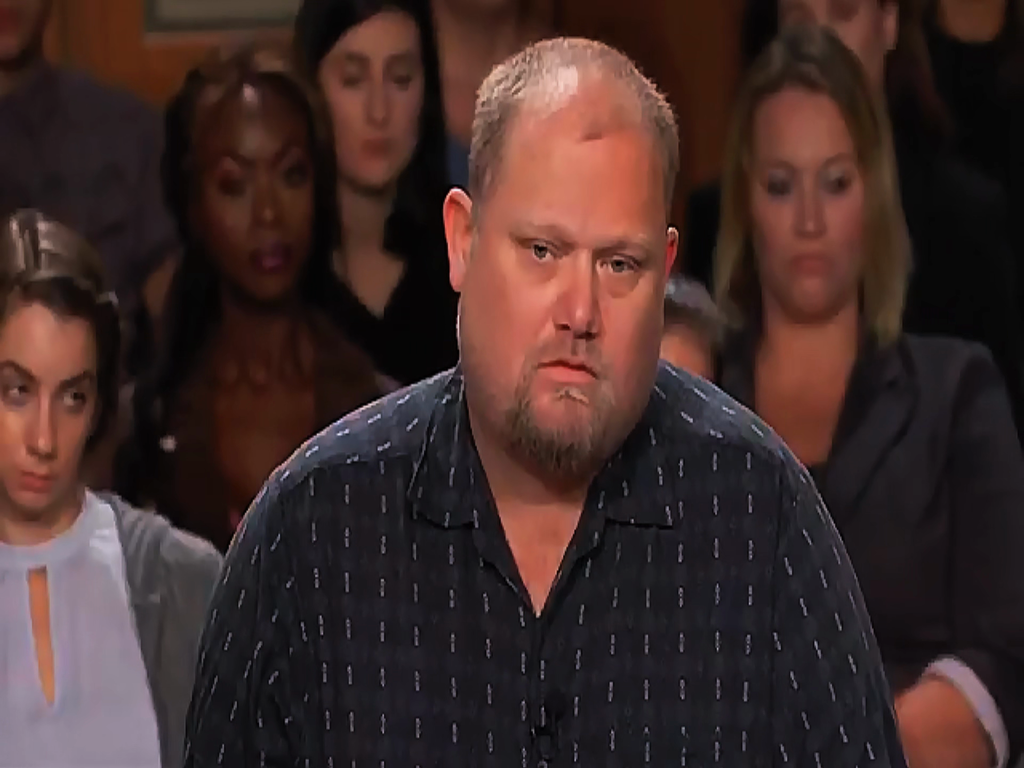
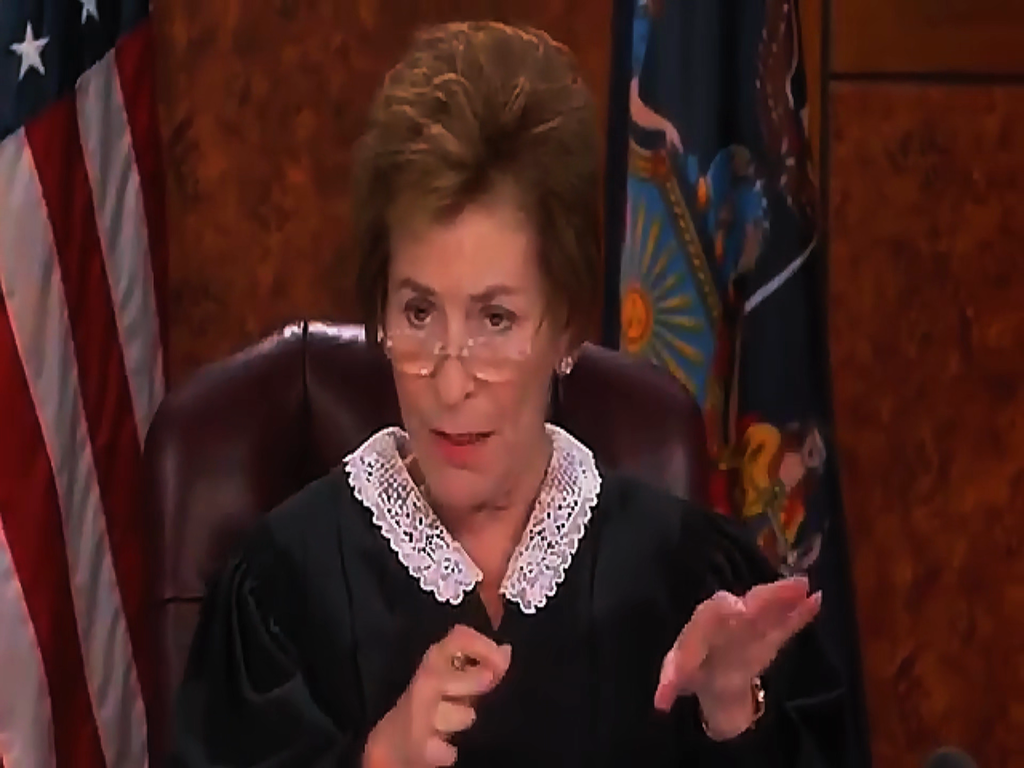
The judge then ended the case and dismissed the parties from the courtroom. The supplied transcript does not record a monetary award to Anderson or Miller, nor does it announce that either assault or property claim had been proven. The most accurate reading is therefore limited: the hearing concluded without a stated damages judgment in the transcript.
Outside the courtroom, the disagreement continued. Anderson said the plants were his and that he wanted his half returned so he could keep growing. He described Miller as cruel and suggested a personal vendetta. Miller responded with a mocking comment about Anderson’s marijuana use and speculated that a religious remark may have contributed to the anger. Those statements were the parties’ opinions after the hearing, not findings made by the judge.
What the Dispute Reveals
Anderson v. Miller shows how quickly an informal partnership can collapse when ownership, access, and exit terms are never clearly defined. Each man contributed something tangible: Anderson provided the property and operating expenses, while Miller said he supplied plants and cultivation labor. Yet the hearing revealed no shared written record explaining how the surviving plants would be divided if either man wanted to leave.
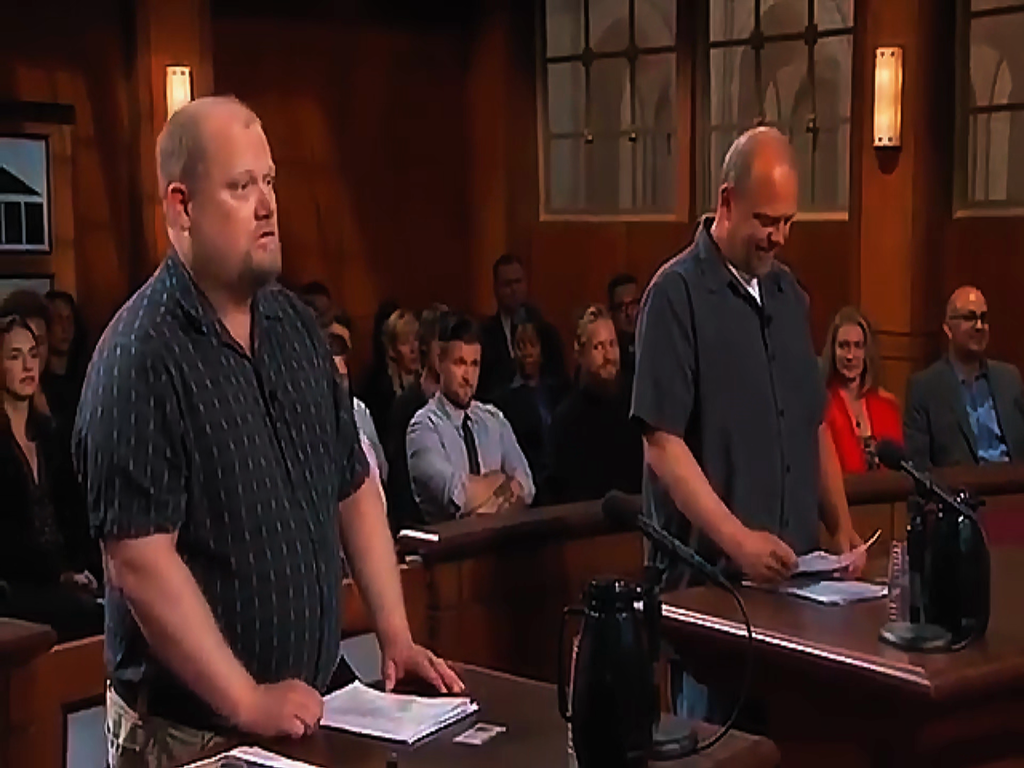
The lack of documentation was compounded by inconsistent explanations. Miller’s stated reason for ending the grow moved from concerns about a school, a mobile-home park, and residency to an argument over whose cannabis he had placed in a smoking utensil. The assault claims were also limited by the absence of medical treatment and, in the account examined by the judge, the absence of an actual strike.
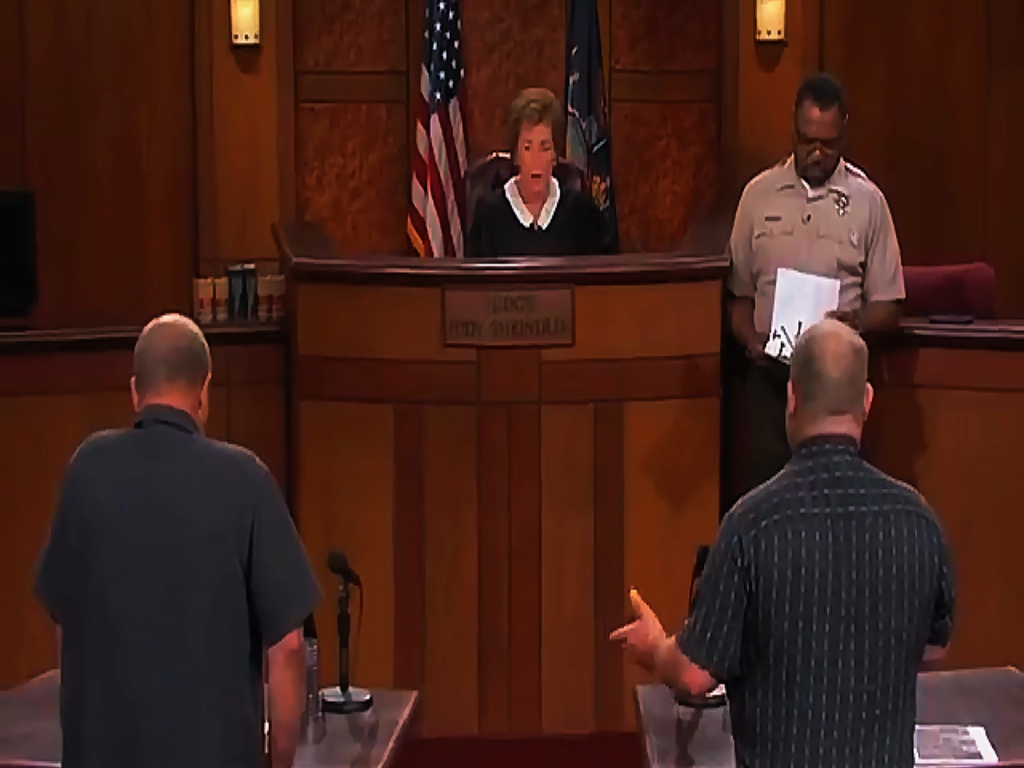
The lesson reaches beyond marijuana law. Friends entering any shared venture need written ownership terms, expense records, and a clear process for ending the arrangement. When those safeguards are missing, personal trust may be the only structure holding the partnership together. Once that trust disappears, even basic facts can become impossible to agree upon.
(uc.)
FAQ
Who were D J Anderson and Timothy Miller?
D.J. Anderson and Timothy Miller were former friends who shared a marijuana-growing arrangement in Washington State for their stated medical needs.
How many marijuana plants were involved?
Miller testified that he brought 30 plants, divided 15 for each man. He said two died, leaving 28 plants.
What happened during the January 3 confrontation?
Miller alleged that Anderson grabbed him and reached back as if to strike him. The police-report narrative discussed in court indicated that no blow landed and no injuries were documented.
Why did Timothy Miller say he wanted to stop growing?
Miller raised concerns about the grow’s proximity to a school and mobile-home park, Anderson’s residency, and the status of a posted license. He later described an argument over using marijuana from Anderson’s jar.
Who won Anderson v Miller?
The supplied transcript ends without a stated monetary award or an express finding that either man proved his property or assault claims.
Sources
Judge Judy, the supplied courtroom transcript involving D.J. Anderson and Timothy Miller.
The parties’ post-hearing accusations are attributed to them and are not presented as findings of the court.