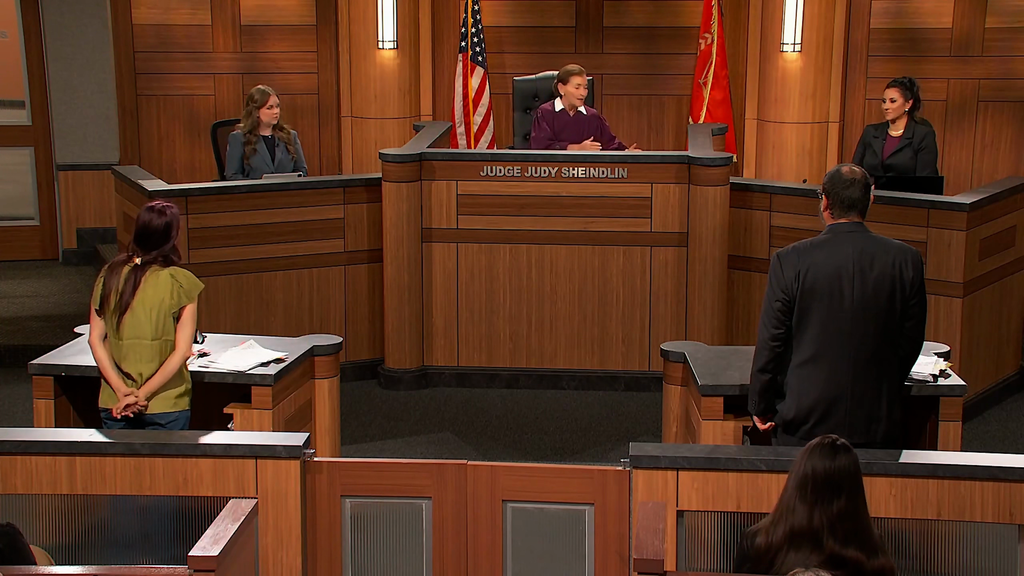
For years, Nathan Burnham and Heather Bischoff’s relationship played out across courtrooms, custody schedules and hundreds of miles of California highway. They shared two young sons—but little agreement about access, housing or where the children should live. Then Bischoff sought to move to Missouri, and another restraining-order request followed. When Burnham sued for $10,000, the court had to decide whether the filings reflected genuine danger—or had become leverage in a bitter parental dispute.
(uc.)
Two Parents Living 500 Miles Apart
Nathan Burnham and Heather Bischoff had known each other for years and shared two sons, ages five and two at the time of the hearing. They disputed whether they had ever lived together, but agreed that they once lived closer to each other and were now separated by approximately 500 miles within California.
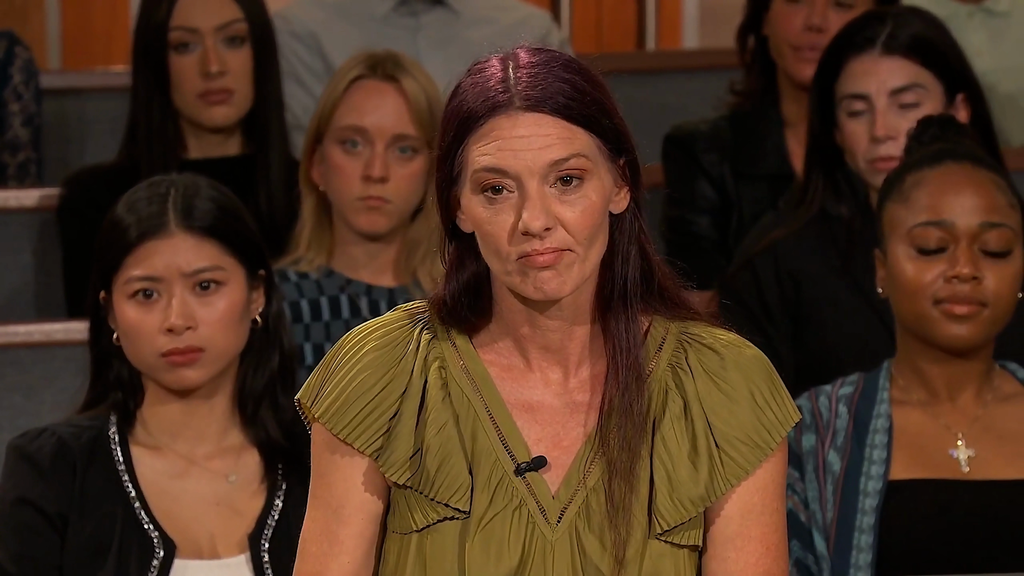
Burnham acknowledged paternity when each child was born. He said he later had to retain a lawyer to obtain enforceable parental rights. For the first child, he hired an attorney approximately seven months after the child’s birth in 2019.
An early visitation schedule gave Burnham time with the child from Monday through Friday during the third week of every month. Because he lived in San Diego and was responsible for transportation, he described traveling to collect the child, bringing the child home and later making the return trip.
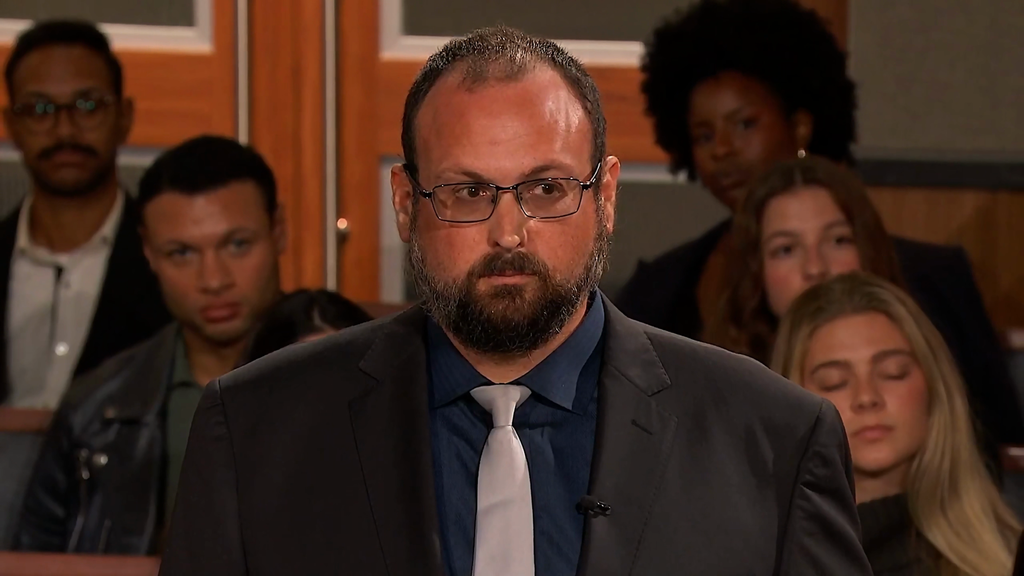
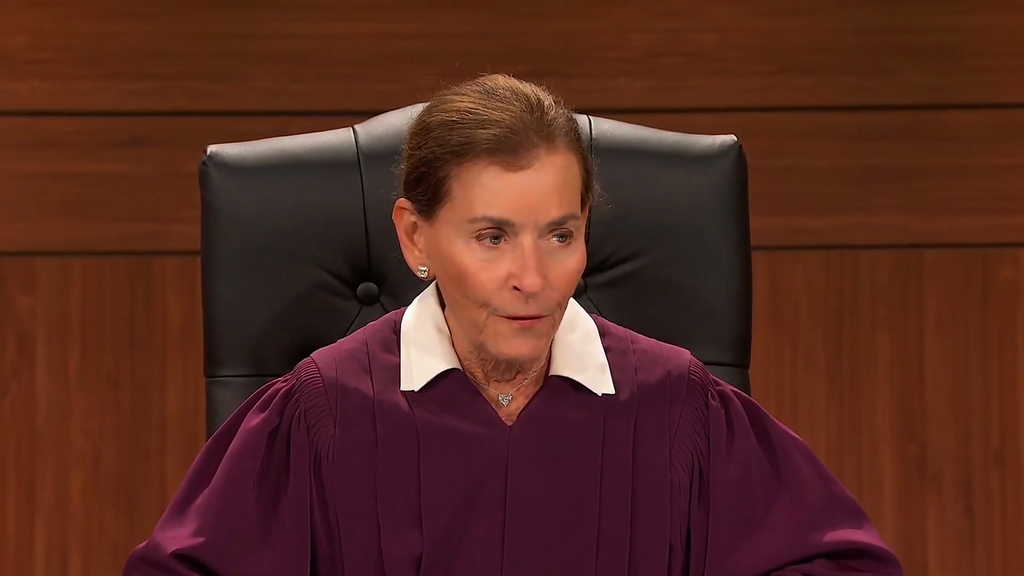
The judge immediately recognized that such a schedule would become unworkable once a child entered school. By the hearing, the parents were engaged in further arbitration to develop a more permanent arrangement.
That unresolved custody conflict formed the background of Burnham’s lawsuit. He alleged that Bischoff repeatedly sought restraining orders using false claims, forcing him to incur legal fees, travel expenses and lost wages. He asked for $10,000.
Bischoff maintained that her filings arose from conduct she considered threatening. The court examined each application and what happened after it was filed.
The First Protective-Order Filing in 2019
Bischoff said she first sought a protective order in July 2019. Her request for emergency relief was denied, and she later dropped the case.
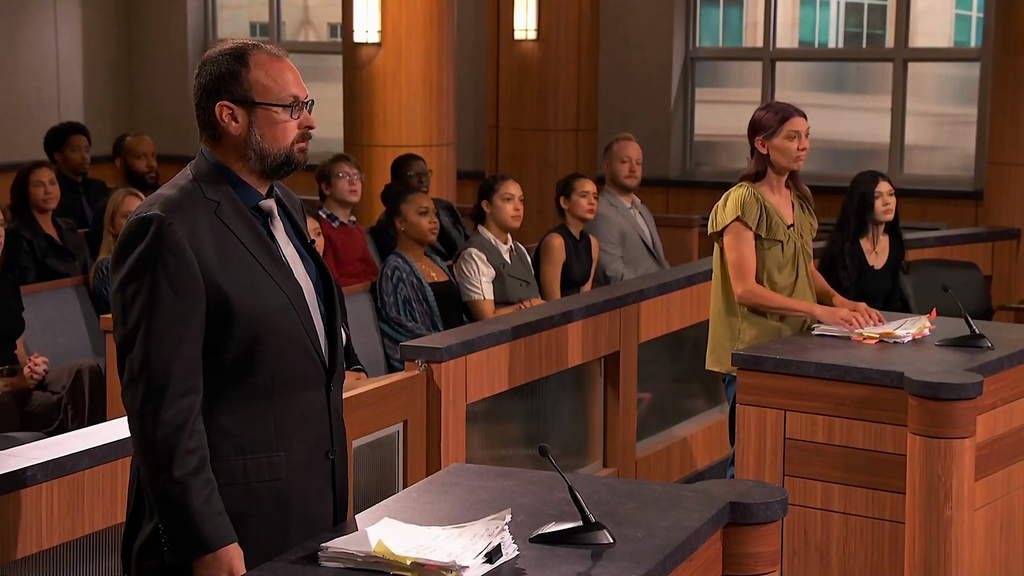
The filing did not end the relationship between the parties. The transcript establishes that they went on to have two children together. That sequence mattered because the court was assessing a pattern of applications extending across several years rather than one isolated event.
A dismissed or withdrawn request does not by itself prove that every allegation was false. Protective-order proceedings may end for many reasons. In this case, however, Burnham argued that the repeated filings created a cumulative financial burden and interfered with his effort to maintain a relationship with his children.
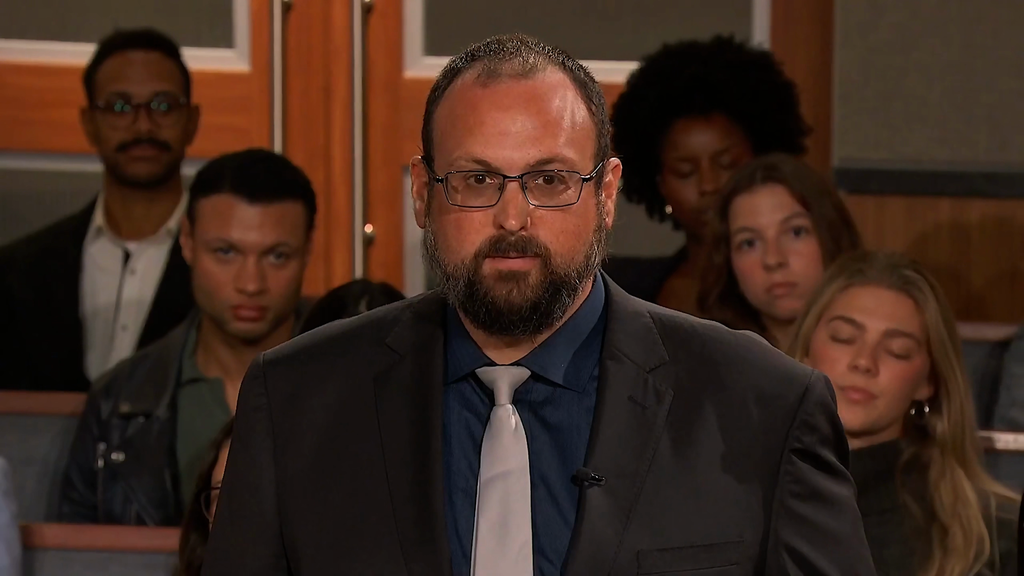
The judge therefore tracked not only whether temporary relief had been issued, but whether any application ultimately resulted in a final protective order after both parties had an opportunity to be heard.
None did.
An Emergency Order in December 2021
The second episode arose in December 2021. Bischoff said police came to her home and a judge issued an emergency protective order, commonly called an EPO.
That order was temporary. There was no later hearing that converted it into a final order, and Bischoff did not pursue it. Under questioning, she agreed that the matter was ultimately withdrawn or dismissed.
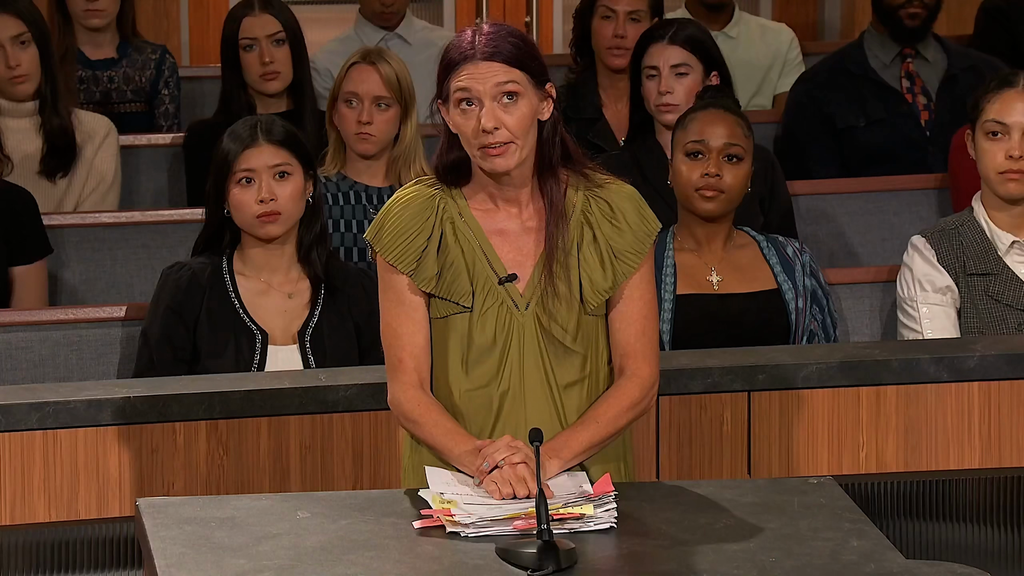
The underlying allegation was serious. In a later application, Bischoff described an incident dated December 17, 2021, when the younger child had been born prematurely and was in the neonatal intensive care unit. She alleged that Burnham came to her home, argued with her after directing her to clean the garage and struck her in the face before leaving for San Diego.
Burnham denied the account. He told the court he had been criminally charged but claimed the matter was dismissed after the criminal court determined that Bischoff had lied. He did not have the criminal paperwork with him, so the court did not independently verify that characterization during the hearing shown in the transcript.
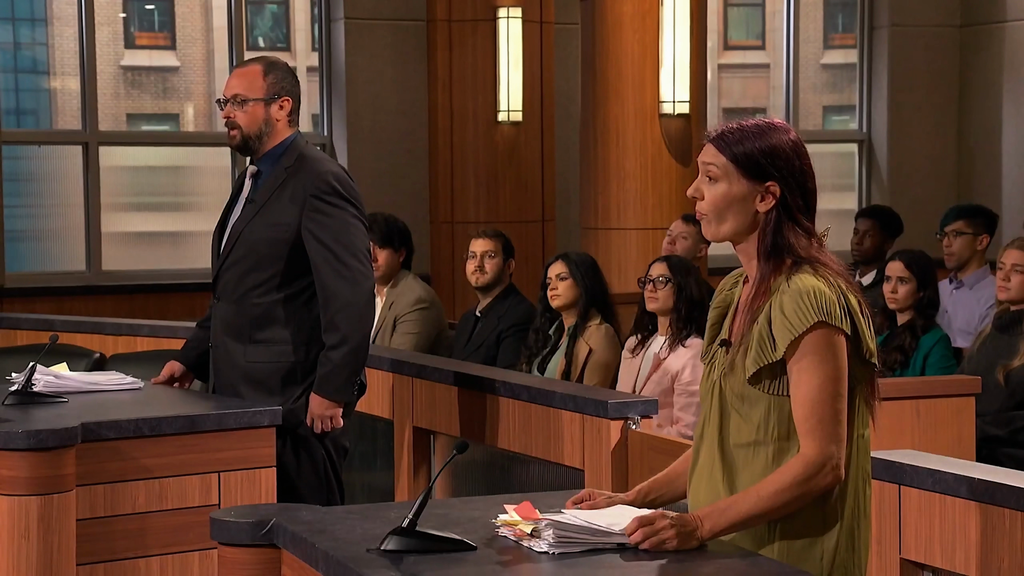
For responsible reporting, the alleged physical act must therefore remain attributed to Bischoff, while Burnham’s account of the criminal outcome must remain attributed to him. The established procedural point is narrower: the emergency order did not become final.
The January 2024 Application
Bischoff filed another request in January 2024. She was denied a temporary restraining order. The case later proceeded to a hearing at which both parties testified, and the judge dismissed it.
That application became the center of Burnham’s claim for damages.
The request relied in part on incidents that were already old. Bischoff included the December 2021 allegation and described another confrontation on November 24, 2022 involving Burnham and her daughter. According to the application as read in court, Burnham used offensive language, told the daughter to leave the house and then left himself.
At that time, Burnham owned the home in which Bischoff lived, while Bischoff paid rent. The housing arrangement added another layer to an already complicated parental conflict: Burnham was simultaneously the children’s father and the owner of Bischoff’s residence.

The judge questioned why a January 2024 emergency request relied so heavily on events from 2021 and 2022. Emergency protection ordinarily requires a recent or imminent threat. Bischoff said her filing was also based on emails from late 2023, which the court then examined.
Another Filing on June 24
Bischoff sought protective relief again on June 24, 2024, saying threats had been made against her. A temporary order was issued without Burnham initially present.
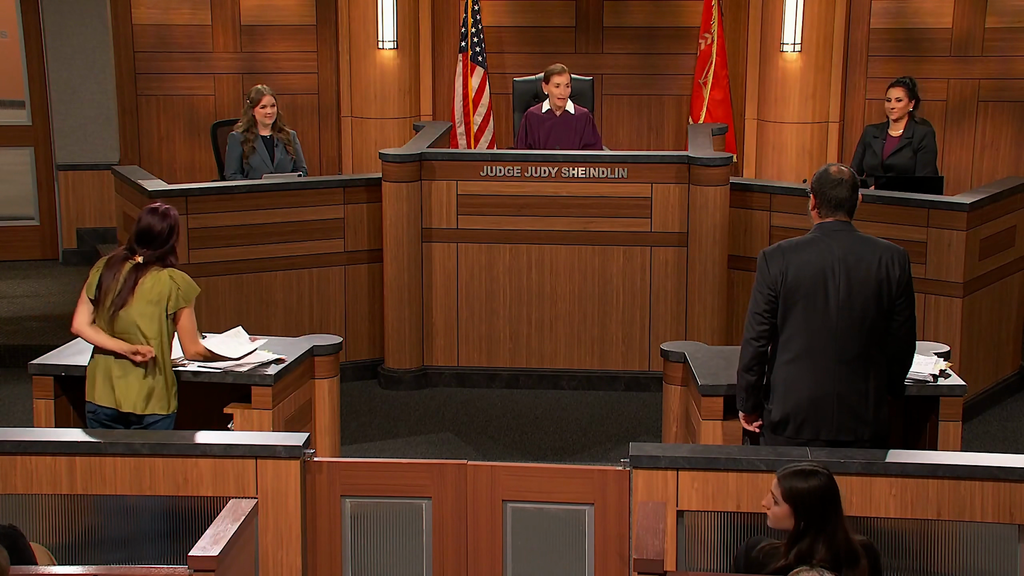
The parties later appeared before a judge and gave testimony. Bischoff characterized what followed as a direction to refile in a different county, but the written order revealed a more complicated procedural decision.
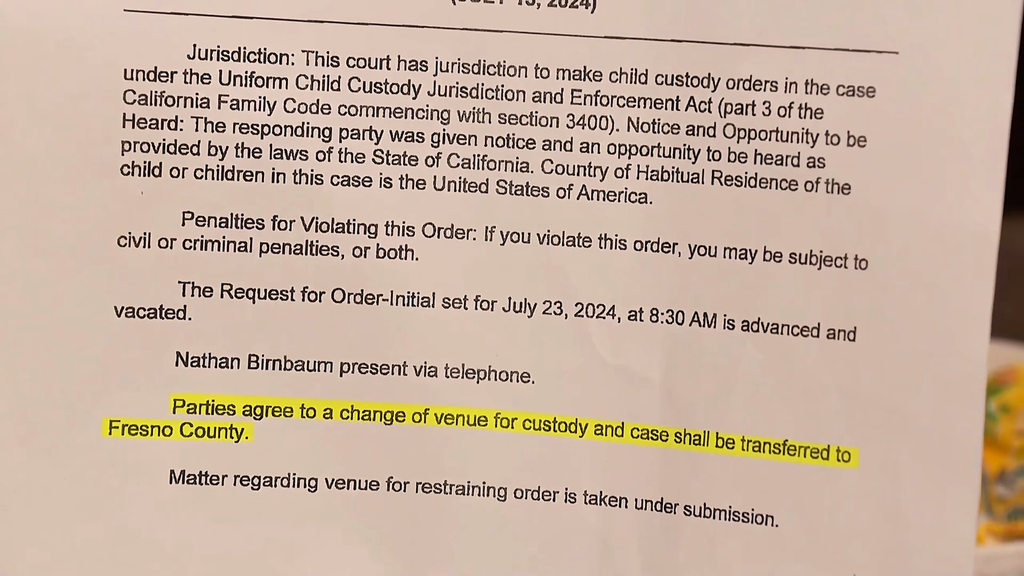
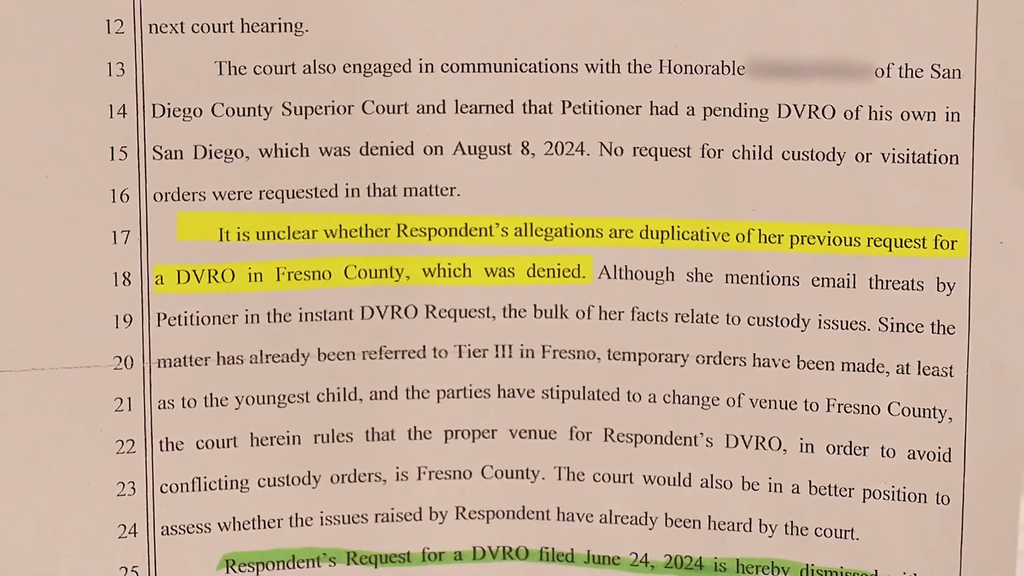
The parties had agreed to transfer the custody matter to Fresno County. The court considering the later restraining-order request contacted the Fresno judge because it was unclear whether Bischoff’s new allegations duplicated claims already presented there. To avoid conflicting custody orders, the judge found Fresno to be the proper venue for deciding the restraining-order issues.
Bischoff did not pursue the application in Fresno. She said the courthouse was approximately two and a half hours away.
The result was the same as in the earlier cases: no final protective order was entered.
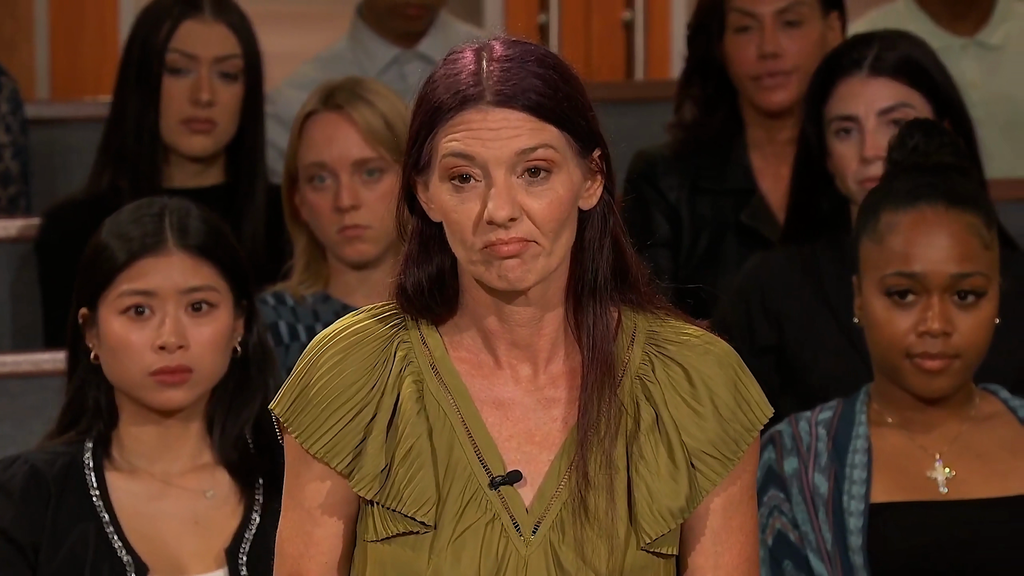
The court hearing Burnham’s damages claim rejected the idea that Bischoff had simply been granted continuing protection and instructed to repeat the paperwork elsewhere. Instead, the venue ruling reflected concern about overlapping allegations and the need for the court already handling custody to determine whether the issues had been heard before.
The Proposed Move to Missouri
The restraining-order timeline intersected with a separate dispute over Bischoff’s plan to relocate to Missouri, where her sister lived.
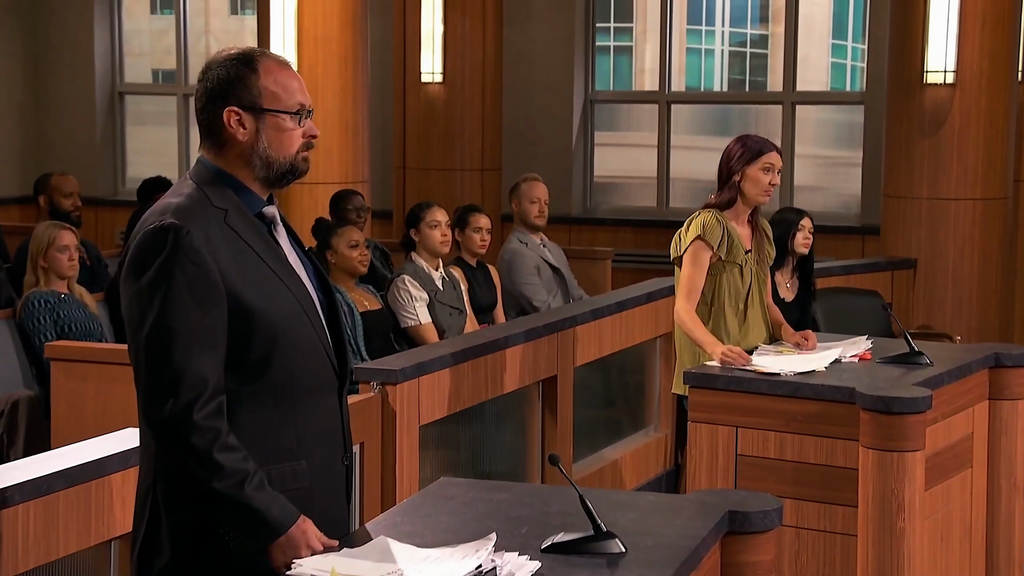
Bischoff said the possibility had been discussed with Burnham beginning in October. Burnham opposed taking the children out of California, and the court denied Bischoff’s move-away request. Further arbitration remained pending because the parents still needed a workable custody structure while both remained in California.
Bischoff said Missouri offered better access to specialists for one child’s breathing problems, including facilities associated with Mercy Children’s Hospital. She was not employed at the time and acknowledged that the proposed relocation was not connected to a job.
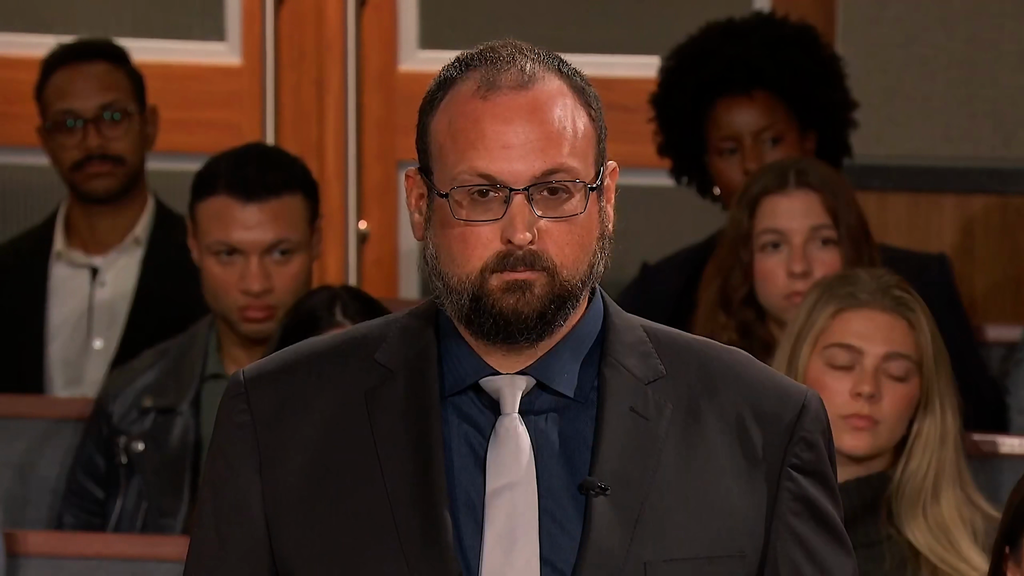
The judge openly rejected the healthcare explanation as unpersuasive, viewing proximity to Bischoff’s sister as the more likely reason for the move. The court stressed that Bischoff was free to relocate on her own, but could not simply take the children thousands of miles from a father who regularly exercised parental rights.
The proposed move became relevant to motive. The judge considered whether obtaining a restraining order could have given Bischoff an advantage in the move-away proceeding by limiting Burnham’s contact and making a long-distance schedule easier to justify.
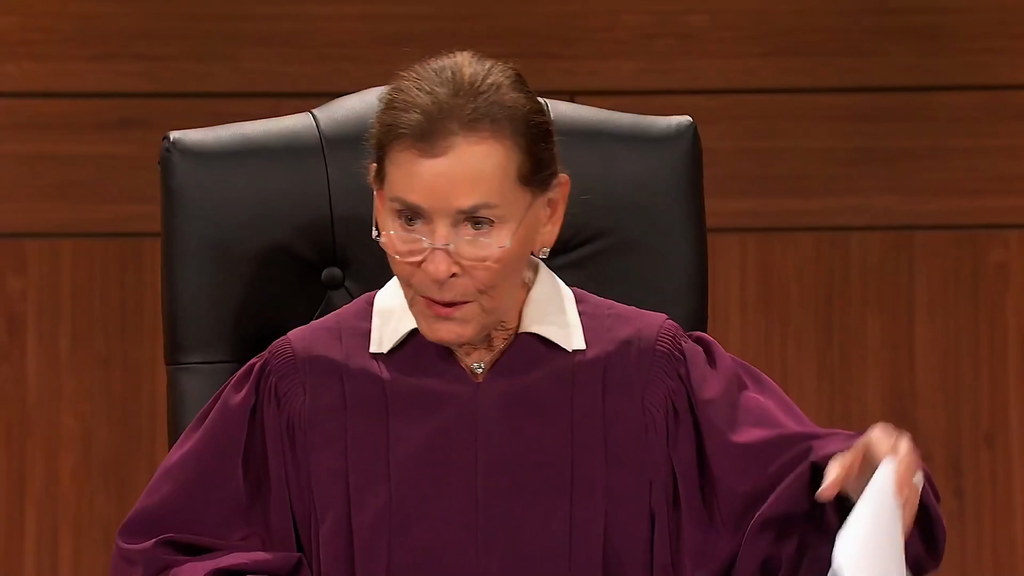
That was the theory behind Burnham’s lawsuit: the protective-order applications were not separate from the custody fight but a tool within it.
Old Allegations Reappear in a New Request
The January 2024 application described Burnham as contacting Bischoff almost every day through calls, texts or emails. Bischoff alleged that he threatened to take the children, force entry into her home and take her to court, causing anxiety and distress.
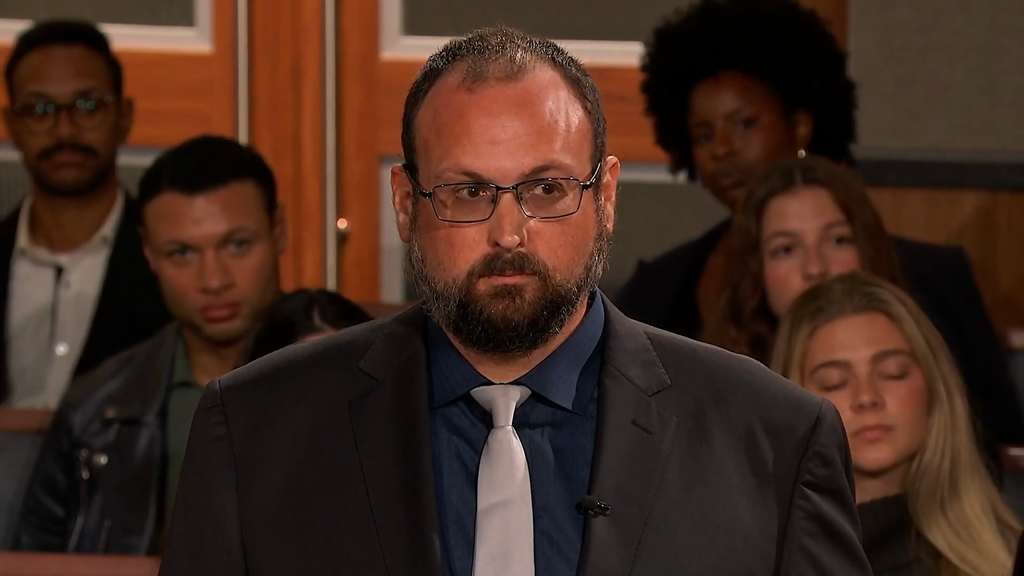
Because another judge had already dismissed the application after a hearing, the court’s role in Burnham’s case was not to reopen the same request for protection. It was to determine whether the filing was knowingly false and whether Burnham should receive monetary compensation.
The age of the cited incidents concerned the judge. A 2024 emergency filing referred to allegations from December 2021 and November 2022. That did not automatically make them irrelevant, but it weakened the claim that an immediate new danger required emergency intervention.
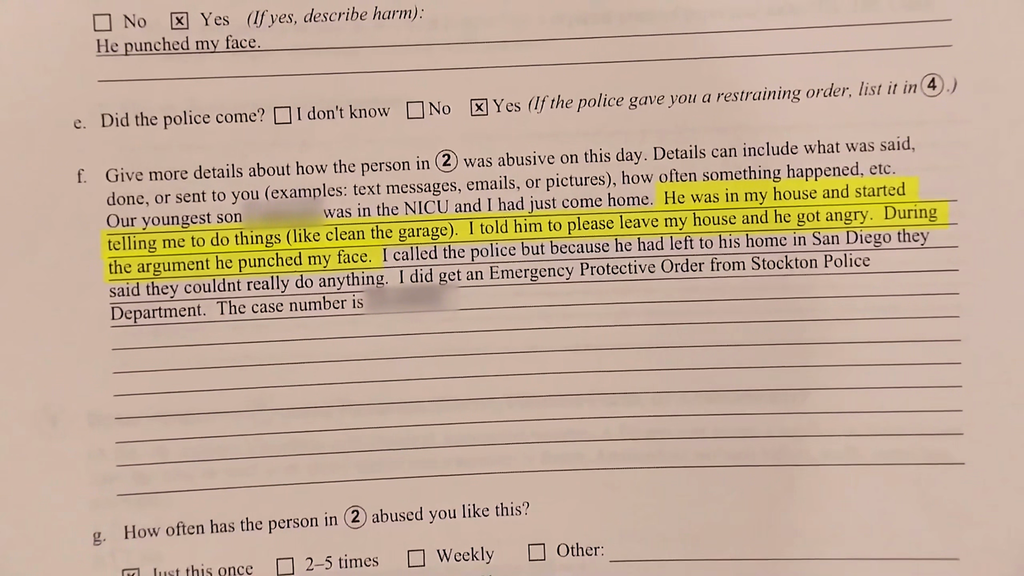
The judge then focused on the late-2023 communications that Bischoff said demonstrated current threats.
Those messages became decisive.
What the November Messages Actually Said
The court reviewed a message Burnham sent near the end of November 2023. Rather than threatening confrontation, Burnham wrote that he was no longer interested in speaking with Bischoff and asked her to leave matters there.
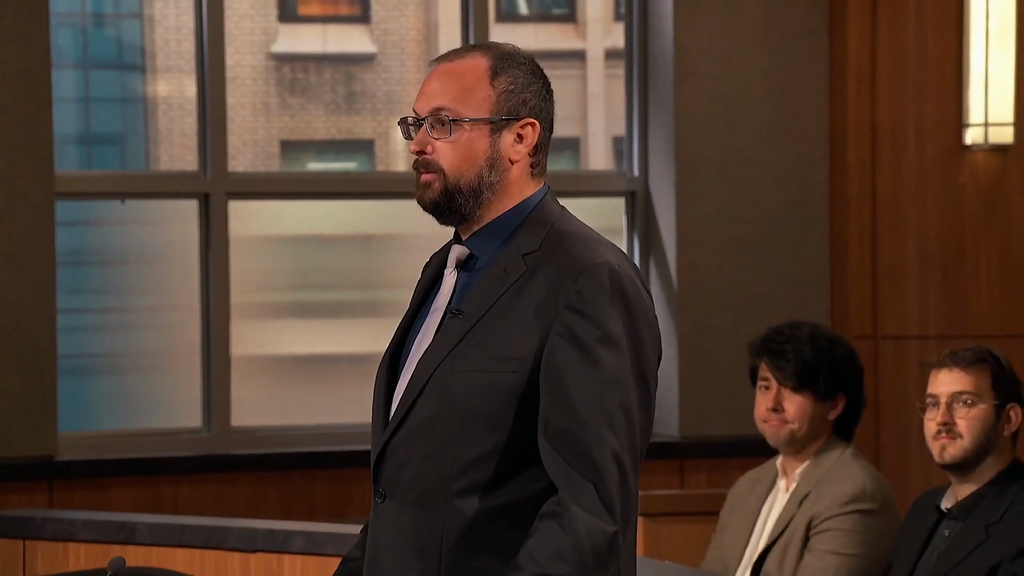
He said he did not want conflict, intended to visit the children peacefully and would then return to work. He also issued a 60-day notice to vacate the home he owned.
Bischoff viewed that residence as her home because she paid rent and held the lease. The judge separated occupancy from ownership. Burnham owned the property and was communicating that he wanted it returned after the notice period.
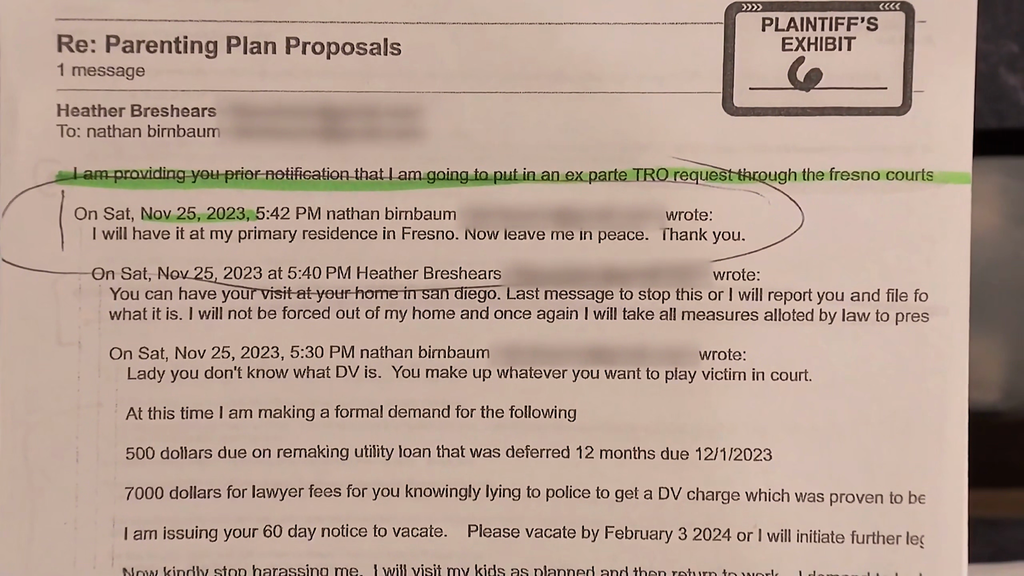
Whatever dispute the notice might create under housing law, the judge found that it did not constitute a threat supporting a restraining order. The message requested distance and established boundaries rather than announcing violence or forced entry.
The transcript shows Bischoff attempting to identify other messages, including one in which she warned Burnham that she would seek a restraining order if his conduct continued. But the judge found nothing in the communications presented that amounted to the threat Bischoff described in her application.
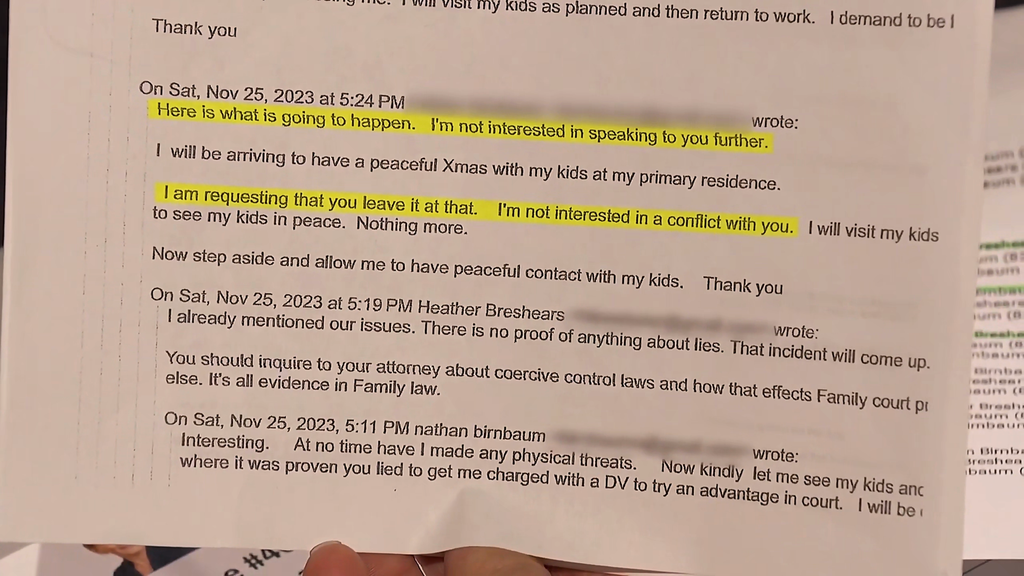
For the court, the gap between the written message and the allegations was not a minor inconsistency. It supported Burnham’s contention that the January filing lacked a truthful, immediate basis.
Why the Court Awarded $10,000
Burnham asked for the full small-claims amount of $10,000 to cover the effects of what he described as a series of false restraining-order filings, including legal costs, travel and lost wages.
The judge granted the entire amount.
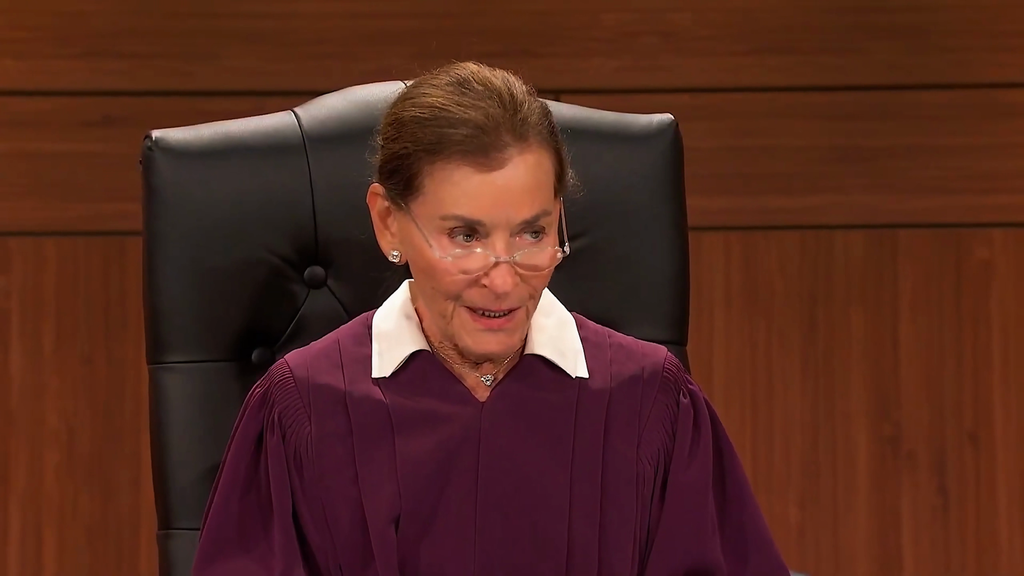
The ruling followed several findings developed during the hearing:
- Bischoff filed protective-order requests in 2019, 2021 and twice in 2024, but never obtained a final protective order.
- The January 2024 request relied partly on incidents dating back one or two years.
- The contemporaneous November 2023 message shown in court did not contain a threat supporting emergency protection.
- The later venue decision did not grant Bischoff a final order; it directed overlapping issues to the Fresno court handling custody.
- Bischoff chose not to pursue the matter there.
- The protective-order filings coincided with a contested effort to move the children to Missouri.
On that record, the judge accepted Burnham’s position and entered judgment for him for $10,000.
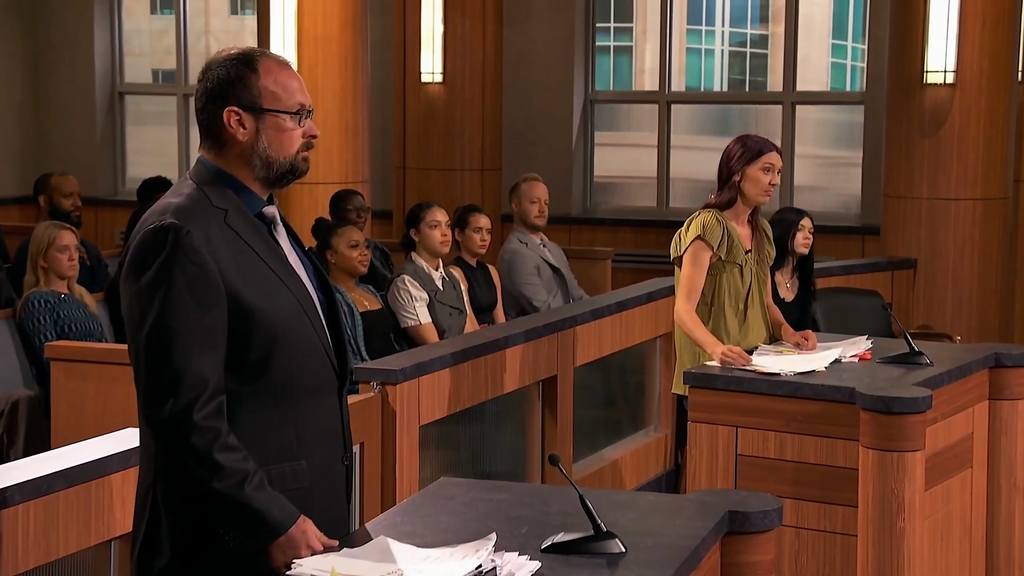
The decision did not erase every disputed incident in the former couple’s history or independently resolve every allegation of past misconduct. It addressed the claim before the court: whether Bischoff’s restraining-order filings, particularly the January 2024 application, were false and caused Burnham compensable harm.
The Conflict That Remained After Judgment
Outside the courtroom, neither parent described the dispute as finished.
Burnham said the court had seen through Bischoff’s conduct. He said he wanted to see his children and avoid further conflict with her.
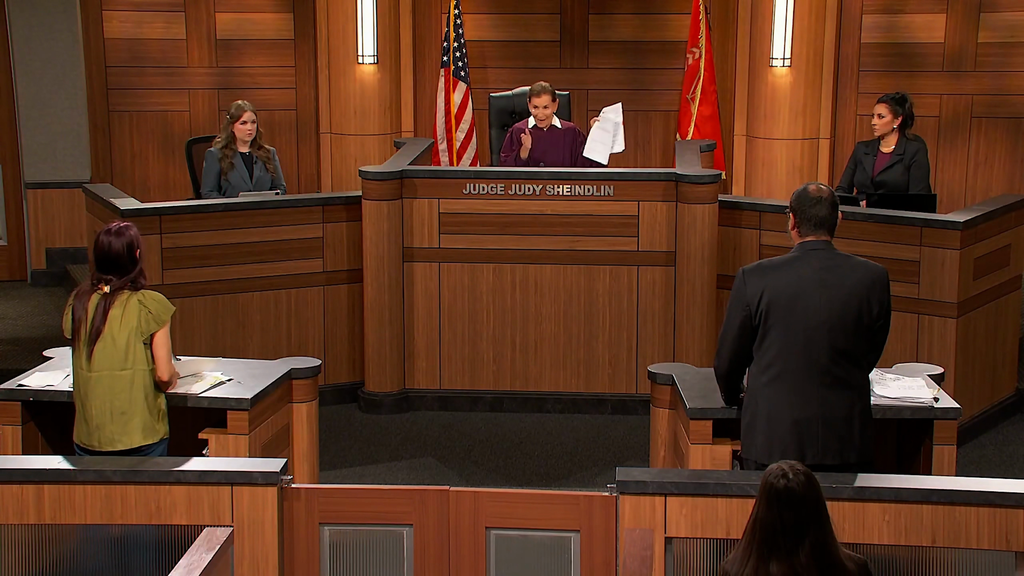
Bischoff said she wanted Burnham to focus on the children rather than arguments with her, suggesting that greater involvement would benefit everyone. The parents remained headed toward arbitration over the practical structure of custody while living far apart.
The post-hearing discussion emphasized that fathers and mothers hold equal parental rights. A parent may relocate personally, but moving children far from an involved co-parent requires court approval and a plan that protects the children’s relationship with both parents.
The ruling therefore ended one damages claim but not the family’s underlying challenge. Burnham and Bischoff still had to build a workable arrangement across distance, distrust and years of litigation.
For their two sons, the most important outcome would not be another order. It would be a stable plan in which neither child becomes evidence, leverage or a messenger between adults.
(uc.)
FAQ
Who were the parties in the false restraining-order case?
Nathan Burnham was the plaintiff, and Heather Bischoff was his former partner and the mother of their two sons. The children were five and two at the time of the hearing.
How many times did Heather Bischoff seek protective relief?
The hearing discussed a July 2019 application, a December 2021 emergency order, a January 2024 request and another filing on June 24, 2024. None resulted in a final protective order.
Why did the Missouri relocation matter?
Bischoff wanted to move to Missouri, where her sister lived, and take the children. Burnham opposed the move, and the request was denied. The judge considered whether restraining-order filings were intended to strengthen Bischoff’s position in that custody dispute.
What evidence did the court examine from November 2023?
The court read a message in which Burnham said he wanted no further conflict, planned to visit the children peacefully and gave Bischoff 60 days to leave a home he owned. The judge found no threat in that message.
How much money was Nathan Burnham awarded?
The court awarded Burnham the full $10,000 he requested for the series of restraining-order filings, legal expenses, travel and lost wages.
Sources
- Judge Judy, including testimony from Nathan Burnham and Heather Bischoff, excerpts from protective-order filings, court orders, written messages, the judgment and post-hearing discussion.