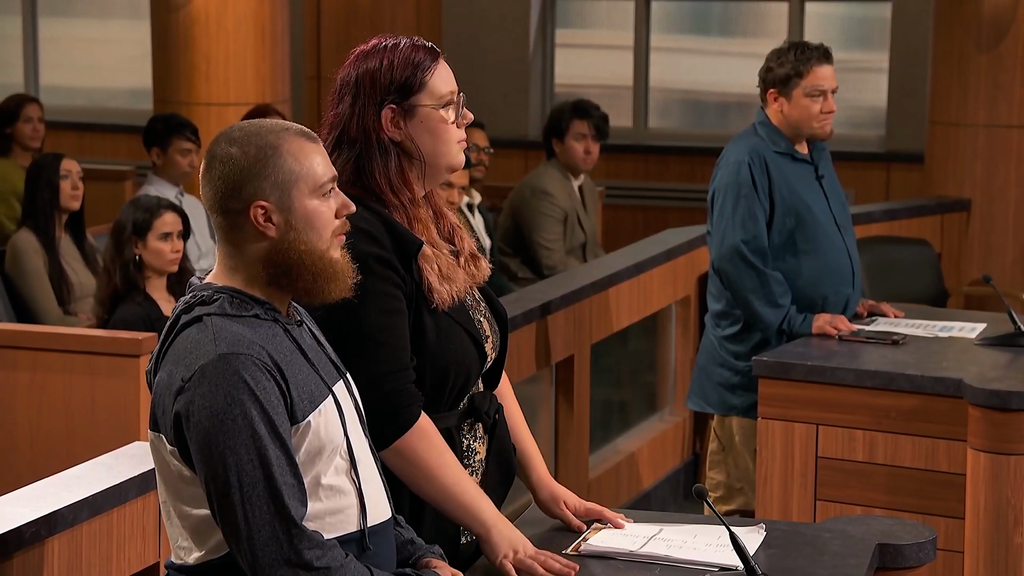
Madison and Jonathan Johnson had made a veterinary appointment for Angel, the German Shepherd they gave to their friend Ryan Livinggood. Eight months after the March 2024 appointment, Angel still had not been spayed. The Johnsons wanted her back; Livinggood insisted she belonged to him. In court, the judge asked a direct question: if Livinggood wanted to arrange and pay for the procedure himself, why had he not done it?
(uc.)
Two Puppies During a Separation
By the end of the hearing, Madison and Jonathan Johnson were focused on one thing: getting Angel home. The female German Shepherd had once been one of two puppies they bought together. They had later given her to a friend, believing he would meet the conditions they set for her care. Now the judge was preparing an order that would let them seek her return. The transcript ends before anyone retrieves Angel, but the couple’s relief after the decision shows how much the order meant to them.
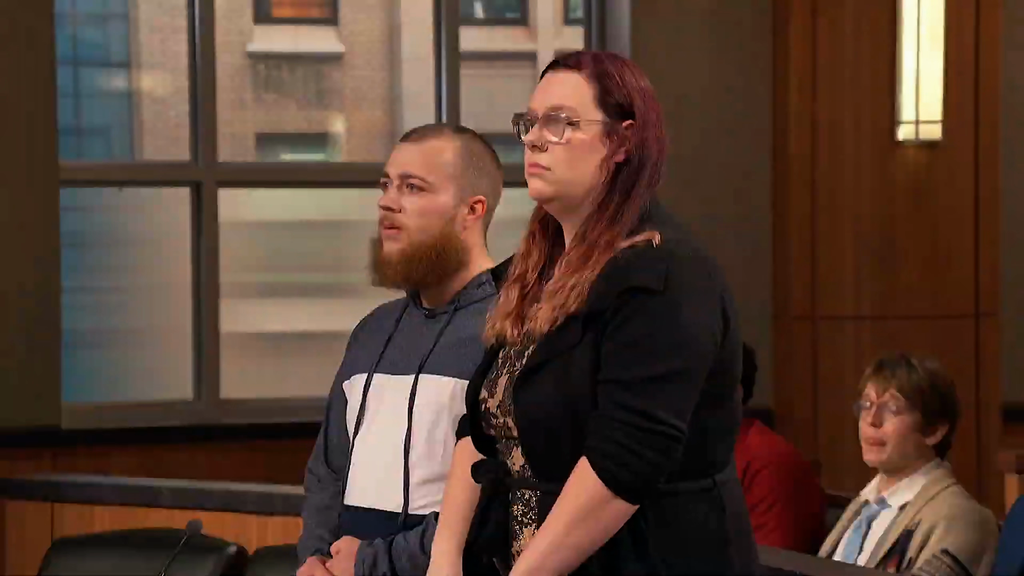
The story began during a difficult period in the Johnsons’ marriage. They told the court that they separated in November 2023 and got back together in January 2024. On December 28, between those two dates, they obtained two German Shepherd puppies from a woman in Salem, Oregon. One puppy was male, and the other was female. The female puppy became known as Angel. The couple described the purchase as something they did together, despite their separation.
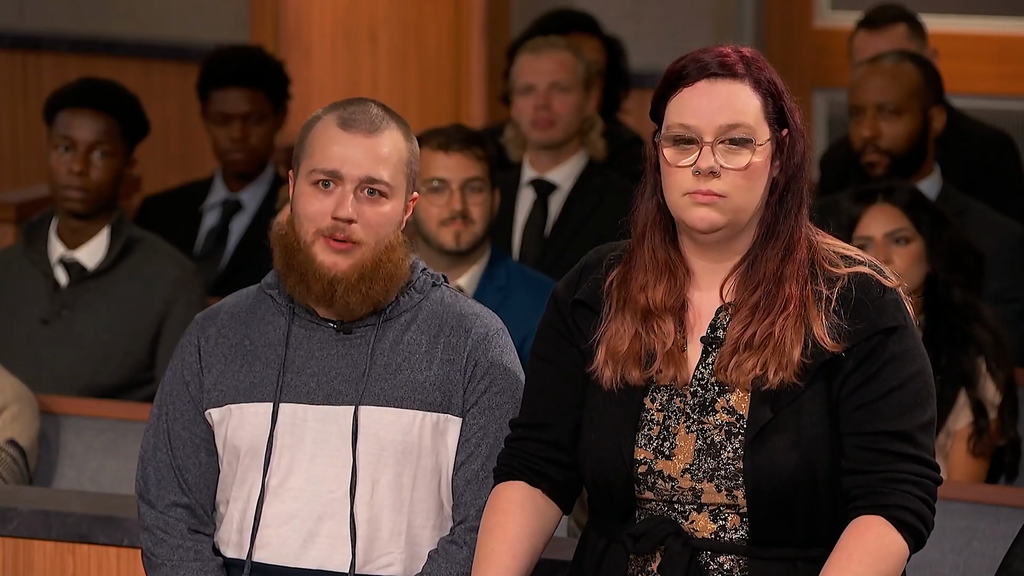
Caring for both puppies proved too much for them. The hearing does not give a detailed account of their daily routine or the exact point when they made that decision. It does establish that they chose to give one dog to someone they knew. Ryan Livinggood was their friend at the time, and they let him take Angel without paying for her. That choice created the question at the heart of the case: what, exactly, had the Johnsons agreed to give him?
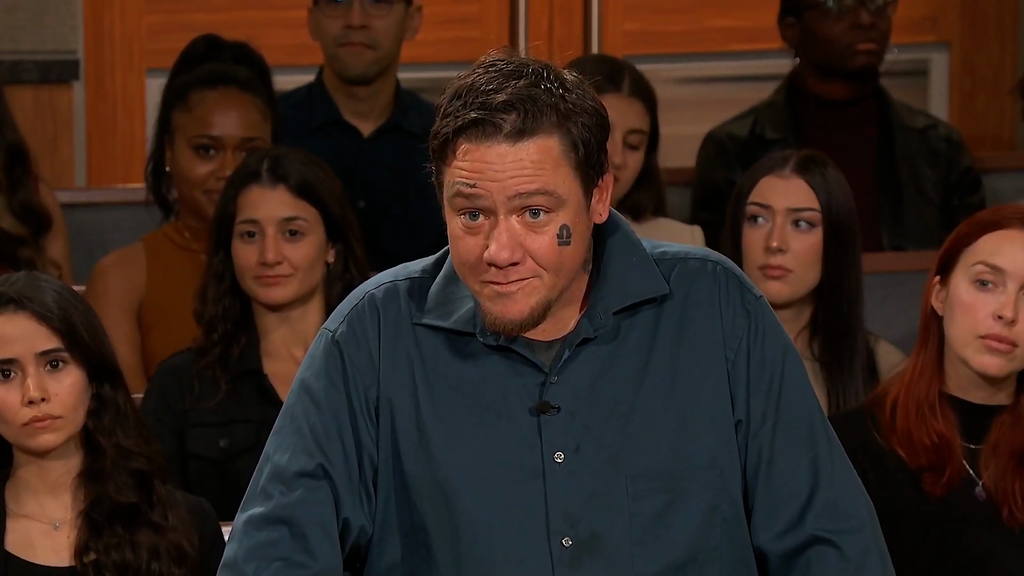
Livinggood viewed Angel as his dog. From his point of view, that gave him the right to decide when and how she received medical care. The Johnsons told a different story. They said they had agreed to give him Angel only if he provided a stable home, took proper care of her, kept up with her shots, and had her spayed. Once the friends disagreed about those terms, the transfer became more than a personal dispute. The Johnsons sued for Angel’s return and for veterinary bills.
A Gift With Conditions
The question of housing surfaced early in the hearing. When the Johnsons gave Livinggood Angel, he lived at a friend’s house. The judge asked why they considered that a stable home if stable housing was one of their conditions. After the hearing, the Johnsons explained that they had accepted the arrangement at the time. They also said they had believed Livinggood had a job, although they later questioned that belief. Those comments describe what the couple thought; the transcript does not independently establish his employment history.
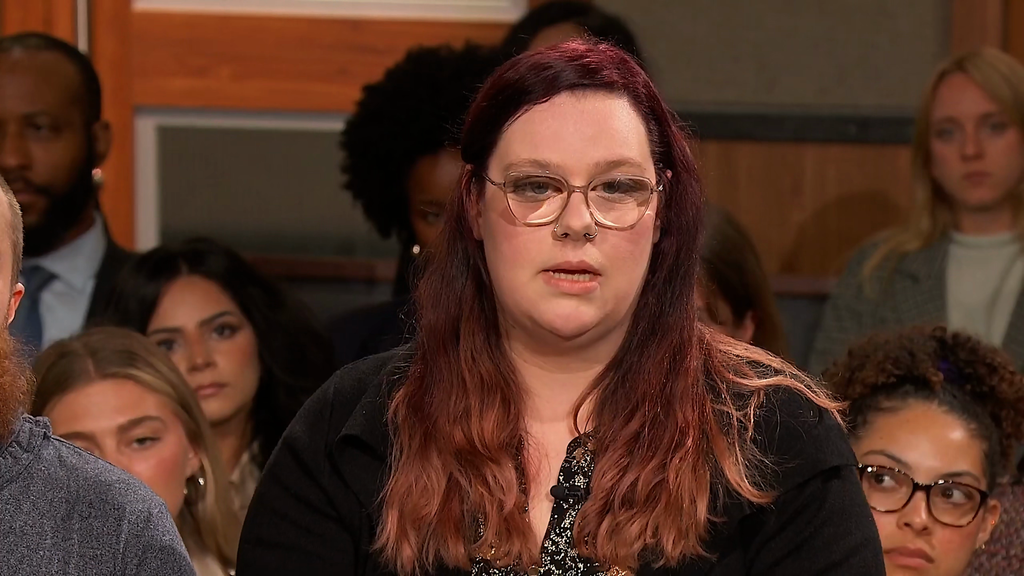
Livinggood pushed back when the judge questioned his housing and money. If he did not have a secure place of his own, he asked, why had the Johnsons given him a dog? The judge later acknowledged that the decision to give Angel to Livinggood belonged to them. Their judgment at the time did not, however, answer the question before the court. The judge still needed to decide which conditions accompanied the transfer and whether Livinggood had met them.
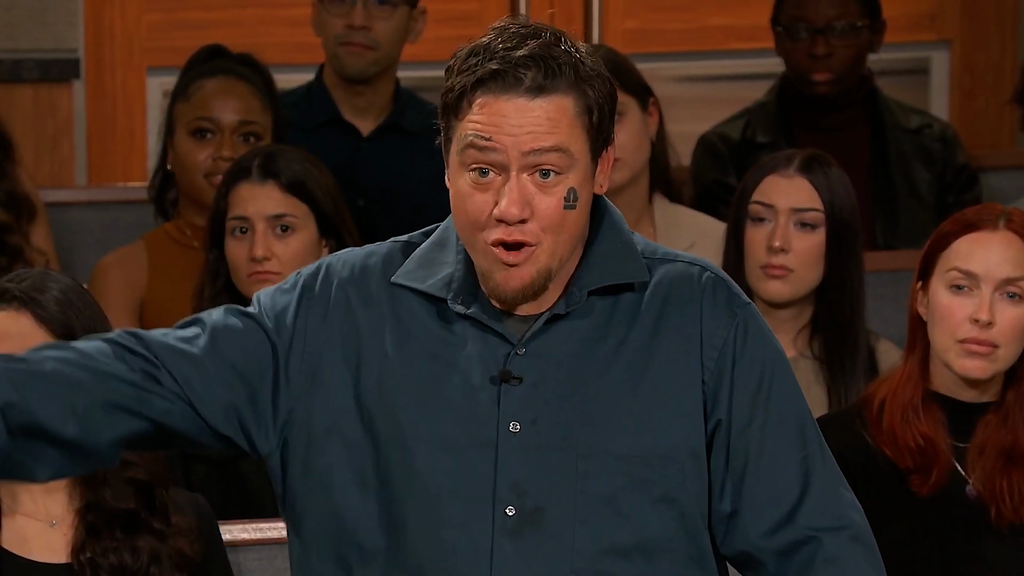
The court drew three main points from the Johnsons’ account. Angel needed a place to live. She needed to stay current on her shots. And, as a female dog, she needed to be spayed. The Johnsons also said Livinggood had to take proper care of her. These expectations may sound simple, but each side placed a different meaning on the handoff. Livinggood stressed that Angel belonged to him. The Johnsons stressed the promises they said allowed him to take her.
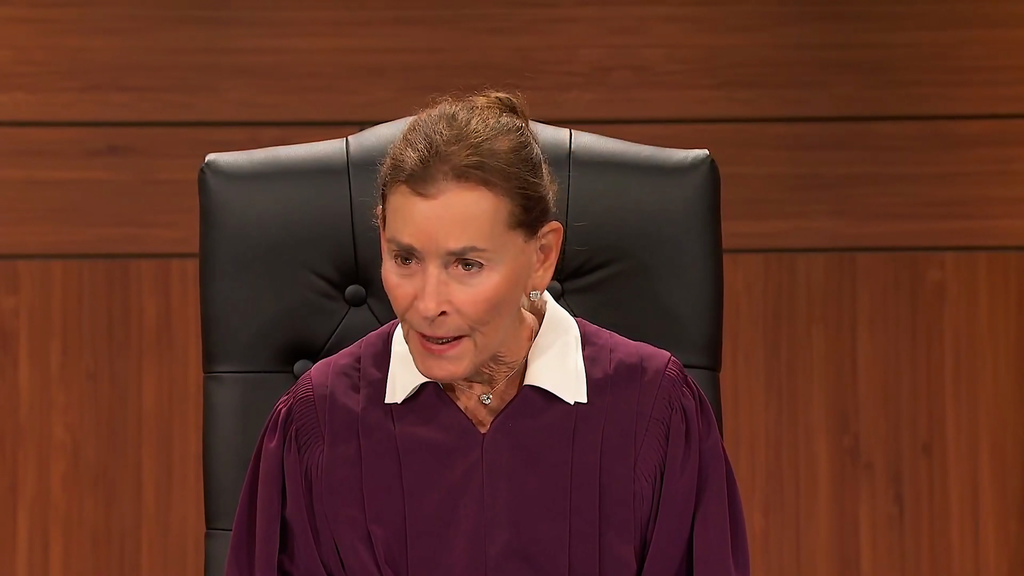
The judge did not base the case on affection for Angel or decide which person cared about her more. Instead, she examined what each side had done after the transfer. That approach mattered because the former friends disagreed about parts of their conversations. Their actions offered another way to understand the arrangement: who took Angel for care, who paid, and what happened when the next appointment came due.
The Care the Johnsons Continued to Provide
The Johnsons remained involved in Angel’s early veterinary care. Livinggood let them take her to the vet to finish her shots, and they paid for those visits. The judge returned to that point several times. Livinggood had not insisted on paying for the shots himself. He had accepted the Johnsons’ help while Angel lived with him.
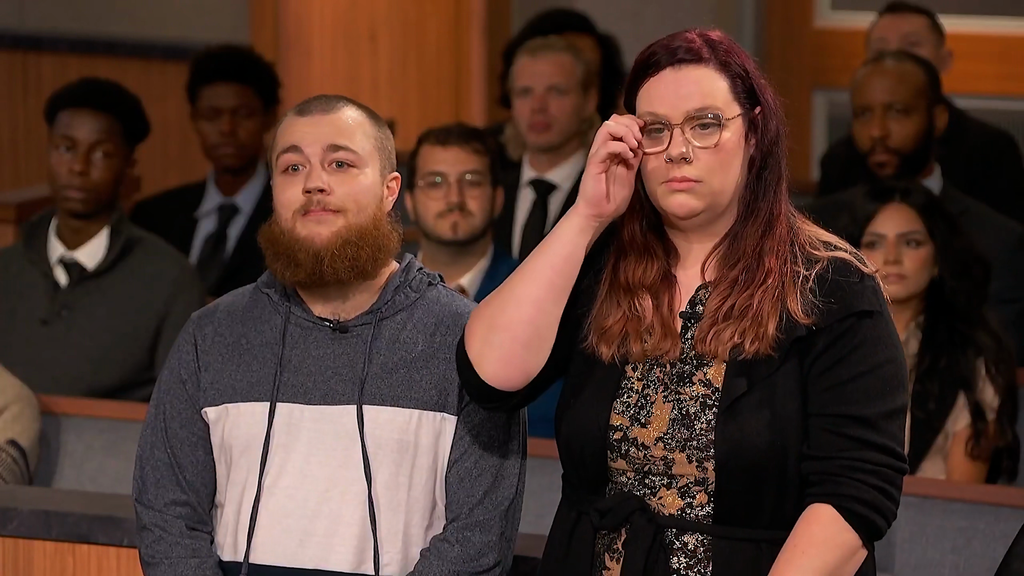
That conduct supported part of the Johnsons’ account. They had said they would make sure Angel received her shots, and they followed through. Livinggood allowed it. The court could therefore see that the handoff had not ended every part of the couple’s role in Angel’s care. Their continuing involvement did not, by itself, settle who owned the dog. It did give the judge a way to test Livinggood’s later explanation for rejecting their help.
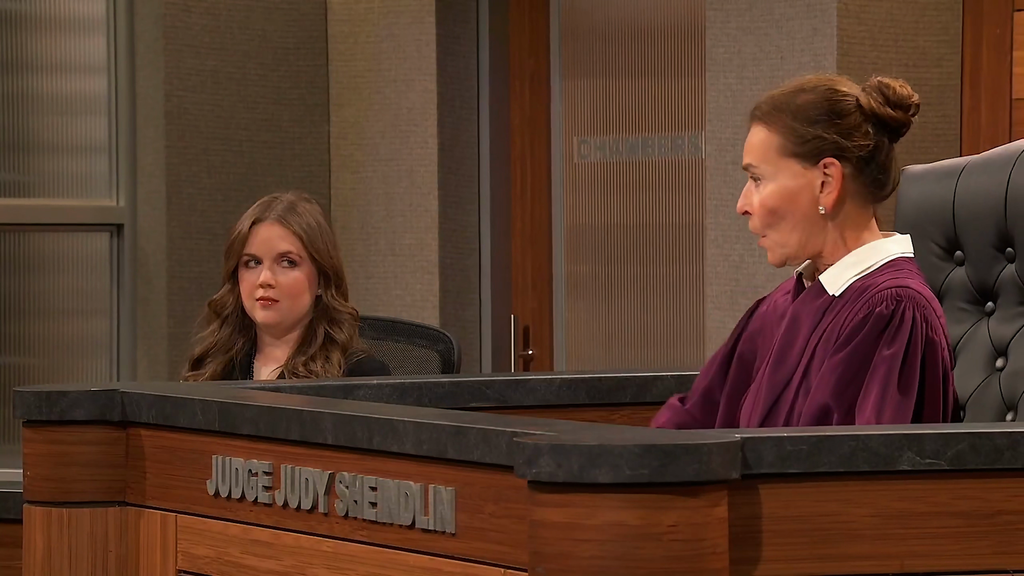
The next planned step was a spay appointment on March 12, 2024. The Johnsons said they made the appointment because spaying Angel formed part of their agreement with Livinggood. Angel did not attend. At the hearing, Livinggood disputed whether that appointment belonged to the original arrangement. He said he wanted to pay for the procedure himself and questioned why the Johnsons should arrange it for a dog he considered his own.
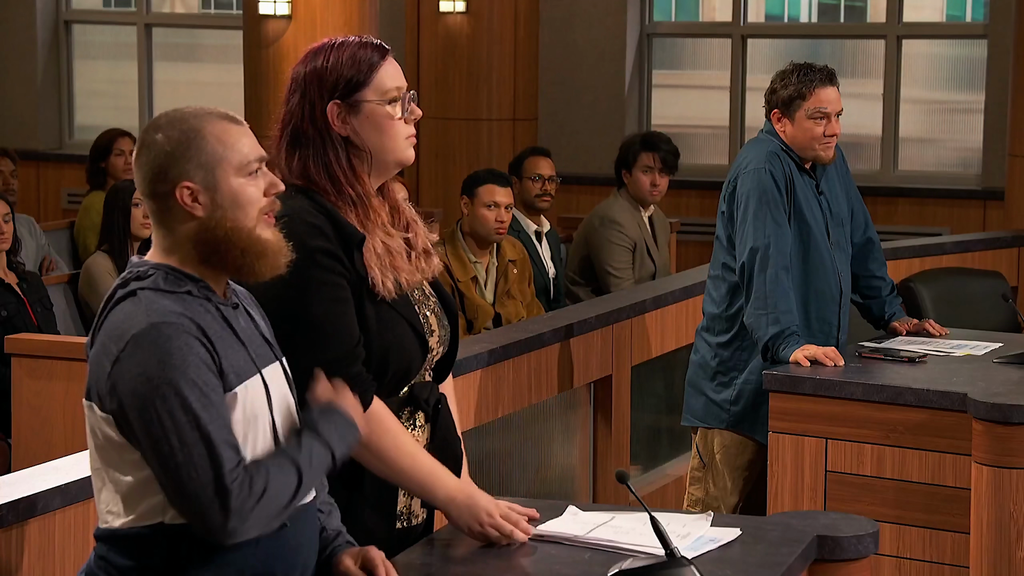
That disagreement changed the direction of the case. If Livinggood simply wanted to choose a different vet or pay the bill himself, he could still meet the condition the Johnsons described. If he believed the condition did not exist at all, the court would have to weigh his account against theirs. The judge listened to his reasons, then asked what had happened in the months since the appointment. His answer became more important than the argument over who should have booked the March visit.
The March Appointment That Angel Missed
Livinggood’s first explanation centered on payment. He said he wanted to cover the spay procedure himself. The judge compared that claim with the earlier shots. He had let the Johnsons arrange and pay for that care, so she found it hard to understand why their offer became a problem when Angel needed the next procedure. Livinggood did not give an example of a later spay appointment that he had made or paid for.
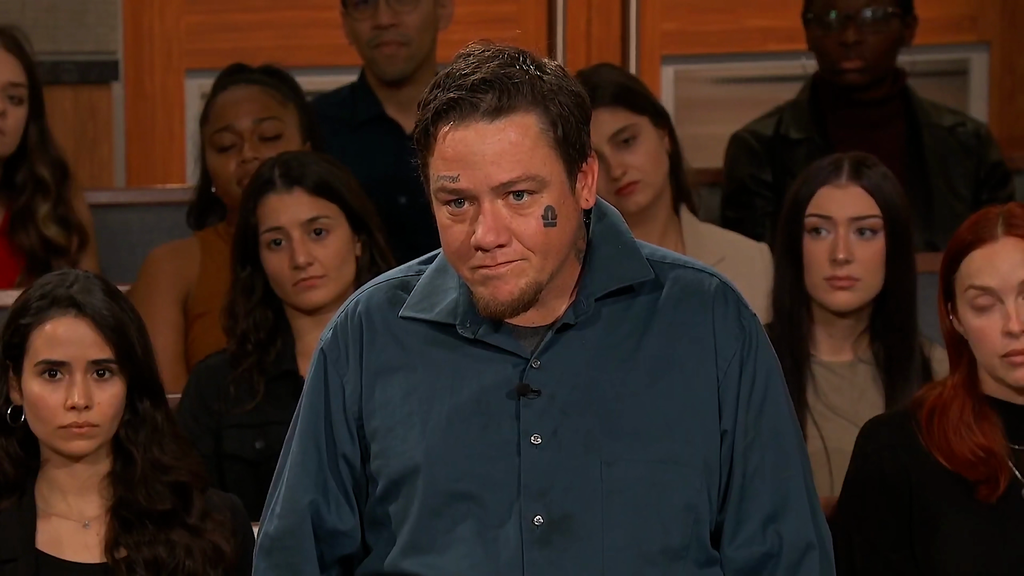
The judge also discussed Livinggood’s living situation. During the hearing, she referred to him as staying somewhere between a friend’s house and a car. She questioned his claim that he wanted to pay for the procedure when he did not have his own place to live. Livinggood challenged her reasoning and again asked why the Johnsons had given him Angel. The exchange grew tense, but the judge kept returning to a narrower issue: Angel’s planned care.

The court did not have a veterinary report about Angel’s health in the supplied transcript. Nor does the SRT establish that she suffered an injury because she missed the appointment. The judge did express concern about waiting longer as Angel grew older and larger. In this case, though, the missed procedure mattered chiefly because the judge viewed it as a condition of the agreement. The dispute was about an unmet promise, not a documented medical injury.
Two Different Accounts of the Microchip Plan
Livinggood raised another objection to the Johnsons’ veterinary plan. He claimed they wanted Angel spayed and microchipped during the visit, with the chip placed in their own names. From his perspective, that would have linked the dog’s identification to the people who had given her away. The judge recognized that this concern, if Livinggood truly held it, could explain why he did not want the Johnsons to handle the appointment.
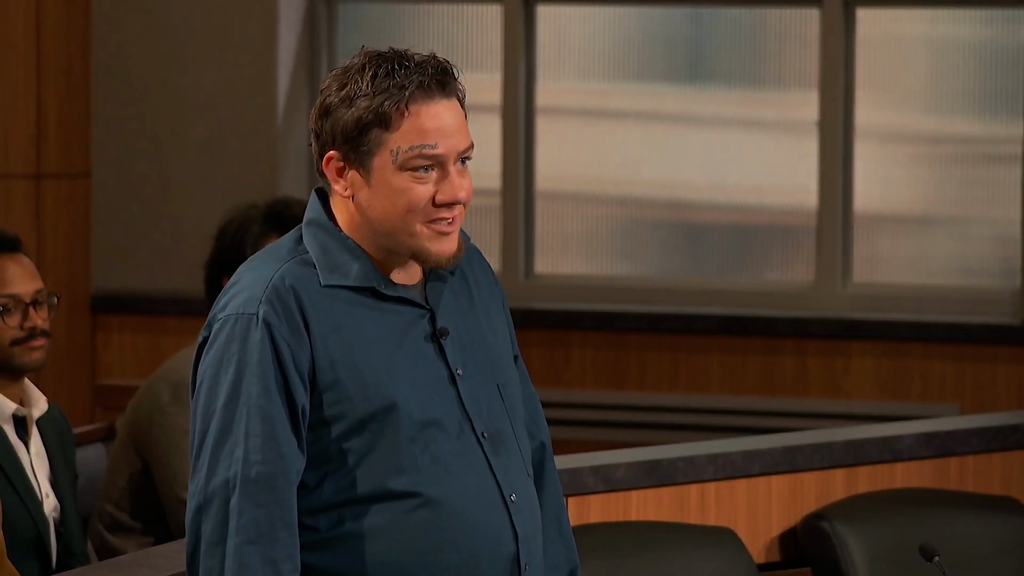
Madison denied his account. She said the Johnsons did not want Angel microchipped in their names. Instead, she said, they had offered to put the chip in Livinggood’s name because Angel would be his dog. Livinggood rejected that statement. The hearing records both versions, but the supplied SRT contains no completed microchip paperwork that proves which name the parties had planned to use.
The judge did not need to settle that disagreement to ask her next question. A concern about the chip could explain Livinggood’s refusal to use the Johnsons’ appointment. It could not explain why he did not take Angel elsewhere for a spay procedure that he arranged himself. That was the choice Livinggood said he wanted. By the time the parties stood in court, months had passed without him taking that step.
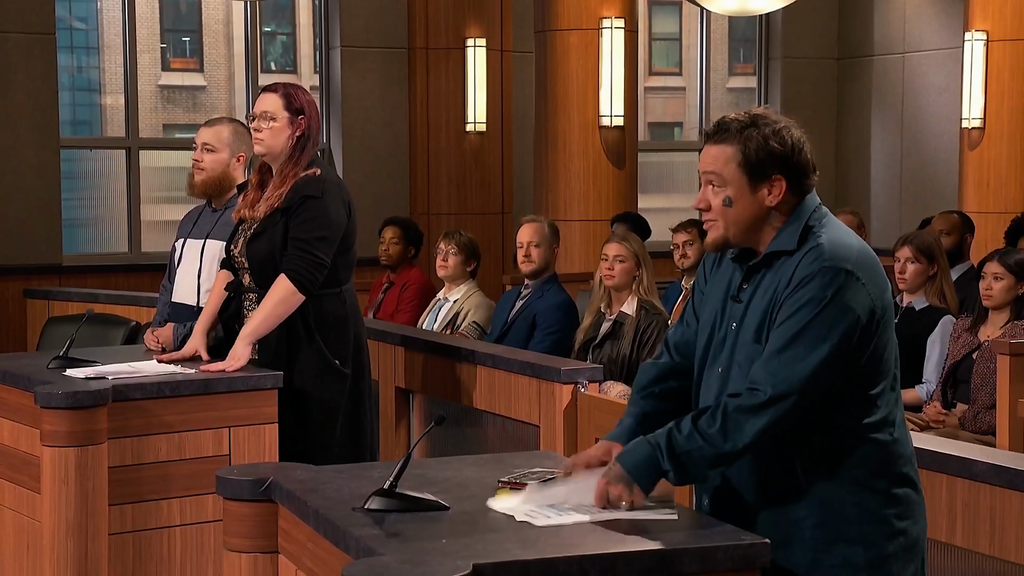
The distinction also kept the court from treating every disputed claim as a proven fact. The judge did not declare that the Johnsons had tried to register Angel in their own names. She heard their denial. She considered why Livinggood might have objected, then measured his explanation against what he had done afterward. The condition could still be met even if the friends never agreed about the March appointment or the microchip.
The Question Livinggood Could Not Answer
By the October 2024 hearing, roughly eight months had passed since Angel’s planned March procedure. The judge asked Livinggood directly whether he had had Angel spayed. He answered no. Unlike the earlier conversations between friends, that answer did not depend on competing memories. Livinggood himself confirmed that the procedure had not happened.
The judge saw a clear problem in his position. Livinggood said he wanted to pay for Angel’s spay himself, but he had not done so. He also argued that, as Angel’s owner, he could make that decision. The judge rejected the idea that ownership allowed him to ignore a condition she found attached to the transfer. In her view, the Johnsons had given him Angel under rules that he needed to follow.
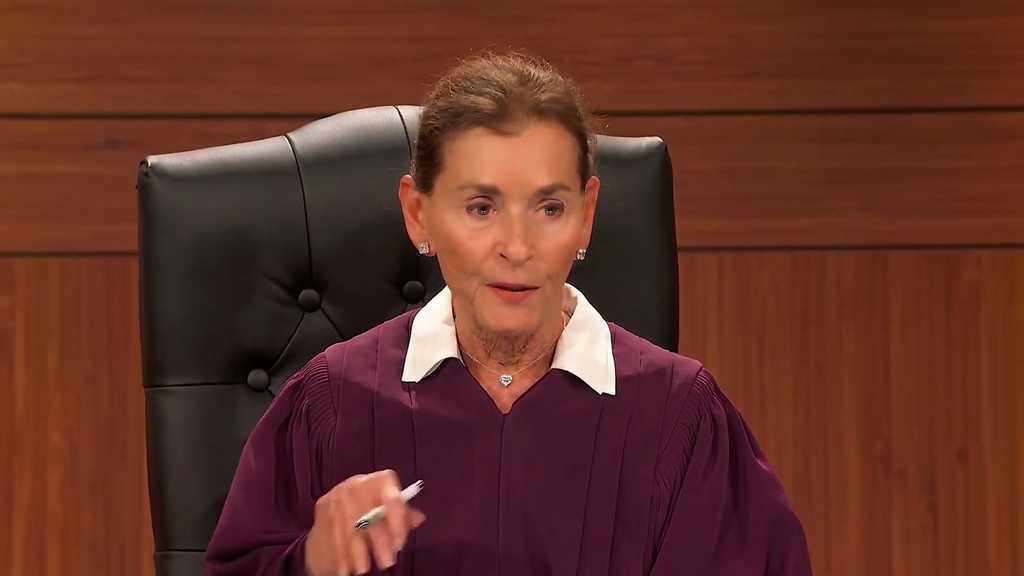
Livinggood’s answer did not prove every concern the Johnsons had raised about him. It did not establish where Angel lived every day, whether he had a job, or what he intended when he rejected the March appointment. The judge’s decision rested on a more limited finding. She accepted that the agreement required Angel to be spayed, and Livinggood admitted that he had not had it done.
A Walkout Before the Judge Finished
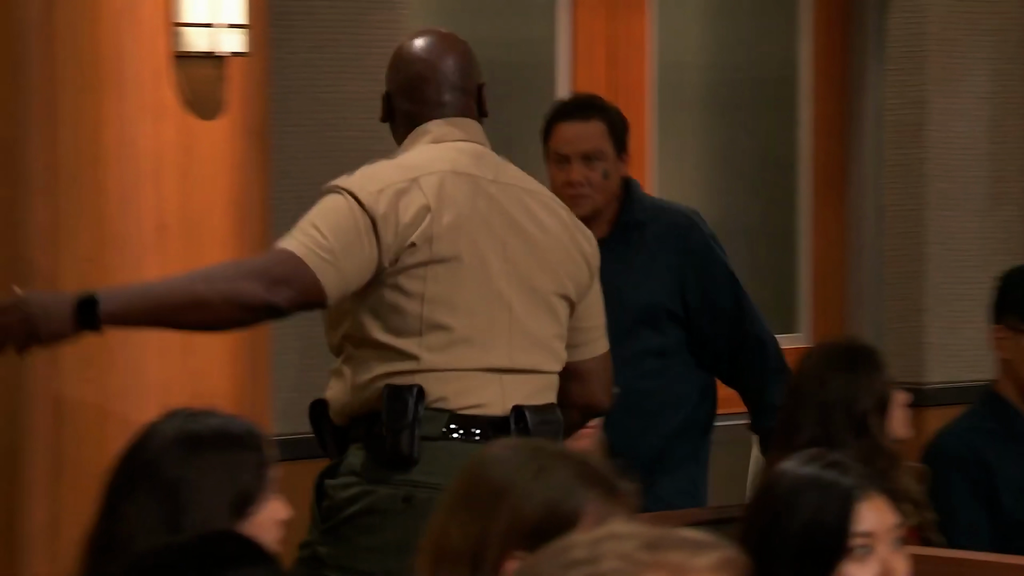
As the judge explained that Angel would go back to the Johnsons, Livinggood insisted that she was his dog. Then he said he was walking out. He complained that the judge had called him a liar and accused the Johnsons of lying. The judge told him she would speak to him if he returned, but he left before she finished explaining how she planned to resolve the case.
Afterward, the judge told the Johnsons about an option she had considered. She said she had been prepared to give Livinggood 30 days to show proof that he had paid to have Angel spayed. If he had done that, she said, Angel could have remained his dog. Her explanation shows that she had considered a path that would let Livinggood keep Angel while meeting the disputed condition.
The transcript does not show the judge granting that extra time. She described what she had intended to say before Livinggood left, then made her ruling based on the testimony already in the record. His walkout was a dramatic moment in the hearing, but it was not the sole reason for the outcome. The judge relied on the agreement as she understood it and on Livinggood’s confirmation that Angel remained unspayed.
What the Return Order Actually Means
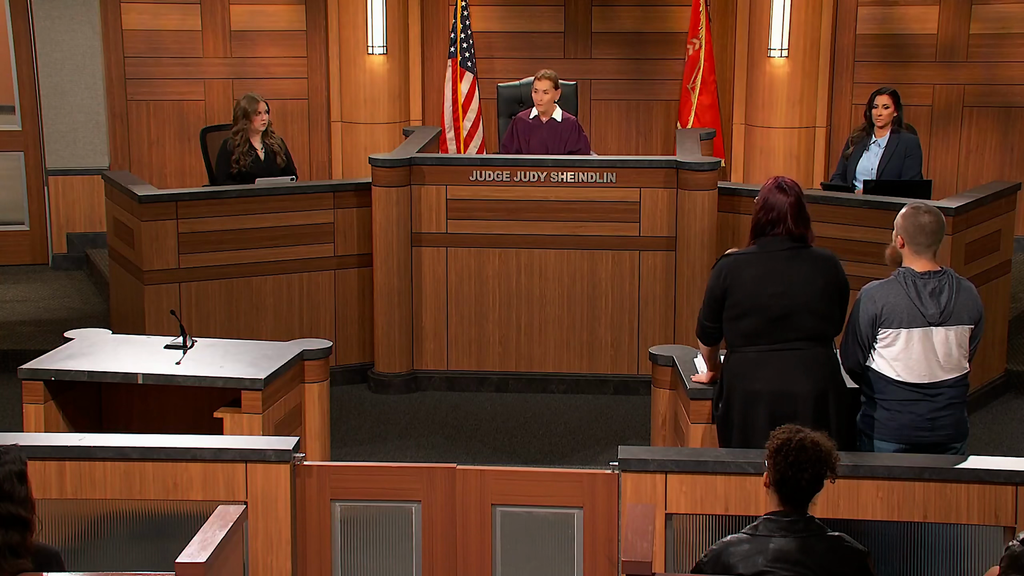
The judge found that Livinggood had breached the agreement by not allowing Angel to be spayed. She told Madison and Jonathan Johnson that she would give them an order to recover her. If needed, they could seek help from a sheriff or marshal. The Johnsons said they did not know Livinggood’s current location and had struggled to find him and Angel, so the order gave them a way to pursue the return.
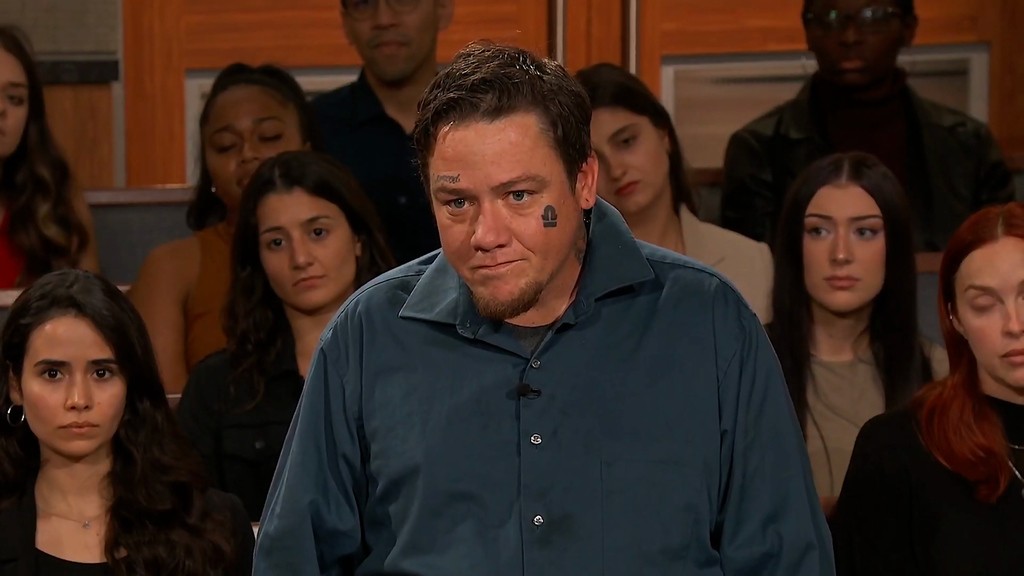
The recorded outcome has clear limits. The opening description says the Johnsons sued for veterinary bills as well as Angel’s return, but the SRT does not announce a separate money award. It also does not show anyone physically bringing Angel back after the hearing. The accurate result is that the judge ordered her return; the transcript ends before it shows whether and when the Johnsons carried out that order.
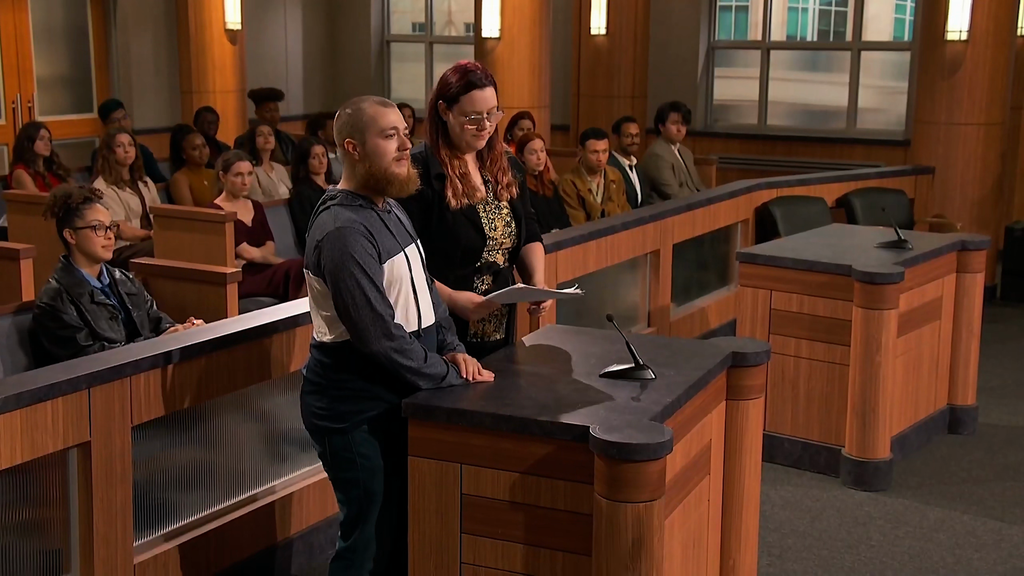
After court, the Johnsons expressed relief and gratitude. They said they intended to keep Angel, take her to a vet, and already had a future appointment for her. One of them said they were ready to bring Angel home. Those words close the personal side of the story without changing the legal one. A transfer between friends had come with conditions, and the court found that Livinggood had failed to meet one of them.
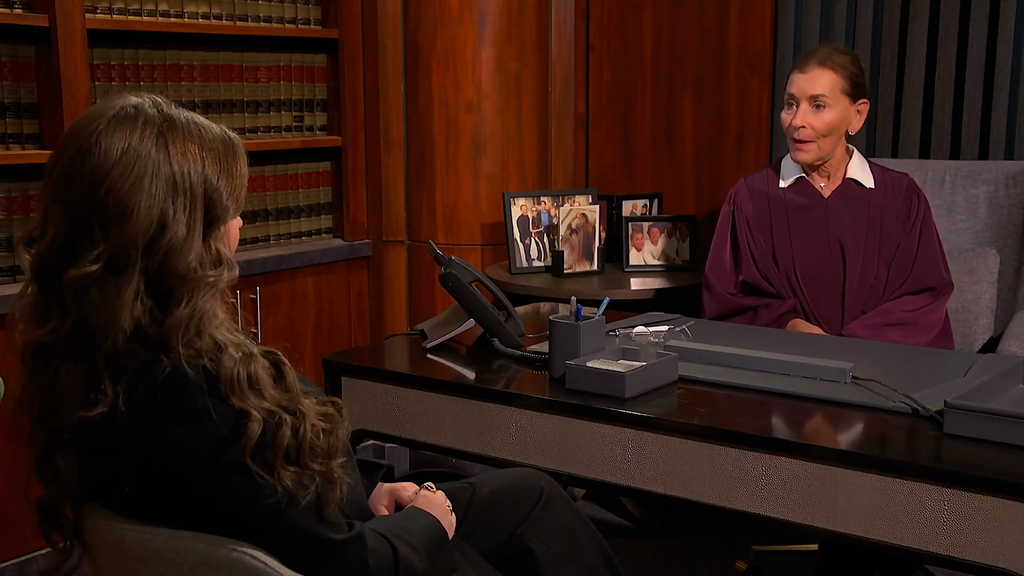
Angel’s case shows why the exact terms of an informal pet transfer matter when people later disagree. The Johnsons paid for shots and booked a spay appointment. Livinggood said he wanted to handle the procedure himself, but eight months later he told the judge he had not done it. The court did not need to resolve every accusation between former friends. It acted on the condition it found in their agreement and the step that remained undone.
(uc.)
FAQ
Who gave Ryan Livinggood the German Shepherd Angel?
Madison and Jonathan Johnson gave Angel to Livinggood after they found they could not care for both German Shepherd puppies they had obtained. They said he needed to meet conditions concerning Angel’s home and care.
When did the Johnsons schedule Angel’s spay appointment?
They scheduled the procedure for March 12, 2024. Angel did not attend. At the October hearing, Livinggood confirmed that he still had not had her spayed.
Why did Livinggood object to the Johnsons’ appointment?
Livinggood said he wanted to pay for the procedure himself. He also claimed the Johnsons planned to microchip Angel in their own names. Madison denied that claim and said they intended to register the chip in Livinggood’s name.
Why did the judge order Angel’s return?
The judge found that spaying Angel formed part of the agreement and that Livinggood had not met that condition. She relied in part on his admission that Angel remained unspayed about eight months after the planned appointment.
Did the Johnsons receive money for veterinary bills?
The supplied SRT does not record a separate award for those bills. It records the judge’s decision to give the Johnsons an order to recover Angel.
Did the Johnsons bring Angel home after the hearing?
The transcript does not show Angel’s physical return. It shows the judge authorizing the Johnsons to recover her and the couple saying they were ready to bring her home.
Sources
Judge Judy, including the hearing and post-hearing comments. All names, dates, competing claims, and details of the ruling in this article come from that transcript.