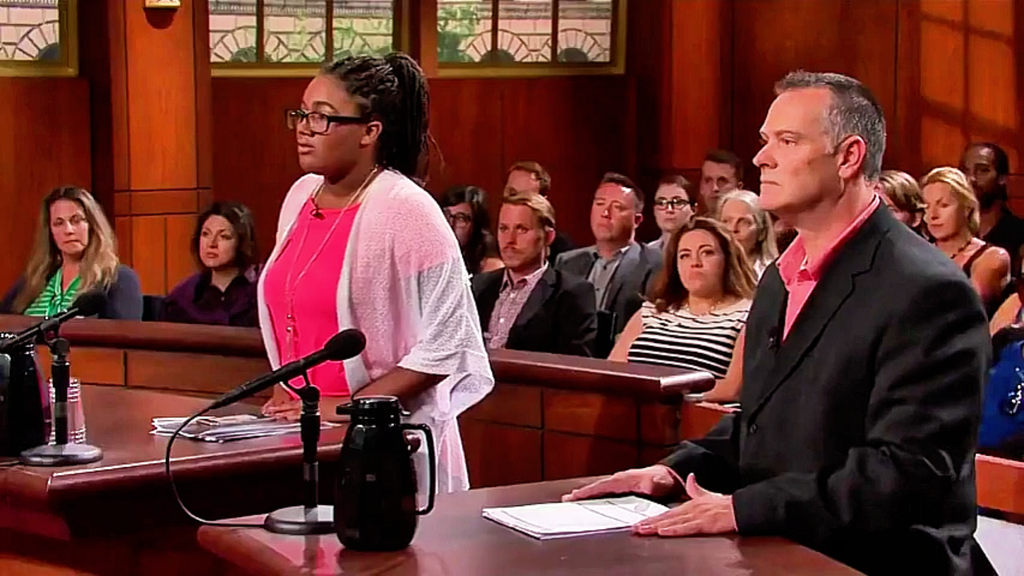
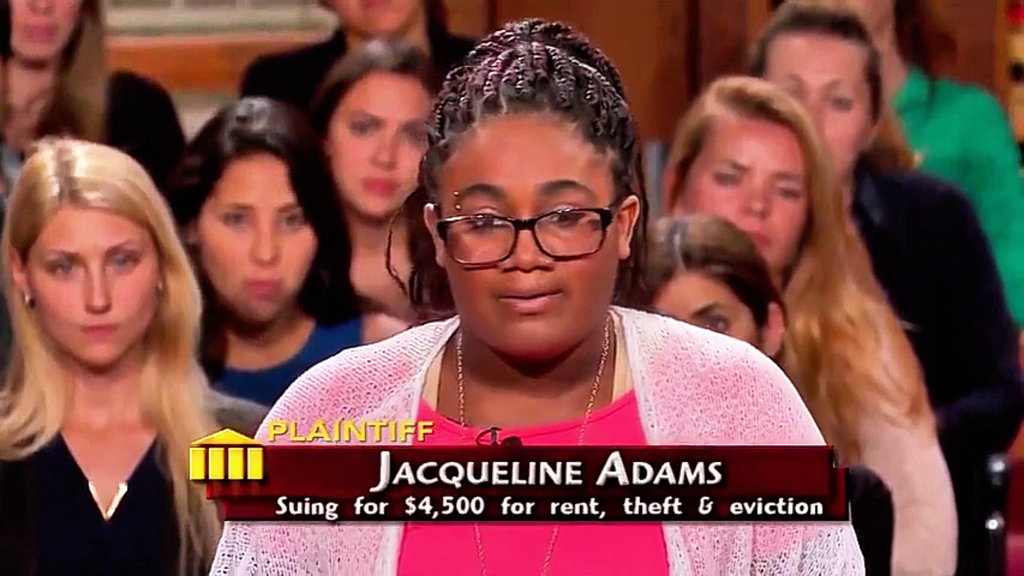
Jacqueline Adams said she woke to an ultimatum: she had 24 hours to leave the room she had paid to occupy. The 19-year-old filled a bag with clothes, walked out, and stayed with a friend. Soon, she testified, she was sleeping wherever she could—walking at night and searching for a place to rest during the day.

But the housing dispute that reached Judge Judith Sheindlin’s courtroom was no longer only about rent. Richard Nordquist, Adams’s former landlord, tied her abrupt departure to allegations involving his 15-year-old daughter, a teenage friend, alcohol, and drugs. The judge would have to separate what witnesses actually said from what others claimed on their behalf—and determine whether those accusations changed the facts of the eviction.
A Room, a Deposit, and a Planned Departure
Adams moved into a room in Nordquist’s home on March 10. The rent was $550 per month. At the beginning of the arrangement, she paid $950: the first $550 rent payment and a $400 security deposit. She told the court she also paid the rent in April and May.
The relationship changed in early June. Nordquist said he had decided he wanted to try to sell the house. Adams, a college student, testified that she had initially expected to remain through the summer but reconsidered after learning the rent would rise to $700—an amount she said she could not afford.
The two discussed her departure. At first, Adams said, the plan was for her to leave when her next rent payment came due on July 10. Before traveling to the Bahamas, however, she and Nordquist agreed that she would move out on July 1. Adams said she was already searching Craigslist for another place to live.
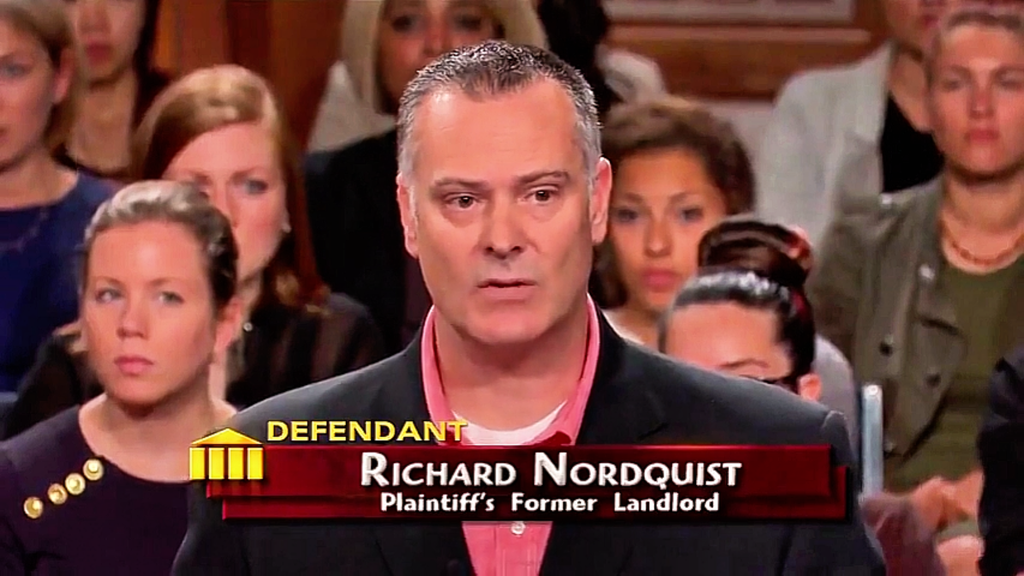
After returning from the Bahamas around June 12 or 13, Adams cashed a check and paid Nordquist $367 in prorated June rent. Nordquist acknowledged accepting the payment. That acceptance would become one of the clearest facts in the case: Adams paid for a period extending beyond the day she was ultimately told to leave.

What Richard Nordquist Said Happened on June 3
Nordquist’s explanation began with an earlier date. On June 3, he was in Santa Cruz with his girlfriend and another daughter. His 15-year-old daughter, Paige Nordquist, asked whether she could go to his home to swim with her friend Haley Anderson. Nordquist said he approved only if Paige’s mother agreed and if Adams—whom he then considered responsible—would be present.

In court, Nordquist made serious accusations about what allegedly happened that night. He claimed Adams had solicited his child to adults for sex and asked her for the prescription drug Norco. Judge Sheindlin stopped him almost immediately. He had not been at the house and could not testify to events he did not witness. If Paige or Haley had something to report, the judge said, they would have to speak for themselves.
That distinction mattered. The supplied SRT contains no direct testimony establishing Nordquist’s specific claims about solicitation or Norco. Those statements were allegations raised by the landlord, not findings of fact, criminal charges, or convictions.

Paige’s Testimony Raises More Questions
Paige testified that her mother dropped her and Haley at Nordquist’s house on June 3. Adams was there, and Paige said no one else was initially present. According to Paige, Adams came home intoxicated and asked whether the girls wanted alcohol, saying she planned to get a bottle that night. Paige said both teenagers refused.
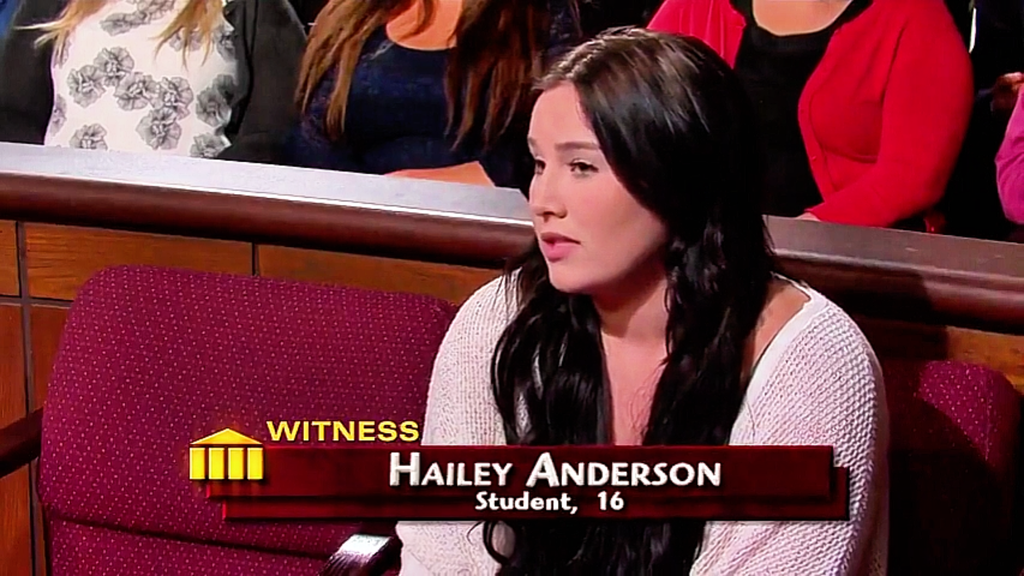
Paige then described a separate, earlier encounter. She alleged that Adams had pulled a bag of ecstasy from her bra and offered her drugs. Paige could not remember the date, but said it occurred before June 3. The official Judge Judy account also framed this account as Paige’s claim, not as an independently verified event.
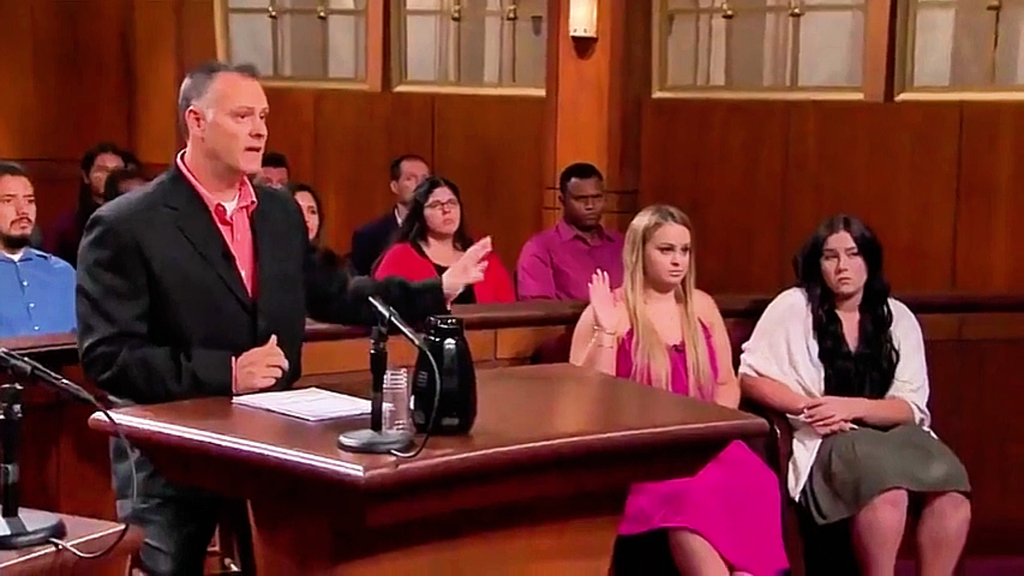
Judge Sheindlin questioned the sequence. If Paige believed Adams had previously offered her illegal drugs, why did she ask to return to the house knowing Adams would be there? Why had she not warned her father before he treated Adams as the responsible adult? Paige said she had been afraid of Adams.

The testimony became more complicated when Haley’s knowledge was examined. Paige said Haley knew about the alleged earlier offer. Haley first appeared to say she had told her mother, but then clarified that her mother did not know the girls were going to Nordquist’s house. The teenagers had expected to swim for the day and instead remained overnight.
None of those inconsistencies proved that Paige’s account was false. They did, however, explain why the judge focused so intensely on who knew what, when they knew it, and why the girls had returned to a place they now described as unsafe.

The Disclosure Gap
Nordquist said Paige told him about the alleged events around June 15 or 16. Judge Sheindlin compared that account with the calendar. The pool visit had occurred on June 3, and Nordquist had returned from Santa Cruz on June 5. He and Paige lived in the same general area, and he acknowledged speaking with her during the intervening period.

Nordquist said Paige had told him she needed to discuss something and preferred to do it in person rather than by phone. The judge remained focused on the delay. The counterclaim depended heavily on the emotional impact of what Nordquist said he later learned, yet the timeline showed that the disclosure did not happen immediately.
Meanwhile, Adams’s rental payment had already been accepted.
The 24-Hour Deadline
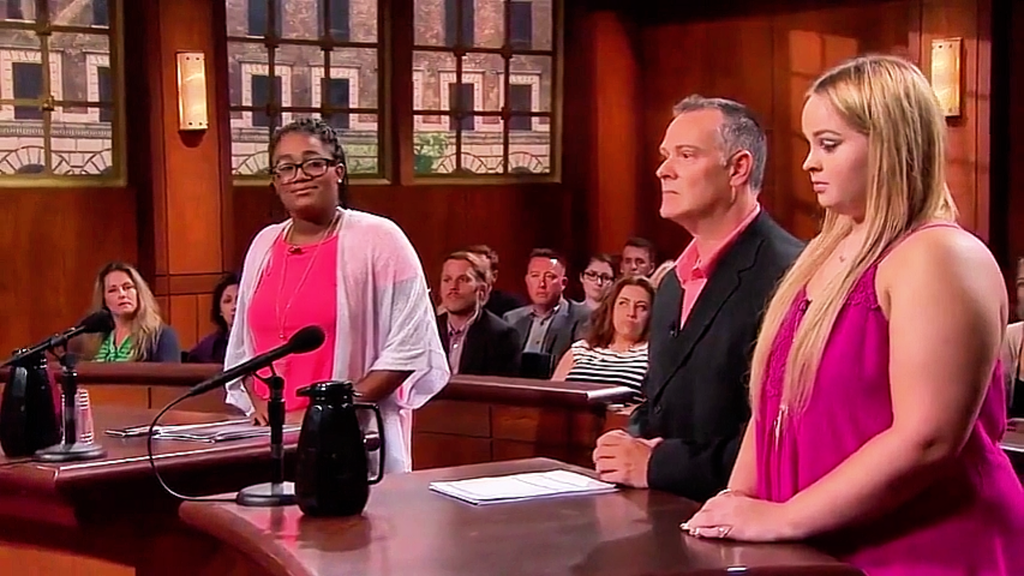
Adams testified that approximately two days after paying the $367, Nordquist asked whether she would be home. She considered spending the night at her friend Bree’s house but changed her mind and returned. The next morning, she said, Nordquist woke her and told her she had 24 hours to get out. When Judge Sheindlin asked for the date, Adams answered June 17.

Adams took a bag of clothes and left. Nordquist allowed her to finish packing the room, but the central issue remained: the parties had discussed a July 1 move-out date, and he had accepted rent before requiring her to leave earlier.
Nordquist disputed Adams’s characterization. Because she had already intended to move, he later argued, there had been no eviction. But an agreement to depart on July 1 was not the same as an order to leave on June 17. Judge Sheindlin said she believed Adams’s account that Nordquist told her to get out.

Adams Describes Becoming Homeless
When asked where she went, Adams said she initially stayed with a friend. Asked where she was living by the time of court, she described herself as homeless. She said she could not live with her father and explained that she had aged out of foster care and received support through AB 12.

California’s AB 12 created the state’s Extended Foster Care program, which allows eligible young adults to remain in foster care until age 21 and can provide case management, housing-related financial support, and transitional services. Adams said she depended on that monthly support to pay her bills.
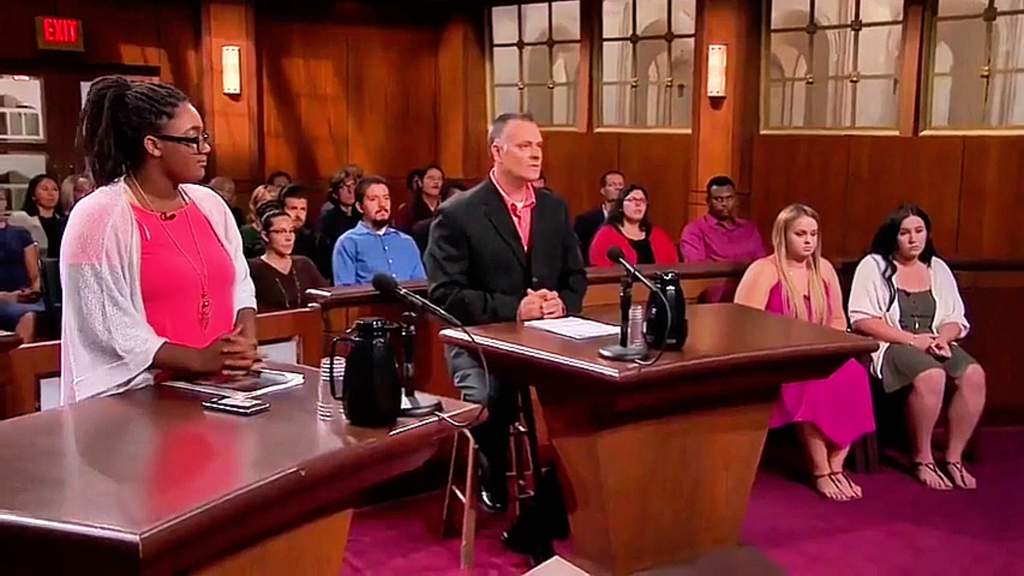
Her description made the consequences of the dispute stark. Adams said she walked around at night and tried to find somewhere to sleep during the day. The case involved several hundred dollars, but her testimony placed those dollars inside a more precarious reality: she had lost stable shelter before the date she believed had been agreed.
Judge Judy’s $1,200 Ruling
Judge Sheindlin awarded Adams $400 for the return of her security deposit, $400 for June rent, and $400 for illegal eviction. The three awards totaled $1,200. She dismissed Nordquist’s emotional-distress counterclaim, calling it “nonsense.”

The decision did not resolve every accusation aired in the courtroom. It did not establish that Adams committed a drug offense, supplied alcohol to minors, solicited anyone, or requested Norco. The ruling addressed the civil claims supported in the excerpt: rent had been accepted, Adams had been told to leave before the agreed date, her deposit had not been returned, and Nordquist’s counterclaim failed.

After court, Adams said she was glad the judge believed she and denied drinking or using drugs. Nordquist continued to insist that Adams’s previous plan to move meant no eviction had occurred. The judgment turned on a narrower distinction: planning to leave later did not erase the consequences of being ordered out earlier.

FAQ
Who won Adams v. Nordquist on Judge Judy?
Jacqueline Adams prevailed on her claims for the return of her security deposit, June rent, and illegal eviction. Richard Nordquist’s emotional-distress counterclaim was dismissed.
How much did Judge Judy award Jacqueline Adams?
Adams received $1,200: $400 for her security deposit, $400 for June rent, and $400 for illegal eviction.
What did Paige Nordquist allege about Jacqueline Adams?
Paige alleged that Adams offered her and Haley alcohol on June 3 and had offered Paige ecstasy during an earlier encounter. These statements were testimony in a civil television courtroom and should not be described as criminal convictions.
Were the solicitation and Norco accusations proven?
Not in the supplied SRT. Richard Nordquist raised those accusations, but he had not witnessed the events, and the excerpt contains no direct testimony establishing those specific claims.
Why did Richard Nordquist’s counterclaim fail?
Judge Sheindlin rejected the emotional-distress counterclaim after closely examining the delayed disclosure, the teenagers’ decisions, and the absence of direct support for some of Nordquist’s assertions. The counterclaim was dismissed.
What is AB 12?
AB 12 created California’s Extended Foster Care program. It allows eligible young adults to remain in foster care until age 21 and provides services that can include case management, housing support, and transitional assistance.
Was this a criminal case?
No. The excerpt shows a civil landlord-tenant dispute and a civil counterclaim. It does not document criminal charges or convictions.

Sources
The primary source is the complete 314-cue Sub1.1.srt file supplied by the user. Official Judge Judy posts were used to verify the segment framing and preserve the distinction between claims and established facts. The California Department of Social Services supplied the limited background on AB 12.
[1] Judge Judy — Did Tenant Offer Landlord’s Daughter Drugs? Part 1
[2] Judge Judy — Did Tenant Offer Landlord’s Daughter Drugs? Part 2
[3] California Department of Social Services — Extended Foster Care (AB 12 )