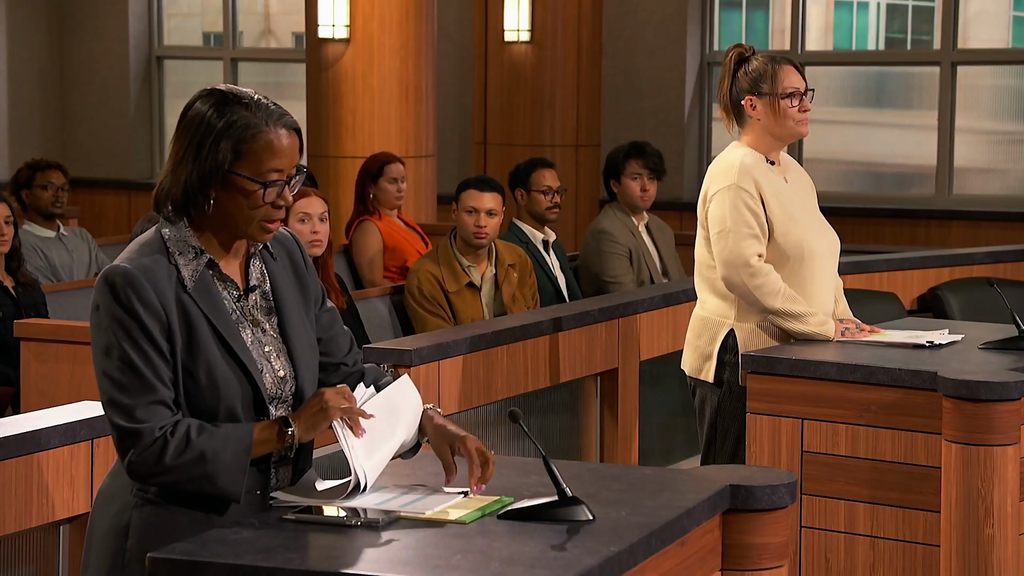
For Cheryl Stevens, the missing names on her mother’s family tree represented more than empty boxes. They were pieces of a history made harder to recover by slavery and the loss of generations of documentation. She paid an investigator $750 after being told the research was difficult—but “absolutely possible.” Nearly 20 months later, the promised answers had still not been delivered in a form Stevens trusted. So when the dispute reached court, one question became unavoidable: had the researcher completed the work, or had a lawsuit finally forced her to restart it?
(uc.)
A Search for the Missing Branches
Family-history research often begins with documents, but its real subject is identity. For Cheryl Stevens, the goal was to expand the maternal side of her family tree: her mother’s grandparents, their siblings and the relatives connected to those generations.
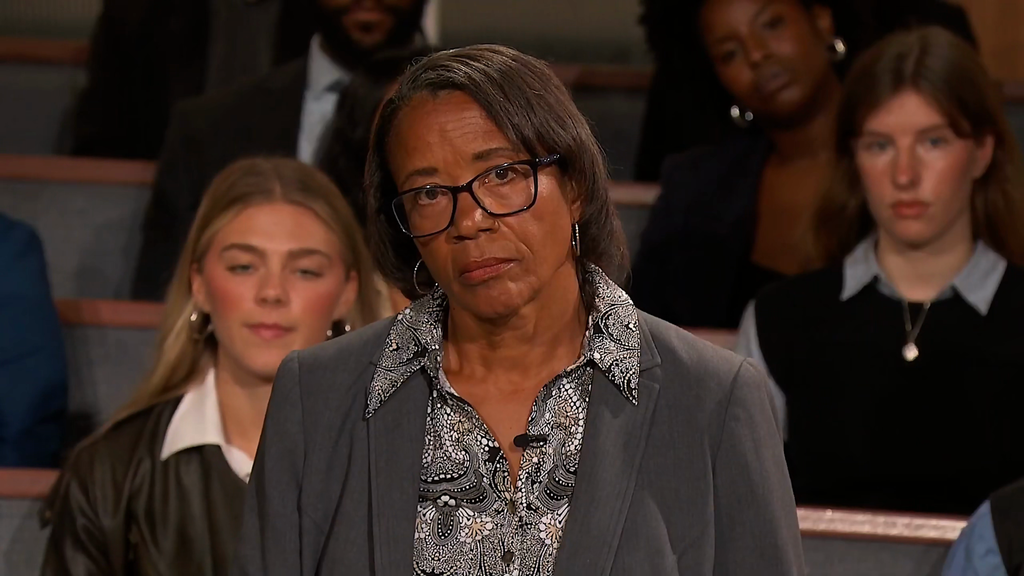
The task carried a significant historical complication. The investigator Stevens hired, Gabriella Vargas, explained in a text message that researching the maternal grandparents would be more complex because of slavery and the lack of documentation from that period. Still, Vargas did not describe the project as impossible. She told Stevens it was “absolutely possible to do.”
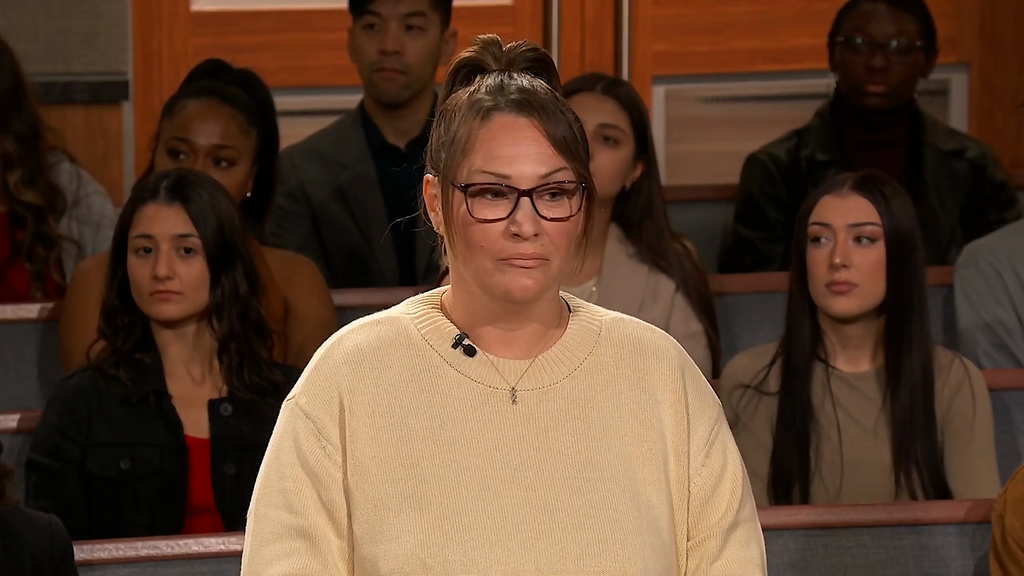
That assurance became central when the two women later appeared in court. Stevens was not claiming that Vargas had done nothing. She acknowledged that some work had been performed. Her complaint was that the job for which she paid had never been completed.
The court therefore had to distinguish between activity and performance: Was making changes to an online family tree enough, or did the agreement require Vargas to finish the promised branch and deliver a reliable result?
The $750 Agreement
Stevens paid Vargas $750 on February 7, 2023. There was no formal written contract signed by both parties. Instead, the terms were documented in a text exchange.
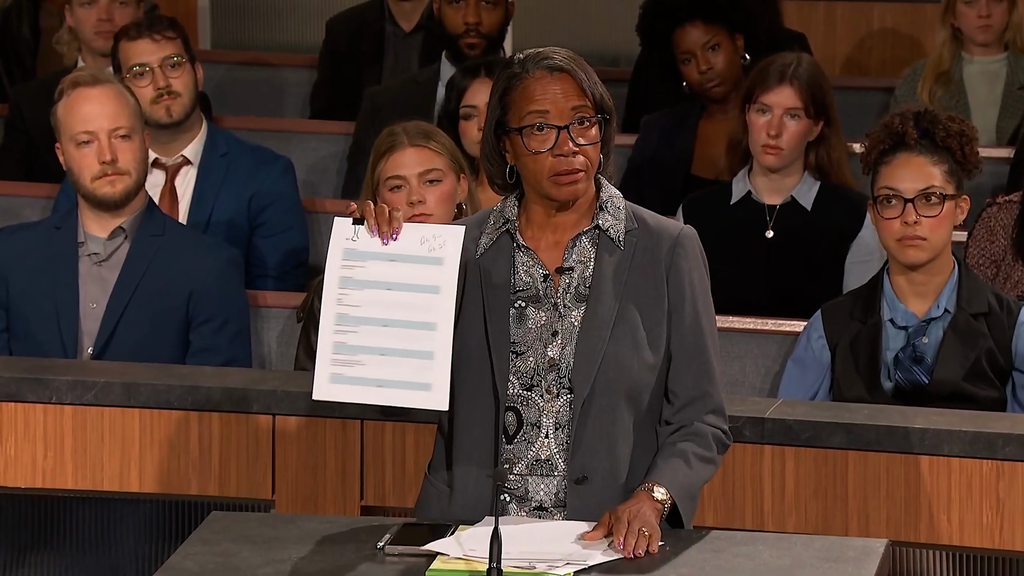
In that message, Vargas said she had reviewed Stevens’s family tree and identified multiple problems. According to the text read in court, the tree contained inaccurate information and documentation, duplicate people and material drawn from other family trees without supporting proof.
Vargas then described the work ahead. She would build out the family of Stevens’s maternal grandparents despite the historical difficulty of locating records. The fee was $750, and the text conveyed confidence that the research could be done.
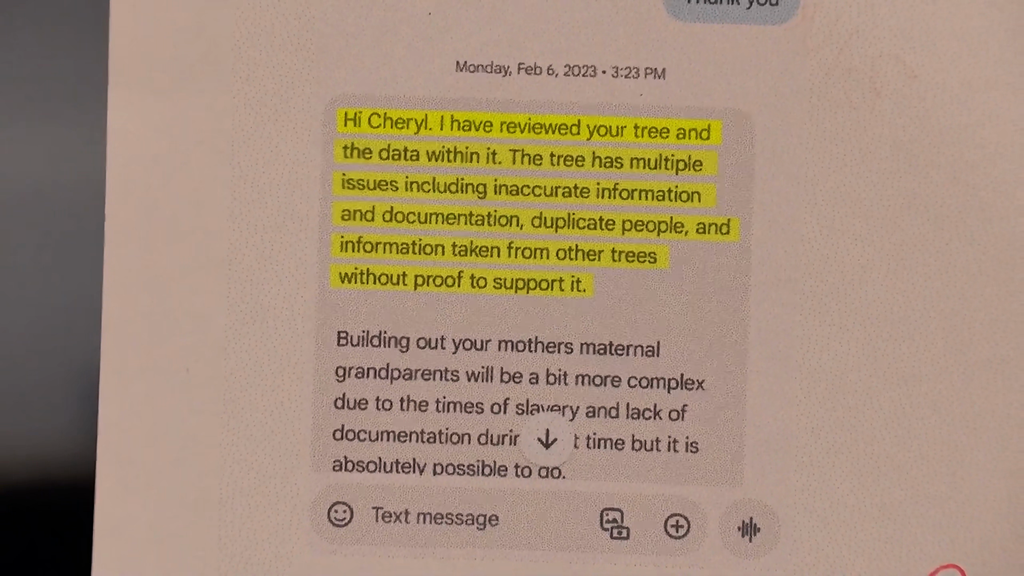
Although the agreement was simple, the court treated the text exchange as a contract: Stevens would pay the stated fee, and Vargas would provide the promised genealogical research.
One important term was missing. The messages did not specify a firm completion date or include language making time essential to the agreement. That omission did not give Vargas unlimited time. As the post-hearing legal discussion explained, when a contract does not name a deadline, performance is still measured against a reasonable period.
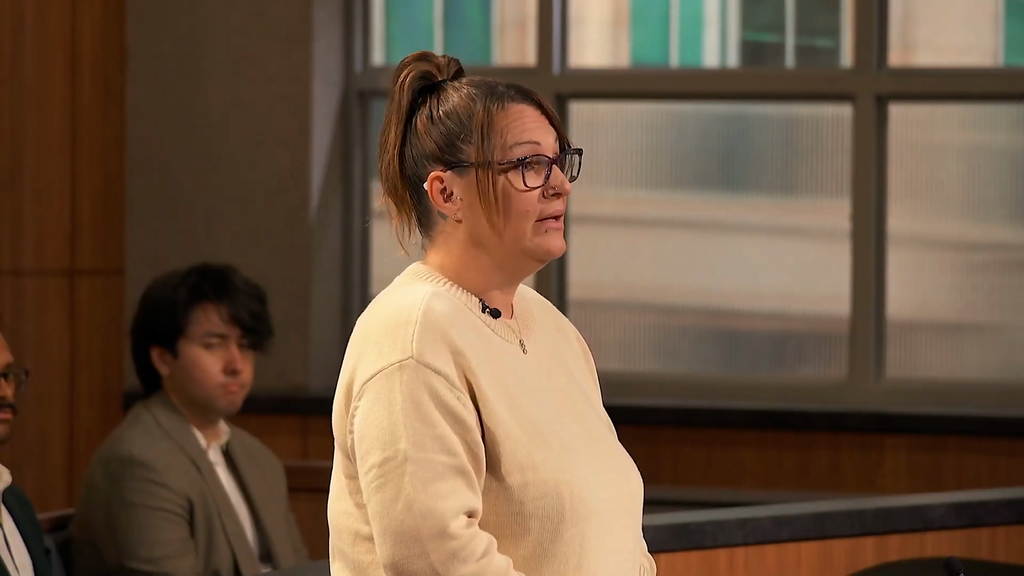
By the time of the hearing in October 2024, approximately 20 months had passed since Stevens made the payment.
Early Changes—and Early Concerns
Stevens testified that activity on her tree occurred between February 9 and February 25, 2023. She brought records that she said reflected the changes Vargas made during that period.
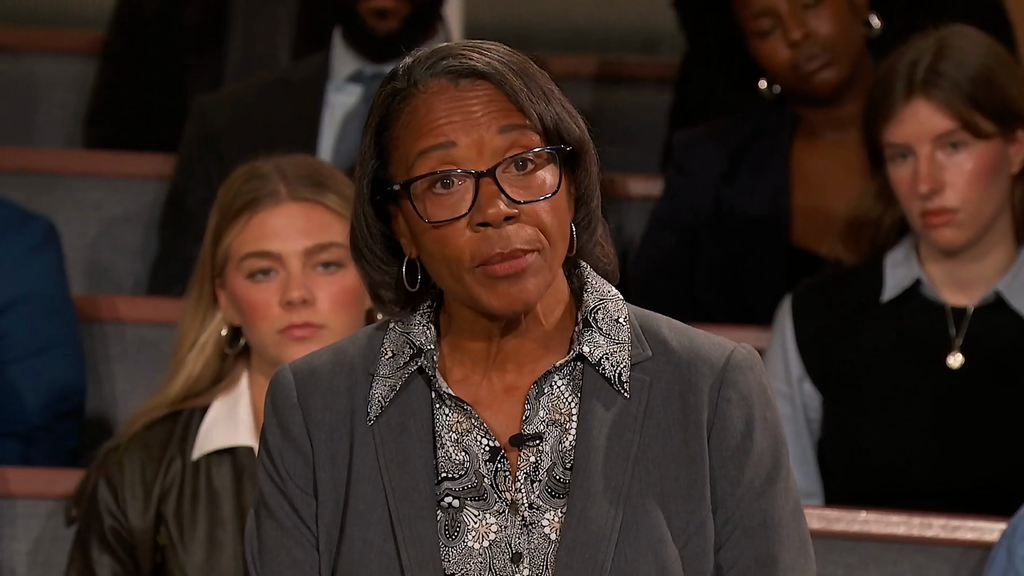
Those changes included deleting some information and adding family members. Yet Stevens said the maternal branch she specifically requested remained incomplete. Her mother’s grandparents, their siblings and the related lines were still not fully represented.
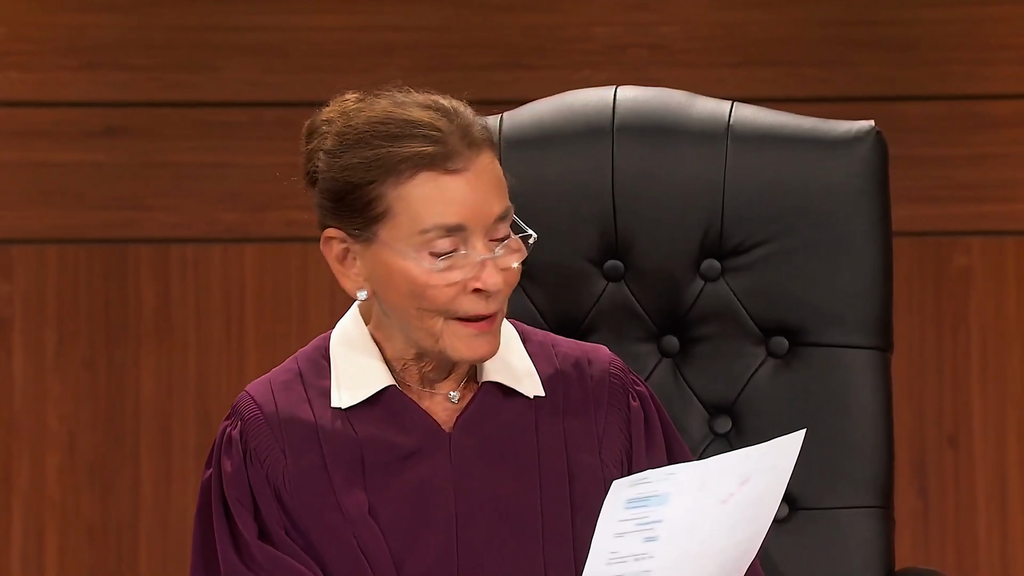
The judge acknowledged that the submitted material appeared substantial but noted a fundamental evidentiary problem: without a copy of the tree as it existed before Vargas began, it was difficult to determine what was old, what was new and how much of the displayed information resulted from Vargas’s work.
Vargas did not deny that the tree presented problems. Her original message had identified inaccurate and unsupported information. She later testified that working directly inside Stevens’s account became difficult because Stevens continued editing her own tree.
Vargas said she had specifically asked Stevens not to make changes while the cleanup was underway. In her account, every unsupported alteration affected the research she was conducting. She eventually decided to work in a separate tree she controlled so the information could remain accurate and backed by evidence.
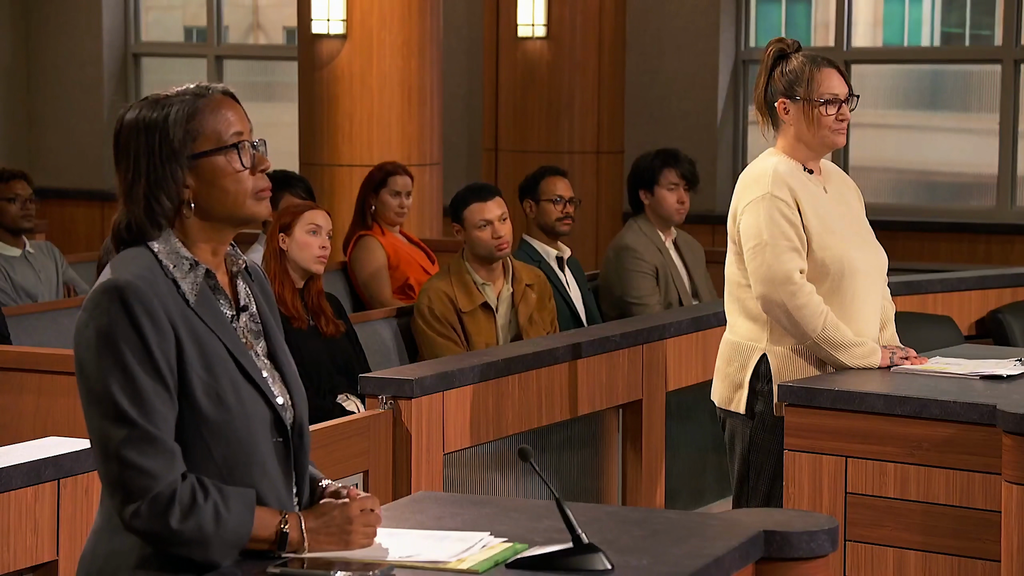
Stevens told the court she did not understand that explanation. The disagreement exposed another weakness in their informal arrangement: there was no clearly documented workflow explaining who could edit the shared tree, where the final research would be built or how the finished work would be delivered.
Months of Delays
The case turned less on whether Vargas encountered genuine obstacles than on how long the project remained unresolved.
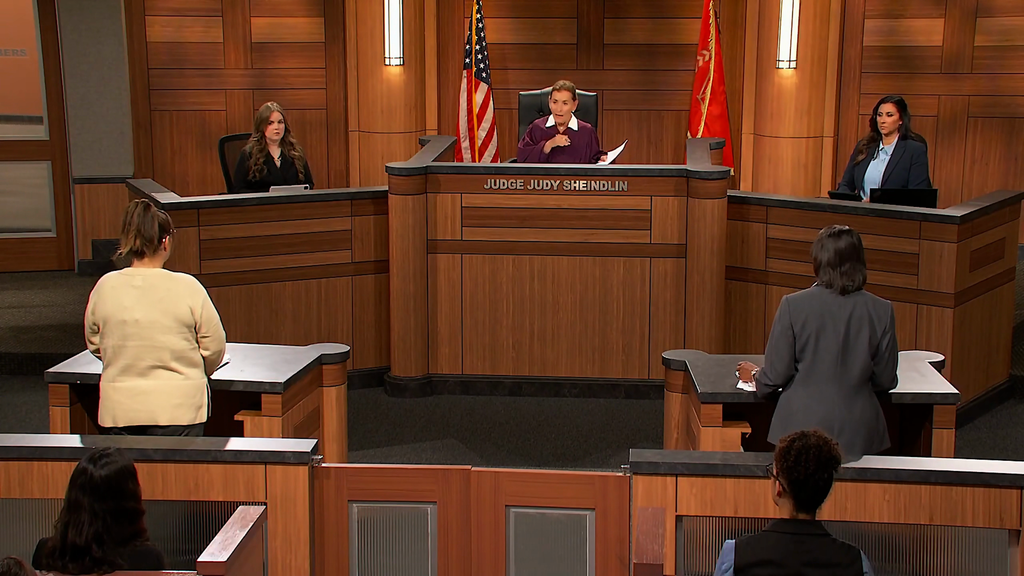
Vargas’s written answer stated that she experienced family and health issues between May and August 2023 and had to put the work on hold. In court, she characterized that interruption as lasting only a few days or perhaps a week. The judge challenged that description because it did not appear consistent with the broader timeline in Vargas’s own answer.

Vargas also began working on what she described as a high-profile murder case. The judge questioned whether Stevens’s genealogy project had effectively been placed aside while Vargas dealt with her personal issues and another investigation.
The record presented in court showed no steady path from the initial burst of work in February 2023 to a finished report. Instead, the project appeared to stop and start over many months.
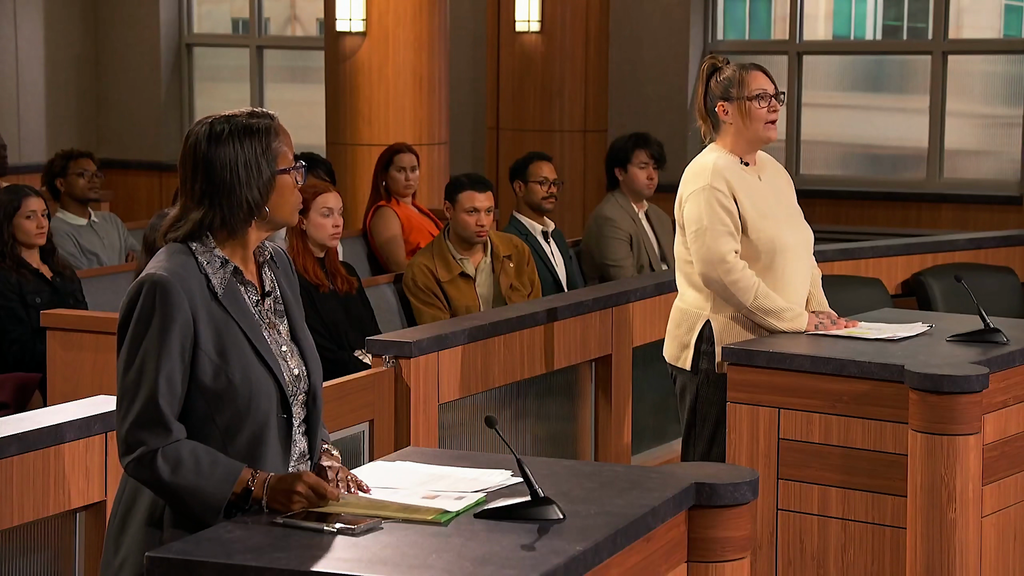
Vargas maintained that she had performed a significant amount of research. But when asked directly whether she had completed the specific maternal section promised for $750, her answers became difficult to reconcile. At one point, her response suggested that the job was not finished. She then insisted that it was completed but said Stevens removed her access to the online tree before she could provide the final report.
Conflicting Claims About Completion
When the judge asked for a precise completion date, Vargas first identified March 2024, more than a year after she accepted payment. She did not provide an exact day.
Vargas argued that Stevens had owned the online tree throughout the project and therefore possessed the work as it was being added. From her perspective, there was nothing stored in Stevens’s account that Stevens could not see.
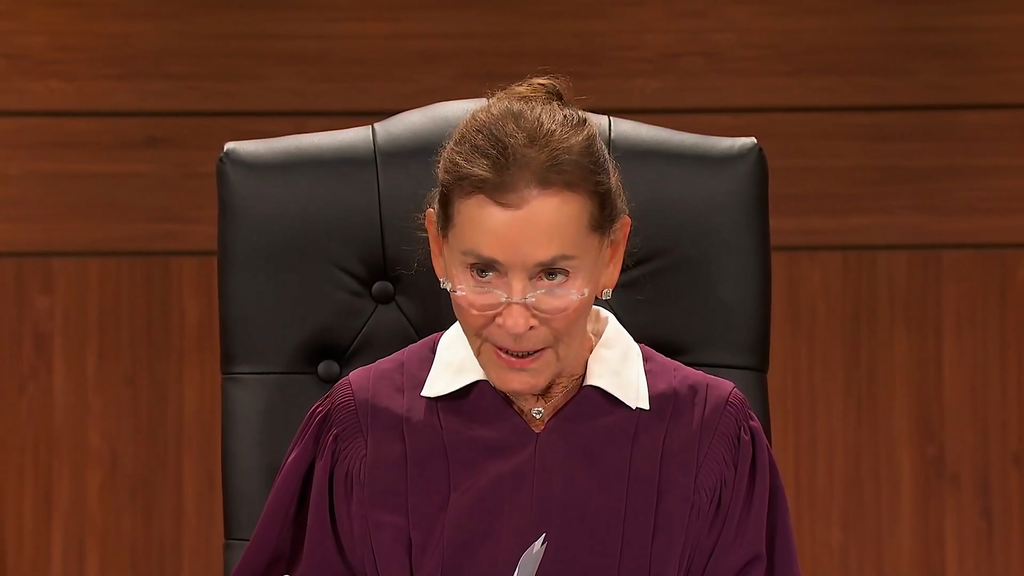
The judge pressed a narrower point: Had Vargas completed what she promised, and had she delivered a finished product?
Vargas said she moved some of the work into a separate tree because Stevens’s continued edits interfered with the research. That meant at least part of the purported final work was no longer necessarily visible in Stevens’s account. Yet Vargas did not establish that she had sent Stevens a complete report from the separate research.
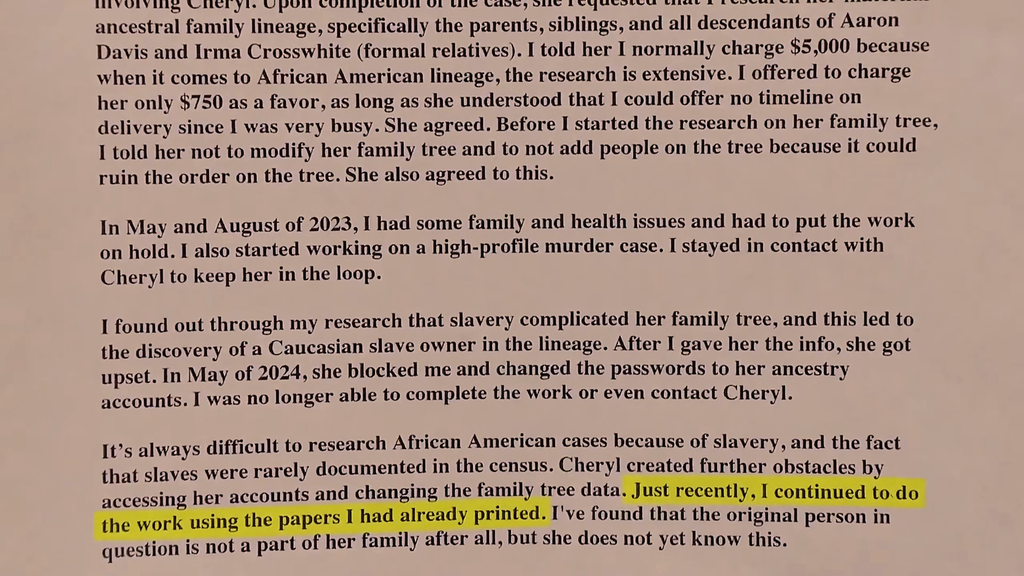
The timing became even less clear when the court examined another passage in Vargas’s written response. Vargas had stated that she had “just recently” continued working from documents she previously printed and discovered that a person originally believed to belong in the family tree was not actually part of it.
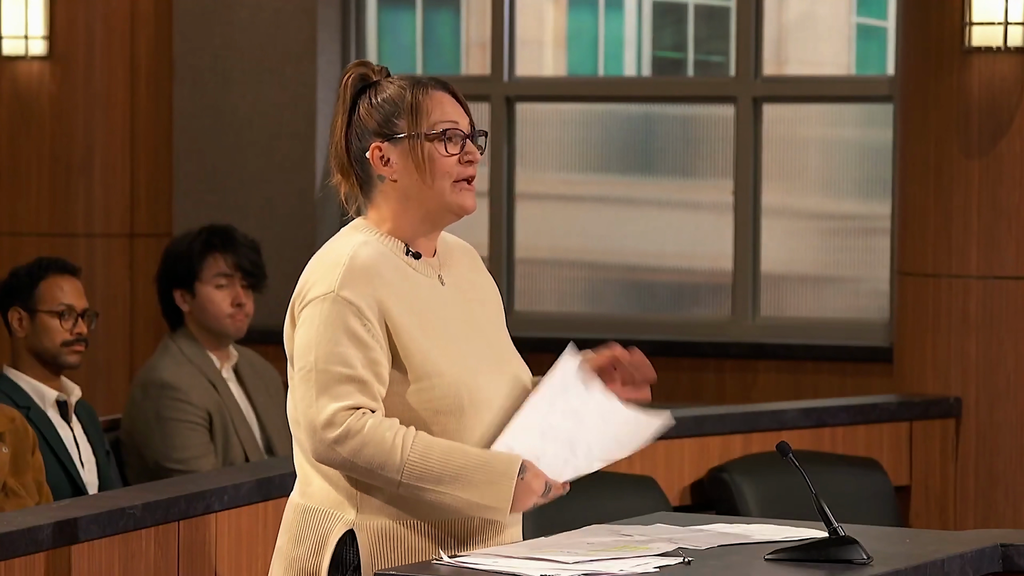
Because the hearing occurred in October 2024, the judge wanted to know what “just recently” meant. Vargas again referred to March 2024, but she could not point to a concise document demonstrating that the project had been completed then.
Later, after more questioning, she supplied a different and decisive answer.
The Lawsuit That Restarted the Research
Vargas said she restarted work in August 2024, when she learned Stevens was suing her for the return of the $750.
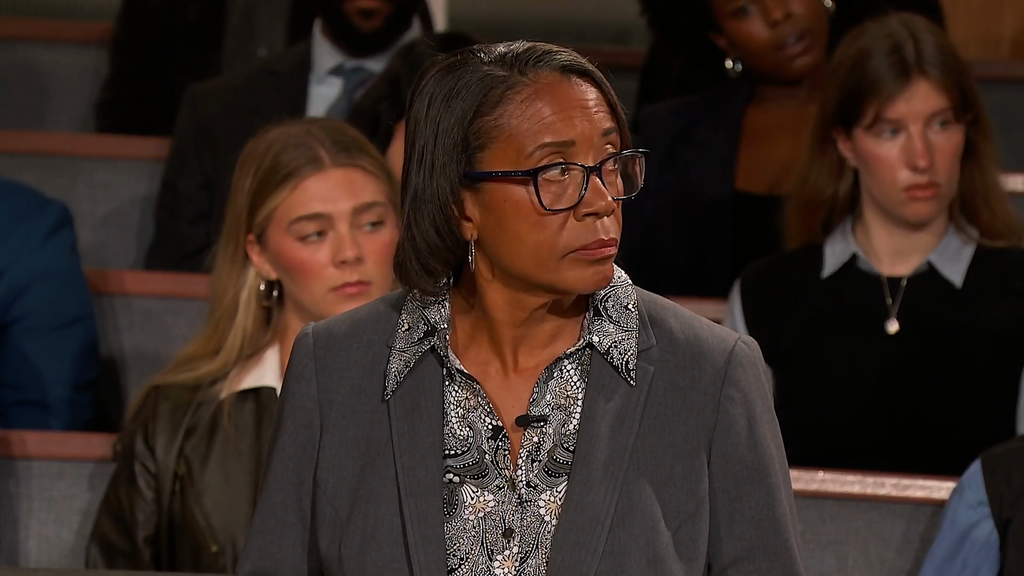
That admission changed the shape of the case. It suggested that, whatever work had been completed earlier, the project was not fully resolved when the legal claim arrived. The research resumed in direct response to the lawsuit.
By then, Vargas said Stevens had revoked her access to the online account. Vargas continued using printed papers and information she had placed in her own tree. She said she wanted to finish because she had been paid for the service.
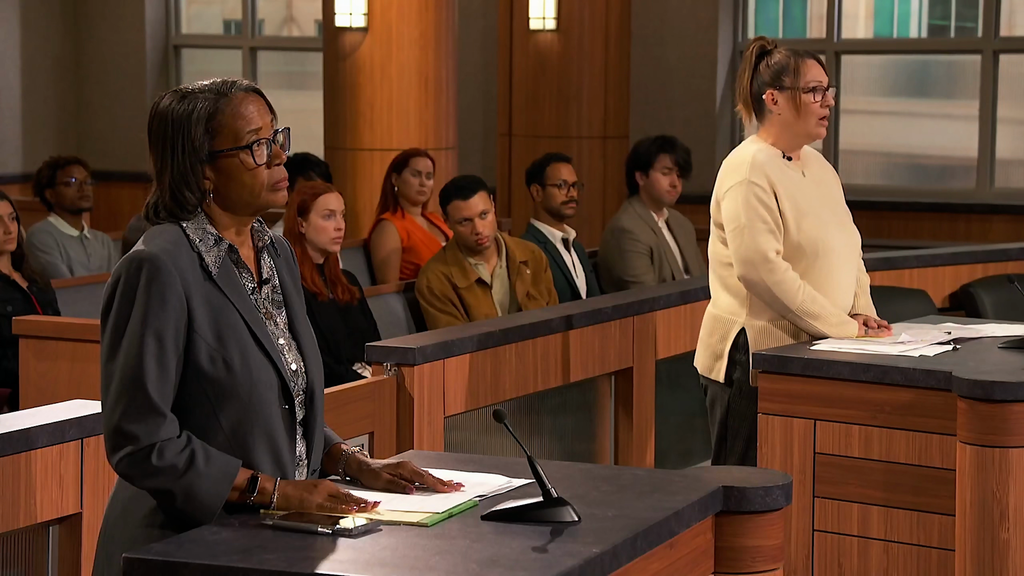
But the material produced after the lawsuit was not transmitted to Stevens. Vargas said she had been blocked and had no contact with her. After court, she said she had sent several text messages and emails and had tried to call, but Stevens did not respond. Stevens disputed the implication that communication was impossible, saying Vargas still had access to her email address and phone number and had never communicated the final results.
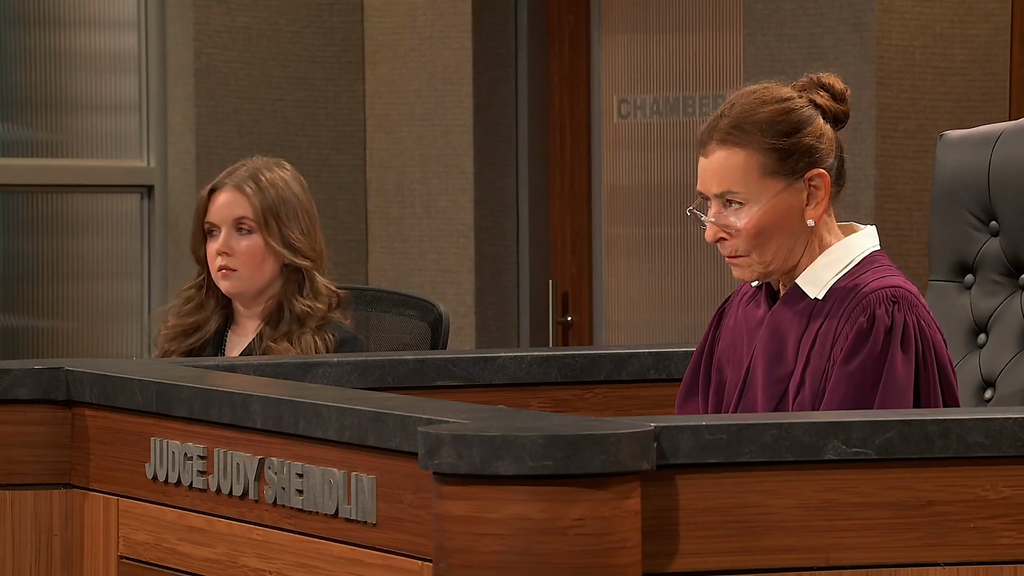
The court did not need to determine which post-dispute communication account was entirely accurate. By Vargas’s own testimony, she resumed the project only after learning that Stevens wanted her money back, and Stevens still had not received a final report she trusted.
A Crucial Question in Court
Near the end of the hearing, the judge asked Stevens whether she had any interest in seeing the results of Vargas’s recent work.
Stevens initially said she did. The judge immediately explained the consequence: if Stevens accepted those results, her lawsuit would be dismissed.
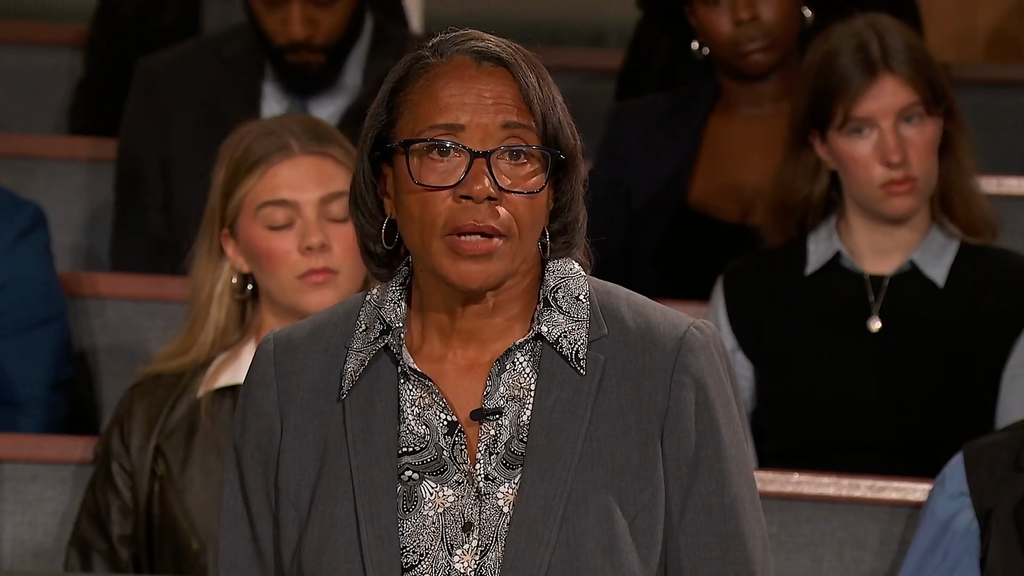
Faced with that choice, Stevens tried to retract her answer. The judge understood the hesitation as a lack of confidence in the research. Stevens confirmed that she did not trust the work.
That brief exchange distilled the entire conflict. The case was no longer simply about whether names and documents existed somewhere in an account or among printed records. It was about whether the delayed service still had the value Stevens purchased in February 2023.
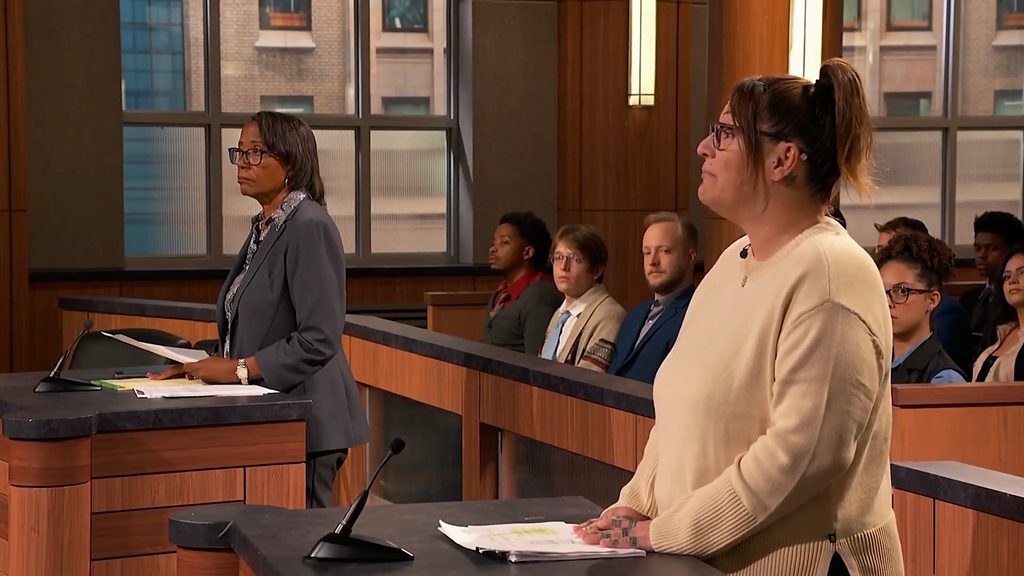
After repeated pauses, inconsistent completion claims and research resumed only after legal action began, Stevens no longer believed it did.
Why the Judge Ordered a Full Refund
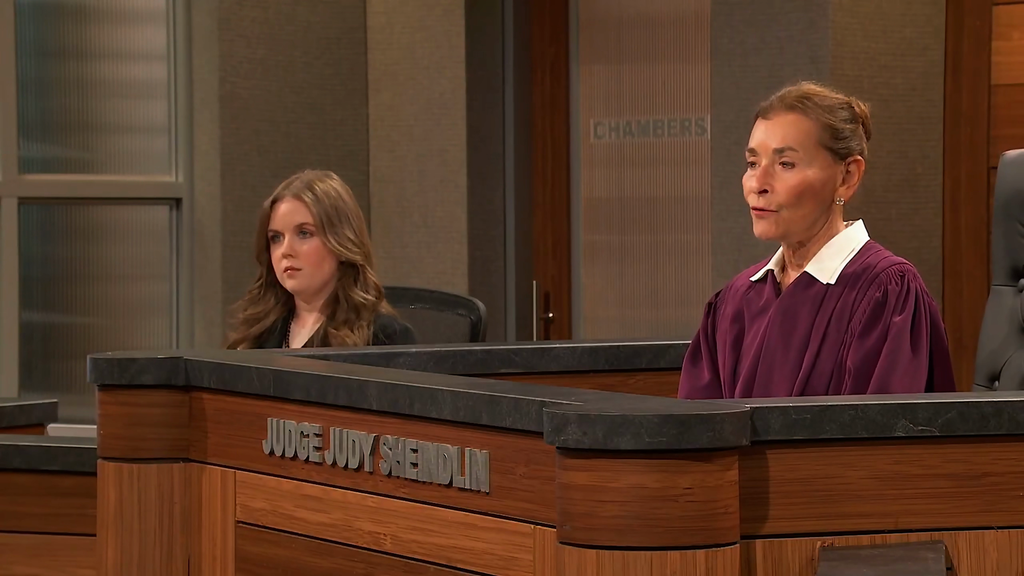
The judge entered judgment for Cheryl Stevens in the amount of $750, returning the full fee she had paid Gabriella Vargas.
The ruling recognized the text exchange as a valid contract even though the parties had not signed a formal document. Vargas offered to complete defined genealogical research for a stated price, and Stevens accepted by paying that price.
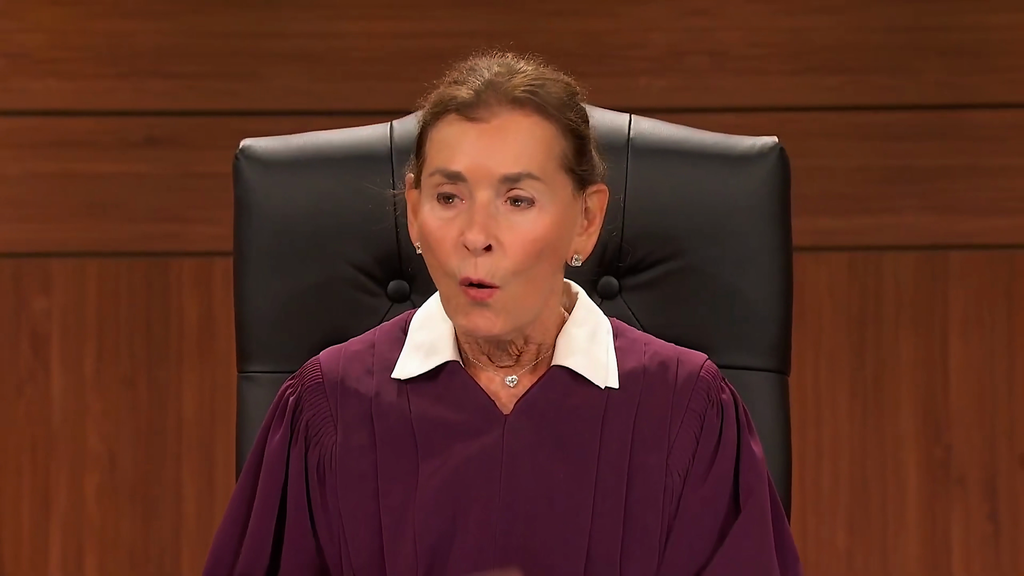
The absence of a fixed deadline did not defeat Stevens’s claim. Instead, the court applied a reasonableness standard. A service provider may encounter personal emergencies, health problems or genuine research obstacles, especially in genealogy involving scarce historical records. But those complications do not automatically justify leaving a paid project unresolved for roughly a year and a half.
The timing of Vargas’s renewed work was particularly damaging. As explained after the hearing, attempting to finish only after receiving a summons did not necessarily cure the earlier failure to perform within a reasonable time. Stevens was not required to rely on the quality or accuracy of work completed in response to her lawsuit.
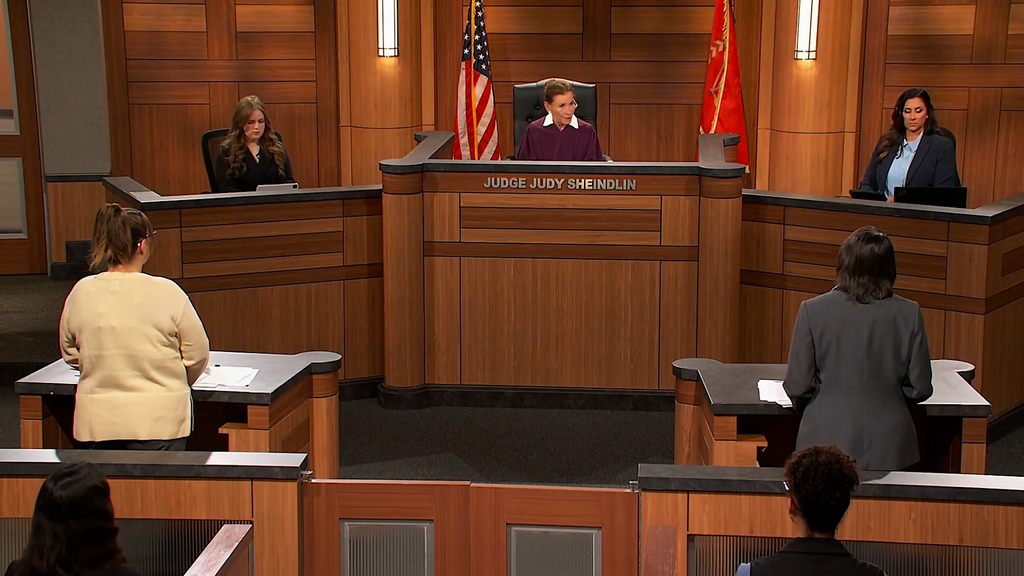
Vargas said afterward that she believed the decision was unfair and that she had not been given an opportunity to deliver her final report. Stevens said she was pleased with the ruling and intended to hire someone else to finish the family tree.
What the Ruling Says About Service Contracts
This case was a civil contract dispute, not a criminal prosecution. Its lesson, however, reaches beyond genealogy.
An agreement can be enforceable even when it exists only in emails or text messages. A clear description of the service and an agreed price may be enough to establish what each side promised.

At the same time, vague terms create avoidable conflict. This agreement did not define a deadline, milestones, editing permissions, reporting format or procedure for delays. Those omissions left the parties arguing about whether changes inside an online account constituted delivery and whether a project could be considered complete without a final report.
For specialized research, a stronger agreement would identify:
- The exact family lines or questions to be researched.
- The records and platforms the researcher may use.
- Whether the client may edit a shared workspace during the project.
- Interim milestones and status-update dates.
- A final delivery format, such as a report with cited records.
- A completion deadline or a process for extending it.
- Refund terms if the promised scope cannot be completed.
No contract can guarantee that lost historical records will be found. It can, however, distinguish a good-faith but unsuccessful search from a project left dormant without a clear conclusion.
For Stevens, the ruling did not supply the missing ancestors she hoped to identify. It returned the money she could use to begin the search again—with a different researcher and, ideally, clearer terms.
(uc.)
FAQ
Why did Cheryl Stevens sue Gabriella Vargas?
Stevens sued for the return of $750 she paid Vargas to complete the maternal side of her family tree. Stevens acknowledged that Vargas performed some work but said the agreed project was never finished.
When did Cheryl Stevens pay for the genealogy research?
Stevens paid Vargas $750 on February 7, 2023. The court hearing took place in October 2024.
Did Gabriella Vargas perform any work on the family tree?
Yes. Stevens said Vargas made changes between February 9 and February 25, 2023, including adding relatives and deleting some information. The dispute concerned whether the promised maternal branch and final research were completed and delivered.
Why was the genealogy project delayed?
Vargas cited difficulties caused by edits to the shared tree, family and health issues between May and August 2023, and work on a high-profile murder case. She later acknowledged restarting the project in August 2024 after learning she was being sued.
What was the final judgment in Stevens v. Vargas?
The judge awarded Cheryl Stevens the full $750 refund. The court concluded that the work had not been completed within a reasonable period and that work resumed after the lawsuit did not cure the delay.
Sources
- Judge Judy, including testimony from Cheryl Stevens and Gabriella Vargas, the text agreement read in court, the judgment and the post-hearing legal discussion. No outside biographical or case details have been added. Statements disputed by the parties are attributed to the person who made them.