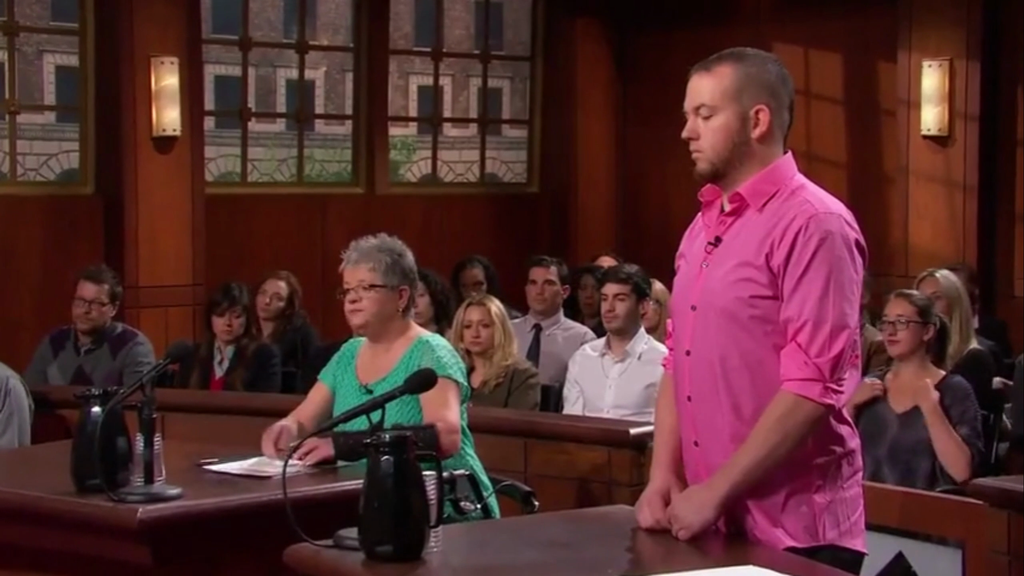
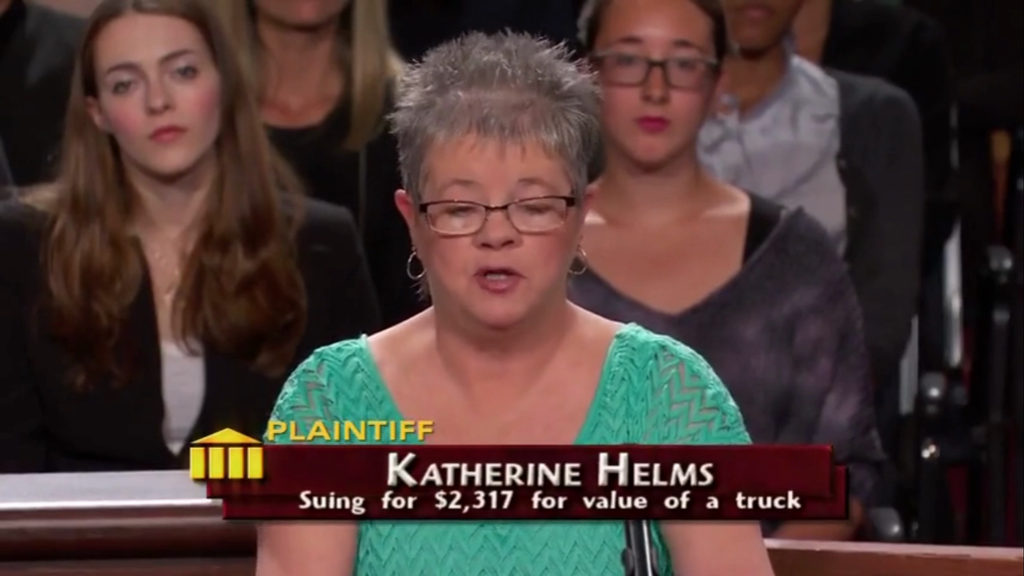
Katherine Helms described the 1989 pickup as the only substantial thing she owned. She had loaned it to her son Wesley for 10 months, paid its insurance and registration, and said it came home ruined. But under courtroom questioning, the story shifted: the truck had completed a 90-minute drive, continued toward a family birthday party while water was repeatedly added, and was then sold for $200 to a car-lot employee who planned to rebuild it. Katherine wanted $2,300. The court dismissed her case.
A Family Loan That Lasted 10 Months
The dispute between Katherine Helms and her son Wesley began as a favor.
In March 2015, Katherine loaned Wesley her 1989 S-15 pickup. What might have been a short-term arrangement stretched across 10 months. Wesley used the truck until January 17, 2016, when he drove it from Cleveland, Missouri, to Osceola—a trip the parties placed at roughly an hour and a half.

Katherine said the pickup had been her regular vehicle before the loan. Without it, she claimed, she needed rides or had to borrow transportation. The judge challenged that description after Wesley disclosed that Katherine’s longtime partner, Dan, had three vehicles: a 2009 Chevrolet pickup and two 1987 Suzuki Samurais.

Katherine maintained that those vehicles belonged to Dan, not her. She also said she was not insured to drive his pickup and could not afford the deductible if she had an accident. The court remained skeptical that she had truly been left without practical access to transportation.
That exchange mattered because Katherine was not merely asking for the value of a damaged truck. She wanted Wesley to reimburse expenses she had chosen to keep paying throughout the extended family loan.

What Katherine Wanted Wesley to Repay
Katherine’s claim totaled approximately $2,300. It included the pickup’s value, maintenance expenses, insurance, licensing, registration, and taxes paid while Wesley had possession. She also alleged that the truck was ruined on the day he returned it.

The arrangement, however, was consistently described as a loan—not a sale or rental contract. The SRT contains no testimony that Wesley had agreed in advance to reimburse every insurance, registration, tax, or maintenance payment. He had use of the vehicle, but the court did not treat that fact alone as proof that he owed all of its carrying costs.
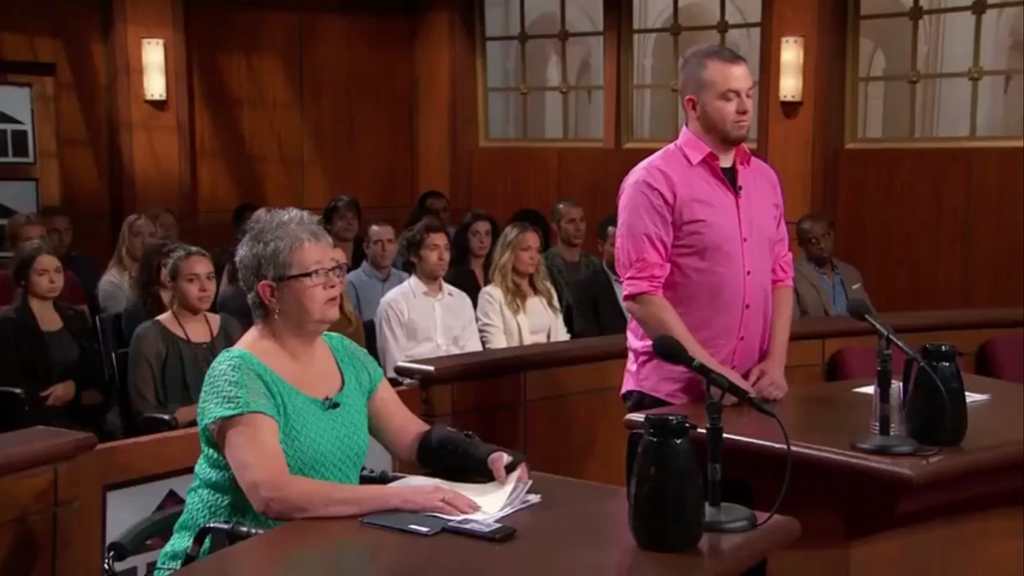
Wesley acknowledged driving the pickup for 10 months. He also said it was already in disrepair when he received it and that he fixed some things during that period. He specifically mentioned a leaking heater core, which he claimed had been a known problem for years. The judge stopped him from testifying about what his mother supposedly knew, but the mechanical condition remained central to the question of whether he had destroyed the truck or whether an old vehicle had simply reached the end of its useful life.
January 17: The Truck Makes the Drive Home
The route back to Katherine undercut the idea that the pickup arrived as a complete wreck.
On January 17, Wesley drove the S-15 approximately 90 minutes from his home in Cleveland to his mother in Osceola. It was not towed. After arriving, he picked Katherine up, and they set out again for a relative’s house to attend a nephew’s birthday party.

The pickup therefore remained mobile after the long return trip. That did not mean it was mechanically sound. Wesley described the heater core as leaking, and the next drive exposed how fragile the vehicle had become. Still, the fact that it could travel from one town to another—and then leave Katherine’s home under its own power—complicated her claim that Wesley had returned a ruined, valueless truck.

The condition of an aging vehicle cannot be judged solely by whether its engine starts. But in court, Katherine needed evidence connecting a specific failure to Wesley’s misuse or neglect. The transcript contains no mechanic’s testimony, inspection report, or repair invoice establishing that he caused the final problem.
A Breakdown on the Way to a Birthday Party

About 30 minutes into the next trip, something “popped.” Wesley said they continued driving while repeatedly adding water to prevent the truck from overheating. They traveled approximately another 20 miles and reached the birthday gathering.
Katherine and Wesley eventually made it home, but the pickup did not. It remained at the relative’s location.
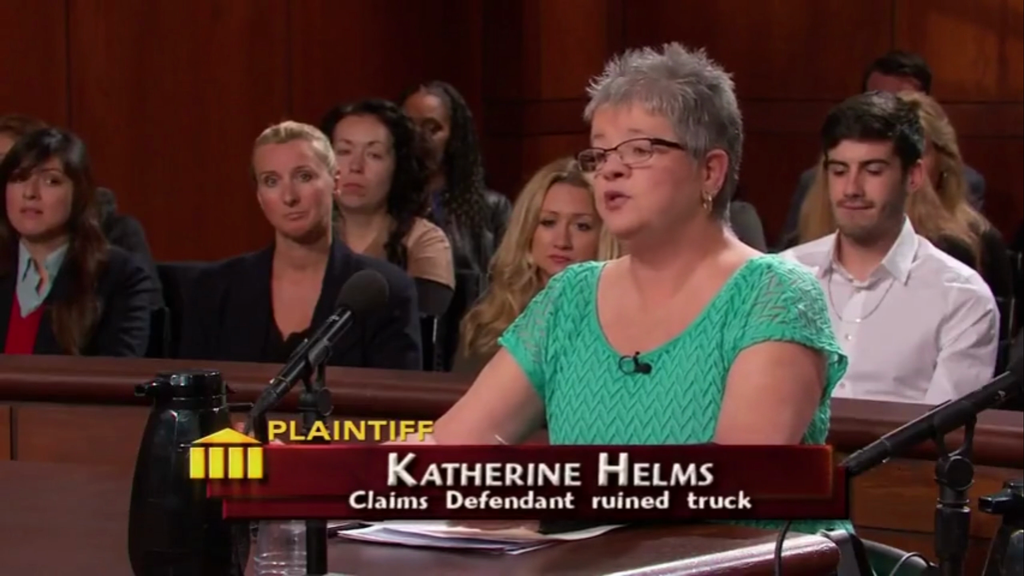
This sequence showed a real mechanical problem, yet it also blurred responsibility. Katherine was in the truck after accepting its return. She and Wesley jointly continued the journey despite the leak and the need to add water. The breakdown occurred after Wesley had already completed the drive back to her.
Nothing in the SRT establishes precisely what component failed, how much a repair would have cost, or whether stopping sooner would have preserved the vehicle. Those missing details left the court with family recollections rather than technical evidence.

The “Salvaged” Truck That Was Actually Sold
Katherine initially told the judge that the truck had been salvaged within a day or two. That answer did not survive further questioning.
A relative named Chet, who operated a car lot, explained that the pickup had been sold to an employee named Rob. Chet believed the transaction occurred around January 25, roughly a week after the truck was returned. Rob paid Katherine $200.

According to the testimony, Rob intended to remove the motor and try to turn the pickup into a race car because the engine was no good. By the time of the hearing, he had disassembled bad parts and was working on the vehicle. It had not simply disappeared into a salvage yard.
The distinction damaged Katherine’s credibility. A sale to a person who planned to repair or repurpose the pickup was not the same as proving the truck had no value. More importantly, the courtroom learned the fuller story only after Katherine’s first description was challenged.

Three Different Values for One Aging Pickup
The testimony produced three dramatically different numbers.
Katherine said Wesley had offered her $1,000 for the truck in November. She declined because, she said, her son had borrowed from her before and she had not been repaid. She also testified that Dan was prepared to pay $1,500 if Wesley brought the truck home. Yet when the S-15 was finally left with the family, Katherine accepted $200 from Rob.
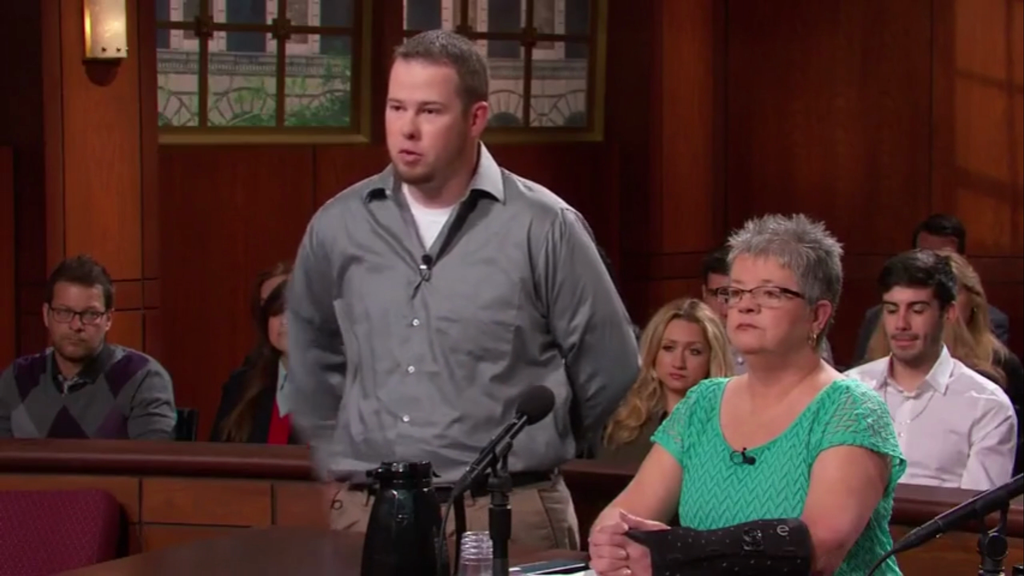
None of those figures automatically established fair market value. Wesley’s $1,000 offer may have reflected his need for transportation. Dan’s proposed $1,500 may have depended on the truck arriving in a different condition. Rob’s $200 payment reflected a vehicle with a damaged engine that he intended to dismantle and rebuild.

But the range—from $1,500 to $200—made a $2,300 demand especially difficult to justify without an appraisal, pre-loan photographs, repair records, or expert evidence tracing the damage to Wesley.
Why the $2,300 Claim Failed
The case weakened along several connected lines.

Katherine voluntarily loaned an old pickup to Wesley for 10 months. She did not establish an agreement requiring him to reimburse the continuing insurance, registration, licensing, taxes, and maintenance. Wesley described the truck as already needing repairs when he received it. He drove it approximately 90 minutes to return it, and Katherine then traveled in it again. When a problem developed, no technical evidence established that Wesley had caused it.
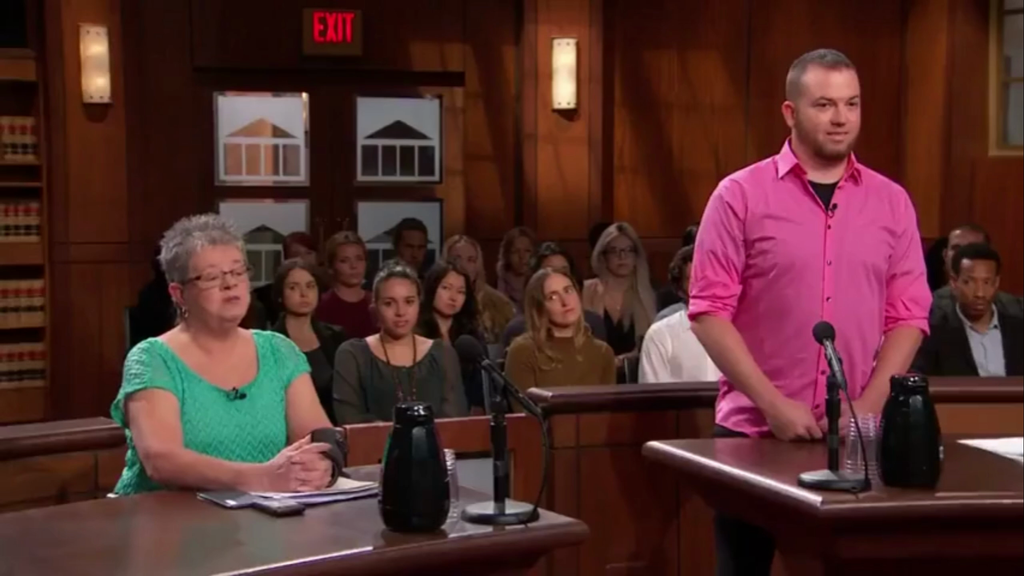
Finally, Katherine’s statement that the truck had been salvaged gave way to evidence that it had been sold for $200 to an employee at a relative’s car lot. The judge repeatedly rejected the idea of awarding $2,300 for the vehicle and its expenses. After confirming the sale and learning that Rob was working on the truck, she dismissed Katherine’s case.
The dismissal was a civil outcome. It did not declare Wesley an ideal borrower or determine that every choice he made during the 10-month loan was responsible. It meant Katherine had not proved the financial claim she brought.

What the Dismissal Left Unresolved
The legal dispute ended quickly; the emotional one did not.
After the hearing, Katherine said she had tried hard to help Wesley, had given him things while doing without herself, and viewed the pickup as the only significant property she owned besides her clothes. She also said she loved her son.
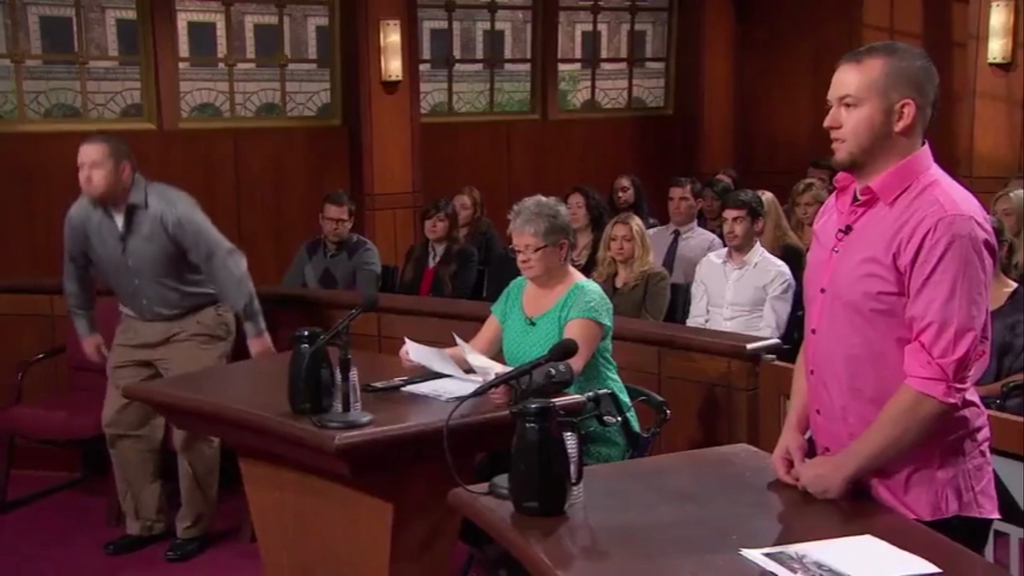
Wesley responded that every story had two sides and characterized the family dynamic as a guilt trip. His final message was broader: help family—or anyone—when possible, but do not remain consumed when the help is met with ingratitude.

Those remarks revealed why the lawsuit carried more weight than a 1989 truck might suggest. For Katherine, it represented sacrifice and a history of helping her son. For Wesley, the demand appeared connected to a longer pattern of family obligation. The court did not attempt to settle those competing narratives.
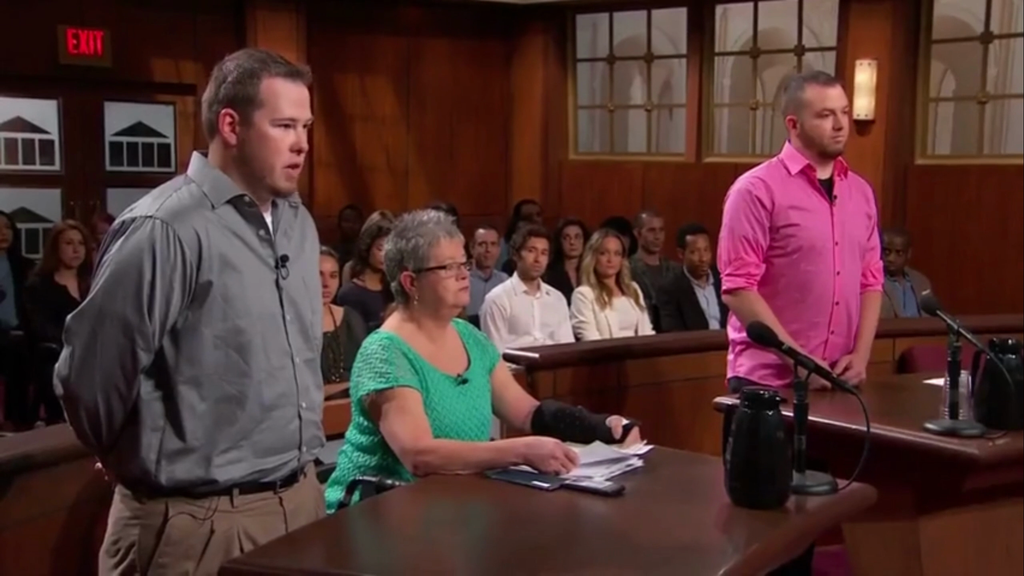
It resolved only what could be supported in the claim before it. The pickup had been loaned, driven, returned, driven again, and sold. The evidence did not justify turning that sequence into a $2,300 judgment against Wesley.
FAQ
Katherine Helms sued her 28-year-old son, Wesley Helms, over a 1989 S-15 pickup she had loaned him, along with insurance, maintenance, licensing, registration, and tax expenses.
Katherine loaned the pickup to Wesley in March 2015. He returned it on January 17, 2016, after having it for approximately 10 months.
No. Wesley testified that he drove it about an hour and a half from Cleveland, Missouri, to Osceola. He then picked up Katherine, and they drove toward a family birthday party before another mechanical problem developed.
Wesley said something popped during the trip. He and Katherine continued toward the gathering while adding water to keep the pickup from overheating. They reached the destination but left the truck there.
Katherine initially described it as salvaged. Further testimony showed that it was sold for $200 to Rob, an employee at a relative’s car lot, who began disassembling and working on it.
She sought approximately $2,300 for the truck and expenses including insurance, maintenance, registration, licensing, and taxes.
The judge dismissed Katherine’s case. She received no monetary award from Wesley in the proceeding shown in the SRT.
Sources
- Primary source: E9.2.srt, the complete 224-cue subtitle transcript supplied for this article. All names, locations, dates, vehicle details, monetary amounts, testimony, and the dismissal were checked against the entire file.
- Official Judge Judy YouTube — “Son Ruins Mom’s Pickup Truck? | Part 1”: confirms the Katherine and Wesley Helms case framing and Katherine’s initial salvage claim.
- Official Judge Judy YouTube — “Son Ruins Mom’s Pickup Truck? | Part 2”: corroborates the dispute over the old pickup’s condition and Wesley’s position that he did not ruin it.
- Official Judge Judy Facebook — “Son Ruins Mom’s Pickup Truck? | Part 2”: independently preserves the parties’ names and the insurance-and-maintenance claim.
Source limitation: The SRT identifies the vehicle as a “1989 S15 pickup” but does not clearly state its manufacturer. This article therefore does not label it as a Chevrolet or GMC S-15.