At about 10:30 one morning, neighbor Sandra Jackson heard an argument carrying beyond a nearby house. From her bedroom window, she said she saw Larry Williams beside a white Chevrolet and Leah Williams emerge holding a large brick. Sandra testified that Leah threw it at the windshield, picked it up after it bounced onto the hood, and threw it again. The car belonged to a rental company. The contract belonged to Larry’s sister, Tashawna Woodbury—and the damage would pull an already divided family into court.
A Marriage in Trouble and a Plan to Leave
The rental-car dispute began inside a marriage already under pressure.
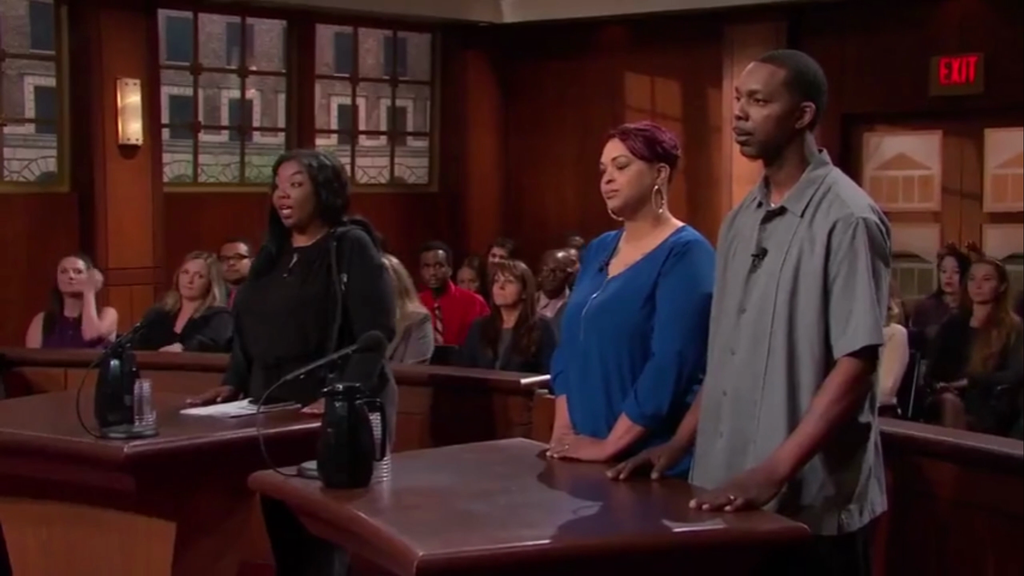
Larry Williams and his wife, Leah, were experiencing marital problems. During that period, Larry planned to leave and stay with his brother in Minneapolis. He also intended to take the couple’s two children, then ages four years and five months.
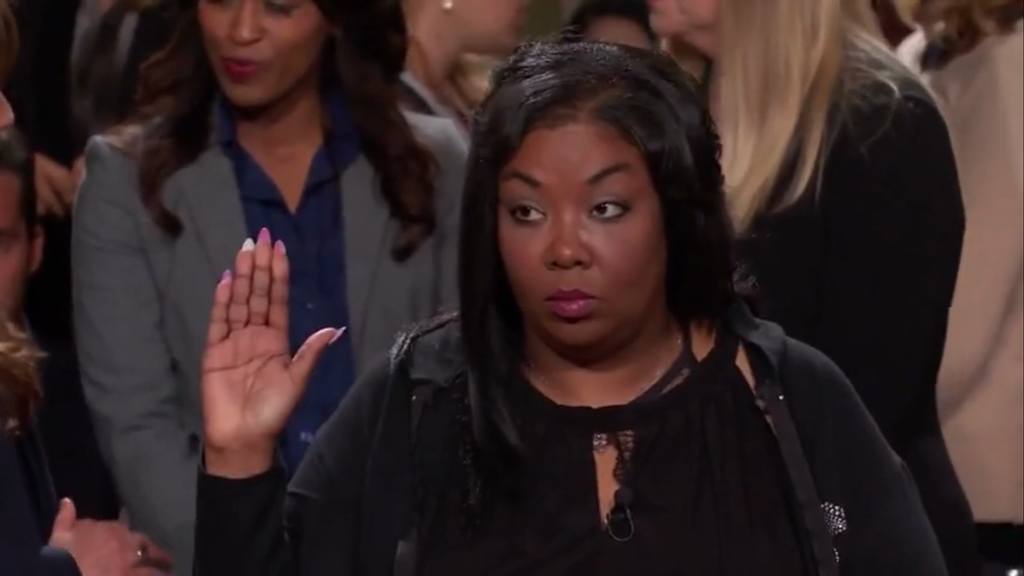
The courtroom testimony showed that the plan was discussed but never settled with precision. Larry said he told Leah he would take the children and that she did not object. Leah recalled telling him to go ahead, explaining that she trusted him with the children but did not believe he would actually leave.
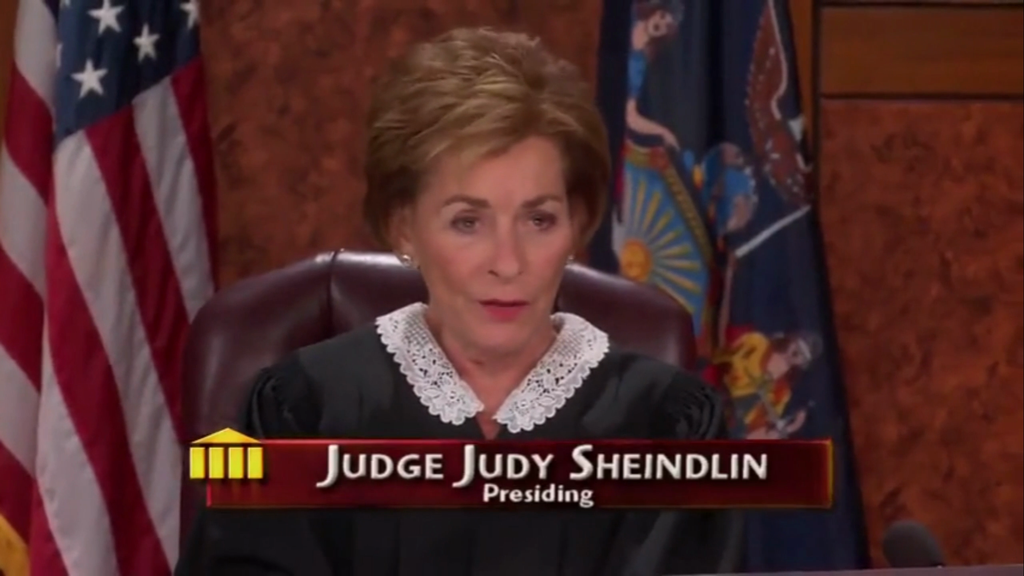
That uncertainty matters because the vehicle was not rented for an ordinary visit. It was obtained to help Larry separate from the household and travel with two very young children. When the trip did not happen, the rental car remained in the middle of the couple’s conflict.
Why Tashawna Rented the Car
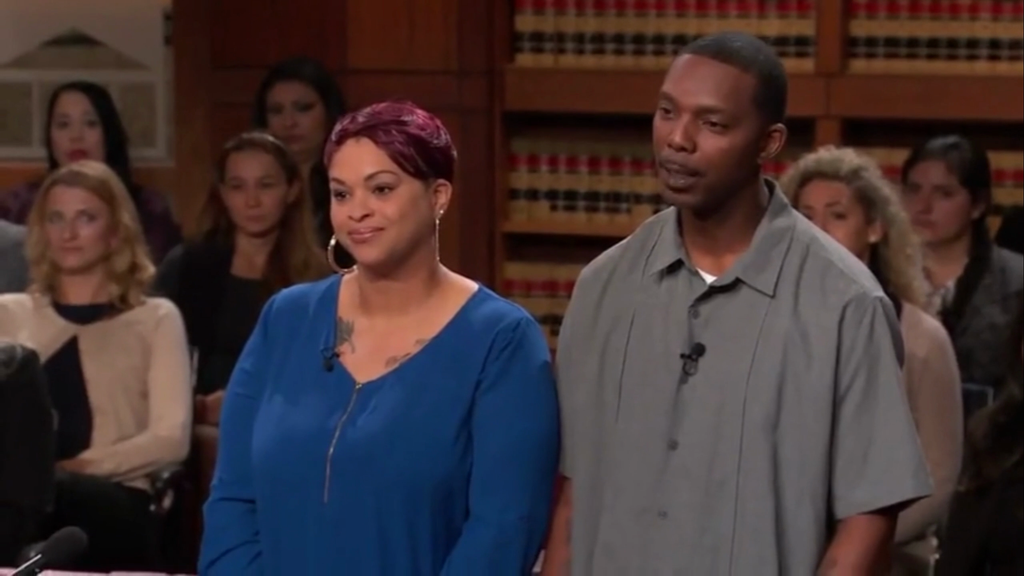
Larry asked his sister, Tashawna Woodbury, to help him reach Minneapolis. Tashawna rented a white Chevrolet from Enterprise on February 28, 2016, and allowed her brother to drive it.
The rental agreement placed the financial risk in Tashawna’s name. Whatever happened between Larry and Leah, Enterprise would look to the person on its contract for damage to the vehicle. Tashawna’s husband, Marcus Woodbury, later testified that he had warned Larry not to return to the marital home in the rental because the couple was having problems and the vehicle could become a target.
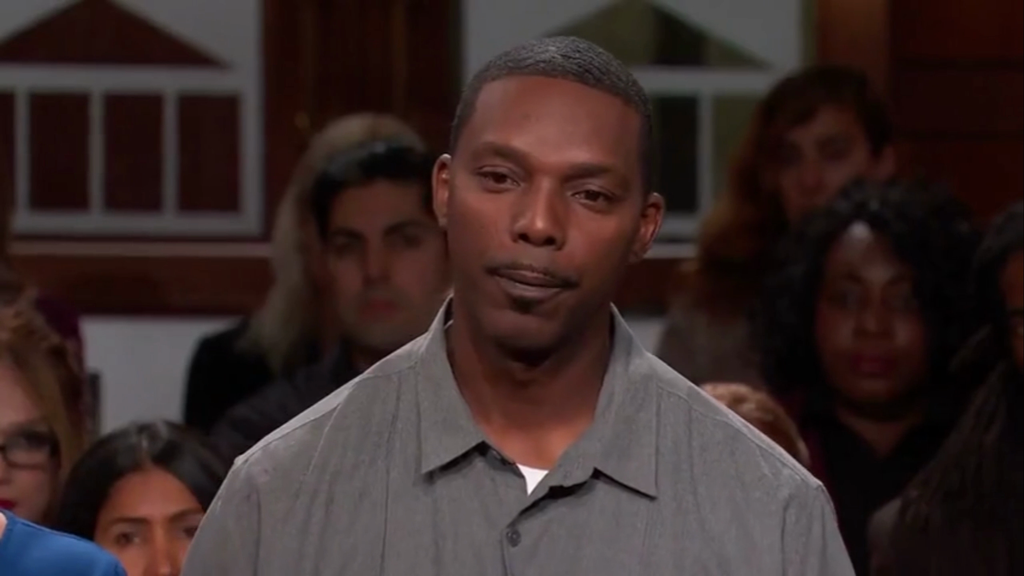
The warning proved significant, though it did not by itself establish who caused the damage. That question would depend on the conflicting accounts of Larry and Leah, the call Larry allegedly made to Marcus, physical documentation, and a neighbor whom Tashawna did not know before investigating the incident.
February 28: Larry Returns to the Marital Home
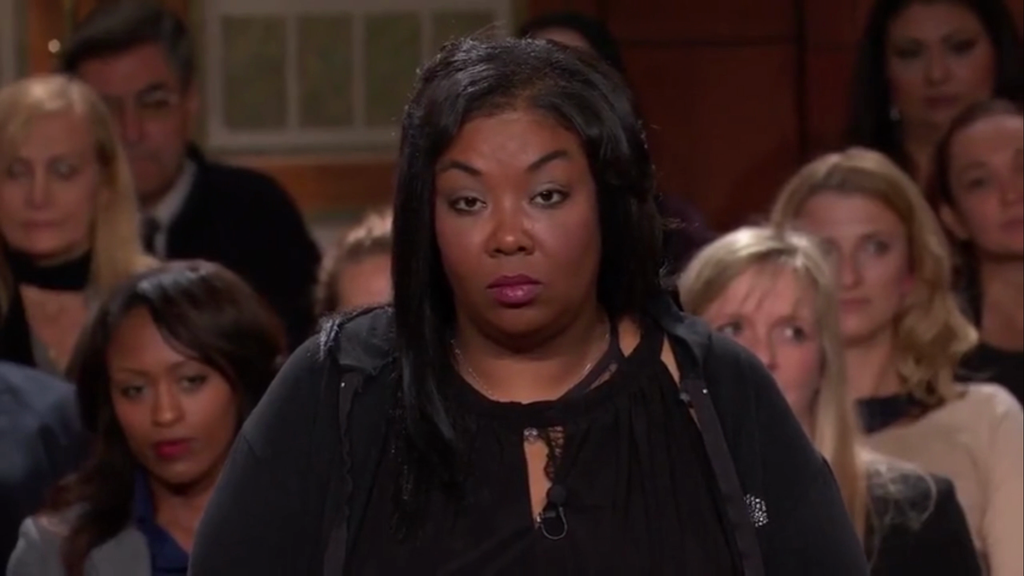
Larry acknowledged that he drove the rental back to the marital home late on February 28, around midnight or 1 a.m. He initially resisted the suggestion that he went there to collect the children, even though Tashawna said he had told her Leah called and instructed him to pick them up.
According to Larry, nothing happened to the Chevrolet that night. By the following day, he and Leah had talked, and he abandoned the plan to go to Minneapolis.
Leah’s defense focused on possession of the vehicle after the reconciliation. She said Larry had the rental, went to his mother’s home, and later came to her with it already damaged. She denied causing the destruction and suggested that Larry was concerned about consequences for his driver’s license.
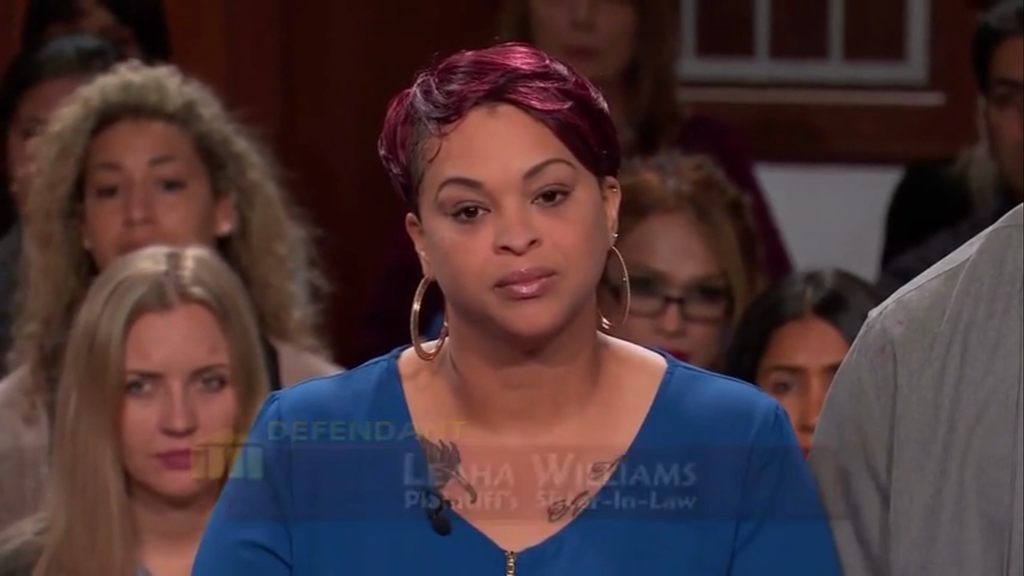
The two versions could not both explain the same car. Either it was damaged while the couple argued near the house, as the plaintiff’s evidence indicated, or it was already damaged elsewhere before Leah saw it, as she maintained.
March 1: The Rental Car Is Found Damaged
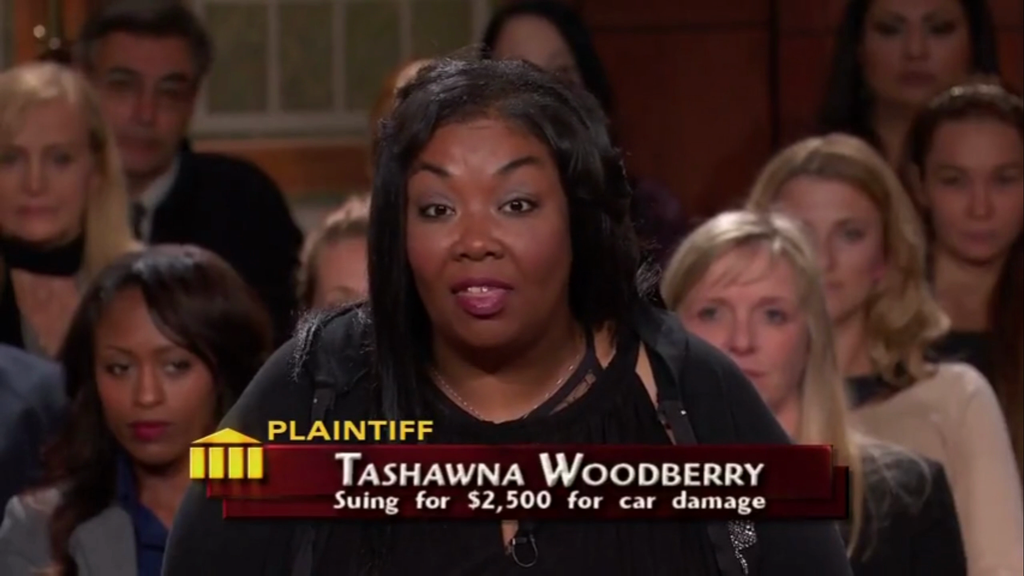
Marcus testified that Larry called him at approximately 10 or 11 on the morning of March 1, 2016. According to Marcus, Larry said Leah had broken the windows. Marcus left work, picked up Tashawna, and went to a friend’s house where Larry and the rental car were located.
They saw the damaged Chevrolet and contacted police. Tashawna presented the resulting police report during the hearing, along with photographs and repair documentation.
Larry disputed the plaintiff’s account in court and suggested that Tashawna and Marcus were trying to make him pay for damage they had caused themselves. His position was complicated by Marcus’s testimony about the phone call. Still, Marcus had not witnessed the brick being thrown; he could only repeat what he said Larry told him afterward.
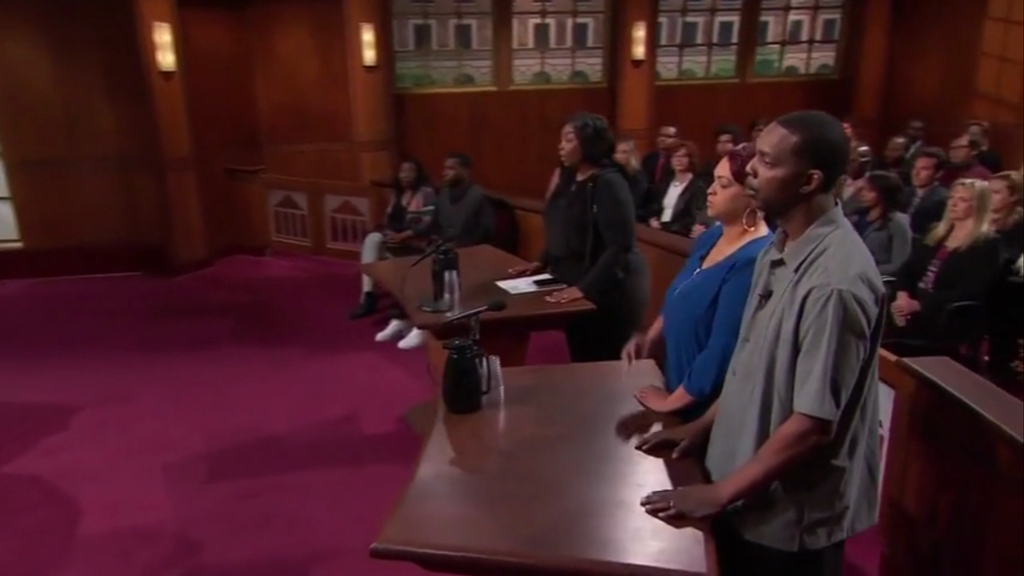
The case therefore needed evidence from someone outside the family dispute.
The Neighbor Who Said She Saw the Brick
Tashawna found Sandra Jackson by returning to the Williamses’ former neighborhood and knocking on several doors. She said Sandra lived at the fifth house she approached and that the two women had never met before. Sandra testified that she had lived a few houses from Larry and Leah for roughly a year and a half to two years.
Sandra testified that she heard loud arguing at about 10:30 that morning. Larry was outside near the white Chevrolet, while Leah was initially inside the house. Sandra said Leah then came outside holding a large brick and threw it at the windshield. After the brick struck the vehicle and bounced onto the hood, Sandra said Leah picked it up and threw it a second time.
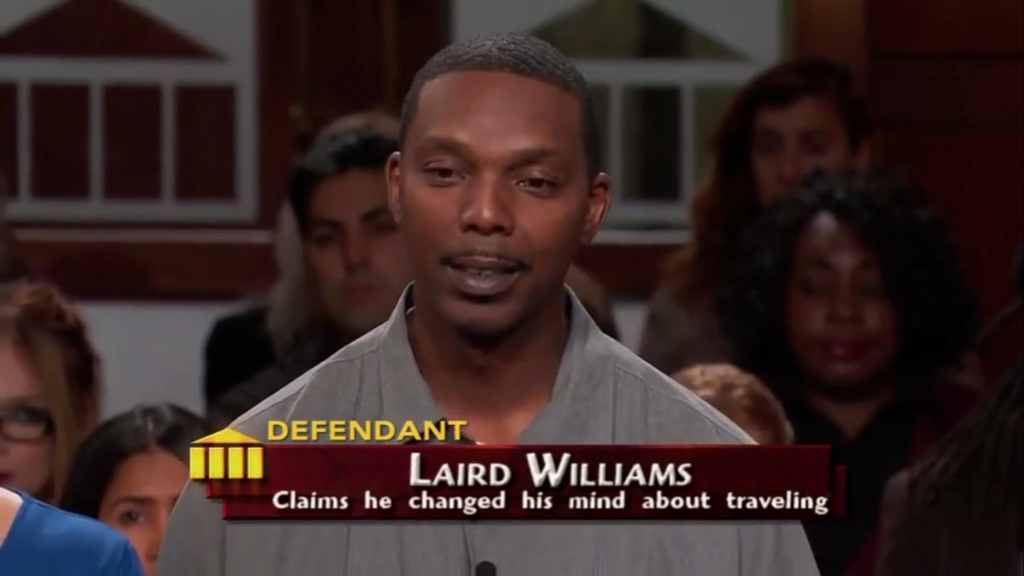
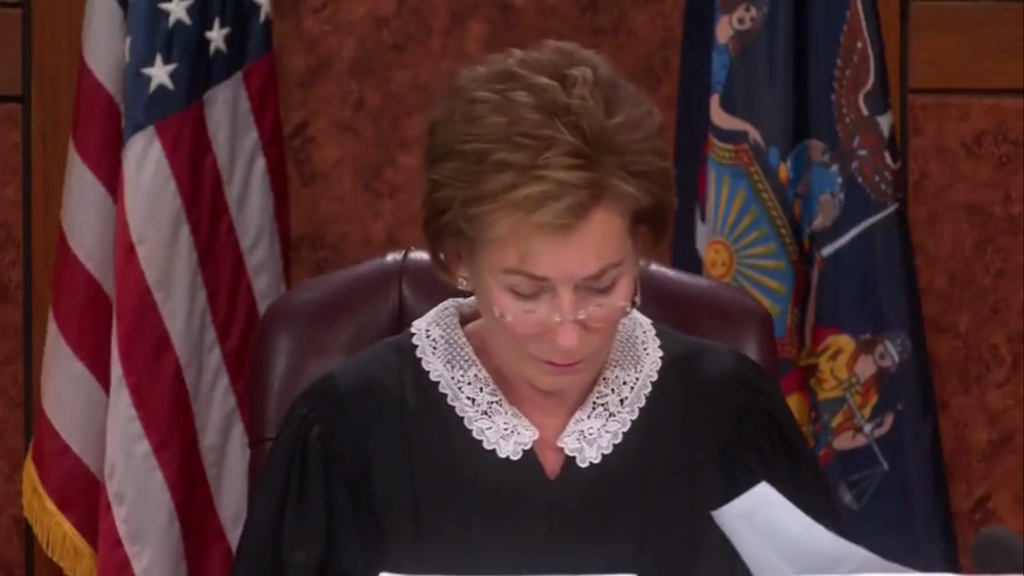
Leah challenged the account, asking why a brick would have been inside the house and objecting to details Sandra had not claimed—such as whether Leah ran outside. The judge stopped Leah from questioning the witness directly and reviewed photographs presented during the hearing.
Sandra’s testimony was powerful because she claimed direct observation and had no known prior relationship with Tashawna. Unlike the siblings and spouses, she did not appear to have a financial or family stake in the outcome.
The Police Report, Photographs, and $761
The documentary evidence gave the eyewitness account a monetary frame.
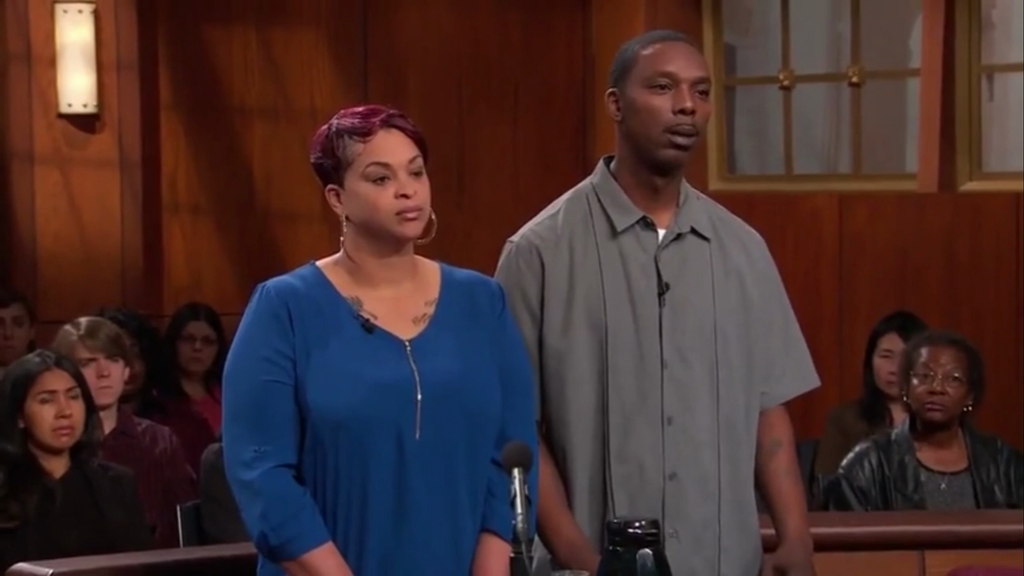
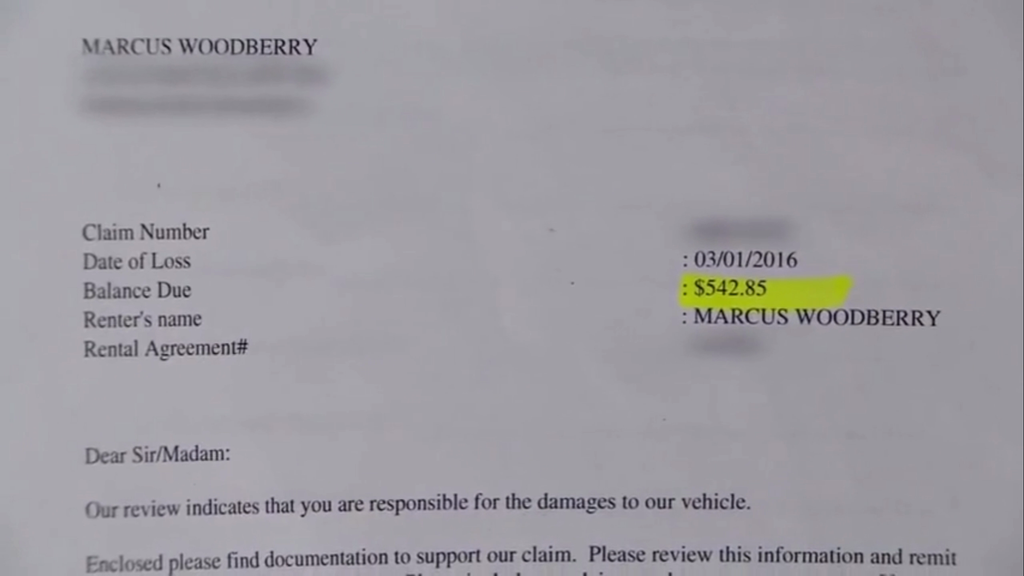
Tashawna identified two amounts: $542 connected to the hood damage and $219 for the windshield. The SRT contains minor transcription noise while the papers are being sorted, but the two figures are repeated clearly enough—and together equal the final judgment of $761.
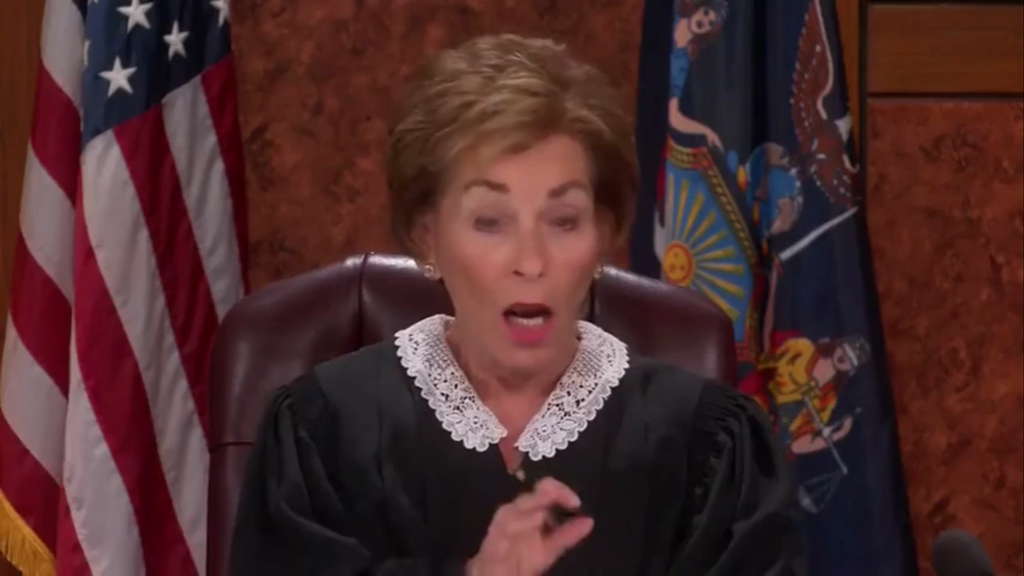
The court also considered photographs of the Chevrolet and the police report made after Tashawna and Marcus saw the damage. A police report alone does not prove who damaged property, and an estimate alone does not identify the responsible person. Here, however, the documents supported the physical condition of the car and the amount claimed, while Sandra’s testimony addressed who caused it.
That combination was more persuasive than either type of evidence would have been alone: the witness described the act, the photographs showed the result, and the paperwork supplied the cost.
April Messages Raise the Family Pressure
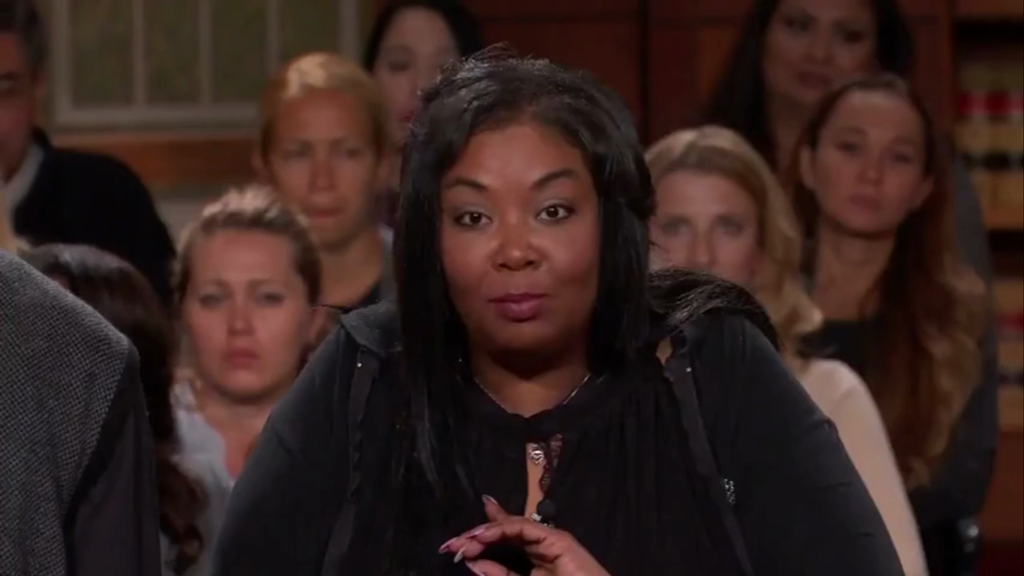
The dispute continued for more than a month. Tashawna testified that on April 7 she sent Leah a message giving her until April 8 to pay for the rental-car damage. She threatened to pursue charges and said Leah could face a felony and jail.
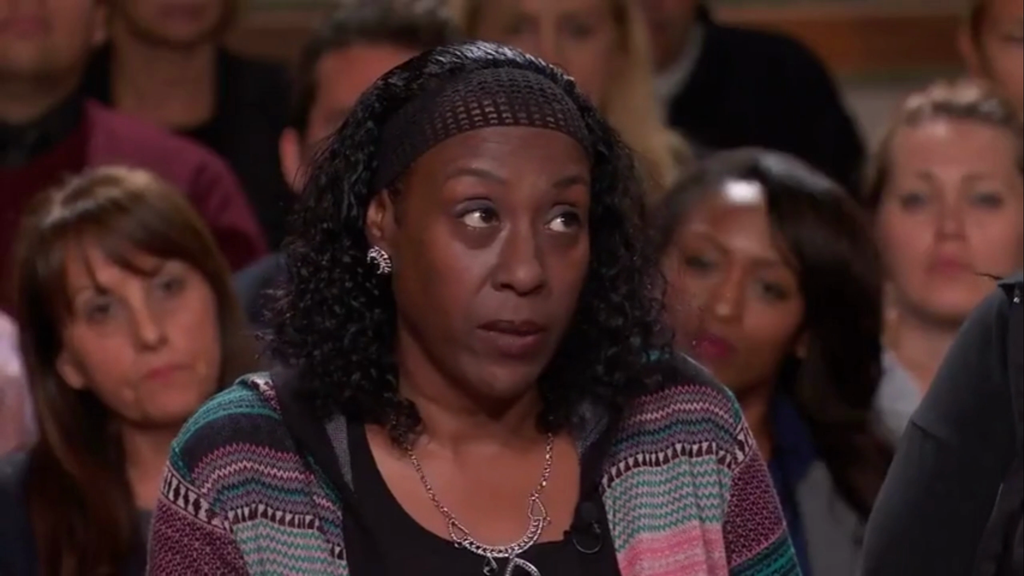
Tashawna also read a message she sent Larry in which she threatened to hit Leah if payment was not made. The language was aggressive and should not be minimized. It did not prove who damaged the car, and the judge said the surrounding argument did not change the core issue before the court.
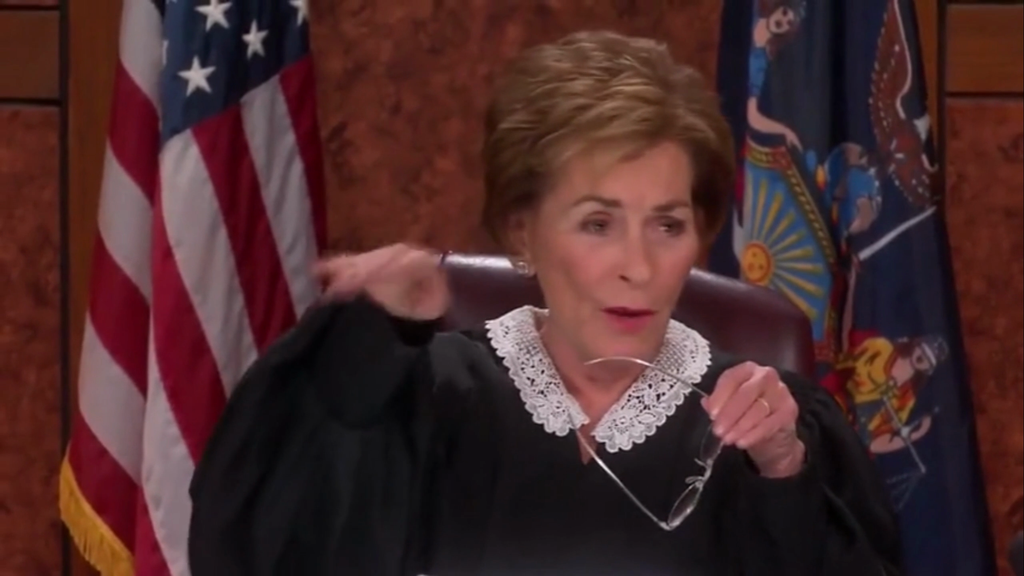
Larry’s reply focused on his children and the possible consequences if Leah were jailed. According to the exchange Tashawna read, he also said he would ensure Leah paid before the debt affected Marcus’s wages. The messages revealed how a property claim had become entangled with custody fears, marital loyalty, and conflict between siblings. They were evidence of mounting pressure, not a substitute for Sandra’s eyewitness account.
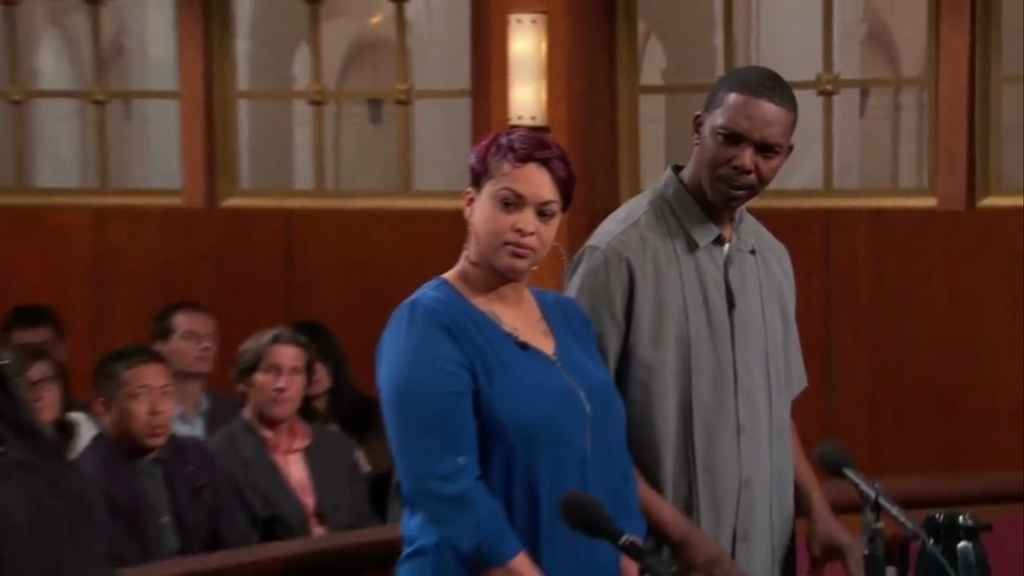
What the Verdict Did—and Did Not—Establish
The judge entered a $761 judgment for Tashawna. The amount matches the two damage figures presented in court: $542 and $219.
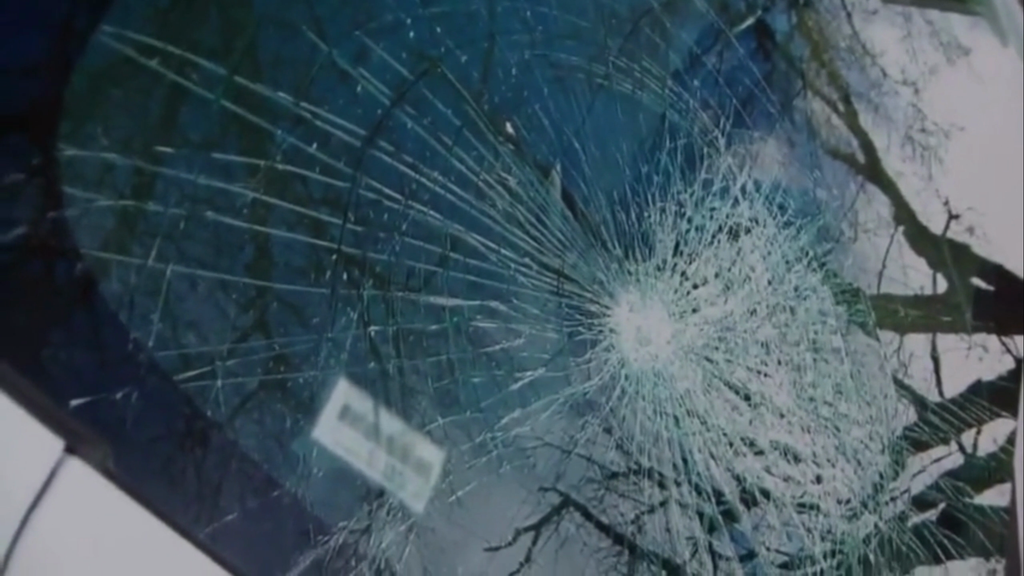
The ruling compensated the plaintiff for documented rental-car damage. It did not resolve Larry and Leah’s marriage, decide where their children should live, or validate every threat and accusation made after March 1. Nor does the transcript show that Leah was criminally convicted of vandalism. This was a civil claim that resulted in a monetary award.
The final interviews showed that the family relationship remained bruised. Tashawna criticized her brother for lying after, she said, she had done so much for him. Leah continued to deny involvement. Larry said they would get over the dispute because, in his words, family ties would ultimately prevail.
Whether that reconciliation happened is outside the record. What the SRT establishes is narrower: Tashawna accepted financial responsibility for a rental to help her brother; the vehicle was damaged during a period of marital conflict; an independent neighbor testified to seeing Leah strike it with a brick; and the court awarded the exact $761 reflected by the two damage amounts.
The case was born from a favor. Its lesson was written into the rental contract: when a family crisis spills onto property held in someone else’s name, the person who tried to help may be the first one left with the bill.
FAQ
Tashawna Woodbury sued her brother, Larry Williams, and his wife, Leah, after an Enterprise rental car obtained in Tashawna’s name was returned with windshield and hood damage.
Larry planned to travel to Minneapolis and stay with his brother while he and Leah were having marital problems. He intended to take the couple’s two young children, but the trip was abandoned after Larry and Leah talked.
Sandra testified that she heard Larry and Leah arguing at about 10:30 a.m. She said Leah came out holding a large brick, threw it at the windshield, picked it up after it bounced onto the hood, and threw it again.
Tashawna said she returned to the couple’s former neighborhood and knocked on multiple doors. Sandra lived at approximately the fifth house she approached, and Tashawna said they had not known each other beforehand.
The court reviewed Sandra’s eyewitness testimony, photographs, a police report, and paperwork showing two damage amounts: $542 and $219.
The court awarded Tashawna $761—the total of the two damage figures presented during the hearing.
No criminal conviction appears in the supplied source. The proceeding shown in the SRT concerned civil financial responsibility for the rental-car damage and ended with a monetary judgment for Tashawna.
Sources
- Primary source: E9.1.srt, the complete 312-cue subtitle transcript supplied for this article. Names, testimony, dates, evidence, monetary amounts, and the verdict were checked against the entire file.
- Official Judge Judy YouTube — “Who Smashed the Rental Car Windows? | Part 1”: confirms the official clip framing and standardizes the plaintiff’s first name as Tashawna.
- Official Judge Judy Facebook — “Who Smashed the Rental Car Windows? | Part 1”: corroborates the February 28 rental-car timeline.
- Official Judge Judy Facebook — “Who Smashed the Rental Car Windows? | Part 2”: covers the conflicting account of how the Chevrolet was damaged.
Editorial note: The SRT renders the plaintiff’s first name as “Keshauna” in its opening cue and later separates it as “to Shawna.” Official Judge Judy clip metadata identifies her as Tashawna Woodbury, which is the form used throughout this article.