Tanisha Brown and Wesley Smooth signed a one-year apartment lease together, but their relationship fell apart months later. Tanisha moved out in October 2023 while Wesley remained behind without paying rent. When the financial fallout reached Judge Judy, the question became simple: who should pay for the months when only one of them was still living there?
A Relationship and a One-Year Lease
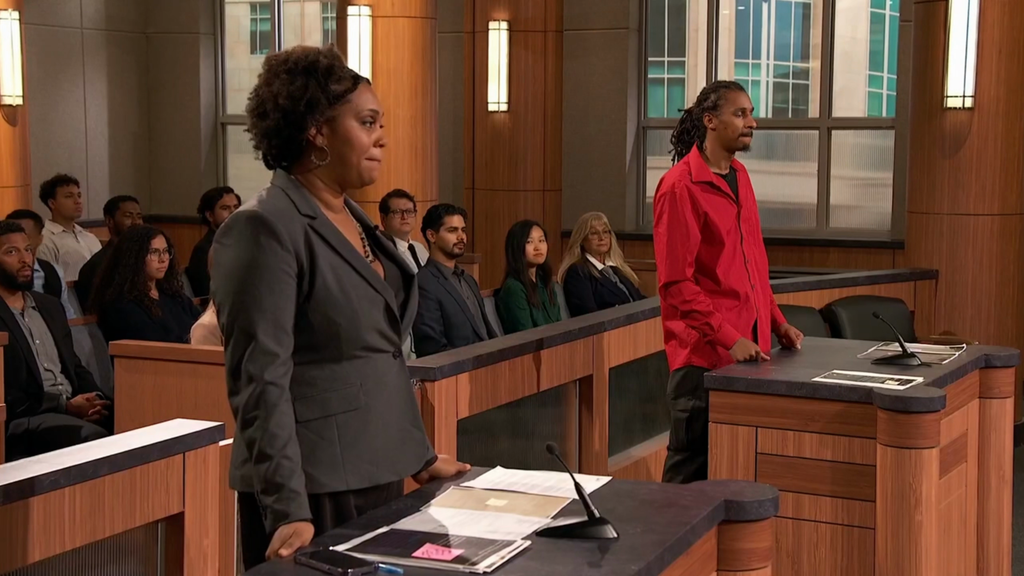
Tanisha Brown and Wesley Smooth were former partners who shared a six-year-old daughter. They had never married, but in April 2023 they moved into an apartment together and both signed a one-year lease. The monthly rent was $775, and according to Tanisha, the rent remained current while they were living there together.
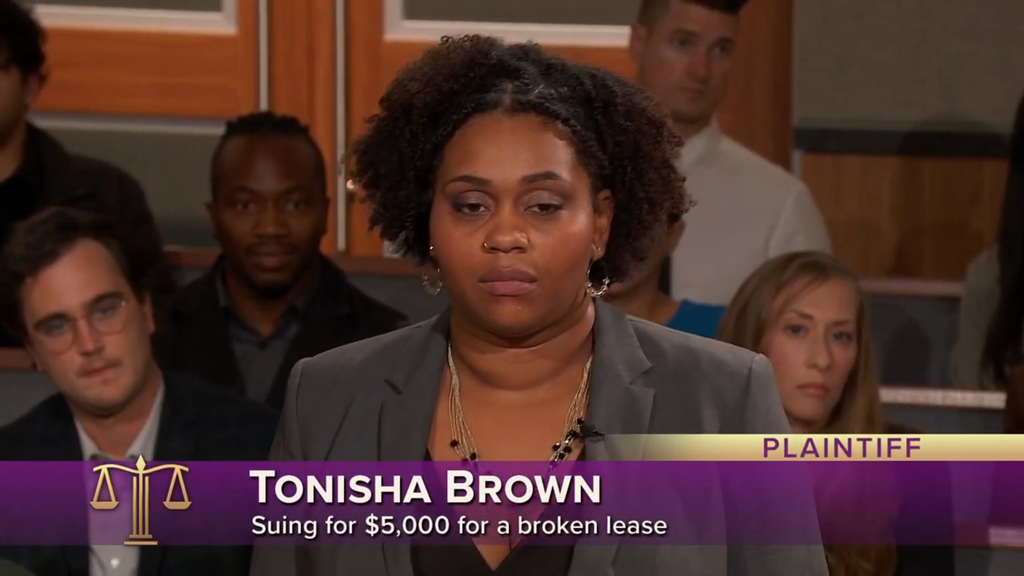
The arrangement did not last. By October 2023, Tanisha had moved out and obtained another apartment. Five months remained on the original lease — November, December, January, February and March — and Tanisha did not continue paying rent on the old apartment because she was now paying for her new home. Wesley, however, remained behind.
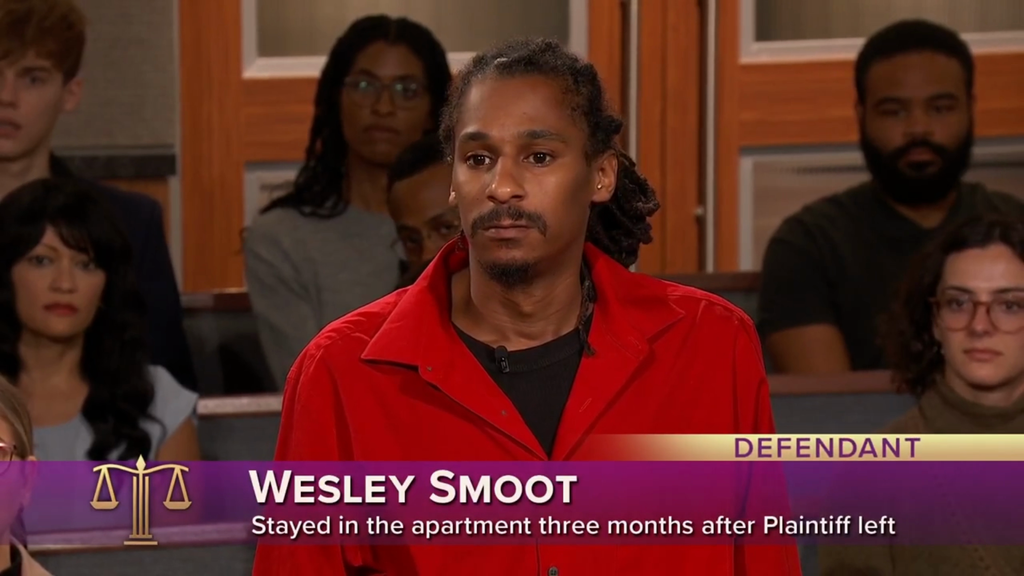
That difference became the heart of the dispute. Both names were on the lease, meaning both could face obligations to the landlord. But Judge Judy wanted to determine what was fair between Tanisha and Wesley when one person had left and the other continued using the apartment.
Tanisha Leaves in October 2023
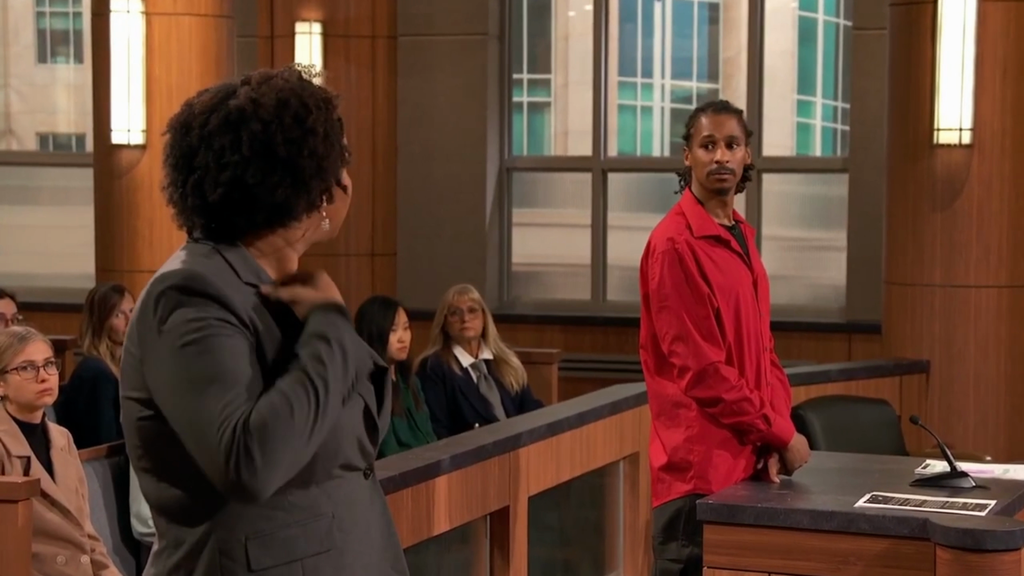
Tanisha testified that she moved out in October 2023. Up until that point, she said, the rent was current. Wesley confirmed that he remained in the apartment after she left.
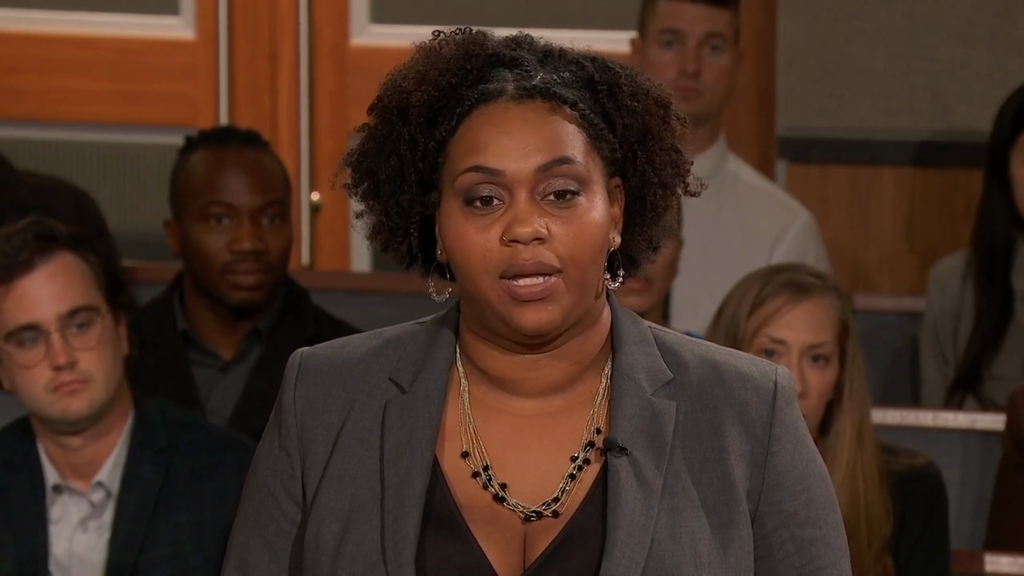
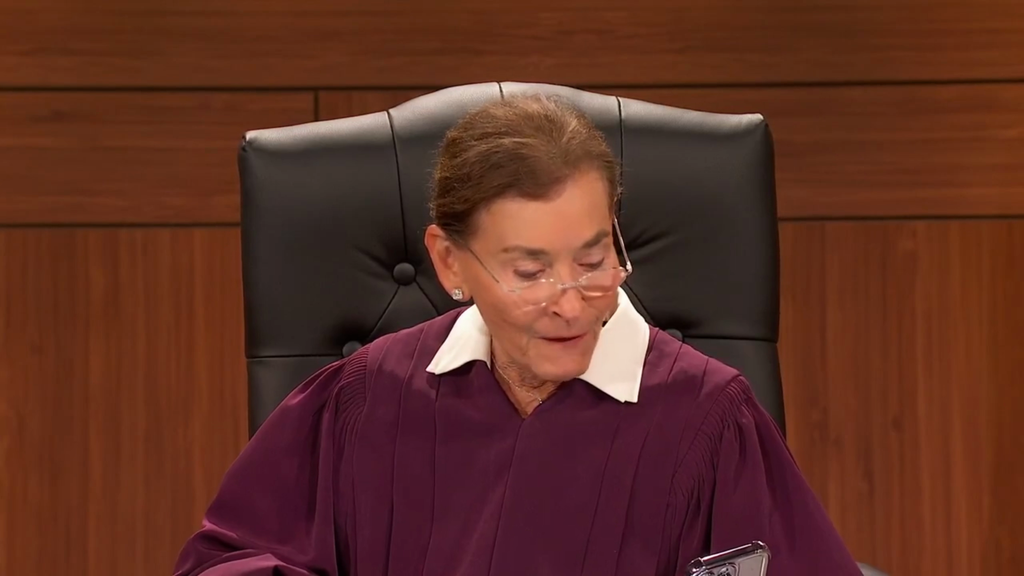
Judge Judy then asked Wesley the question that would largely determine the outcome: while he was living there without Tanisha, did he pay the rent? Wesley acknowledged that he did not. He explained that he could not afford the full amount, but Judge Judy cut through the explanation and focused on the undisputed fact that he had continued living in the apartment without paying.
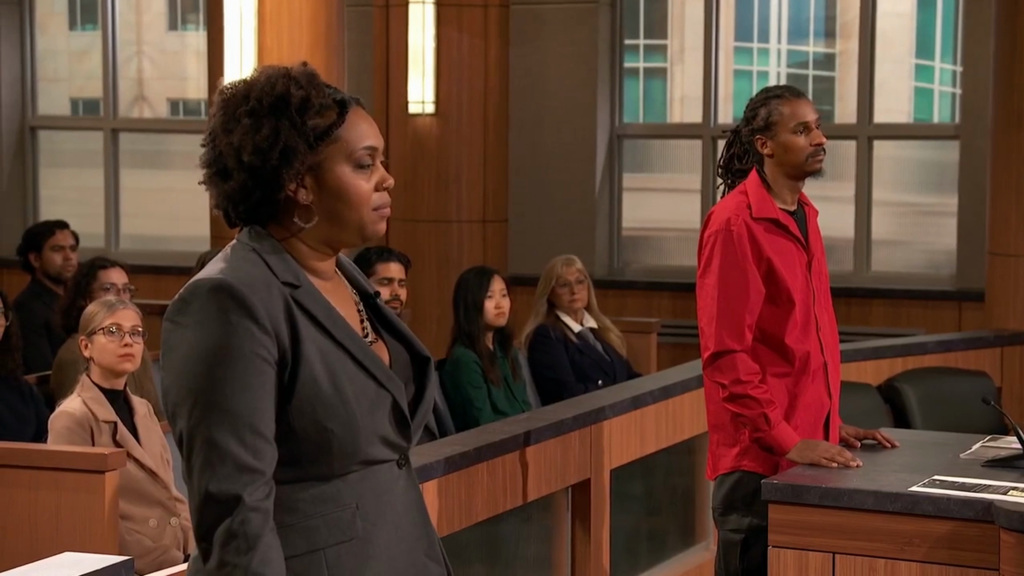
Wesley initially said he remained there for approximately three months and left around January. Tanisha disputed that timeline, insisting he stayed until March 3. Wesley acknowledged that it could have been March because he was not certain of the exact date.
Judge Judy was willing to consider a longer period, but only if Tanisha could prove it.
(uc.)
Wesley Stays Without Paying Rent
Using Wesley’s own testimony, Judge Judy had at least three months during which he lived alone in the apartment without paying rent. At $775 per month, those three months totaled $2,325.
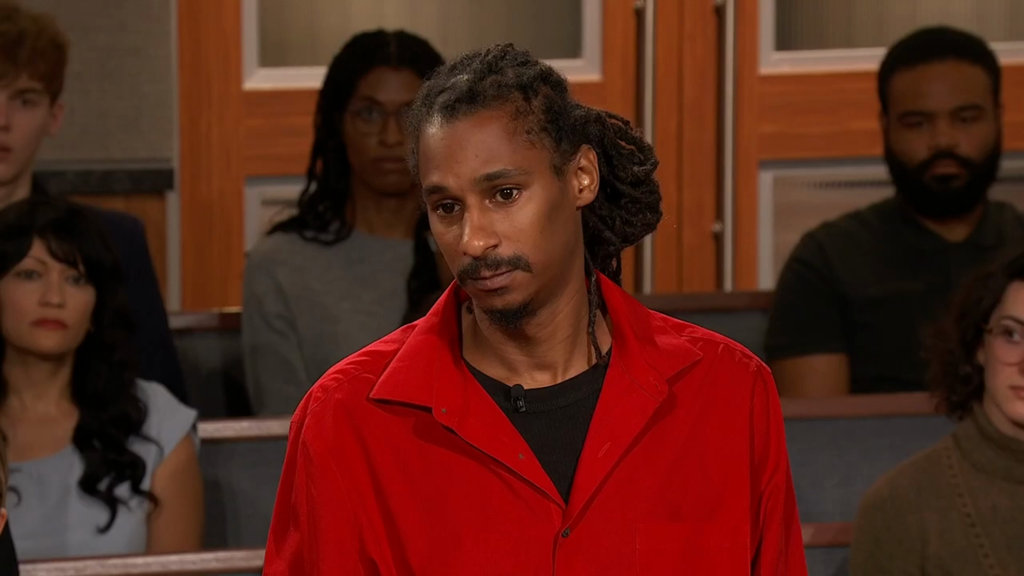
Wesley argued that responsibility for the lease should not fall solely on him because both parties had signed it. He also maintained after the hearing that Tanisha was the person primarily placed on the lease and that she had broken it by leaving.

Judge Judy viewed the issue differently. Whatever responsibility the pair might jointly owe the landlord for breaking the lease, Wesley had personally received the benefit of living in the apartment after Tanisha moved elsewhere. She was already paying rent at another residence, while he continued occupying their former home.
For Judge Judy, allowing Wesley to live there without paying anything while shifting the entire cost to Tanisha would not produce a fair result.
The Child Support Dispute Complicates the Case
The case was not limited to rent. Wesley also argued that child support payments should be considered because money had been going to Tanisha while they were living together. A child support order required payments of approximately $470 per month, and Wesley said money was automatically deducted when applicable.
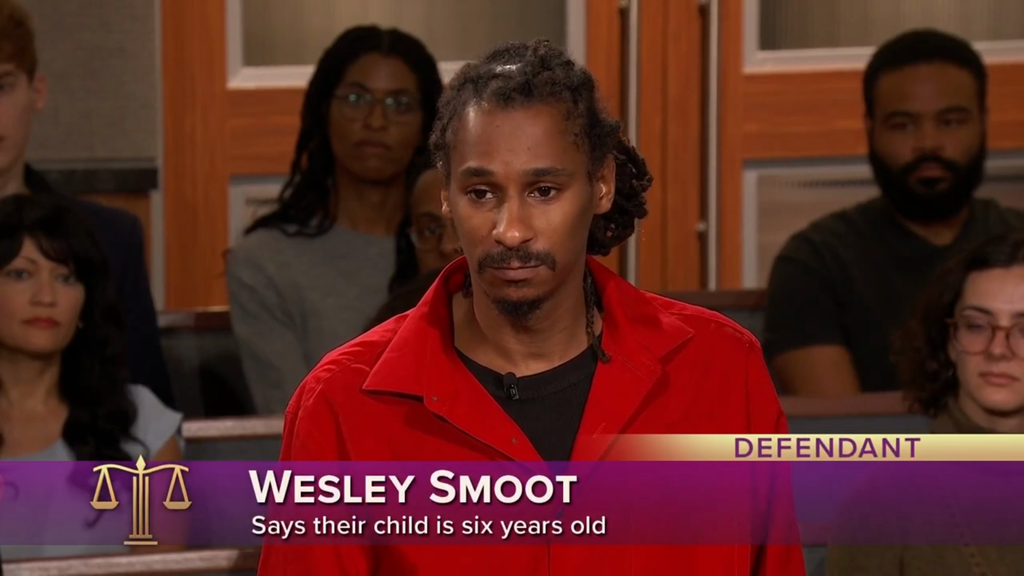
Tanisha explained that during part of the period they lived together, Wesley did not have a job. She said money she received was used toward household bills and argued that Wesley had essentially been living with her without contributing directly during that period. The discussion became complicated by back child support, tax money and the amount Tanisha had actually received.
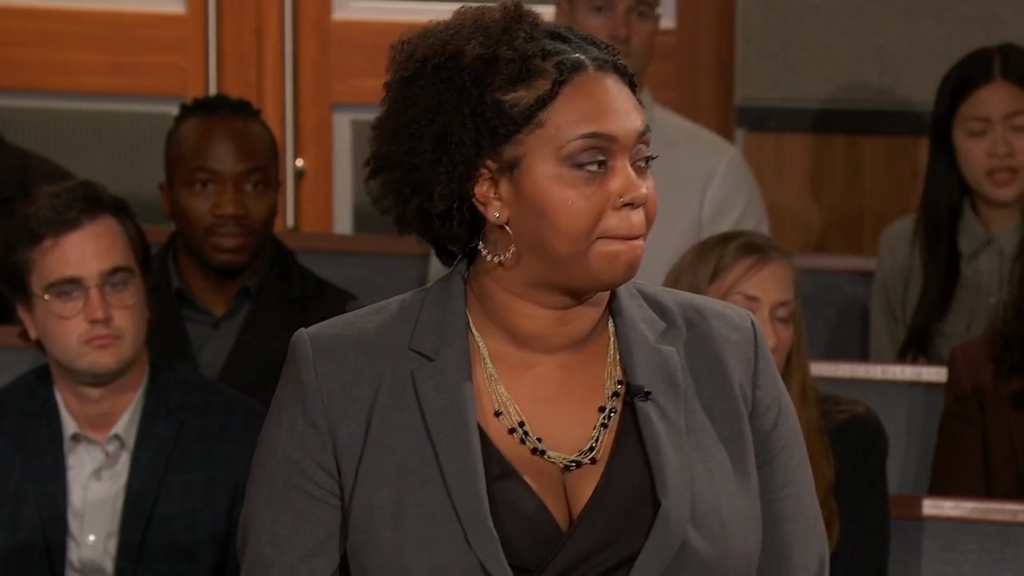
Tanisha said approximately $900 had come from Wesley’s taxes because he owed back support. She also referenced roughly $2,000 received over a broader period. Wesley, meanwhile, said he used different accounts and payment methods and claimed that whenever he was paid, he gave Tanisha much of the money.
Judge Judy was not persuaded that these explanations erased the separate issue of rent after Tanisha moved out. Her focus remained on the apartment Wesley continued to occupy alone.
Judge Judy Separates Rent From the Remaining Lease
One of the most important distinctions in the ruling concerned Wesley’s personal rent obligation versus the couple’s contractual responsibility to the landlord. Judge Judy acknowledged that because both Tanisha and Wesley had signed the lease, the landlord could potentially pursue both of them for money still owed under that contract.

She did not attempt to resolve every remaining landlord-tenant obligation between them. Instead, she separated the months Wesley personally occupied the apartment from any additional debt created by the broken lease.
Judge Judy’s reasoning was straightforward: Tanisha was no longer living there and was paying rent somewhere else. Wesley was living in the original apartment alone. Therefore, for the months he personally occupied it, he should pay the rent.
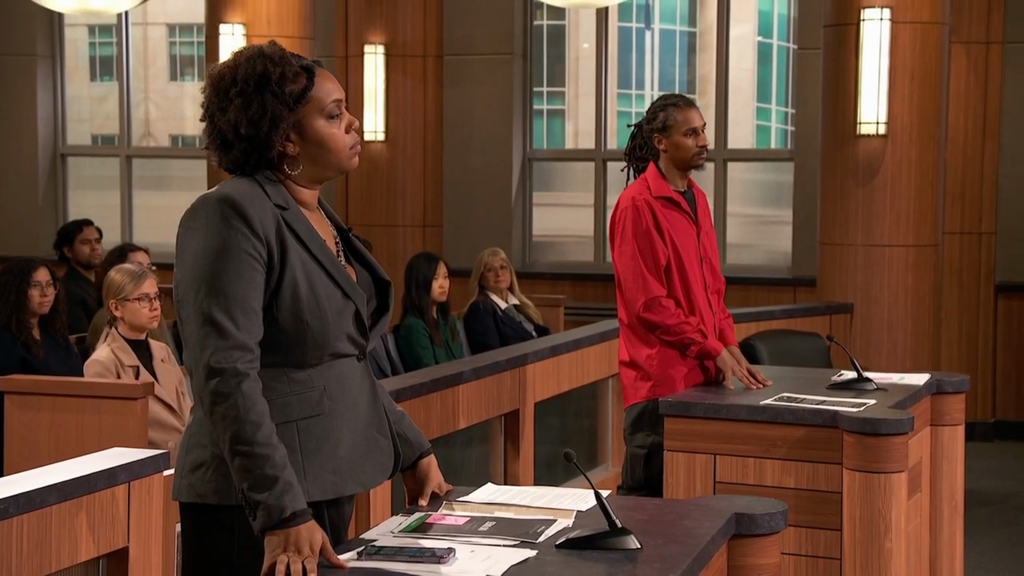
Any additional amounts owed to the landlord after Wesley stopped living there could remain a joint responsibility because both parties had signed the lease. Judge Judy said the landlord could pursue them for those amounts rather than having her redistribute the entire lease obligation in this case.
Tanisha Claims Wesley Stayed Until March
Tanisha insisted that Wesley had not stayed for only three months. According to her, he remained in the apartment through March, which would have meant he occupied it for all five months remaining on the lease.
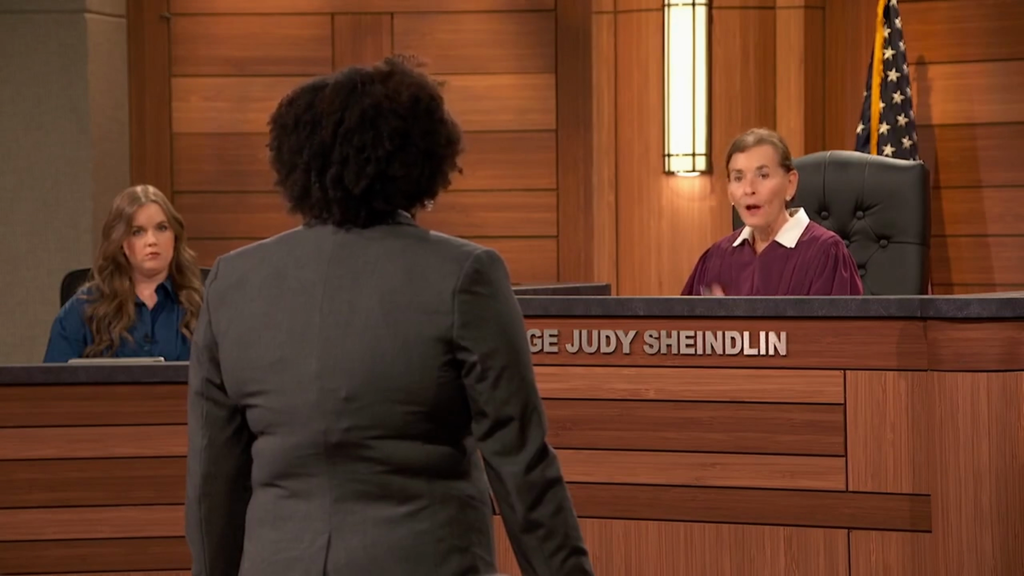
Judge Judy was willing to increase Wesley’s responsibility if Tanisha could produce proof. She asked for a dated text message or another document showing that Wesley was still living in the apartment during March.
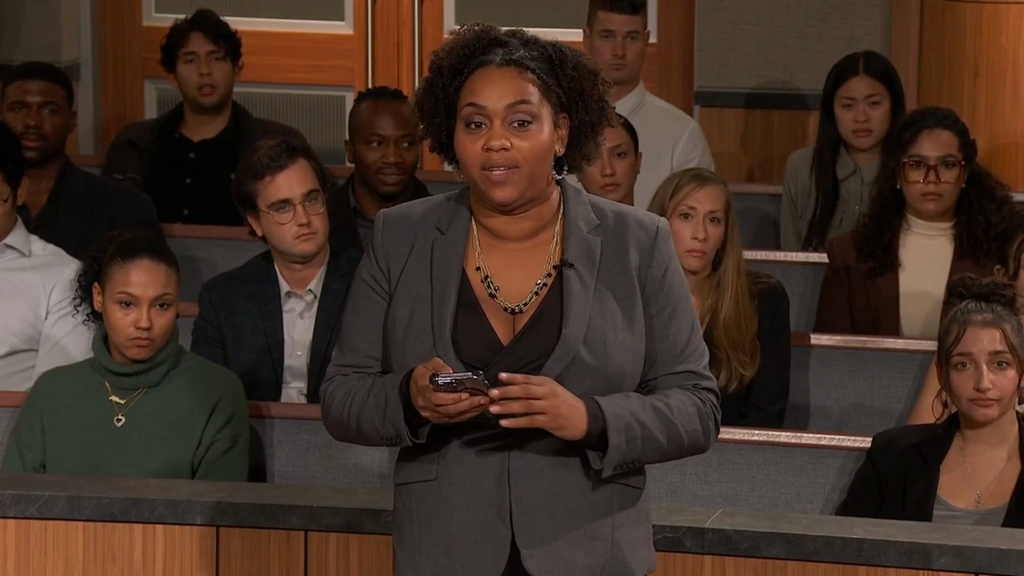
Tanisha produced messages dated March 5. In the exchange, she asked Wesley where he had been and why she had not heard from him. Wesley responded that he had not had his phone and that the sheriff had come and he had to leave.
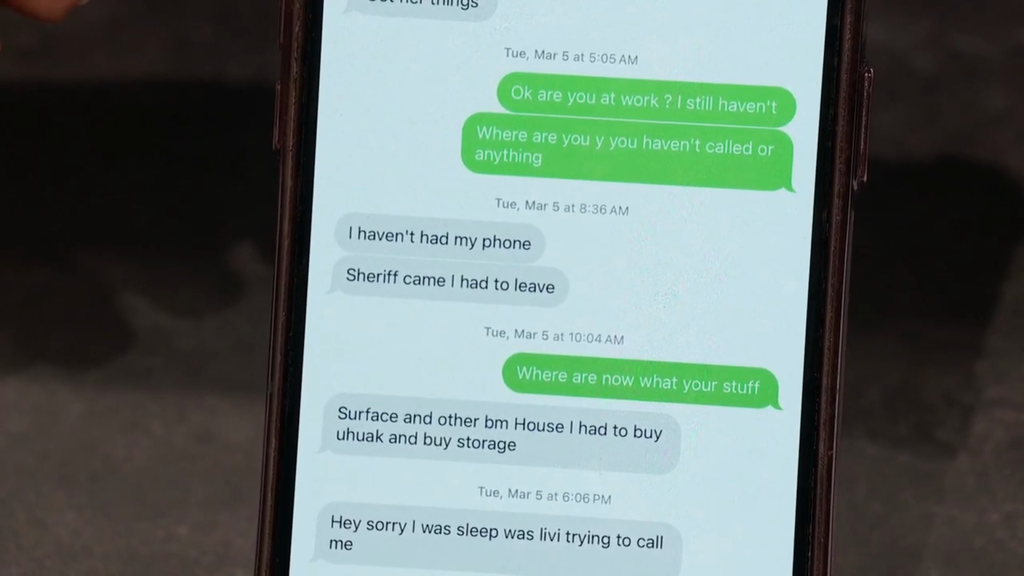
At first glance, the message appeared potentially helpful to Tanisha. But Judge Judy read the wording carefully and identified a crucial problem.
The Text Messages Fail to Prove Five Months
The March 5 message did not say when the sheriff had made Wesley leave. It established that Wesley was discussing having been forced to leave somewhere, but it did not prove that he had remained in the apartment until March 3 or March 5.
Tanisha argued that the message referred specifically to their apartment and continued insisting that Wesley had been living there through March. Judge Judy repeatedly told her that she needed proof of the dates rather than an interpretation of what the text might mean.
The distinction ultimately cost Tanisha the additional two months she wanted included. Judge Judy accepted the three months Wesley himself acknowledged but would not extend the award to five months without evidence establishing that he had actually occupied the apartment for that entire period.
The text messages therefore played an unusual role. They supported Tanisha’s broader story that Wesley had been dealing with removal by a sheriff, but they were not precise enough to establish the exact occupancy dates required for a larger judgment.
Why Judge Judy Awarded $2,325
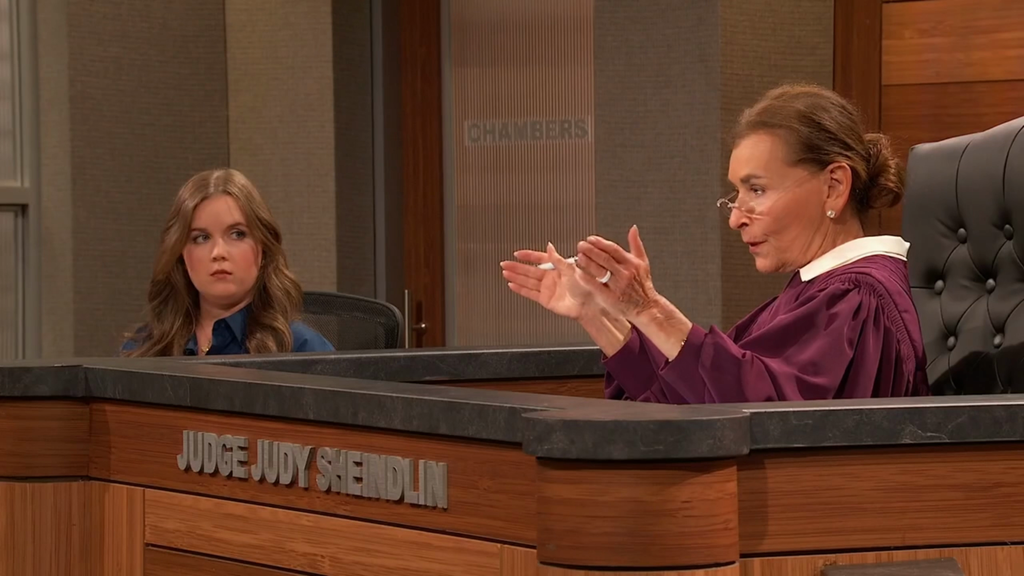
Judge Judy ultimately calculated Wesley’s responsibility using three months of rent at $775 per month. The total was $2,325, and judgment was entered for Tanisha in that amount.
The ruling did not mean Tanisha had no responsibility under the lease. Judge Judy explicitly recognized that both parties had signed it and could therefore remain jointly responsible to the landlord for other amounts owed. Her decision instead addressed the narrower question of who should bear the rent for the period Wesley admittedly lived in the apartment alone.
Wesley had occupied the property for at least three months after Tanisha left and acknowledged that he had paid no rent during that time. Judge Judy refused to allow him to receive the benefit of living there while placing the cost entirely on his former partner.
After the ruling, Wesley maintained that he should not owe the money because Tanisha had left first and broken the lease. Tanisha emphasized that Wesley’s name had been on the lease throughout the tenancy and said he had even had roommates living with him. Their disagreement remained, but the court’s decision was final: three months of occupancy meant three months of rent.

(uc.)
A Fairness Question Beyond the Lease
The post-case discussion highlighted why Judge Judy did not simply divide every remaining dollar of lease debt equally. From a strict landlord-tenant perspective, both signers could be responsible under the contract. But the dispute between Tanisha and Wesley involved an additional question of fairness.
Tanisha had moved out, secured another home and was supporting herself and their daughter. Wesley remained in the apartment and received the benefit of living there without making rent payments. Had both parties moved out at the same time, the remaining lease obligation could have been treated differently. Instead, Wesley stayed.
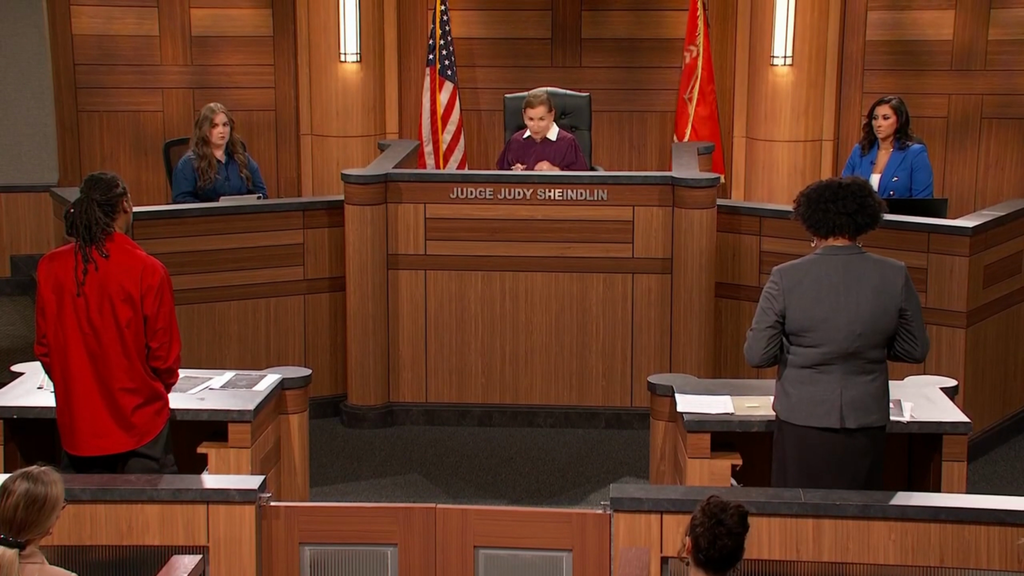
That fact separated his personal occupancy from whatever joint liability remained after the apartment was finally vacated. As the post-case discussion summarized, nobody should expect to live somewhere rent-free when rent is clearly owed. Eventually, that unpaid obligation is likely to catch up with someone.
The Evidence Drew the Line at Three Months
The case also demonstrated how evidence can limit a judgment even when a judge believes part of a party’s broader account. Tanisha wanted Wesley held responsible for five months. Judge Judy was prepared to consider that request but required proof showing that he remained in the apartment for the entire period.
The March 5 texts were not enough. They referred to Wesley having been forced to leave but did not establish exactly when that happened. Without stronger documentation, Judge Judy would not assume the additional dates.
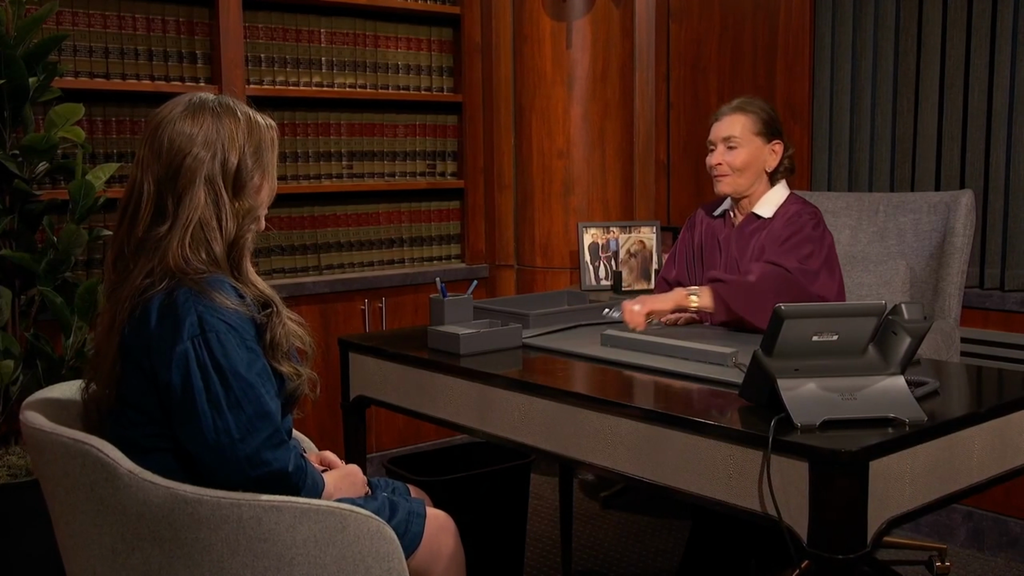
As a result, Wesley’s own admission became the safest evidentiary foundation for the judgment. He acknowledged at least three months of rent-free occupancy. At $775 per month, that produced a clear and supportable figure: $2,325.
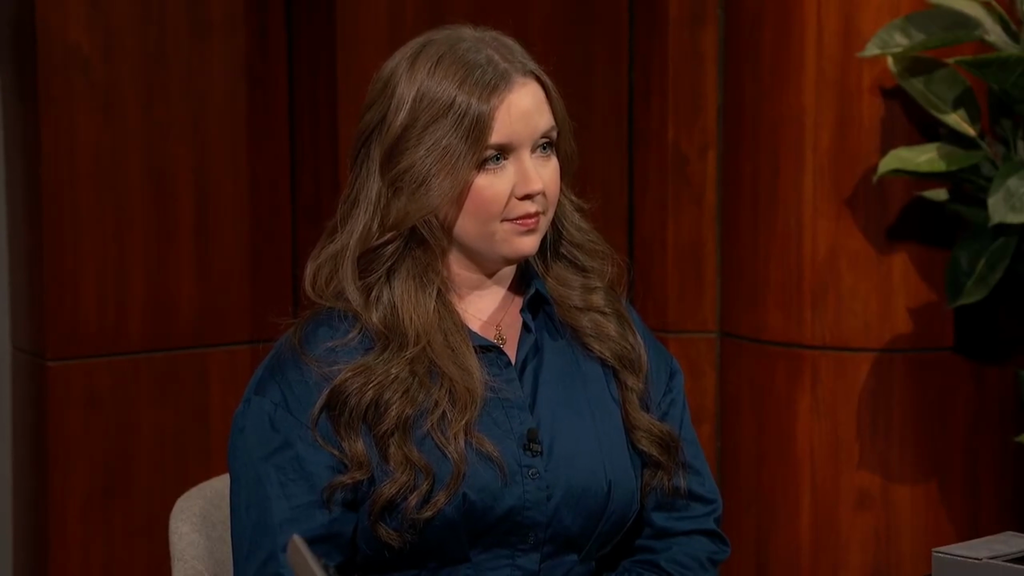
For Tanisha, that was enough to win the case. For Wesley, the lesson was equally simple: signing a lease creates obligations, but continuing to live in an apartment after your partner leaves can create a responsibility that is difficult to explain away.
FAQ
Why did Tanisha Brown sue Wesley Smooth?
Tanisha sued her ex-boyfriend over financial obligations connected to the apartment lease they signed together after Wesley continued living there when she moved out.
How much was the monthly rent?
The apartment rent was $775 per month under the one-year lease Tanisha and Wesley signed in April 2023.
Did Wesley pay rent after Tanisha moved out?
No. Wesley acknowledged that he remained in the apartment for at least three months after Tanisha left and did not pay rent during that period.
Why didn’t Judge Judy award five months of rent?
Tanisha claimed Wesley remained through March, but the March 5 text messages she presented did not prove exactly when he had left the apartment.
How much did Judge Judy award Tanisha?
Judge Judy entered judgment for Tanisha for $2,325, representing three months of rent at $775 per month.
Sources
Full transcript of Jugde Judy, including testimony from Tanisha Brown and Wesley Smooth, discussion of their lease and child support payments, the March 5 text messages, Judge Judy’s ruling and the post-case commentary. Statements disputed by the parties are attributed accordingly rather than presented as independently verified facts.