Trevor Boggs said he helped girlfriend Aldina Johnson pursue a longtime dream of getting braces, starting with a $500 payment and additional financial help. After they broke up, he wanted his money back. Aldina told a very different story — and when Judge Judy compared her courtroom testimony with her own sworn statement, the dispute quickly began to unravel.
A Relationship and a Longtime Dream
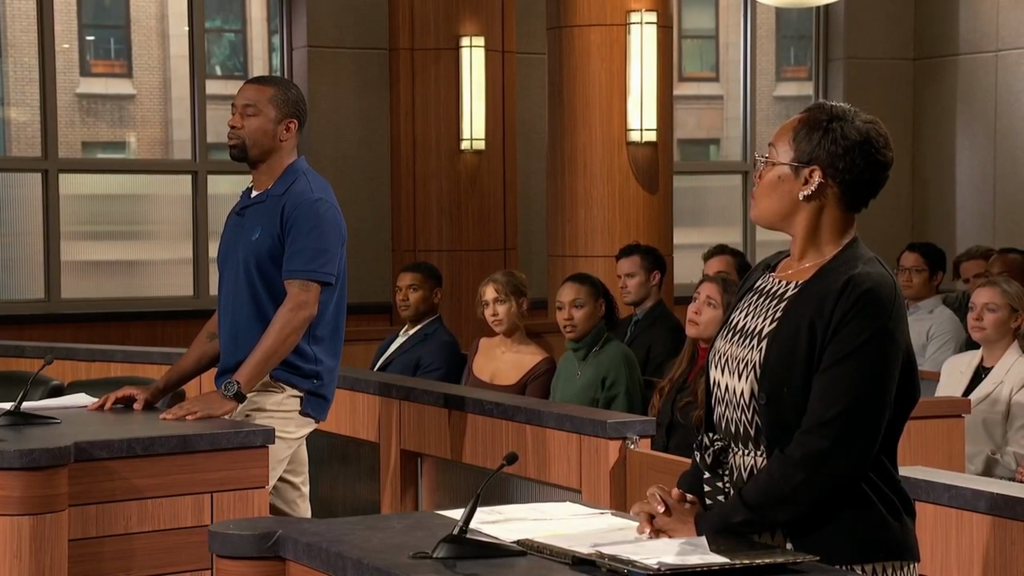
Trevor Boggs and Aldina Johnson had been dating during a period spanning 2023 and 2024. During their relationship, Aldina had expressed that she wanted braces and had apparently wanted them for a long time. Trevor told Judge Judy that he offered to help her financially, but he insisted the assistance was never intended as a gift.
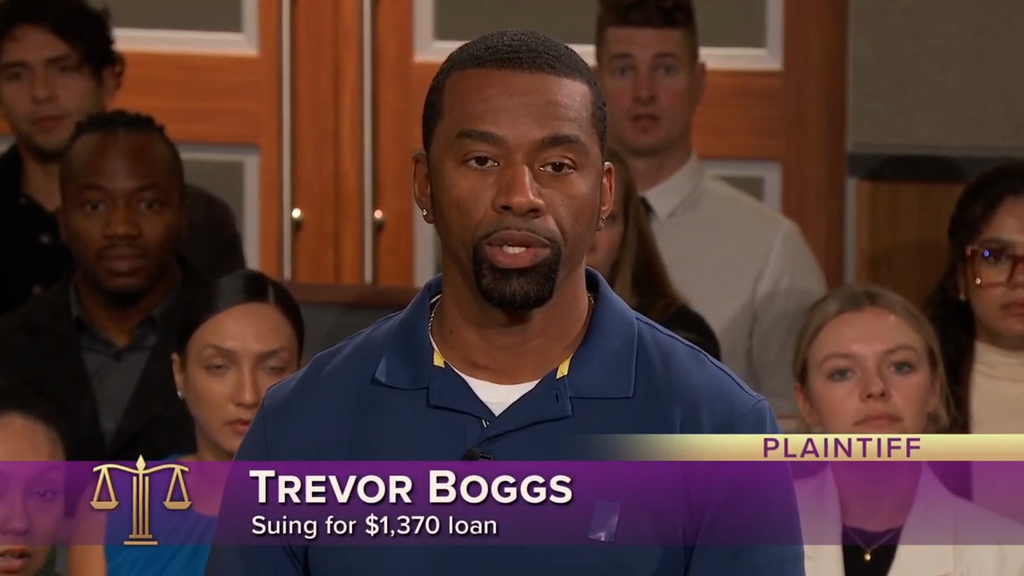
According to Trevor, the first significant amount was $500 sent in January. He characterized that payment as a loan specifically connected to Aldina’s braces. Trevor initially believed $500 would cover the down payment, but when additional money was needed, he said he continued helping Aldina with personal expenses between January and July so she could save her own money toward the dental treatment.
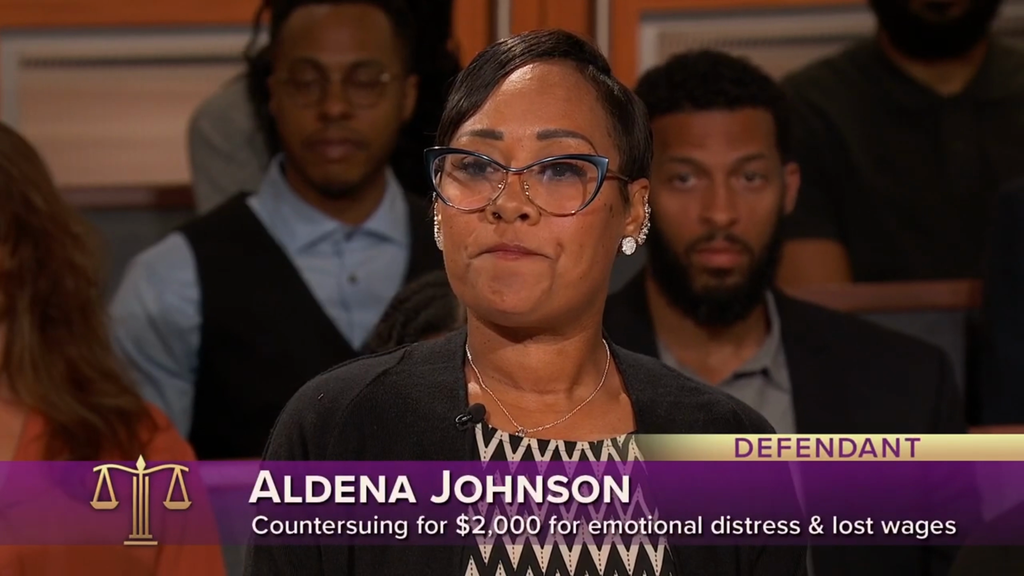
The couple broke up in July. Aldina ultimately got her braces during the second week of August, according to Trevor’s testimony. By then, however, the relationship had ended, and the money that had moved between them was no longer being viewed through the same lens.
Trevor Says the Money Was a Loan
Trevor’s position was straightforward: he had loaned Aldina money, she eventually obtained the braces, and after their breakup she refused to repay him. That, he said, was why he brought her to court.
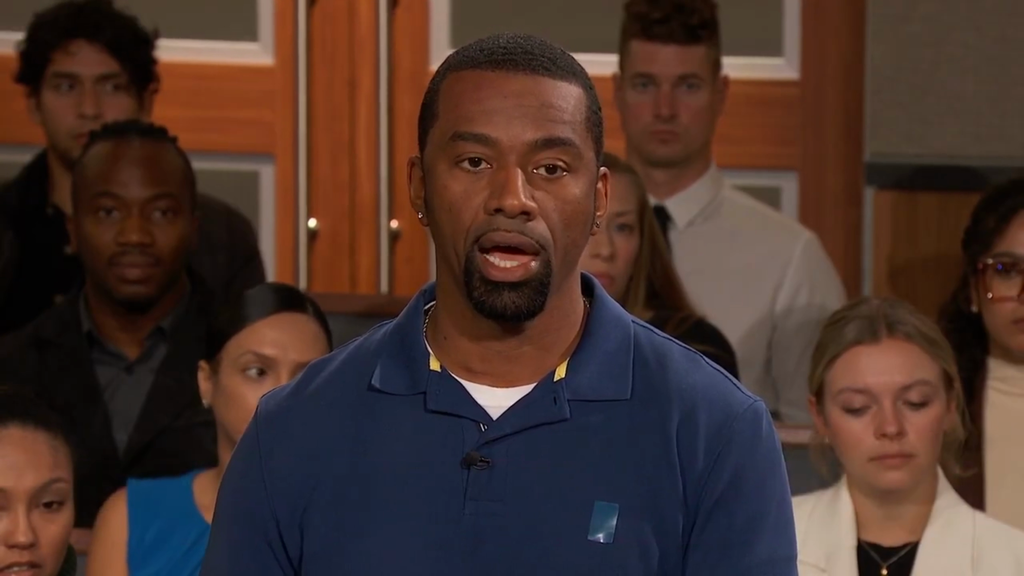
Judge Judy immediately wanted to distinguish between a loan and the ordinary financial assistance couples sometimes give each other. She asked Trevor whether he had explicitly told Aldina that the $500 was a loan or had simply said he would help her get braces. Trevor insisted that he had described it as a loan.
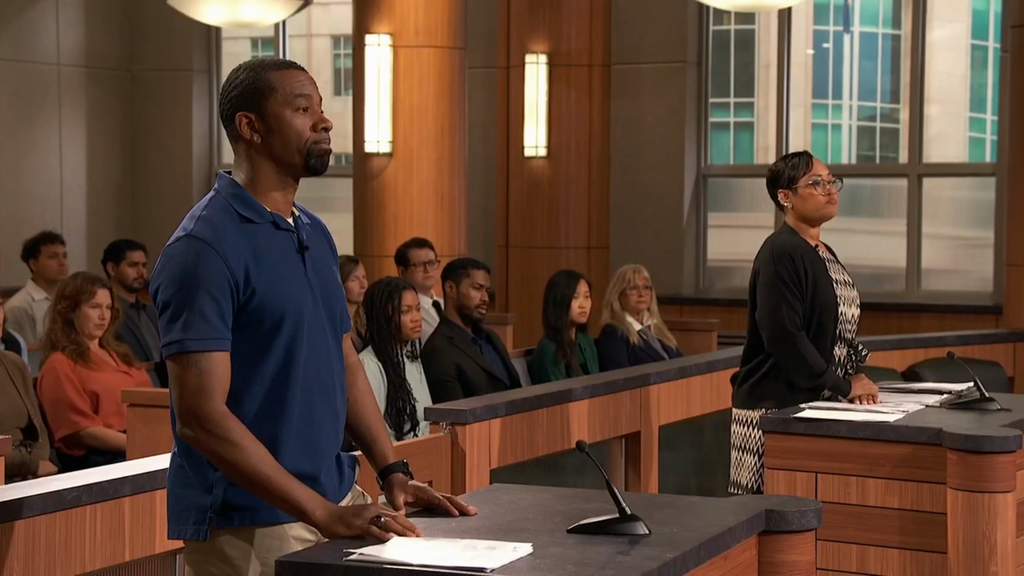
The distinction mattered because money frequently moves between romantic partners without any expectation that every transaction will eventually be repaid. If Trevor expected reimbursement, he needed to establish that the transfers were loans rather than gifts or ordinary relationship expenses.
The first $500 payment gave him something concrete to work with. But even that transaction quickly became disputed.
Aldina Initially Denies Receiving $500
When Judge Judy asked Aldina directly whether Trevor had given her $500 in January, Aldina initially answered no. Trevor said he had proof, and Judge Judy asked to see only the relevant transaction rather than a large collection of paperwork.
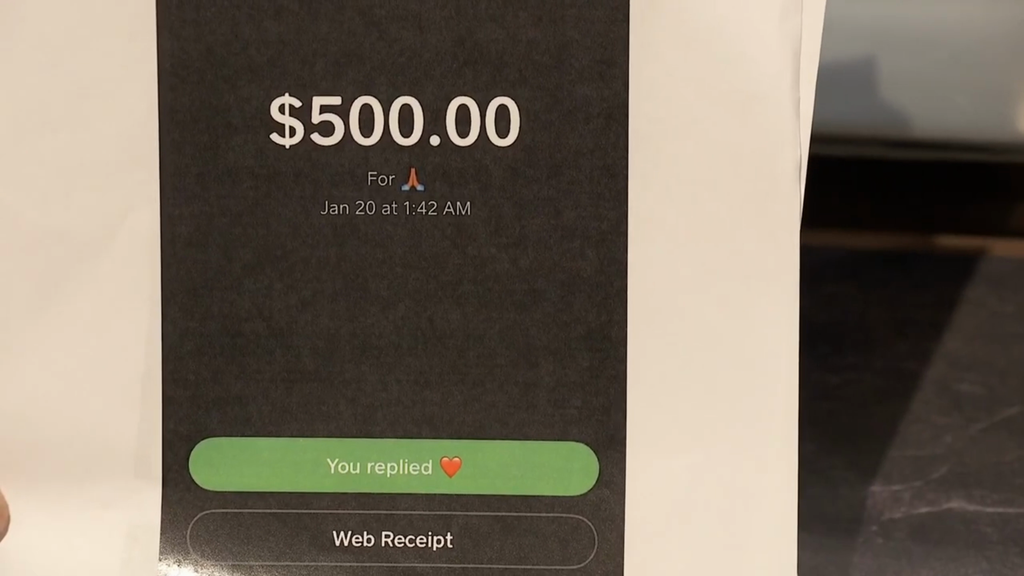
The record showed that $500 had been sent. Confronted with that evidence, Aldina changed her answer and acknowledged that she had received it.
That shift immediately raised questions about her credibility. But Aldina offered an explanation: she claimed the $500 was not money for her braces. Instead, she said it represented partial repayment of money she had previously given Trevor in connection with his niece and a car.
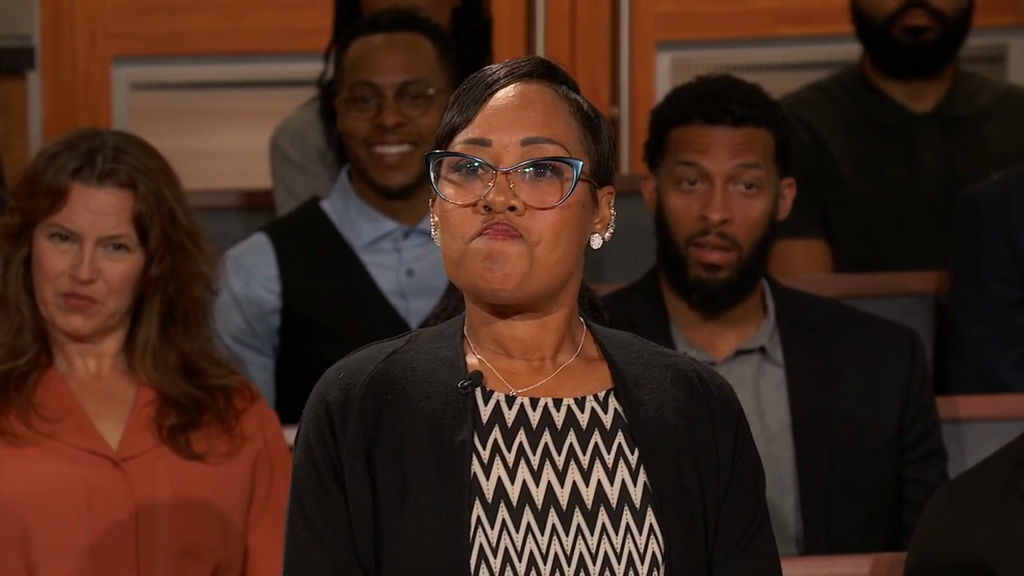
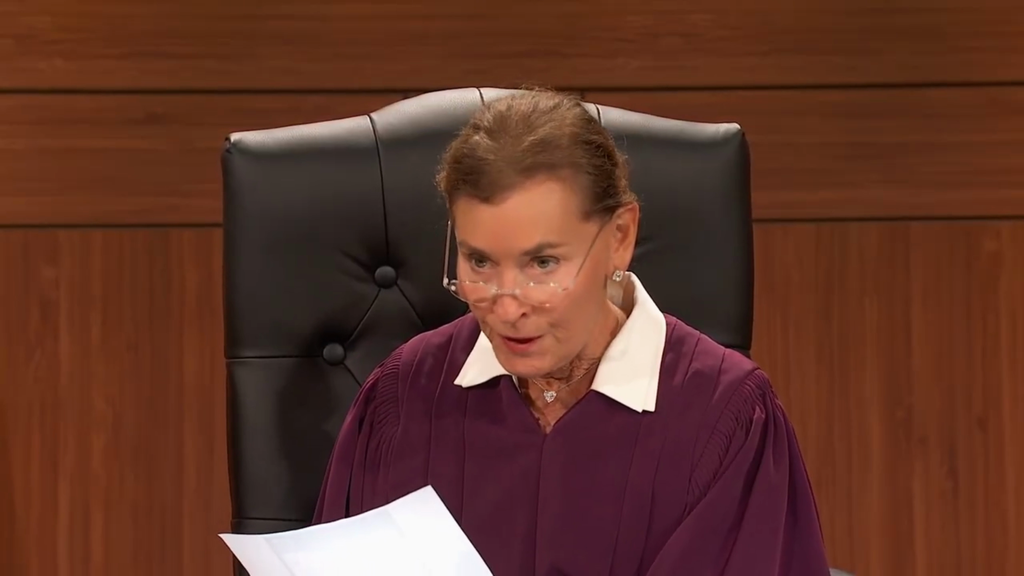
Judge Judy then turned to Aldina’s written answer in the case, and what she found there did not match the explanation being offered in court.
The Mysterious $1,400 Dispute
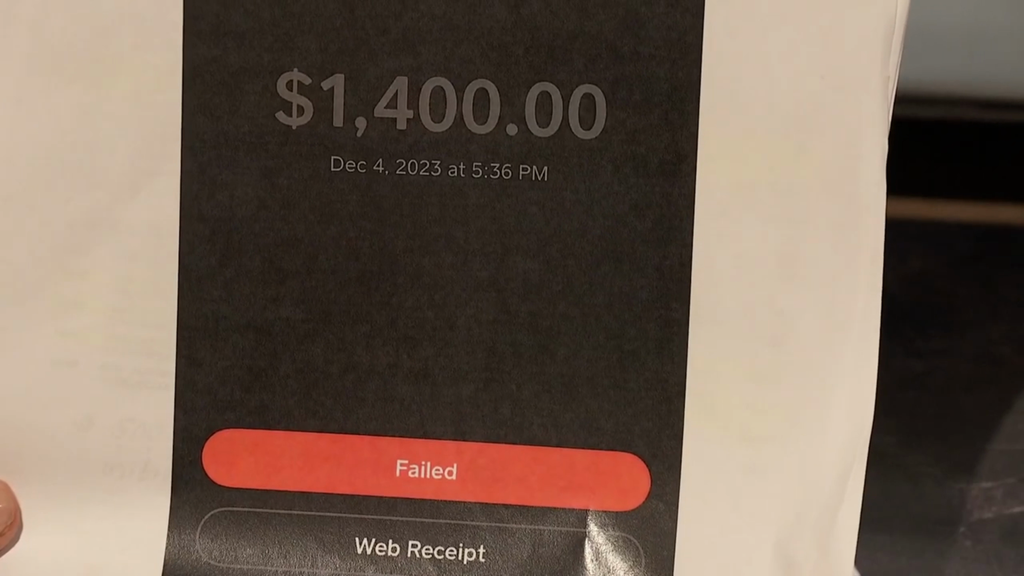
The transcript’s automated captions repeatedly render the disputed amount as “14 dollars,” but the surrounding testimony and Judge Judy’s reading of Aldina’s sworn statement identify the claimed amount as $1,400. Aldina said she had attempted to send Trevor $1,400 through Cash App on December 4, but the electronic transaction failed. She claimed she then went to her bank, withdrew the money and gave it to him in cash.
Trevor denied ever receiving that $1,400. The failed Cash App transaction proved only that Aldina had attempted to send money; it did not establish that Trevor subsequently received cash.
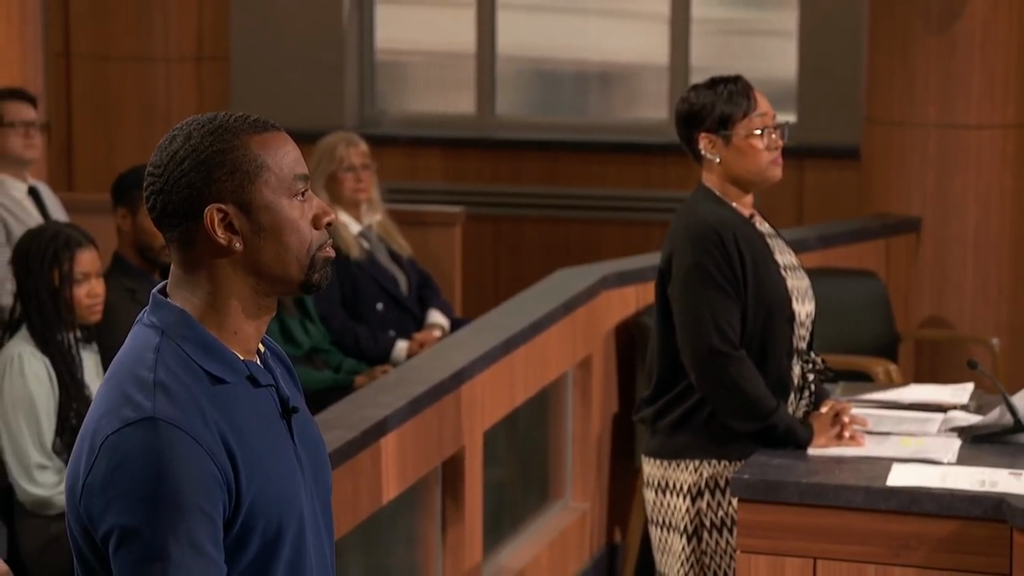
Aldina’s explanation also shifted as Judge Judy questioned her. At one point, she described the money as being connected to a down payment for Trevor’s niece’s car. She then explained that Trevor had already spent or overpaid money from his own account and needed financial help. Judge Judy repeatedly tried to determine exactly what Aldina claimed the $1,400 represented.
The confusion mattered because Aldina was using that alleged transaction to explain Trevor’s later $500 payment. According to her courtroom version, Trevor’s $500 was partial repayment of the $1,400 she had previously advanced.
Then Judge Judy read Aldina’s own sworn words.
Judge Judy Finds a Major Contradiction
In her written statement, Aldina had described the couple’s financial relationship very differently. She wrote that she and Trevor had given each other money numerous times without an expectation of repayment. As an example, she specifically said she had given Trevor $1,400 for a down payment on his niece’s car and that he never returned the amount — nor had she expected him to.
That statement directly conflicted with her courtroom argument that Trevor’s $500 payment represented repayment of the same $1,400.
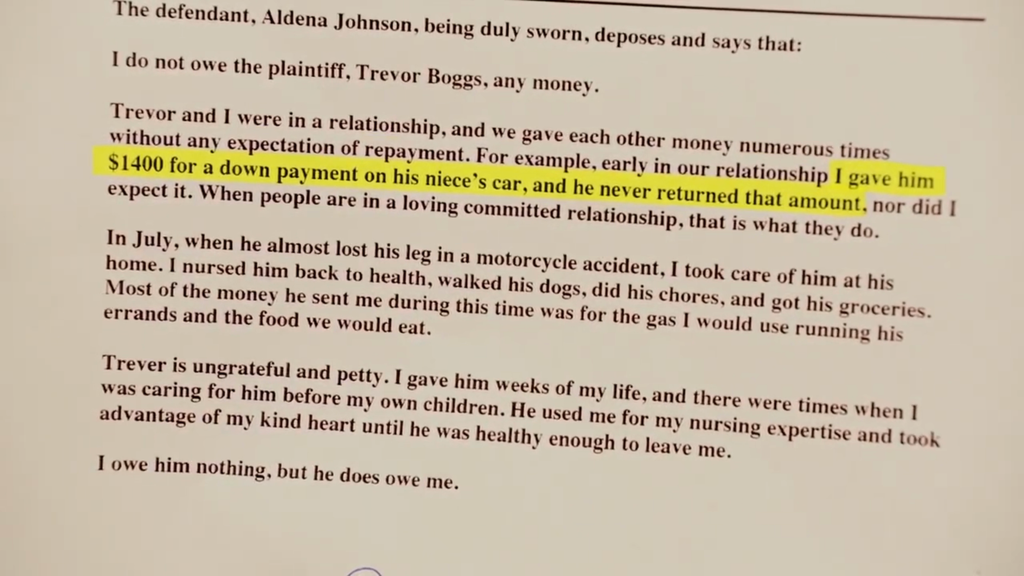
Judge Judy pointed out the contradiction. If Aldina had given Trevor the $1,400 without expecting repayment, as she had sworn in writing, then she could not easily recast Trevor’s later $500 transfer as partial repayment once she was standing in court.
The inconsistency weakened Aldina’s explanation, but it did not automatically prove Trevor’s claim either. Trevor still lacked clear documentation establishing that the money he sent during the relationship was a loan that Aldina had agreed to repay.
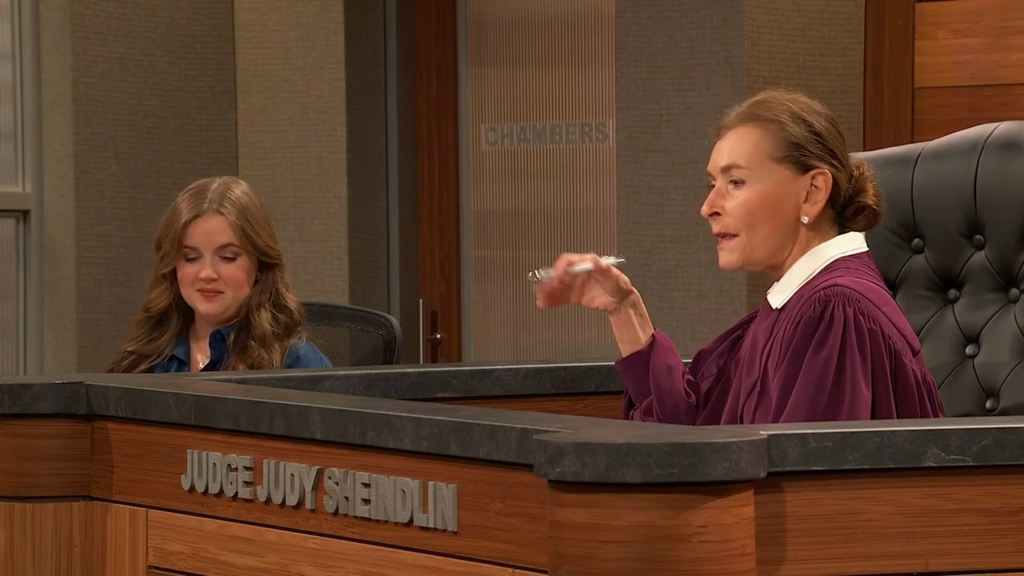
The case had become a familiar problem in disputes between former couples: plenty of money had changed hands, but almost nothing clearly documented what those transfers legally meant.
(uc.)
Aldina Says She Paid for Her Own Braces
Aldina acknowledged that she eventually got braces and estimated that the dental treatment cost approximately $6,000. She maintained, however, that she paid the dentist herself and rejected Trevor’s claim that his $500 transfer had been for the braces.
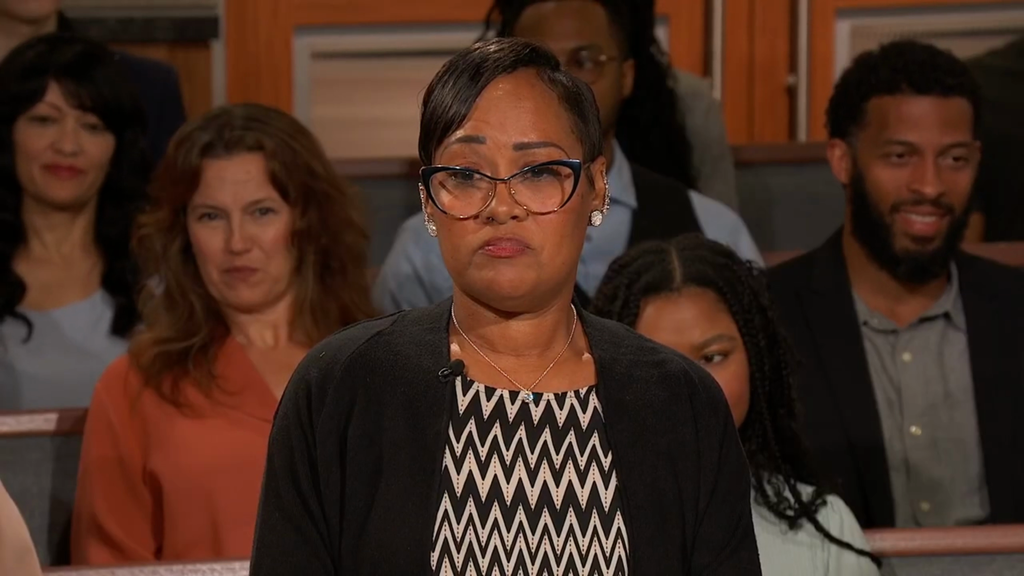
Trevor continued insisting that he had loaned her money specifically to help with the dental expenses and had also covered some of her personal needs while she saved. From his perspective, the sequence was simple: he helped finance her goal while they were together, she got the braces after their breakup, and then she refused to repay him.

Judge Judy was left with competing interpretations of transfers that had occurred within a romantic relationship. Without a written loan agreement, a clear Cash App memo identifying a payment as a braces loan, or another contemporaneous record documenting an obligation to repay, the court would have to speculate about what the parties intended.
That was precisely what Judge Judy was unwilling to do.
Aldina’s $2,000 Counterclaim
Aldina had also filed a counterclaim against Trevor for lost wages and emotional distress. That claim arose from a serious motorcycle accident in which Trevor had nearly lost his leg.
Aldina said she arrived late to work and left early so she could care for Trevor while he recovered. She claimed she lost eight regular working hours and 24 hours of overtime over approximately two weeks, calculating lost wages of $940. Her broader counterclaim sought $2,000 for lost wages and emotional distress.
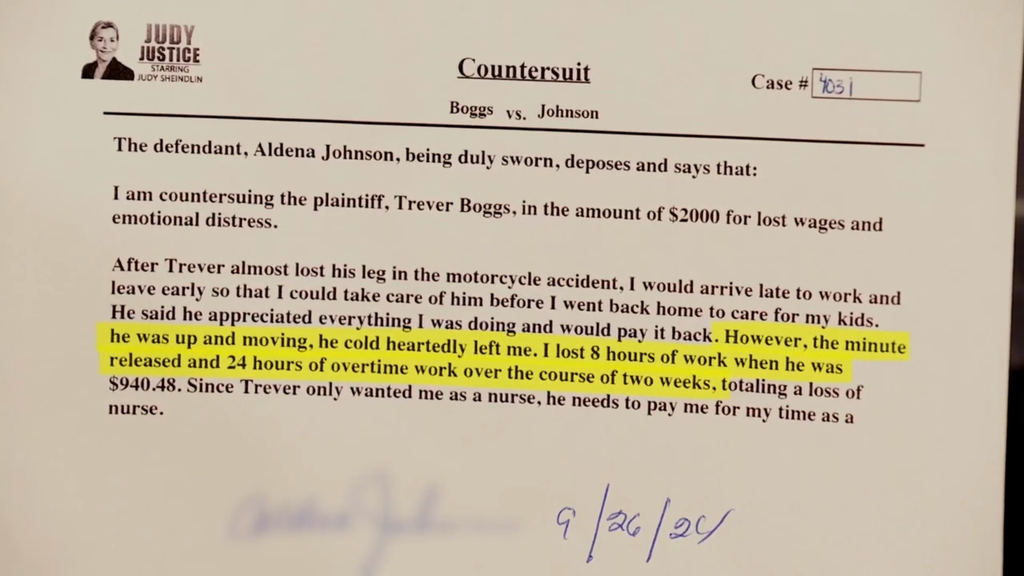
Judge Judy saw the situation as another example of what people voluntarily do while they are in relationships. Aldina had chosen to care for Trevor. If she had not wanted to assume that responsibility, she could have declined. But voluntarily helping an injured partner did not create a retroactive right to wages simply because the relationship later ended badly.
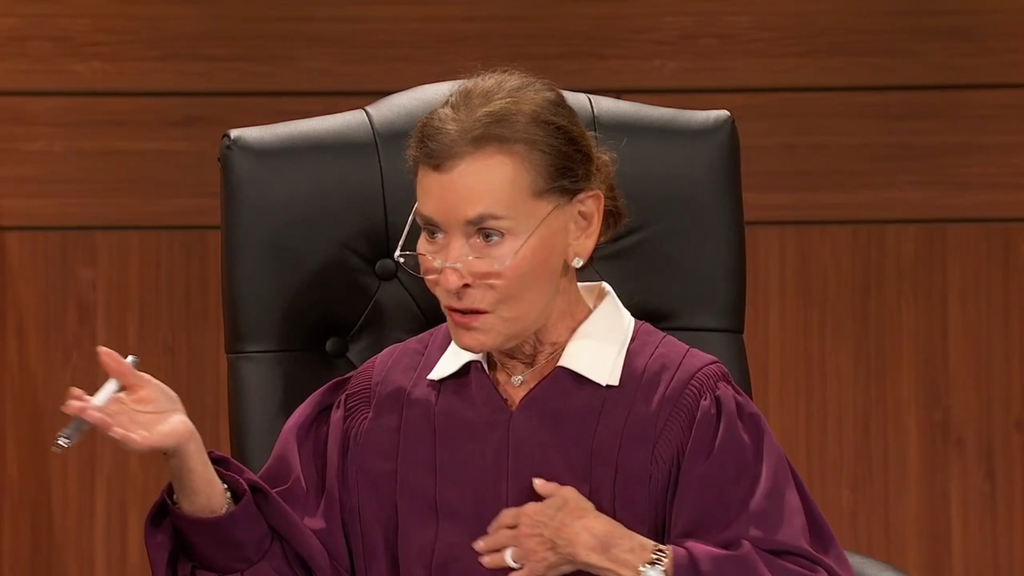
Aldina emphasized that Trevor had “cold heartedly” left her after he recovered. Emotionally, that may have explained why she felt wronged. Legally, Judge Judy did not see it as a basis for compensation.
Why Judge Judy Dismissed the Case
By the end of the hearing, Judge Judy had become frustrated with both parties’ conflicting explanations. Trevor maintained that his financial assistance had been a loan. Aldina maintained that the $500 was repayment of money she had given him, even though her sworn written statement had previously described that $1,400 as money she never expected to receive back.
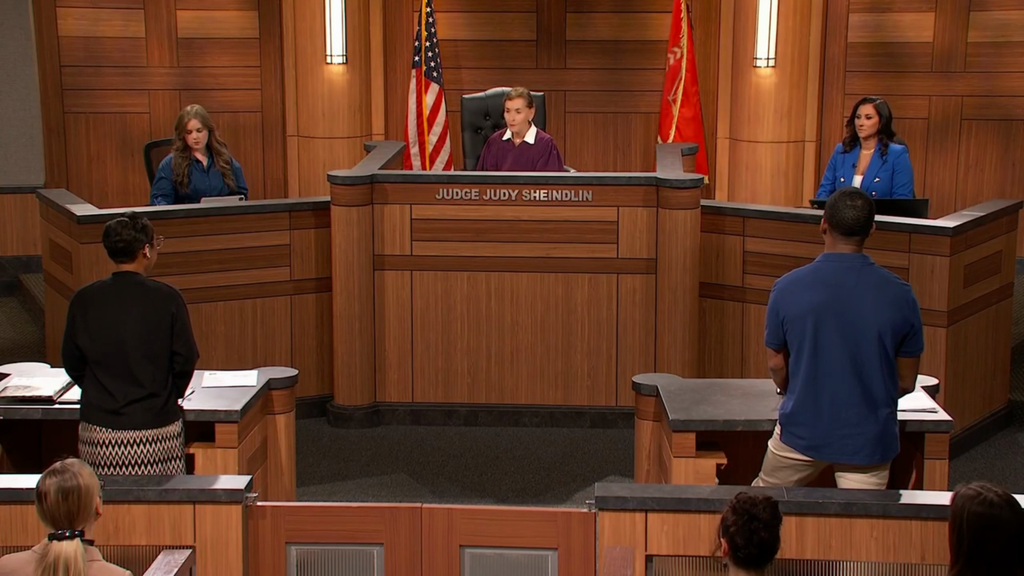
Neither side had provided the kind of documentation that could cleanly establish the financial arrangement. Judge Judy eventually told them to “grow up,” declared the dispute over and dismissed the case, including Aldina’s counterclaim.
The result meant Trevor did not recover the money he claimed was owed for helping Aldina obtain braces. Aldina likewise did not receive compensation for the wages she said she lost while caring for Trevor after his motorcycle accident.
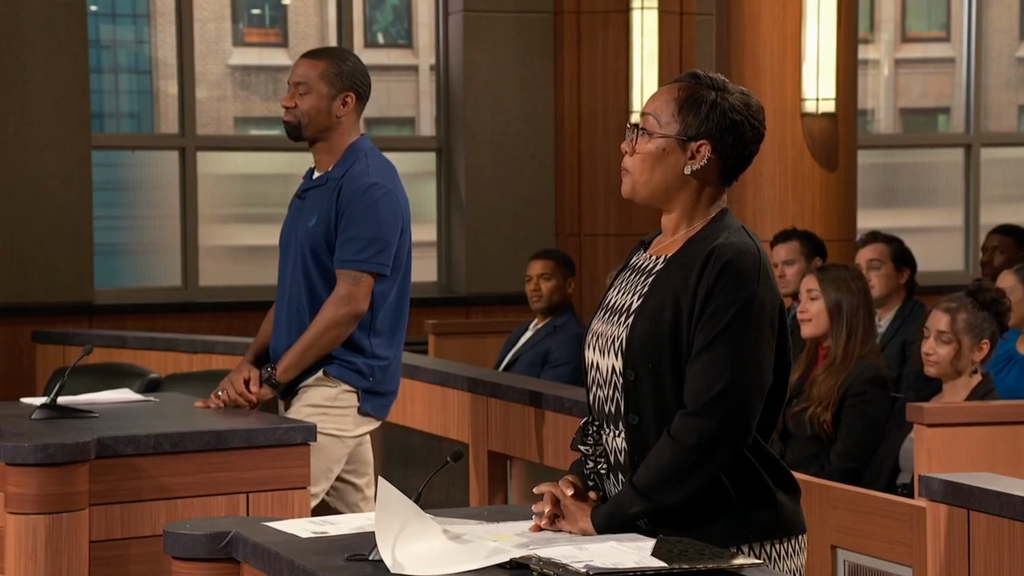
Outside the courtroom, Trevor reflected that he probably should have allowed Aldina to pursue her lifelong dream of getting braces on her own and said he had learned a valuable lesson. Aldina continued accusing him of lying and said she simply wanted her money back. Her parting advice was considerably shorter: “stay single.”
The Real Problem Wasn’t the Braces
The post-case discussion identified the broader lesson behind the dispute. Couples routinely spend money on each other without creating formal debts. One person buys dinner, another gets drinks or coffee, and neither keeps a running account of every dollar. Problems arise when a much larger transfer is intended as a loan but nothing documents that expectation.
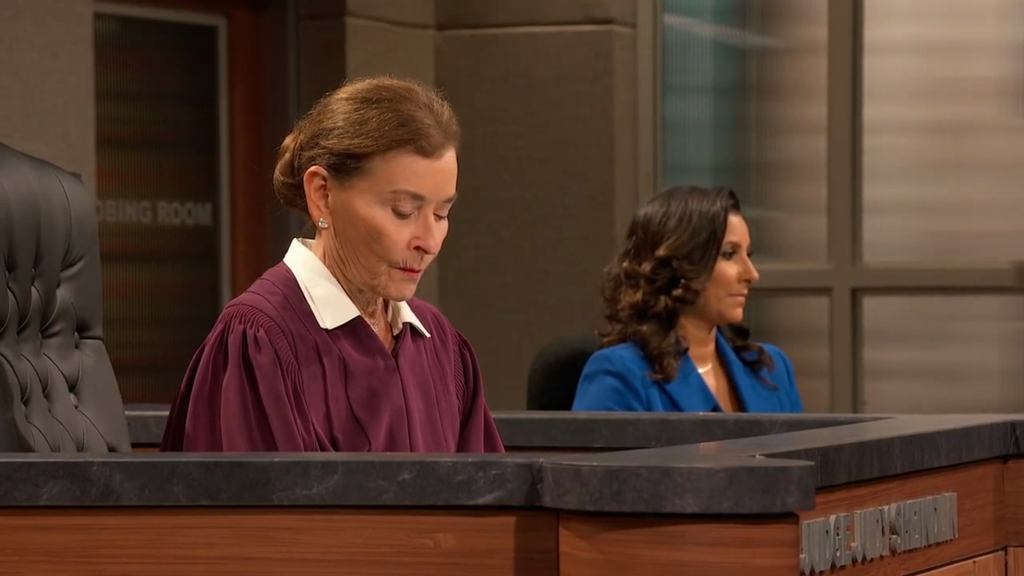
If Trevor intended his money to be repaid, a simple written record could have changed the case. A transfer memo reading “braces down payment loan,” a text confirming that Aldina would repay him, a written agreement or even another clear record could have helped establish what the money meant at the time it was sent.
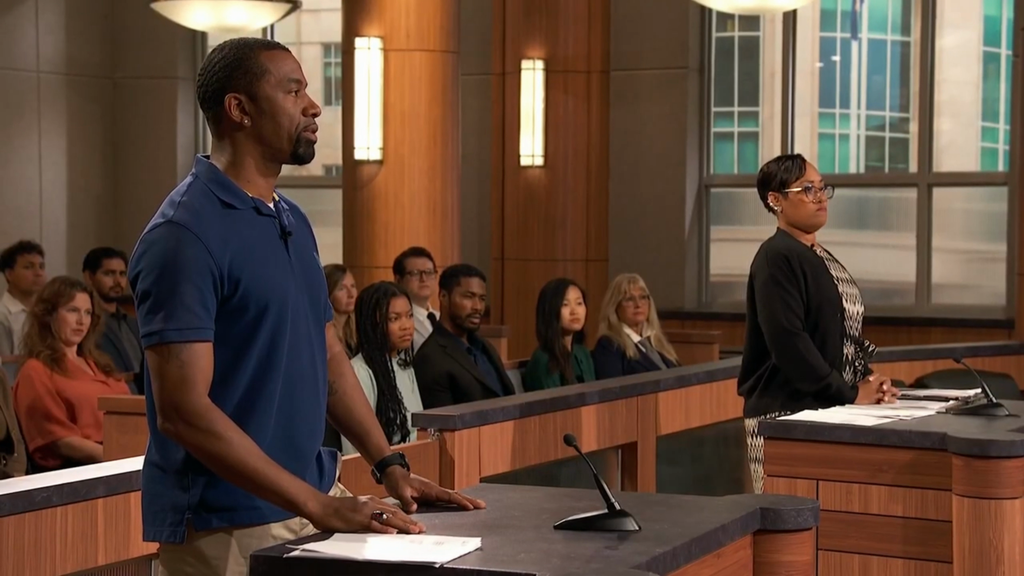
Instead, Judge Judy was left trying to reconstruct the parties’ intentions after the relationship had already collapsed. Their memories and explanations had become intertwined with the resentment of the breakup.
That made a simple financial question almost impossible to answer: was the money a loan, a gift or simply one partner helping another?
The Cash App Lesson After the Case
The discussion after the ruling offered a practical warning for anyone lending money, whether to a romantic partner, sibling or close friend. If repayment is expected, memorialize the agreement somehow.
Modern payment apps make that easier than it once was. A person can identify the purpose of a transfer directly in the memo or description. In earlier years, the same function was often served by the memo line on a paper check. The principle remains unchanged: write down what the money is for.
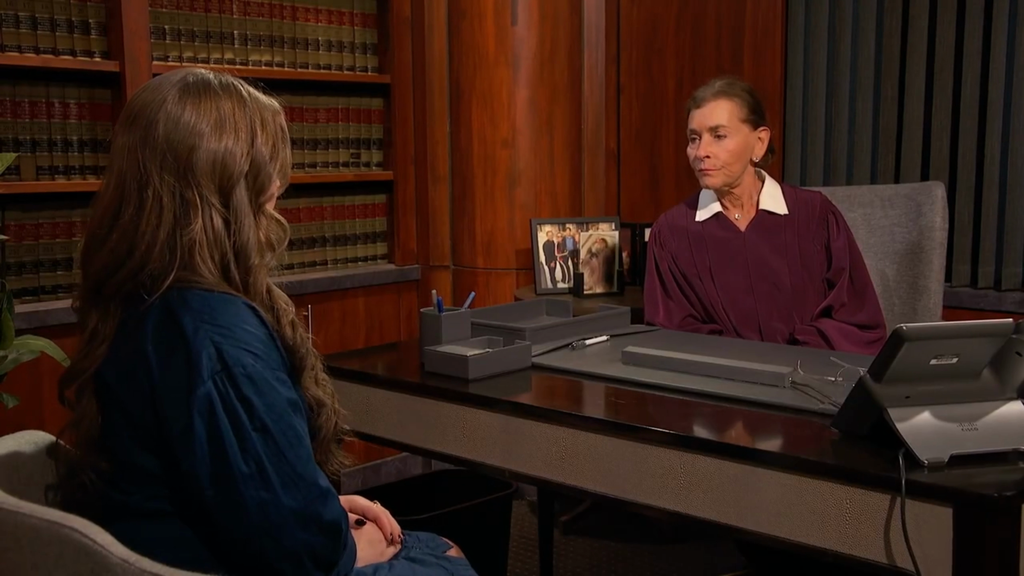
That small step can become critical after relationships change. At the time money is exchanged, neither person may expect a breakup or lawsuit. Months later, however, a clear notation can mean the difference between documented debt and two people asking a judge to guess what they intended.
Trevor and Aldina’s case ended without either side recovering money. Their relationship was already over; their failure to clearly document the financial arrangements ensured the courtroom could not neatly settle what remained.
FAQ
Why did Trevor Boggs sue Aldina Johnson?
Trevor claimed he had loaned Aldina money while she saved for braces and that she refused to repay him after their relationship ended.
Did Trevor prove he sent Aldina $500?
Yes. After Aldina initially denied receiving the January payment, transaction evidence showed that Trevor had sent her $500, and she acknowledged receiving it.
What did Aldina say the $500 was for?
Aldina claimed it was partial repayment of $1,400 she had previously given Trevor, but Judge Judy noted that Aldina’s sworn statement said she had not expected that $1,400 to be repaid.
What was Aldina’s counterclaim?
She sought $2,000 for lost wages and emotional distress connected to time she spent caring for Trevor after his motorcycle accident.
Who won the case?
Neither party recovered damages. Judge Judy dismissed Trevor’s claim and Aldina’s counterclaim.
Sources
Full transcript of Judge Judy, including Trevor Boggs and Aldina Johnson’s testimony, Cash App evidence, Aldina’s sworn statement, the braces dispute, her counterclaim, Judge Judy’s dismissal and the post-case discussion. The automated transcript inconsistently renders “$1,400” as “14 dollars” in several places; the amount is identified as $1,400 when Judge Judy reads Aldina’s sworn statement aloud.