Peewee had barely been at the neighbor’s property for a few days when an argument erupted over blankets, shelter and cold weather. The former owner insisted she had only loaned the pony so children could enjoy him over Easter. Her neighbor said Peewee had been given away because veterinary expenses had become too expensive — and she had even paid $100 toward those bills. Then Judge Judy heard an angry voicemail that made one version of the story much harder to believe.
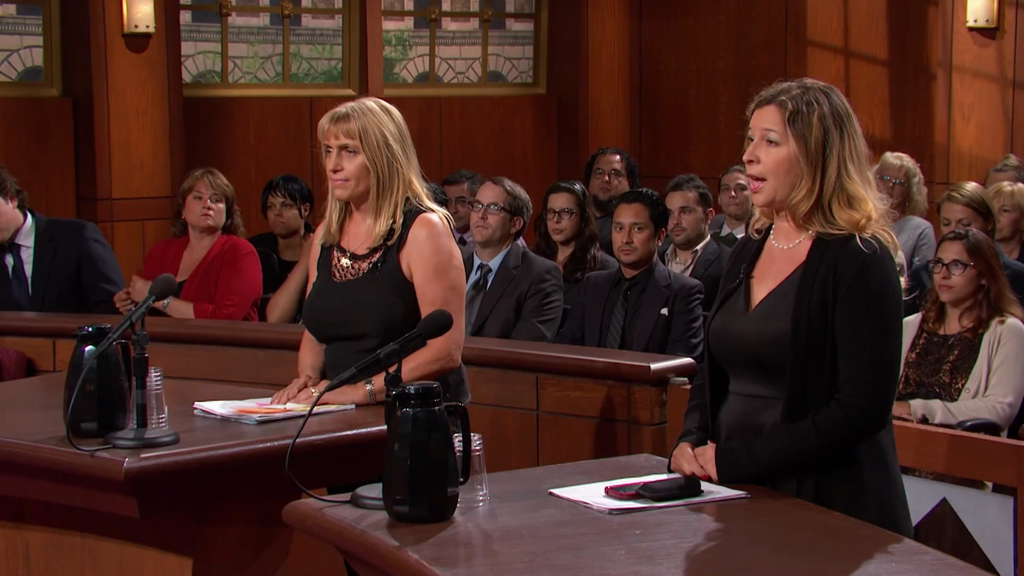
How Peewee Ended Up at the Neighbor’s Home
The dispute centered on a small pony named Peewee and two neighbors who had known each other for approximately two years. The defendant had moved into the area more recently, while the plaintiff had lived there since around 2010. Both properties were large, and the defendant already owned two horses, one for roughly three years and another for about six.
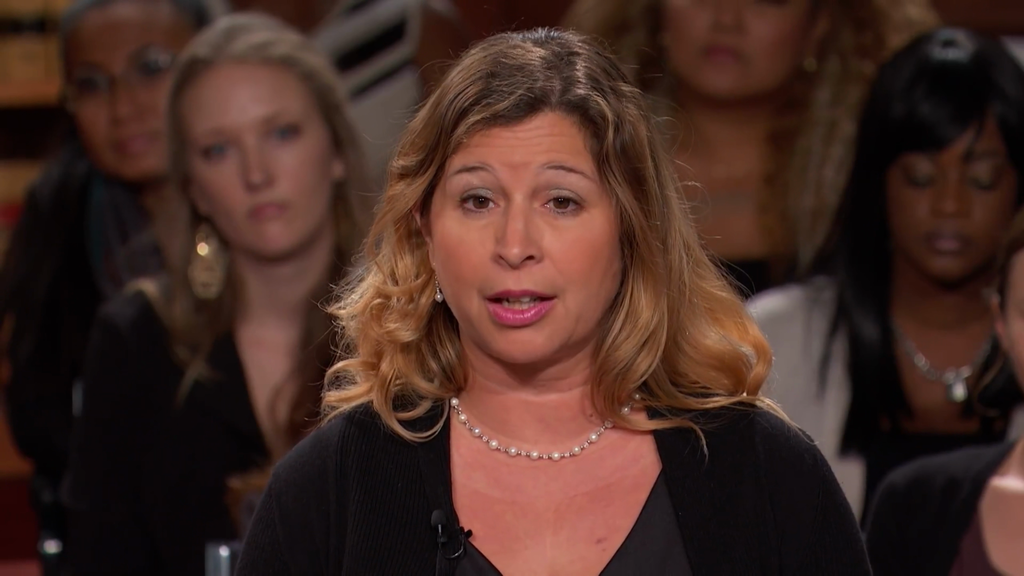
According to the defendant, everything changed on April 3. Her children came into the house and told her that their neighbor was in the backyard and wanted to give them her pony. When the defendant went outside to investigate, the plaintiff allegedly explained that she had just returned from the veterinary hospital, had spent more than $200 and could no longer afford to keep Peewee.
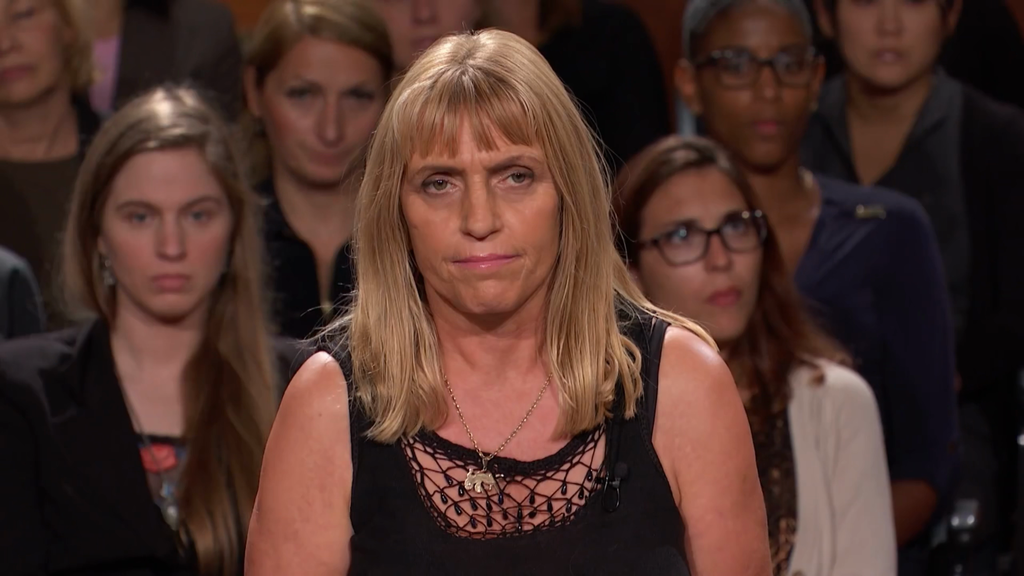
The defendant asked how much she wanted for the pony. According to her testimony, the response was clear: she did not want money for Peewee; she wanted to give him away. The defendant agreed to take him, and roughly 20 minutes later they went to retrieve the pony.
Only after Peewee was transferred did money enter the conversation.
The $100 Payment Became Important Evidence
The defendant testified that after she took possession of Peewee, the plaintiff asked whether she could contribute approximately $100 toward the veterinary bills because the expenses had been high. She agreed and paid the $100 that same day.
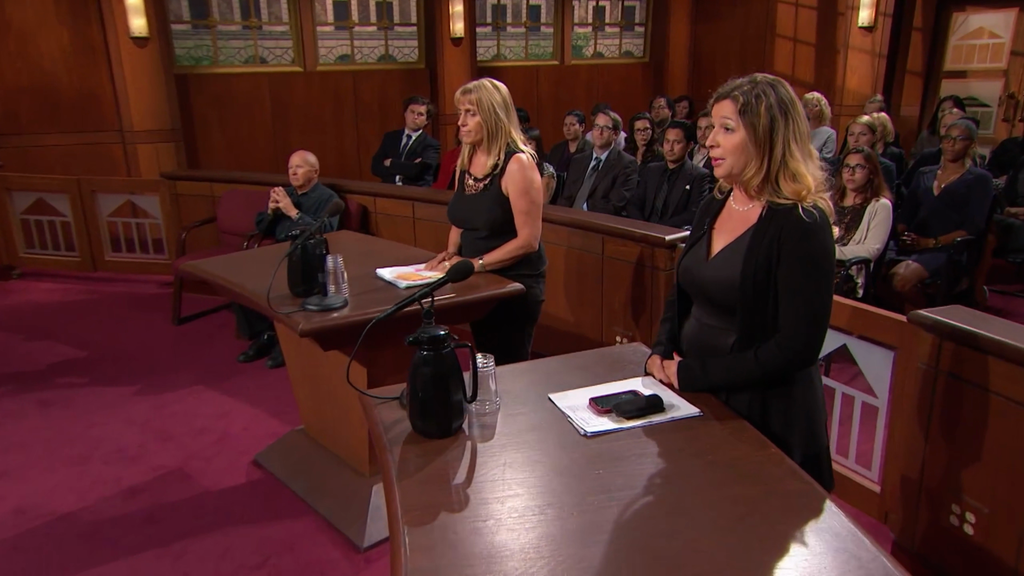
That payment later became an important piece of the ownership dispute. The defendant interpreted it as entirely consistent with what she said had happened: the plaintiff could no longer afford Peewee, gave him away and then asked the new owner for help covering part of the veterinary expenses she had just incurred.
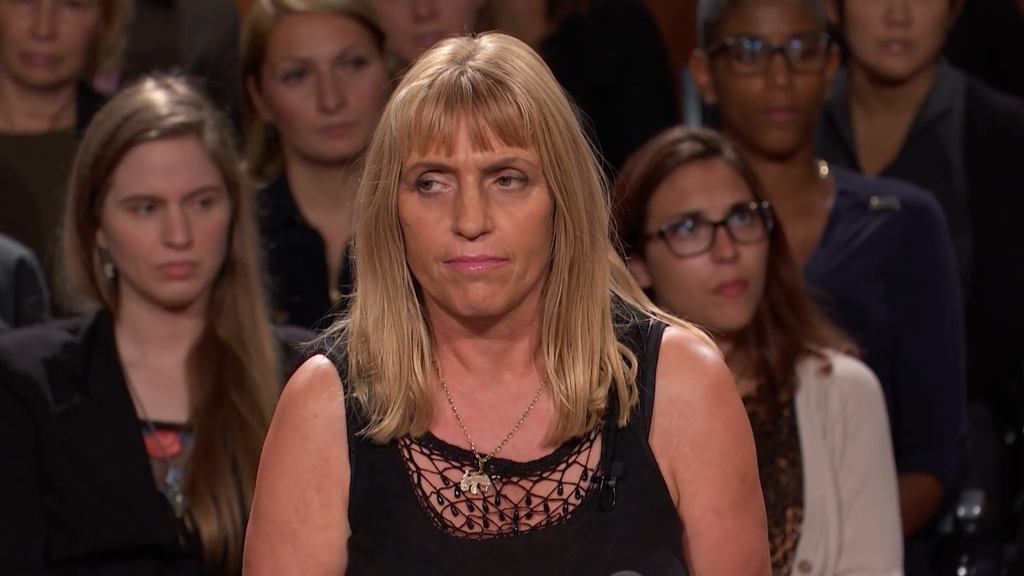
The plaintiff acknowledged receiving the $100 but gave Judge Judy a different explanation. She said the defendant offered to pay half of certain expenses because she would be using the pony. According to the plaintiff, she never transferred ownership at all.

Judge Judy therefore had two incompatible versions of the same transaction. One woman said Peewee was a gift. The other said he was merely being temporarily loaned. What happened over the next several days became critical in determining which story made more sense.
Easter Weekend Passes With Peewee at His New Home
The defendant took Peewee home on April 3 and kept him through Easter weekend. She denied having a party at her property and said there had not been a party on April 3 either.
Peewee was temporarily kept in a round pen. The defendant already had panels and said she intended to build him his own stall. Her existing horses lived in stalls with covered shelter areas and some protection from the wind.

For several days, there was apparently no major confrontation over Peewee’s location. Then, on Monday, April 6, the plaintiff called.
According to the defendant, the plaintiff first told her she had a blanket available for Peewee and offered to sell it. The conversation then expanded into detailed instructions about how the pony should be cared for. The plaintiff was concerned about cold and windy weather and wanted Peewee blanketed and placed in a box stall.
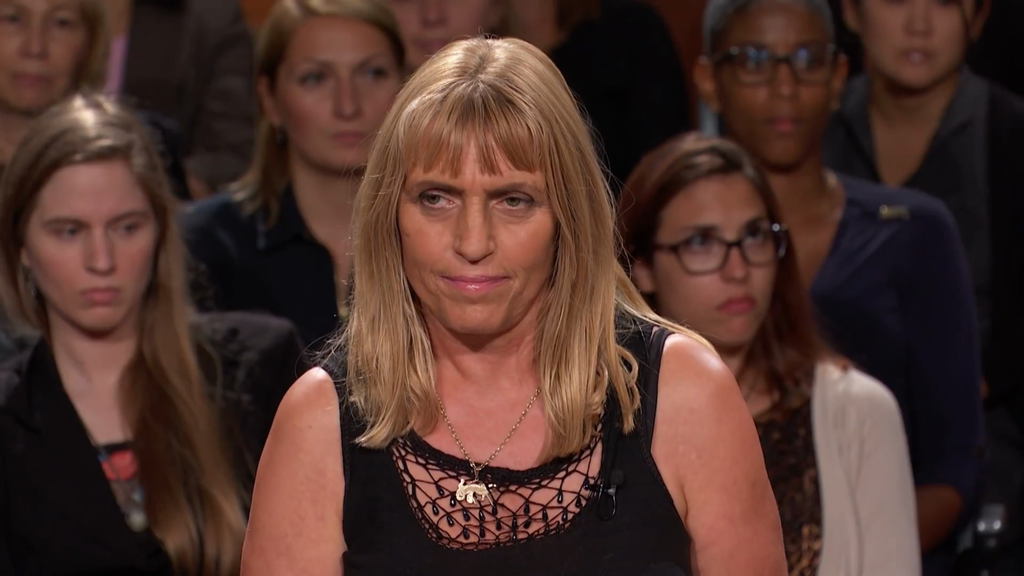
The defendant said she listened for a while and then politely told the plaintiff she would buy a blanket but did not want repeated phone calls telling her how to care for her animals whenever the weather changed.
That request triggered the confrontation that ultimately helped decide the case.
Judge Judy Listens to the Voicemail
The defendant said the plaintiff hung up, called back and cursed at her. Later that evening, another voicemail arrived. The defendant considered it frightening enough that she saved the recording and eventually played it in court for Judge Judy.
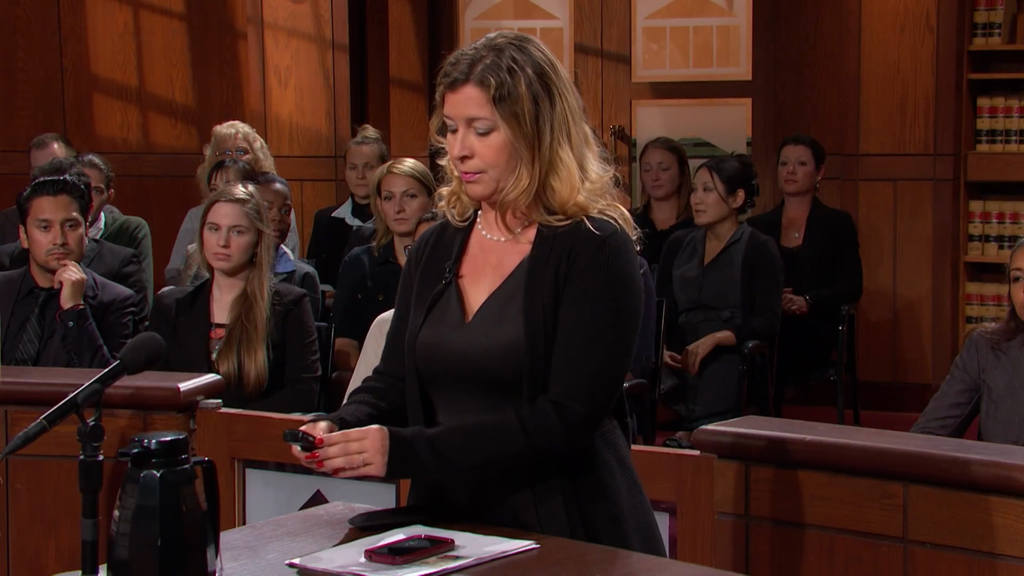
The message focused heavily on Peewee’s care. The caller complained that it was approximately 46 degrees, criticized the defendant for failing to listen to an owner about what the horse was accustomed to, and said Peewee was used to having a blanket and a stall. The message also criticized the defendant’s other horses and her abilities around competitions and rodeos.
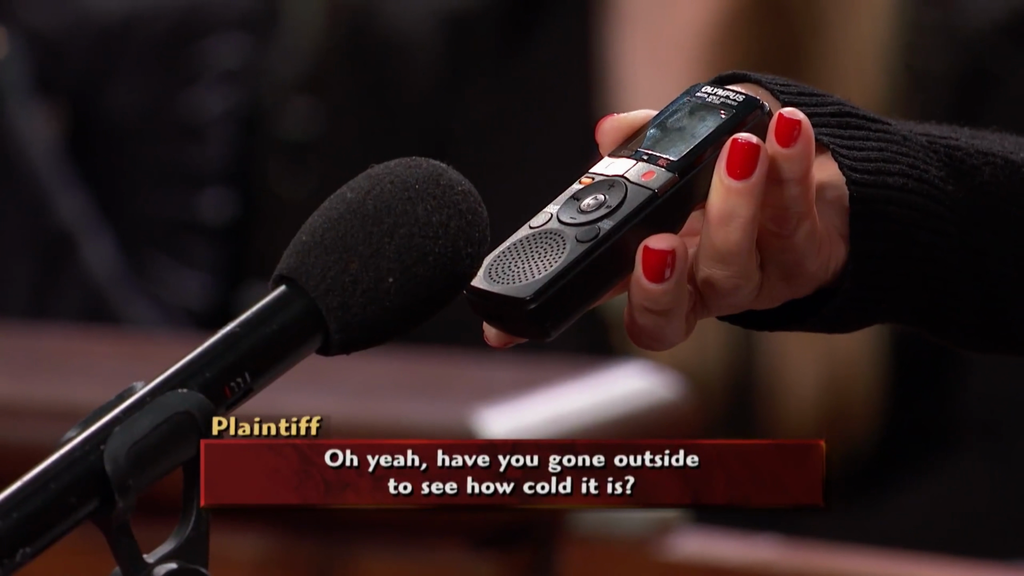
The caller then threatened to contact the Humane Society if Peewee was not properly cared for. After receiving the message, the defendant blocked further calls.
For Judge Judy, however, the importance of the voicemail was not simply its hostile tone. It helped establish why the relationship had deteriorated. The plaintiff appeared furious because she believed Peewee was not being cared for in the manner she wanted.

That supported the defendant’s claim that the disagreement arose after Peewee had already been given to her.
The Defendant Says She Felt Watched
During the following days, the defendant said she became uncomfortable with activity around her property. She testified that men connected to the plaintiff would walk near the house and look toward the area where Peewee was being kept. She also said the plaintiff drove past slowly on several occasions.
The defendant interpreted the behavior as stalking and believed the angry voicemail indicated the plaintiff was determined to create problems.
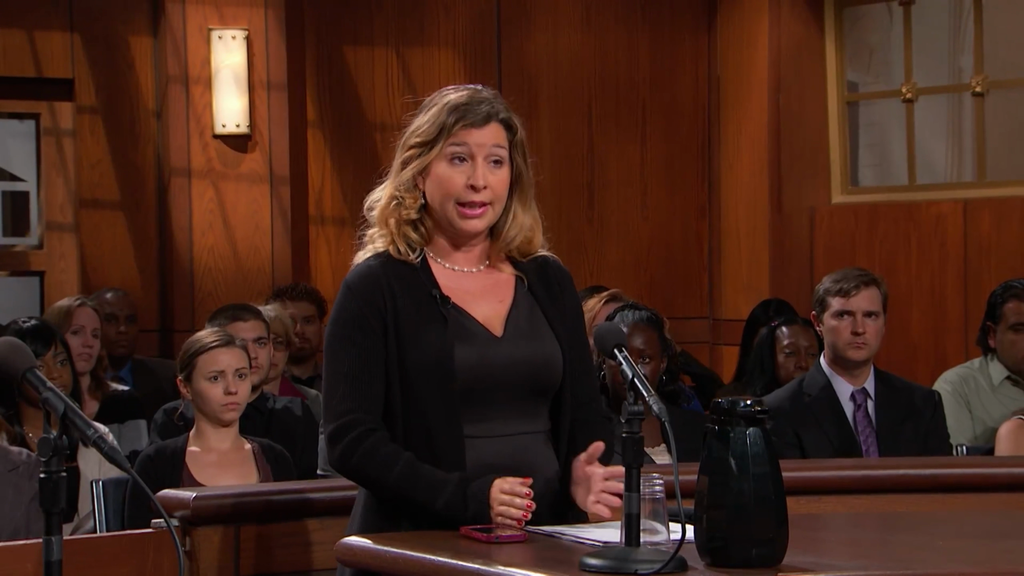
Judge Judy asked an obvious question: if the situation had become so uncomfortable, why not simply give Peewee back?
The defendant’s answer introduced another disputed issue. She claimed she already had concerns about the way the plaintiff had cared for the pony before giving him away.
According to the defendant, her farrier had previously trimmed Peewee’s feet in January. She said the pony’s hooves appeared not to have been trimmed for approximately a year, even though she believed hoof care should occur every six to eight weeks. She produced photographs of Peewee’s feet and said that experience had already convinced her the plaintiff could not afford to care for him properly.
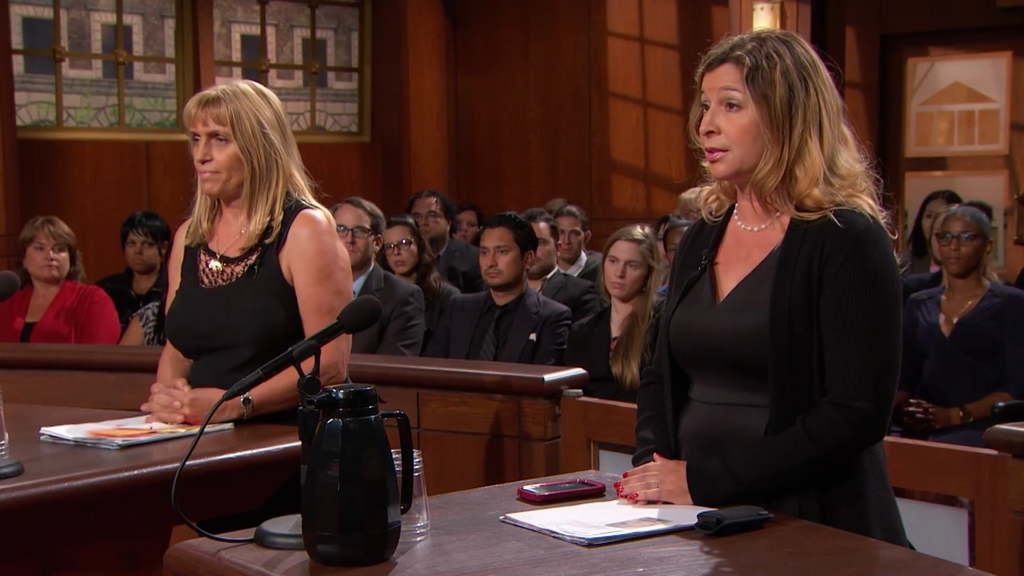
These were the defendant’s allegations about Peewee’s previous condition, not a separate judicial finding that the plaintiff had abused the pony. Judge Judy’s ultimate ruling did not depend on establishing animal abuse. It depended on ownership.
Peewee Is Sent to Another Home
The defendant eventually contacted a friend experienced with horses and children’s programs and asked her to find Peewee a suitable home. She told Judge Judy she did not want to make money from the pony and only wanted him somewhere safe and properly cared for.
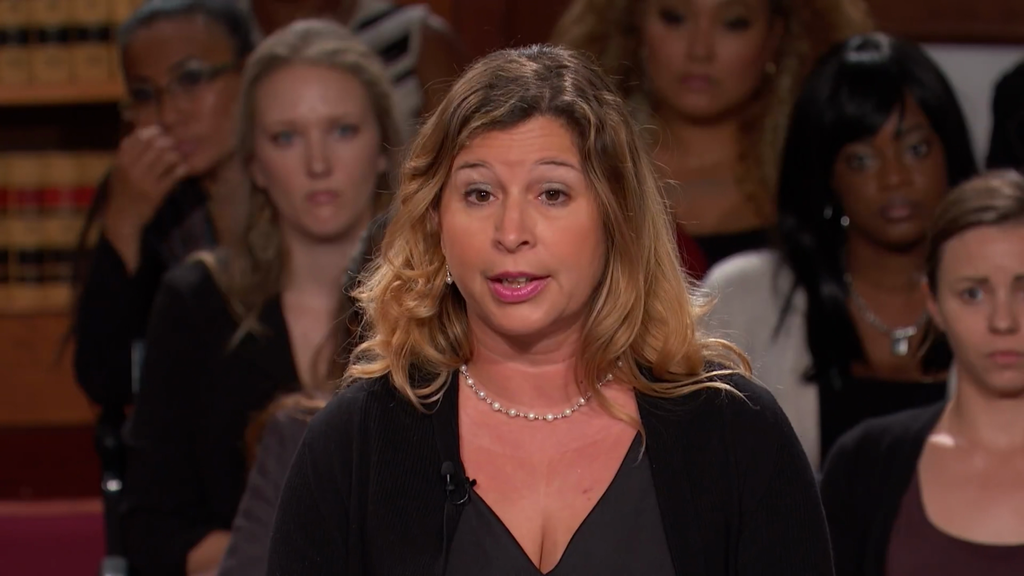
By the time of the hearing, Peewee was reportedly participating approximately once a month in an equestrian therapy program and was doing well. That meant the defendant no longer had Peewee herself. The plaintiff, meanwhile, wanted $1,000 and claimed the defendant had wrongfully refused to return a pony that had only been loaned.
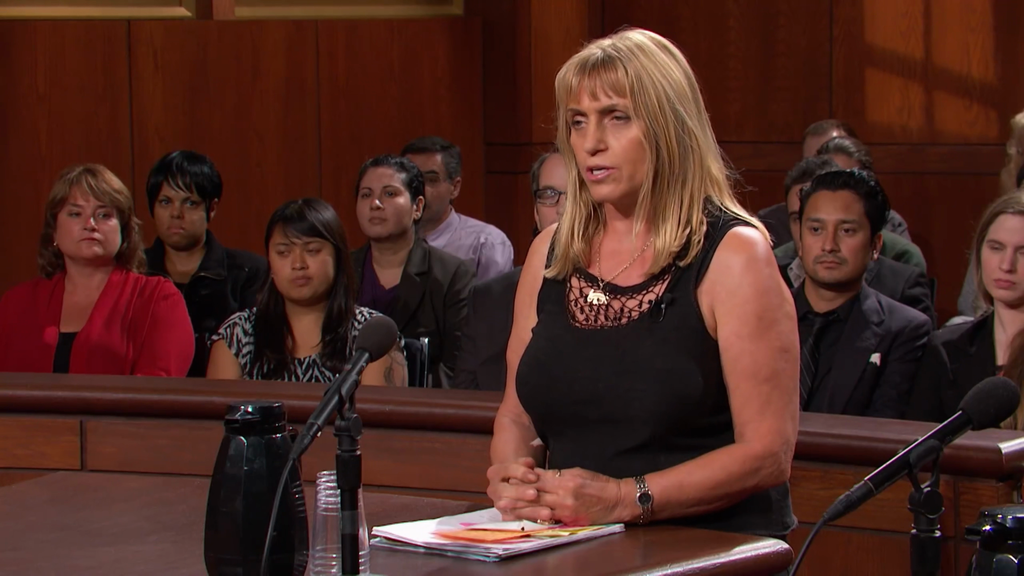
Judge Judy then turned directly to the plaintiff’s version of April 3. Almost immediately, she identified a major credibility problem.
The Plaintiff Says Peewee Was Never a Gift
The plaintiff told Judge Judy that she had returned from a veterinary clinic after taking both of her horses for treatment, including dental work and examination. She estimated the total bill at approximately $500.
When she arrived home, Peewee got loose through the back gate and ran up the alley toward the defendant’s property. Because the women had been friendly and the plaintiff liked the defendant’s children, she said she offered to let them take Peewee and enjoy him during Easter and at a day camp.
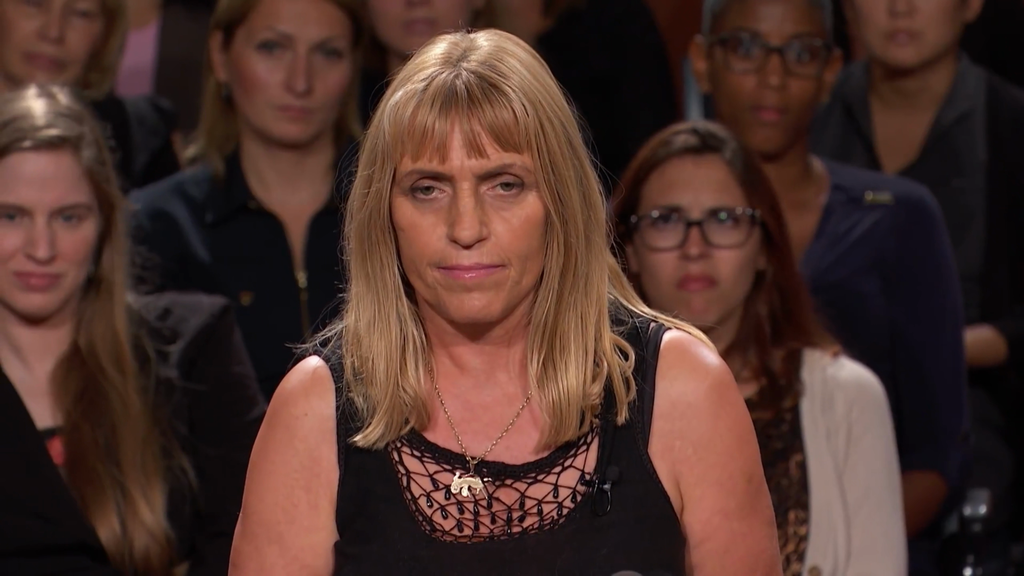
But she insisted that she explicitly told the defendant she was not giving Peewee away.
According to her courtroom testimony, she told the defendant that Peewee was a rescue horse and had to be returned once the family was finished using him. She also said she deliberately repeated this condition later while another person, Claude, was nearby so there would be a witness to the agreement.

The plaintiff further claimed Peewee had a close bond with her other horse and that if the animals became distressed while separated, Peewee was supposed to be brought back immediately. Judge Judy was skeptical. The reason was sitting in the plaintiff’s own written complaint.
Her Written Complaint Did Not Match Her Courtroom Story
Judge Judy read from the complaint the plaintiff had signed. In that version, the plaintiff said that on April 5, she noticed the defendant had children at her home for Easter Sunday and asked whether she wanted to borrow Peewee for the day so the children could enjoy him. That did not match the new account.
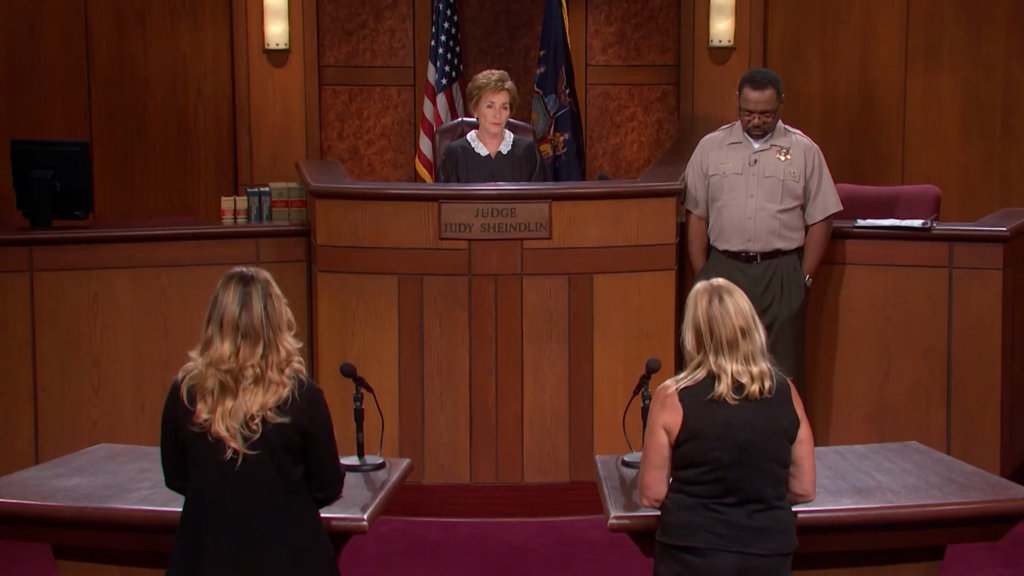
In court, the plaintiff was saying the transfer began on April 3 after she returned from the veterinarian and Peewee ran toward the neighbor’s house. She described an arrangement allowing the children to keep the pony at their property and potentially take him to day camp, while insisting she had specifically warned that ownership was not being transferred.
Judge Judy pointed out the inconsistency directly. The plaintiff’s signed complaint described a pony loaned for an Easter event. Her courtroom testimony described a substantially different sequence.

The defendant’s version, by contrast, fit another important piece of evidence: the angry voicemail. Judge Judy told the plaintiff that if the original story in the complaint were true, the content and context of that voicemail did not make sense in the same way. She wanted the truth about what had actually happened.
Judge Judy Reconstructs the Real Dispute
After hearing both sides, Judge Judy explained the sequence she believed was most credible. She believed the plaintiff had returned from the veterinarian after spending significant money. She believed she then gave Peewee to the defendant. The defendant paid $100 toward the veterinary expenses. The problem developed afterward.
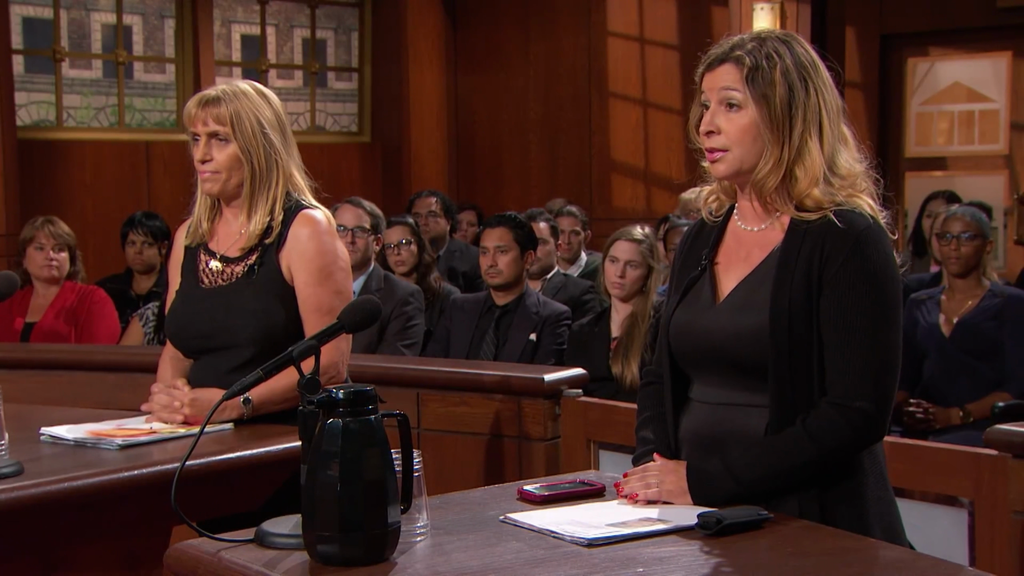
The plaintiff saw that Peewee was not being sheltered and blanketed in the way she preferred. She called the defendant and began giving instructions about how the pony should be cared for. The defendant resented being told how to manage an animal she now considered her own and told the plaintiff not to dictate how she cared for her horses.

That confrontation angered the plaintiff and resulted in the hostile voicemail. Judge Judy believed the plaintiff subsequently regretted giving Peewee away because she did not approve of the defendant’s care arrangements. But regretting a gift did not reverse it.
The Plaintiff Explains Her Anger Differently
The plaintiff continued trying to explain the voicemail. She said her other horse had become extremely distressed after Peewee left, was whinnying and had not eaten for three days. She said she deliberately waited until after Easter so the children could enjoy Peewee before calling Monday morning to ask for his return.
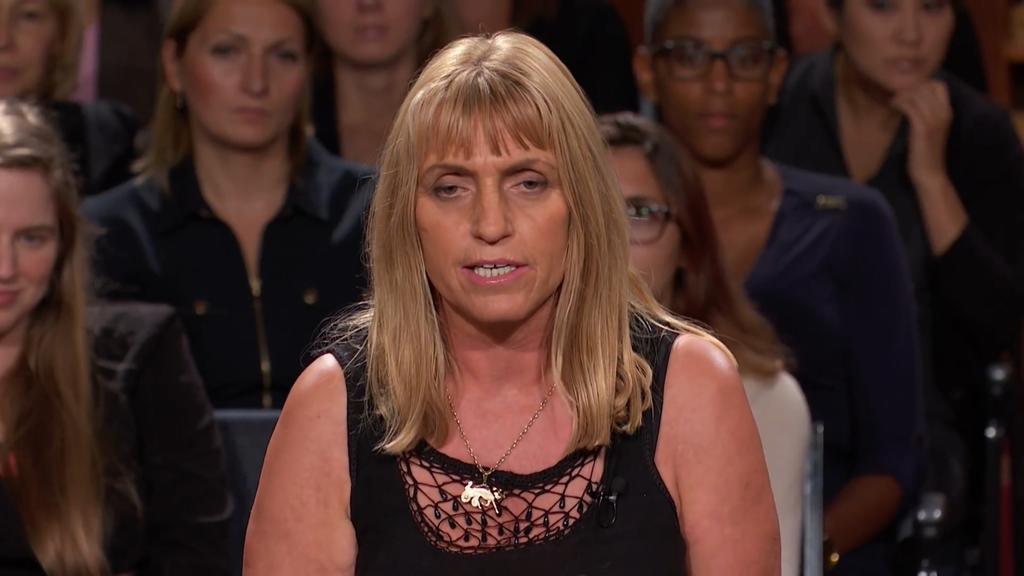
According to her, the defendant responded dismissively and insulted her. The plaintiff also told Judge Judy that she suffered a heart attack shortly afterward and spent five days in the hospital. She used that hospitalization to dispute the defendant’s suggestion that she had been stalking the property during the following week.
After leaving the hospital, the plaintiff said a neighbor drove her past the arena where Peewee had been kept. She realized he was gone. Because she was still having difficulty walking, she sent someone to the defendant’s house to ask where the pony was. According to the plaintiff, she was then told Peewee was gone and that she would never get him back.
Those details explained why the plaintiff remained emotionally invested in recovering the pony. They did not, however, solve the central problem with her case: Judge Judy did not believe her claim that ownership had never been transferred.
Why the $100 Payment Mattered
The $100 was not simply a side issue about veterinary expenses. Combined with the other testimony, it helped Judge Judy understand the nature of the transaction.
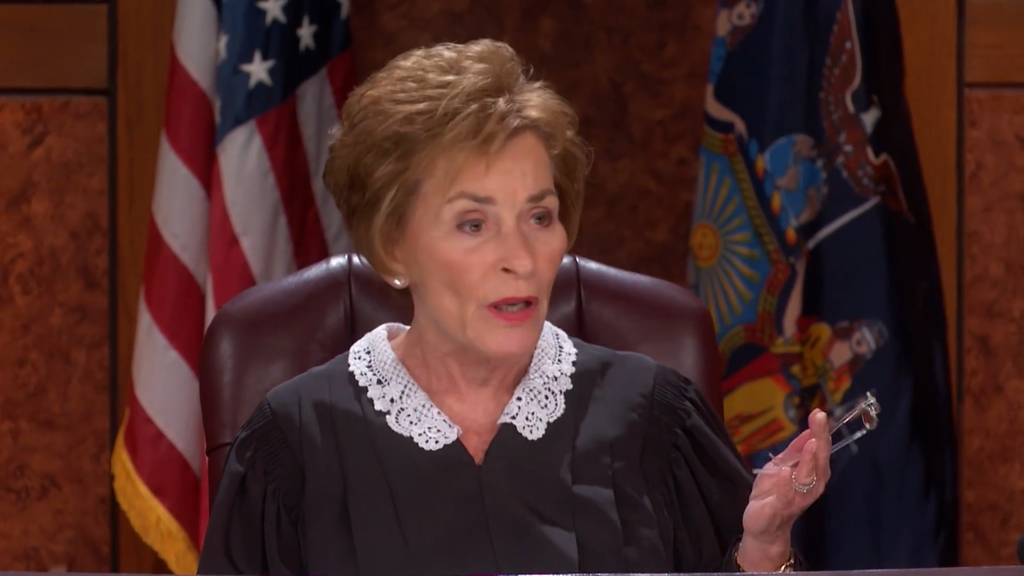
The defendant said the plaintiff told her veterinary care had become too expensive and that she could no longer afford Peewee. She then gave the pony away and requested some help with the recent vet costs. The defendant paid $100 immediately.
The plaintiff offered a different explanation, saying the money represented the defendant’s voluntary contribution toward expenses because she would temporarily be using Peewee. Judge Judy believed the defendant.

The judge also rejected the plaintiff’s repeated question about why she would spend money on veterinary care and then give the pony away. Spending money on an animal shortly before deciding one can no longer afford it did not automatically prove that a later transfer was temporary.
What mattered was what the parties actually agreed to when Peewee changed hands. On that issue, Judge Judy found the plaintiff’s changing versions far less persuasive.
The Voicemail Became a Credibility Test
The saved voicemail was especially damaging because it captured the dispute before litigation gave either side a reason to reconstruct events strategically.
The message showed that the plaintiff was deeply concerned about how Peewee was being cared for. She complained about the temperature, the lack of a blanket and the absence of the type of stall she believed the pony required. She criticized the defendant’s judgment and threatened to contact the Humane Society.

Judge Judy interpreted that message as the reaction of someone who had given away an animal and then became upset after seeing that the new owner did not care for it according to her preferences.
The defendant’s testimony matched that interpretation: she said she accepted Peewee as her own, listened to the plaintiff’s instructions for several days and finally told her to stop telling her how to care for her animals.
The plaintiff’s written complaint, meanwhile, described a much simpler one-day Easter loan. Those pieces did not fit together. Judge Judy chose the version that she believed did.
Judge Judy Dismisses the $1,000 Claim
The plaintiff sought $1,000, but Judge Judy concluded that Peewee had been given to the defendant rather than merely loaned to her.
Once Judge Judy reached that finding, the plaintiff’s claim collapsed. She could not obtain damages based on the defendant’s refusal to return property that Judge Judy believed she had voluntarily transferred.
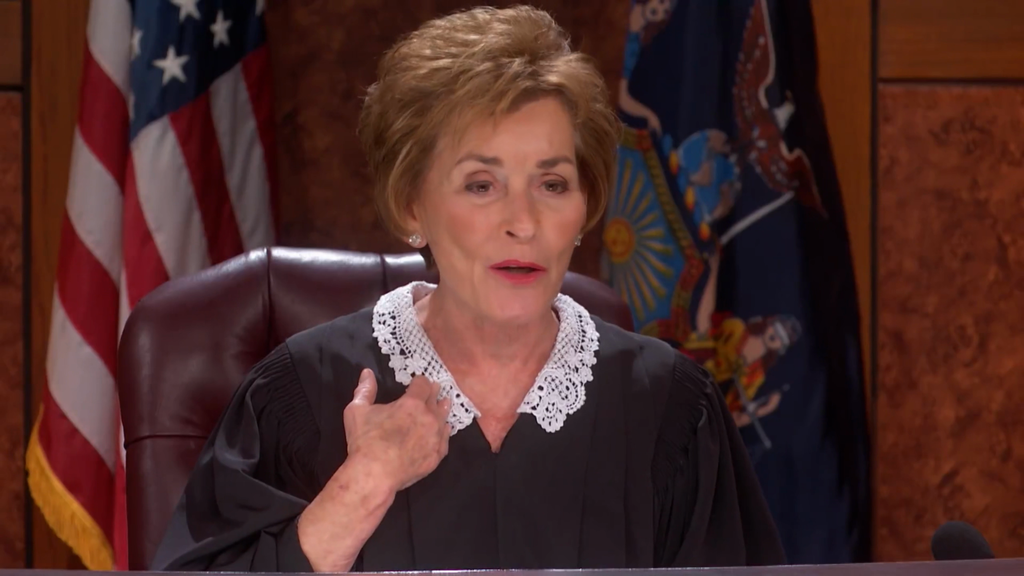
The defendant’s later decision to place Peewee in another home did not change the result. If Peewee had been given to her, she had become the owner and was entitled to decide where the pony would live. Judge Judy did not award the plaintiff $1,000. She did not order Peewee returned. Instead, she ended the hearing with a simple ruling: Case dismissed.
A Gift Cannot Be Rewritten After an Argument
The most important issue in this case was not whether Peewee should wear a blanket at 46 degrees, whether a round pen provided enough temporary shelter or whether the plaintiff or defendant was the more experienced horse owner.
Those disagreements explained why the relationship between the neighbors collapsed, but they did not decide who owned Peewee.
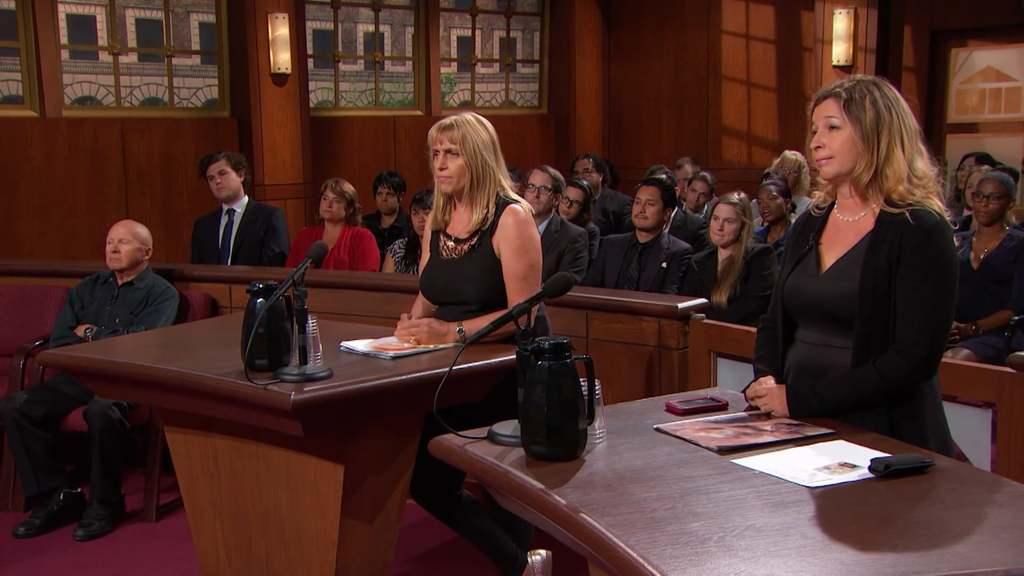
Judge Judy focused on the original transfer and the credibility of the competing accounts. The defendant said the plaintiff could no longer afford the pony after veterinary expenses and gave him away. She paid $100 toward those expenses. Several days later, the plaintiff became upset about how Peewee was being cared for and began trying to control the situation.
The plaintiff insisted the pony had always been on loan, but her signed complaint described a different timeline and arrangement from the one she presented in court. That inconsistency mattered.
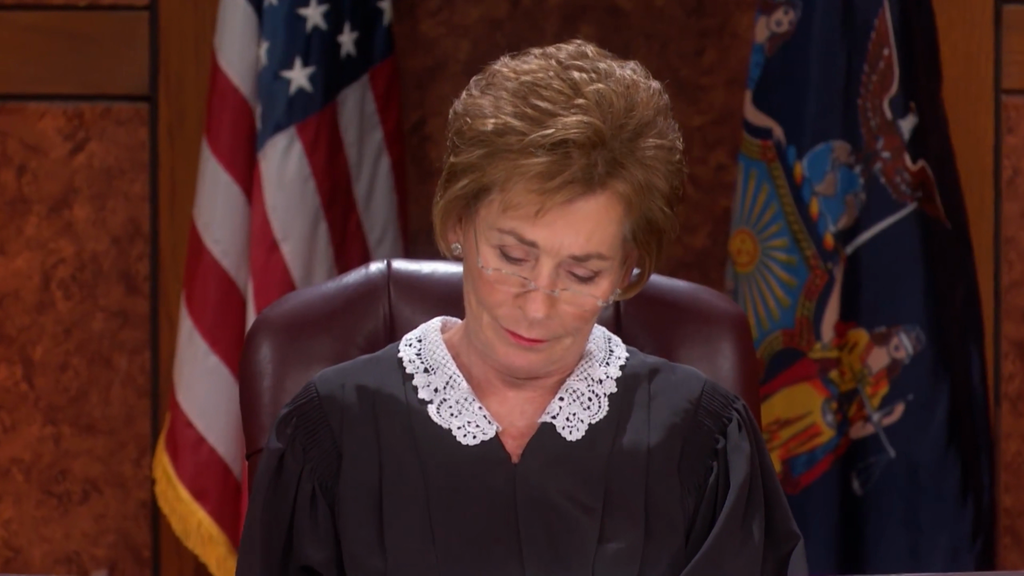
The case became a reminder that informal agreements involving animals can create serious disputes when nothing is written down. A horse or pony may have enormous emotional value, but a court still has to determine whether the transaction was a loan, sale or gift from the evidence available. Judge Judy believed this one was a gift.
Once Peewee had been given away, the plaintiff could not reclaim ownership simply because she disliked what happened afterward.
Her $1,000 claim was dismissed.
(uc.)
FAQ
Why did the plaintiff sue over Peewee the pony?
The plaintiff claimed she had only loaned Peewee to her neighbor and wanted $1,000 after the neighbor refused to return him. The defendant maintained that Peewee had been permanently given to her.
Why did the defendant pay the plaintiff $100?
The defendant said the plaintiff asked for approximately $100 toward veterinary expenses after giving her Peewee. The plaintiff claimed the money was a contribution toward expenses because the defendant was temporarily using the pony.
What was in the voicemail Judge Judy heard?
The plaintiff complained about cold weather, said Peewee was accustomed to a blanket and stall, criticized the defendant’s horse care and threatened to contact the Humane Society if the pony was not properly cared for.
Why did Judge Judy doubt the plaintiff’s story?
The plaintiff’s testimony in court did not match important details in her signed complaint. Judge Judy also believed the voicemail supported the defendant’s account that the plaintiff gave Peewee away and only became angry afterward over how he was being cared for.
What was Judge Judy’s verdict?
Judge Judy found the defendant’s version more credible and concluded that Peewee had been given to her. The plaintiff’s $1,000 claim was dismissed.
Sources
Judge Judy, including the April 3 transfer of Peewee, the $100 payment toward veterinary expenses, Easter weekend, the April 6 telephone dispute, the recorded voicemail, competing testimony about whether Peewee was a gift or temporary loan, the plaintiff’s signed complaint, Judge Judy’s credibility findings and the final dismissal of the $1,000 claim. The automated transcript renders some personal names inconsistently, so this article avoids presenting uncertain spellings as established fact and uses Peewee, which is clearly identified in the plaintiff’s complaint, as the central name.