Cassidy Walker came to court accusing former boyfriend Leo Fulkerson of taking $2,445 from her account and leaving with her belongings after their breakup. Judge Judy quickly dismissed much of that dispute as the messy financial aftermath of a live-in relationship. Then she discovered something far more important: Cassidy’s 16-year-old brother Dakota was living primarily with Leo, while Cassidy was still receiving and spending $375 a month intended for Dakota’s support.

(uc.)
Cassidy and Leo Build a Household Together
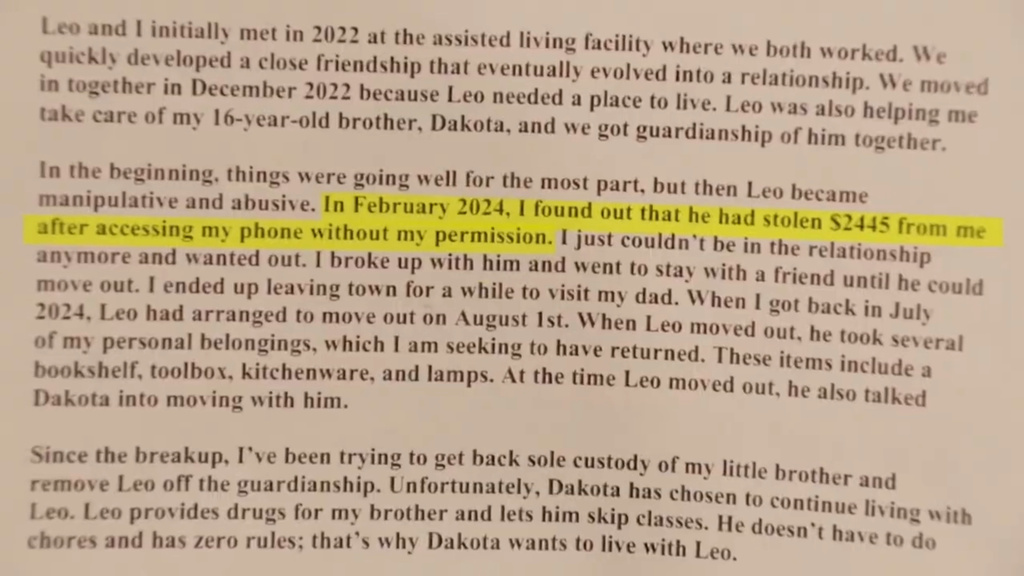
Cassidy Walker and Leo Fulkerson met while working at the same nursing facility and began living together in December 2022, when Leo moved into Cassidy’s apartment. Cassidy’s younger brother Dakota initially visited on weekends after spending time in foster care. In February 2023, Cassidy obtained guardianship of him, and the documents presented in court showed that Cassidy and Leo were ultimately granted joint guardianship.
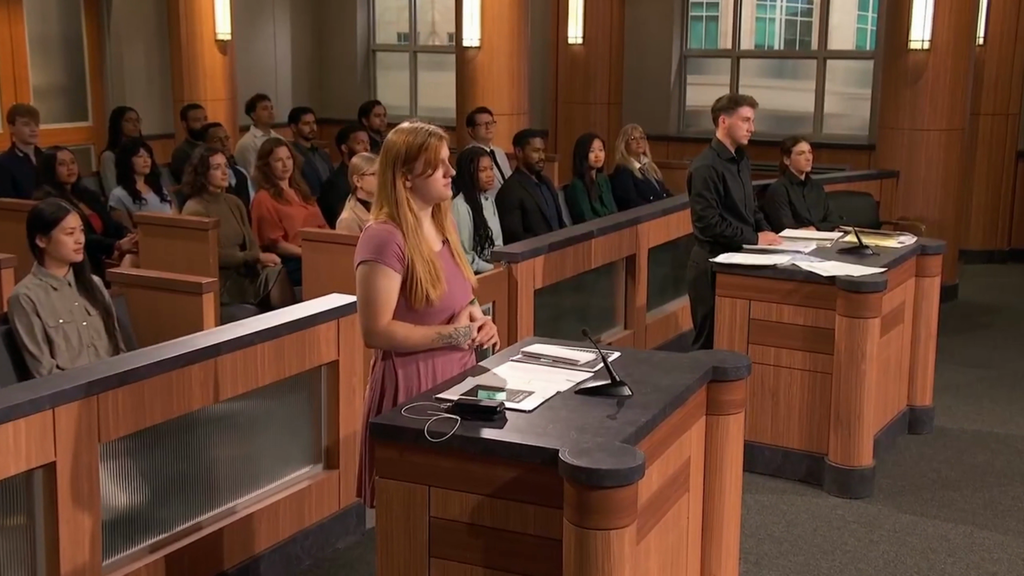
The household remained together for roughly another year. By February 2024, however, Cassidy said serious financial problems had developed between her and Leo.
Cassidy Says Leo Took $2,445
Cassidy accused Leo of accessing her phone without permission and taking $2,445 from her account. She said the discovery caused her to break up with him and temporarily stay with a friend.
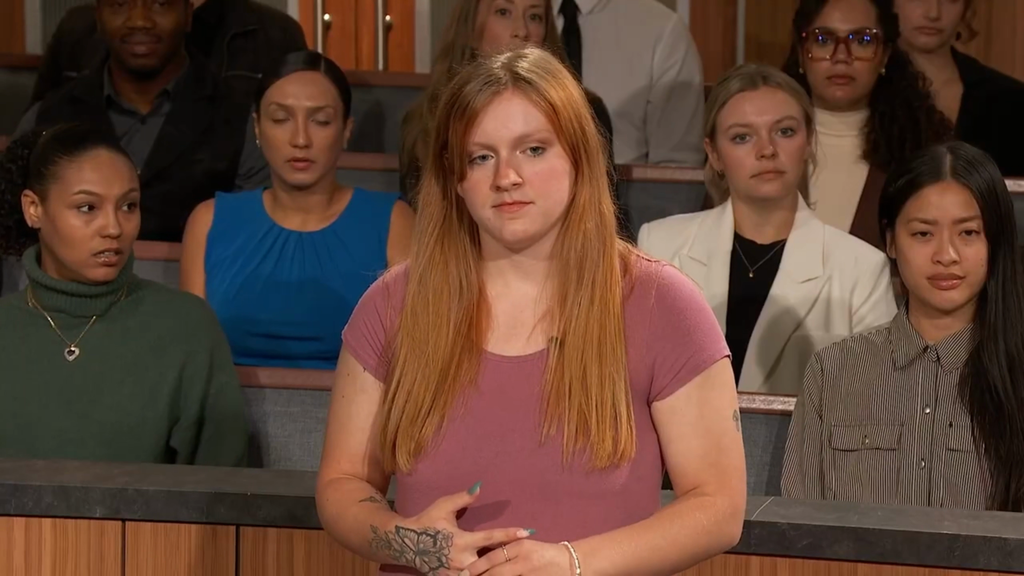
Judge Judy immediately found problems with that claim. Cassidy acknowledged that she returned to the home after only a few nights and resumed living with Leo as a couple. Leo said the money had been placed in savings for a trip they planned to take in April — and Cassidy confirmed that they actually went on that trip.

For Judge Judy, that was enough. She was not going to reconstruct the finances of a couple who continued living together after the alleged theft and then used money during a shared trip.
“Let’s forget about this money,” she said in substance, dismissing that part of Cassidy’s case as a relationship dispute she was unwilling to regulate after the breakup.

(uc.)
What About the Belongings?
Cassidy also claimed Leo took numerous household items when he eventually moved out. Her list included kitchen supplies, laundry baskets, cutting boards, lamps, tables, a $300 Walmart gift card, a tool set, storage organizers, cat supplies, sheets, whiteboards, a shower curtain, tapestries, a medication lockbox and wall decorations. Judge Judy wanted proof of ownership, not simply a list.

When Cassidy mentioned lamps and end tables, she could not produce receipts establishing that she had purchased them. Leo acknowledged taking a small black lamp but said it had been in Dakota’s bedroom and he believed it belonged to him.

Judge Judy also established that Leo had not emptied the apartment. Cassidy still had the couch, their bed and other furniture. Dakota, meanwhile, had moved with Leo and taken his own bed, clothes, gaming equipment and other belongings from his room.

Judge Judy considered many of Cassidy’s smaller claims insignificant and unsupported. The property dispute was not going to produce the judgment Cassidy wanted. Then the hearing shifted to Dakota.
Dakota Was Living Primarily With Leo
Because Cassidy and Leo were joint guardians, Dakota received government assistance intended to help support him. The amount was $375 per month.
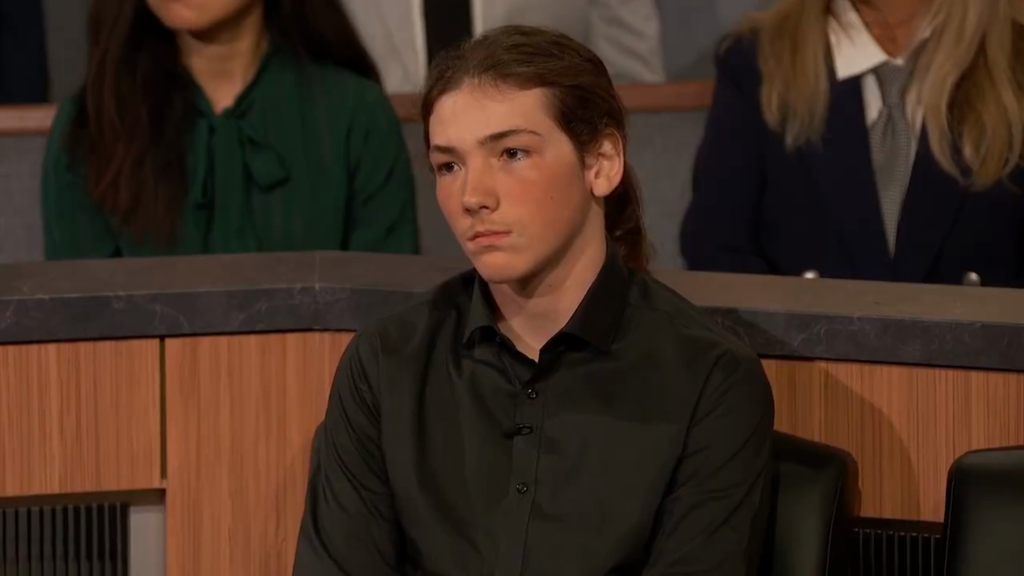
After Cassidy and Leo separated in July, Dakota primarily stayed with Leo. Dakota himself confirmed this in court. He stayed with Leo during the school week — approximately five days a week — and decided when he wanted to visit Cassidy.
Yet Cassidy was still receiving the $375 monthly payments.

Judge Judy asked her directly whether she had been keeping Dakota’s money. Cassidy initially resisted the wording but eventually acknowledged that the payments went into her bank account and were spent on things for Dakota or things needed for what she described as “our house.”
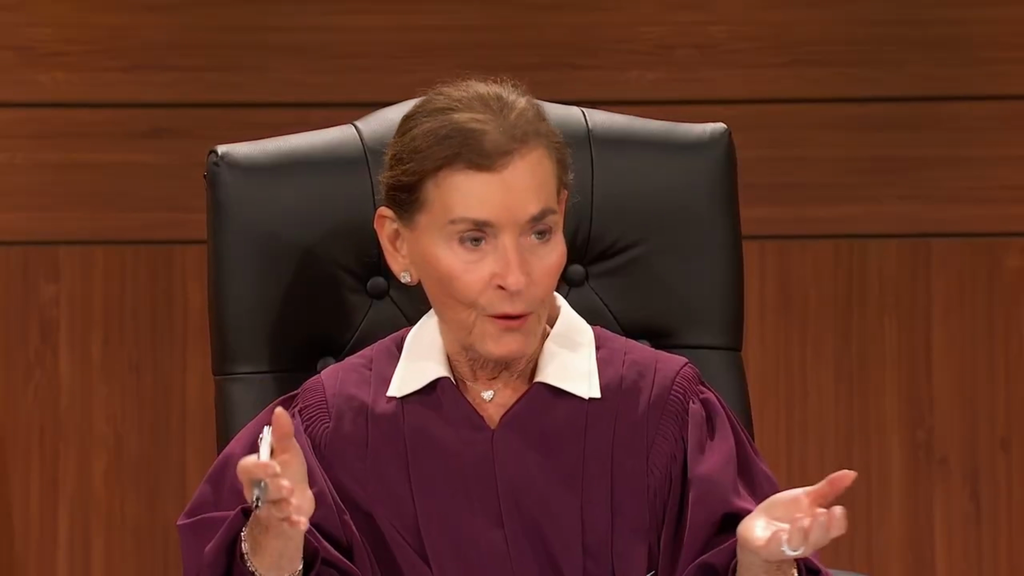
Judge Judy immediately identified the problem: Dakota was not primarily living in Cassidy’s house. He was living with Leo.
Three Months at $375 Equals $1,125
Leo had filed a counterclaim seeking the money Cassidy continued receiving while Dakota lived with him. Judge Judy limited the calculation to the period she could establish clearly: three months since July. The math was simple: $375 × 3 months = $1,125.
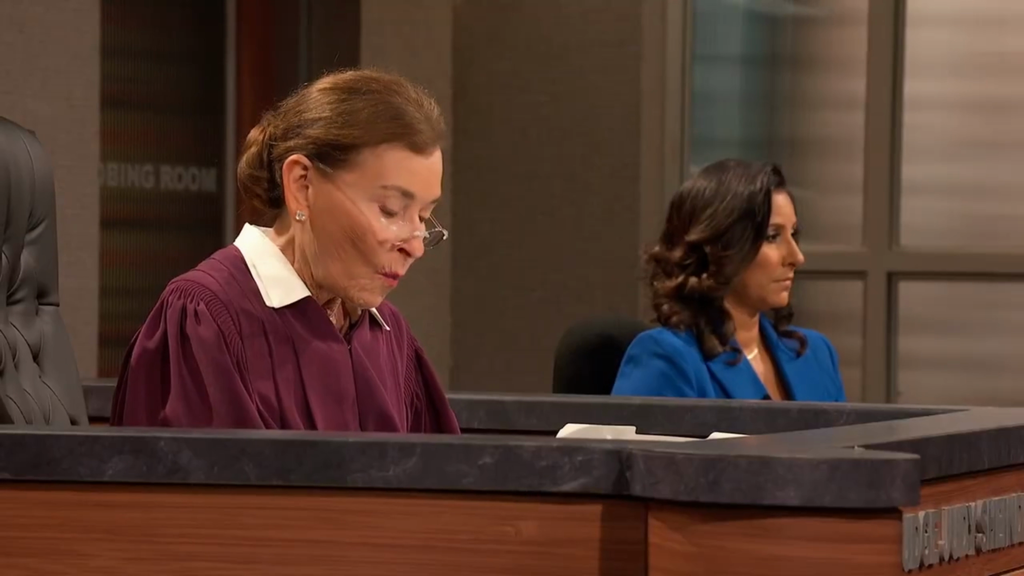
Judge Judy found that Cassidy should not have retained those funds when Leo was providing Dakota’s primary home. The money was intended to support Dakota, not to supplement the household where he was no longer primarily living. She therefore awarded Leo $1,125 on his counterclaim.
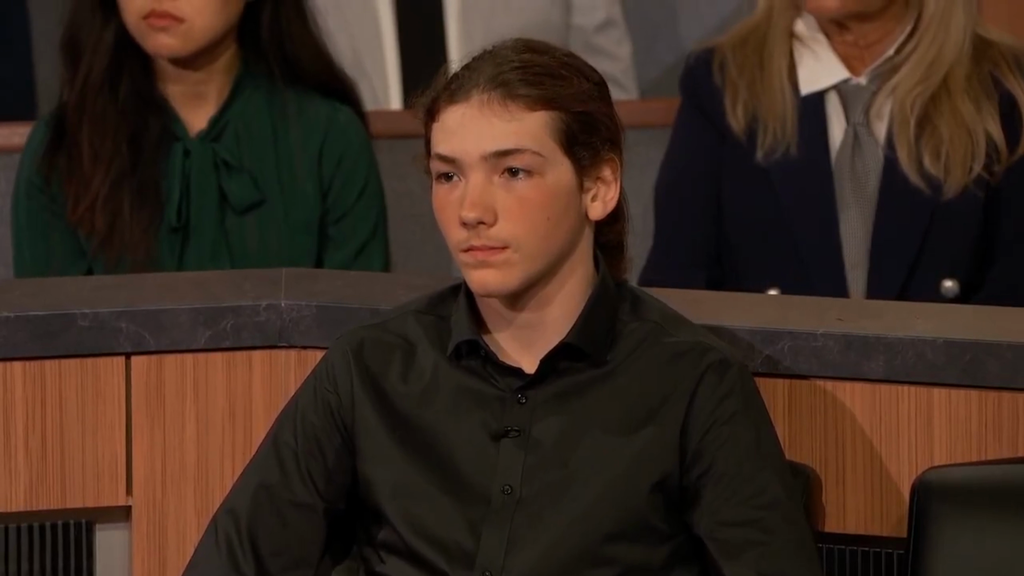
Judge Judy also strongly urged Leo to return to family court with Dakota and seek to have Cassidy removed as guardian if Dakota intended to continue living with him. Dakota was 16, and Judge Judy noted that a court would generally give significant consideration to what a teenager of that age wanted unless there was a compelling reason not to.
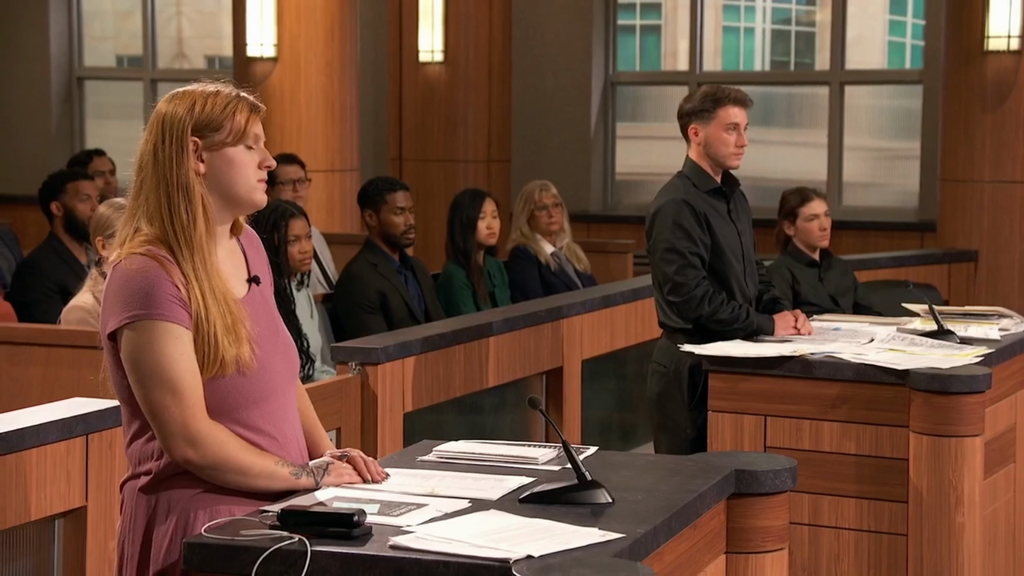
She further advised Leo to have future support payments issued appropriately so the government funds would actually follow the person providing Dakota’s day-to-day support.
Cassidy’s Claim Is Dismissed
Judge Judy dismissed Cassidy’s entire claim against Leo. She found no basis to award her money over the disputed $2,445 because the couple had continued living together and had subsequently taken their planned trip. Cassidy also failed to sufficiently establish ownership and damages for the assortment of household belongings she said Leo took.
The counterclaim was different. There was a clearly identifiable payment, a clearly identifiable beneficiary and a clearly established period during which Dakota was primarily living with Leo. Judge Judy awarded Leo $1,125.
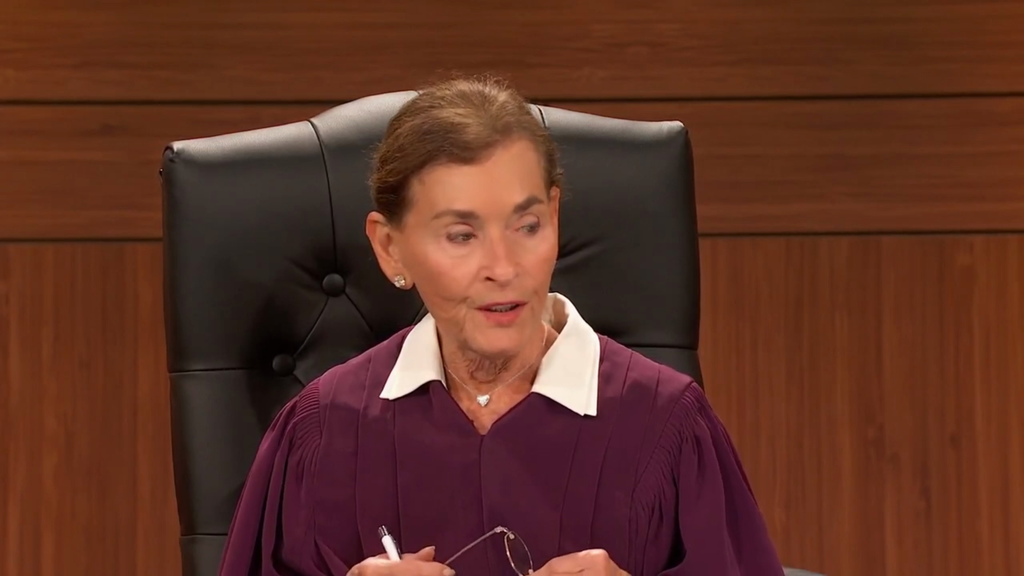
The case had begun with Cassidy accusing her ex-boyfriend of taking her money. It ended with Judge Judy ordering Cassidy to repay money that should have been supporting her younger brother.
Why Dakota’s Money Became the Most Important Issue
The post-case discussion reinforced why Judge Judy treated the $1,125 differently from the former couple’s other financial arguments. Couples who live together often mix money, buy household items and later disagree over who paid for what. Courts cannot realistically reconstruct every washcloth, lamp or shared expense after a relationship ends.
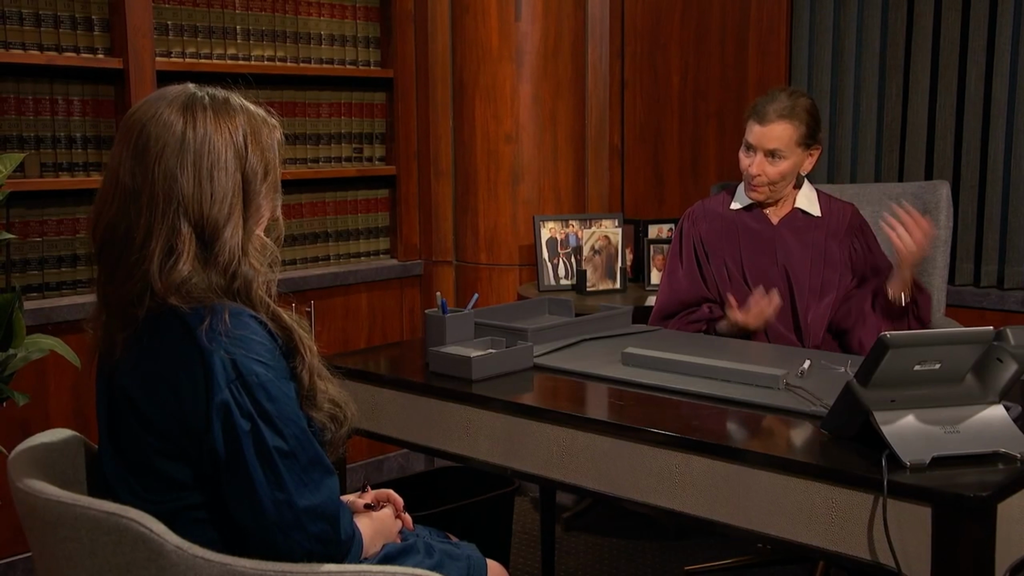
Government assistance intended for a minor is different.
Dakota was 16 and his parents were not in the picture. The assistance existed specifically to help provide for him. Judge Judy’s concern was that such money should follow the child’s actual needs rather than remain with someone who was no longer providing his primary residence.
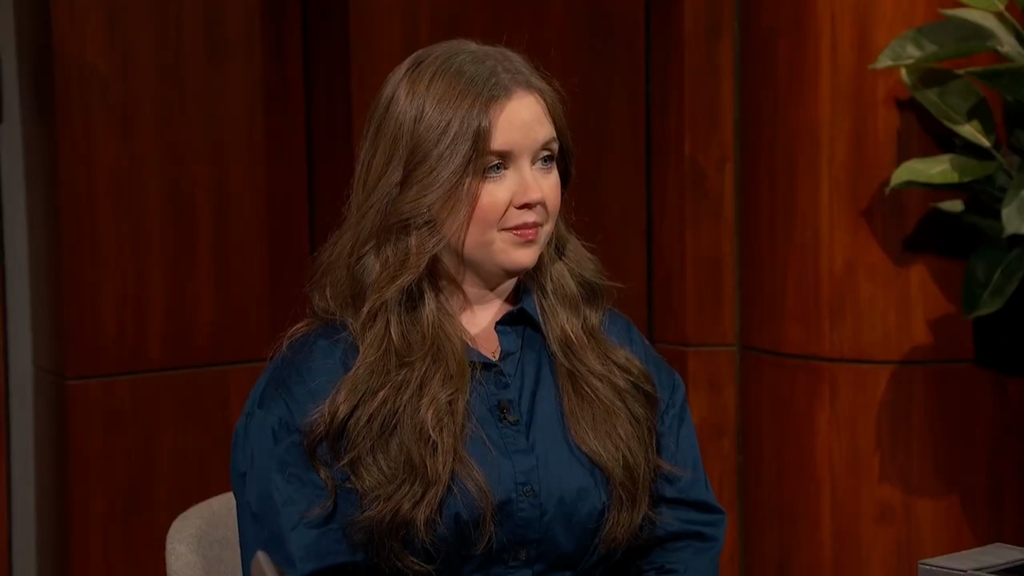
Cassidy and Leo still had a family-court issue to resolve regarding guardianship. But for the three months Judge Judy could clearly identify, the result was straightforward: Cassidy received the money, Dakota primarily lived with Leo, and Leo was awarded $1,125.
(uc.)
FAQ
Why did Cassidy Walker sue Leo Fulkerson?
Cassidy accused her former boyfriend of taking $2,445 from her account and removing personal and household belongings after their relationship ended.
What happened to Cassidy’s $2,445 claim?
Judge Judy dismissed it after Cassidy acknowledged that she returned to the relationship and later went on the trip Leo said the money had been saved for.
Why was Dakota receiving $375 a month?
Dakota received government assistance intended for his support while Cassidy and Leo served as his joint guardians.
Who was Dakota living with after the breakup?
Dakota confirmed that he was primarily staying with Leo, including during the five-day school week.
What was Judge Judy’s final verdict?
Cassidy’s claim was dismissed. Judge Judy awarded Leo $1,125, representing three months of Dakota’s $375 monthly support payments.
Sources
Judge Judy, including Cassidy Walker’s claims against Leo Fulkerson, their relationship and joint guardianship of Dakota, the disputed $2,445, household-property claims, Dakota’s $375 monthly assistance, his living arrangement with Leo and Judge Judy’s final $1,125 counterclaim judgment.