Wanita Perryman was grieving the sudden death of her 39-year-old husband when she temporarily left the home they had shared. Her older sister, Sherry Small, needed somewhere to live after her own relationship collapsed, so the sisters made an arrangement: Sherry would move into Wanita’s house and pay the bills. Months later, Wanita returned to find broken windows, holes in the walls and extensive damage. Judge Judy had little patience for Sherry’s explanation.

(uc.)
A Family Arrangement After a Sudden Loss
Wanita Perryman’s husband died in February 2023 after suffering an asthma attack. He was only 39 years old. Understandably, Wanita did not immediately feel comfortable remaining in the home where the loss had occurred. In March, she temporarily moved with her children into a property rented by another family member.

At roughly the same time, Sherry Small was experiencing problems in a four-year relationship. Police had even been called to remove Sherry from her boyfriend’s home when she refused to leave.

The sisters appeared to have a solution that could help both of them. Sherry and her children could live in Wanita’s house while Wanita stayed elsewhere. But it was not supposed to be free.
The Sisters Had a $1,450 Rental Agreement
Wanita testified that Sherry agreed to pay $1,450 per month, plus approximately $170 in utilities. The $1,450 covered the mortgage and taxes on the home.
Sherry later tried to characterize her payments as simply helping her sister financially, but the numbers told a different story. She admitted paying Wanita $1,000 in March and $900 in April.
She also acknowledged telling Wanita that problems with her work hours prevented her from paying more and that she would catch up after getting another client. Judge Judy immediately recognized what that meant: there was clearly a rental arrangement.

The issue became even more difficult for Sherry when Wanita later produced a written rental agreement bearing Sherry’s signature.
The Rent Stops Completely
Wanita said Sherry was supposed to make up the shortages from the first two months, but instead the situation deteriorated. In May, Sherry paid nothing.

Communication also stopped. Wanita testified that Sherry changed her phone number, stopped answering calls and would not open the door even when Wanita could see a vehicle in the driveway.
Wanita eventually posted a three-day notice to vacate on the property in June.
Sherry acknowledged that the notice made her angry. Her own written answer described her as getting “a little heated.” That timing became extremely important once Wanita saw what had happened inside the house.
Sherry’s Boyfriend Was Back in the Picture
Sherry admitted that although her boyfriend had previously called police to remove her from his home, she remained emotionally attached to him. After moving into Wanita’s property, she allowed him to visit.
Their relationship remained volatile. Sherry acknowledged that they had loud arguments at the house and that police were called while he was there.

Judge Judy also established that the boyfriend was present during June and was there after the three-day notice had been posted. When Sherry decided to leave, she called him to help remove her belongings.

She said she moved out within approximately two days. Soon afterward, Wanita went to the house. What she found was devastating.
Broken Windows, Holes in Walls and a Wrecked Home
Wanita presented photographs showing extensive damage. Windows had been broken, walls had holes punched through them, and other parts of the home — including glass and mirrors — had been damaged.
Sherry denied responsibility and initially suggested that perhaps Wanita had caused the damage herself. Judge Judy rejected that explanation immediately.
Wanita intended to move back into the property with her six children. The idea that she would intentionally destroy windows, walls and other parts of a home she owned and planned to occupy made no sense to the judge.

Judge Judy concluded that the damage had been caused by Sherry, her boyfriend, Sherry’s 16-year-old son, or some combination of them. Sherry continued to deny causing all of it, but her credibility was already deteriorating.
The Signed Rental Agreement Ends Another Dispute
Sherry had suggested there was no real agreement requiring her to pay rent. Wanita then produced the written document. Judge Judy compared Sherry’s signature on the rental agreement with her signature on her sworn answer. Sherry admitted it was hers.

That eliminated any serious argument that the payments had simply been voluntary assistance. Sherry had agreed to rent the property and had fallen substantially behind.
Wanita also produced evidence relating to repairs. She explained that the total damage exceeded what she could recover because the small-claims limit was only $6,000. Judge Judy agreed.

Judge Judy Awards Wanita the Full $6,000
Judge Judy combined the unpaid rent with the extensive property damage and found that Wanita’s losses far exceeded $6,000.
Sherry tried to minimize the condition of the property, saying the house “wasn’t that nice.” Judge Judy’s response went directly to the point: whatever its previous condition, it had windows, walls, mirrors and glass before Sherry left. The court awarded Wanita the maximum amount available: $6,000.
Afterward, Sherry acknowledged that she had “probably damaged some things,” although she continued denying responsibility for all of the destruction.

Wanita said the experience was especially painful because she was still grieving her husband. She had temporarily left the home because of the memories surrounding his death, only to return months later and find it badly damaged.

Despite Wanita expressing hope that the sisters might eventually move forward as family, Sherry said after court that she would never speak to her again.
A Family Favor That Became a $6,000 Lawsuit
The case demonstrated why informal arrangements between relatives can become particularly destructive. Wanita was helping her sister at the same time she was trying to cope with an enormous personal loss. Sherry had somewhere to live, while Wanita expected the mortgage and household expenses to be covered.
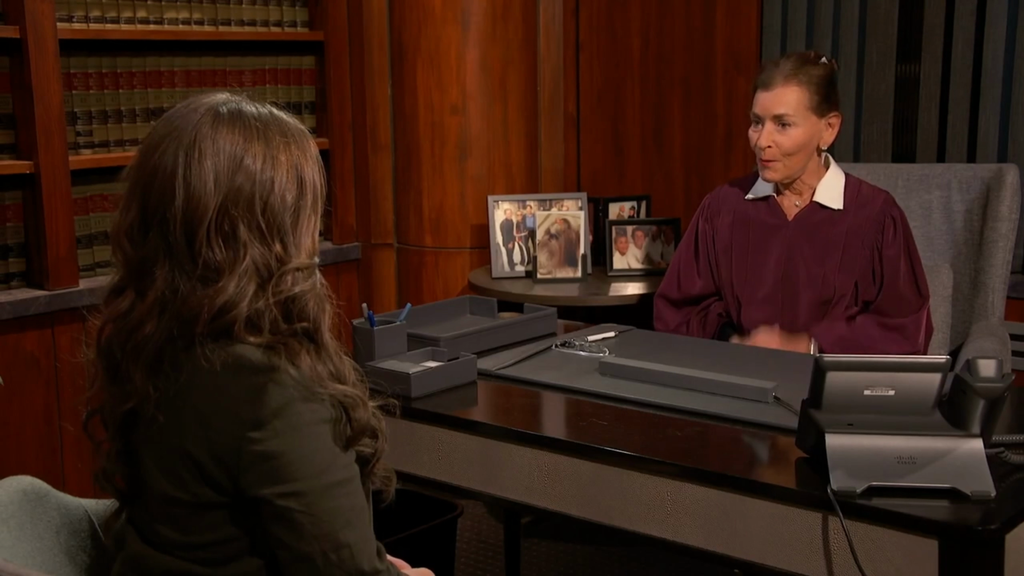
But the agreement quickly broke down. Sherry paid only $1,000 in March, $900 in April and nothing in May. Her volatile relationship followed her into the house, communication with Wanita stopped, and after the eviction notice appeared, the property suffered extensive damage.
Judge Judy did not believe Wanita destroyed her own house. She also had a signed rental agreement proving Sherry’s financial obligation.
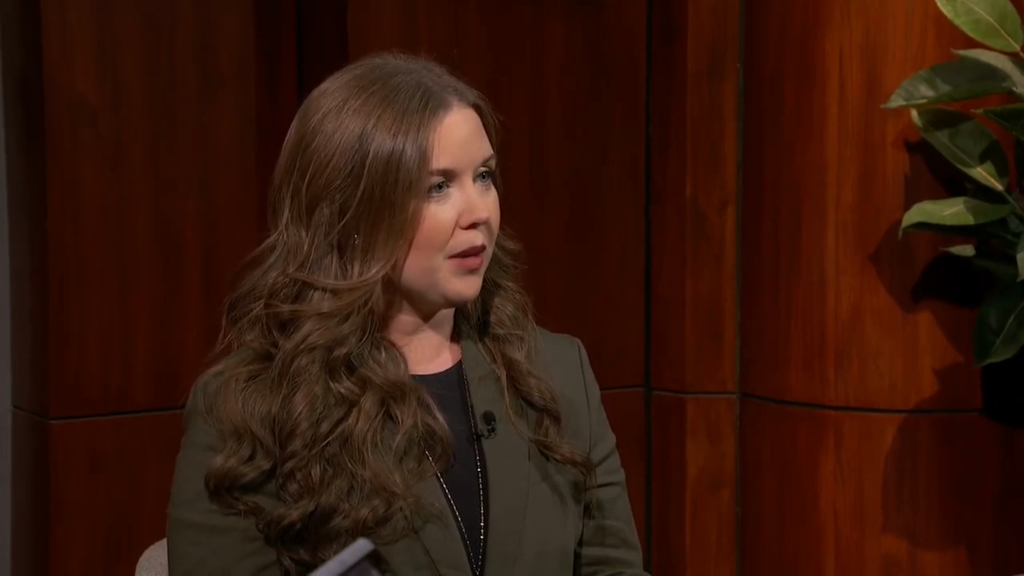
Between the unpaid rent and repairs, the actual loss exceeded the court’s jurisdictional limit. Wanita therefore received everything Judge Judy could award her: $6,000.
FAQ
Why did Wanita Perryman sue her sister Sherry Small?
Wanita sought compensation for unpaid rent and extensive damage to the home she had allowed Sherry and her children to occupy.
How much rent was Sherry supposed to pay?
The agreement required approximately $1,450 per month, plus around $170 in utilities. Sherry paid $1,000 in March, $900 in April and nothing in May.
Did Sherry admit damaging the house?
During the hearing she denied responsibility for the destruction. Afterward, however, she said she had “probably damaged some things” while maintaining she had not caused all of the damage.
Why did Judge Judy believe Wanita?
Wanita owned the home and planned to move back into it with her six children, making Judge Judy reject the idea that she destroyed it herself. A signed rental agreement also supported Wanita’s account of the rent obligation.
What was Judge Judy’s final verdict?
Judge Judy found that unpaid rent and property damage exceeded the small-claims limit and awarded Wanita the maximum $6,000.
Sources
Judge Judy, including Wanita Perryman and Sherry Small’s testimony, the March 2023 rental arrangement, $1,450 monthly rent, Sherry’s payments, the three-day notice, photographs of the damaged property, the signed rental agreement and Judge Judy’s $6,000 judgment.