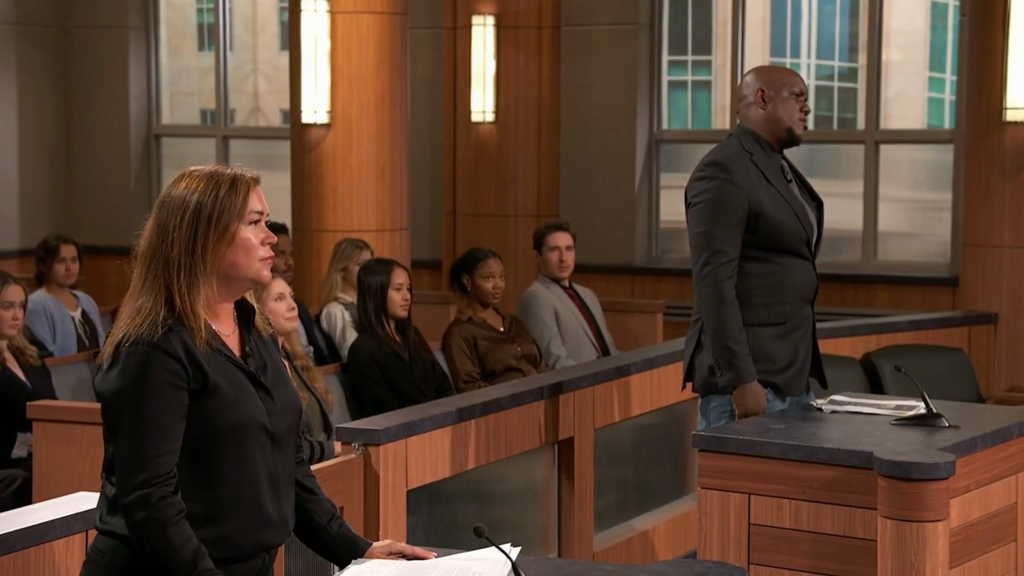
Wendy Heiderich and Jamal O’Quinn thought moving in together would make their relationship easier. Instead, only months after signing a one-year lease, they decided they could no longer live together. Wendy paid thousands of dollars to get out of the contract and wanted Jamal to cover his share. He argued that Wendy left first. Judge Judy saw the issue much more simply: both names were on the lease, so both were responsible for ending it.
(uc.)
Wendy and Jamal Sign a One-Year Lease
Jamal O’Quinn had full custody of his eight-year-old son when he began dating Wendy Heiderich. His existing home was geographically inconvenient, so Wendy and Jamal decided to find a place where they could live together. In August 2023, they signed a one-year lease and moved into the apartment with Jamal’s son.
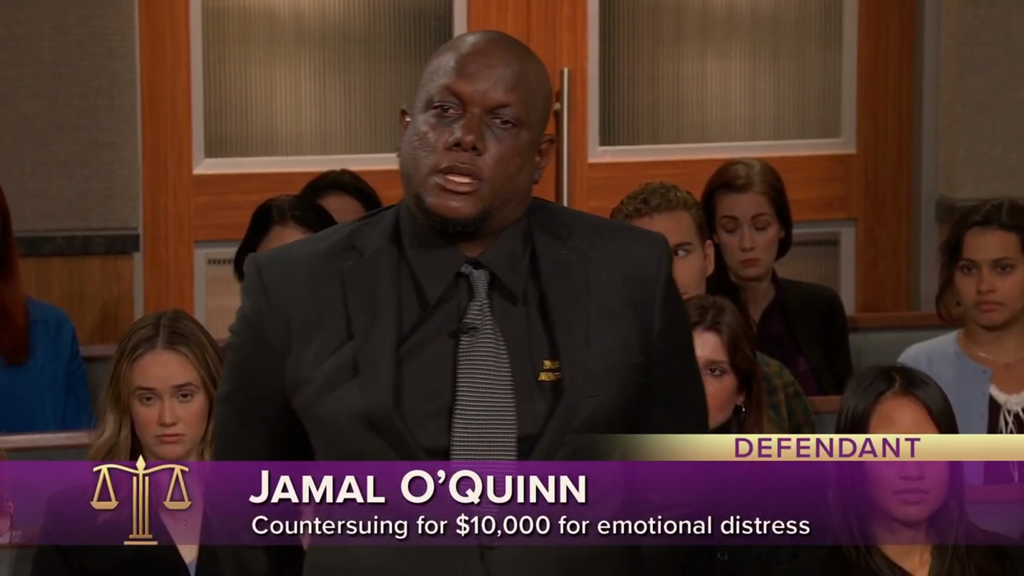
The financial arrangement was clearly shared. Jamal acknowledged paying approximately half of the rent during September, October, November and December. The problem was that the romantic relationship began deteriorating long before the one-year rental agreement was scheduled to expire, leaving them with a contractual obligation even after they no longer wanted to live together.
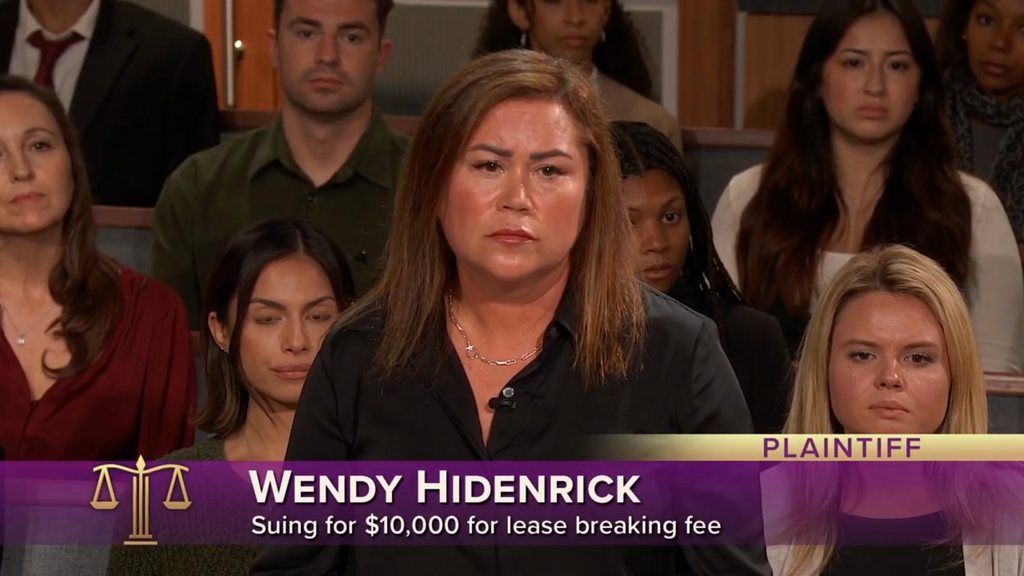
The Relationship Ends — But the Lease Remains
By December, Wendy and Jamal had decided that living together was no longer working. The lease was formally terminated on December 28, 2023, and the parties moved elsewhere around the end of December or January. Ending the relationship was relatively simple; getting out of the apartment contract was not.
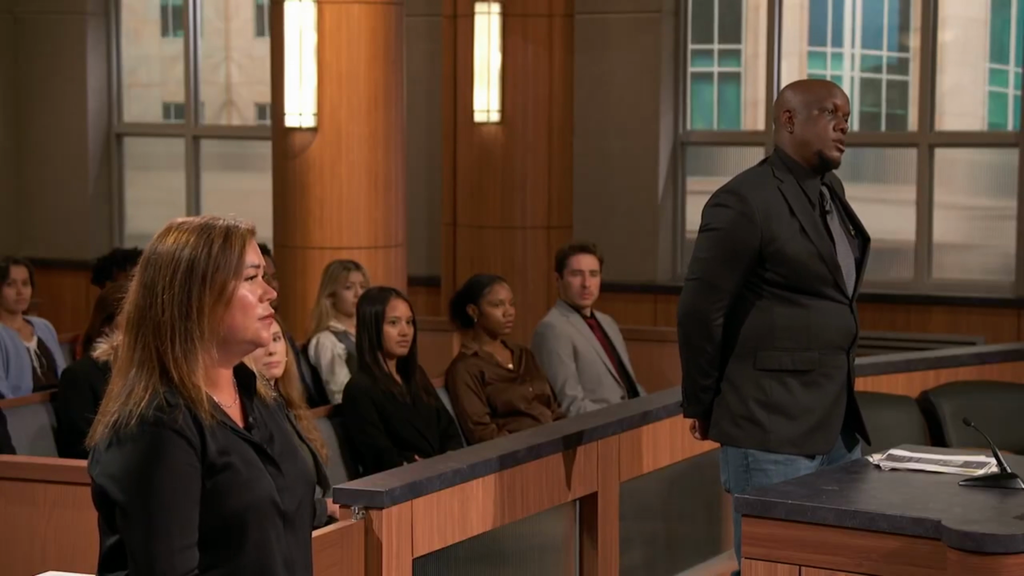
Wendy testified that she paid a $1,499 lease-breaking fee. The apartment then remained unrented for approximately three months, creating additional liability under the lease. After negotiating with the landlord, Wendy said she paid another $3,560 to resolve the remaining obligation.
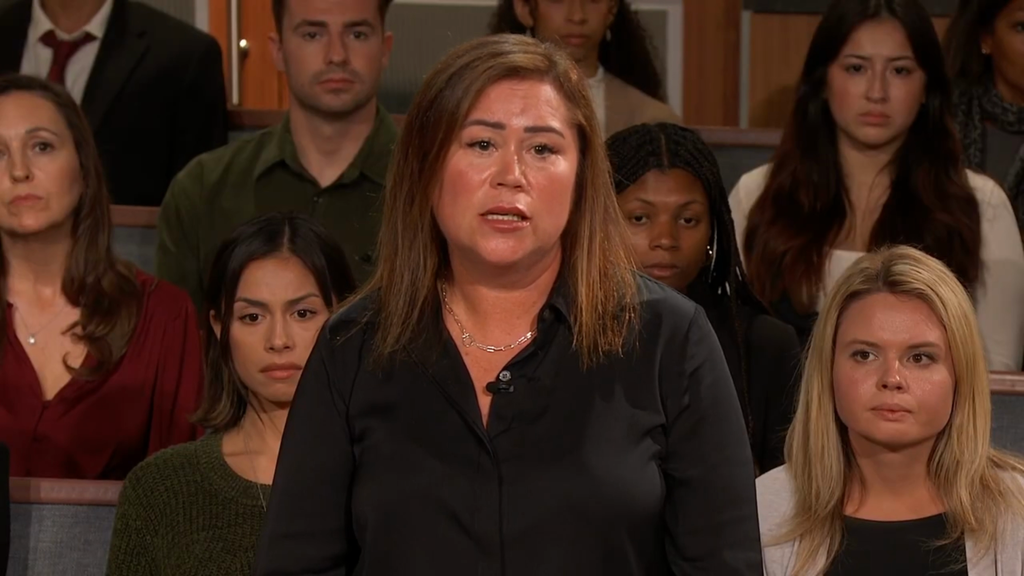
Those payments became the heart of her lawsuit. Wendy believed that because both she and Jamal had signed the lease, Jamal should reimburse her for his share of the cost of terminating it early.
Jamal Says Wendy Was the One Who Left
Jamal argued that he should not have to pay because Wendy had left first. He also said the couple had previously agreed that regardless of what happened to their romantic relationship, they would remain in the apartment until the lease ended. Judge Judy was not persuaded that determining who physically left first would resolve their contractual responsibility.
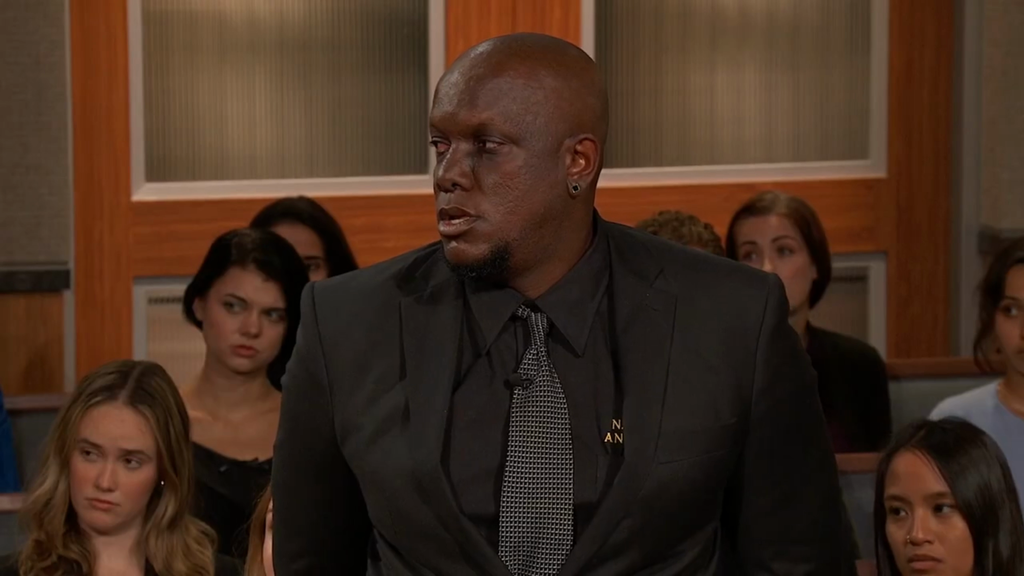
Jamal’s own written answer also complicated his position. In describing the end of the relationship, he said he became unhappy and eventually told Wendy he could no longer participate in the relationship, packed his belongings and left with his son. Judge Judy therefore saw little value in trying to assign responsibility based on which person technically ended the living arrangement first.
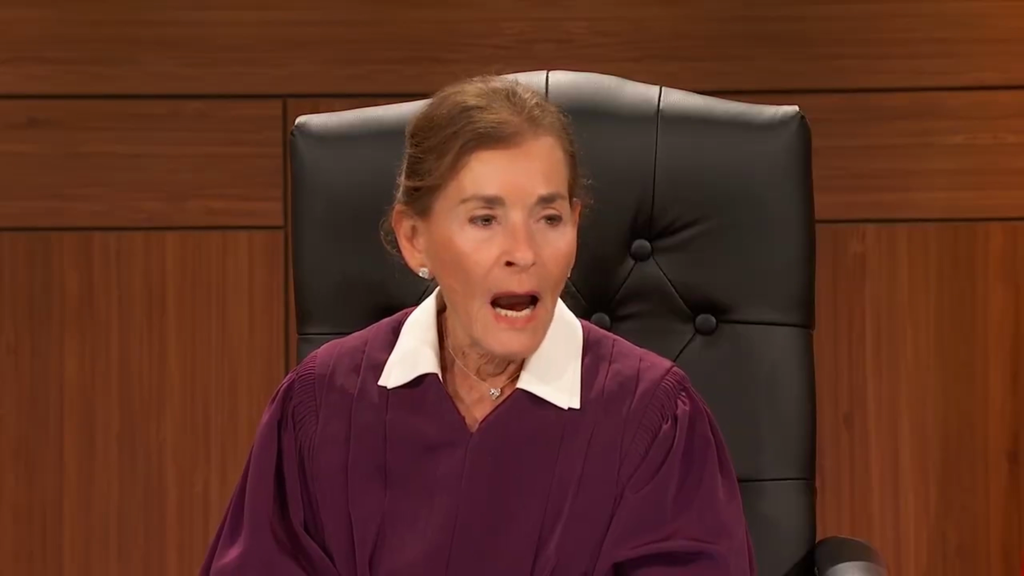
The more important fact was that both names were on the lease. Both had lived in the apartment, both had benefited from the housing arrangement and both were no longer there when the one-year contract was terminated. The romantic relationship ending did not erase the lease they had signed together.
Judge Judy Splits the Lease-Termination Responsibility
Judge Judy focused on the two major expenses Wendy said she actually paid to get out of the lease: $1,499 and $3,560. She concluded that Jamal was responsible for his share because the lease had been their joint obligation.
The transcript contains a numerical inconsistency worth preserving rather than silently correcting. The two stated amounts total $5,059, and half of $5,059 is mathematically $2,529.50. During the hearing, however, the court calculated and ultimately announced Wendy’s judgment as $2,574.50. Because that is the amount Judge Judy actually awarded, $2,574.50 is the verdict reflected in the case.
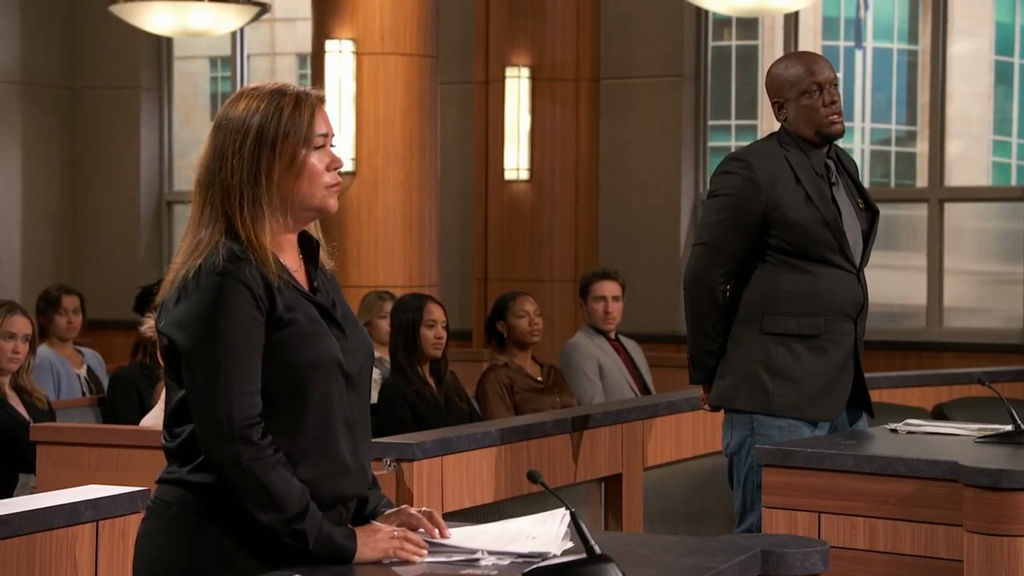
The underlying reasoning remained clear despite the arithmetic discrepancy. Jamal could not participate in a joint one-year lease for several months and then escape the financial consequences of ending it early simply because the romantic relationship had failed.
Wendy Doesn’t Recover Every Expense
Wendy also wanted reimbursement for other costs connected with moving into the apartment. She testified that she had personally put down approximately $4,350 when they obtained the home and argued that Jamal had not contributed equally toward some of those initial expenses.
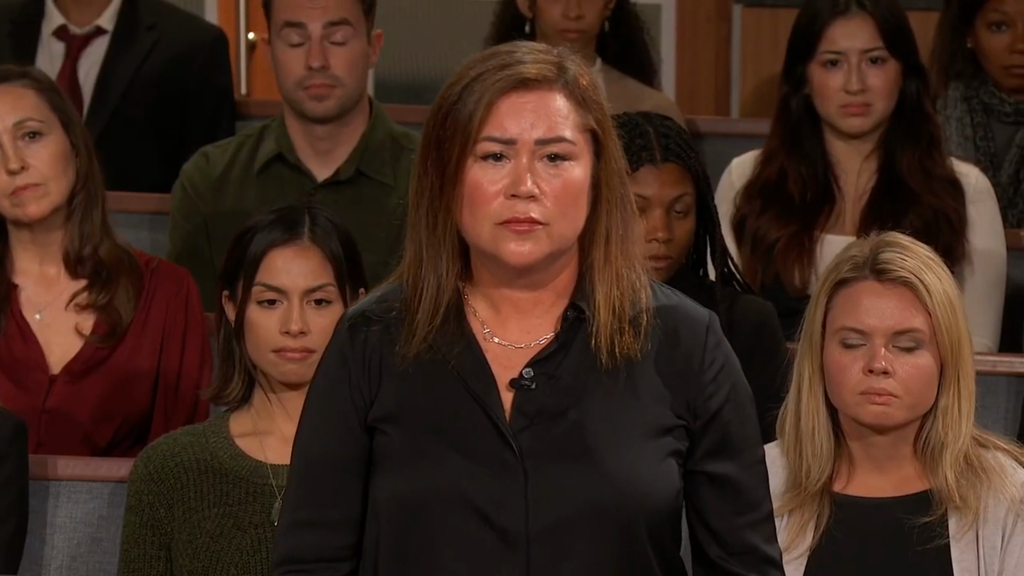
Judge Judy treated those costs differently from the lease-termination fees. She asked Wendy to establish that Jamal had actually agreed to repay her for those amounts, but Wendy could not show such an agreement. Judge Judy also noted that Wendy had not pursued reimbursement during September, October, November or December while the couple was still together.
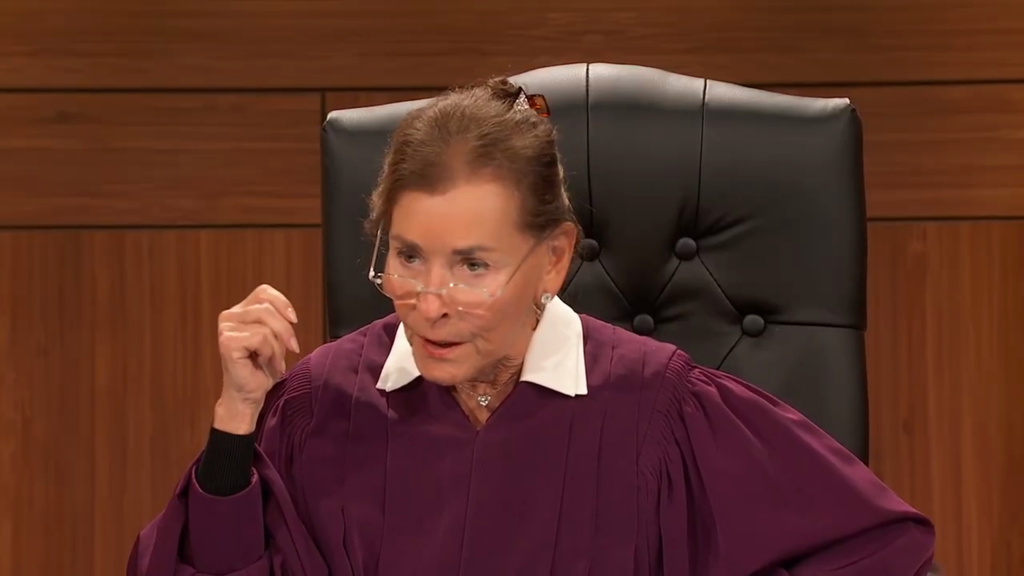
That made the initial expenses look more like money voluntarily spent during the relationship than a clearly established debt. Judge Judy therefore limited Wendy’s recovery to the portion of the lease-ending obligation she believed Jamal was required to share.
Jamal’s $10,000 Counterclaim Goes Nowhere
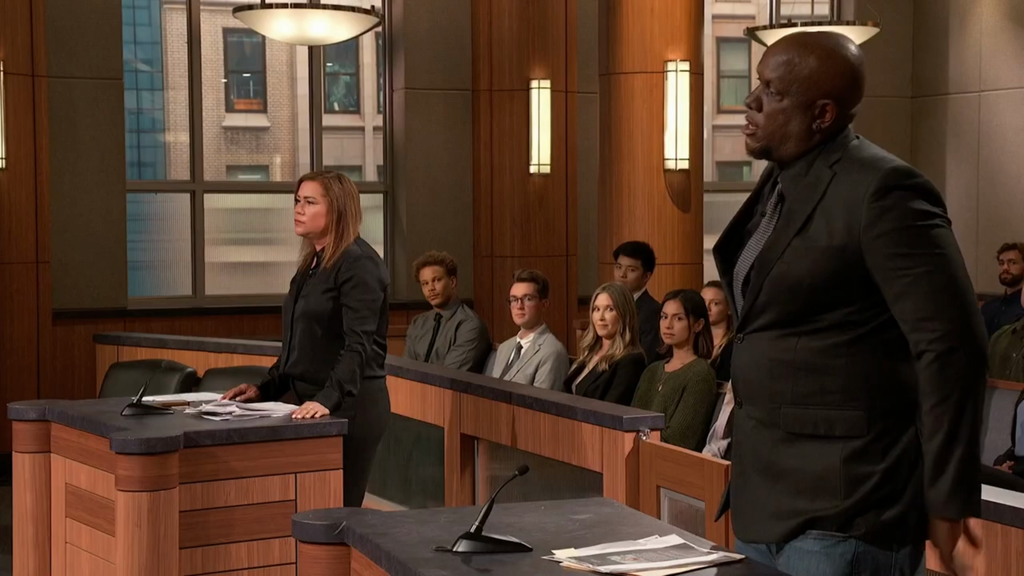
Jamal had filed a $10,000 counterclaim, alleging that Wendy had used and intimidated him during their relationship. Judge Judy had little patience for the claim and gave him the opportunity either to explain why it justified a $10,000 award or to withdraw it.
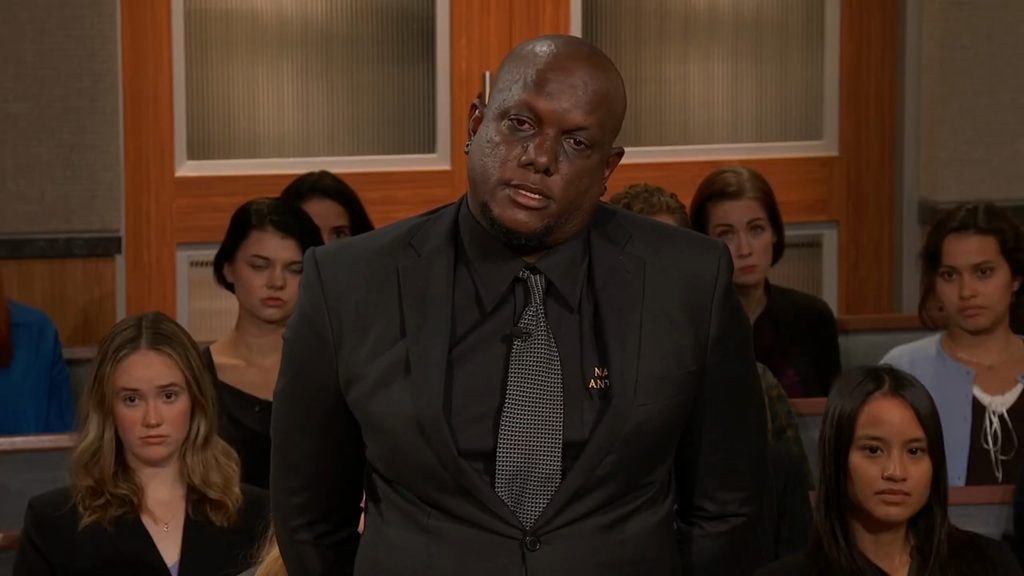
Jamal chose to withdraw the counterclaim. Judge Judy approved of that decision and later joked that he had been smart enough to recognize when abandoning the claim was the better option. As a result, Jamal received nothing from Wendy.
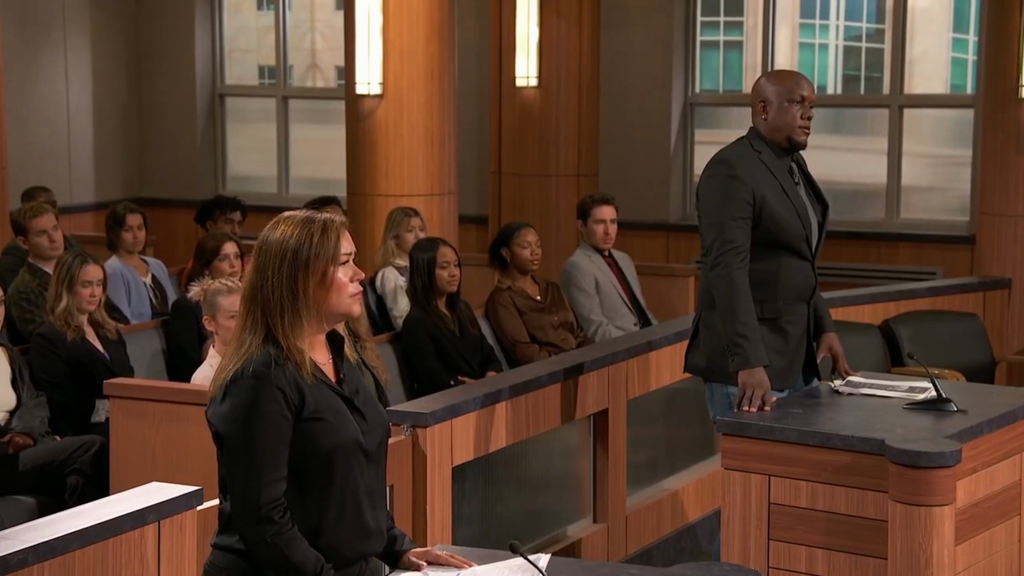
Judge Judy Awards Wendy $2,574.50
Judge Judy ultimately entered judgment for Wendy Heiderich in the amount of $2,574.50. The decision did not depend on deciding which person was responsible for the breakup or who packed their belongings first. It depended on the contract.
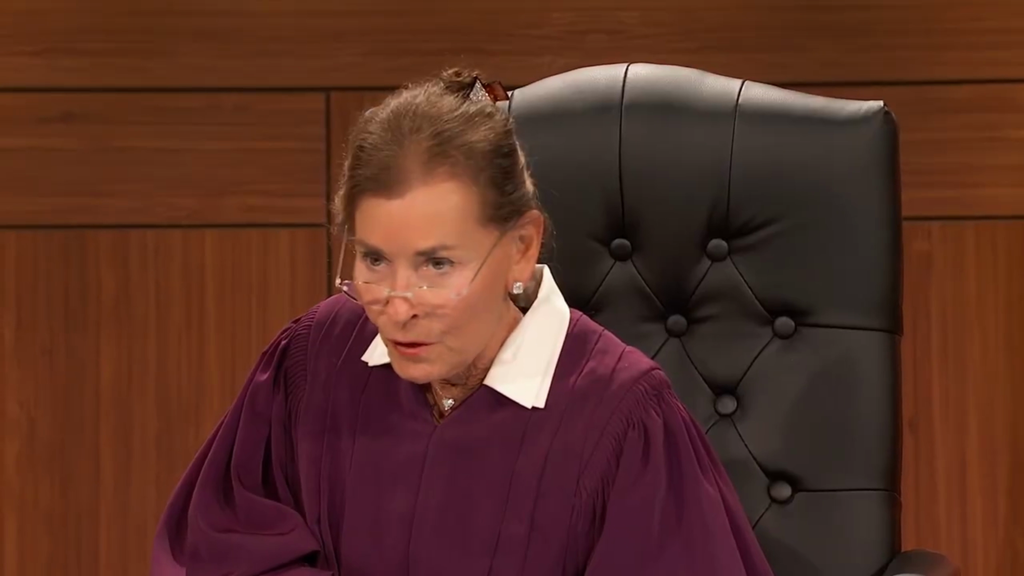
Wendy and Jamal had both signed a one-year lease in August 2023. Jamal had paid his share of rent for several months, confirming that this was a joint housing arrangement. When both stopped living there and the lease was terminated on December 28, the financial cost of breaking that agreement could not fairly fall on Wendy alone.
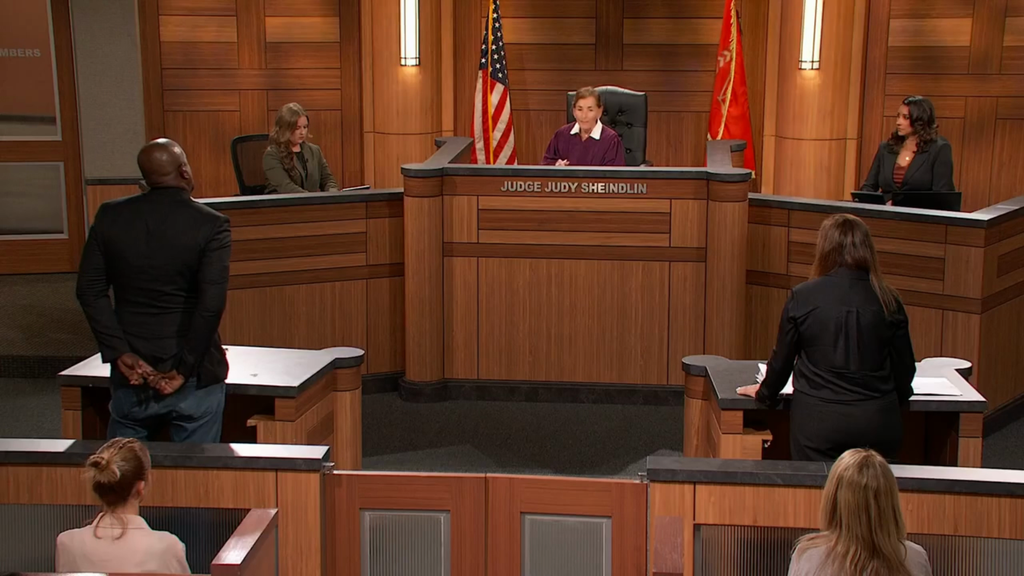
The case is a simple reminder of the difference between a relationship and a contract. A couple can end a romance whenever they choose, but obligations signed in both names do not automatically disappear with the breakup. Judge Judy rejected Wendy’s unsupported additional expenses, rejected Jamal’s attempt to avoid the lease liability and entered the $2,574.50 judgment for Wendy.
FAQ
Why did Wendy Heiderich sue Jamal O’Quinn?
Wendy sought reimbursement for expenses she paid after the one-year apartment lease they had signed together was terminated early following their breakup.
When did Wendy and Jamal terminate the lease?
They signed the one-year lease in August 2023, and it was terminated on December 28, 2023, only several months into the agreement.
Why did Jamal say he should not have to pay?
Jamal argued that Wendy left first and that they had agreed to remain in the apartment even if their relationship ended. Judge Judy found that argument irrelevant to their shared contractual responsibility.
What happened to Jamal’s $10,000 counterclaim?
Jamal alleged that Wendy had used and intimidated him, but after Judge Judy challenged the basis for the $10,000 demand, he chose to withdraw the counterclaim.
What was Judge Judy’s final verdict?
Judge Judy awarded Wendy $2,574.50 as Jamal’s court-calculated share of the lease-termination expenses. The transcript contains an arithmetic discrepancy between the stated expenses and that final figure, so the article preserves the amount actually announced by the court.
Sources
Judge Judy, including Wendy Heiderich and Jamal O’Quinn’s August 2023 one-year lease, Jamal’s rent payments through December, the December 28 termination, the $1,499 and $3,560 lease-related expenses, Wendy’s additional financial claims, Jamal’s withdrawn $10,000 counterclaim and Judge Judy’s final $2,574.50 judgment. The transcript’s arithmetic inconsistency is preserved rather than silently corrected.