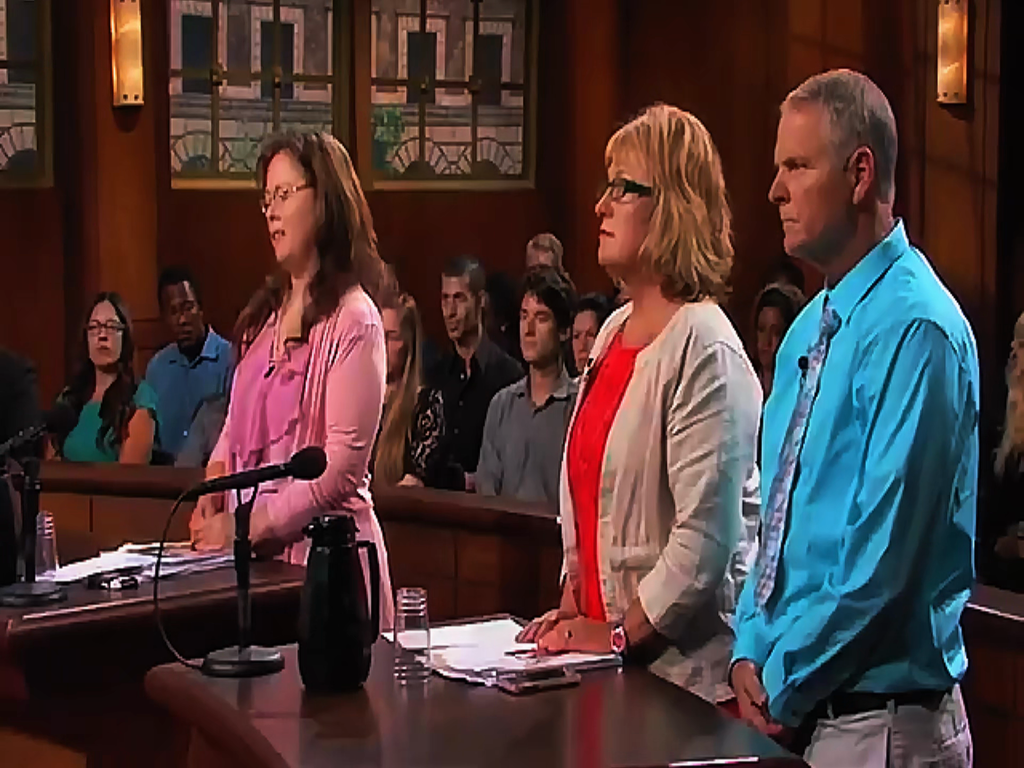
Miss Harvard spent months painting a 35-foot mural inside a yogurt shop. The owners eventually brought in another artist, told her to stop working and later painted over the wall. She responded with a $5,000 lawsuit—but Judge Judy quickly narrowed the case to one question: how much did the owners actually still owe her?
(uc.)
A Substitute Teacher Takes a Mural Job
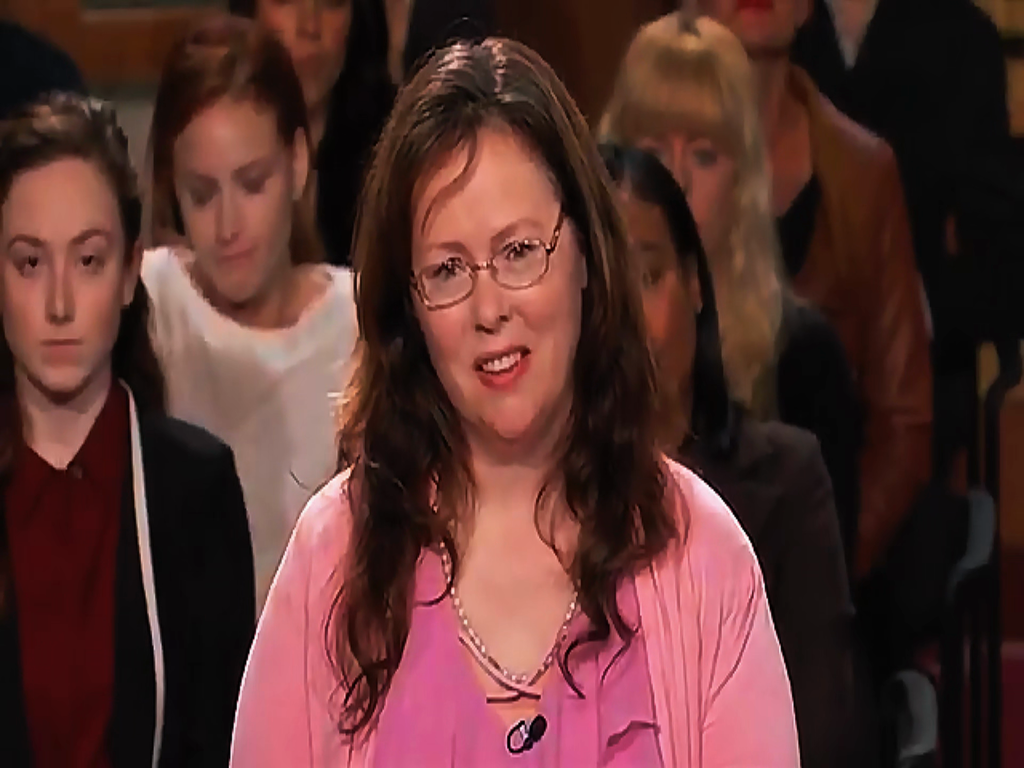
The Judge Judy mural dispute began when Miss Harvard accepted an art project from the owners of a yogurt shop. Harvard told Judge Judy that she worked as a substitute teacher during the school year and created artwork on the side. The defendants hired her in July to paint a mural on one of the walls inside their business, and she began working on it the following month.
The project sounded straightforward at first. Harvard would create a large decorative mural for the shop, and the owners would pay a fixed price that included supplies. Yet the job eventually stretched across several months. By December, the relationship between the artist and the business owners had deteriorated so badly that they no longer wanted Harvard working inside the store.
That breakdown eventually produced a lawsuit far larger than the original value of the mural.
The Project Begins With a Small Budget
Harvard initially told the court that the parties had agreed on $375 for the mural. She also said the owners had already given her $150 for supplies. Under that version of the agreement, only $225 would have remained unpaid even if Harvard had completed the entire project.
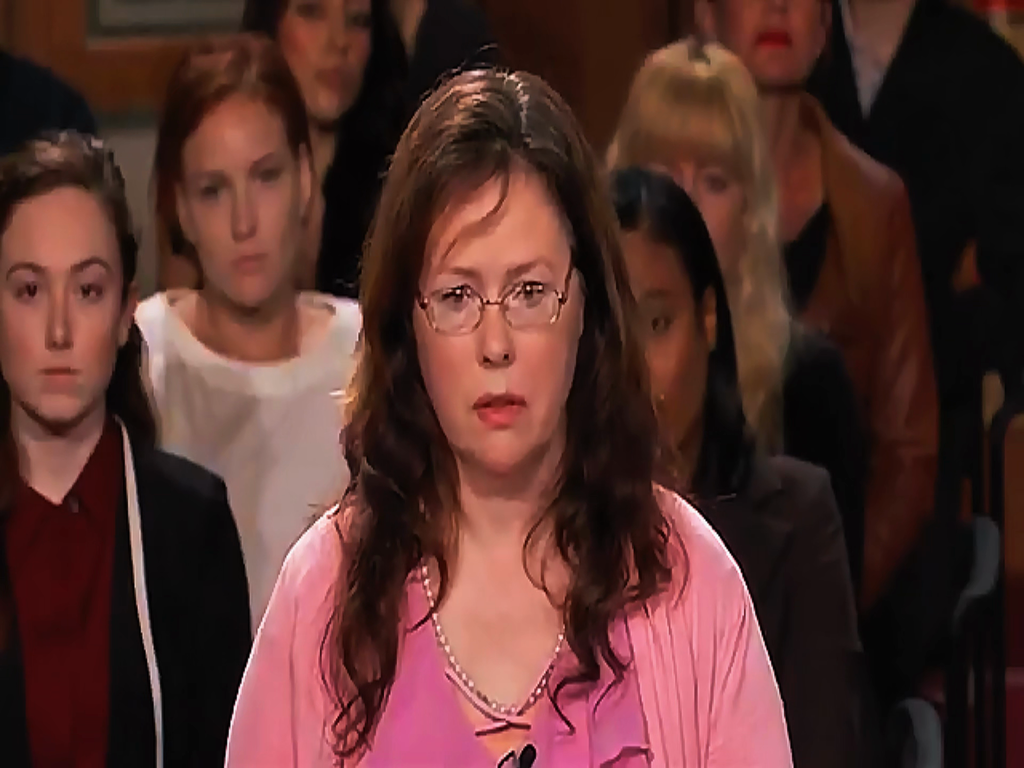
Judge Judy immediately questioned the size of Harvard’s lawsuit. Harvard wanted $5,000 for breach of contract, along with damages connected to a confrontation at the store. The judge described the demand as excessive because the original mural contract involved only a few hundred dollars.
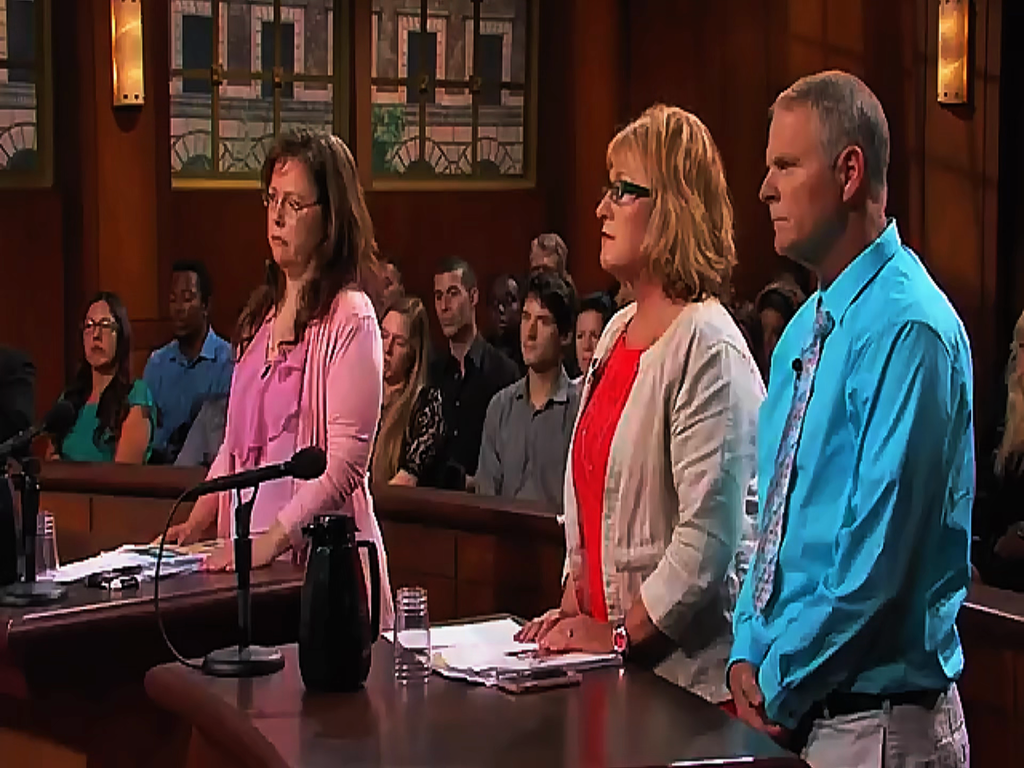
The owners eventually corrected the numbers. They said the agreed price had actually been $325, not $375, and that they had paid a $125 deposit. Harvard ultimately acknowledged that her original figures were wrong. That correction left a possible unpaid balance of exactly $200.
Months Pass and the Mural Remains Unfinished
Harvard started working on the mural in August. The wall presented a sizable project because the mural stretched approximately 35 feet long and five and a half feet high. Her concept included several figures, including children and other decorative elements.
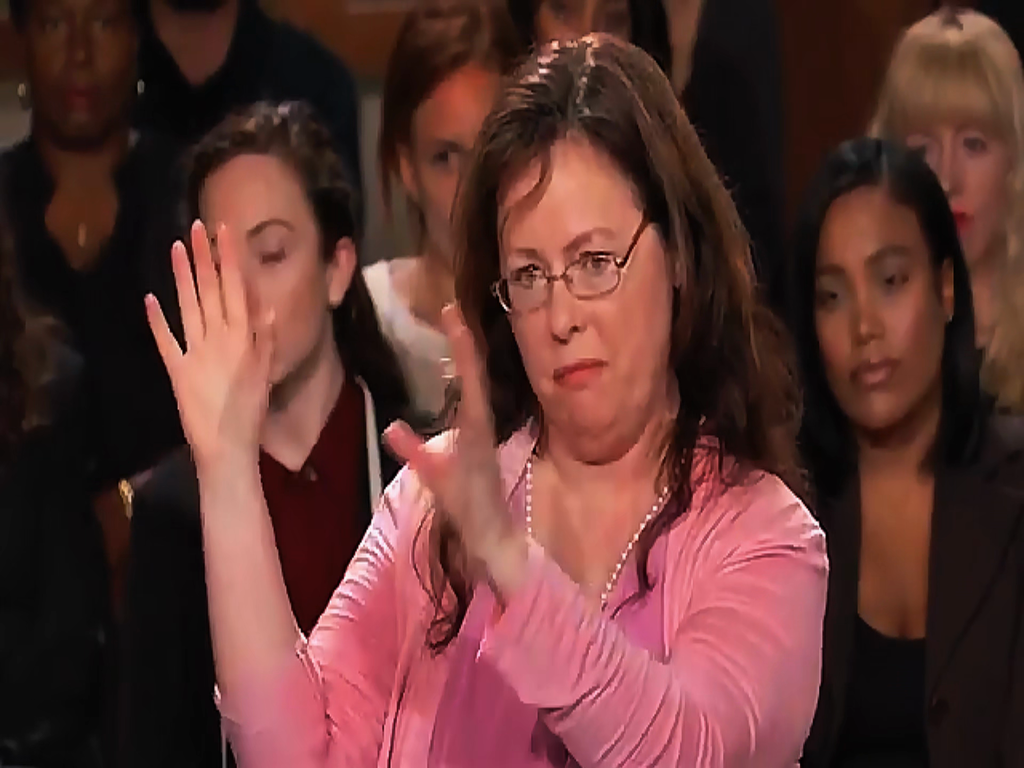
The owners grew frustrated with the pace. One defendant said Harvard had originally suggested that she could finish by the end of summer, which he interpreted as roughly Labor Day. However, the parties never placed a firm completion date in a written contract. By November, the owners were asking Harvard to establish a deadline.
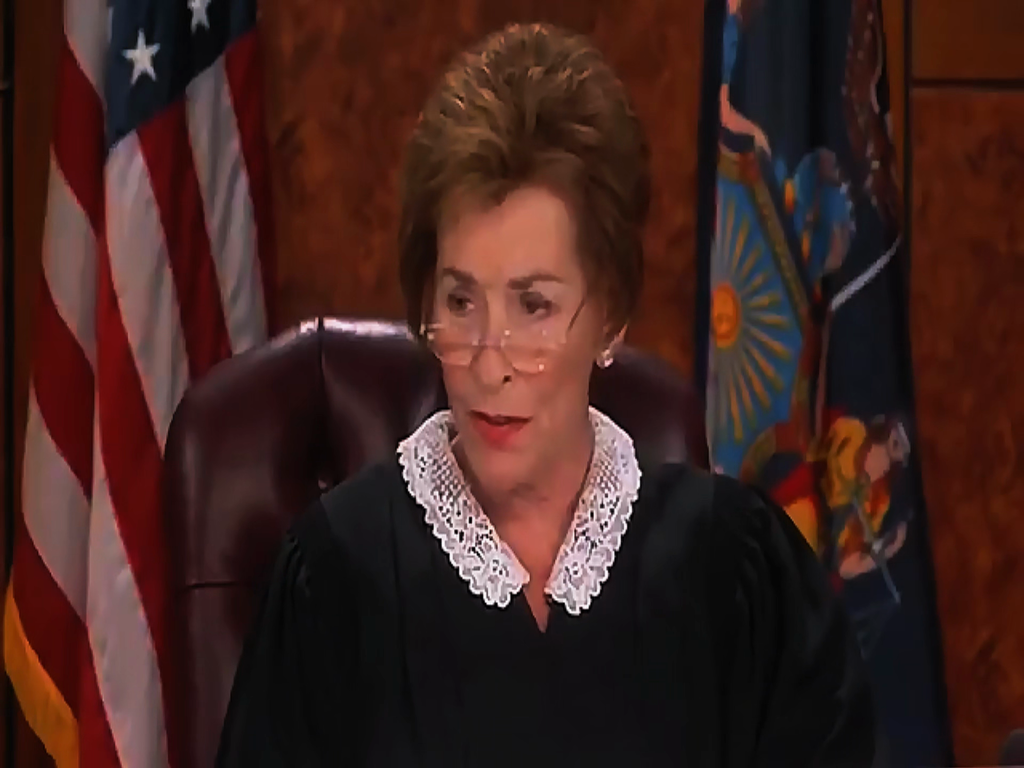
Judge Judy understood their frustration. At the same time, she saw an important contractual problem. Without an agreement stating that time was essential, the owners could not simply use the delay to erase the remaining payment for work Harvard had performed.
Another Artist Joins the Project
The slow progress led the shop owners to bring in another artist around September. The transcript renders the second artist’s name inconsistently, sounding like Kim or Kelm. She worked near the yogurt shop and helped move the project forward.
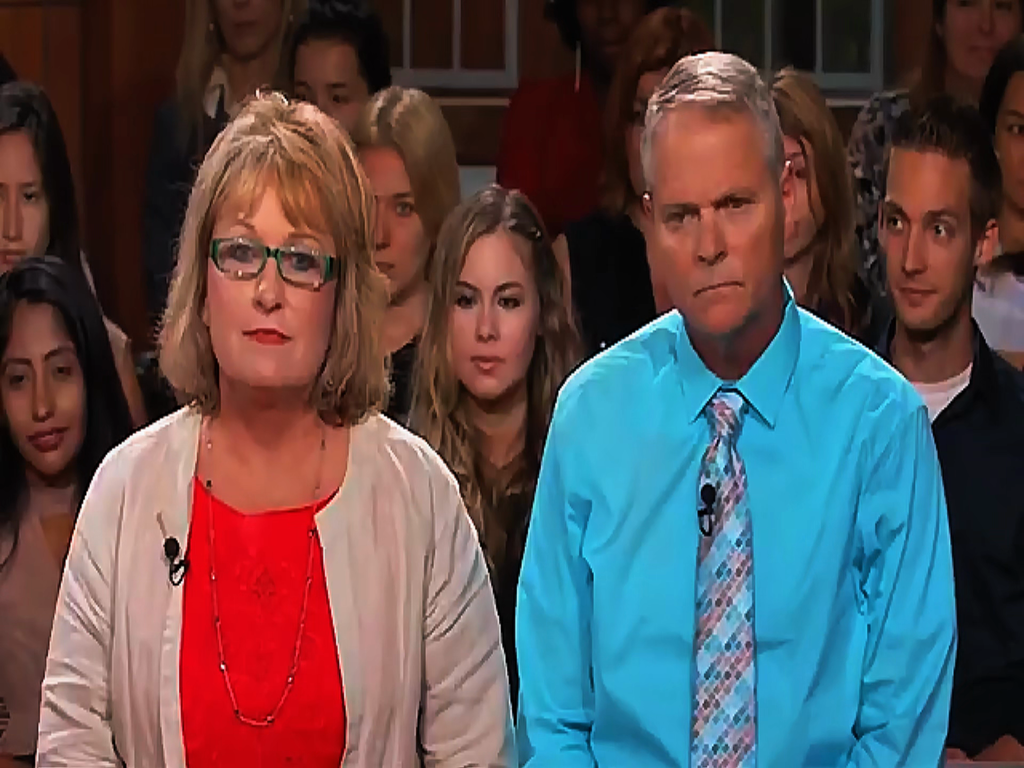
Her involvement later made the photographic evidence more complicated. Some portions of the mural came from Harvard, while the second artist created others. The mermaids became a particular point of confusion during the hearing because Harvard acknowledged that she did not paint the original versions of those figures.
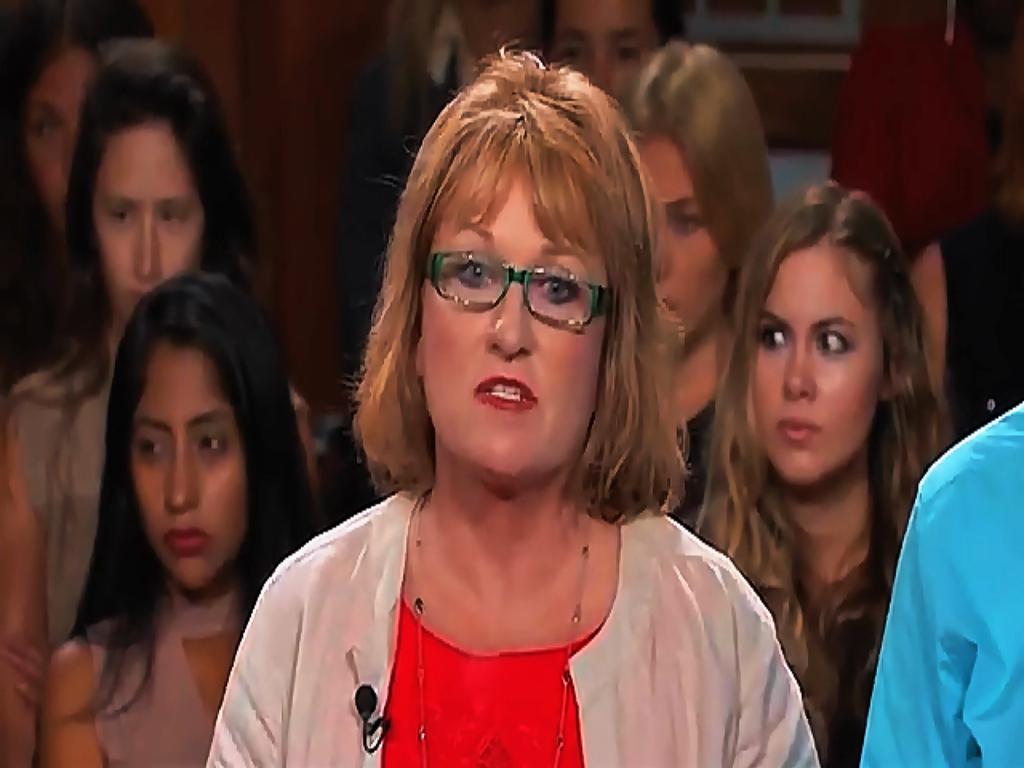
Judge Judy therefore wanted to separate Harvard’s work from the other artist’s contribution. She asked to see the original sketches and later requested photographs showing the mural near the end of Harvard’s involvement.
A December Confrontation Ends the Working Relationship
By December, tensions inside the shop had reached a breaking point. Harvard said Mr. Jones became angry during an argument and pushed her toward the door after asking her to leave. The defendants described the incident differently and said Harvard refused to return their key.
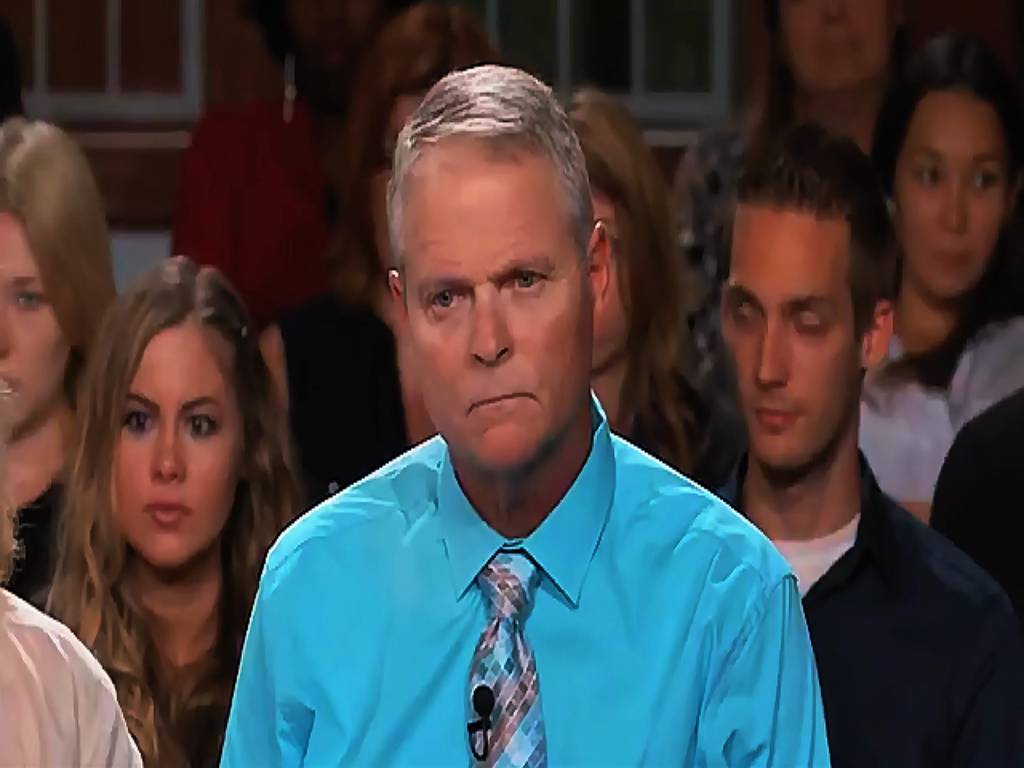
Harvard later called 911 from a neighboring business. The defendants claimed she had effectively held their key “hostage” during the confrontation. Whatever happened during the argument, the incident marked the end of Harvard’s work inside the shop.
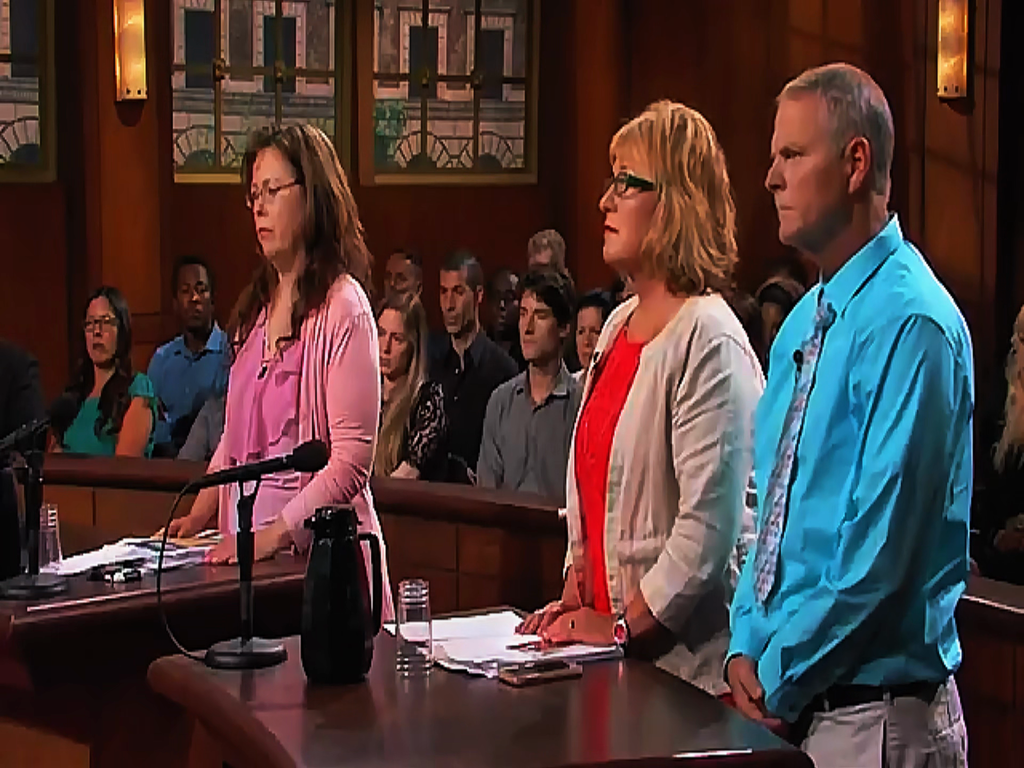
Harvard tried to turn that confrontation into part of her $5,000 claim. Judge Judy immediately asked whether she had gone to a hospital, visited a doctor or photographed any physical injuries. Harvard answered no to all three questions.
Judge Judy Rejects the Assault Damages
Judge Judy removed the requested punitive damages connected to the alleged assault. During the hearing, she told Harvard that the confrontation had not produced a physical injury and rejected that portion of the claim. She made clear that the case would not become a financial windfall over an argument at the store.
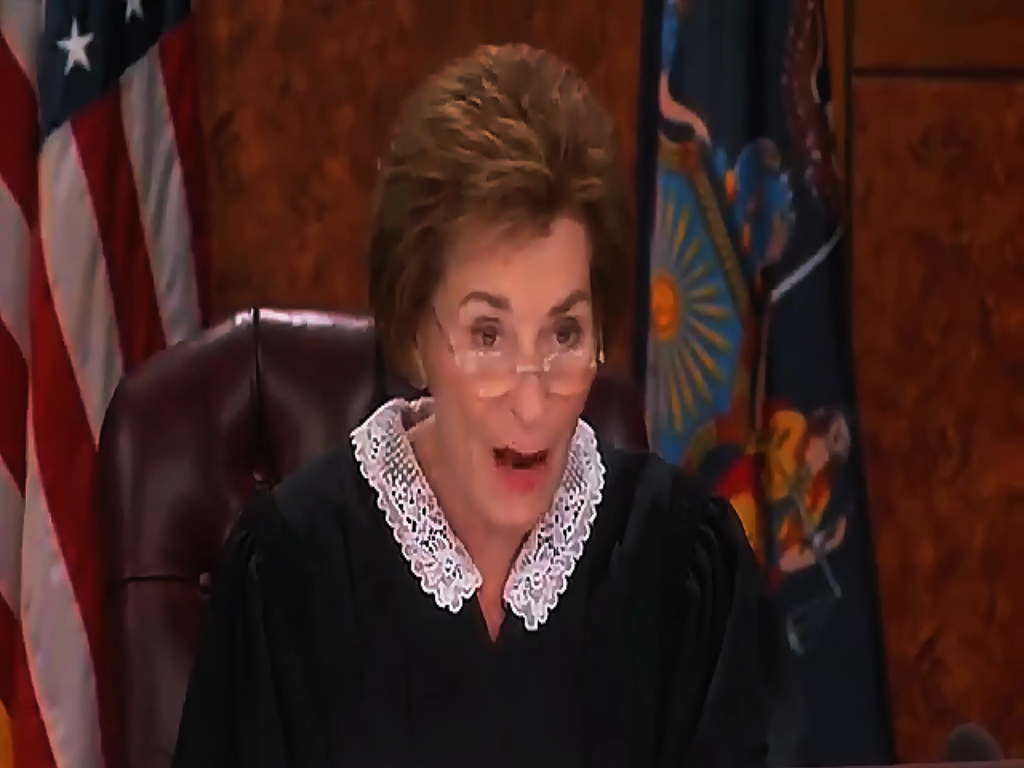
That ruling sharply narrowed the lawsuit. Instead of focusing on thousands of dollars in additional damages, Judge Judy returned to the original mural agreement. She wanted to know what Harvard had promised to paint, what she had actually completed and how much remained unpaid under the contract.
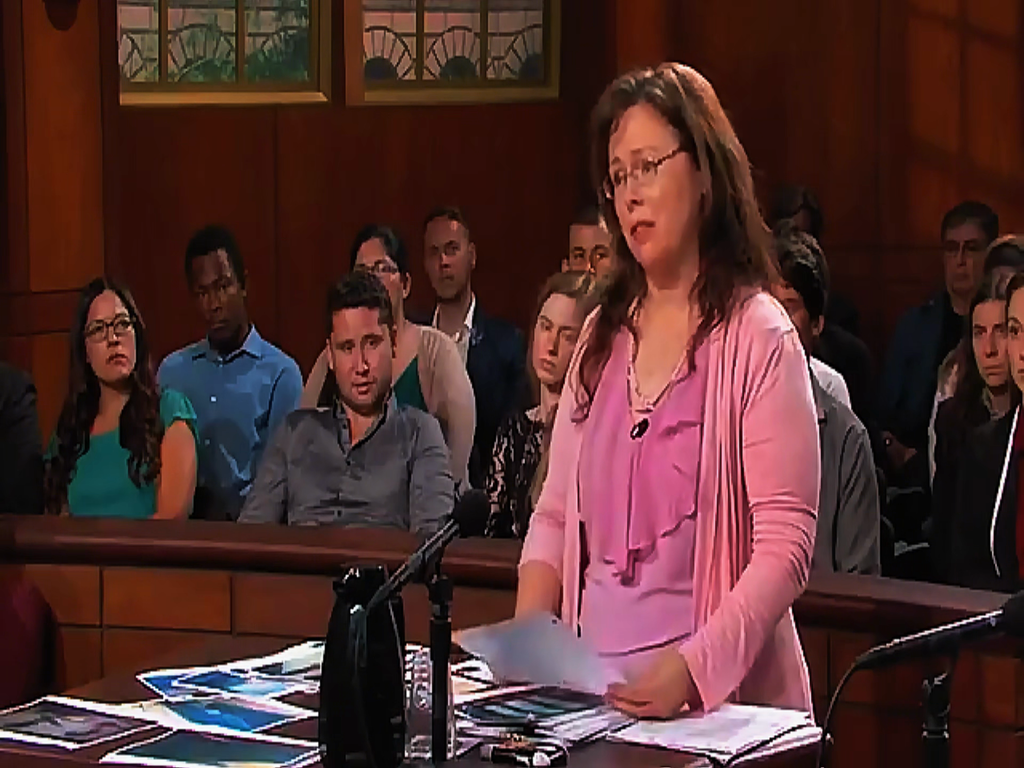
The judge first requested Harvard’s sketches. Harvard had photographs but initially struggled to produce the original drawings she had shown the defendants. She eventually presented an example that gave Judge Judy a clearer picture of the planned artwork.
Photographs Reveal Who Painted What
Judge Judy then examined photographs of the mural. Harvard explained that she could not capture the entire 35-foot wall in a single image, so she had brought several pictures. The photographs showed children and other figures spread across the long wall.
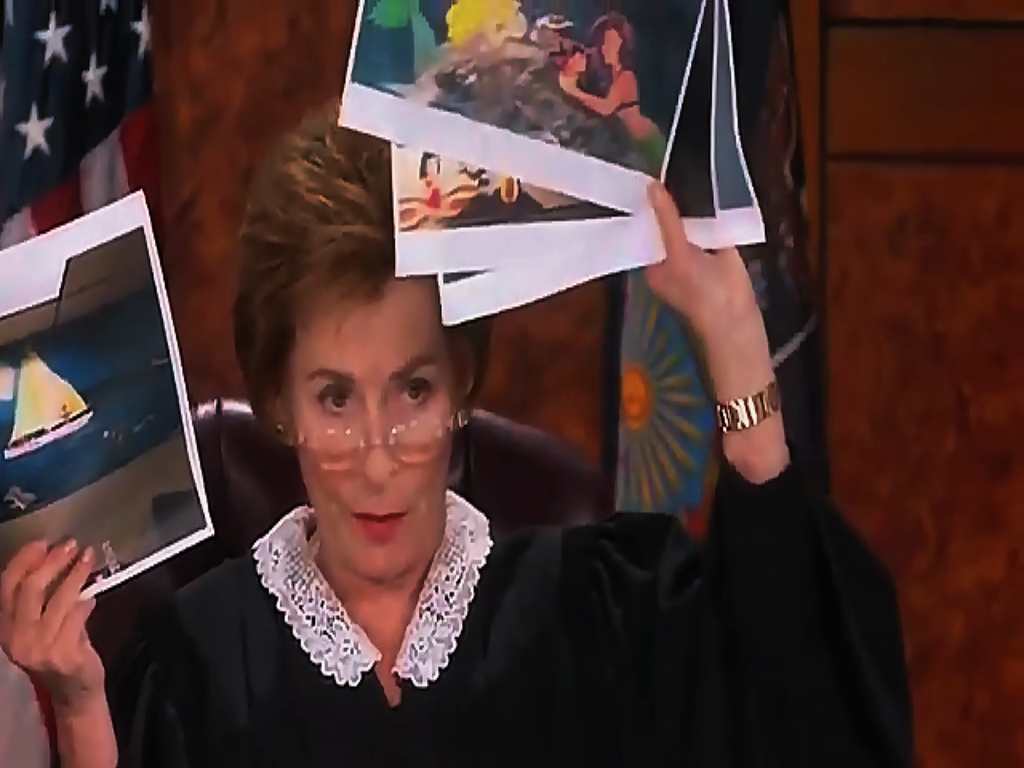
The images also revealed differences in artistic style. Judge Judy noticed that some figures clearly did not look as though the same person had painted them. The defendants confirmed that another artist had contributed to parts of the mural. Harvard acknowledged that she had not created the original mermaids but said she had worked on other areas, including a bird, skin details, rocks and water.
After sorting through the photographs, Judge Judy identified portions that she accepted as Harvard’s work. The owners did not deny that she had contributed to the mural. Their main complaint concerned how long the project had taken.
The Owners Admit They Still Owe the Artist
Once Judge Judy understood the work, she turned directly to the shop owners. She told them that even if they disliked Harvard’s work, they still had to pay the remaining balance. One defendant answered, “Yes, ma’am.”
The owners tried to clarify that their frustration involved the schedule rather than simply the quality of the artwork. They had brought in the second artist because the project moved too slowly. Judge Judy accepted that the delay could have created problems for their business, but she again returned to the contract.
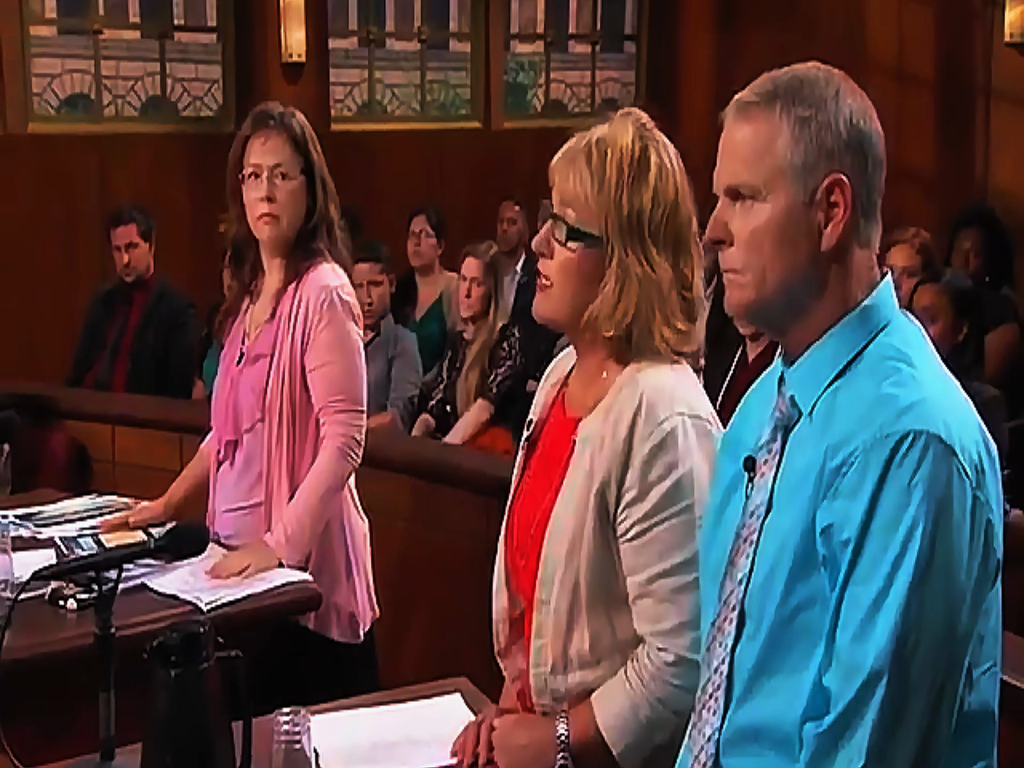
If the parties had signed an agreement requiring completion by a specific deadline, the outcome might have been different. They had no such provision. Without it, the delay did not eliminate Harvard’s right to the unpaid portion of the agreed price.
A Dispute Over $375 Becomes a $200 Balance
The numbers changed during the hearing. Harvard had originally listed the contract at $375 and the advance payment at $150. The defendants said the real figures were $325 and $125. Harvard acknowledged that she might have stated the original amount incorrectly.
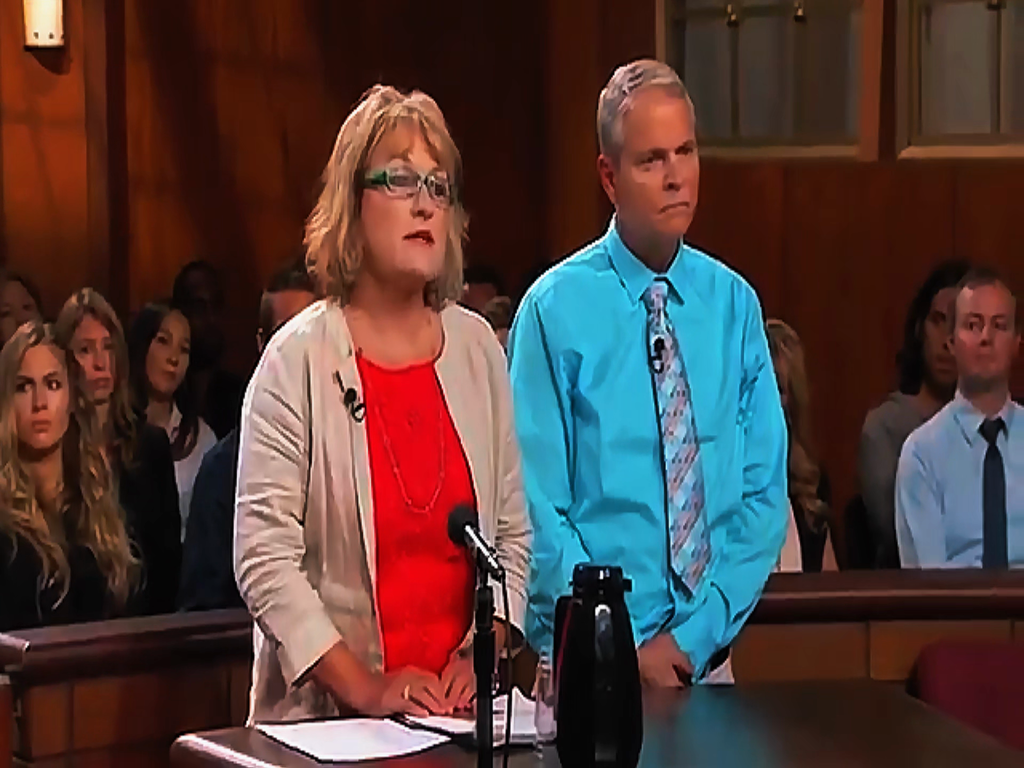
Judge Judy did the math. A $325 contract minus the $125 already paid left $200. Harvard briefly tried to argue for $225, but the judge pointed out that her own written claim had already contained an incorrect $375 figure.

The final calculation was simple: the defendants owed Harvard $200. That amount reflected the unpaid balance of the mural contract rather than the $5,000 she had requested in her lawsuit.
The Shop Paints Over the Finished Mural
Harvard said she finished the mural at the beginning of January. According to her testimony, the shop left the artwork on the wall until April. The owners later painted over it after Harvard pursued the money she believed they owed her.
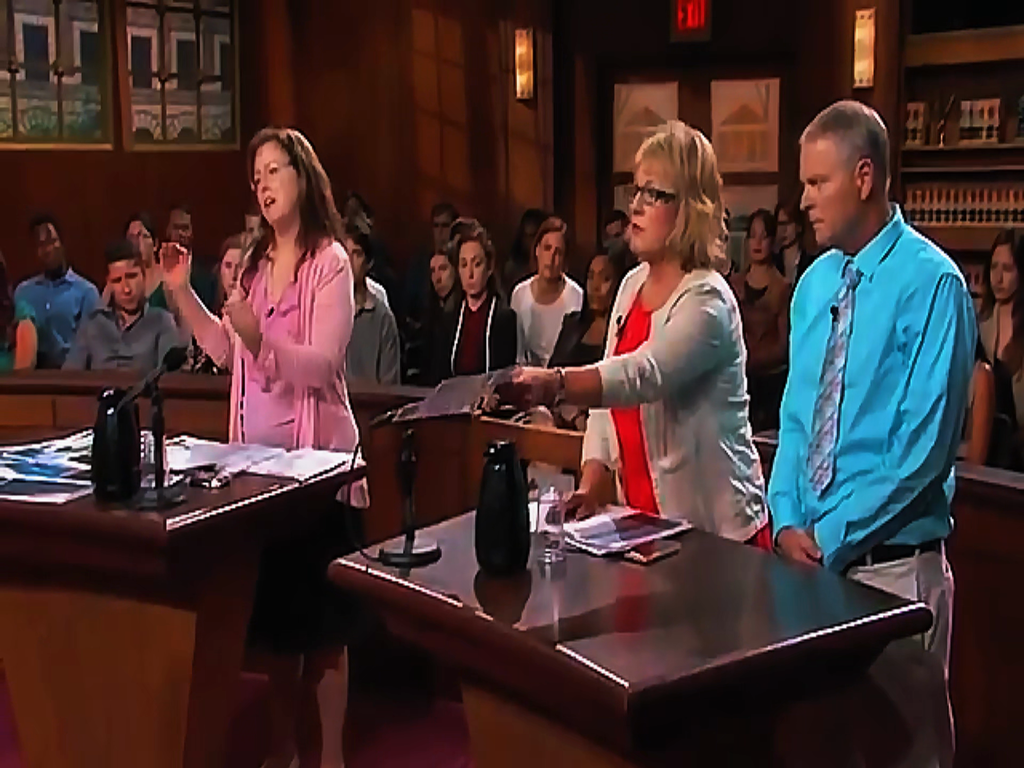
She interpreted the decision as retaliation. Harvard also claimed that the mural represented more than 200 hours of work. From her perspective, painting over it destroyed months of effort after the owners had displayed it for several months.
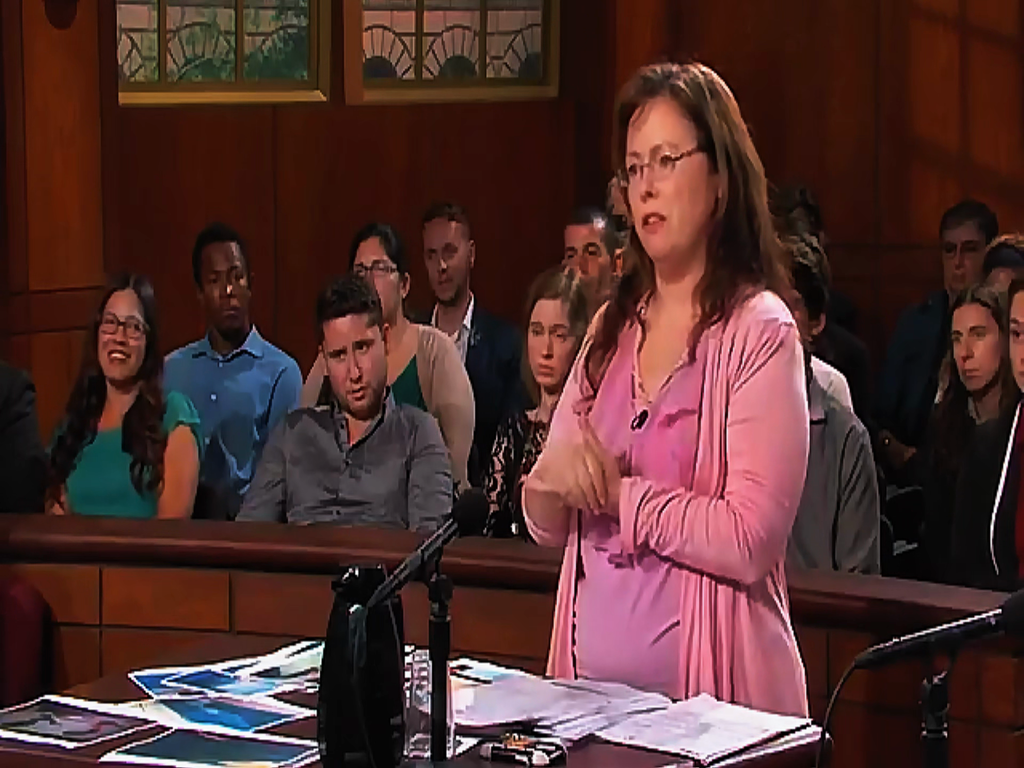
Judge Judy did not consider that issue decisive. The owners controlled the wall inside their business and could decide whether to keep the artwork. Painting over it did not erase the unpaid contract balance, but it also did not transform Harvard’s claim into a $5,000 award. Judge Judy returned again to the same figure: $200.
The Owners File Their Own Counterclaim
The defendants had a counterclaim against Harvard, but Judge Judy quickly dismissed its substance. Their complaints included allegations that Harvard ate yogurt while working, asked employees to run errands and harassed them.
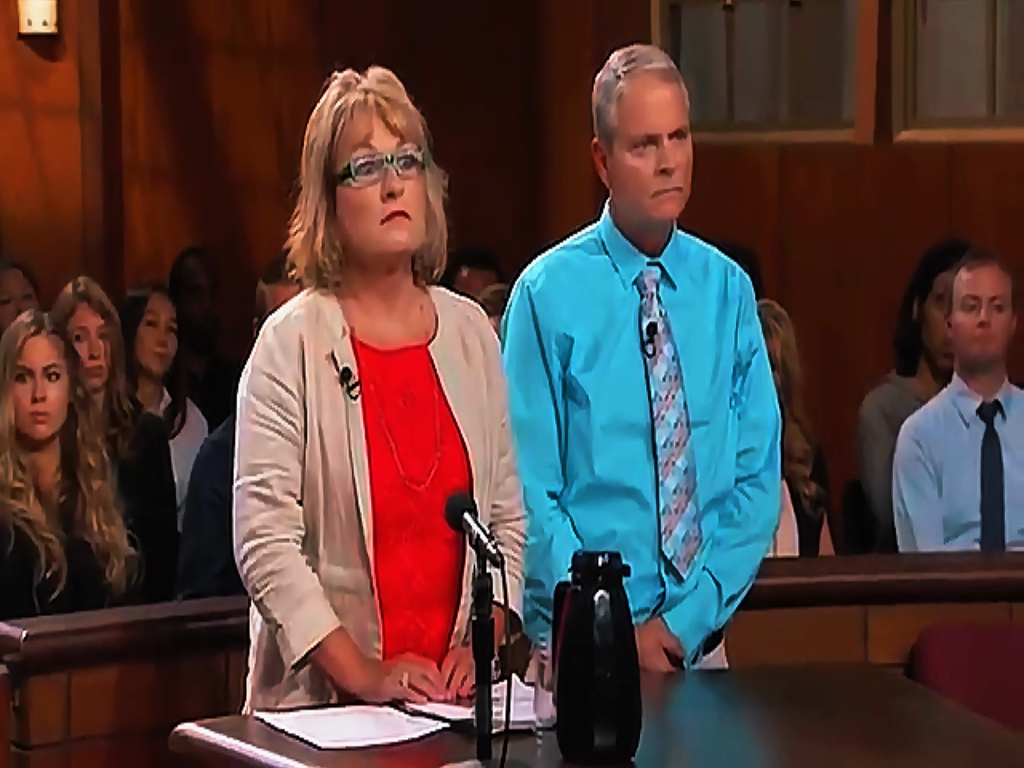
They also wanted Judge Judy to hear a 911 recording from the final confrontation. The owners said Harvard had gone to a neighboring store to call police after refusing to return their key. Judge Judy asked one practical question: Did they eventually get the key back? They said yes.
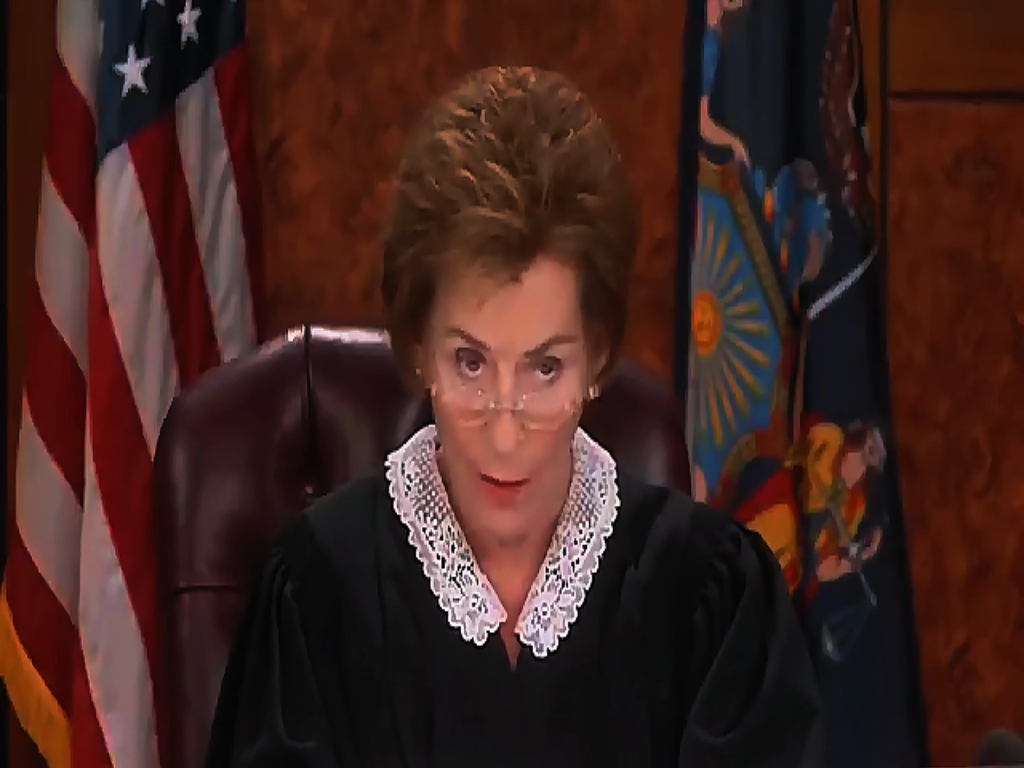
For the judge, that resolved the property issue. She saw no meaningful financial counterclaim in complaints about yogurt, employee interruptions or the returned key. Judge Judy called the countersuit “ridiculous” and dismissed it.
Judge Judy Awards the Artist $200
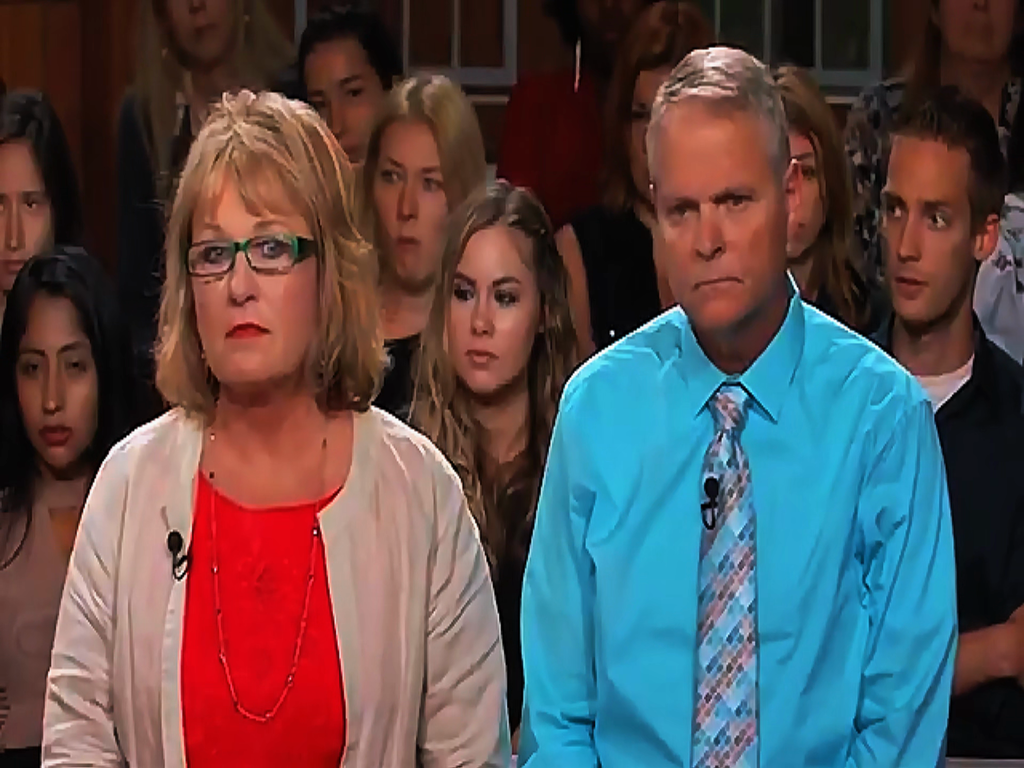
The Judge Judy mural dispute ended far more simply than Harvard’s $5,000 lawsuit suggested. The judge found that the shop owners still owed her money for the artwork she had performed. However, she limited the recovery to the unpaid contractual balance.
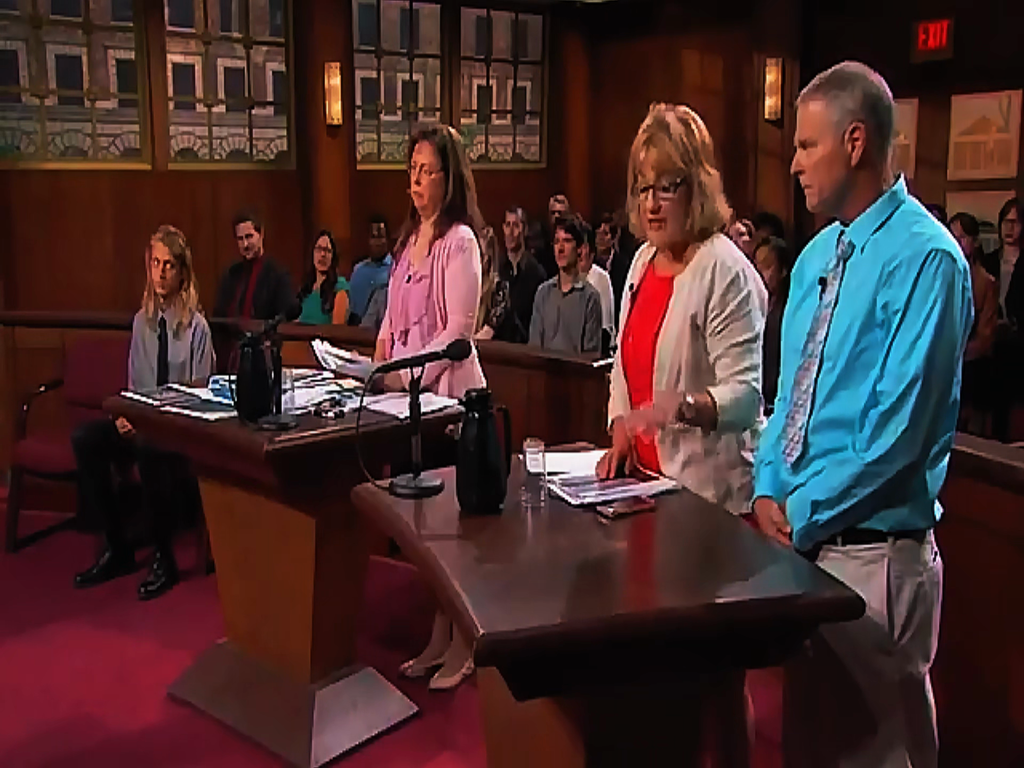
The original figures became crucial. Once the parties settled on a $325 agreed price and a $125 advance, only $200 remained. Judge Judy ordered the defendants to pay that amount and entered judgment for Harvard. The defendants received nothing on their counterclaim.
After court, both sides remained frustrated. The owners complained that Harvard had worked too slowly, changed parts of the mural and distracted employees. Harvard maintained that they had been satisfied with much of her work and continued accusing Mr. Jones of pushing and yelling at her during their final confrontation.
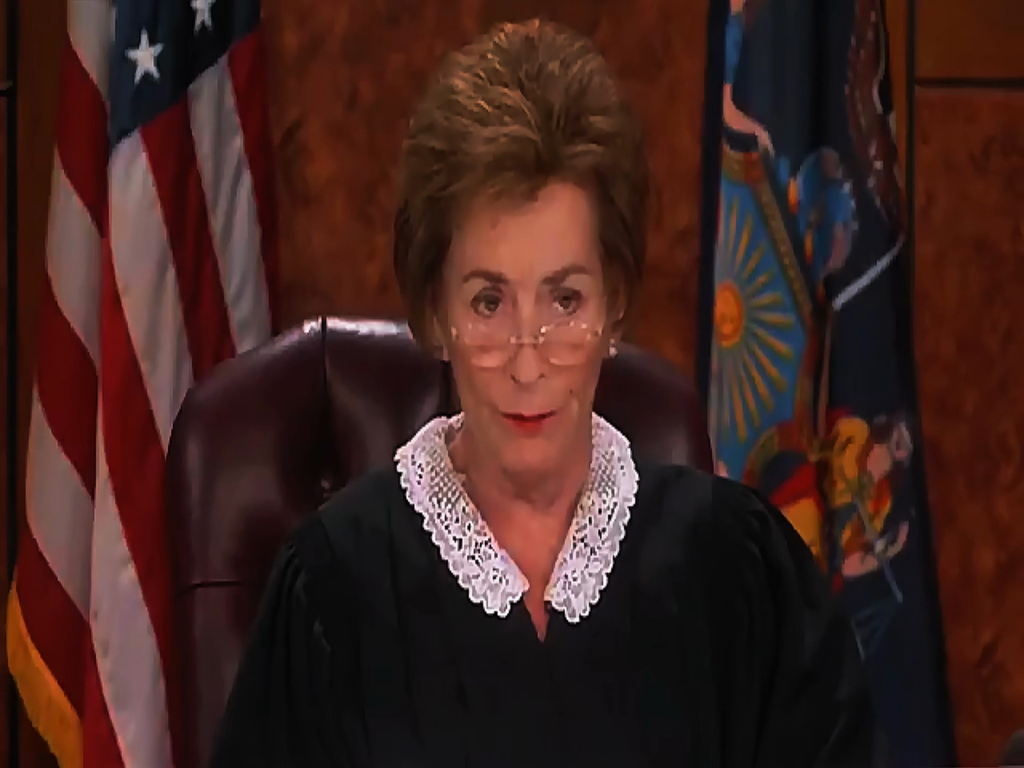
Those disagreements survived the hearing. The financial dispute did not. Judge Judy reduced months of conflict to a simple calculation: $325 promised, $125 paid, $200 still owed.
(uc.)
FAQ
What was the Judge Judy mural dispute about?
Miss Harvard accepted a job to paint a large mural inside a yogurt shop. The project lasted several months, another artist eventually helped, and the owners later stopped Harvard from working inside the store. Harvard sued for $5,000, while the owners filed a counterclaim against her.
How large was the yogurt shop mural?
Harvard described the mural as approximately 35 feet long and five and a half feet high. It included several figures and decorative elements spread across the wall.
How much did the shop agree to pay Miss Harvard?
Harvard initially claimed that the price was $375. During the hearing, the defendants said the actual agreement was $325, and Harvard acknowledged that she had misstated the original figure.
How much had Harvard already received?
The defendants said they had paid Harvard $125 toward supplies. Harvard initially listed the payment as $150 but later accepted the corrected figures during Judge Judy’s calculation.
Why did the owners bring in another artist?
The owners said the mural was progressing too slowly. They brought in another artist around September to help with the project. The transcript indicates that both artists contributed to the finished mural.
Did the yogurt shop owners paint over the mural?
Yes. Harvard said she finished the mural around the beginning of January and that the owners kept it until April. The defendants acknowledged that they later painted over the wall.
Did Judge Judy award Harvard $5,000?
No. Judge Judy rejected the idea that the dispute justified a $5,000 recovery. She focused on the original contract and found that the defendants still owed Harvard $200.
What happened to Harvard’s assault-related claim?
Harvard said Mr. Jones pushed her toward the door during a confrontation. She acknowledged that she did not visit a hospital or doctor and had no photographs of physical injuries. Judge Judy rejected the requested punitive damages connected to that allegation. The article does not treat the disputed confrontation as an independently established assault.
What was the defendants’ counterclaim?
The owners complained that Harvard ate yogurt, asked employees to perform errands, harassed them and created problems during the final dispute over the store key. Judge Judy dismissed their counterclaim.
What was the final judgment?
Judge Judy entered judgment for the plaintiff for $200. That figure represented the remaining balance after subtracting the $125 advance from the $325 mural price.
Sources
Judge Judy, the complete supplied subtitle transcript. The transcript establishes Harvard’s substitute-teaching and artwork background, the yogurt-shop mural project, the contract dispute, the involvement of another artist, the December confrontation, the photographs Judge Judy reviewed, the corrected $325 contract price, the $125 advance and the final $200 judgment.