Miss Williams left her salon station only weeks after signing a six-month rental agreement. She argued that she no longer had clients and claimed the salon owner had promised to advertise the business. Judge Judy looked at the written contract instead—and entered a $2,425 judgment for Miss Miskelly.

(uc.)
Miss Miskelly Rents Out Salon Stations
The Judge Judy salon booth rental dispute centered on Miss Miskelly, who controlled a small salon space, and Miss Williams, a stylist who rented one of its stations. Miskelly told the court that she had held the master salon space since November 2016. She estimated its size at roughly 500 square feet, although she admitted that she was unsure of the exact measurement.

The salon could accommodate four stylists. Each renter used an open station with a chair and associated cabinetry rather than a separate enclosed room. Miskelly herself also did hair. She did not own the larger property; instead, she leased the salon space from someone else under a master lease that cost her $724 per month.

Williams later became one of the stylists renting space from Miskelly. Unlike an informal chair-sharing arrangement, this deal came with a written contract.
Miss Williams Signs a Six-Month Agreement
Judge Judy reviewed the agreement in court. In February 2017, Williams signed a contract to rent the salon space for six months. The agreement began on or around February 21 and set the financial terms for her use of the station.

Williams did not deny signing the contract. Instead, she tried to explain that another understanding existed alongside it. She claimed the deal depended on Miskelly advertising the salon, which would presumably help bring business to the stylists renting space there.

Miskelly immediately denied that version. Williams then acknowledged that the alleged advertising arrangement had been verbal rather than written into the lease. That distinction became one of the most important parts of the hearing.
A Verbal Advertising Promise Becomes Her Defense
Williams wanted Judge Judy to consider the alleged verbal promise as part of the rental arrangement. In her account, she had agreed to the six-month term with the understanding that Miskelly would advertise the shop. When the expected business failed to materialize, Williams eventually left.

Judge Judy did not allow that argument to override the written agreement. She explained that when parties reduce their agreement to a written contract, an amendment also needs to appear in writing if they want it treated as part of that contract. Any change should be written into the document and acknowledged by both parties.
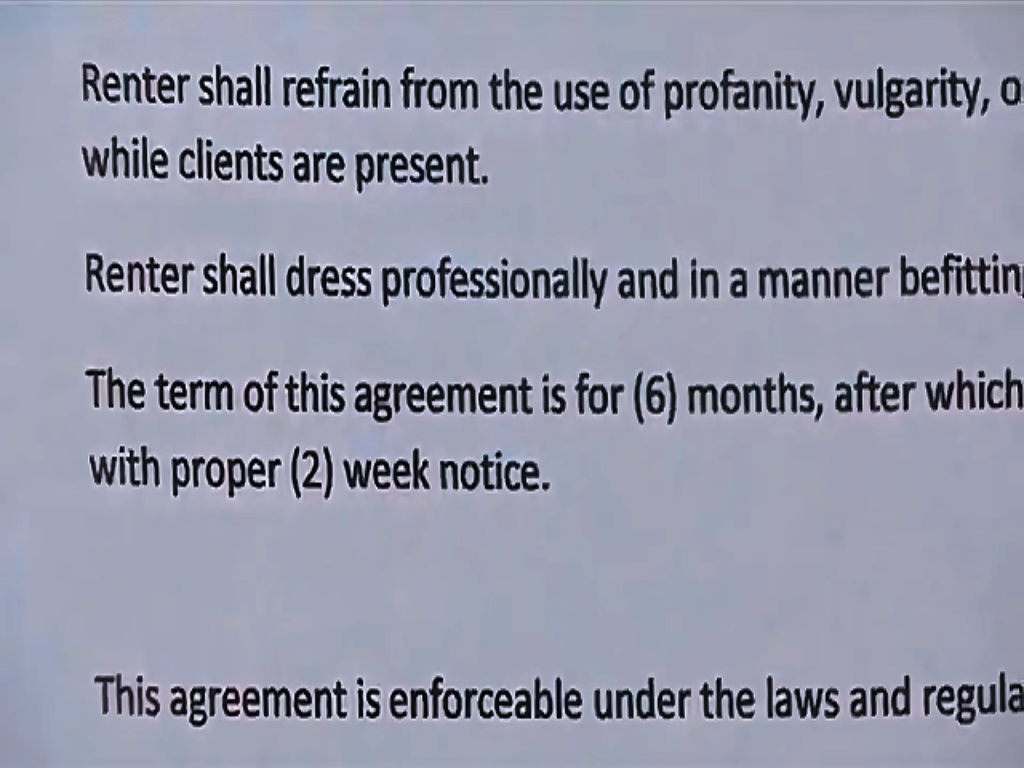
The judge described matters outside the “four corners” of the written agreement as inadmissible for changing its terms in this dispute. Williams had signed a six-month lease, and the alleged advertising condition did not appear in it.
Judge Judy Turns to the Written Contract
Once Judge Judy established that principle, the case became much simpler. The contract documented the rental term, while Williams’ claimed advertising condition did not. The judge therefore focused on what Williams had actually promised to pay.

Williams acknowledged that she left sometime in March 2017, only a short time after signing the six-month agreement. Her testimony about the exact date shifted slightly, but she eventually suggested that she removed herself around March 21. She also acknowledged that her belongings remained in the shop throughout March.
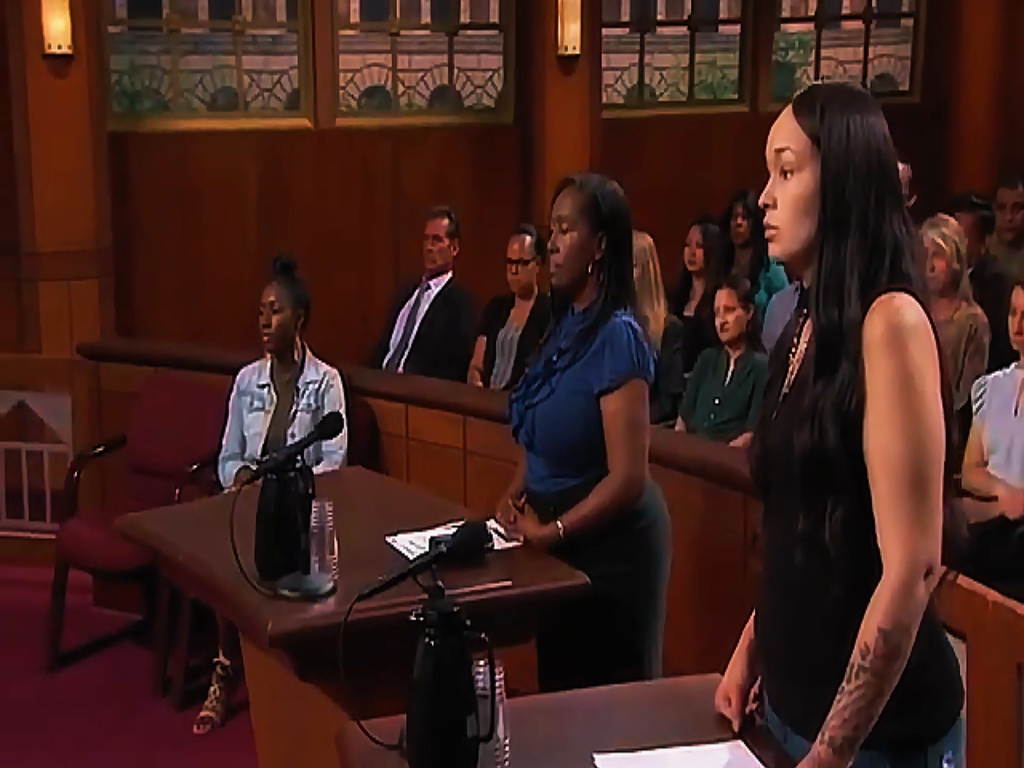
The timing mattered because Williams had paid only part of what she owed before leaving. The fact that she stopped using the station did not automatically terminate the contract.
Williams Leaves the Salon in March
Williams said she paid for two weeks in February. When Judge Judy asked about March, Williams explained that she left because she no longer had clients. She later clarified that her belongings stayed in the salon for all four weeks of March and that she paid only two of those weeks.

Her explanation centered on business performance. Without clients, Williams believed she should not have to continue paying for the station. Judge Judy rejected that reasoning immediately because the rental agreement did not guarantee Williams a particular number of customers.

Rent bought access to the salon station. It did not depend on how many people booked appointments. Williams had signed for six months, so a decline in clientele did not automatically release her from that obligation.
Losing Clients Does Not Cancel the Lease
Judge Judy compared the salon arrangement to other forms of rental agreements. A tenant generally cannot sign a fixed-term lease and then stop paying simply because the space no longer serves the tenant’s needs. The same basic reasoning applied to Williams’ salon station.
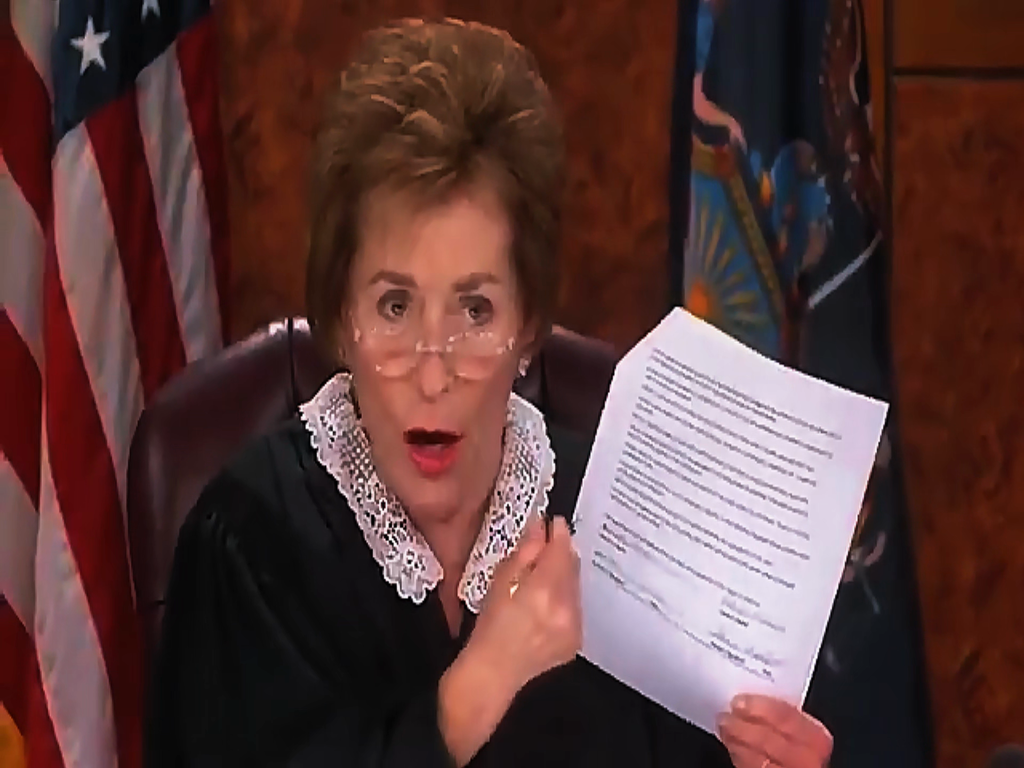
Williams was 22 years old at the time of the hearing. During an exchange about rental agreements, she said she was currently homeless and had been living in a car. She later clarified that she had previously stayed with her mother, who rented an apartment.
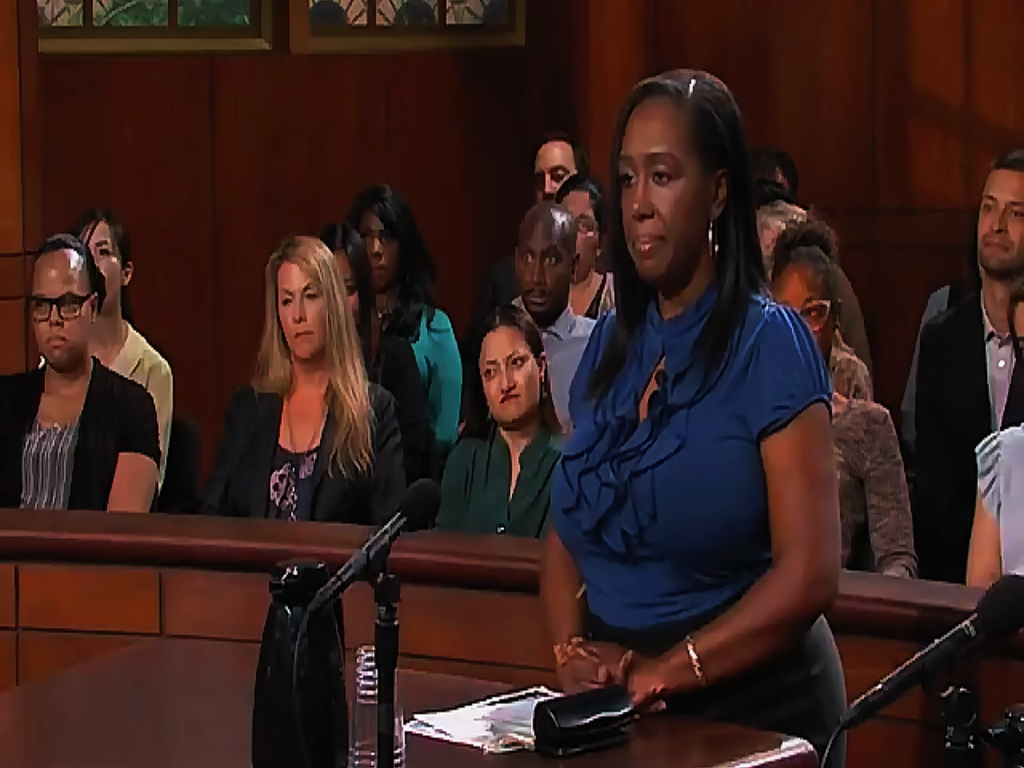
Those personal circumstances did not change the written contract. Judge Judy kept returning to the agreement itself: Williams had committed to six months of rent and had left long before that period ended.
The Contract Sets Rent at $125 a Week
The written agreement set Williams’ rent at $125 per week, or roughly $500 per month. Judge Judy calculated the unpaid obligation by looking at the remaining months covered by the six-month contract.
During the hearing, she stated that Williams owed rent for approximately five months under the agreement. The discussion also included the contractual fee associated with the salon key. Williams admitted that she had not returned it when she left.
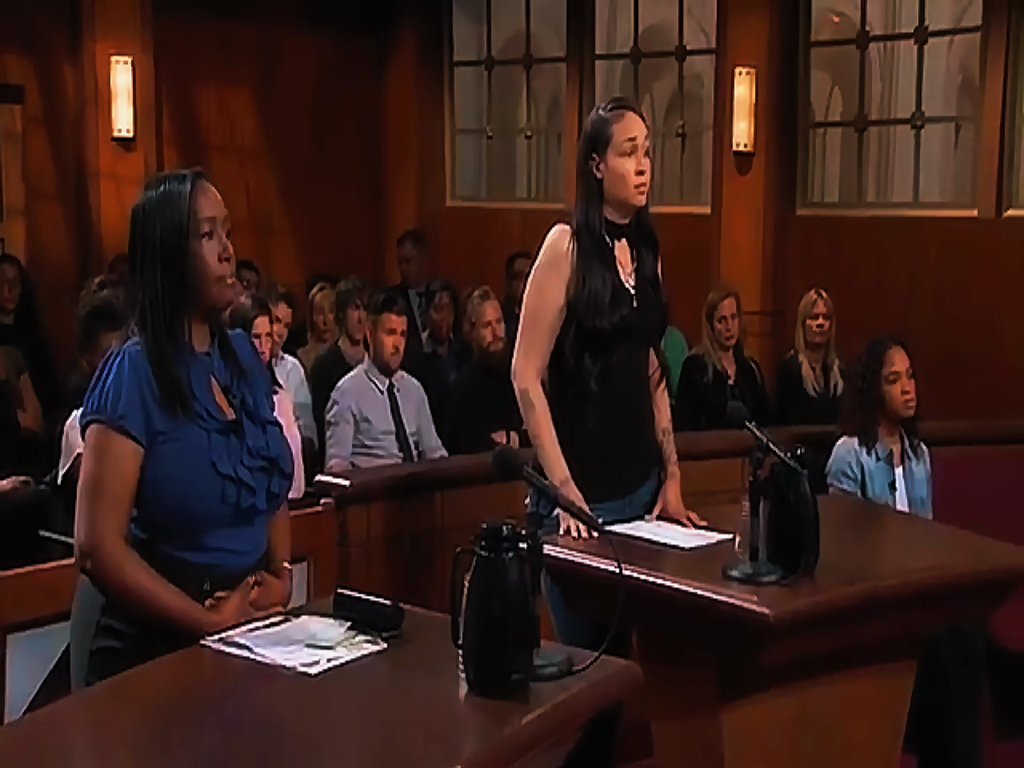
At one point, the transcript contains overlapping calculations and references to the rent and key fee. What matters most is the final ruling stated clearly at the end of the hearing: Judge Judy entered judgment for the plaintiff for $2,425.
A Missing Key Adds Another Contract Issue
Miskelly’s agreement contained a $25 key replacement fee. Williams acknowledged that she had not returned the salon key. Miskelly tried to argue that changing the lock had actually cost $40, but Judge Judy again refused to move beyond the written terms.

The contract said $25. Therefore, the contractual replacement fee was $25, regardless of what Miskelly later said she spent on changing the lock. Judge Judy used the same rule that had defeated Williams’ advertising argument: if the parties wanted a different obligation, they needed to put it into the written agreement.
The judge told them that future modifications should be written down, marked and initialed by both sides. Neither party could selectively abandon the contract when an unwritten term favored them.
Judge Judy Questions the Salon Owner’s Losses
The case did not end merely because Williams had breached the agreement. Judge Judy also questioned Miskelly about the salon after Williams left. She wanted to know who currently rented stations and whether Miskelly had tried to find replacements.
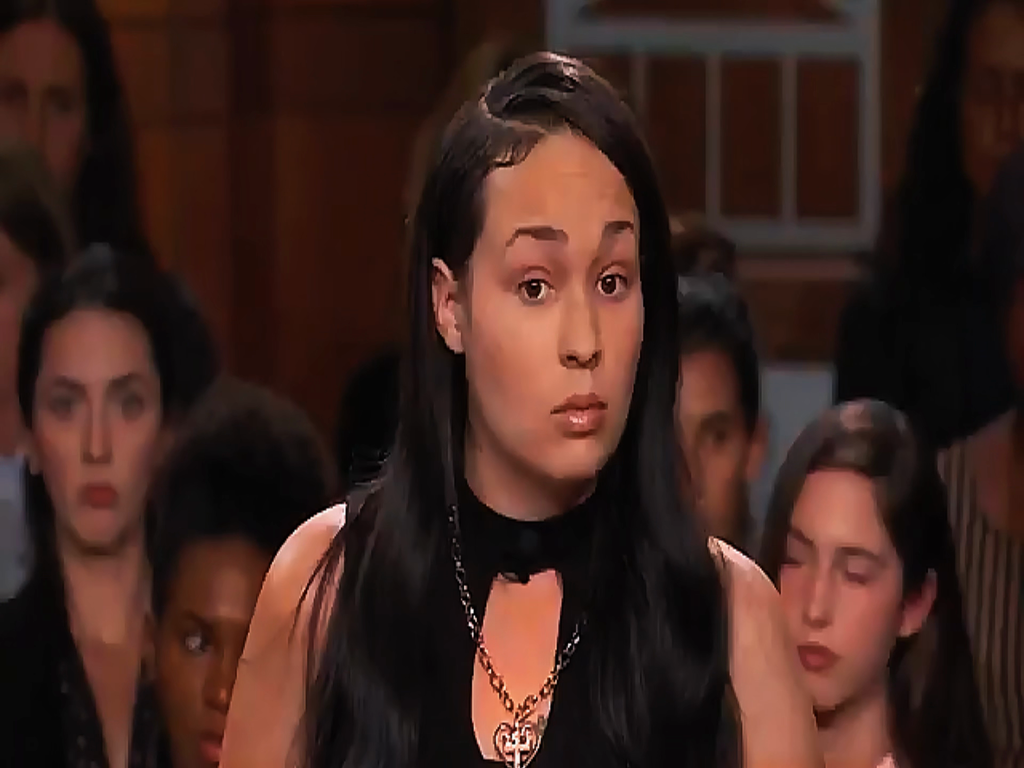
Miskelly said only Pauline currently rented from her. The discussion then turned to another stylist who had worked there during the same general period. Miskelly said that woman had also rented under similar terms, stayed from February until May and left without permission. Miskelly said she intended to sue her as well.
That testimony raised a separate legal issue: even when another party breaches a contract, the person claiming damages may have a responsibility to take reasonable steps to reduce those losses.
The Duty to Mitigate Damages Enters the Case
Judge Judy asked Miskelly whether she had advertised the vacant booth space in a newspaper or on Craigslist. Miskelly admitted that she had not done so recently. Instead, she relied largely on word of mouth. She explained that the departures had created financial strain and that she had expected the six-month contracts to provide enough stability to promote the salon.
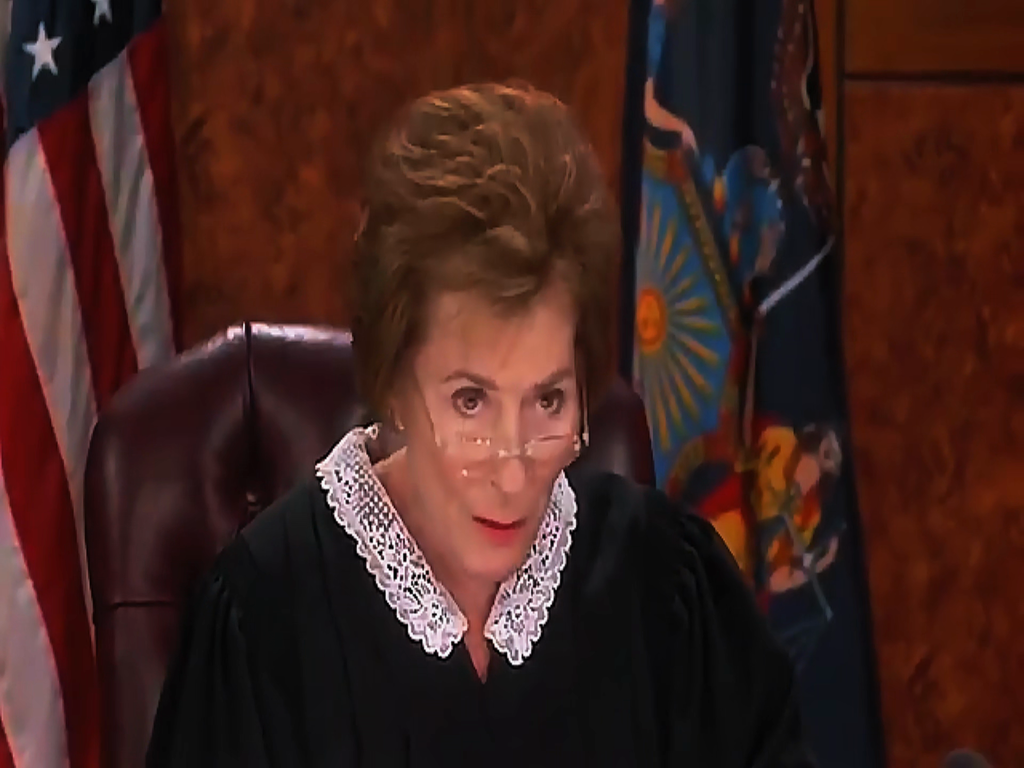
Judge Judy then examined the economics of the business. Miskelly paid $724 per month under her master lease, while Williams’ booth rent amounted to about $500 per month. If other stylists also paid comparable amounts, the total rental income could exceed Miskelly’s underlying monthly rent.
The judge explored those numbers while considering the salon owner’s claimed losses. The testimony about exactly how many other stylists occupied the salon at the same time became somewhat confused.
Testimony About Other Stylists Creates Confusion
Earlier, Miskelly had told Judge Judy that two other people rented space in addition to Williams and that the salon was full. Later, Williams’ witness said Miskelly did not have anyone else working there except them during the relevant period.

Williams began arguing with Judge Judy while the judge was examining how the other renters affected Miskelly’s damages. Judge Judy explained that the point she was making could actually help Williams. If Miskelly collected $500 a month from several renters while paying only $724 for the master lease, that income could matter when analyzing the claimed financial loss.
Williams’ interruption worked against that argument. Her own side insisted that Miskelly did not have the additional renters the judge was discussing. Judge Judy accepted that response and returned to the contract damages.
Judge Judy Awards Miss Miskelly $2,425
The Judge Judy salon booth rental dispute ultimately turned on a straightforward principle: the written agreement controlled. Williams had signed a six-month rental contract, paid for only part of the period and then left because she no longer had clients. Her alleged verbal agreement about advertising did not appear in the contract.

Miskelly faced the same limitation when she tried to recover a $40 lock-change expense. Her written agreement specified a $25 key replacement fee, so Judge Judy would not substitute a different figure simply because the actual expense may have been higher.
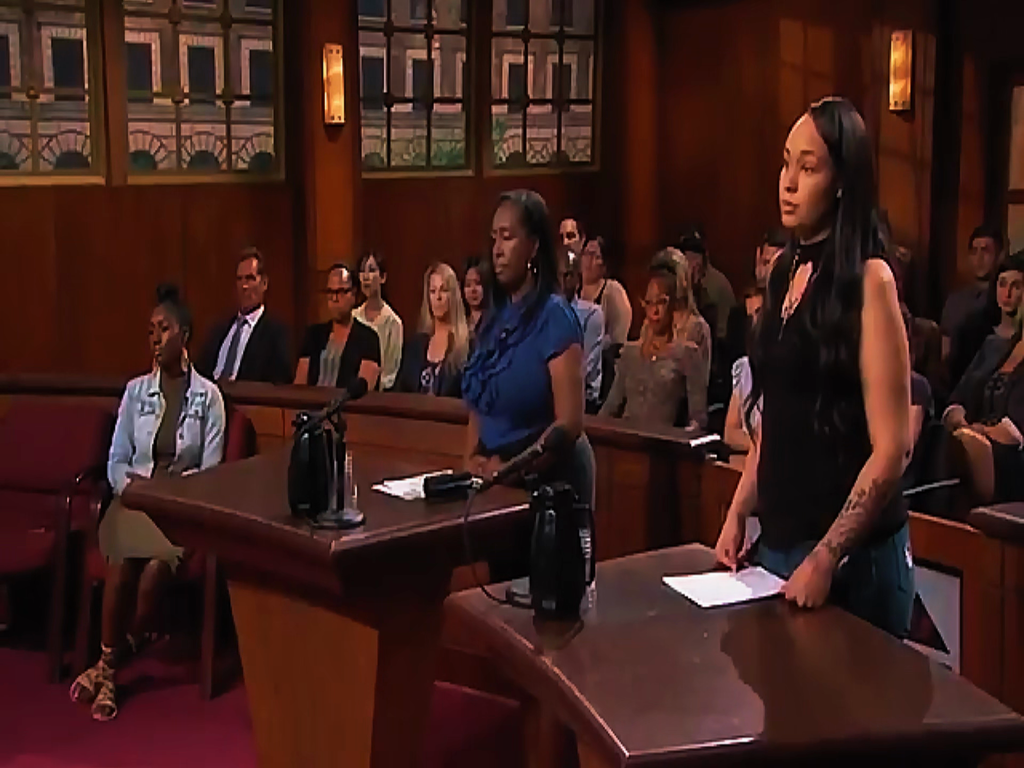
After examining the rental arrangement, Williams’ departure, the vacant salon stations and the competing testimony about other renters, Judge Judy announced the result clearly: “$2,425. I judge for the plaintiff.” The hearing then ended.
For Williams, leaving the salon ended her work there. It did not end the contract she had already signed.
(uc.)
FAQ
What was the Judge Judy salon booth rental dispute about?
Miss Miskelly sued Miss Williams for unpaid rent after Williams left a salon station before completing a six-month rental agreement. Williams argued that she had lost her clients and claimed Miskelly had verbally agreed to advertise the salon.
When did Miss Williams sign the salon rental agreement?
The hearing establishes that Williams signed a six-month agreement in February 2017, with Judge Judy referring to February 21 during the discussion of the contract.
How much was the salon booth rent?
Williams agreed to pay $125 per week, which Judge Judy described as approximately $500 per month.
How much did Miss Miskelly pay for the entire salon?
Miskelly told Judge Judy that her own master lease cost $724 per month.
Why did Miss Williams stop paying rent?
Williams said she stopped because she no longer had clients and removed herself from the salon in March. Judge Judy rejected that as a reason to cancel a fixed-term written rental agreement.
Did Miskelly promise to advertise the salon?
Williams claimed that Miskelly made a verbal promise to advertise the business. Miskelly denied that claim. The advertising condition did not appear in their written rental agreement, so Judge Judy did not allow it to modify the contract.
What did Judge Judy say about changing a written contract?
Judge Judy explained that amendments to the written agreement needed to be put in writing and acknowledged by both parties. She would not rely on alleged verbal terms outside the written contract to change its obligations.
Did Miss Williams return the salon key?
No. Williams acknowledged that she did not return the key. The written agreement contained a $25 key replacement fee.
Why did Judge Judy discuss mitigation of damages?
Judge Judy questioned whether Miskelly had taken reasonable steps to rent the empty salon stations after the stylists left. Miskelly said she had not recently advertised in newspapers or on Craigslist and had relied on word of mouth.
How much did Judge Judy award Miss Miskelly?
Judge Judy entered judgment for the plaintiff for $2,425. That is the final amount explicitly stated in the supplied transcript.
Sources
Judge Judy, the complete supplied subtitle transcript. It establishes Miss Miskelly’s salon arrangement, her $724 master lease, Williams’ six-month written rental agreement, the $125 weekly booth rent, Williams’ March departure, the disputed verbal advertising agreement, the key issue, the discussion of mitigation and Judge Judy’s final $2,425 judgment.