A mother insisted she had paid what she owed for her two sons’ daycare, while the provider claimed a much larger balance remained. Their numbers shifted from $1,450 to $700 and $670 as Judge Judy questioned both sides. Then one text-message exchange and a $200 cash payment gave the judge the calculation she needed.
(uc.)
Two Boys Spend More Than a Year in Daycare
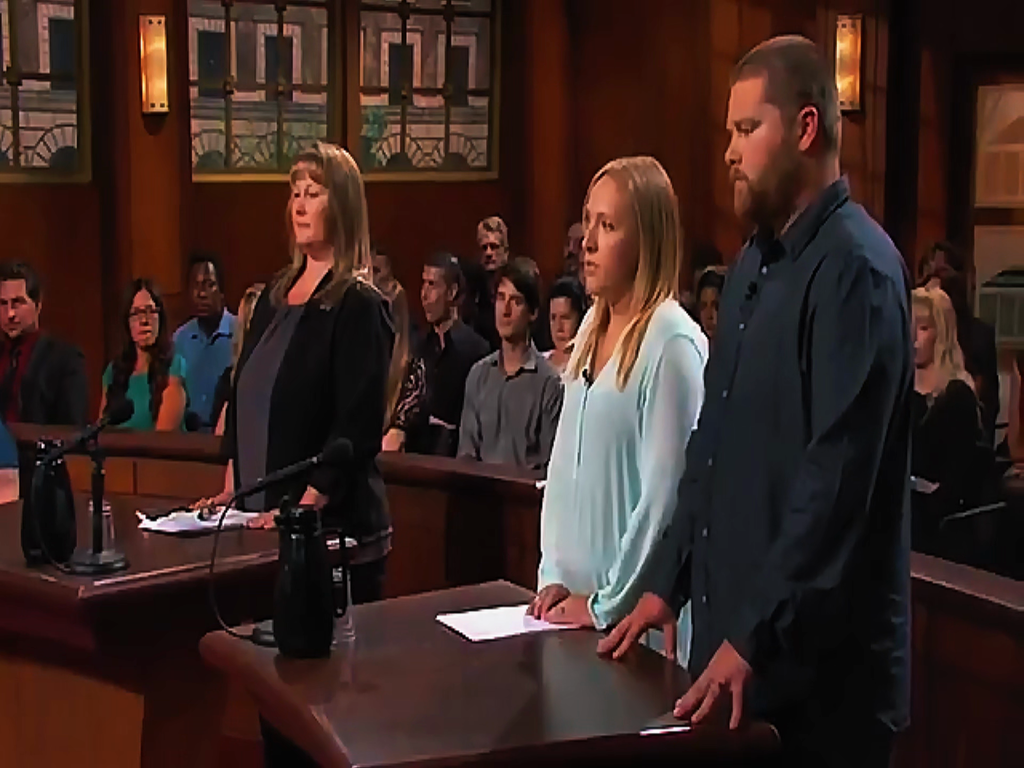
The Judge Judy daycare payment dispute involved a childcare provider and the mother of two boys, ages eight and six. The children began attending the plaintiff’s daycare in December 2015 and remained there until January 13, 2017, giving the parties a relationship that lasted more than a year.

Judge Judy began by establishing the payment arrangement. The mother said the daycare cost $125 per week for both children, and she normally paid the provider in cash. When the judge asked how many weeks she had failed to pay, the mother initially claimed that she had paid everything she owed. Judge Judy immediately pointed to a contradiction in her own answer.
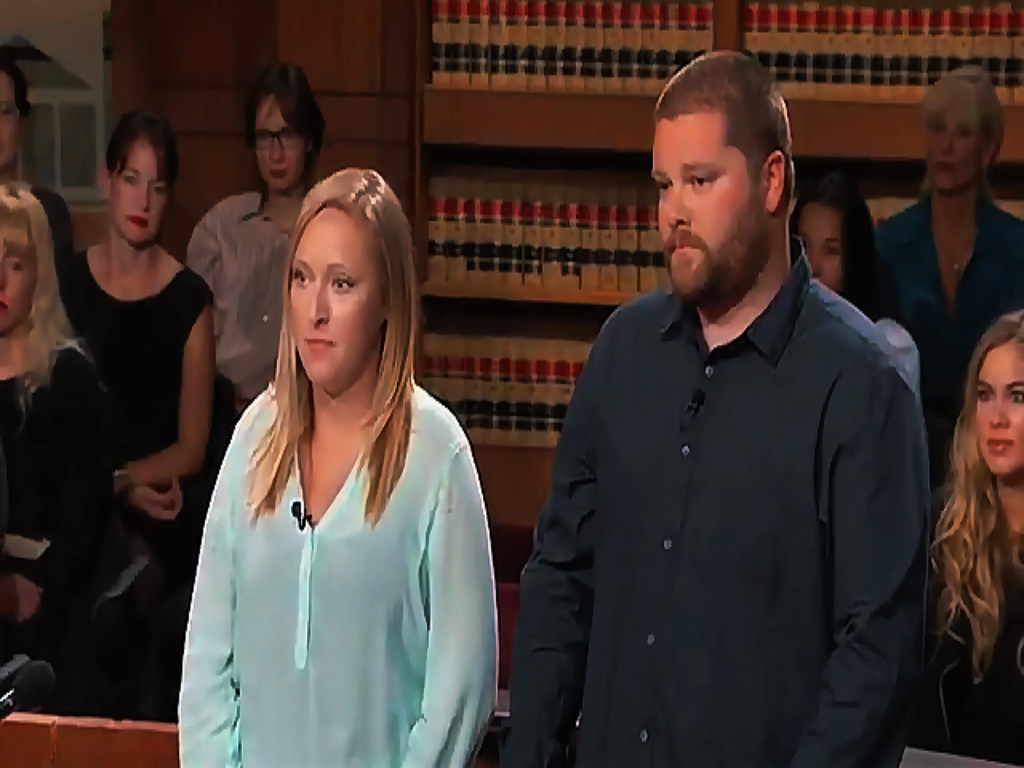
The mother had also claimed that the provider gave her four weeks of daycare. At minimum, Judge Judy reasoned, that meant four weeks had not been paid in the ordinary way. The mother then agreed and said four weeks represented the total unpaid period.
The Family Says Only Four Weeks Went Unpaid
The mother testified that the boys’ final day at the daycare was January 13, 2017. Curiously, she said her last payment came five days later, around January 18. Judge Judy asked whether she paid by check or cash, and the mother said cash, consistent with the way she normally paid the provider.

That final payment totaled $200. The mother explained that $125 represented one week of childcare and another $50 covered late fees. Judge Judy quickly noticed that those figures totaled only $175. The mother responded that she had simply handed over a flat $200 and did not receive change.
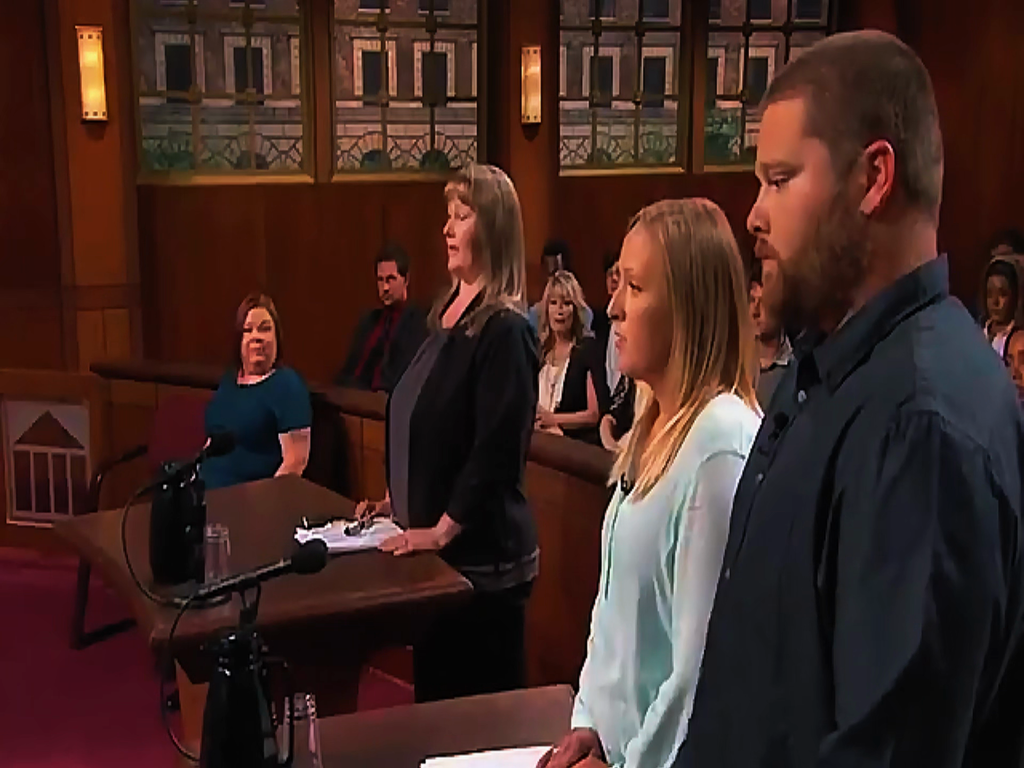
After leaving the plaintiff’s daycare, family and friends temporarily helped watch the children. By February, the family had found another daycare provider and said they were paying $600 per month.
A December Incident Becomes Part of the Defense
Judge Judy then wanted to understand why the mother believed she had received four weeks of free daycare. Her explanation involved an alleged incident on December 16. According to the mother, the provider pulled her aside when she arrived to pick up the boys and told her that something troubling had happened that day.

The mother testified that an 11-year-old boy at the daycare had shown pornographic videos on a cellphone to her eight-year-old son. She said the daycare provider apologized after informing her about the incident. In the mother’s account, the later reduction in childcare charges was connected to what had happened.
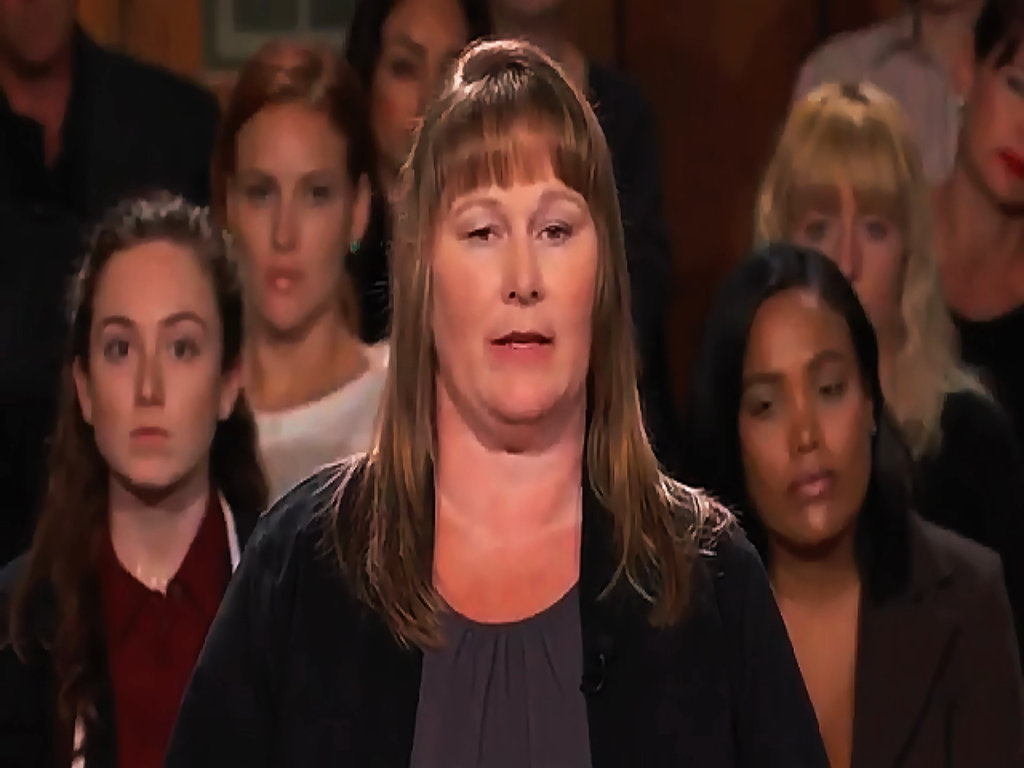
The provider strongly disputed that version. She told Judge Judy that she had never given the mother that explanation on December 16. Because the two women presented conflicting accounts, the judge looked for evidence that could clarify their financial arrangement rather than simply choosing between their stories.
The Children Return to Daycare
Judge Judy tested the mother’s account by examining what happened immediately afterward. December 17 fell on a weekend, but the mother acknowledged that she brought the children back to the same daycare on December 19. They continued attending until January 13.
That fact did not by itself resolve what had happened on December 16. However, it showed that the alleged incident had not immediately ended the childcare arrangement. The boys remained with the same provider for several more weeks.
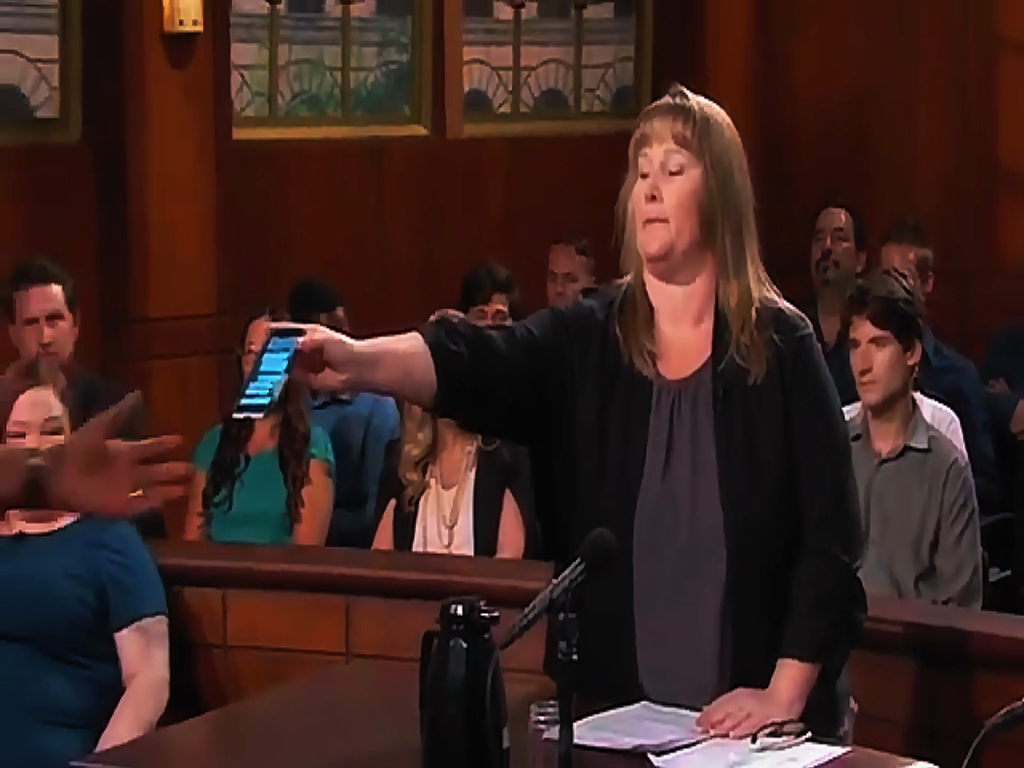
Judge Judy next asked whether the mother had been current on her payments as of December 16. She said yes. The daycare provider said no. Both sides claimed they had documentation, so Judge Judy turned to their records and text messages.
Those messages soon became far more useful than either side’s recollection.
Text Messages Become the Strongest Evidence
One exchange referred to a $600 payment on December 14. The daycare provider argued that the family had repeatedly paid late and that the $600 applied toward an older balance. She claimed the family had owed as much as $1,450 in back daycare charges.

Judge Judy was less interested in reconstructing every earlier late payment than in determining what the parties themselves had acknowledged near the end of their relationship. She asked for the complete text-message history and began reading it carefully.
A January exchange immediately caught her attention. The messages showed that after the children stopped attending, the provider was still asking the family for money. More importantly, the mother’s own responses indicated that she also believed a balance remained.
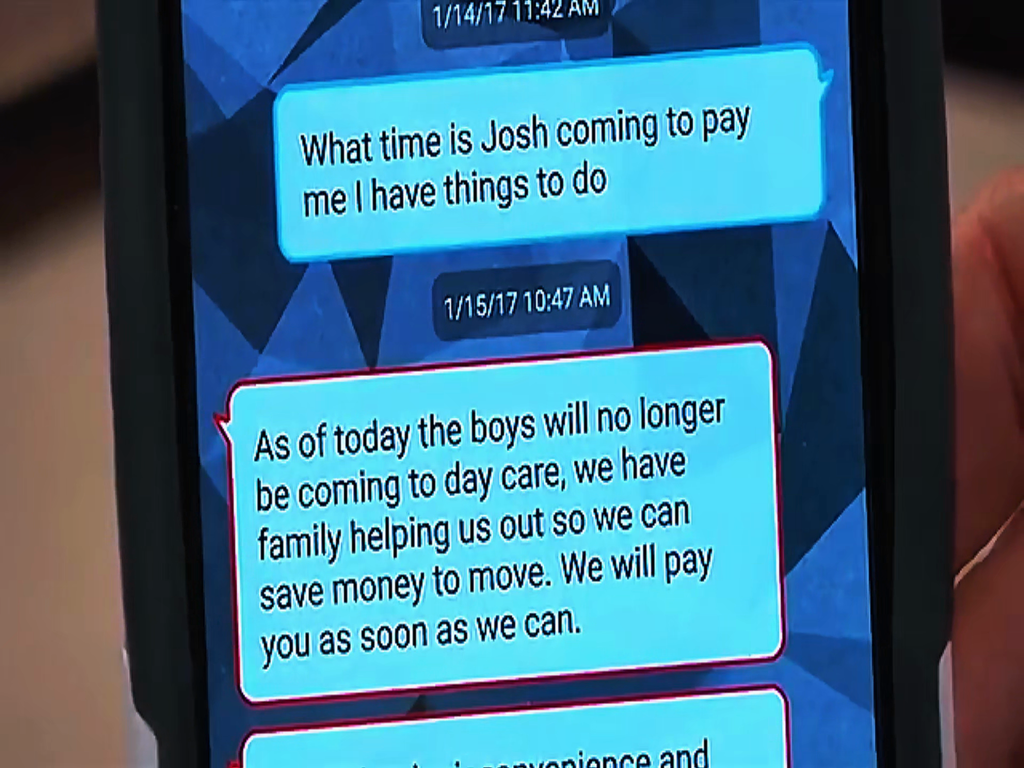
That written acknowledgment undermined any suggestion that the account had already been fully settled.
A January 14 Message Shows Money Was Still Owed
On January 14, the provider sent a message asking when Josh would come to pay her. The mother replied that the boys would no longer attend daycare because family members were helping watch them while the household tried to save money to move.
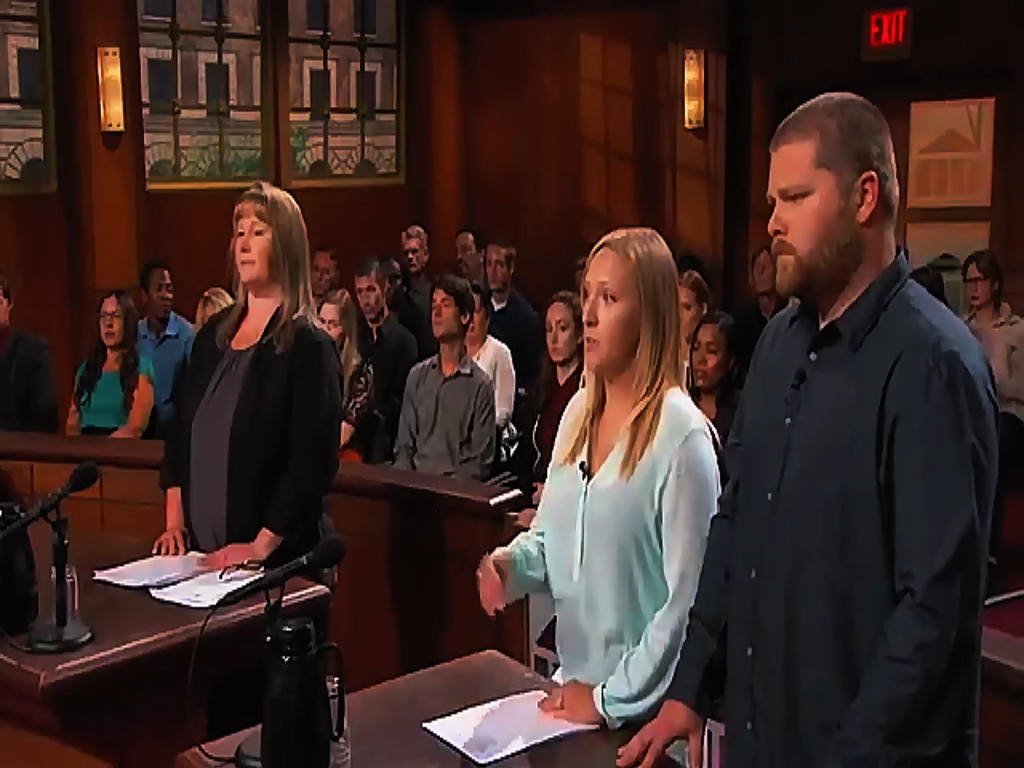
Her next words became important. She told the provider, in substance, that they would pay her as soon as they could. She apologized for the inconvenience and thanked her for everything.
The provider responded angrily. She said she needed to be paid and referenced having given the family “a month of daycare.” Judge Judy focused on that phrase because it appeared to support the idea that four weeks had been removed from a larger amount owed.
After further questioning, the provider acknowledged that she had taken four weeks off the balance.
The Mother Acknowledges a $670 Balance
Another message gave Judge Judy an even clearer number. The mother had written that they would pay only the fees stated in the contract, “which brings the total to $670.” She also said they expected to have the money around January 25, when Josh got paid.
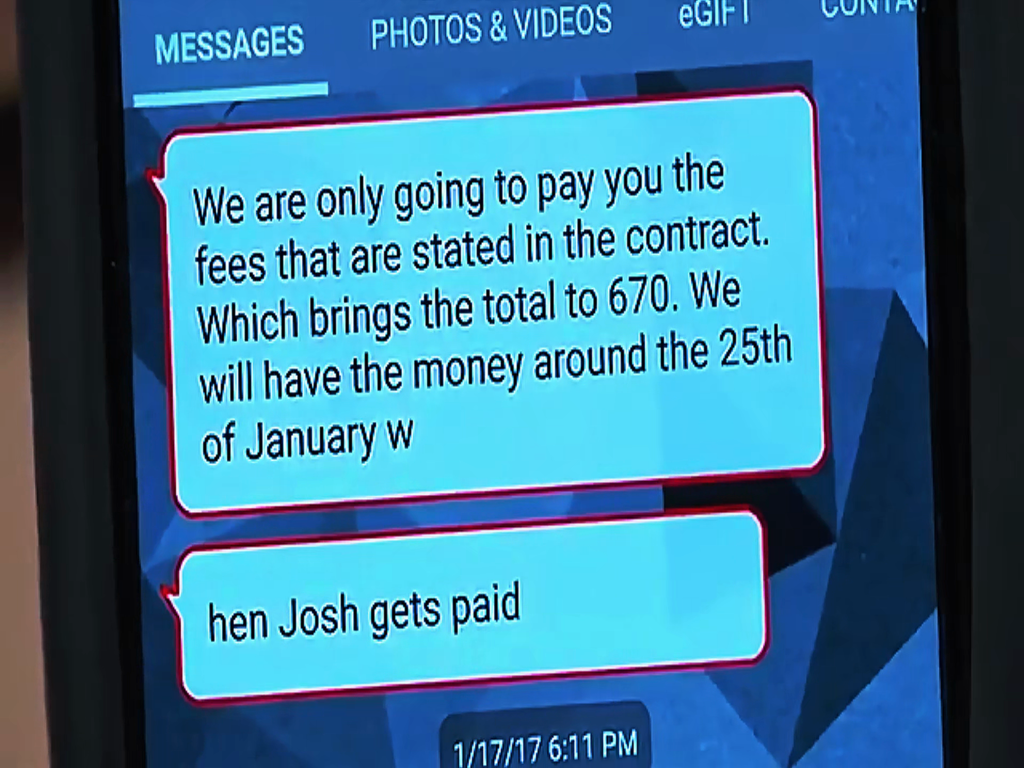
In court, the mother tried to explain that the $670 related to a different period. Judge Judy did not accept that attempt to separate the message from the dispute. The text came directly from the mother and contained an acknowledgment that money remained due.
The judge now had a concrete figure supported by the defendant’s own written words: $670. Unlike the conflicting oral testimony about $1,450, free daycare and previous payments, this number came from a contemporaneous text exchange.
The remaining calculation required only one additional fact.
Judge Judy Subtracts the $200 Cash Payment
Both sides agreed that the provider received $200 in cash on January 18. That payment came after the text-message acknowledgment of the outstanding balance.
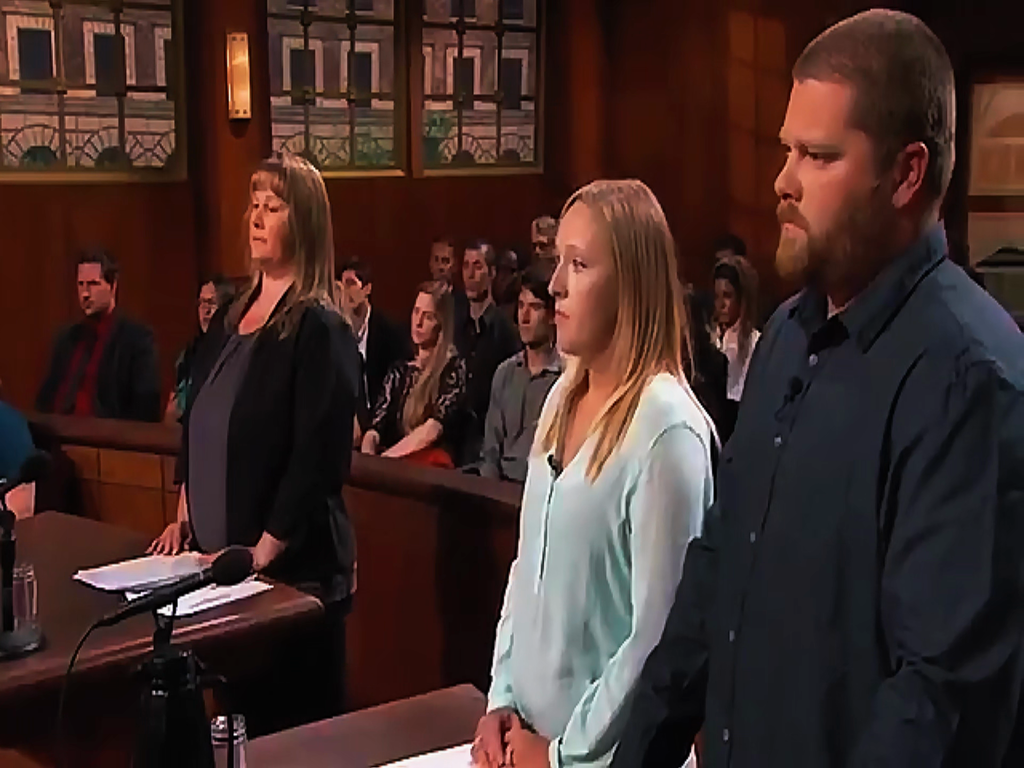
Judge Judy performed the calculation in court. The mother had acknowledged owing $670. She later paid $200. Subtracting that payment left $470.
The daycare provider continued trying to explain that an earlier balance had once reached $1,450. She said the parties had made a deal because the family could not afford that amount. According to her testimony, she had agreed to cut the debt roughly in half.
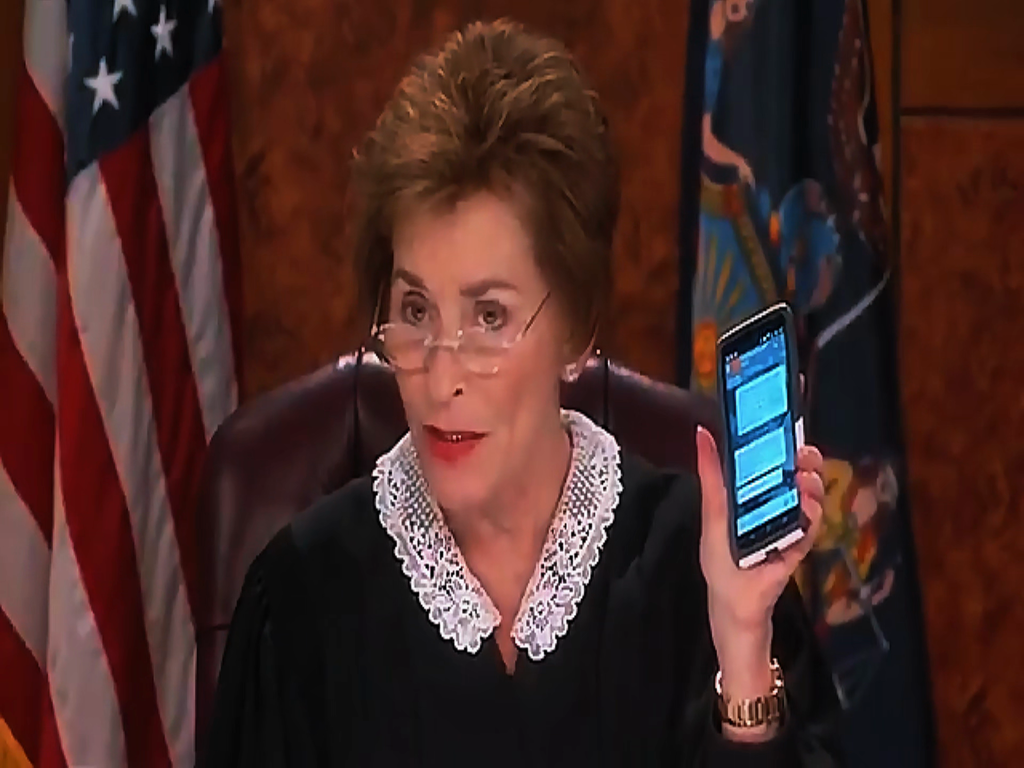
Judge Judy did not need to reconstruct that older figure. The later messages gave her stronger evidence of what remained due.
The Provider Tries to Revive a Larger Debt
The provider insisted that she had not simply given the family four weeks of free daycare. Instead, she described a compromise over the larger back balance. She said the mother had owed $1,450 and that they agreed to reduce what she had to pay.

The mother disputed that account and said a witness could support her version. Judge Judy declined to chase the disagreement further because she was satisfied with the text messages. Those communications documented the parties’ financial discussion without relying on competing memories.
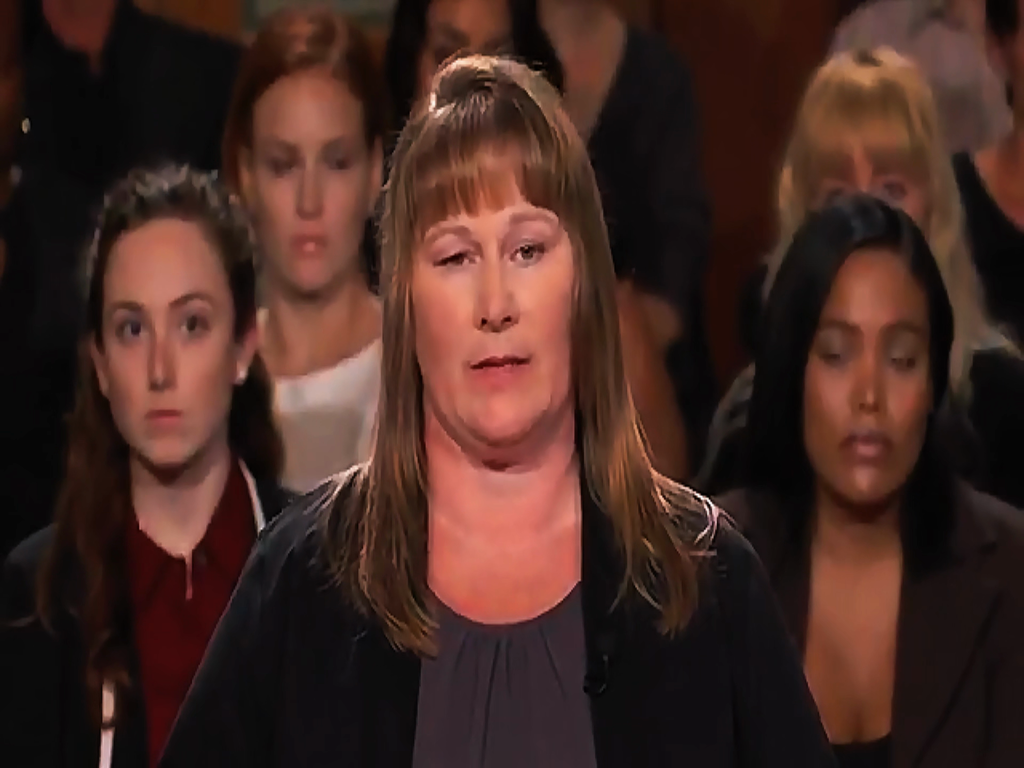
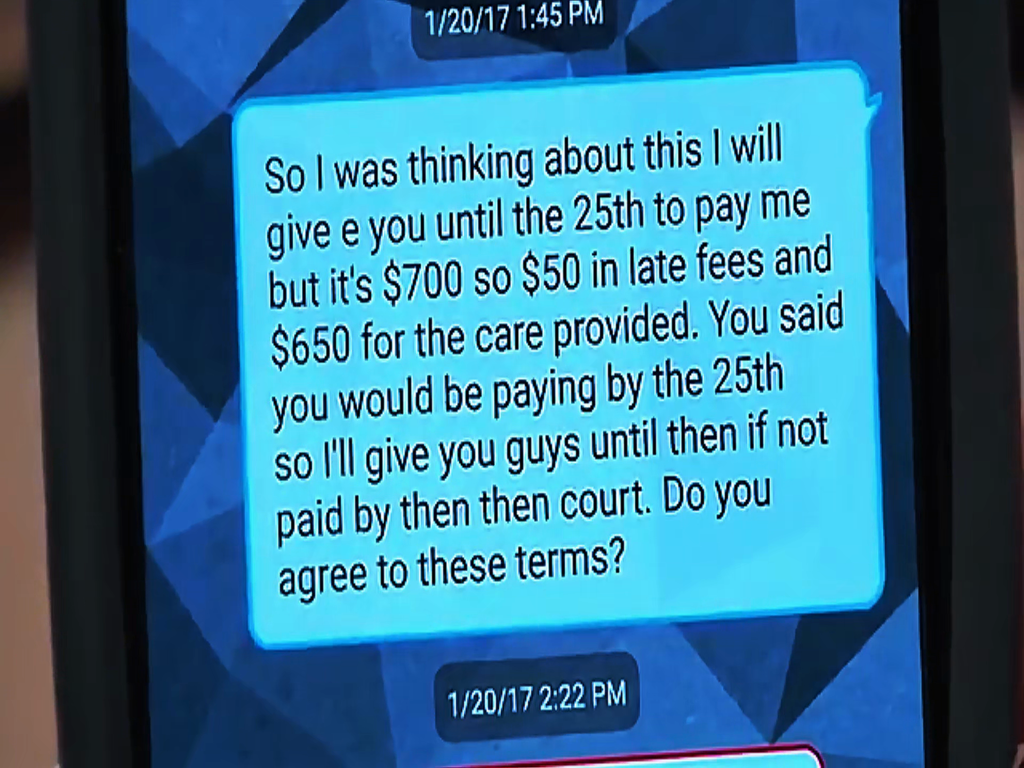
A later message from the provider created another complication. She told the mother she would give the family until January 25 to pay $700, describing that amount as $650 for care plus $50 in late fees.
The mother immediately pointed out that the demanded amounts kept changing.
Changing Numbers Hurt the Daycare Provider’s Case
During the hearing, several figures appeared: $1,450 in alleged back charges, a reduced amount around $650, the mother’s written acknowledgment of $670, and a later demand for $700 that included a late fee. The shifting calculations made it difficult to support the provider’s larger demand.
Judge Judy therefore relied on the clearest sequence of evidence. The mother herself had acknowledged $670 in writing. Both parties agreed that she later handed the provider $200. Nothing complicated remained after that subtraction.
This approach also avoided deciding every disputed detail surrounding the December incident or the history of late payments. Those issues explained why the relationship deteriorated, but they were not necessary to calculate the final debt.
The documentary evidence provided the cleaner answer.
Judge Judy Awards $470
The Judge Judy daycare payment dispute ended with a precise ruling. Judge Judy found that the mother had acknowledged owing $670 and later paid $200. She therefore entered judgment for the plaintiff in the amount of $470.

The ruling was far below the larger back-balance figures the provider discussed in court. Judge Judy did not award $1,450 or the later $700 demand. She followed the amount the defendant had acknowledged and credited the cash payment everyone agreed had occurred.
After the hearing, the parties continued criticizing one another. The provider accused the family of lying, while the mother advised other parents to read reviews and use a trial period when selecting childcare. Those comments did not alter the judgment.
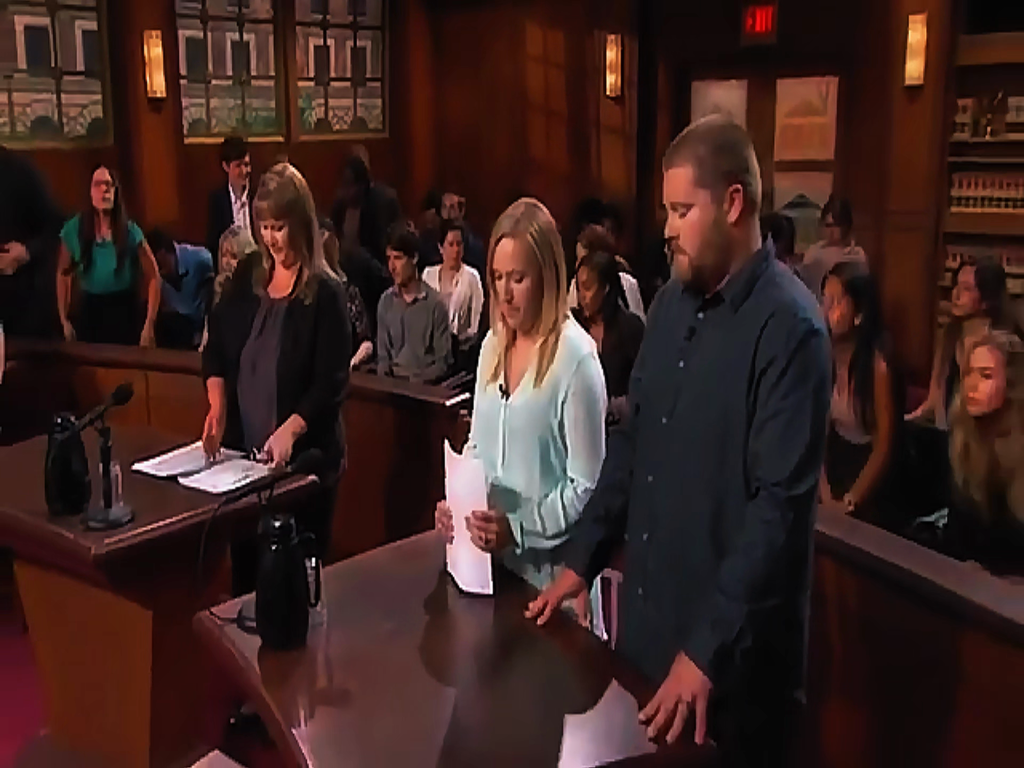
In the end, a case filled with conflicting memories came down to the evidence both sides had created before entering the courtroom: $670 acknowledged in writing, minus $200 paid, equaled $470 still due.
(uc.)
FAQ
What was the Judge Judy daycare payment dispute about?
A daycare provider sued over unpaid childcare charges for two boys, ages eight and six. The mother disputed the amount owed and claimed that four weeks of daycare had been given to the family without charge after an incident involving her older son.
How much did the daycare cost?
The mother testified that she paid $125 per week for both children. She normally paid the daycare provider in cash.
How long did the children attend the daycare?
The boys began attending in December 2015. Their mother said their final day was January 13, 2017.
What did the mother allege happened on December 16?
She testified that the provider told her an 11-year-old boy had shown pornographic material on a cellphone to her eight-year-old son. The provider disputed the mother’s account of that conversation. The transcript does not independently establish exactly what occurred.
Did the children return after the alleged incident?
Yes. The mother acknowledged that the boys returned on December 19 and continued attending until January 13.
Why were the text messages important?
The messages contained the mother’s own statement that the fees under the contract brought the amount owed to $670. She also wrote that the family planned to pay when Josh received his paycheck.
How much did the mother pay after acknowledging the $670 debt?
Both parties agreed that she paid the daycare provider $200 in cash on January 18.
Why did the daycare provider mention $1,450?
The provider claimed the family had previously accumulated $1,450 in back daycare charges. She said they later reached an agreement that reduced that amount. The mother disputed her explanation, and Judge Judy relied instead on the later text messages.
Why did another message demand $700?
The provider later wrote that the family owed $650 for childcare plus a $50 late fee, producing a $700 demand. The varying figures became part of the confusion surrounding the provider’s accounting.
How much did Judge Judy award?
Judge Judy awarded the daycare provider $470. She calculated that figure from the mother’s $670 written acknowledgment minus the $200 cash payment made afterward.
Sources
Judge Judy, the complete supplied subtitle transcript. It establishes the children’s ages, their December 2015 enrollment, January 13, 2017 final attendance date, $125 weekly rate, December 16 allegation, payment history, January text messages, $670 acknowledgment, $200 cash payment and final $470 judgment.