The loan began as an aunt’s attempt to keep her niece’s household afloat during a difficult summer. Months later, only two of six postdated checks had been cashed, the checkbook was gone, and $1,100 remained unpaid. Could babysitting and small household favors erase part of a $1,300 debt? In court, Amy Hook’s own answers reduced a tangled family dispute to a balance she could not deny.

(uc.)
A Family Loan During a Financial Crisis
Amy Hook and her boyfriend, 25-year-old Anthony Moore, were experiencing financial trouble after changing jobs. Hook told the court that the rough period began in July. Her aunt, Ms. Lee, stepped in with $1,300 to help them pay rent.
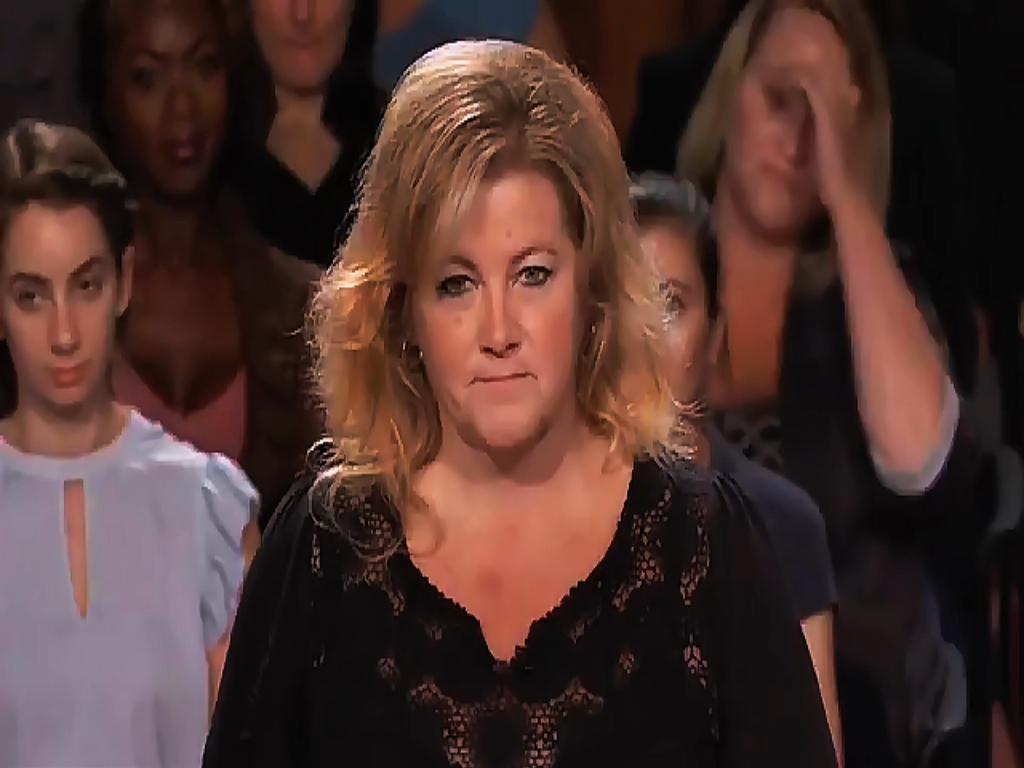
The existence of the loan was not seriously disputed. The judge noted that Hook had acknowledged the borrowing in her written answer, and Hook again confirmed it in court. That admission narrowed the case. The central issue was no longer whether money had changed hands, but how much had been repaid and whether services performed for the aunt could reduce the remaining balance.

The lawsuit also included other allegations: Ms. Lee sought repayment of additional loans and the return or value of a television. Before reviewing the rent money, however, the judge sharply limited what she would consider. The television, regardless of whether it had once been new, was treated as an old item with no recoverable value in this hearing. The loan was the claim that mattered.
Six Checks and a Repayment Plan
Hook described a repayment arrangement built around six postdated checks. Each check was for $100, and Ms. Lee was expected to cash one on Hook’s paydays. The checks accounted for $600 of the $1,300 loan.

That left an immediate gap. Six checks could not repay the full amount, and the judge repeatedly asked what was supposed to happen to the other $700. Hook said the parties had discussed avoiding too many outstanding checks at once. She also claimed that some of the debt could be worked off by babysitting Ms. Lee’s granddaughter.

The arrangement illustrates the weakness of informal family loans. One portion of the debt was represented by checks, another was allegedly tied to services, and the rest depended on later discussion. When the relationship deteriorated, there was no single record showing how every dollar would be satisfied.
The Lost Checkbook Explanation
Only two of the $100 checks were cashed. That reduced the original $1,300 loan by $200 and left $1,100. Hook agreed with that calculation in court.
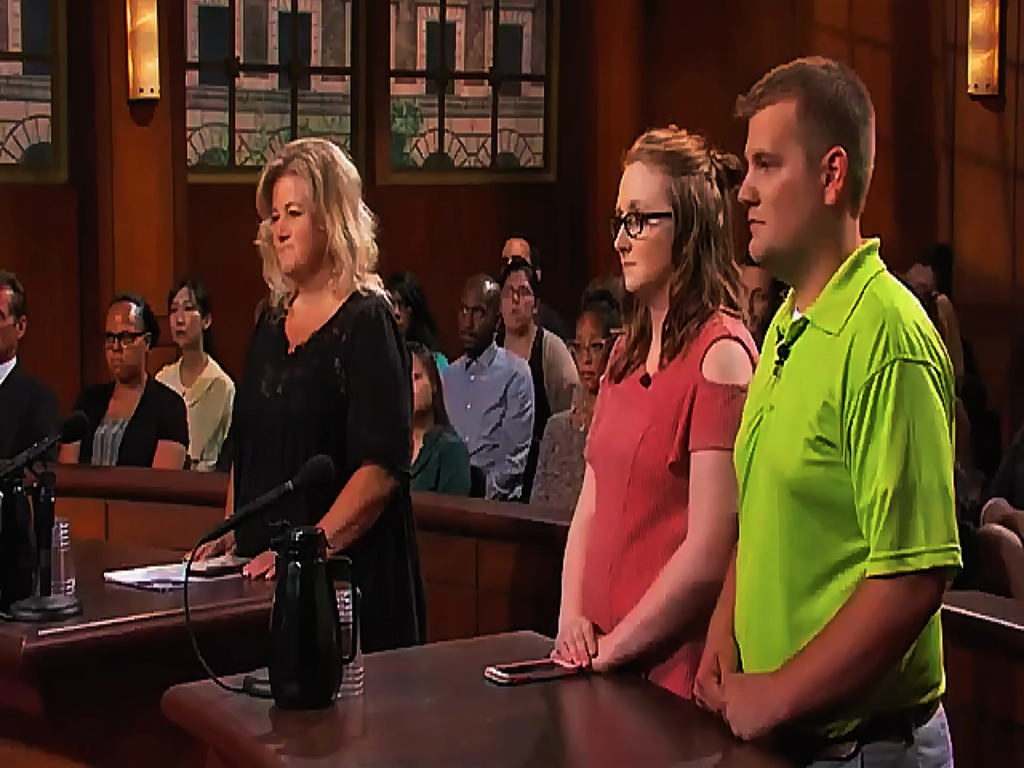
She then explained why the remaining checks had not been honored. Moore had traveled to Duluth to visit family and lost the couple’s checkbook. Their bank account was closed, and they opened a new one. Hook said she and Moore went to Ms. Lee’s home, told her what had happened, and discussed how to continue paying.
According to Hook, her aunt responded that they would eventually work it out. Hook said she offered to pay cash for part of the balance because she no longer had checks. But when the judge asked the decisive question – whether the $1,100 had actually been returned in cash – Hook answered no.

The missing checkbook may have explained why the original payment method ended. It did not establish that the underlying debt had disappeared.
Babysitting and Informal Credits
Hook attempted to place more weight on the help she and Moore had provided. She said they watched Ms. Lee’s granddaughter, let the dogs outside, and performed similar tasks. In her version, Ms. Lee told them not to worry about half of the debt because they could work it out through those services.
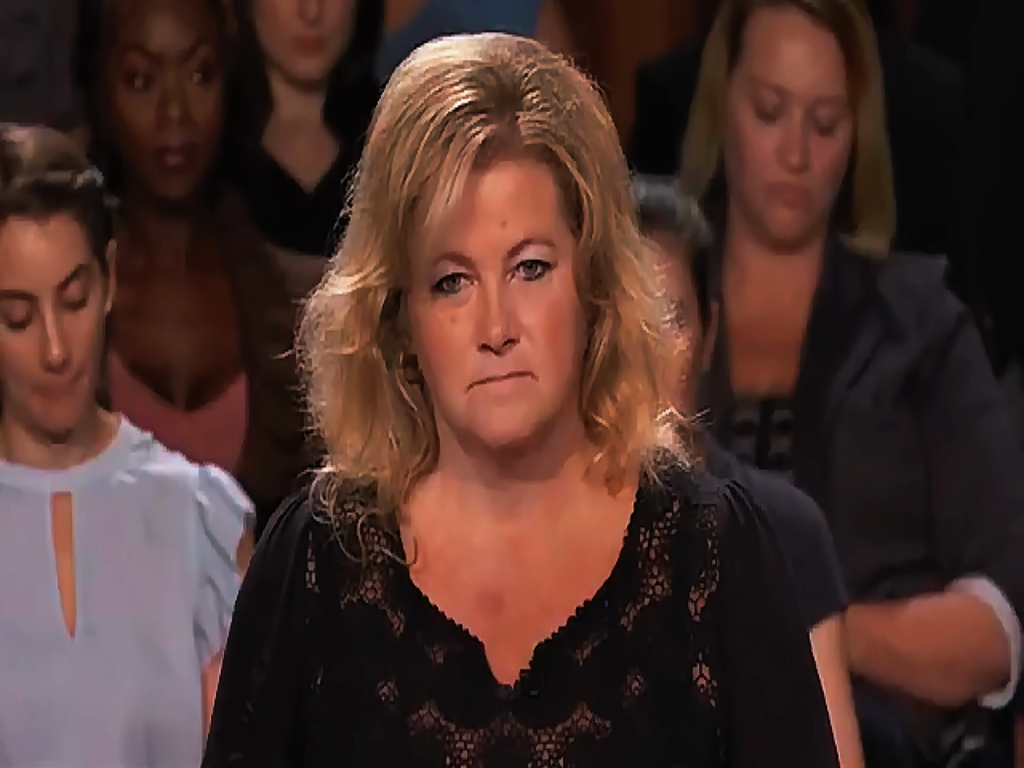
The transcript does not identify an hourly rate, a complete list of dates, or an agreed dollar value for the work. Nor did Hook present a calculation showing that the babysitting and household help equaled the unpaid $1,100. Her testimony remained general while the loan and the two cashed checks were specific.

That contrast shaped the hearing. The judge could subtract the $200 already paid because the amount was clear. The claimed work credits lacked the same precision. Without a documented valuation, they could not overcome Hook’s acknowledgment that $1,100 in currency had not been repaid.
Older Loans From 2015
Ms. Lee also raised two earlier loans from December 2015. She said she paid the couple’s apartment deposit when they moved to town and expected repayment the following month. A few weeks later, Hook allegedly returned in tears and asked for Christmas money for the children. Ms. Lee said she provided that money as well.
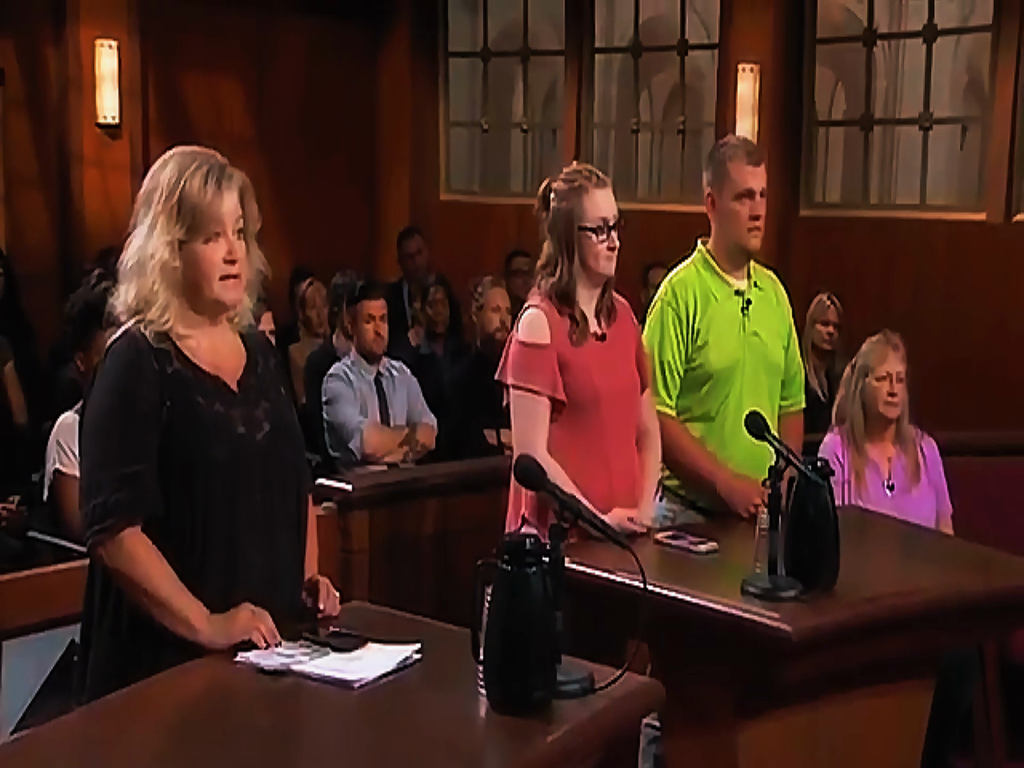
The judge declined to pursue those older transactions. By July 2016, Ms. Lee had chosen to lend Hook another $1,300 even though the December obligations were still disputed. Ms. Lee explained that Hook had been making some payments, which was why she felt comfortable extending additional help.

Rather than reconstruct every prior exchange, the judge focused on the later rent loan and its clean arithmetic: $1,300 borrowed, $200 paid, and $1,100 outstanding.
Why the Television Claim Disappeared
The television was dismissed from consideration at the outset. Ms. Lee maintained that it had been brand new, but the judge viewed it as an old television without meaningful present value. The court therefore did not decide whether Hook and Moore had borrowed it or were required to return it.
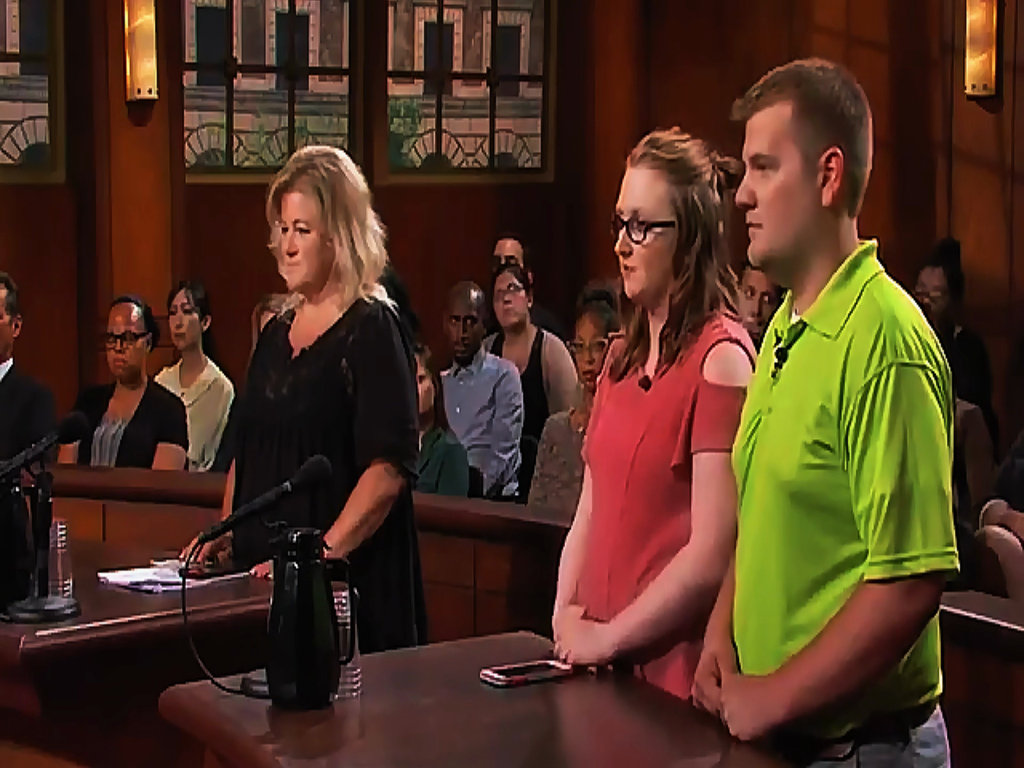
That distinction is important. The absence of a television award did not resolve the parties’ competing stories about possession. It meant only that the judge would not spend the hearing assigning value to the item. The enforceable portion of the case was the admitted loan balance.
The $1,100 Judgment
The ruling was brief and direct: judgment for the plaintiff in the amount of $1,100. The award matched the unpaid balance of the July 2016 rent loan after crediting the two $100 checks that Ms. Lee had cashed.

No additional amount was awarded for the television or the December 2015 transactions discussed in court. The judgment rested on the loan Hook admitted receiving and the repayment she admitted had not been made in cash.
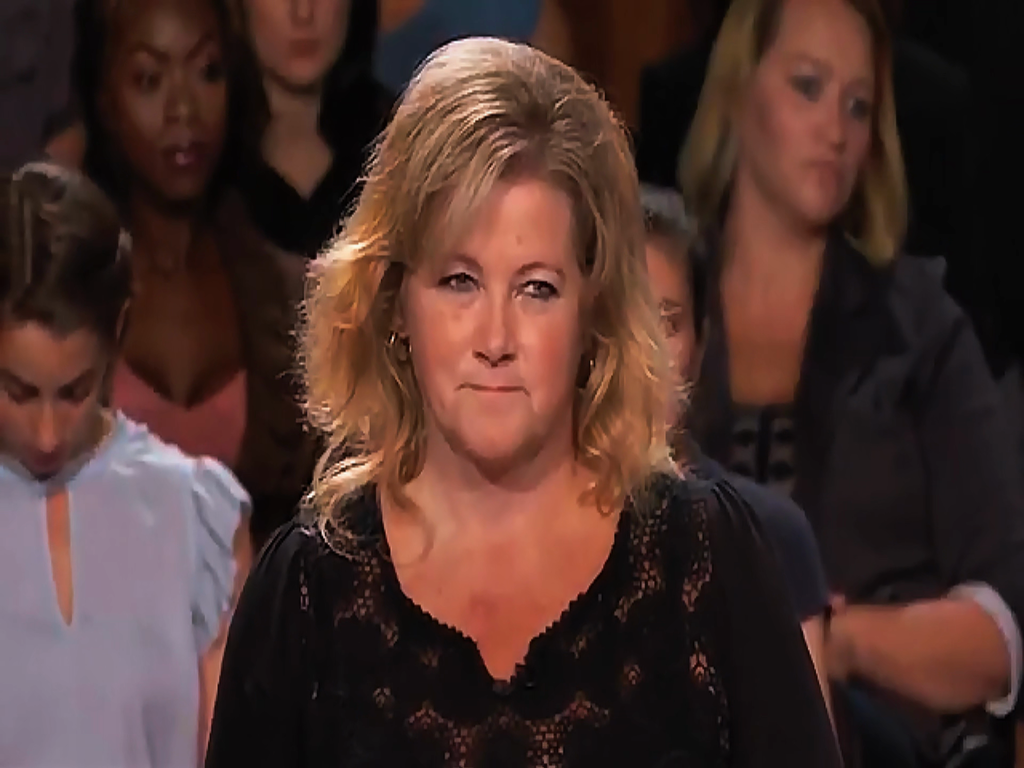
After the hearing, the financial result gave way to a more painful family reckoning. Hook said $1,100 was enough to get her aunt out of her life and accused Ms. Lee of harassment, bullying, cruelty, and threats. Ms. Lee said Hook was her niece and someone she believed she could trust. She declared that neither Hook nor Moore would ever receive another nickel from her. These were the parties’ emotional statements after judgment, not additional findings by the court.
When Financial Help Breaks a Family Bond
Lee v. Hook and Moore was resolved through simple arithmetic, but the story behind the numbers was not simple. The aunt had helped with rent during a job transition, had accepted a check-based repayment plan, and, according to Hook, had also accepted childcare and household favors. Once the account closed and the family relationship fractured, those flexible arrangements became competing memories.

The case demonstrates why relatives should document loans with the same care they would use in a transaction between strangers. A written schedule should identify the total amount, every payment date, and whether services can substitute for cash. If work is accepted, the parties should record its value when it occurs.
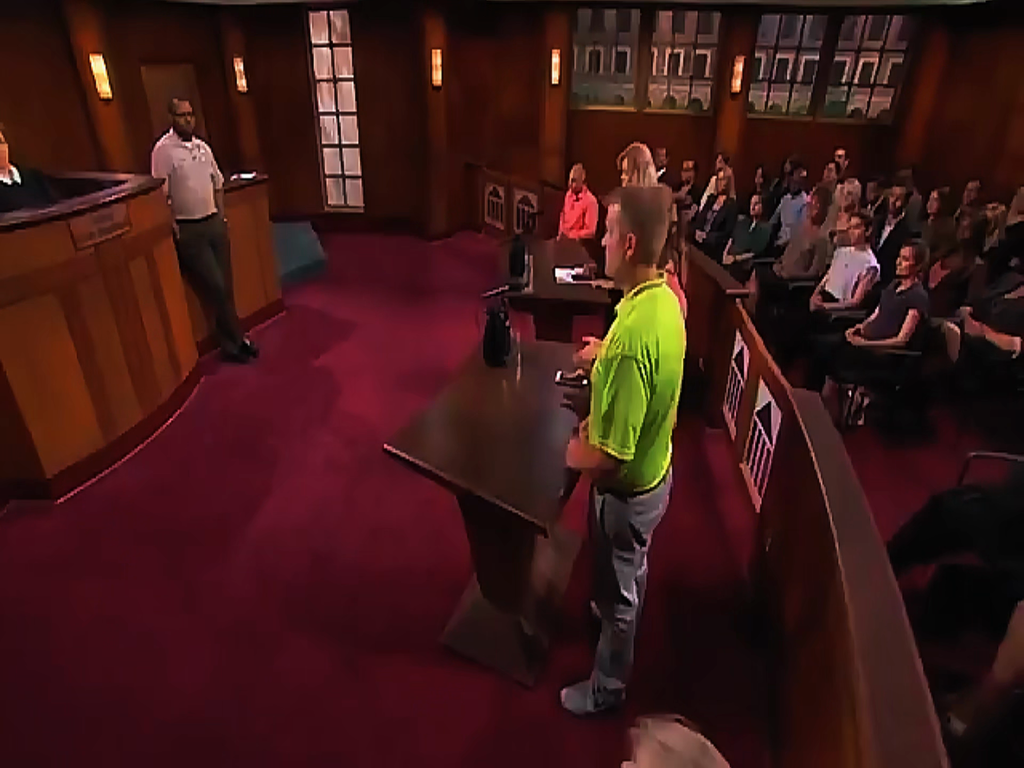
Such precautions may feel uncomfortable inside a family. Yet the courtroom showed the greater cost of leaving expectations undefined. By the end, the judge could settle the $1,100 debt, but no ruling could restore the trust that had once made the loan possible.
(uc.)
FAQ
Who sued Amy Hook and Anthony Moore?
Amy Hook’s aunt, Ms. Lee, sued Hook and her 25-year-old boyfriend, Anthony Moore, over unpaid loans and the return or value of a television.
Why did Amy Hook borrow $1,300?
Hook said she and Moore were having financial difficulties while changing jobs, and the money was used for rent.
How much of the rent loan was repaid?
Ms. Lee cashed two $100 checks, so $200 of the $1,300 loan was repaid and $1,100 remained outstanding.
Did babysitting erase part of the debt?
Hook said babysitting and household favors were meant to satisfy part of the balance, but the transcript records no agreed dollar value sufficient to reduce the established $1,100 debt.
What was the final judgment?
The judge awarded the plaintiff $1,100, matching the unpaid balance of the July 2016 rent loan.
Sources
Judge Judy, the supplied courtroom transcript of Ms. Lee’s case against Amy Hook and Anthony Moore.
Post-hearing accusations are attributed to the speakers and distinguished from the court’s findings.