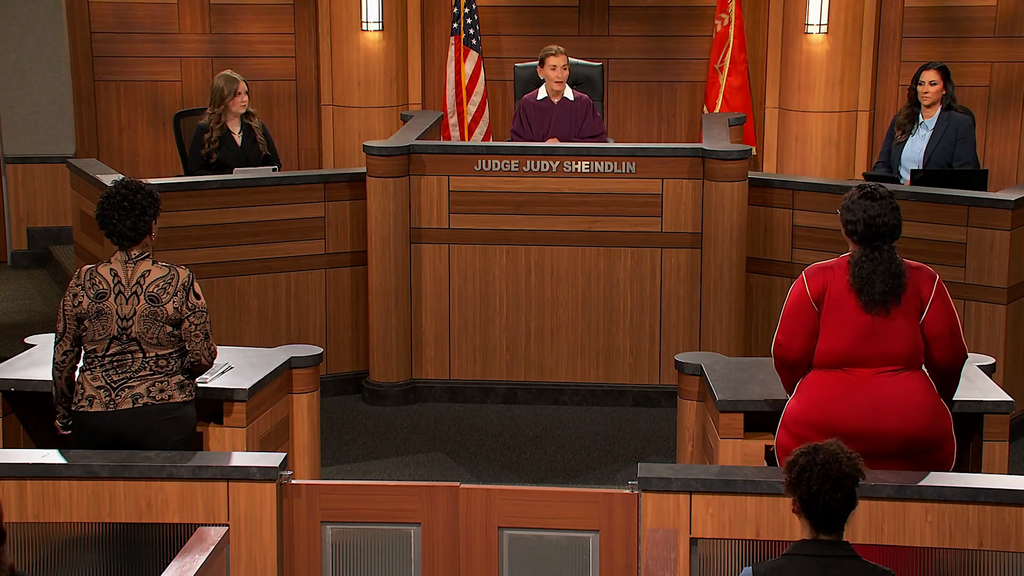
For more than 40 years, Danielle McFee and Latisha Snell shared the kind of friendship in which a small favor required no written agreement. On July 30, that trust was reduced to a lottery ticket, a $35 Cash App transfer and one winning birthday number. The prize was $2,700—enough to turn excitement into accusation almost overnight. When half the money remained in Snell’s hands, the former friends faced a judge who had to decide whether buying and cashing the ticket made her a co-winner—or simply the person entrusted to deliver McFee’s prize.
(uc.)
A Friendship Built Over Four Decades
Before the lottery ticket, there was a friendship that had lasted more than 40 years.
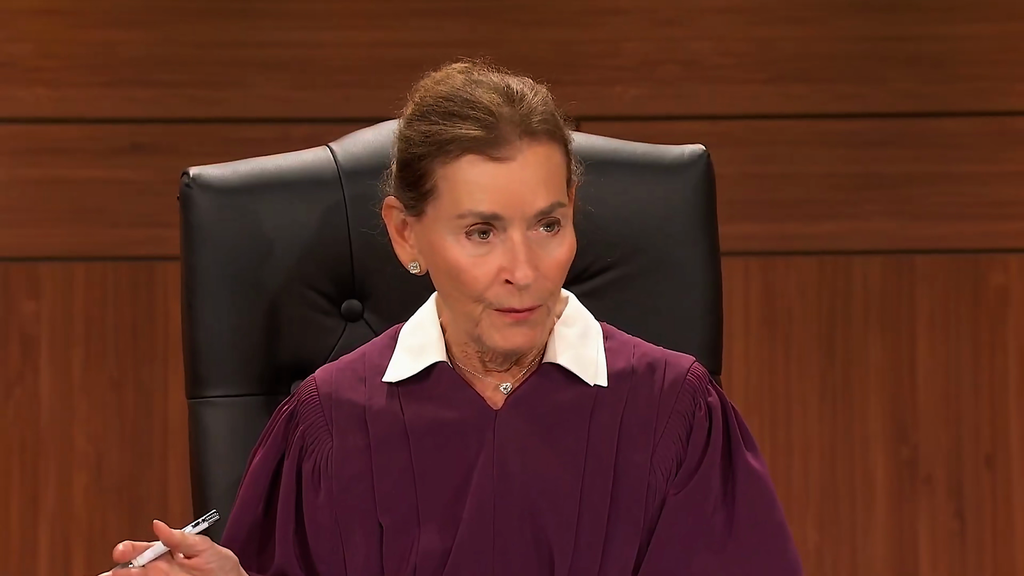
Danielle McFee and Latisha Snell lived in different counties, but they remained in regular contact. Both women played the lottery and had familiar numbers they returned to. McFee identified hers as 1-0-0-4, a number tied to her birthday. Snell said she played many combinations across Pick 3, Pick 4 and Pick 5 games.
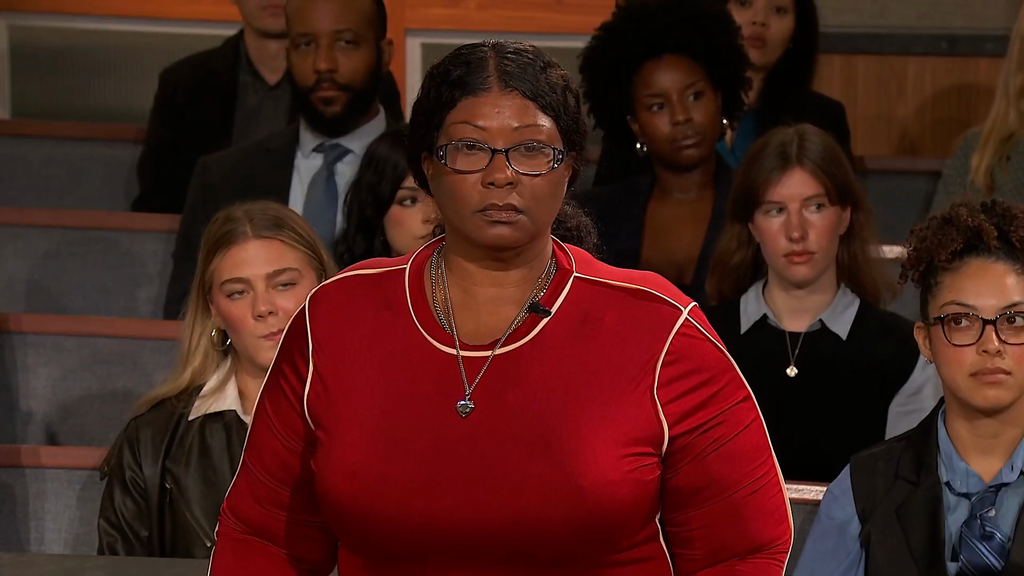
Nothing in their history, as presented in court, suggested that the women operated a formal lottery pool. They did not routinely combine money, divide tickets or agree in advance to share every prize. They were longtime friends who sometimes talked about the lottery.
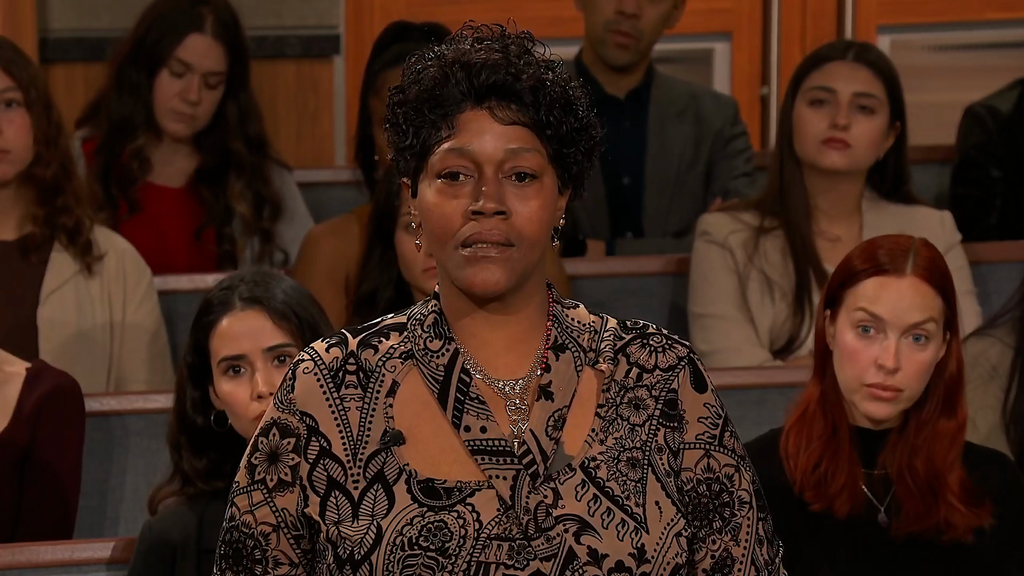
That distinction became decisive. A group lottery arrangement may involve a shared contribution and an understanding that any winnings will be divided. The July 30 transaction between McFee and Snell was different: one friend sent money so the other could purchase tickets using the sender’s chosen numbers.
The favor seemed ordinary until one of those numbers won.
Five Minutes Before the Drawing
On July 30 of the year referenced in the hearing, McFee and Snell were talking by phone. Snell said she needed to end the call because she was going out to play her lottery numbers.
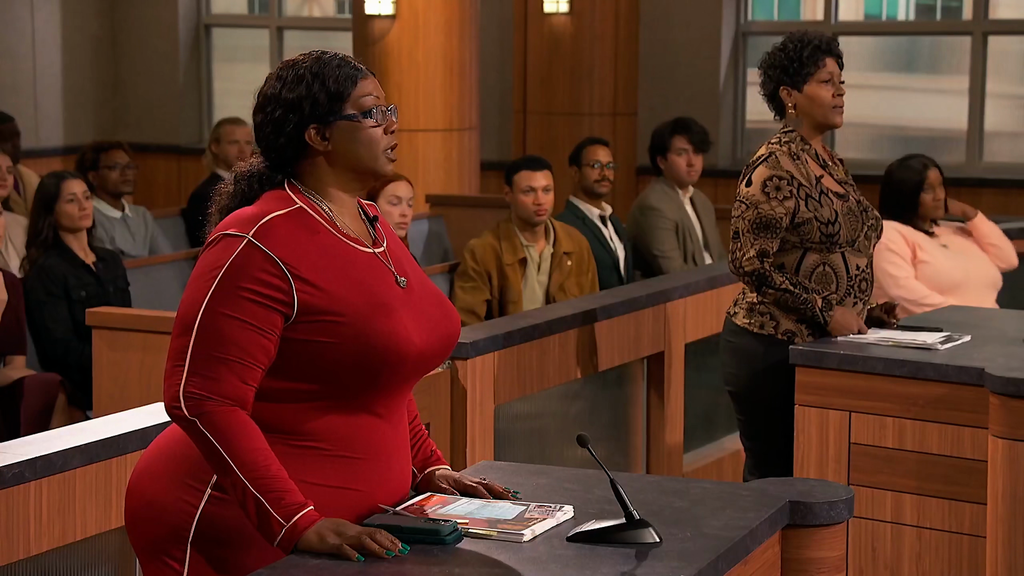
McFee asked Snell to play hers as well. She supplied the numbers and transferred $35 through Cash App. The payment arrived immediately, creating a clear financial trail: McFee provided the money for her tickets, while Snell agreed to purchase them during the same trip.
Snell went to a 7-Eleven with only about five minutes remaining before the drawing. She testified that she entered McFee’s numbers first. McFee’s $35 was used for her plays, while Snell managed to spend only $4 of her own money, purchasing four $1 tickets.
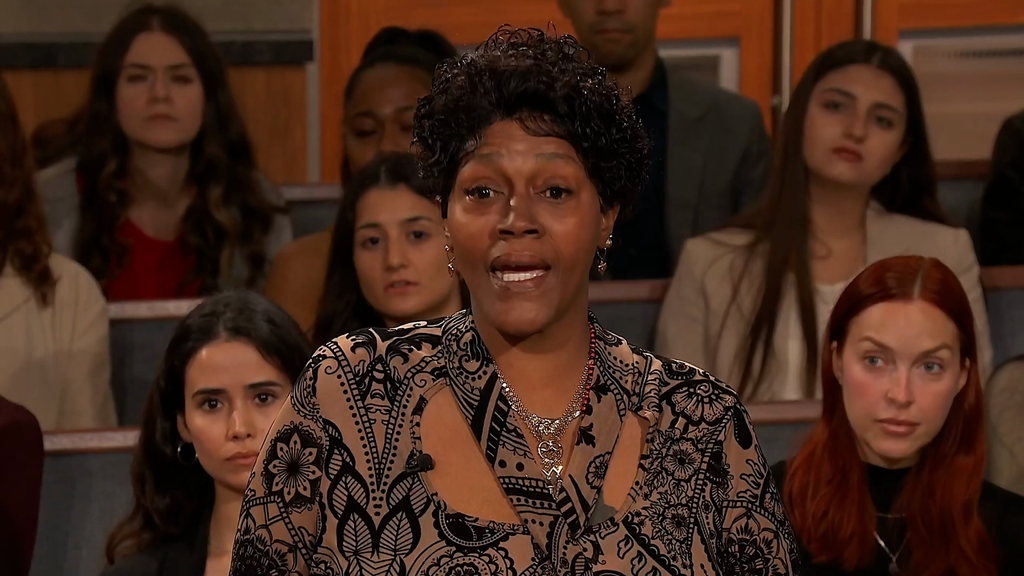
The distinction between those funds mattered. The winning play was not bought from a shared pot. McFee’s money paid for tickets associated with McFee’s selected numbers. Snell’s role was to enter the transaction and physically hold the ticket.
One of the four numbers discussed in court was 1-0-0-4—McFee’s birthday number. It hit.
The Birthday Number Wins
The total winnings were $2,700. At first, both women were excited. Their post-hearing comments suggested that they celebrated the result together over the phone.
Then the question of ownership took over.
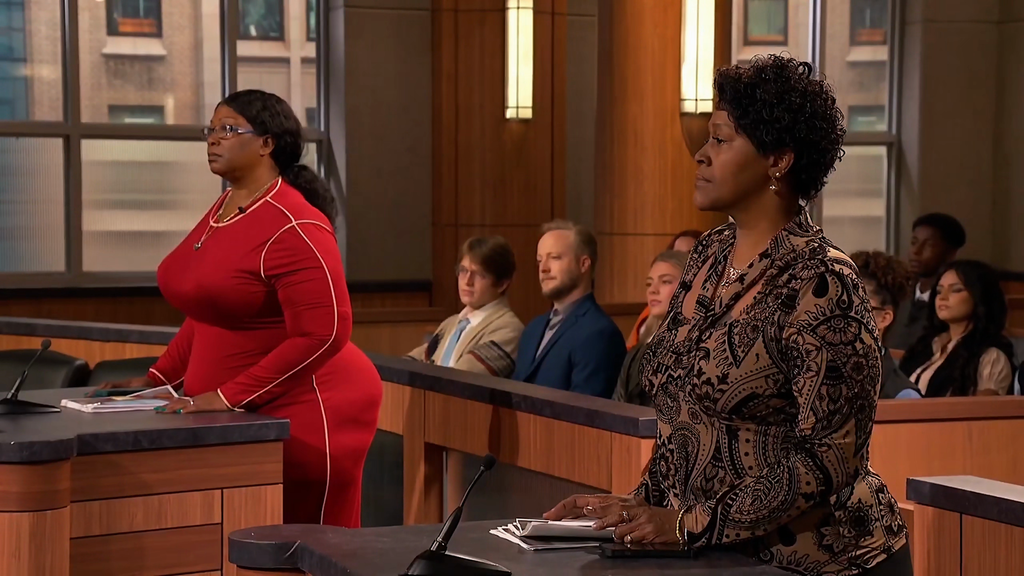
McFee expected the prize generated by her money and her number. According to the court’s summary of the parties’ communications, she offered Snell gas money for handling the ticket. But after disagreement between them, Snell did not transfer the full award.
Instead, McFee received $1,371. Snell retained the remaining $1,329.
The numbers show that Snell had effectively kept close to half the prize. Yet there had been no advance agreement that she would receive half if McFee’s number won. The division was made after the result was known.
McFee sued to recover the withheld winnings and also raised the cost of a rental car connected to her effort to retrieve the ticket. The central claim at the hearing, however, was the $1,329 Snell still held.
Why Snell Kept Half the Prize
Snell told the court she believed she deserved part of the winnings because she had done the “footwork.” She traveled to the store, entered the numbers, held the winning ticket and later drove to the lottery office in Casselberry, Florida, to redeem it.
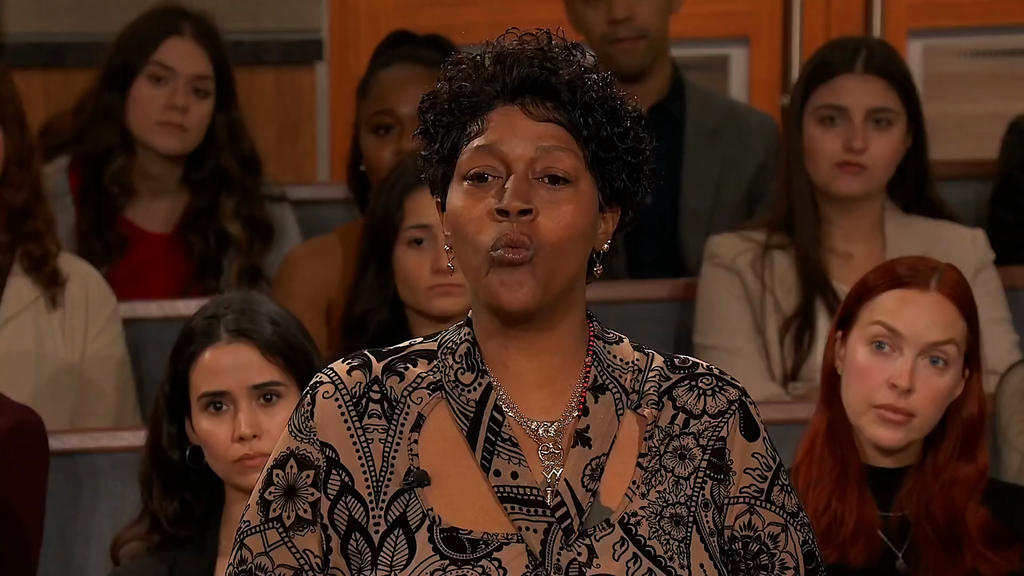
Without her actions, she argued, McFee’s number would never have been played.
That statement was factually understandable but legally incomplete. Snell’s effort made the purchase possible, but the judge focused on whether the women had formed a contract giving Snell a share of the prize.
Such an arrangement would have required a meeting of the minds before the drawing: McFee would send money, Snell would buy the ticket, and both would agree that Snell’s effort entitled her to a specified percentage if the ticket won.

Neither woman described that kind of conversation. McFee did not promise half. Snell did not ask for half before purchasing the ticket. The transfer was made so Snell could play McFee’s numbers with McFee’s money.
Once the winning result existed, Snell could not unilaterally transform a favor into a partnership.
A Favor Is Not a Lottery Partnership
The judge repeatedly separated the two concepts.
In a business relationship, the parties define the exchange. One person might agree to buy tickets in return for a share of any winnings. A group of coworkers might contribute to a common pool and divide the result. Those arrangements can create enforceable expectations because everyone understands the terms before the numbers are drawn.
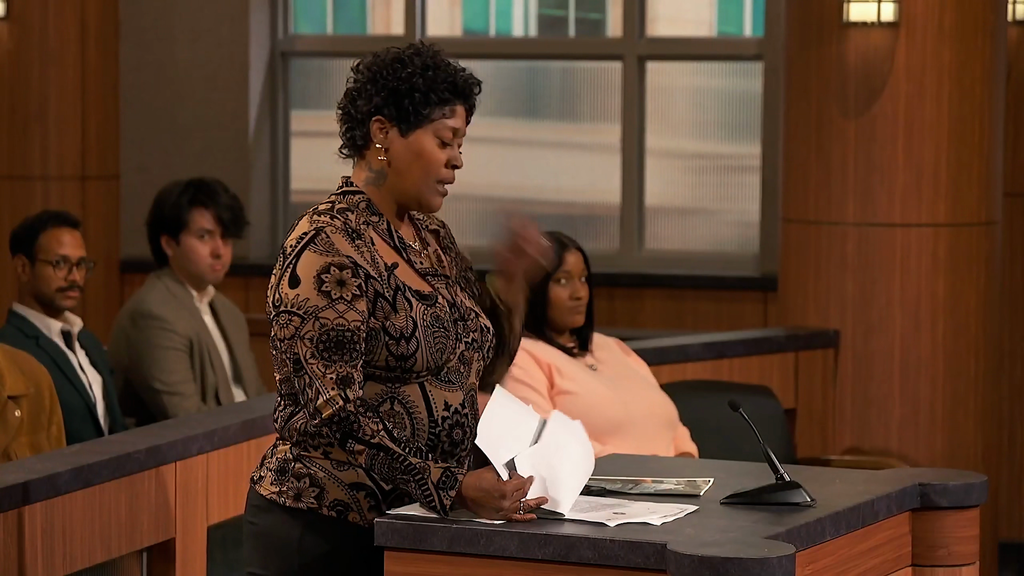
Here, the evidence described a favor. Snell was already going to the store. McFee asked her to add McFee’s chosen plays and immediately provided the full purchase money.
The fact that Snell did the physical work did not create a legal right to half of the ticket’s value. The court compared her claim against the actual arrangement, not the effort she later believed should be rewarded.
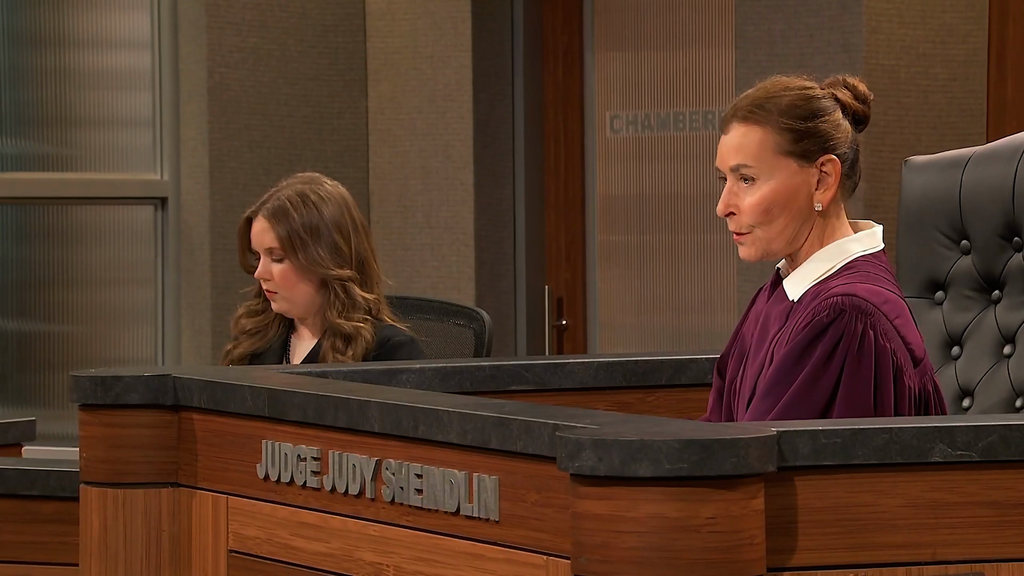
The identity of the winning number strengthened McFee’s position. It was not one of Snell’s personal combinations. It was McFee’s birthday number, supplied for tickets purchased with McFee’s $35.
Snell at one point referred to “our numbers,” but the judge corrected the characterization: McFee’s number had won.
The Dispute Over Cashing the Ticket
The parties also disagreed about who decided that Snell would redeem the ticket.
Snell said she drove to Casselberry to cash it and suggested that McFee had directed or expected her to do so. She pointed to a conversation in which McFee asked what time Snell was going to redeem the ticket.
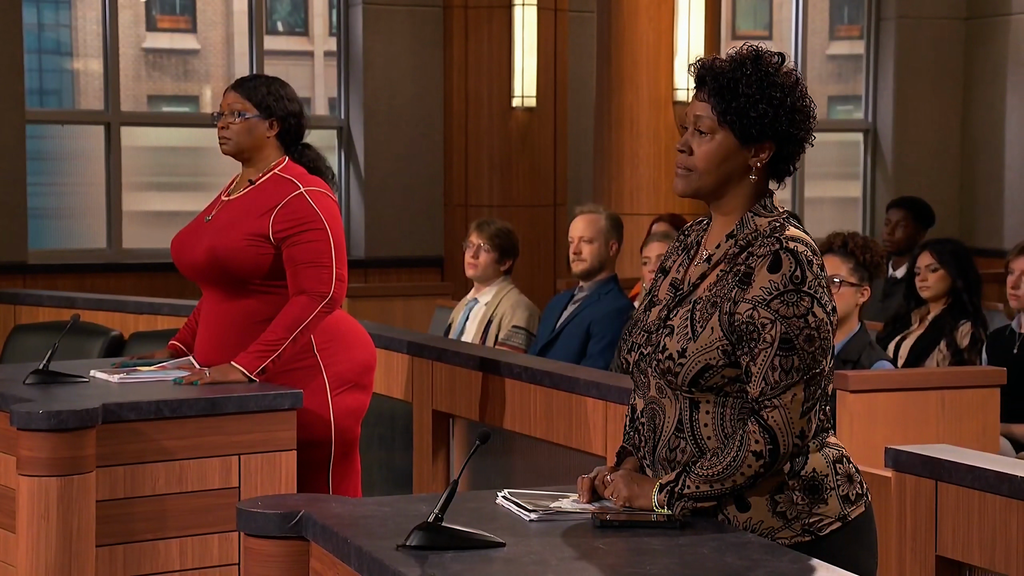
McFee denied asking Snell to cash it. She said she had asked someone named Crystal to rent a car for her so she could travel to Orlando and collect the ticket herself. Her argument was straightforward: if she wanted Snell to redeem the ticket, why would she arrange transportation to pick it up?
Snell responded that McFee did not drive to Orlando until the day after the ticket had already been cashed.
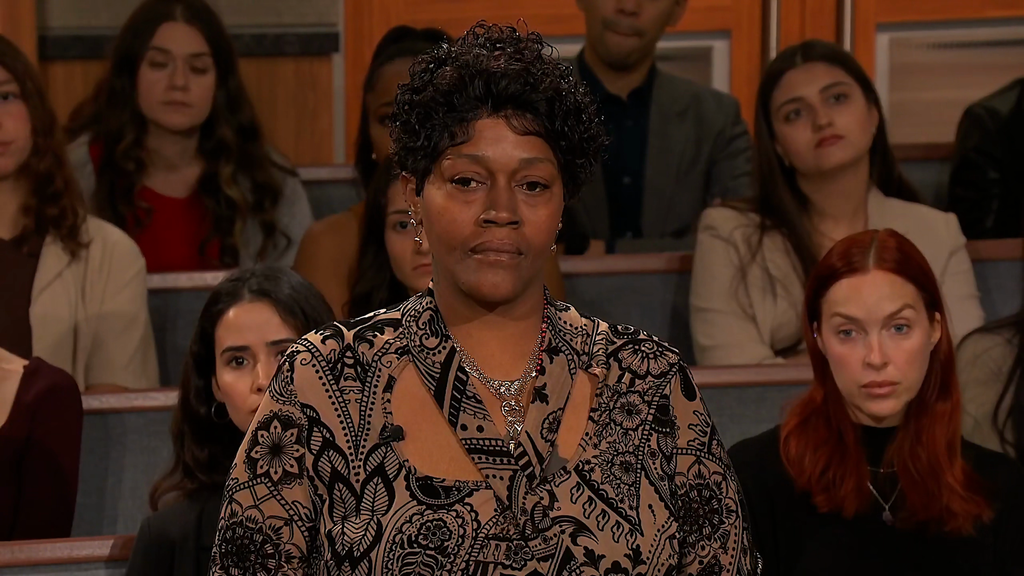
The judge noted that an unsigned ticket could have been handed or mailed to McFee so that she could redeem it herself. That possibility undermined the idea that Snell had no choice but to travel to the lottery office.
The court did not need to resolve every detail of that exchange. Even if McFee knew Snell planned to cash the ticket, cashing it did not establish an agreement to divide the proceeds.
The Disability-Payment Allegation
During the disagreement over redemption, Snell offered another explanation. She alleged that McFee did not want to cash the ticket in her own name because she received disability benefits and could not have the winnings recorded under her name.
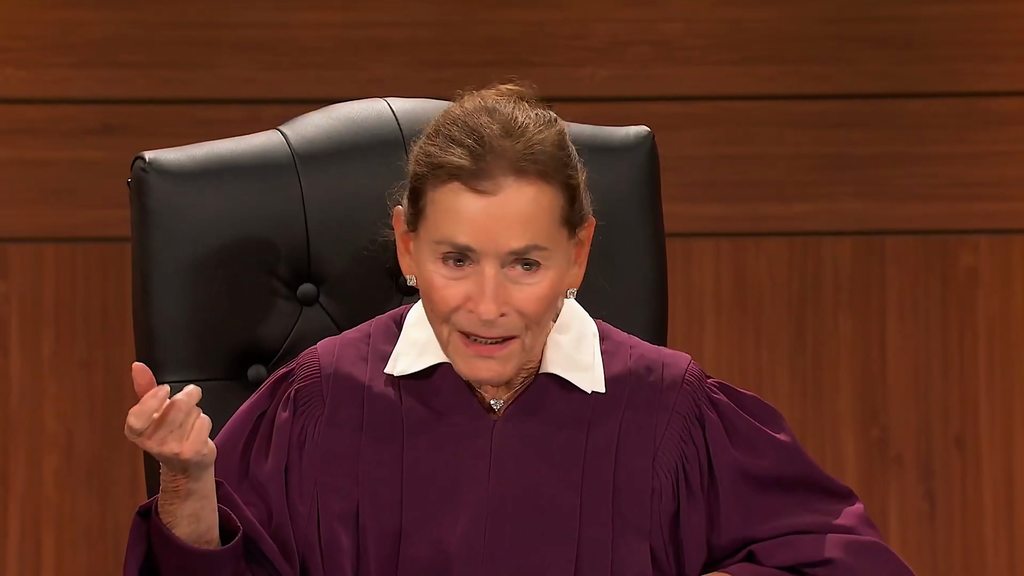
McFee denied asking Snell to redeem it and returned to her plan to travel for the ticket.
The transcript does not contain independent evidence verifying Snell’s statement about McFee’s benefits, nor does it show the court making a finding on that allegation. For that reason, it should be treated only as Snell’s claim—not as an established fact or the basis of the judgment.
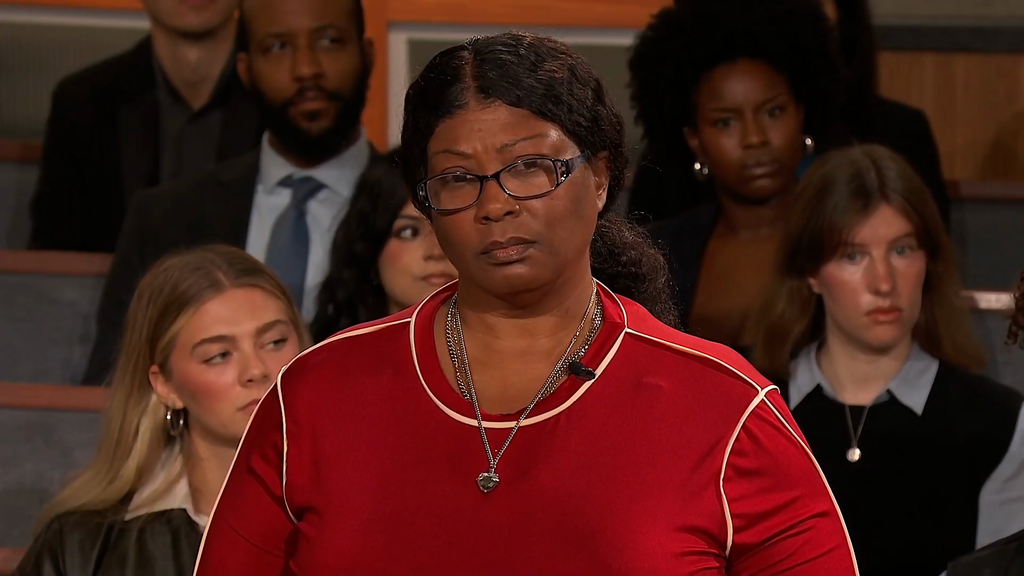
What the court did establish was narrower: regardless of who redeemed the ticket, there had been no pre-drawing agreement that Snell would keep half.
Tax Concerns Enter the Case
Snell also argued that because the ticket had been redeemed in her name, she could become responsible for taxes on the winnings.
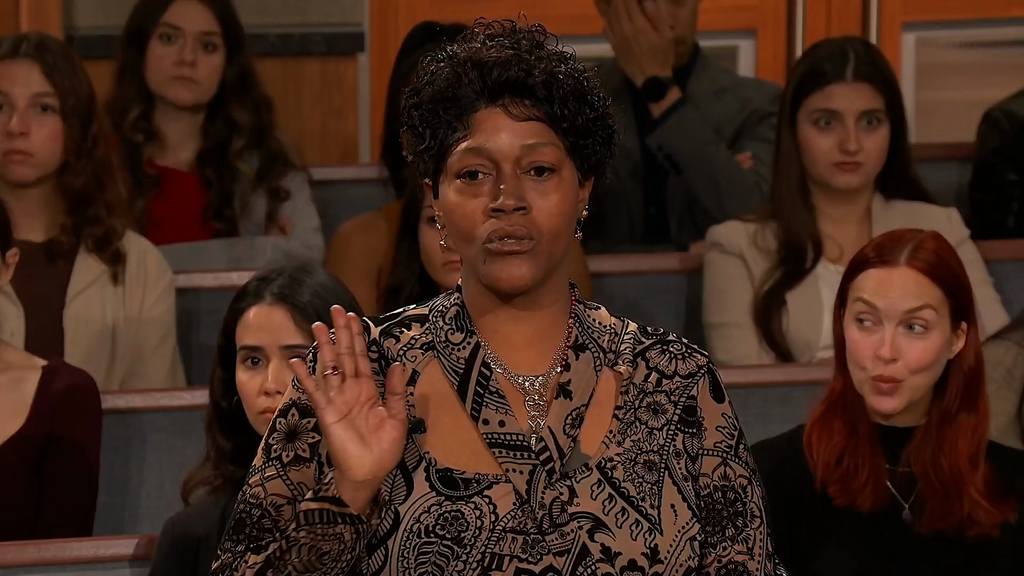
The judge acknowledged that tax responsibility could attach to the person whose name appeared on the claim. When asked about her circumstances, Snell said she worked as a sanitation lead but was currently out of work. The judge told her that, given the information presented, she did not need to worry about taxes.
The tax discussion did not change ownership of the money. A potential obligation created by redeeming another person’s ticket was not an agreement granting Snell half the prize. Nor did it allow her to choose her own compensation after the ticket won.
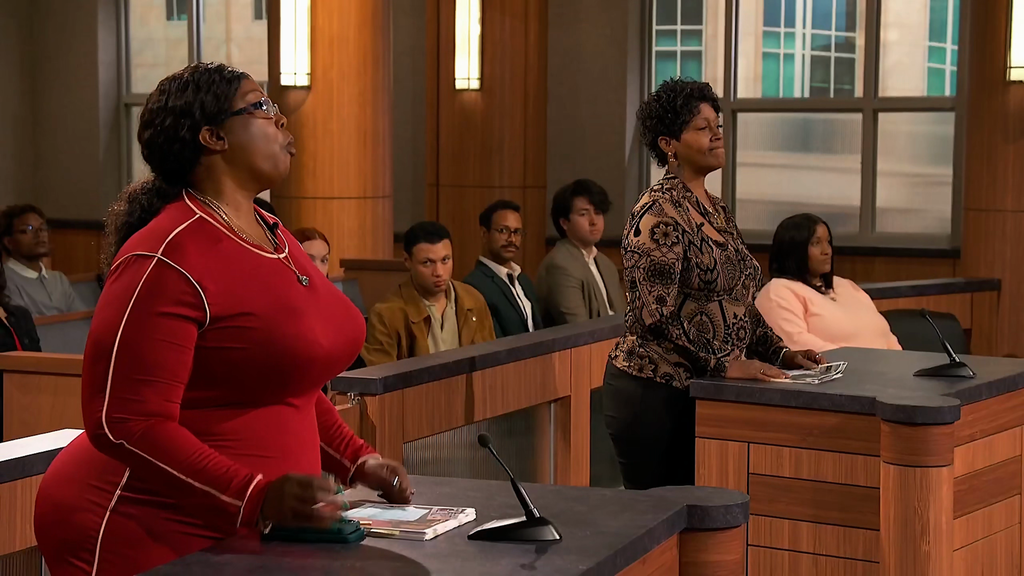
If the parties had discussed taxes, travel expenses or a redemption fee in advance, the case might have involved a different contract analysis. They did not.
The $1,329 Judgment
The court entered judgment for Danielle McFee in the amount of $1,329—the exact balance of the $2,700 prize that remained after Snell transferred $1,371.
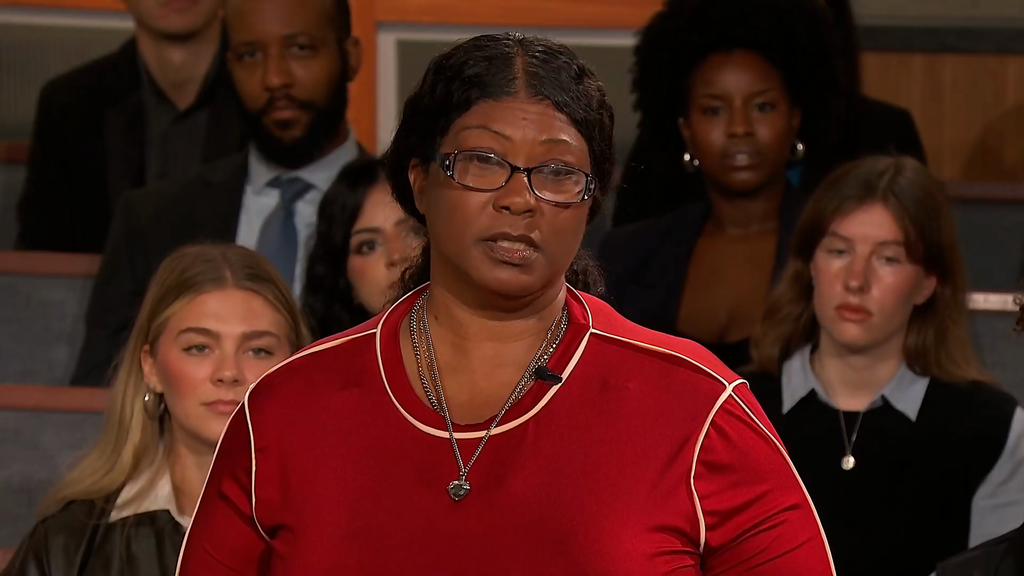
The result treated the winnings as McFee’s money. She chose the number, provided the purchase funds and never agreed to share the prize in exchange for Snell’s help.
The ruling did not award Snell compensation for driving, buying the tickets or redeeming the winner. Those acts were performed as part of a favor, not under a contract that promised her half.

After court, Snell said she believed the outcome was unfair because she had done much of the work. McFee described herself as pleased with the ruling but deeply troubled by what had happened between them. She accused her former friend of greed and emphasized that the relationship had lasted more than four decades.
The money was recoverable. The friendship was not.
How a Clear Arrangement Became a Broken Friendship
The legal issue was relatively simple; the emotional consequences were not.
McFee and Snell did not begin as strangers negotiating a transaction. Their long history likely made paperwork feel unnecessary. Trust filled the space where written terms might otherwise have appeared.
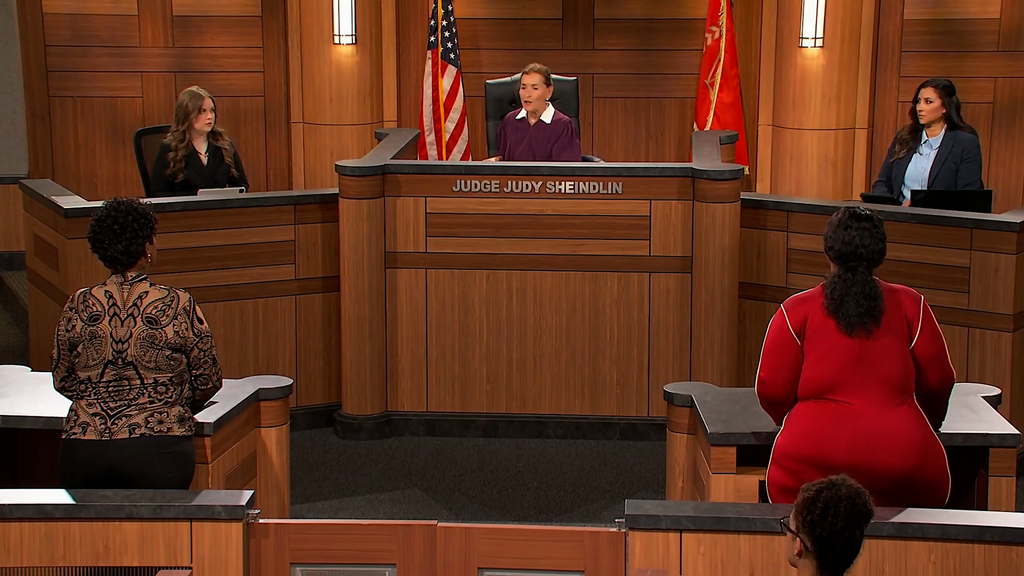
But lottery winnings introduce a sharp divide between expectation and ownership. Before a drawing, buying a ticket for a friend may feel like a minor errand. After the same ticket is worth thousands of dollars, time, travel and possession can suddenly feel like contributions deserving a share.
The court refused to rewrite the original understanding based on the result. Snell possessed and redeemed the ticket, but possession did not erase the source of the money, the origin of the number or the absence of a profit-sharing agreement.
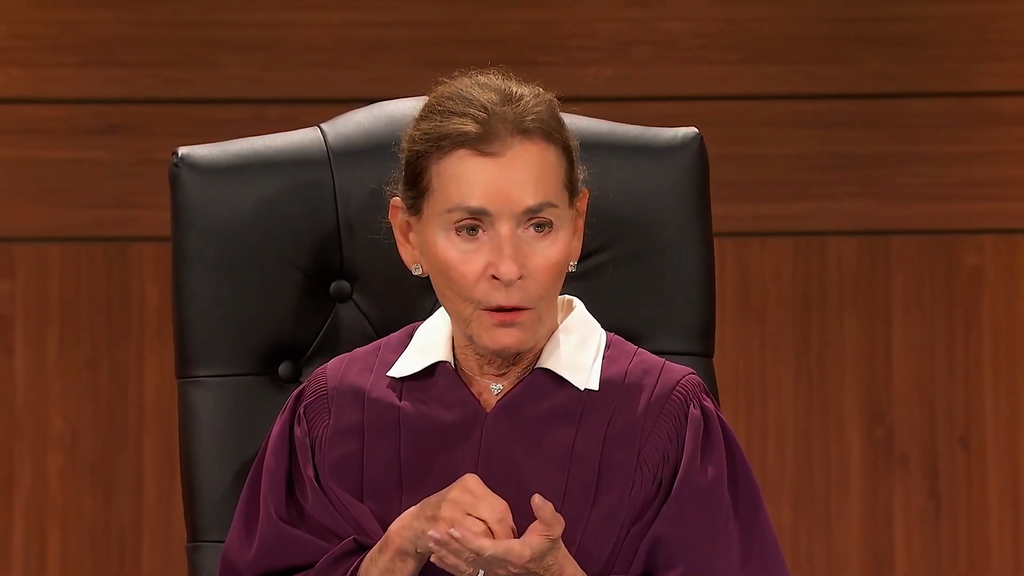
The post-hearing discussion distinguished this dispute from an office lottery pool. In a genuine pool, participants contribute under a shared expectation that winnings will be split. This was not a pool. It was a request to “play my birthday,” backed by money sent specifically for that purpose.
The case offers a practical warning for anyone buying lottery tickets with or for others. Before the drawing, record who paid for each ticket, who owns it, whether winnings will be shared and who will handle redemption or taxes. A short written message can protect both the money and the relationship.

McFee recovered $1,329 because the arrangement was clear enough for the court to identify her as the owner of the winning play. Yet the final comments from both women revealed the larger cost: a friendship of more than 40 years ended over a prize of $2,700.
(uc.)
FAQ
Who were the parties in the $2,700 lottery dispute?
Danielle McFee was the plaintiff, and Latisha Snell was the defendant. They had been friends for more than 40 years before the disagreement over the winning ticket.
Who paid for the winning lottery ticket?
McFee sent Snell $35 through Cash App to purchase tickets using McFee’s numbers. Snell used $4 of her own money for four separate $1 tickets.
What number won the lottery prize?
The winning number discussed in court was 1-0-0-4, which McFee identified as her birthday number.
Why did Latisha Snell keep part of the winnings?
Snell argued that she deserved a share because she purchased the tickets and traveled to redeem the winner. The court found no advance contract granting her half of McFee’s prize.
How much did Danielle McFee win in court?
McFee received a judgment for $1,329, the amount Snell retained after transferring $1,371 from the total $2,700 lottery winnings.
Sources
- Judge Judy, including the testimony of Danielle McFee and Latisha Snell, the payment and ticket details, the court’s ruling and the post-hearing discussion. No outside facts have been added. The statement concerning disability benefits is identified as Snell’s allegation because the transcript contains no independent verification or judicial finding on that point.