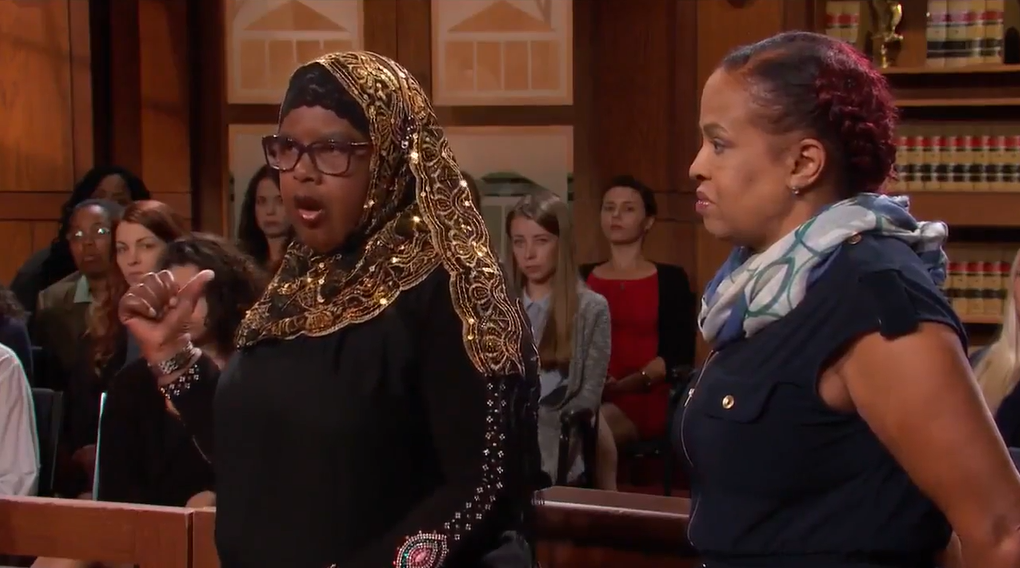
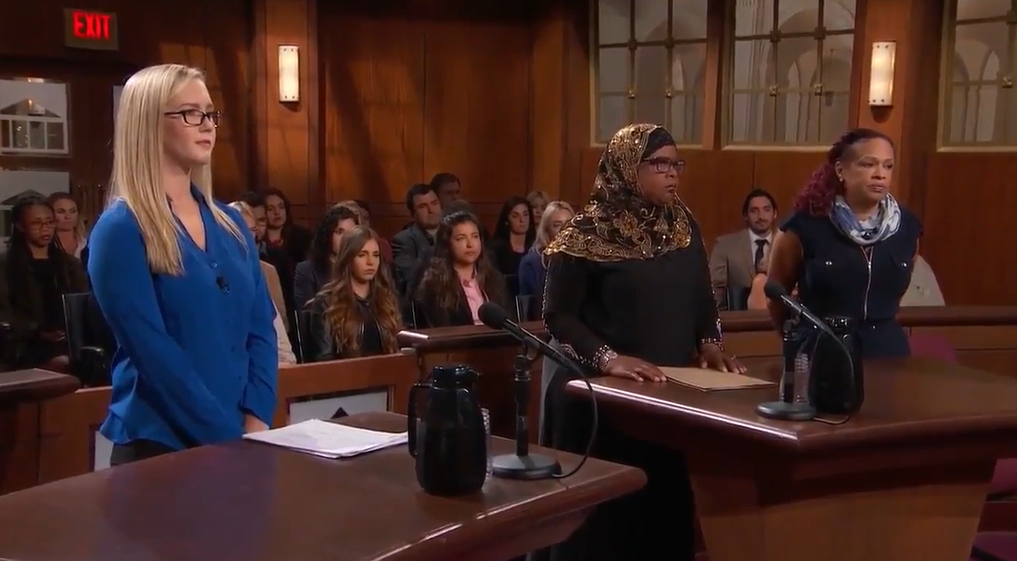
To 18-year-old Amanda Sidroni, the traffic law seemed absolute: she had an illuminated green arrow, while the other motorist was facing a red light. Yet when her property damage lawsuit reached courtroom arbitration, that protected turn signal was not enough to overcome the sworn testimony of a neutral passenger sitting in the other vehicle’s back seat.
The Midday Collision at Perry Hall and Rossville
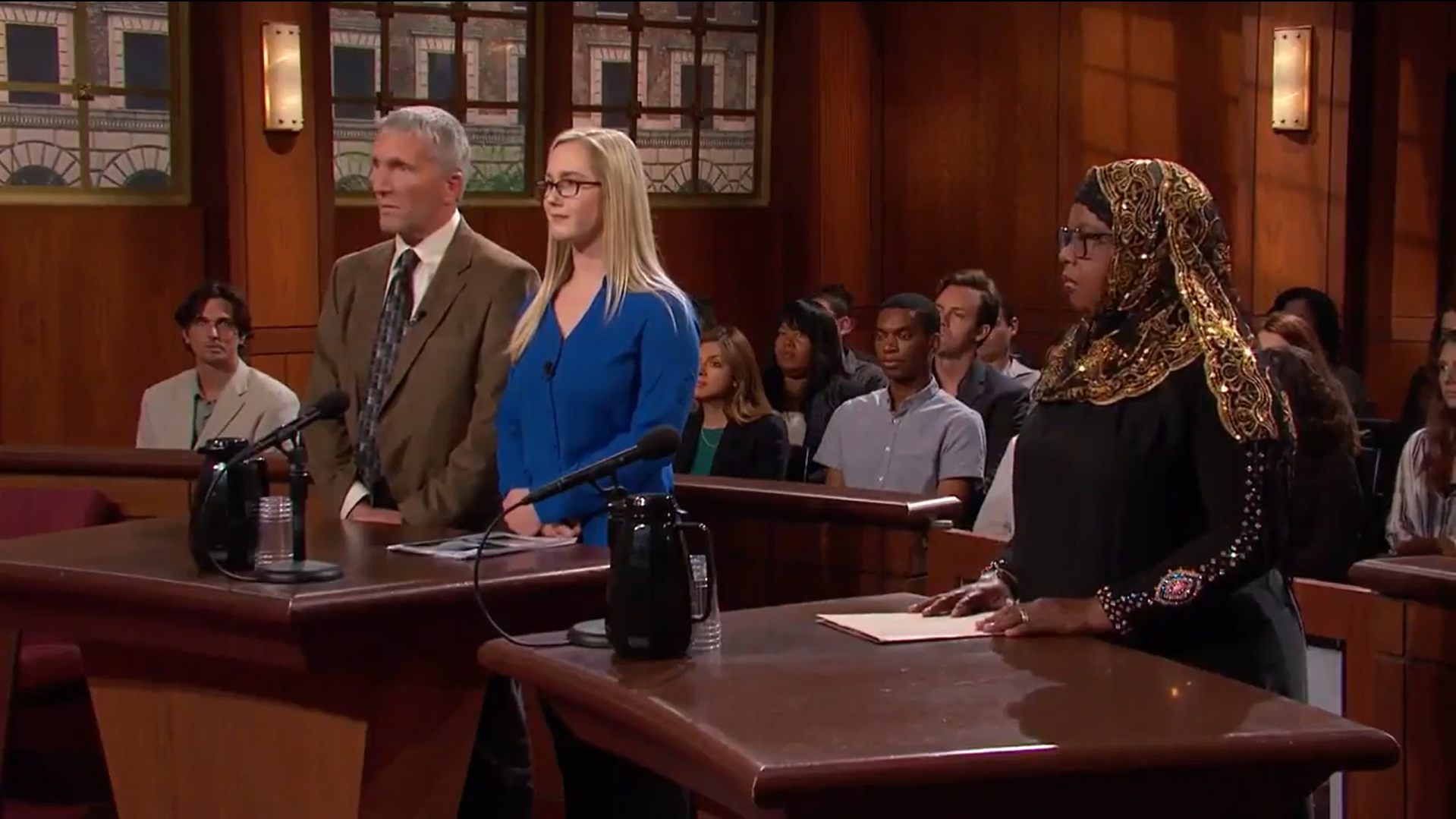
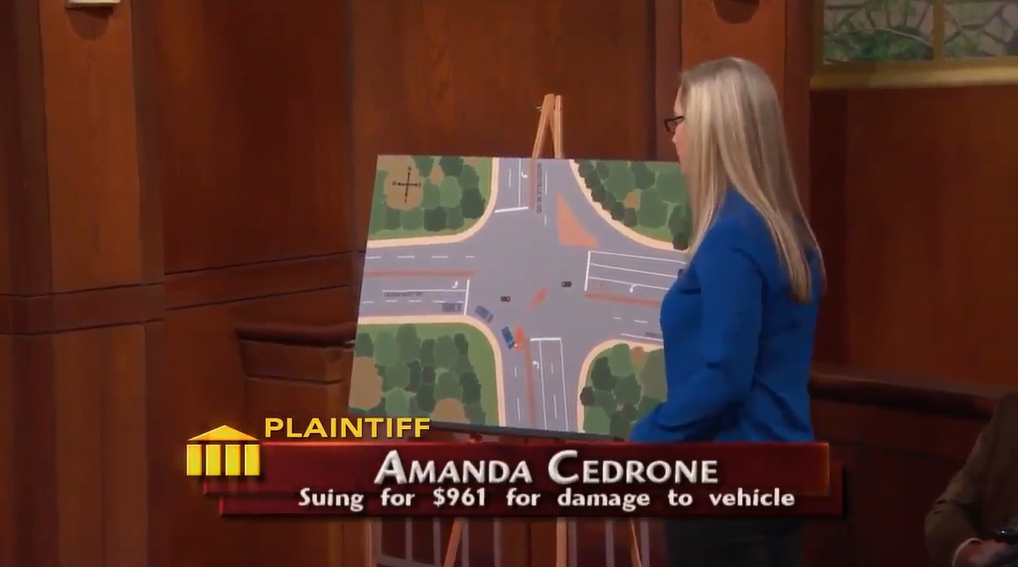
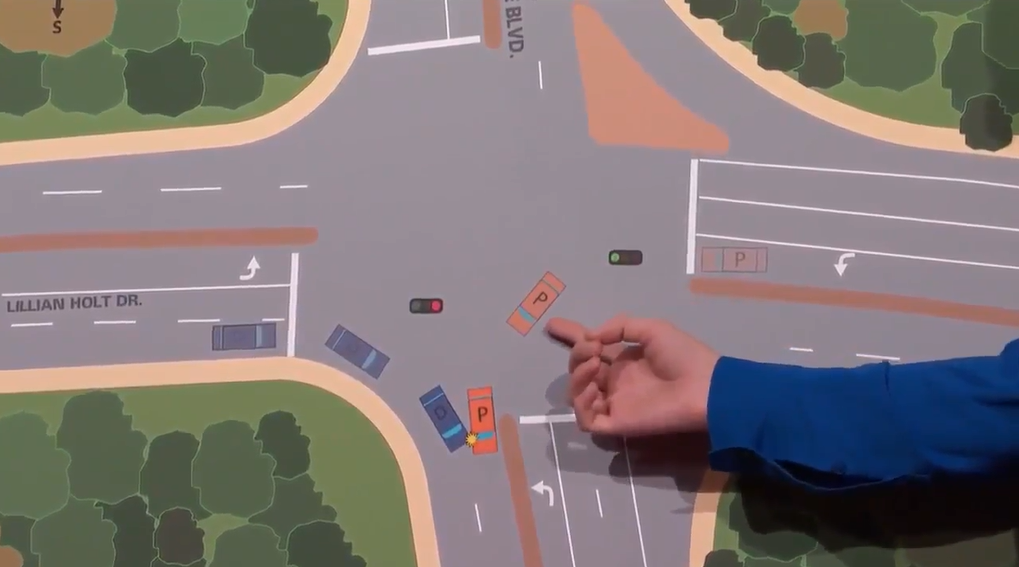
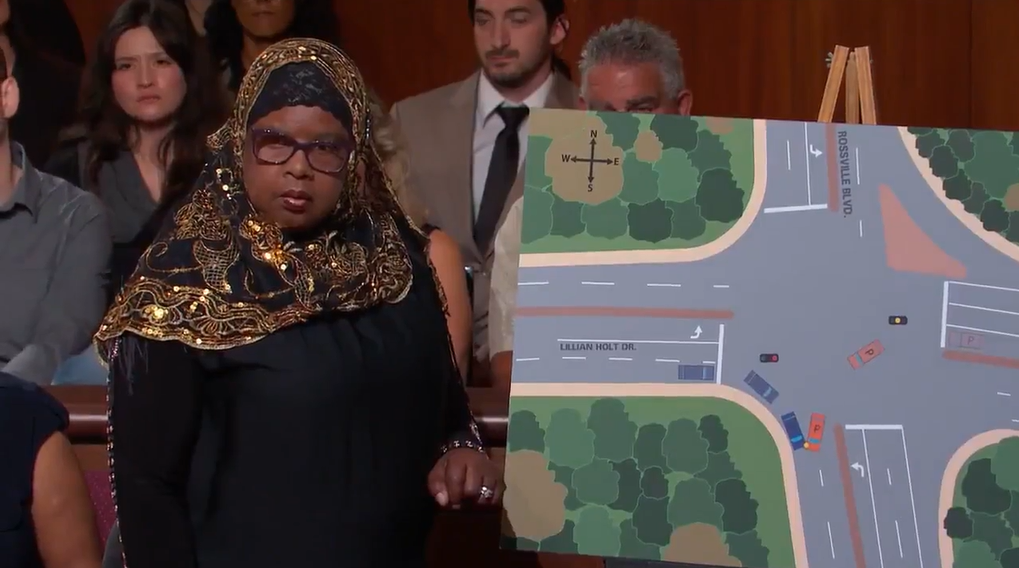
On February 2, 2016, around 12:15 PM, 18-year-old student Amanda Sidroni was driving her father David’s car on her routine commute to school. Traveling along Perry Hall Boulevard, she entered the designated left-hand turn bay at the intersection with Rossville Boulevard, waiting for the signal to cycle.
When the traffic light displayed a green left-turn arrow, Sidroni accelerated into the intersection to complete her turn onto Rossville Boulevard. At the exact same moment, motorist Ayesha Mushir—operating as an active Uber rideshare driver—was approaching the same roadway from the intersecting cross-street, preparing to execute a permitted right turn on red.
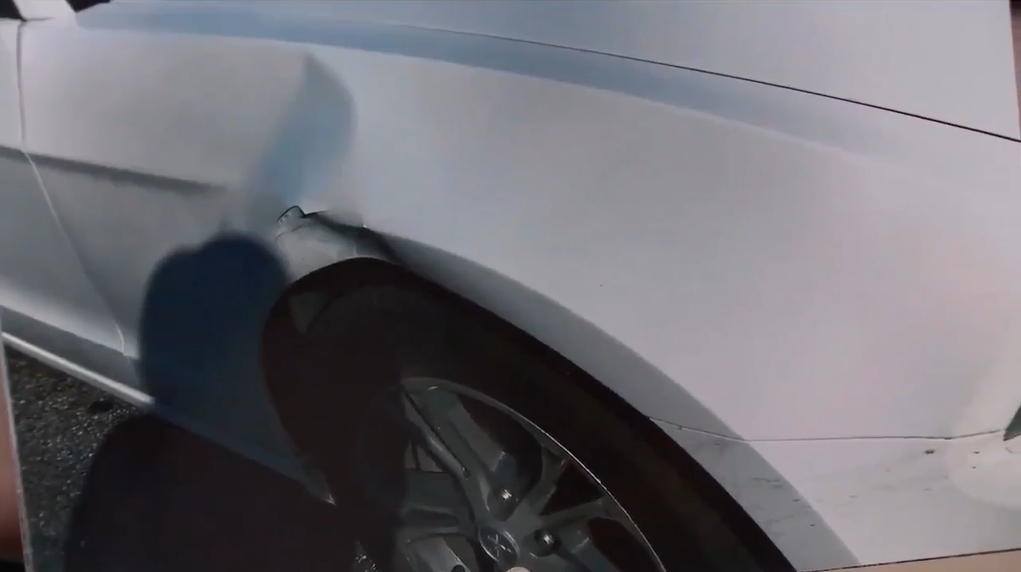
As both vehicles maneuvered onto Rossville Boulevard, their trajectories crossed. The resulting impact caused scrape and body damage to the right front fender and bumper area of Mushir’s vehicle, while Sidroni’s car sustained contact along the left front bumper and wheel well.
Protected Arrow vs. Legal Turn on Red: The Competing Theories
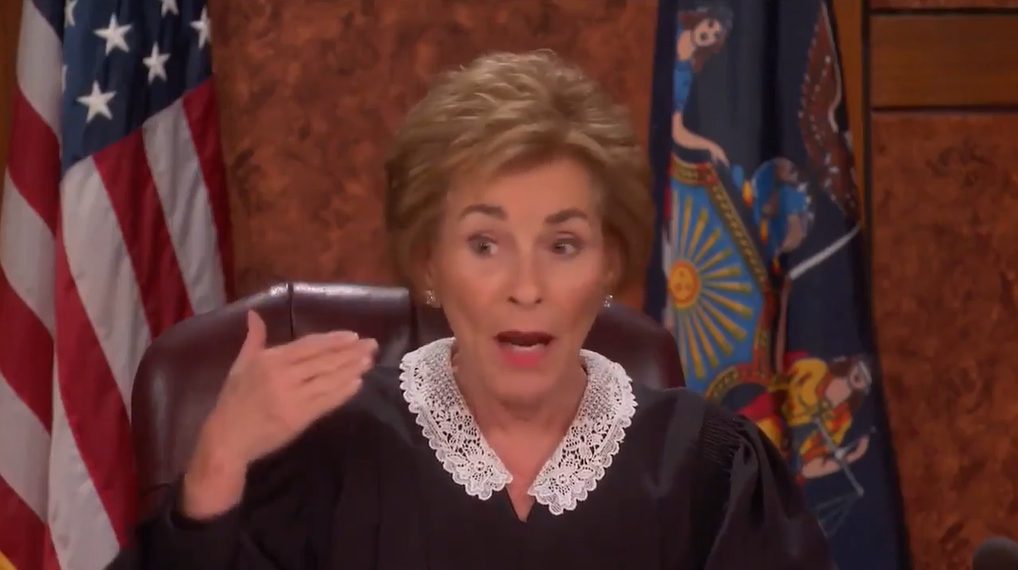
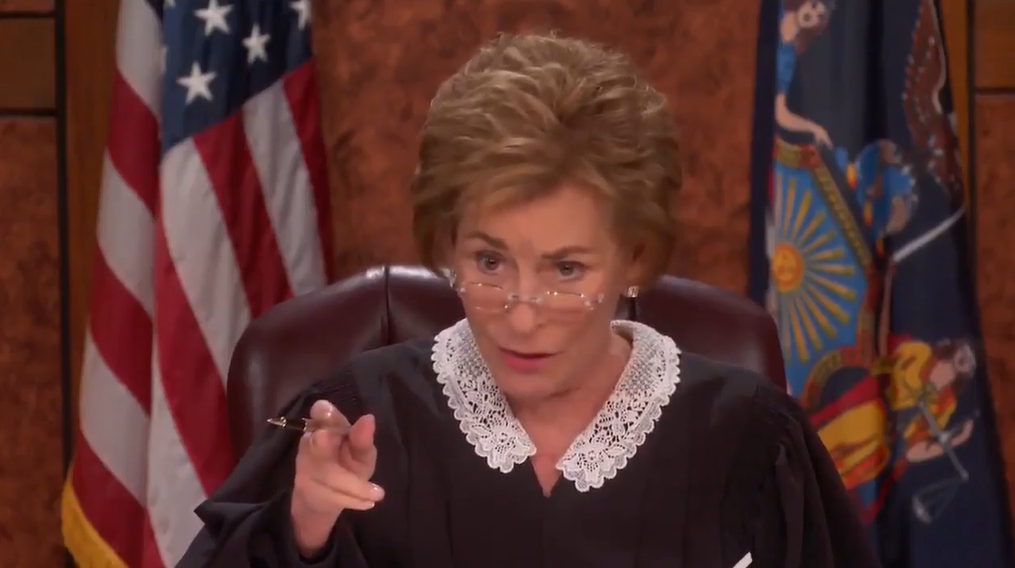
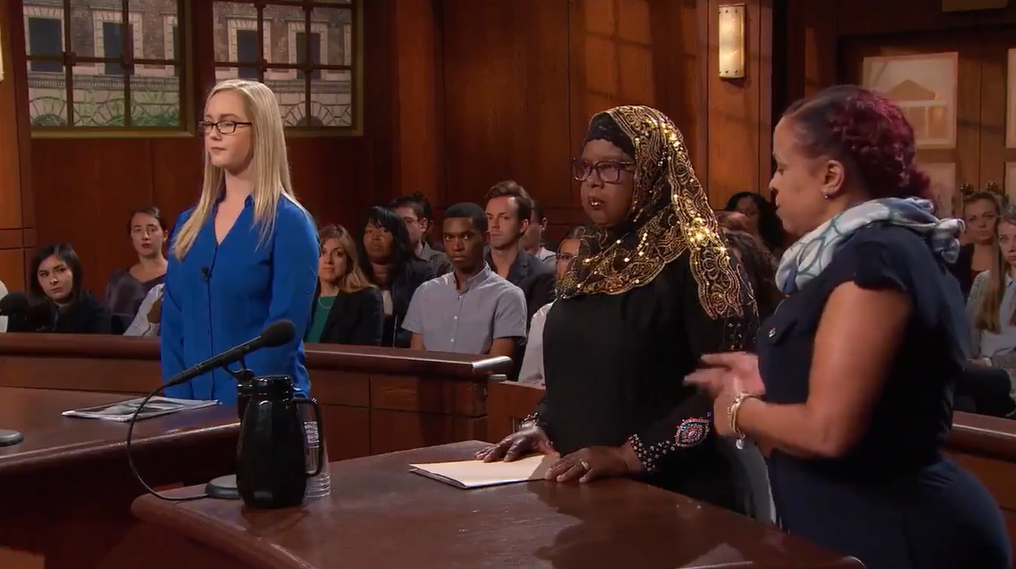
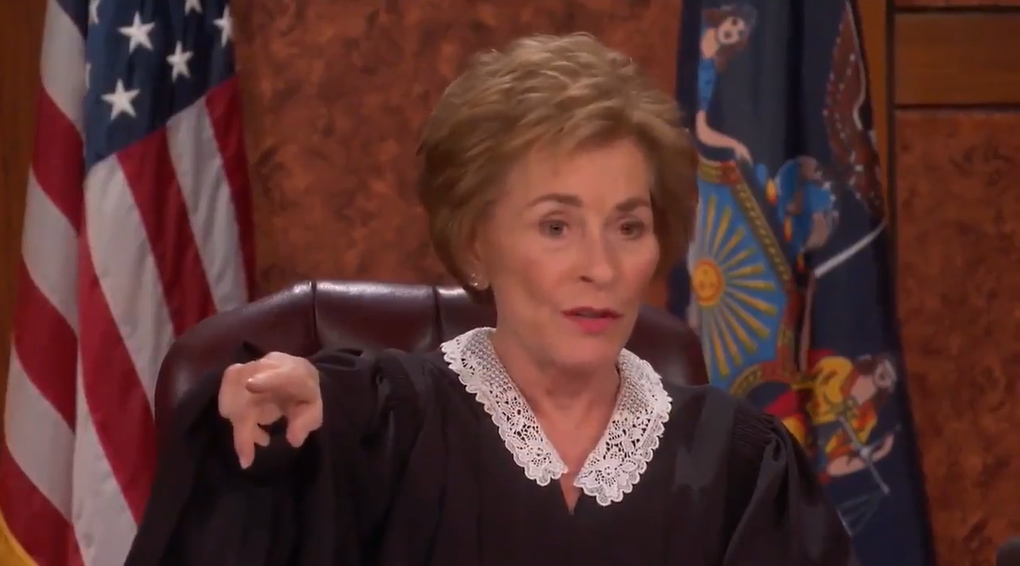
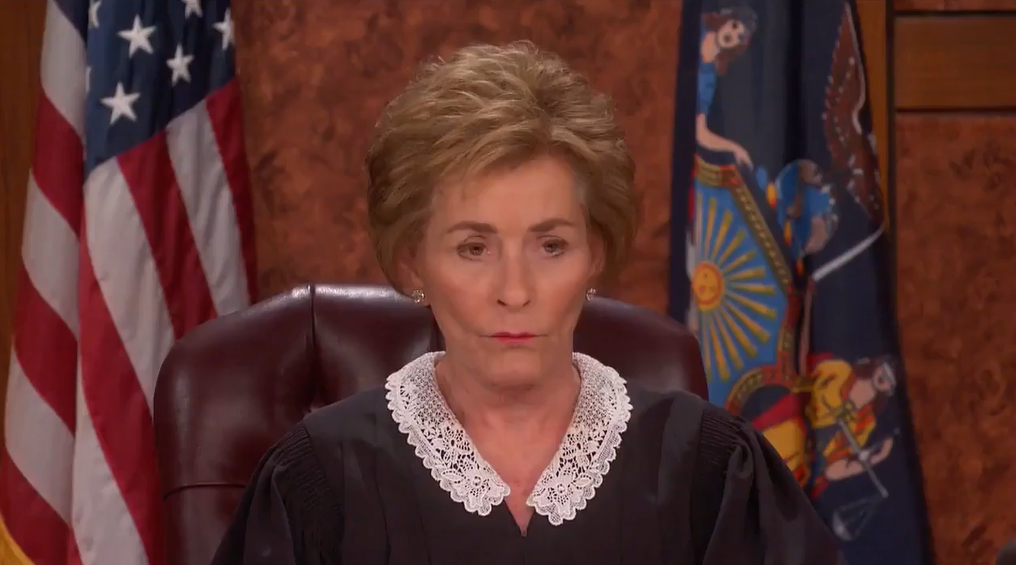
In small claims arbitration before Judge Judith Sheindlin, Amanda and David Sidroni sought full compensation for vehicle repairs, arguing that Mushir’s decision to turn right on a red light constituted negligence.
Sidroni testified that as she began her protected left turn, she observed the defendant’s car inching forward into the intersection. Anticipating a potential conflict, Sidroni claimed she deliberately hugged the innermost lane closest to the median. According to Sidroni, Mushir proceeded into the intersection and drifted out of the curb lane, crossing into the adjacent travel lane and striking her vehicle.
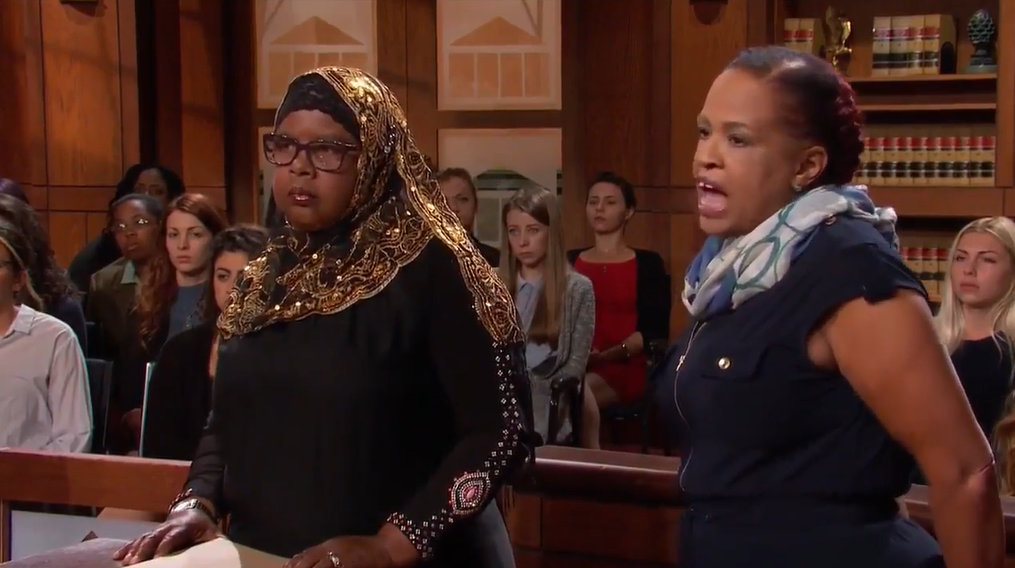
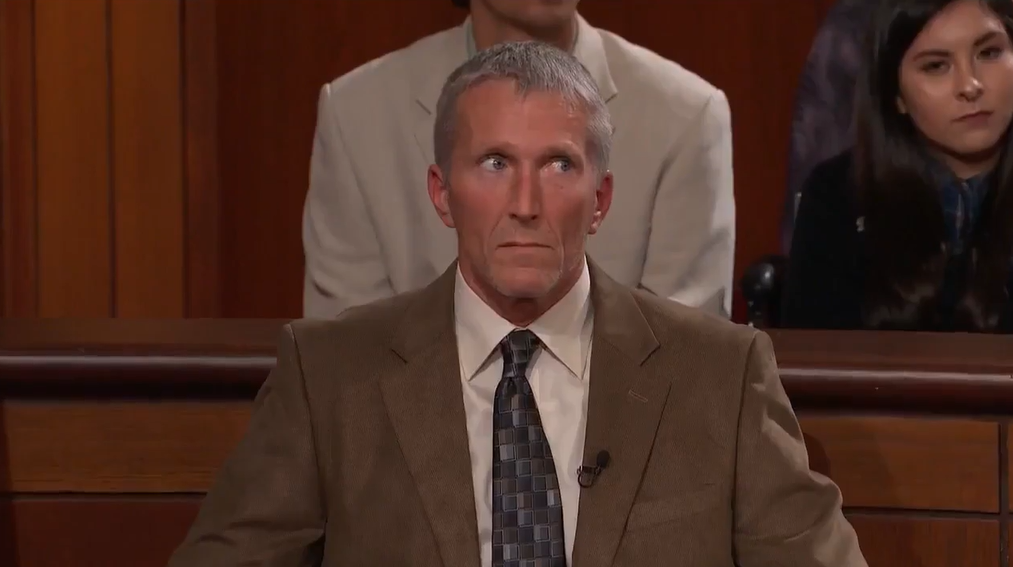
Mushir presented a completely opposite account. She maintained that she properly stopped, yielded, and initiated her right turn directly into the outermost travel lane. According to Mushir, it was Sidroni who failed to maintain proper lane discipline, swinging her left turn excessively wide across the center dividing line and swiping the Uber vehicle. Mushir added that Sidroni initially told the responding officer she had turned on a yellow light, only changing her statement after her father arrived at the scene.
The Missing Roadway Evidence
To resolve the conflicting accounts, Judge Sheindlin sought objective physical documentation. However, the physical record proved exceptionally sparse:
No Official Police Report: The single responding police officer arrived after the vehicles had moved and did not witness the impact, leaving fault officially unrecorded.
No Roadway Scene Photographs: Neither driver took photographs capturing the resting positions of the vehicles, skid marks, or directional debris at the moment of impact.
Inconclusive Digital Media: While Sidroni submitted damage photos and a dashcam video recreating her driving perspective, she admitted having no images showing the position of the tires relative to the lane dividers at impact.
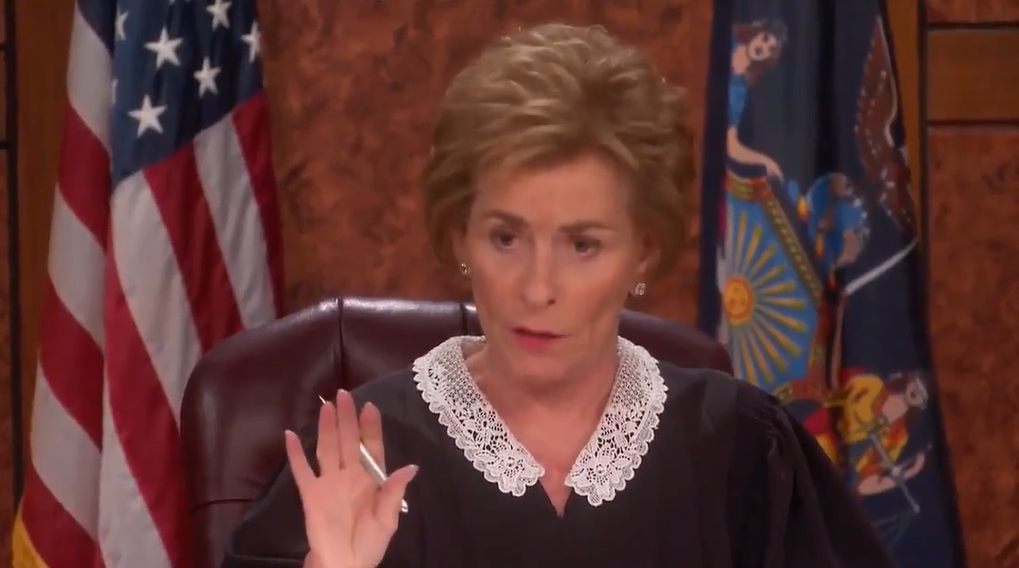
Judge Sheindlin pointed out that in intersection collisions where both maneuvers are theoretically permissible under traffic signals, physical lane position on the roadway constitutes the single most decisive factual element.
The Disinterested Eyewitness in the Back Seat
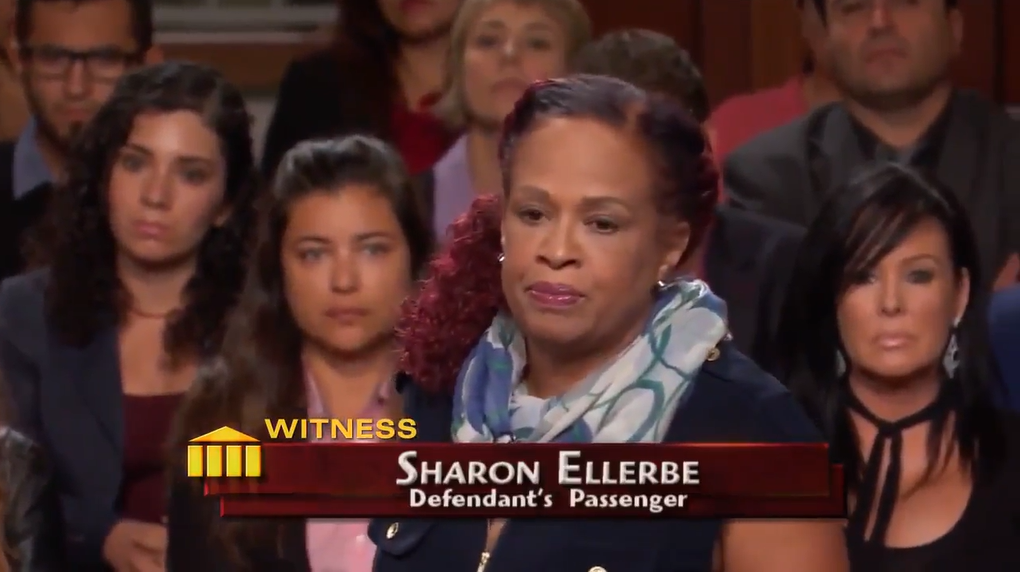
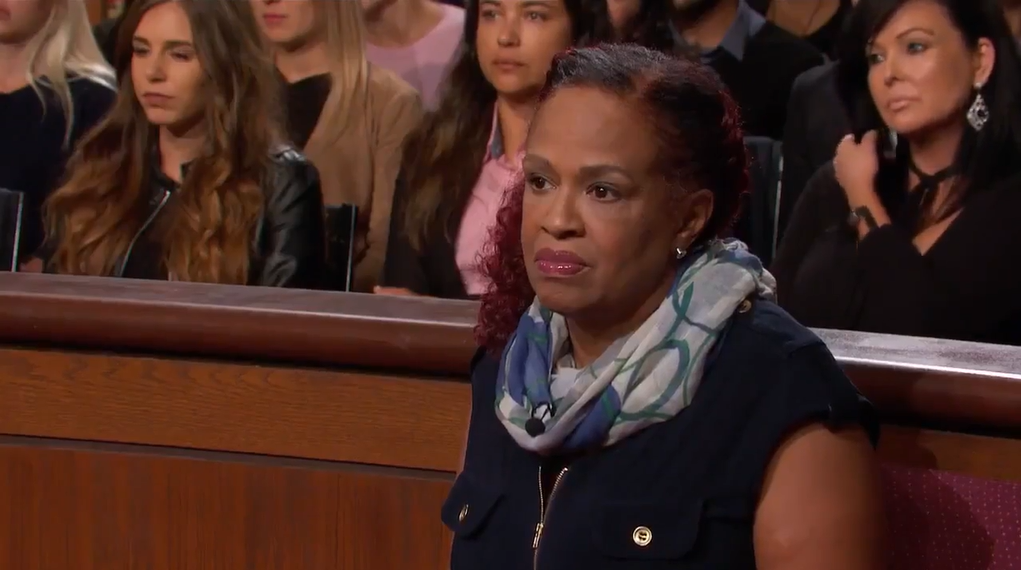
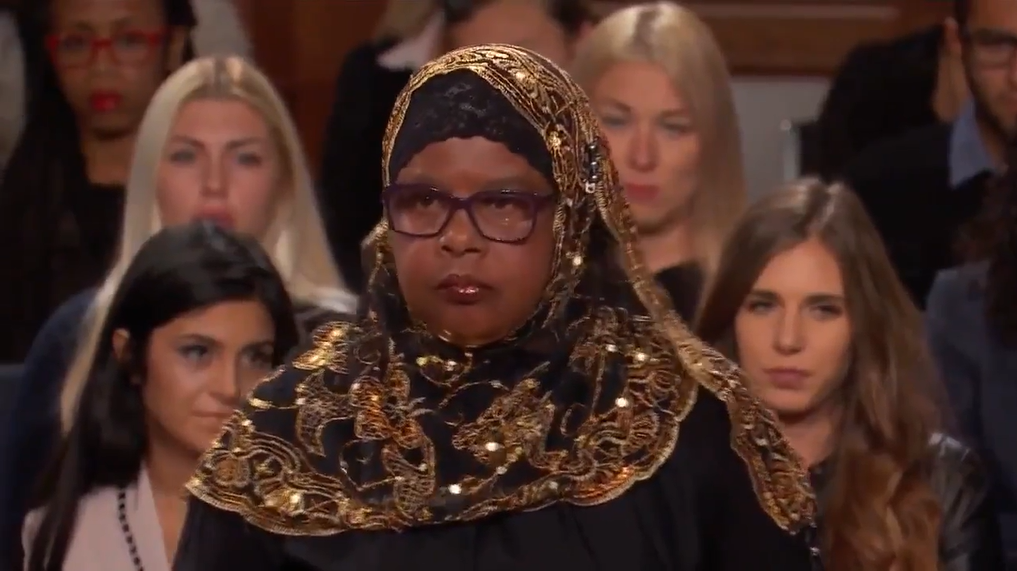
With physical evidence absent, the legal turning point rested entirely on witness credibility. Sitting in the back of Mushir’s vehicle during the crash was passenger Sharon Ellery.
Under cross-examination from the bench, Ellery’s background established her as a classic disinterested witness. She had never met or hired Mushir prior to hailing the ride, held zero financial stake in either driver’s insurance claims, and had remained quietly in the back seat without engaging with either motorist or law enforcement.
When Judge Sheindlin asked Ellery to describe what she witnessed from her vantage point, Ellery was unequivocal:
“What I did see was when she made the turn, I noticed that this young lady came over into our lane and hit her wheel well.”
Judge Sheindlin pressed further, asking if she was certain the plaintiff had drifted wide into the defendant’s lane. Ellery replied without hesitation: “Absolutely.”
The ‘Wide Turn’ Finding and Judge Judy’s Dismissal
Ellery’s clear, unprompted testimony dismantled the plaintiff’s core allegation. While Sidroni insisted that a green arrow granted her absolute right-of-way, Judge Sheindlin emphasized that traffic signals govern entry into an intersection, but drivers remain legally bound to stay strictly within their designated lane boundaries.
Because the independent eyewitness placed the collision inside Mushir’s lane as a direct result of Sidroni’s wide turn, the plaintiffs failed to meet their burden of proving defendant negligence. Judge Sheindlin rendered an immediate bench ruling dismissing the case in its entirety.
Following the hearing, post-court statements underscored the divergent perspectives. Sidroni maintained her belief that “green always wins,” while Mushir urged the young driver to accept responsibility and practice greater lane precision.
Legal Analysis: Right-of-Way vs. Lane Integrity
Sidroni v. Mushir illustrates a fundamental principle of traffic litigation: a protected green arrow does not relieve a driver of the duty to maintain proper lane tracking. When multi-lane roads receive turning traffic from opposing directions simultaneously, each motorist must complete the maneuver into their corresponding lane without crossing divider lines.
In judicial proceedings, the testimony of a neutral third-party eyewitness carrying no financial or personal ties to either litigant will almost invariably outweigh self-interested driver testimony when physical crash data is unavailable.
FAQ
What was the central dispute in Sidroni v. Mushir?
Amanda Sidroni and her father sued Uber driver Ayesha Mushir for vehicle repair costs, claiming Mushir made an improper right turn on red and struck Amanda’s car during a protected left turn.
Why did Judge Judy dismiss the lawsuit?
An independent eyewitness—a rideshare passenger seated in the defendant’s car—testified under oath that Amanda Sidroni swung her left turn too wide, crossing out of her lane and hitting the defendant’s vehicle.
Does a green arrow always give absolute right-of-way?
While a green arrow gives right-of-way to enter an intersection over a vehicle turning right on red, drivers must strictly stay within their designated lane. Making an oversized or wide turn into an adjacent lane constitutes improper lane usage.
Was there a police accident report in this case?
No. The responding police officer did not complete an accident investigation report because the vehicles had already been relocated and there were no physical injuries.
Who was the key witness in the courtroom?
Sharon Ellery, a neutral passenger who booked an Uber ride with Ayesha Mushir and witnessed the collision from the back seat without having any prior acquaintance with the driver.