
The Hyundai was not running when Steven Rogers bought it. But the engine was only one part of the problem. The larger question was whether anyone selling the car had the legal right to sell it at all.
A Craigslist Listing and a $500 Purchase
Steven Rogers testified that he found a non-running 2007 Hyundai Sonata advertised on Craigslist. He purchased the car from Valerie Gallegos and her son, Milton Chapman, for $500. Because the vehicle could not run, Rogers had it towed. He told the judge that he had worked as a mechanic for approximately 30 years and believed he could restore the Sonata to working condition.
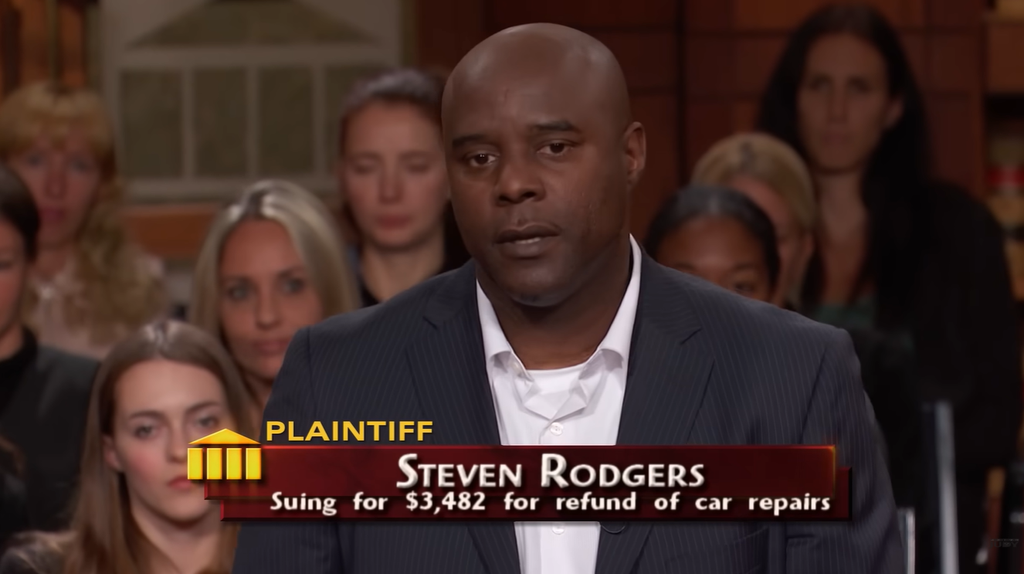
The body, he said, was largely acceptable apart from a scrape on the passenger side. Rogers said he proceeded on the understanding that the title would follow shortly.
That understanding became the center of the lawsuit.
The Title That Was Supposed to Arrive in a Week

Rogers said both defendants were listed on a promissory note and told him they would obtain the title within a week. He identified Valerie as the person who made the promise first.
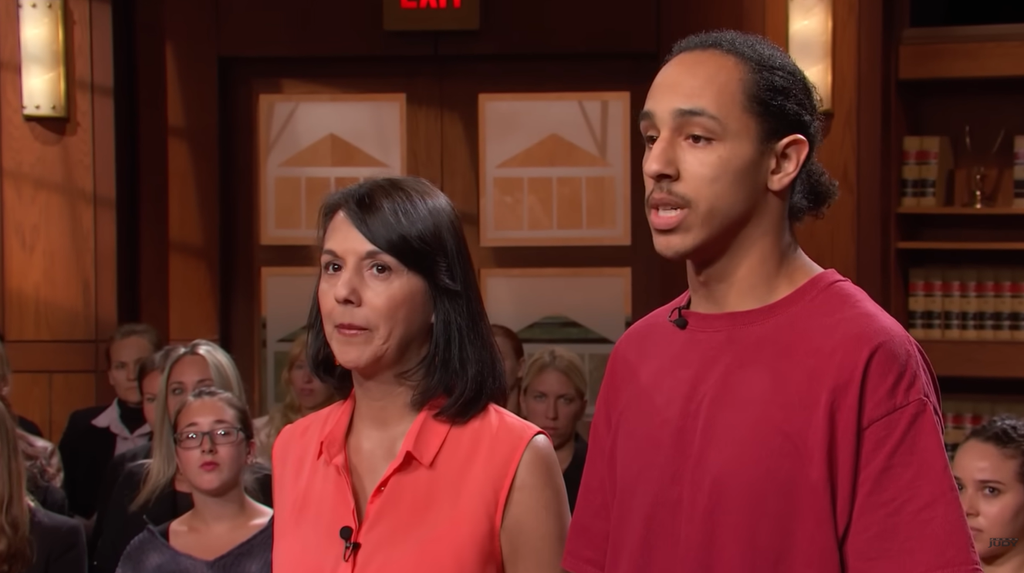
Rogers said the title issue was presented as a temporary family-paperwork problem, not as an obstacle that might prevent transfer. Had he known that a clean title might not be obtainable, he said, he would not have paid. The judge later focused on that distinction: the car’s condition was one problem, but the inability to transfer ownership was another.
The defendants offered a different account of the car’s history.
A Family Ownership Problem
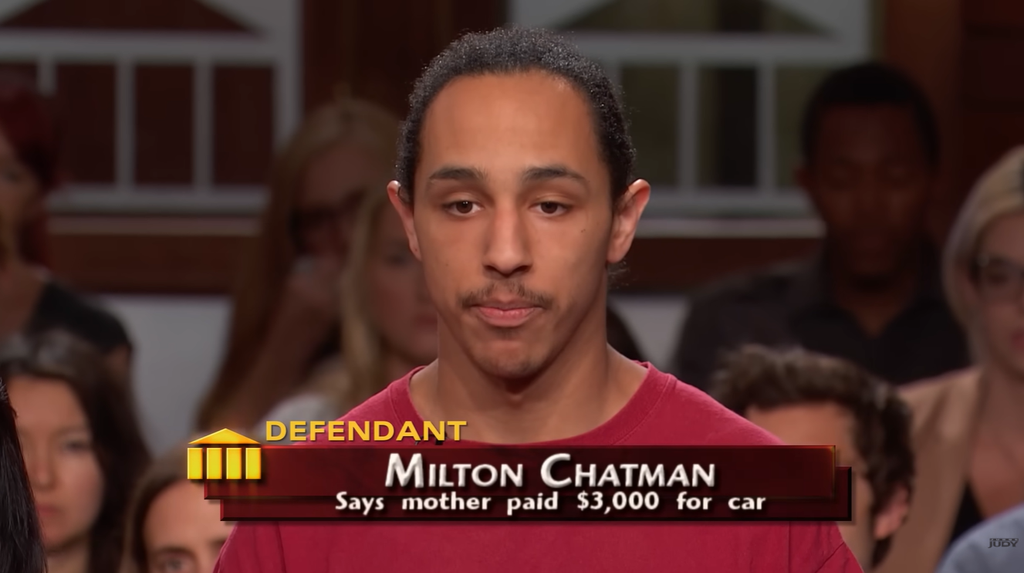
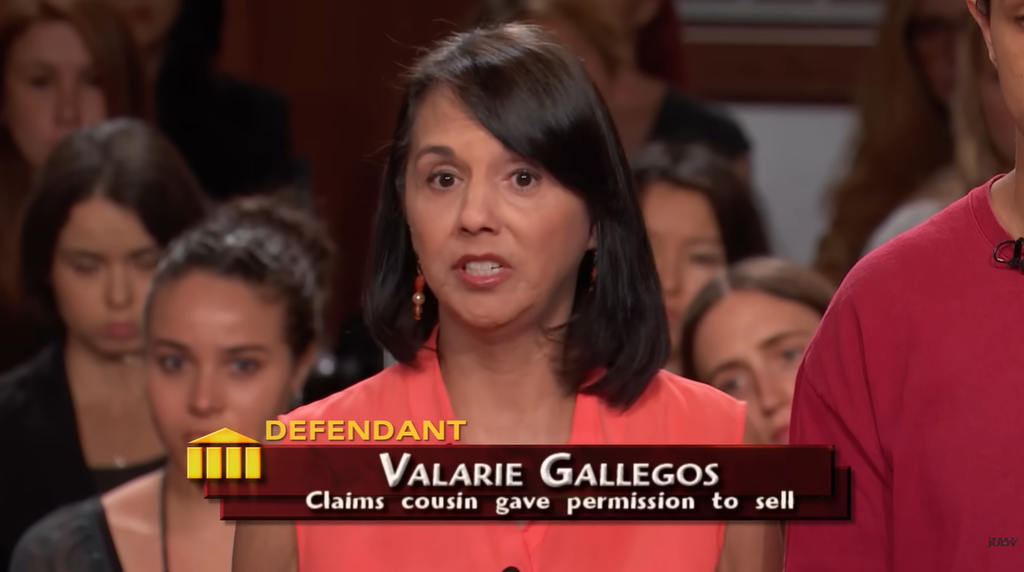
Valerie Gallegos said the car belonged to her son. She said she had obtained it from her cousin, although she could not recall exactly when. Milton Chapman testified that his mother had purchased the vehicle for $3,000 and then given it to him. The testimony placed that purchase around March, with the year transcribed unclearly in the subtitles; the article therefore does not rely on that disputed date.
Milton said he drove the Sonata until it stopped running around February 2016. The vehicle had been insured in his name, but the registration remained in the cousin’s name.
That detail raised the question of why the registration had never been transferred. Valerie explained that her cousin had received the car in a divorce, but his former wife had not signed the documents required for him to have full ownership. In the courtroom’s telling, the vehicle was caught in a family property dispute before it ever appeared on Craigslist.
Rogers said he had not been told that complete history. He understood, he testified, that the car belonged to Valerie and her cousin, that the cousin had given it to her, and that the title would be delivered within a week. He said he would never have paid for the Sonata if he had known that the cousin’s former wife might be necessary to secure a clean title.
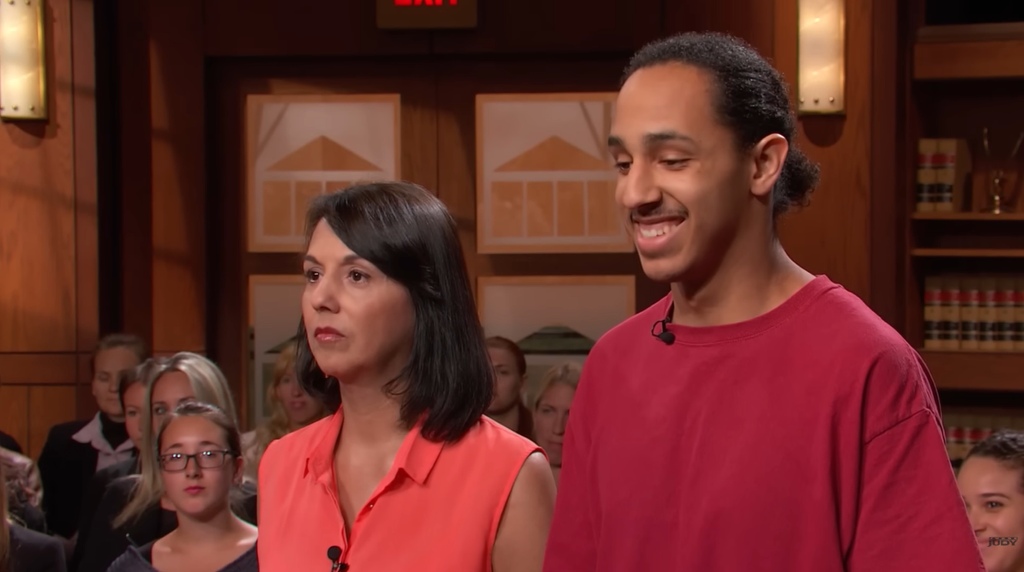
The judge pressed the defendants on the consequence of that knowledge. If they knew the cousin was not the undisputed owner, the judge reasoned, what authority did Valerie or Milton have to sell the car?
Milton was 18 when he sold the vehicle. The judge emphasized that he was an adult and therefore responsible for the transaction. The ownership problem, the court made clear, could not simply be transferred to the relative who was difficult to contact.
The Dispute Over Repairs and Value
Rogers did not ask only for the return of his original $500. He said he had invested significant money and labor into the Sonata after buying it. By the time of the hearing, the car was running, and the judge noted that Rogers could drive it to the defendants’ home, roughly five to ten miles away.
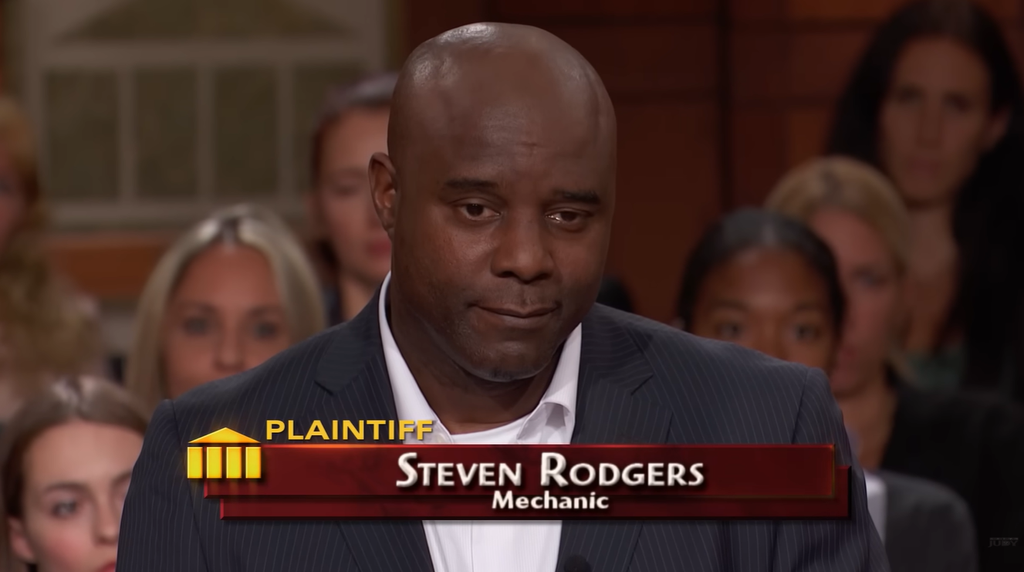
The judge asked to see the bills supporting Rogers’s claim. Rogers referred to a $125 paint repair and discussed an $18 motor or parts purchase. He also said he had bought an entire vehicle for parts, intending to recover value from those components. The subtitles contain unclear figures concerning the larger engine claim, and the parties disputed whether the engine cost was closer to a small amount or approximately $2,000. The record does not support treating that disputed figure as settled fact.
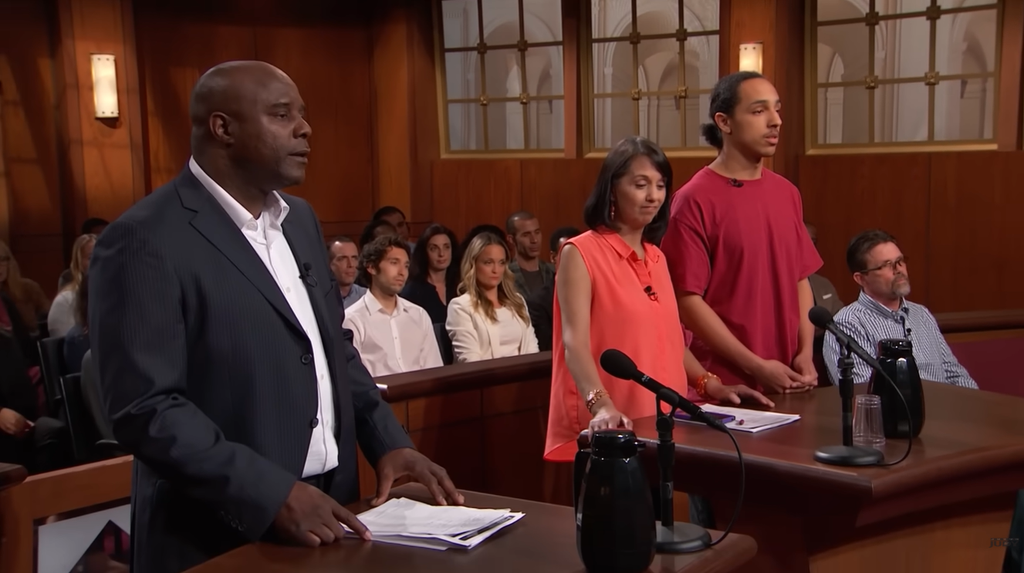
Valerie challenged Rogers’s presentation. She said that, when he came to her home, he told her he had purchased a low-cost engine, while the claim filed in court reflected a much larger engine expense. She did not deny that he had spent money on the car, but argued that the amount being demanded was inflated.
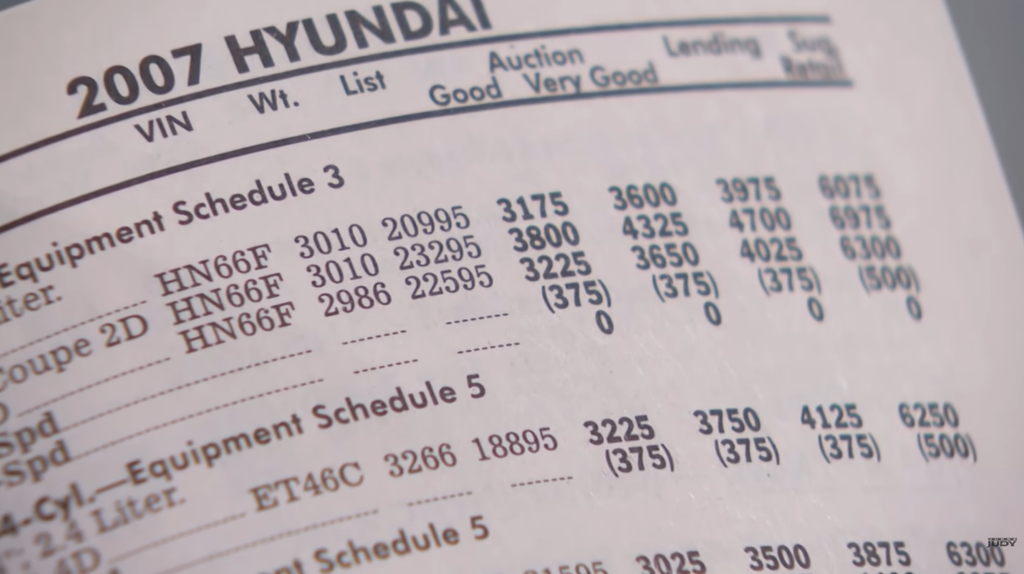
The parties also disagreed about the Sonata’s value. A vehicle valuation discussed in court referenced a lowest figure of approximately $3,200 and a Blue Book value of about $4,100. The condition remained contested because the judge treated the fact that the car had not been running as significant.
The judge ultimately accepted two points: Rogers had spent money restoring a vehicle bought without a title, and the defendants had sold a vehicle whose ownership documents were not in order.
The Judge’s Decision
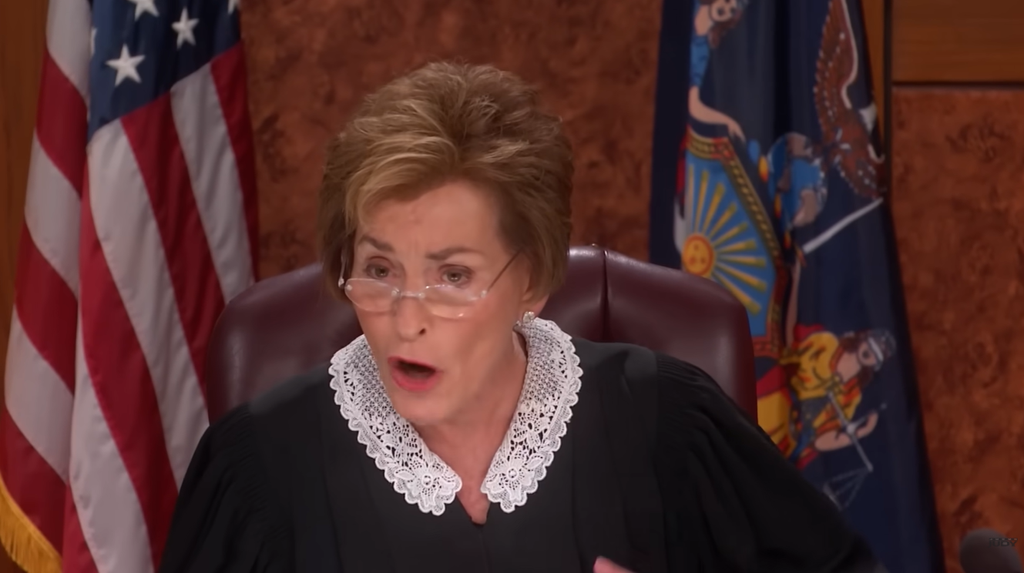
The judge characterized the sale as the central wrong in the case: selling a car that the sellers did not own outright. The explanation that the cousin could not reach his former wife did not answer the buyer’s problem. Nor did it explain why the car had been offered for sale before the title issue was resolved.
At the same time, the judge rejected Rogers’s demand for the full amount he said he had invested. The court reasoned that a reasonable buyer would have waited for the title before putting thousands of dollars into a non-running vehicle. In the judge’s view, Rogers should have allowed the promised week to pass, watched for the title, and treated repeated delays as a warning rather than continuing to spend.
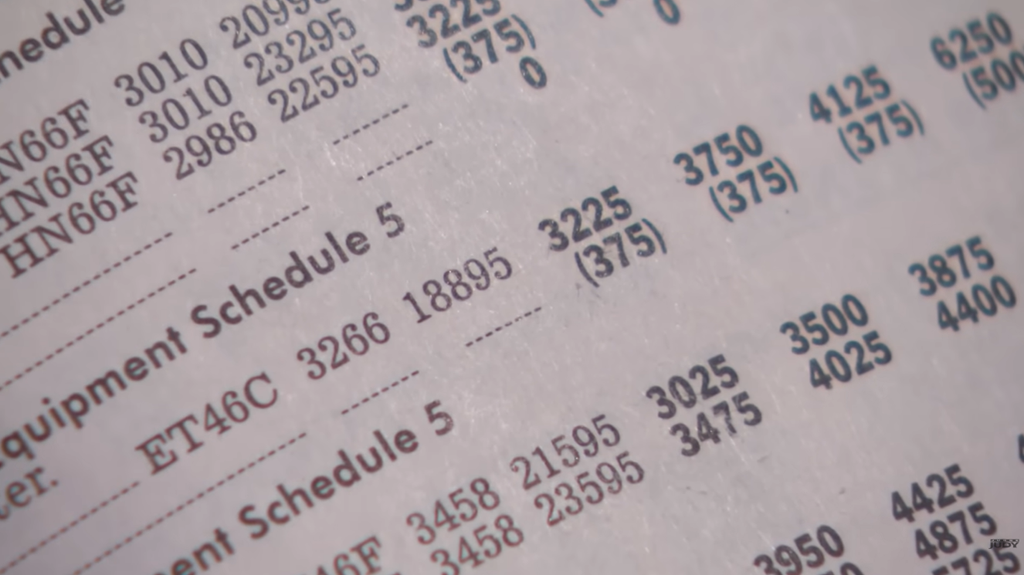
The award was therefore limited to $2,500. Rogers was ordered to return the repaired Hyundai by driving it to the defendants’ home. Only after returning the car would he receive the court-ordered compensation.
Why the Counterclaim Failed
Valerie and Milton also brought counterclaims alleging that Rogers had threatened and harassed them. Valerie said Rogers came to her house and threatened her, and she presented that allegation as the basis for the counter-suit.
The judge did not accept the counterclaims. The court dismissed them at the end of the hearing, after repeatedly returning to the title and sale issue. The transcript closes with brief, hostile remarks from the parties, including accusations that someone had lied, threatened the other side, or was a scammer. The subtitle does not clearly identify every speaker, so those remarks should be understood as closing reactions rather than established findings.

What the Case Revealed
The case was not a criminal trial. It was a civil dispute over a used-car transaction, disputed repair expenses, and allegations of threats and harassment. Its central question was practical: who had the right to transfer the vehicle?
Rogers’s mechanical experience helped him get the Sonata running, but it did not solve the ownership problem. The defendants’ family explanation may have described how the paperwork became tangled, but it did not give the buyer a clean title. In the judge’s view, both facts mattered.
The final order was narrow but consequential. Rogers would receive $2,500 rather than the larger amount he sought, and the defendants’ counterclaims would go nowhere. The car itself had to be returned.
For viewers and readers, the warning was direct: a low purchase price and a repairable vehicle can still carry a larger risk when the title is missing. Before spending heavily on parts or labor, the ownership documents must be as clear as the mechanical plan.
FAQ
Steven Rogers sued Valerie Gallegos and her 18-year-old son, Milton Chapman, over the sale of a non-running 2007 Hyundai Sonata.
Rogers testified that he paid $500 for the vehicle after seeing it advertised on Craigslist.
The central dispute concerned the vehicle’s title. Rogers said he was promised the title within a week, while the testimony indicated that the car remained registered in a cousin’s name and that the cousin’s former wife had not signed documents needed for full ownership.
The judge ordered $2,500 in compensation, provided that Rogers returned the repaired car by driving it to the defendants’ home.
No. The judge found that Rogers had put money into the car but considered the larger claimed investment unreasonable because he proceeded without first securing the title.
The defendants’ counterclaims alleging threats and harassment were dismissed.