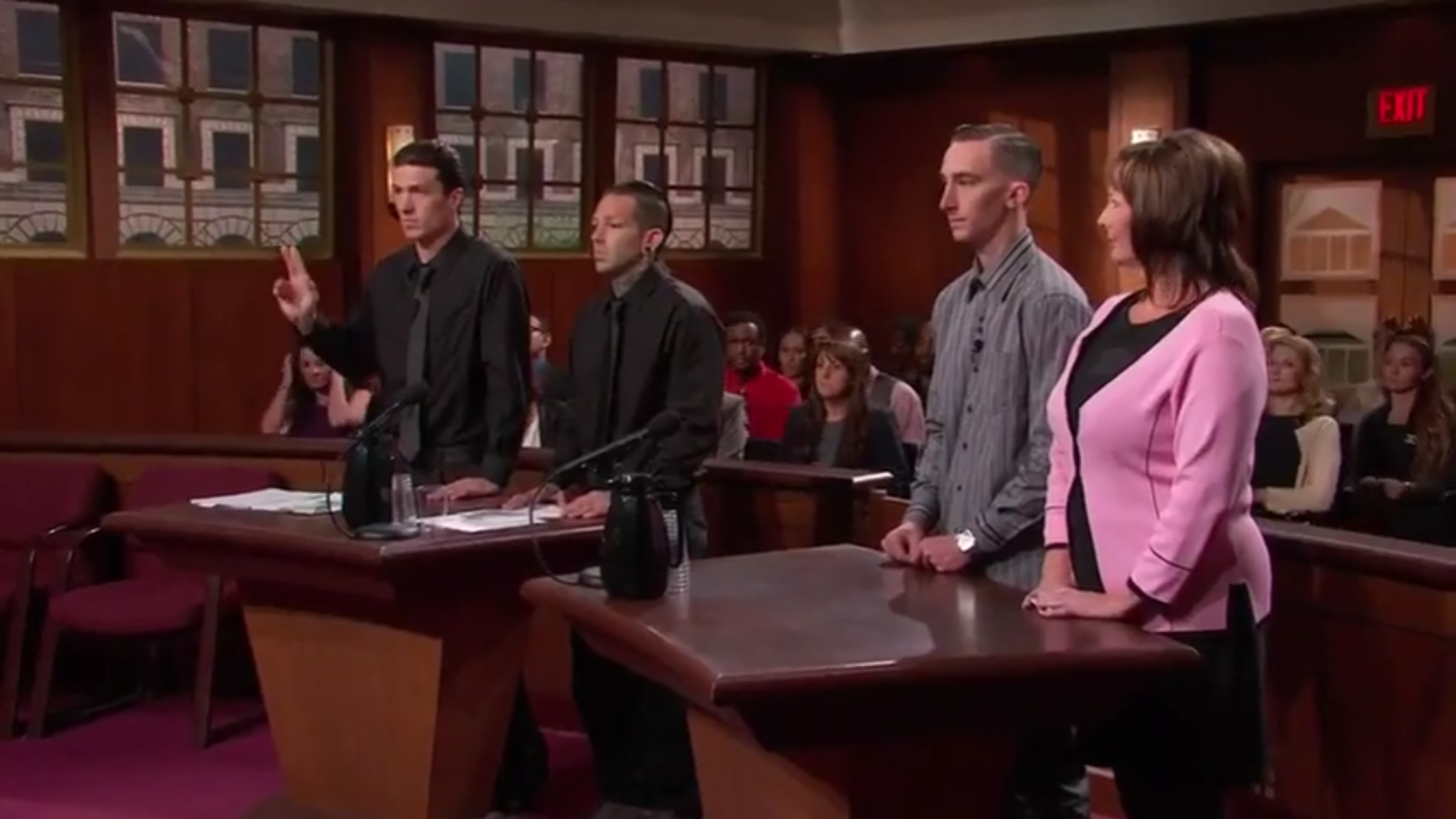
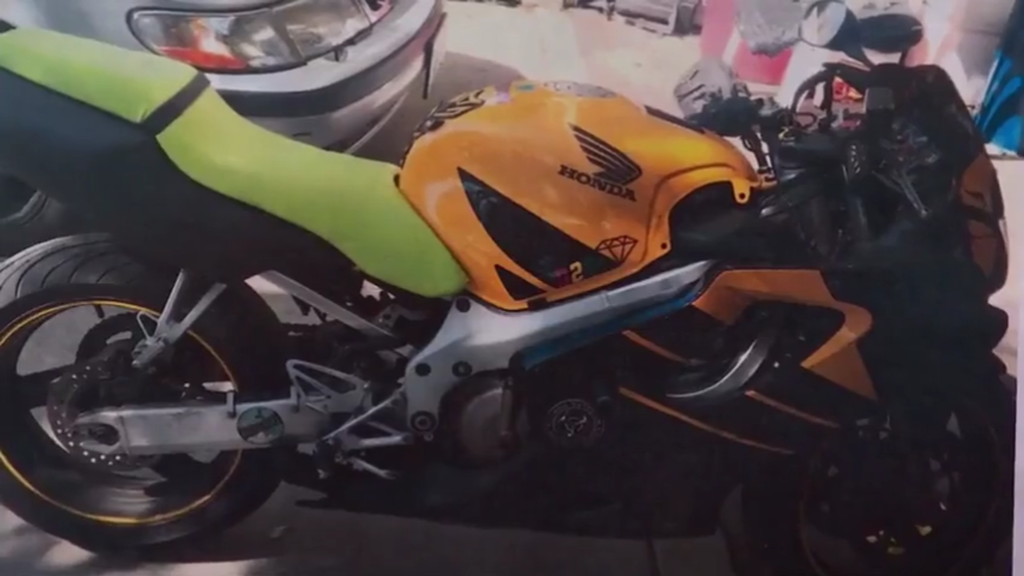
Daniel Petitt was supposed to return the motorcycle. Instead, on the way home from breakfast with Wayne Stoltz, he was pulled over because the bike had no registration—and police impounded it. What began as an installment sale between former friends ended with missing riding gear, accusations of threats, and a judge’s $1,229 ruling.
An Installment Sale Between Friends
The case opened with a question that appeared simple: who owned the motorcycle, and what exactly had been agreed when it changed hands?
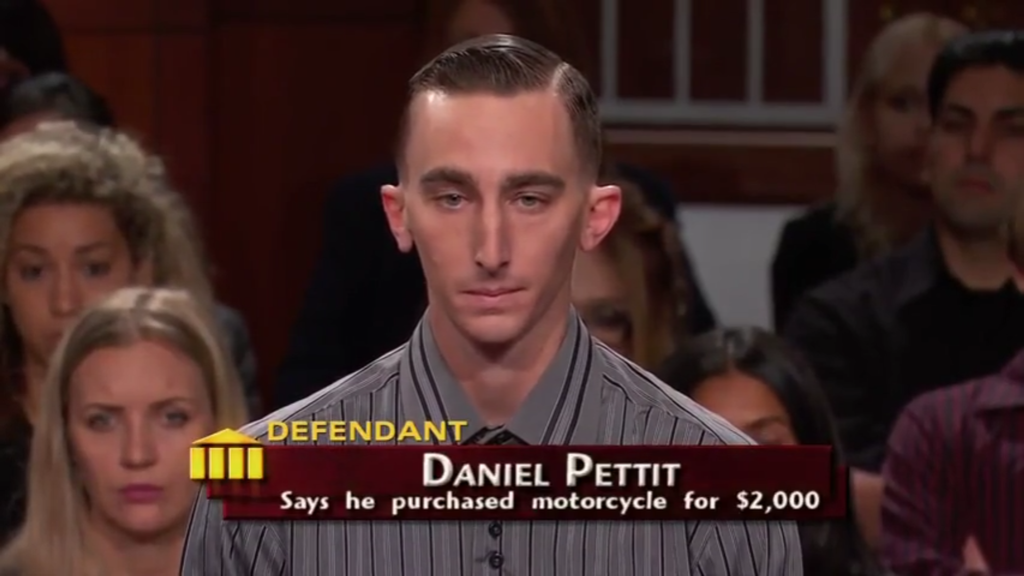
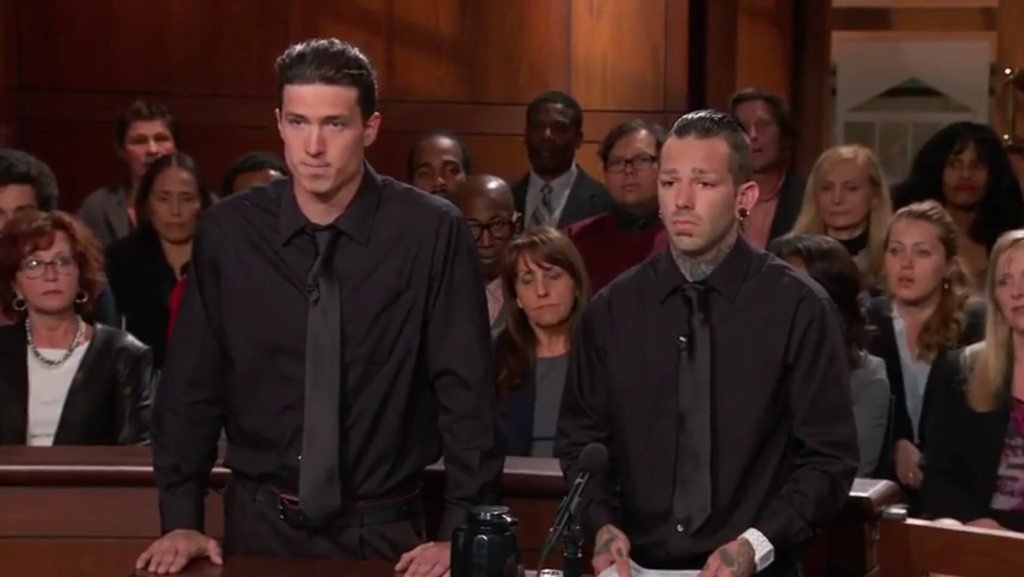
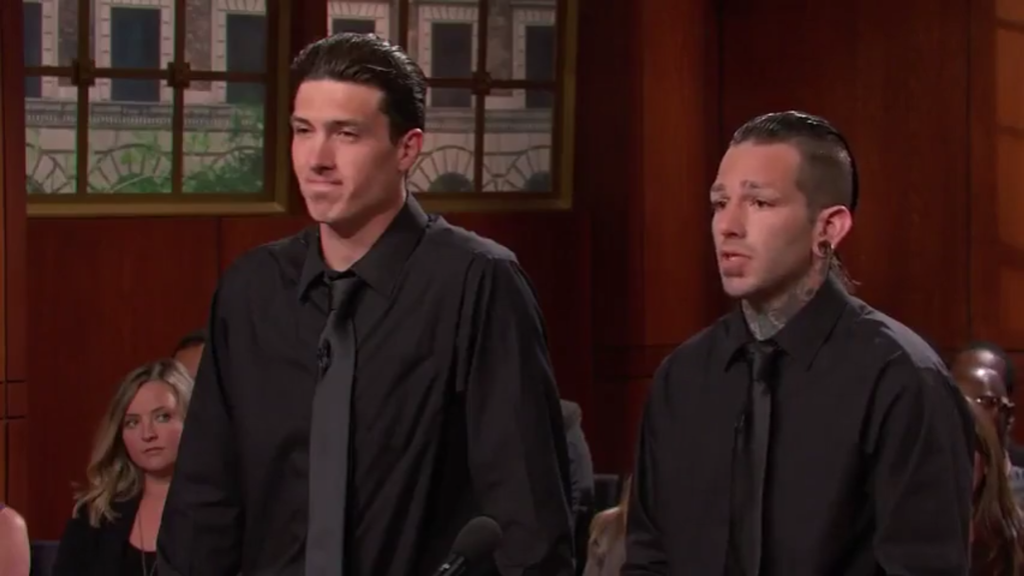
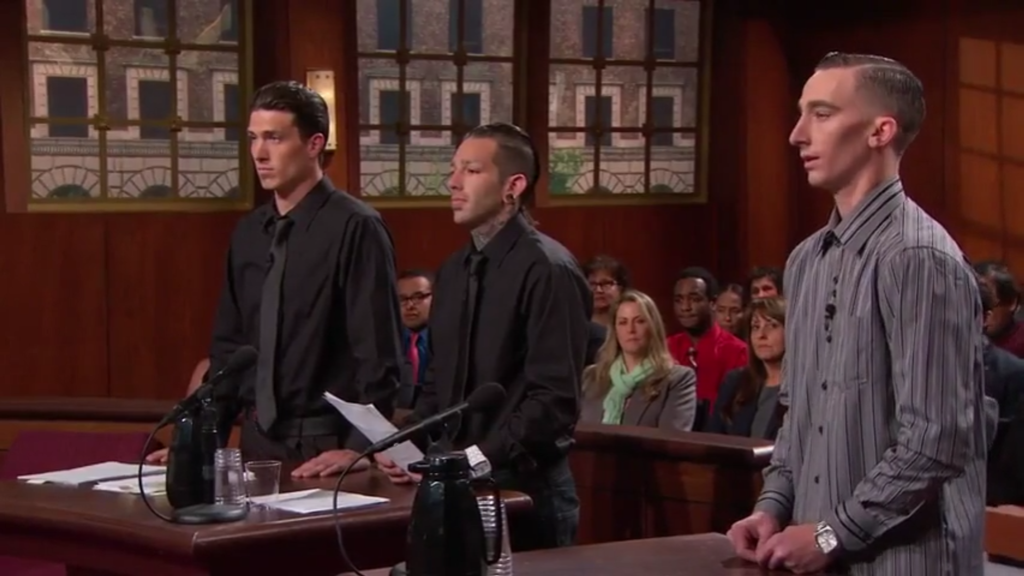
Wayne Stoltz and his coworker, Steven Dickinson, brought the case against Daniel Petitt, described as Wayne’s former friend, and Daniel’s mother, Michelle Pelletier. The plaintiffs sought impound fees and the value of motorcycle equipment. At the hearing, Wayne explained that he had introduced Daniel to Steven and had paid to get the street bike released from impound. He identified himself as the bike’s owner.
The testimony established that Wayne had sold the motorcycle to Daniel under a payment arrangement. Daniel agreed to make payments, and Michelle also agreed to make payments on the bike. The expected total price was $2,000. The purchase arrangement was made at Michelle’s home on November 26, 2015, the day after Thanksgiving. Daniel took possession and brought the motorcycle home.
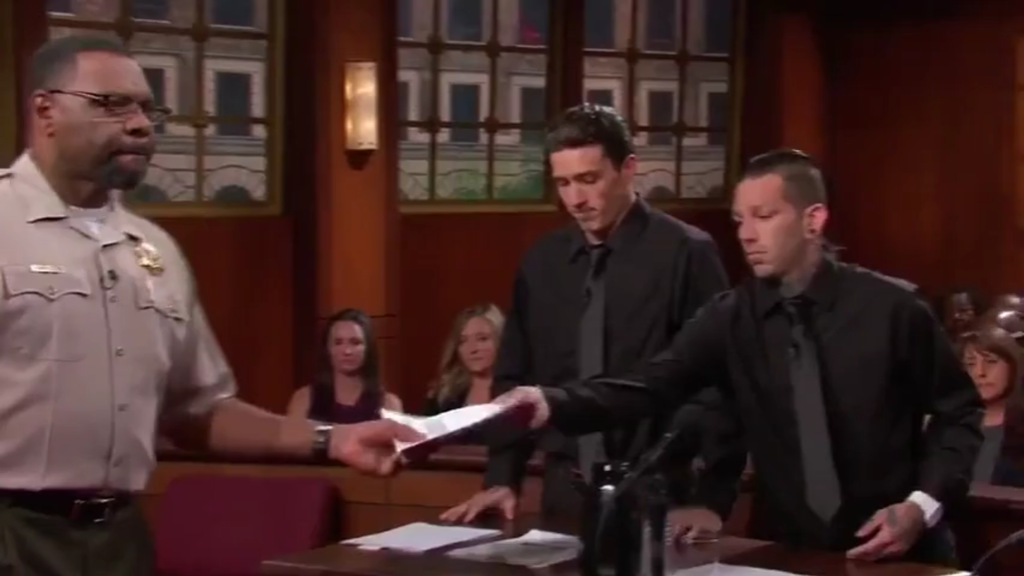
The transaction included more than the motorcycle itself. Daniel also took a helmet, a chest protector, and gloves that were identified in court as Steven’s property. According to the testimony, Steven had not received those items back.
The Decision to Give Back the Bike
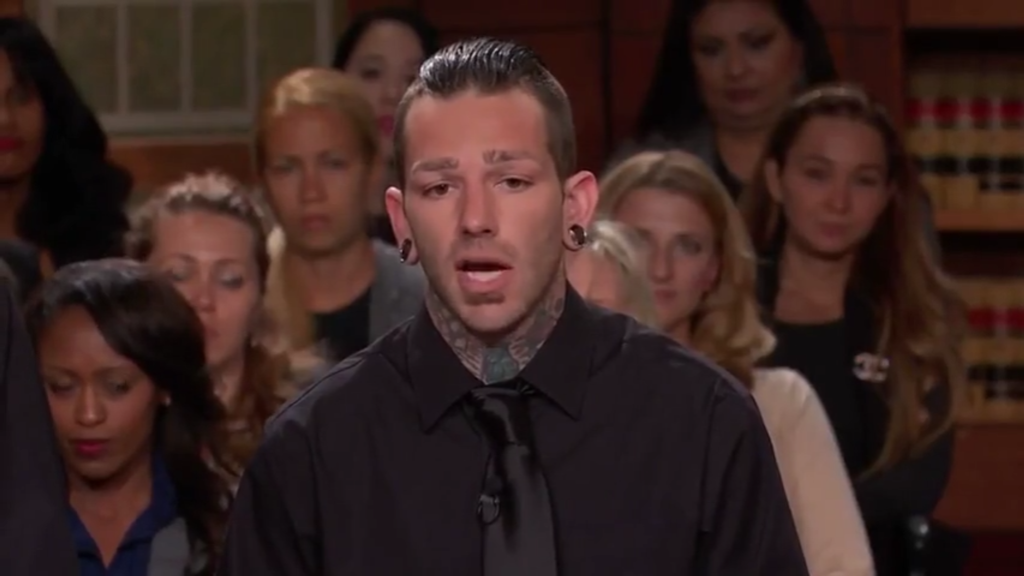
Once Daniel got home, the practical reality of the purchase changed. His mother questioned why he needed a street bike when he had a newborn son. Daniel said he thought about it, called Steven immediately, and acknowledged that keeping the motorcycle was not a good idea.
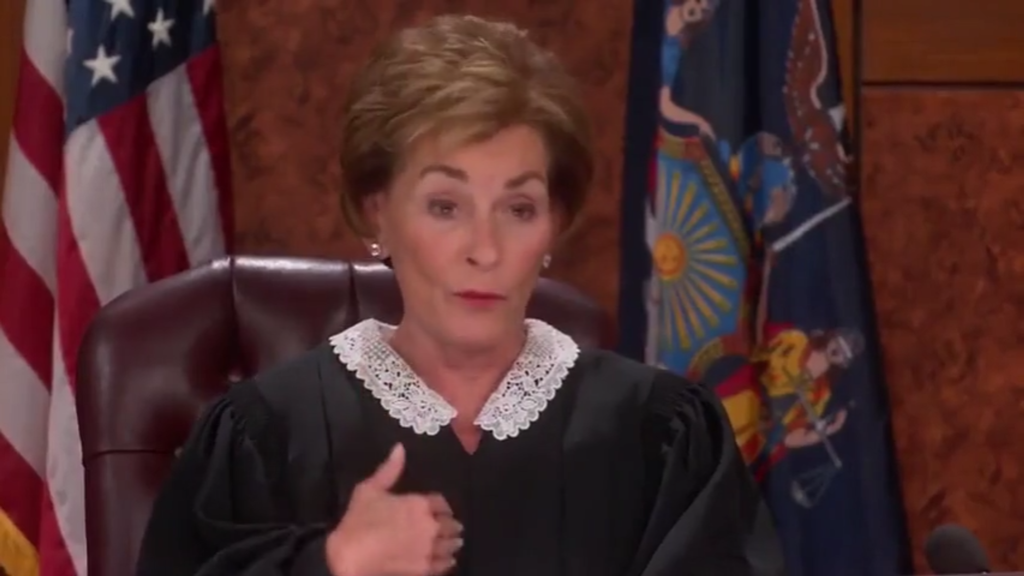
Daniel testified that he had been excited and wanted the bike, but came to believe he had made a mistake. He said he told Steven he wanted to return it and planned to do so that weekend. The judge later focused on the timing of that decision: Daniel had decided he did not want the motorcycle, but did not return it immediately.
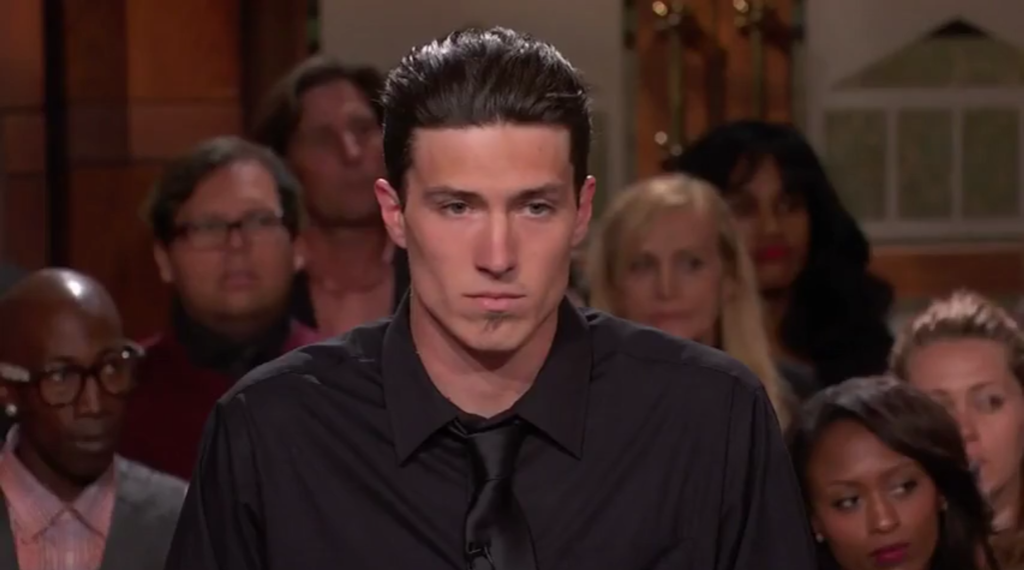
He kept the bike at his house for another week. Daniel said he remained in contact with Steven, but the judge made clear that continued contact did not replace the obligation to return the property. In the judge’s view, once Daniel changed his mind and the seller was willing to accept the motorcycle back, the responsible step was to return it.
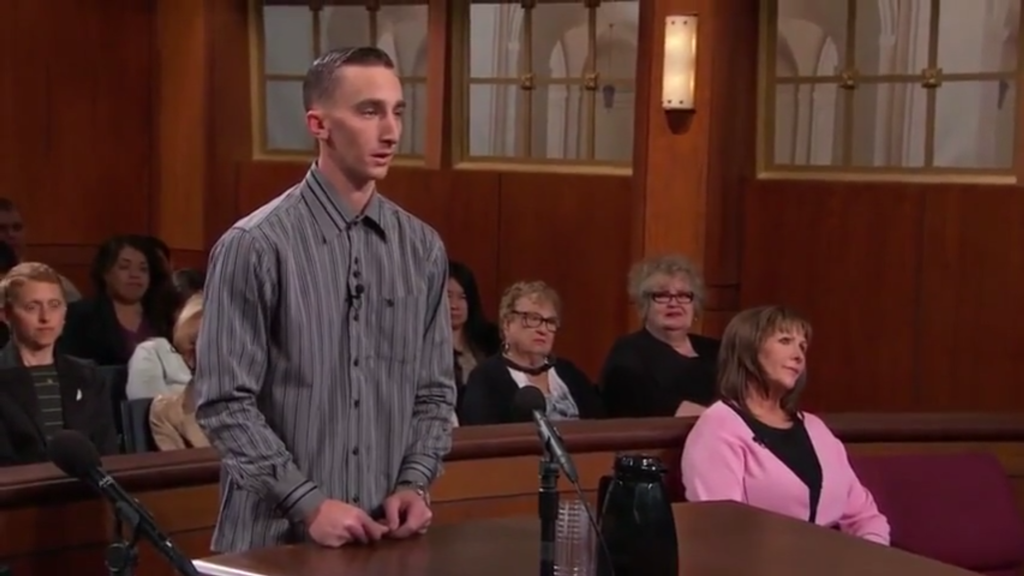
The dispute intensified because the motorcycle was still in Daniel’s possession when the planned return finally took place.
The Ride to Denny’s and the Impound
On the day Daniel intended to return the bike, he and Wayne went to Denny’s for breakfast. Daniel said that, on the way home, he was pulled over because the motorcycle had no registration. Police then impounded it.
Daniel said Wayne was following him and that this was the day he was supposed to return the bike to Steven. The judge challenged that framing. If Daniel had decided on November 26 that he no longer wanted the motorcycle, the judge said, he should have returned it on November 26 rather than waiting and riding it for another week.
The impound created a new financial dispute. Daniel acknowledged that the motorcycle had not been damaged and that he still had it. He also said he intended to sell it. But the plaintiffs were seeking the cost created by the impound, along with the value of the equipment that had not been returned.
Daniel testified that the impound fee was $800, with additional paperwork discussed in connection with releasing the police hold. The SRT does not provide a reliable itemized breakdown explaining how every requested expense relates to the final award, so the $800 figure and the final judgment should be treated as separate amounts rather than automatically added together.
The Registration Dispute
Daniel’s central defense was not limited to his change of mind. He also argued that the motorcycle was not registered to Wayne and therefore was not Wayne’s bike. If Wayne was not the registered owner, Daniel suggested, Wayne may not have had authority to sell it.
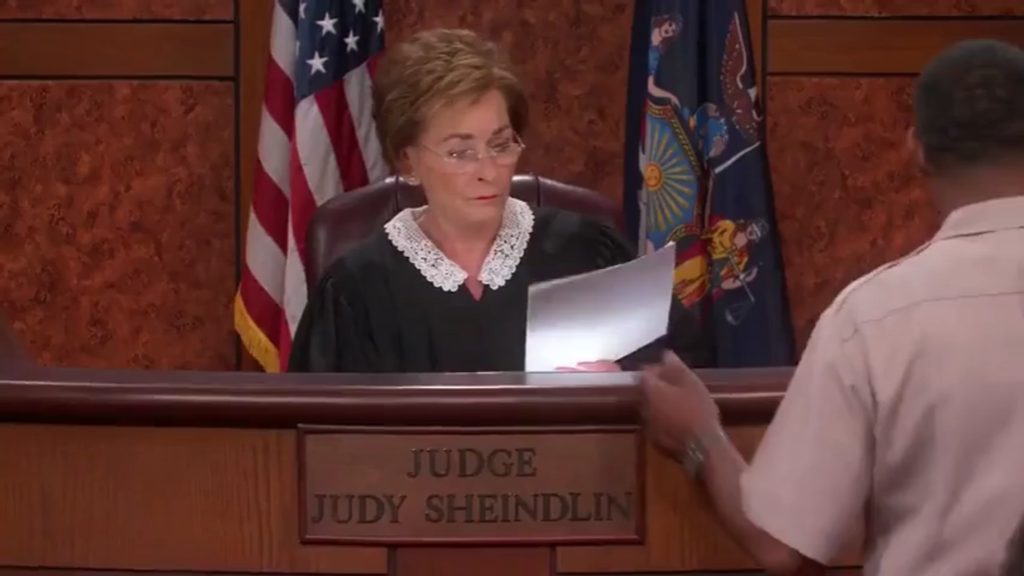
The judge asked Daniel to produce proof supporting that claim. Daniel said he did not have anything to show the court. The judge did not treat the registration argument as a sufficient defense to the plaintiffs’ case as presented.
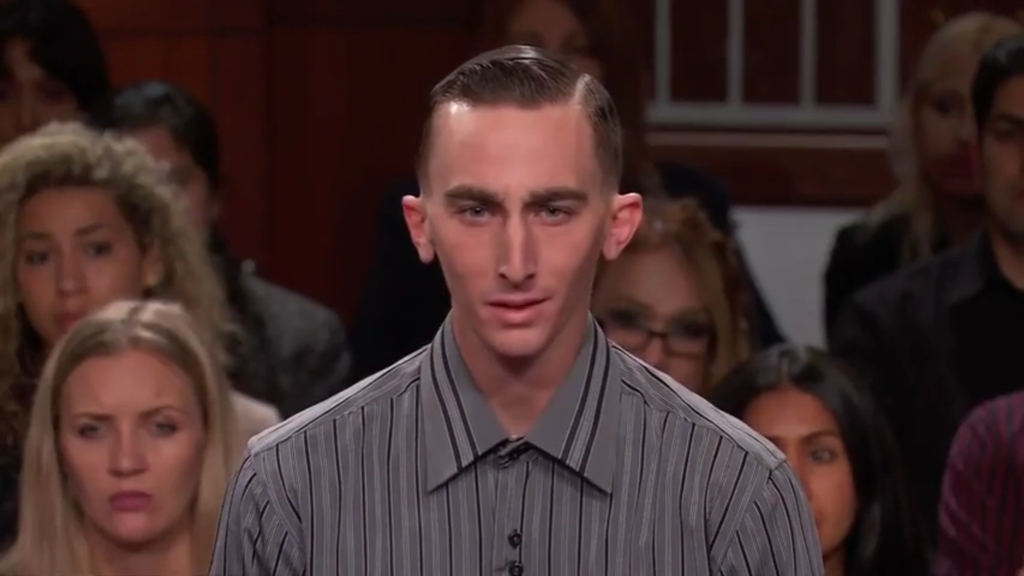
The courtroom then turned to whether the parties had formed an enforceable agreement even though there was no written contract. Daniel pointed out that nothing had been signed. The judge responded that an arrangement involving personal property did not necessarily have to be in writing. In the judge’s reasoning, Daniel had agreed to purchase the motorcycle, taken possession of it, and exercised control over it. Those actions mattered even without a written document.
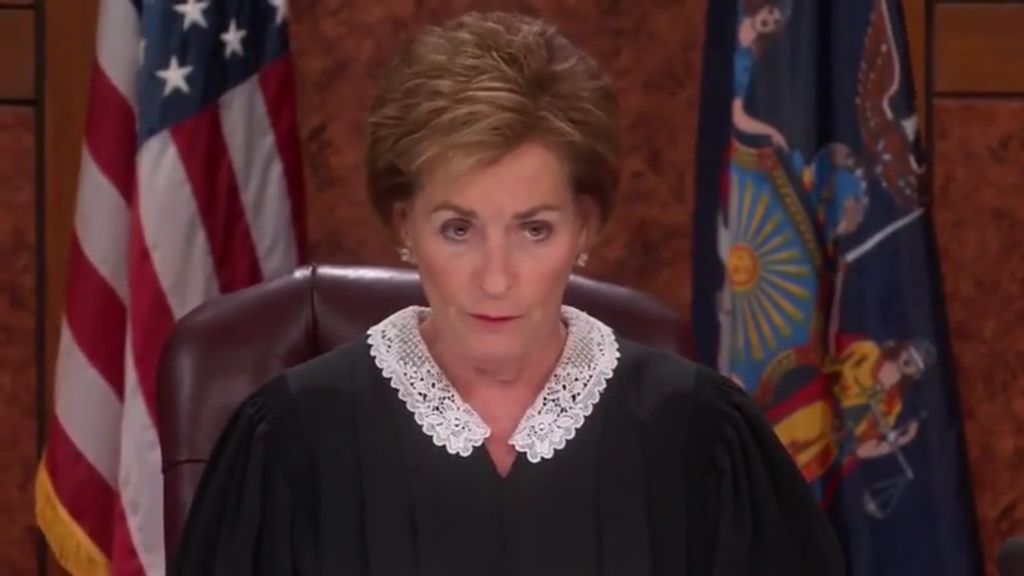
That reasoning became important because Daniel’s later decision to return the bike did not erase what happened while he had possession of it. He had kept it, ridden it to Denny’s, and had not made the agreed payments when the motorcycle was impounded.
The Helmet, Gloves, and Chest Protector
The equipment dispute added another layer to the case. Daniel said he believed the helmet, gloves, and chest protector had been collected. He explained that he had left Wayne a message telling him to pick them up from Daniel’s roommate. As far as Daniel knew, he said, Wayne had received them.
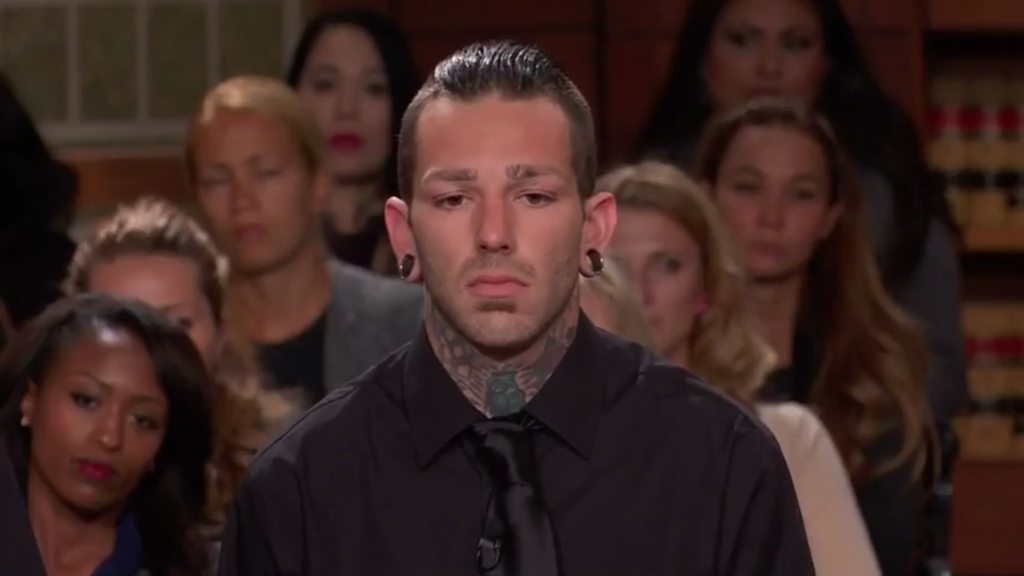
The judge viewed the arrangement differently. If the equipment belonged to someone else, the judge said, Daniel should not have left the owner responsible for retrieving it. The criticism was especially direct because Daniel had already kept the motorcycle beyond the return date and had returned it only after the delay that led to the impound.
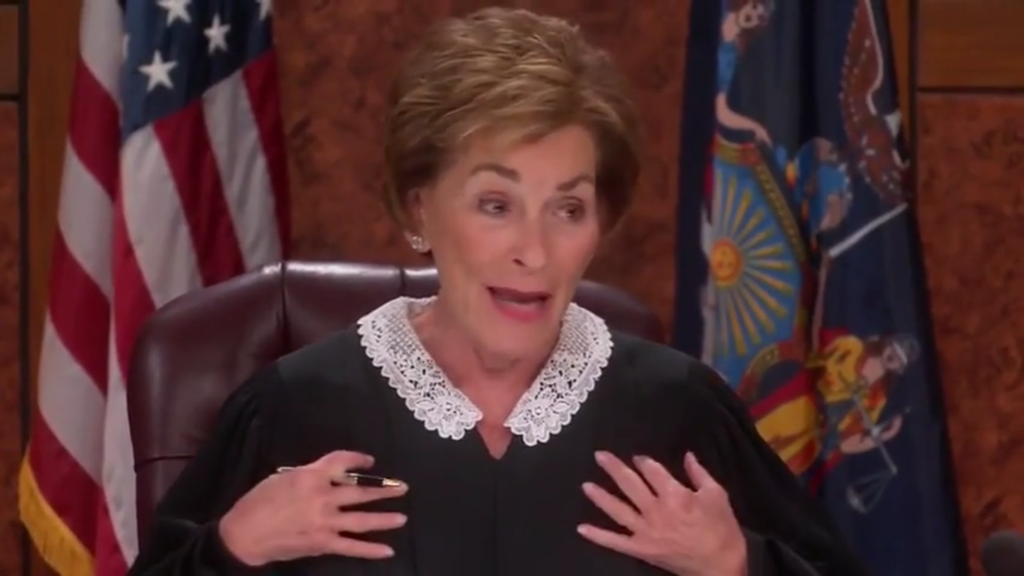
When Daniel referred to alleged threatening text messages as a reason he did not want to bring the property back, the judge suggested a neutral alternative: take the items to a police station. The transcript does not establish that threats occurred. It records Daniel’s allegation and the judge’s response, not an independent finding about the messages.
The Judge’s $1,229 Decision
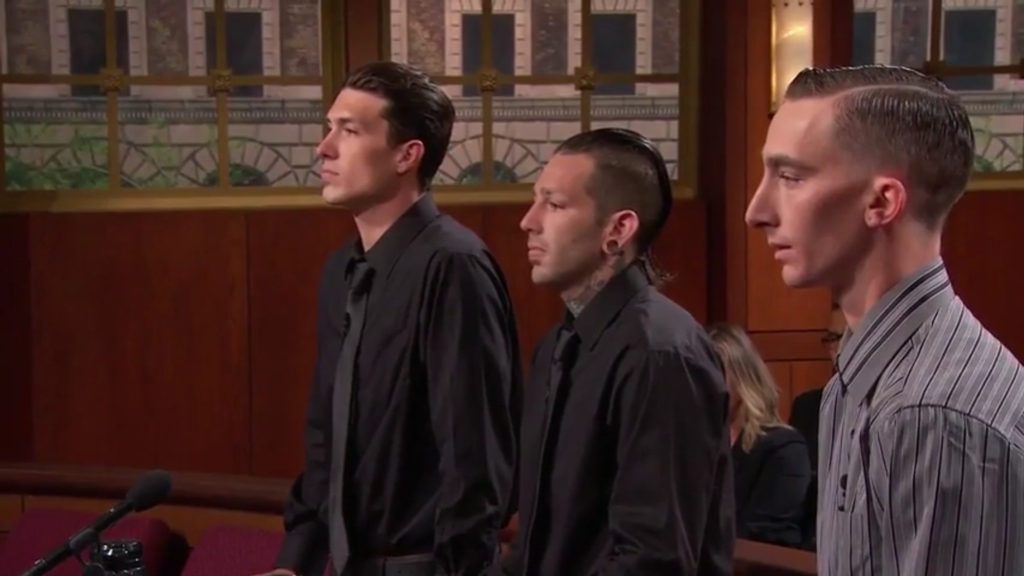
The judge ultimately ruled for the plaintiff in the amount of $1,229. The parties were then excused from the courtroom.
The decision reflected the judge’s view that Daniel’s conduct was irresponsible, but the transcript does not provide a complete itemized explanation of the award. The clearly stated figures include the expected $2,000 purchase price, the $800 impound fee, and the final $1,229 judgment. The ruling should not be presented as a criminal conviction or as proof that every allegation made by either side was established.
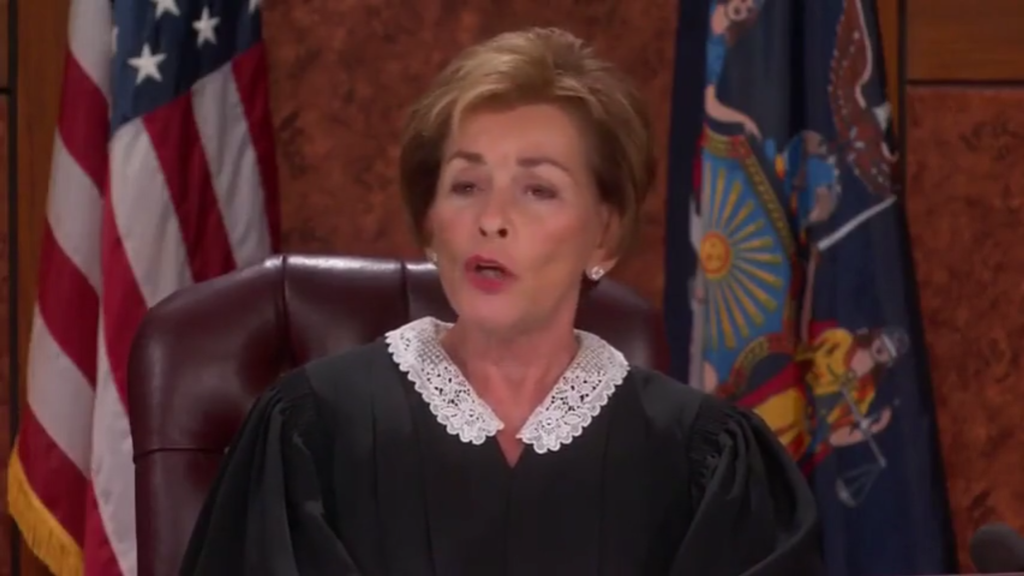
Instead, the case turned on possession, timing, registration, and responsibility. Daniel took the motorcycle under a payment arrangement, decided he did not want it, kept it for another week, rode it while it was not registered, and lost possession of it when police impounded it. The judge found for the plaintiff after considering those circumstances.
What Happened After Court
After the ruling, Daniel said he had tried to reach the others to get the motorcycle registered and released from the impound lot. He said he believed justice had been served, but also claimed that he had lived at home with his mother for two weeks and that the registration issue had not been resolved.
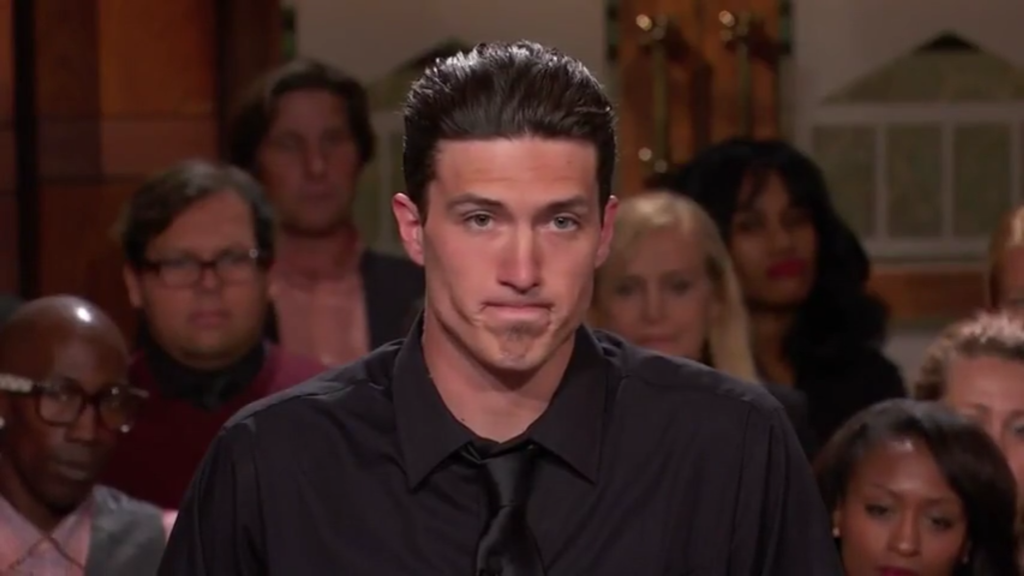
Daniel further said his mother had made the decision for him and that he was not going to pay. He accused the other side of harassing him through text messages and said he had been called a “deadbeat father.” He also said there had been no threats and that he eventually stopped talking to them.
Those post-ruling comments were Daniel’s account, not findings made by the court. The case itself had already ended with judgment for the plaintiff in the amount of $1,229.
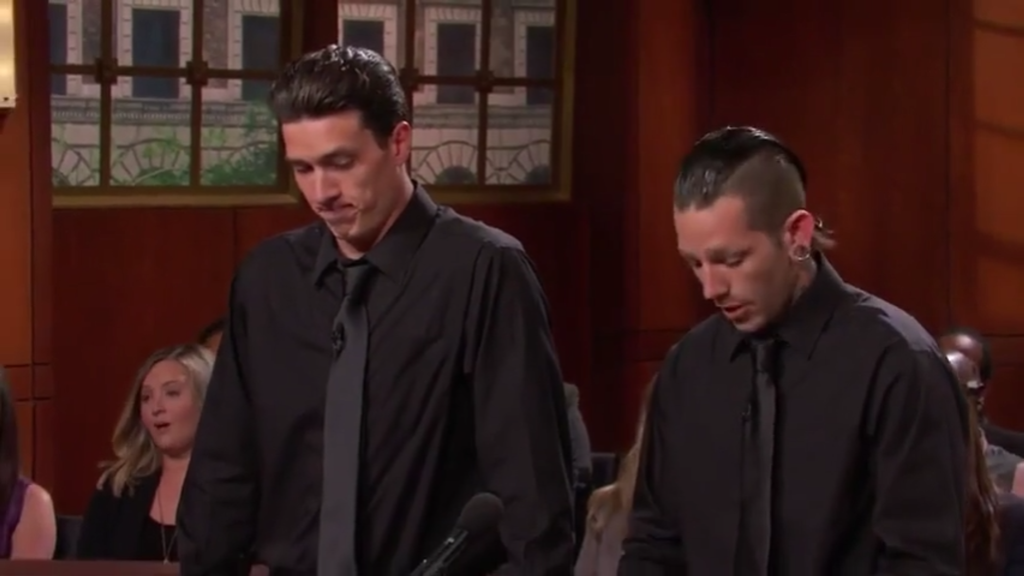
The lesson from the hearing was less dramatic than the argument surrounding it, but more practical: when a vehicle changes hands without clear paperwork, an informal payment plan can quickly become a dispute over possession, registration, expenses, and personal property. In this case, the motorcycle was not simply returned. It was ridden, impounded, and left at the center of a courtroom fight between people who had once been connected through friendship and work.
FAQ
Who sued Daniel Petitt and Michelle Pelletier?
Wayne Stoltz and his coworker, Steven Dickinson, sued Daniel Petitt and Daniel’s mother, Michelle Pelletier, over motorcycle impound fees and motorcycle equipment.
How much was the motorcycle supposed to cost?
The expected total price under the payment arrangement was $2,000.
When did Daniel Petitt take possession of the motorcycle?
The agreement was made on November 26, 2015, at Michelle Pelletier’s home, and Daniel took the motorcycle home after the arrangement.
Why was the motorcycle impounded?
Daniel testified that police pulled him over because the motorcycle had no registration, after which it was impounded.
How much was the impound fee?
The transcript states that the impound fee was $800. It does not provide a reliable complete breakdown of how that amount related to the final judgment.
What did the judge award?
The judge entered judgment for the plaintiff in the amount of $1,229.
What happened to the helmet, gloves, and chest protector?
Daniel said he left a message telling Wayne to collect the equipment from his roommate, while the judge criticized Daniel for not returning the property directly or using a neutral location such as a police station.
Was this a criminal case?
No. The SRT describes a civil courtroom dispute over a motorcycle sale, impound fees, equipment, registration, and allegations involving threatening or harassing texts.