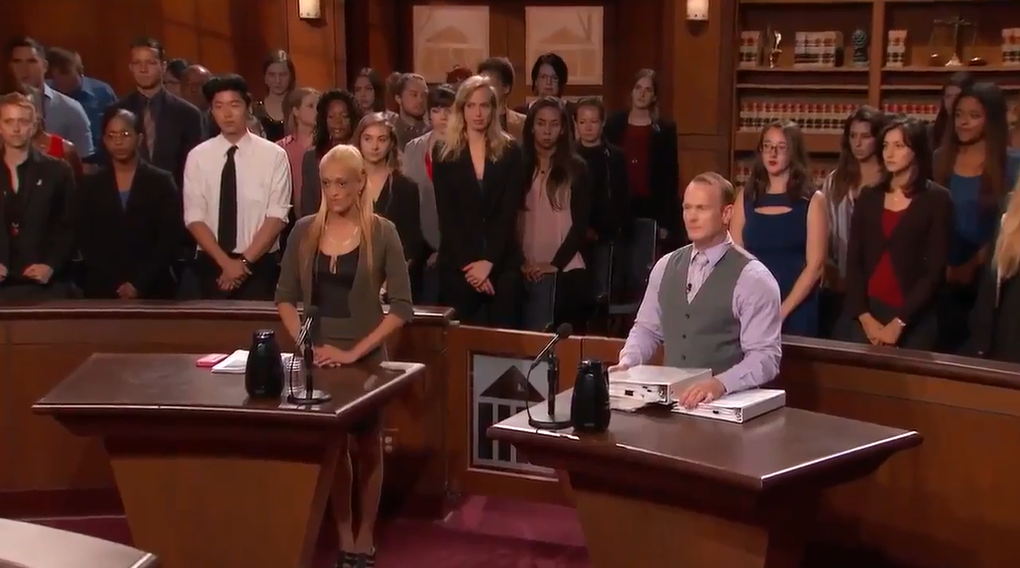
Holly Leftwich arrived in court seeking the return of belongings she said had been removed from a shared apartment. But the hearing quickly moved beyond furniture, receipts, and an eviction notice. It became a tense examination of a child who had been taken from Florida to Virginia, competing protective-order filings, and two parents struggling to separate their broken relationship from the responsibilities of raising an 18-month-old daughter.

A Property Claim With a Larger History
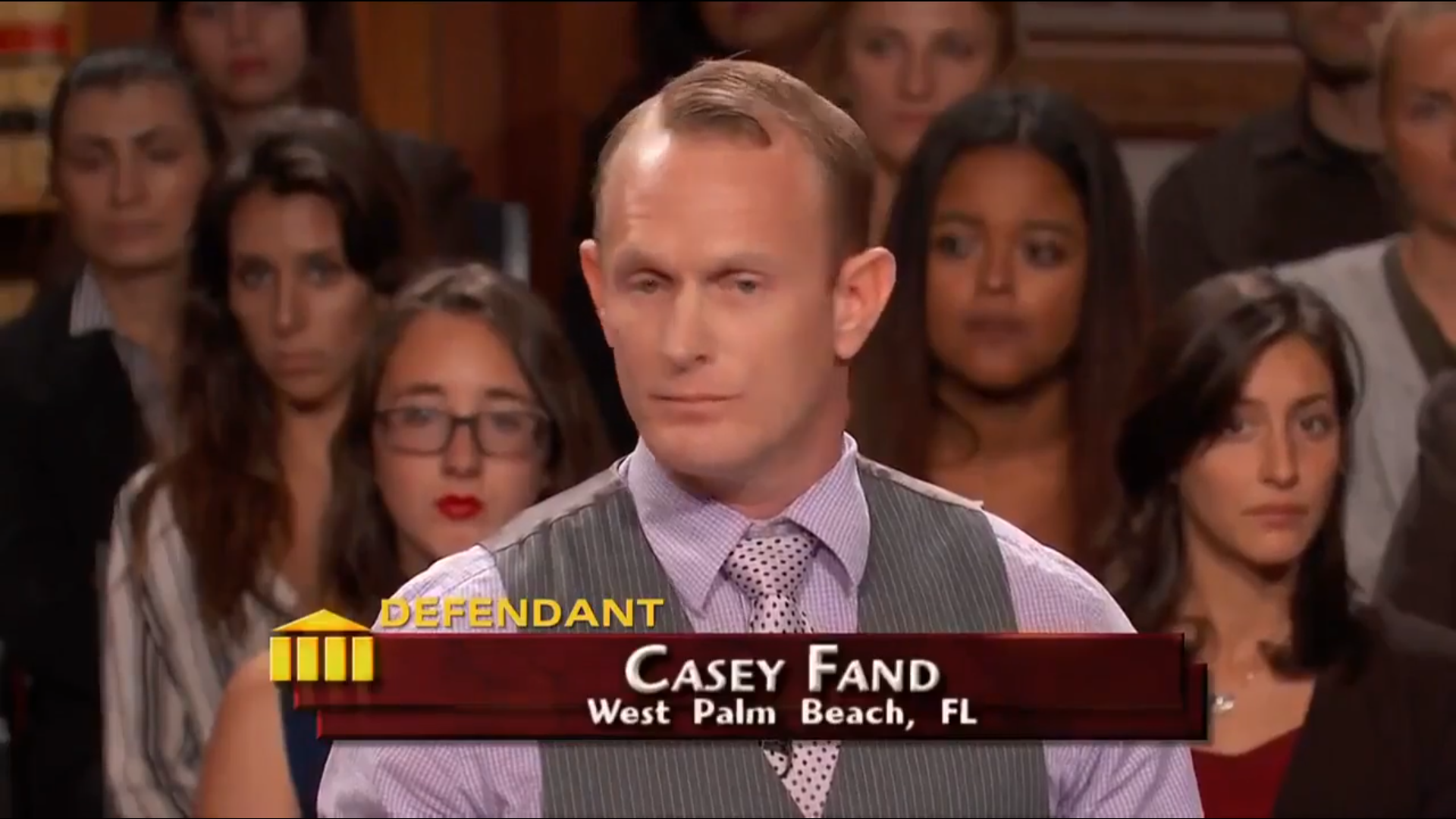
The case opened with Holly Leftwich suing Casey Fand, the father of her child, for the return of her belongings. Holly said Casey had removed her property without permission from an apartment they had shared after he moved out. Casey’s position was that his name remained on the lease and that he entered the apartment to secure property belonging to him and their daughter.

Casey also brought a counterclaim alleging that Holly had filed two false protective-order applications, both dismissed, causing him legal expenses. He said she was trying to remove him from their daughter’s life. Daycare expenses were also disputed.
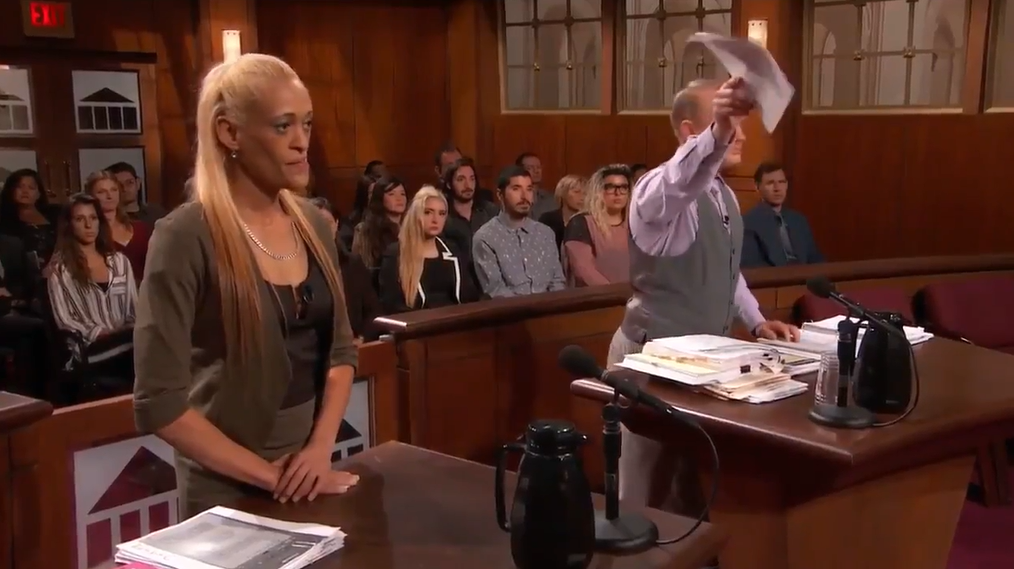
The judge was therefore dealing with property, rent, service of court papers, childcare, and custody issues arising from the same ended relationship.
The Apartment, the Lease, and the Eviction Notice
Holly’s property claim centered on an apartment that had once been shared by the couple. The transcript indicates that Casey’s name was on the lease. Holly said she left Florida on April 19, 2016, initially intending to be away for about a week. She said she left a key with an older neighbor and provided a telephone number in case she was needed.

Her absence lasted longer than planned. Holly said she went to Virginia to visit family and stayed with her parents. She acknowledged that no one paid rent for the Florida apartment during April, May, and June.
The judge examined an eviction notice dated April 27. It indicated that the landlord had not received rent and was demanding possession. Holly’s belongings, her daughter’s belongings, and her cat remained inside. The transcript does not provide a complete answer about the cat’s care.

Casey’s explanation was that, because his name remained on the lease, he went into the apartment to secure property that belonged to him and the child. Holly disputed the account and later said Casey had stolen and sold her belongings. The hearing did not establish a complete inventory or a reliable dollar value for the items she claimed.
When the Case Turned to Custody

The court’s attention shifted from the apartment to the child. Holly said a final judgment provided for 50/50 custody, but claimed Casey refused to allow her to exercise her share of time. The judge asked to see the custody order and questioned where the child was living.
At the time of the hearing, the daughter was 18 months old and living with Casey under a custody order, according to the testimony. No support order had yet been entered. The judge explained that the noncustodial parent would ordinarily be ordered to pay support and told Holly that, if Casey was the custodial parent, she could be required to pay support.
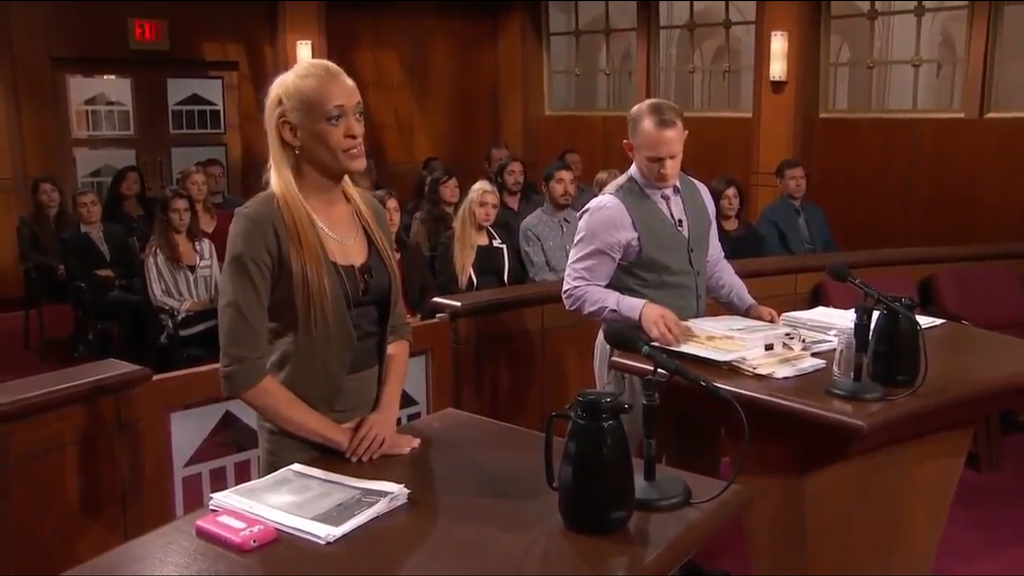
Holly questioned why Casey would receive support if custody was split equally. She answered that she earned less than he did. The judge again asked to see the written order rather than rely on the parties’ competing descriptions.
The legal timeline became especially important. Both parents had been living in Florida, and the child had been born there. The judge treated Florida as the child’s home state and focused on what happened after Holly traveled north with the child.

Florida, Virginia, and the Protective Order
Holly said she left Florida by bus on April 19, 2016, traveling to Virginia. She later returned for a Florida court date on May 20, which she said Casey brought concerning the child’s return from Virginia to Florida.
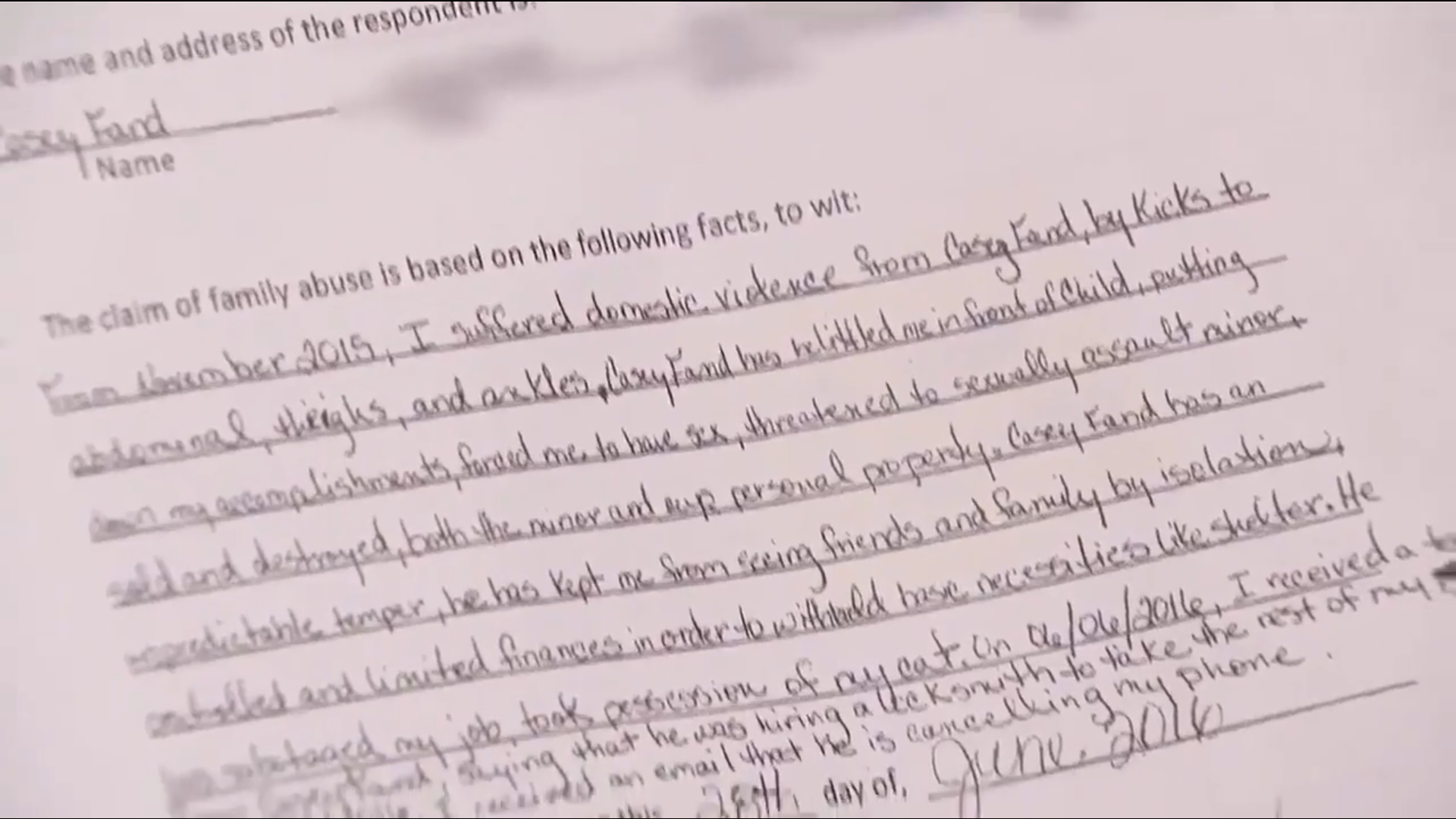
The judge referenced an order dated May 23 stating that neither parent could remove the child from Palm Beach County. Holly agreed that she nevertheless took the child from Palm Beach County back to Virginia. She said she filed for a protective order in Virginia in late June, giving the date as June 29 during one exchange and referring elsewhere to June 28.
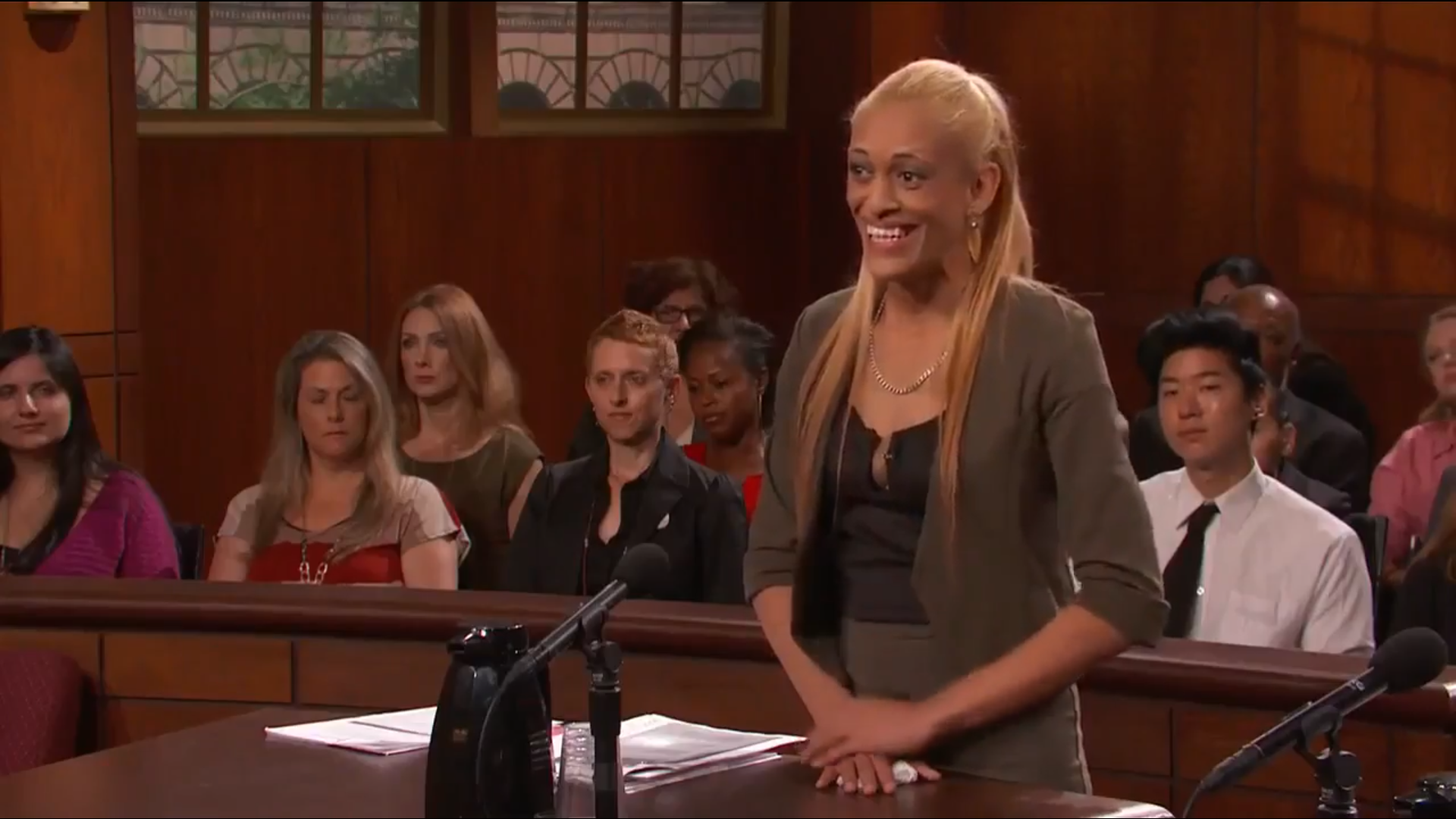
The judge wanted to know whether the Virginia court had been told about the Florida order. Holly said Virginia granted her a permanent protective order based on her allegations and that there was no trial. The transcript does not independently establish the facts behind that order.
The judge also questioned a separate protective-order matter that Holly said was dismissed after she did not attend. That exchange is unclear, so the record supports only that both parties described protective-order filings while the court examined their relationship to the Florida custody orders.

The Belongings Holly Said Were Hers
When the hearing returned to the property claim, Holly described items she said she had brought into the shared apartment. They included a mattress, rugs, chairs, pots and pans, and other household belongings. The judge narrowed the inquiry to items Holly could prove she had personally purchased, particularly furniture for the child.
Holly said Casey had left with the top drawer of a two-drawer file from their bedroom. According to her testimony, the drawer contained receipts, bank records, and related documents. That made the missing paperwork especially important: without receipts or account records, proving ownership of individual items became more difficult.

Holly said they lived together in the apartment for about a year, while Casey moved out in September 2015. She remained there with the child before leaving for Virginia.
Holly said she had not been served with Casey’s counterclaim. Casey said he had served her and had a police receipt, while Holly said the papers arrived by mail the day she left and were signed for by her roommate. The judge declined to hear the counterclaim that day and said Casey could refile in Palm Beach County.
Why the Judge Dismissed the Case
The judge ultimately dismissed Holly’s property case and told her to take the child-related matters to the family-court judge. The decision did not provide a monetary award for her belongings, and the transcript does not state that Casey was found to have stolen or sold them.
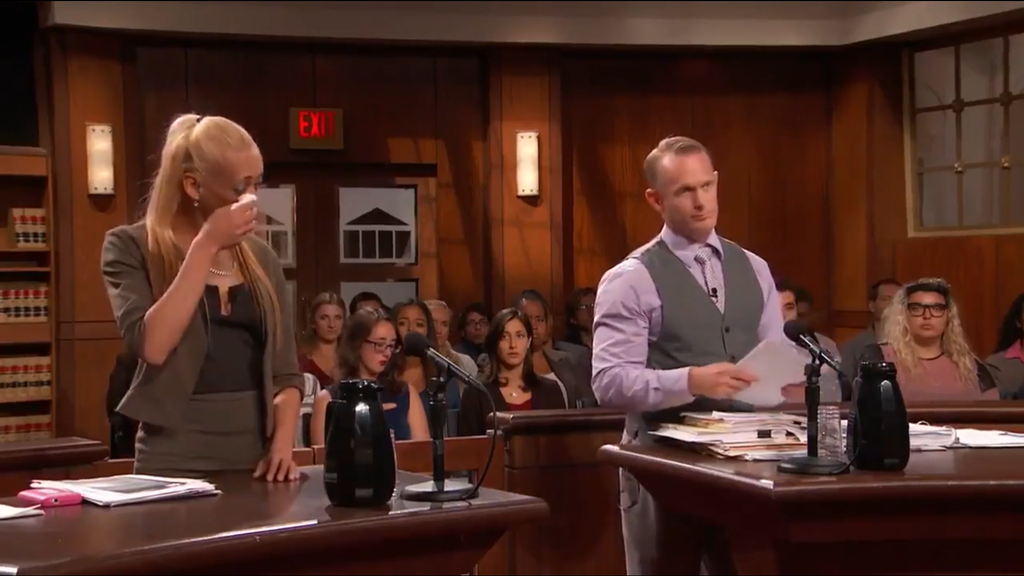
The ruling reflected the limits of the evidence. Holly was asked to prove which items she personally purchased, but said Casey had the receipts and bank records. The property dispute was also tied to missed rent and an eviction notice. The judge directed custody and support questions to family court.
The judge also emphasized that the child could not become leverage in the parents’ conflict. Florida was described as the home state, and neither parent was said to have the right to remove the child from the other. A regular, consistent custody timetable and a support order were presented as necessary next steps.

The Warning About Co-Parenting
Near the end of the hearing, the judge delivered the clearest message of the day: whether Holly and Casey liked each other was irrelevant to the court. They had a child together and had to be responsible enough to co-parent.

The judge warned that joint custody would be impossible unless the two adults could cooperate. The point was not that the relationship had to be repaired. It was that the child’s routine, support, and connection with both parents could not depend on the parents’ personal feelings about one another.
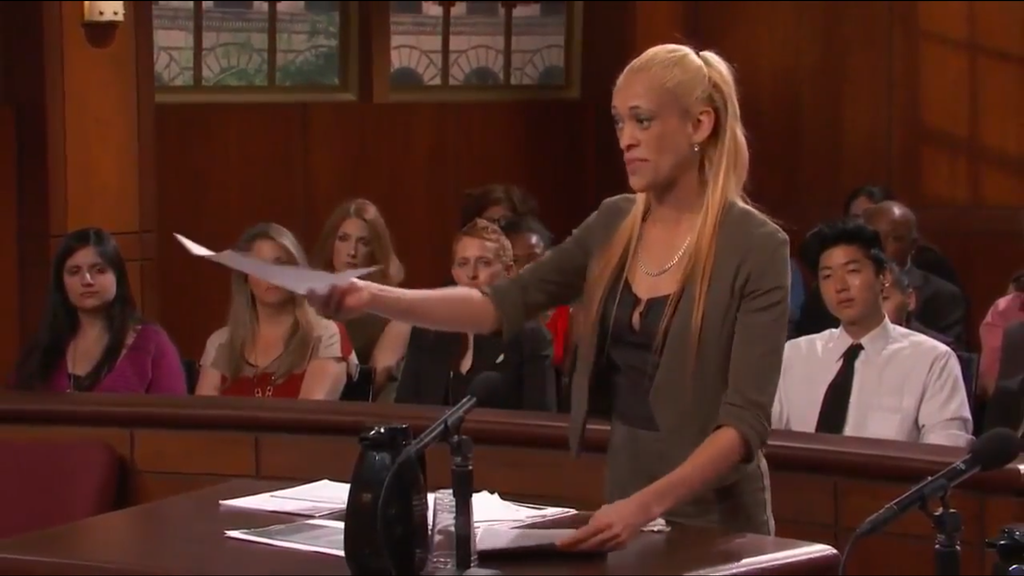
Both parties protested. Holly said Casey had put her through living hell. Casey responded that Holly had done the same to him. The judge ended the exchange without accepting either accusation as an established fact.
The case was not a criminal trial. It was a civil and family-related dispute involving belongings, rent, childcare expenses, protective-order filings, and custody. Holly’s property claim was dismissed, Casey’s counterclaim was not heard because of the service issue, and the court directed the central child-related disputes to family court.
The record leaves several questions unresolved, including the exact value and disposition of Holly’s belongings and the factual basis for the competing protective-order allegations. What the hearing did establish was narrower: paperwork, jurisdiction, service, and custody orders mattered more than the parties’ conflicting accounts of their relationship.
FAQ
Who is Holly Leftwich?
Holly Leftwich is the plaintiff who sued Casey Fand for the return of belongings from an apartment they had shared. She is also the mother of Casey’s child.
Who is Casey Fand?
Casey Fand is Holly Leftwich’s former partner and the father of their 18-month-old daughter. He was the defendant in Holly’s property case and asserted a counterclaim involving protective-order filings, legal expenses, and childcare-related issues.
Why did Holly Leftwich sue Casey Fand?
Holly said Casey removed her belongings without permission from their shared apartment after he moved out. She sought the return of that property.
What happened to Holly’s property case?
The judge dismissed Holly’s property case and directed the child-related issues to the family-court judge. The transcript does not state a monetary award for her belongings.
What happened to Casey Fand’s counterclaim?
The judge declined to hear Casey’s counterclaim that day because Holly said she had not been properly served with a copy. Casey was told he could refile in Palm Beach County.
Why was Virginia important in the case?
Holly said she traveled from Florida to Virginia with the child on April 19, 2016, and filed for a protective order there in late June. The judge questioned how that filing related to a Florida order identifying the child’s home state and restricting removal from Palm Beach County.
Was Holly Leftwich found guilty of anything?
The transcript does not establish a criminal conviction. It describes a civil and family-court dispute, along with competing allegations and protective-order proceedings.
What did the judge say about custody?
The judge said the child should not become a pawn, urged a regular custody schedule and support order, and warned that joint custody would be difficult without cooperation between the parents.