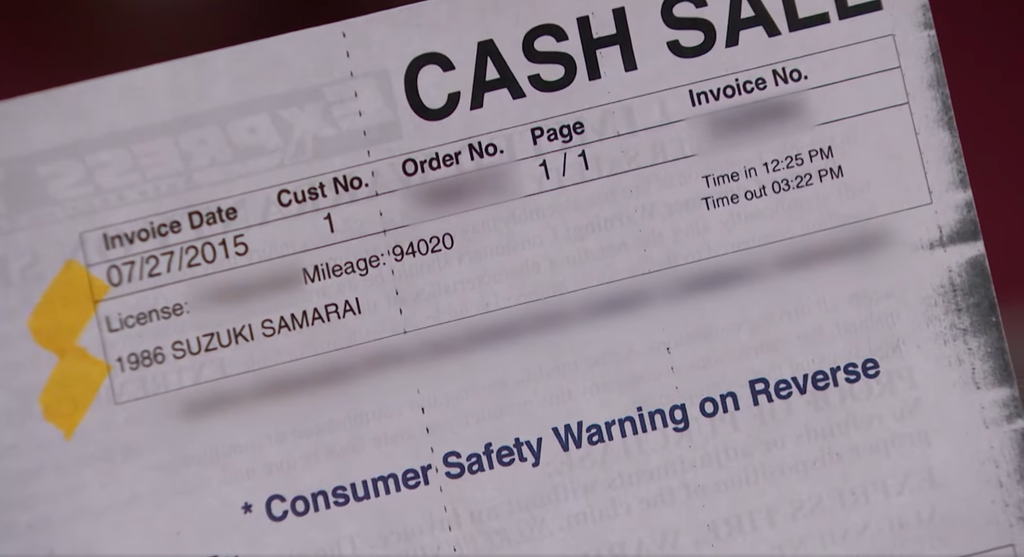
The number was highlighted on a service record: 94,020 miles. Yet when Joselito Concepcion traded his Acura for an aging SUV, he believed the odometer showed about 84,000 to 85,000. To him, the nearly 10,000-mile gap looked like proof that he had been deceived.
But the same papers that triggered his suspicion had been handed to him by Carmen McMurdock, the woman he accused of hiding the truth. By the time the dispute reached Judge Judith Sheindlin, the central question was no longer whether the numbers conflicted. They plainly did. The question was whether that conflict proved who caused it—and whether anyone intended to defraud him.

A $4,500 Trade Between Strangers
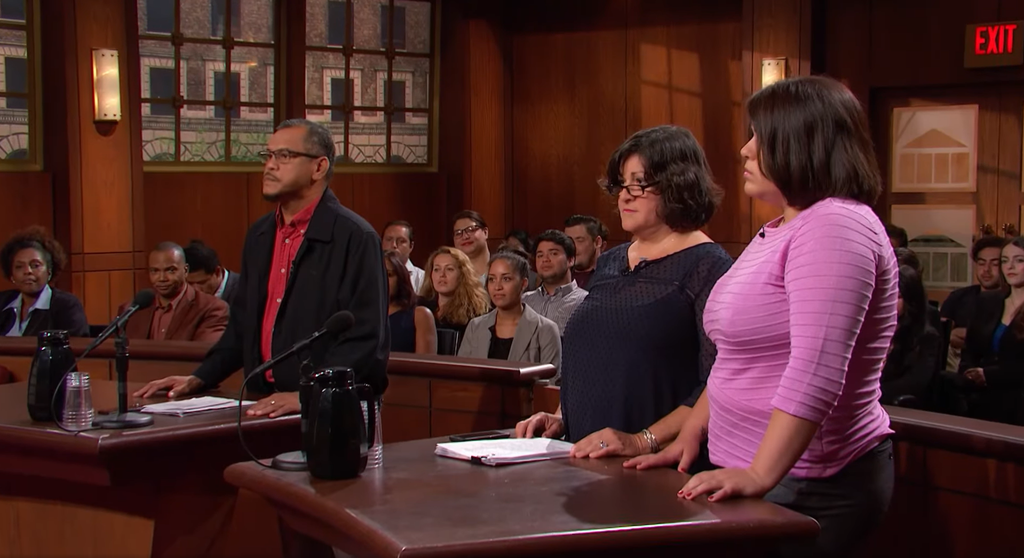
Joselito Concepcion did not know Carmen McMurdock or her daughter, Dana Dixon, before the vehicle exchange. He had seen their SUV parked with a for-sale sign and wanted a different car. The parties ultimately bartered: Concepcion’s Acura for the women’s SUV, with the vehicles treated as having roughly the same $4,500 value.

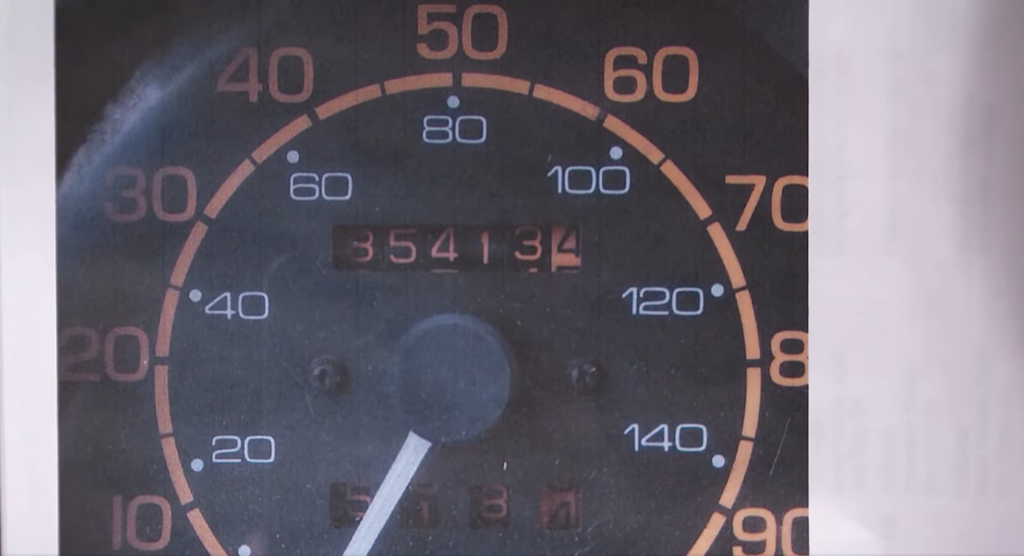
The trade took place on March 1, although the supplied transcript does not establish the calendar year. Concepcion looked at the odometer before agreeing. He first described the reading as approximately 84,000 to 85,000 miles; later, the courtroom discussion referenced 85,413 miles. The relatively low mileage mattered to him because the SUV was a 1986 model—already close to 30 years old when the case was heard.

There was no dispute that the vehicle was old or that Concepcion wanted it. The conflict began with what he discovered after the keys had changed hands.
The Paper Trail Came With the SUV
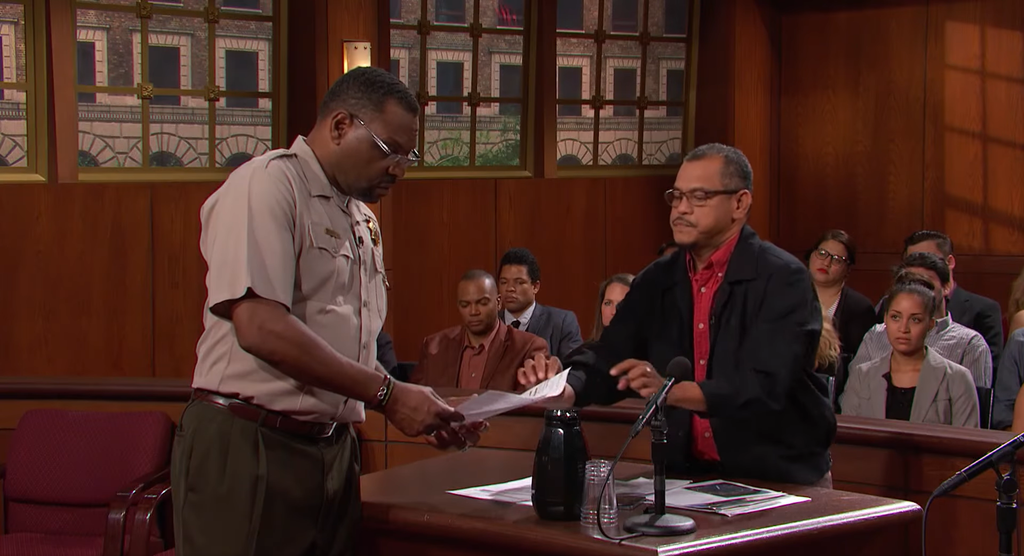
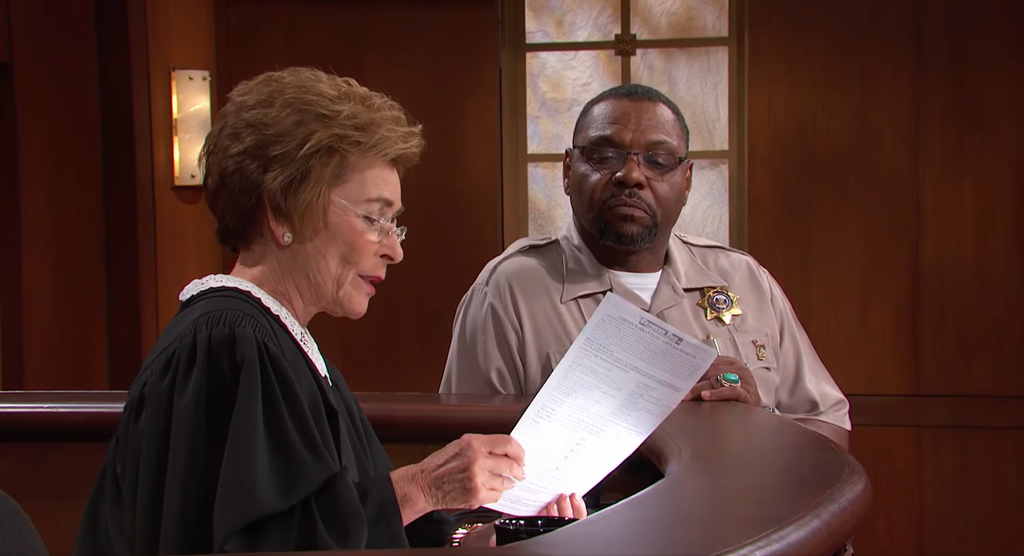
McMurdock did not hand over only the SUV. She also gave Concepcion its paperwork, including maintenance and service records accumulated during her ownership. In court, Judge Sheindlin examined those documents and noted that they repeatedly recorded mileage.
McMurdock said she had purchased the vehicle in September 2012 and maintained it for about four years before the trade. One Sears-related record appeared to show approximately 90,000 miles when she obtained it. Other papers documented later service, tire rotations, and the vehicle’s continuing mechanical history.
That transparency became crucial. If McMurdock and Dixon had deliberately reduced the odometer reading to mislead a buyer, why would they voluntarily supply the records most likely to expose the discrepancy? Judge Sheindlin returned to that question throughout the hearing.
“Why would she do that if she was trying to scam you?” Judge Sheindlin asked after confirming that McMurdock had provided the paperwork.
The observation did not explain the inconsistent numbers. It did, however, challenge Concepcion’s claim that the documents showed intentional deception by the women who had given them to him.
The 10,000-Mile Discrepancy
The most important document was a service record from the previous July. It listed 94,020 miles—roughly 9,000 to 10,000 more than the figure Concepcion believed he saw at the trade.
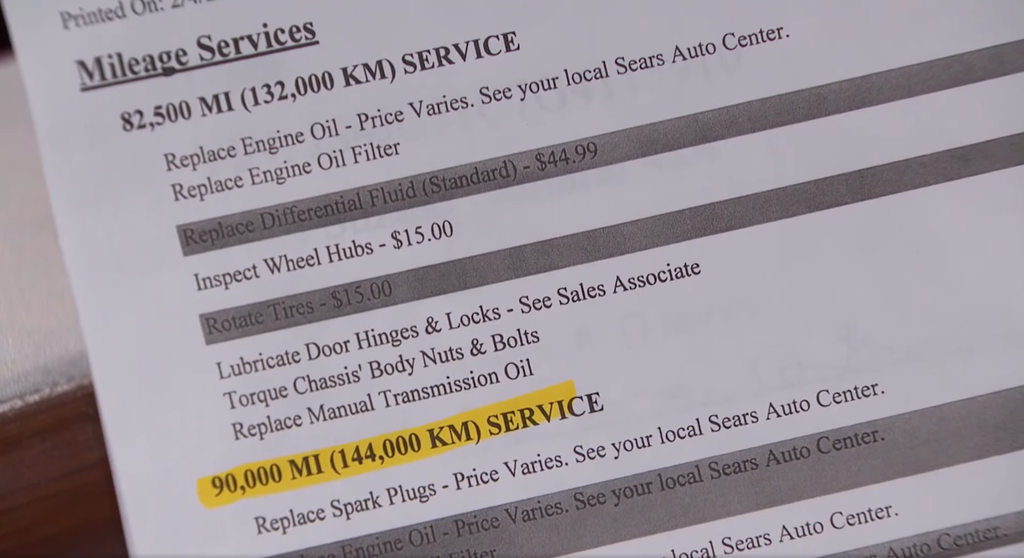
Concepcion called the gap evidence of a scam. McMurdock denied altering the odometer. One defense explanation was that the cloudy cover over the mileage display of the old vehicle might have led a mechanic to read or record it incorrectly. Judge Sheindlin did not accept that theory as an answer to the specific 85,413-mile reading then before her.

Still, a discrepancy and proof of responsibility were not the same thing. The transcript established conflicting mileage records. It did not establish when the conflict arose, whether the odometer had actually been manipulated, or who would have done it.
The official program posts preserve that distinction. Part 1 says Joselito claimed Carmen and Dana rolled back the odometer; Part 2 says Carmen denied doing so.

Three Weeks—and More Than 1,000 Miles
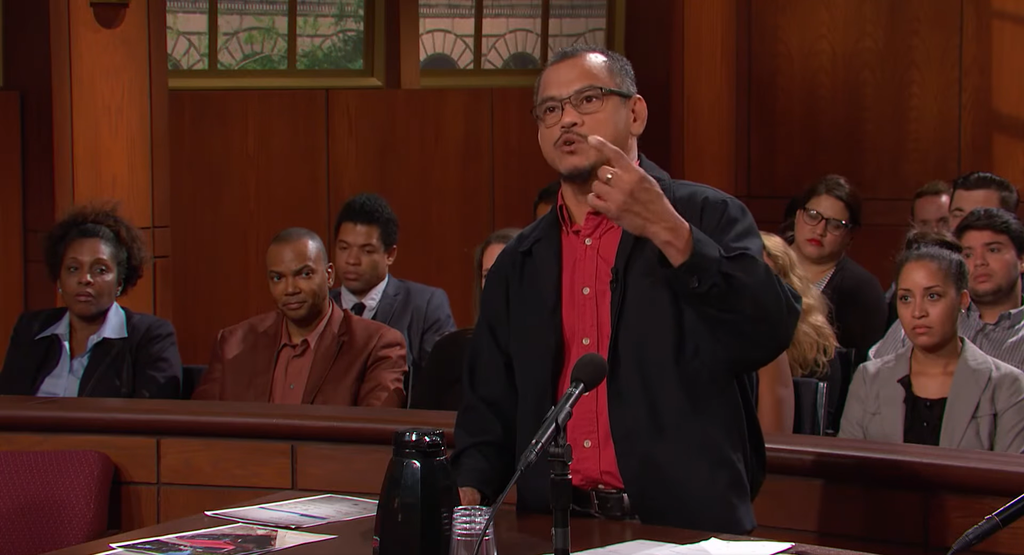
Concepcion testified that he reviewed the records about three weeks after the exchange. By then, however, he had driven the SUV extensively. Judge Sheindlin compared a photograph of the odometer with the bill of sale and concluded that he had added more than 1,000 miles.

Concepcion said he had been test-driving the vehicle and considering upgrades. He also said that once he understood what he believed McMurdock had done, he stopped regularly driving it and called her. According to his account, he told McMurdock that the SUV appeared to have an altered odometer. She denied it.
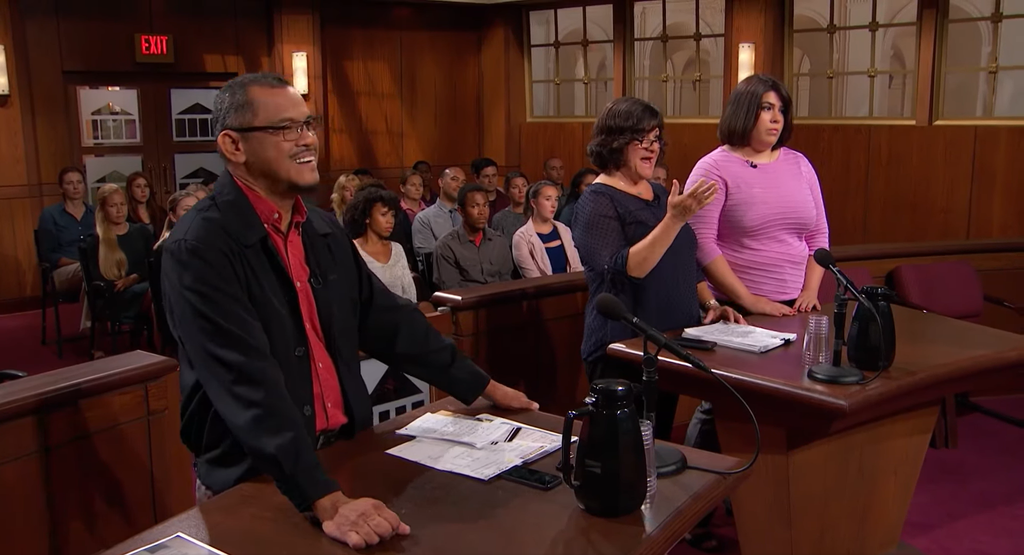
The continued use of the vehicle complicated his request to undo the exchange. Judge Sheindlin repeatedly asked why, if he discovered the records within weeks, he did not stop sooner and try to return the SUV immediately.
By the hearing, the vehicle still ran. Concepcion said it was parked on the street near his apartment and moved short distances because his building allowed him only one parking space.
Why the Fraud Theory Weakened
Concepcion wanted his Acura back or the monetary equivalent because he believed he had been defrauded. Yet his own evidence created two problems.
First, the maintenance file had come directly from McMurdock. It was not a hidden report Concepcion independently uncovered. The defendants had preserved and transferred the records, including the page displaying 94,020 miles. Judge Sheindlin reasoned that a seller attempting a calculated rollback would be unlikely to deliver a chronological set of receipts documenting higher mileage.

Second, Concepcion had not promptly rejected the vehicle. He read the paperwork weeks after the exchange and drove more than 1,000 miles. Those facts did not erase his concern, but they weakened his position that the transaction should be reversed after continued use.
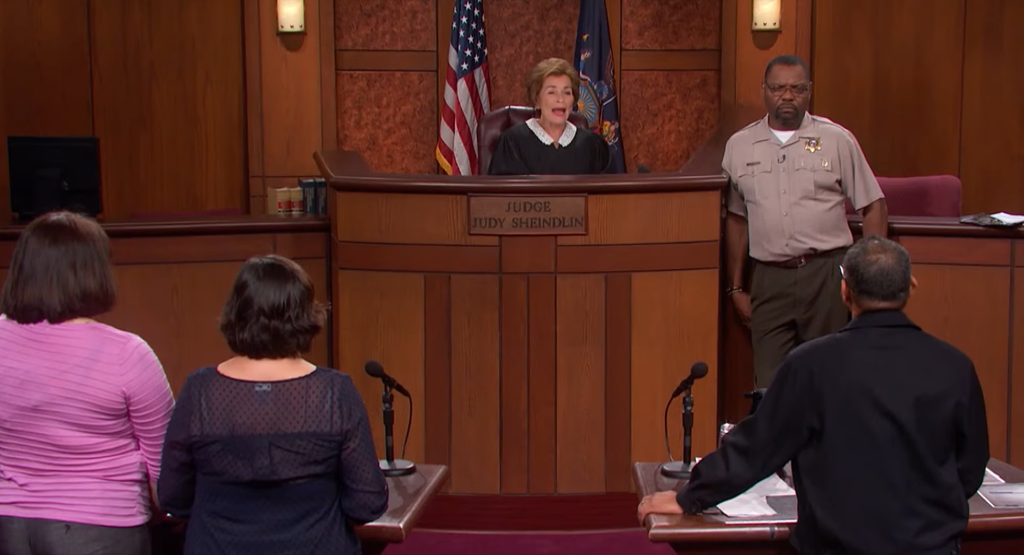
At one point, Judge Sheindlin turned Concepcion’s theory back on him, asking whether he might have changed the odometer. He rejected the suggestion and said the conduct would be illegal. The question was courtroom testing, not a finding that Concepcion had tampered with anything.
The Defense: No Mechanical Training, No Rollback
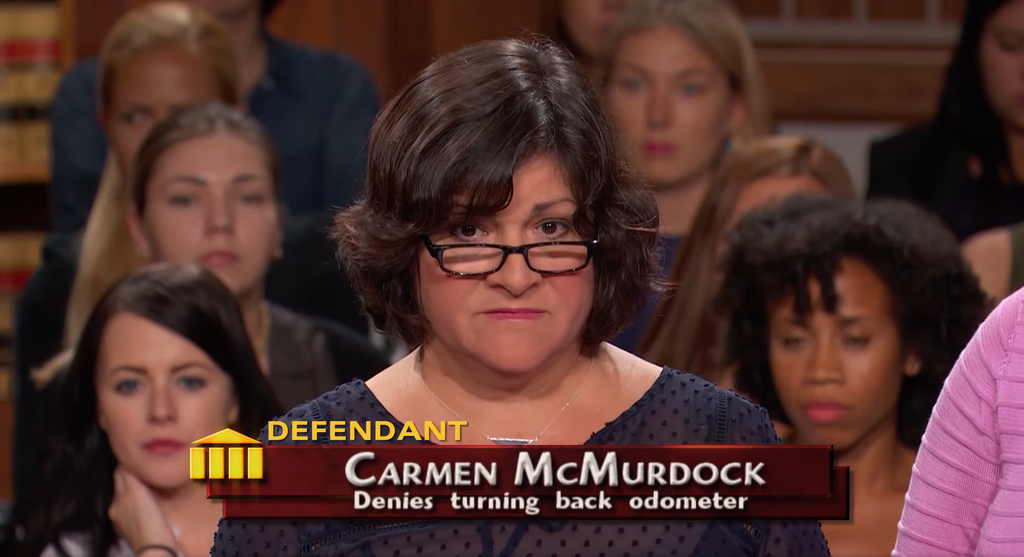
McMurdock and Dixon denied turning back the odometer. When Judge Sheindlin asked about their work and experience, the court heard that they worked in food service and had no mechanical training. They said the SUV had been taken to shops or mechanics for maintenance rather than serviced by them personally.
Their occupations did not prove that tampering was impossible. What mattered more was the broader record: no direct evidence identified them as the source of the mileage conflict, and the maintenance paperwork they supplied worked against a theory of deliberate concealment.
Judge Sheindlin ultimately stated that the women had not rolled back the odometer.
Judge Judy’s Decision
The case ended without an award to Concepcion. Judge Sheindlin told him that if he did not want the SUV, he should have reviewed the paperwork and attempted to return it instead of driving it for another thousand miles.
She was direct about the age of the purchase as well: Concepcion had acquired a roughly 30-year-old vehicle. The car still ran, and the court was not persuaded that McMurdock or Dixon had engineered the mileage discrepancy.

“Your case is dismissed. We’re done.”
The ruling did not solve the numerical mystery. It resolved the narrower civil dispute. Concepcion had shown inconsistent mileage information, but he had not persuaded the court that the defendants intentionally altered the odometer or defrauded him.
What the Case Shows About Mileage Records

The concern at the heart of the case was legitimate in principle. The National Highway Traffic Safety Administration defines odometer fraud as disconnecting, resetting, or altering an odometer with the intent to change the miles displayed.
NHTSA advises used-car buyers to compare the odometer with the title, maintenance and inspection records, oil-change stickers, vehicle wear, and a vehicle history report. That guidance closely mirrors the evidence Judge Sheindlin examined: the dashboard number could not be evaluated in isolation from the paper history.

But records must be reviewed before a buyer commits—or as soon as possible afterward. In Concepcion’s case, the receipts revealed a discrepancy while also showing that McMurdock had not hidden the history. The difference between suspicion and proof lay in intent, attribution, and timing.
FAQ
Joselito Concepcion sued Carmen McMurdock and her daughter, Dana Dixon, after trading his Acura for their SUV. He alleged that they had defrauded him through a rolled-back odometer.
The parties treated the Acura and SUV as having approximately equal values of $4,500.
Concepcion believed the SUV showed roughly 84,000 to 85,000 miles. A prior service record listed 94,020 miles, creating a difference of approximately 10,000 miles.
No. McMurdock denied tampering, and Judge Sheindlin stated that McMurdock and Dixon did not roll back the odometer.
Judge Sheindlin emphasized that the defendants had handed him the complete maintenance file and that he continued driving the SUV for more than 1,000 miles. The court was not persuaded that the defendants committed fraud.
She raised the possibility while testing his theory, but the supplied transcript contains no finding that Concepcion altered the odometer. He denied it.
NHTSA recommends comparing the odometer with the title, maintenance or inspection records, vehicle history, maintenance stickers, tire condition, and overall wear.
References
[1] Judge Judy — Did Someone Roll Back the Odometer? Part 1
[2] Judge Judy — Did Someone Roll Back the Odometer? Part 2
[3] National Highway Traffic Safety Administration — Odometer Fraud