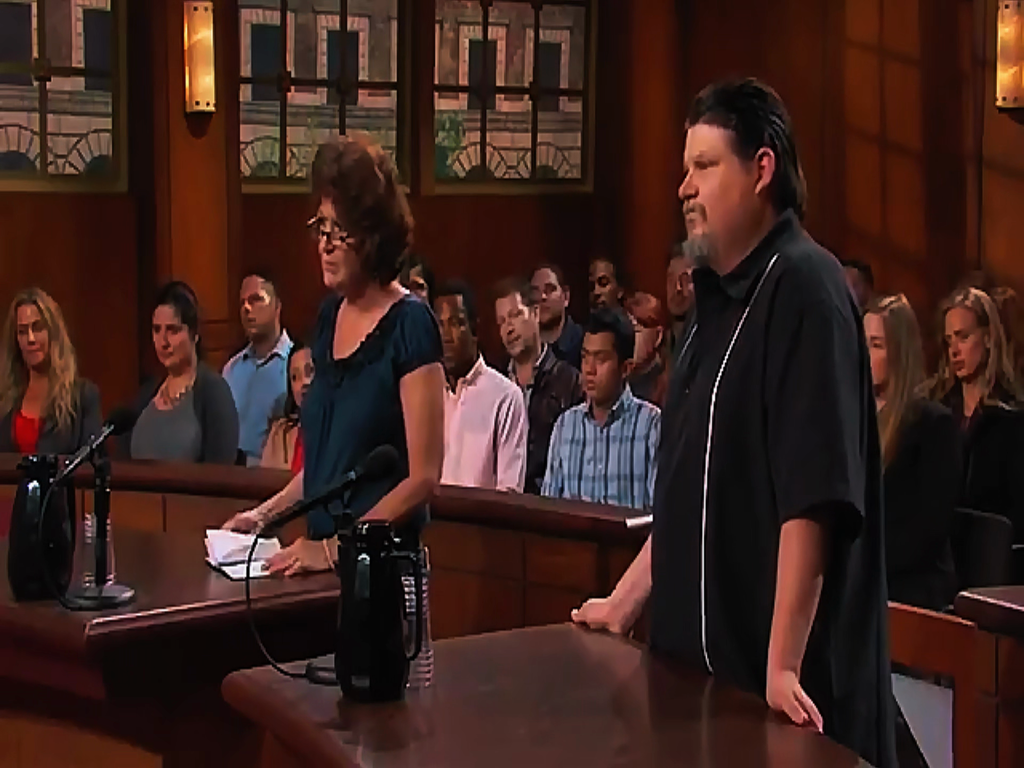
Tina Dunham believed she had done what many people do when someone close to the family needs help: she handed over money with the expectation that it would eventually come back. Chris Aldahl remembered the transaction very differently. He admitted receiving the $1,800, but insisted Tina had become his “silent business partner” in a plan to flip a car for profit — and when the deal failed, her money disappeared with it. Judge Judy needed only a few minutes to decide which version made sense.
(uc.)
A Friendship That Extended Beyond Tina’s Daughter
Tina Dunham and Chris Aldahl were not strangers brought together by a random financial transaction. Chris had been Tina’s friend and neighbor, and he had also been romantically involved with Tina’s daughter. Even after that relationship ended, there was still a history between Chris and Tina’s family. During the hearing, it became clear that Chris believed this history was important because he had previously helped Tina’s daughter and her two children, including allowing them to stay in his home. From his perspective, the $1,800 dispute could not be separated entirely from everything he had done for the family.
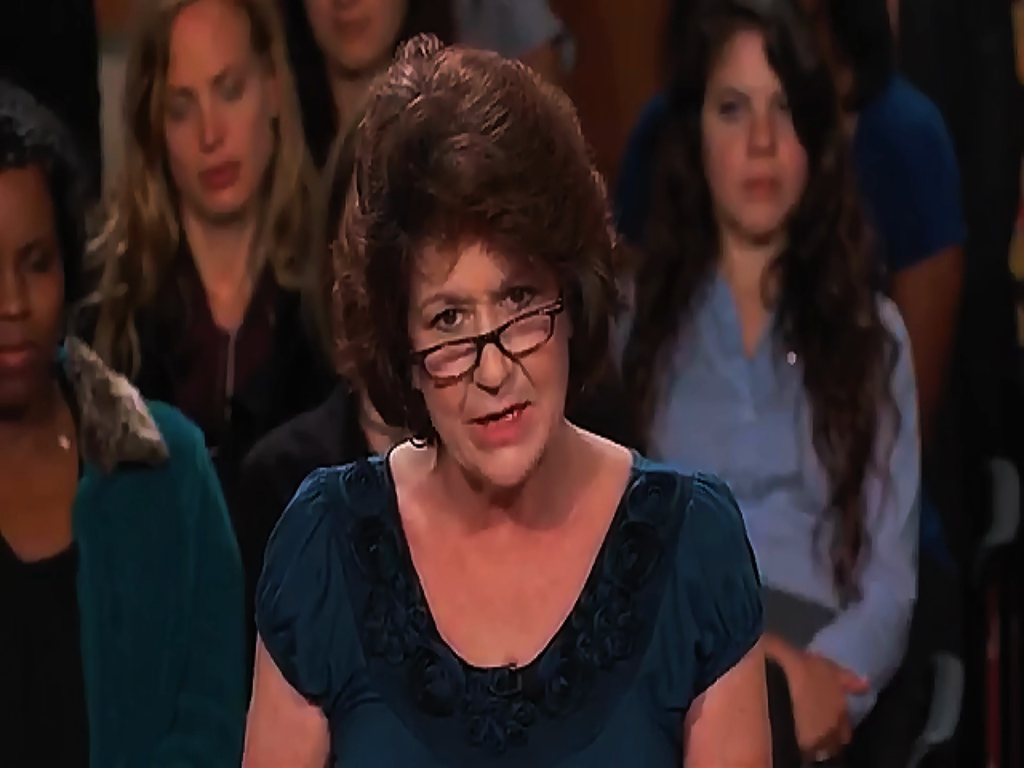
Judge Judy was willing to acknowledge that history, but she did not allow it to obscure the specific transaction before the court. Whatever Chris had previously done for Tina’s daughter did not automatically determine whether Tina’s later payment was a gift, a loan or an investment. Tina’s position was straightforward: Chris needed money, she gave him $1,800 in January 2017, and he was supposed to repay her. Chris agreed that he received the money but denied owing it back as a traditional debt. That narrow disagreement — not the history of the friendship — became the heart of the case.
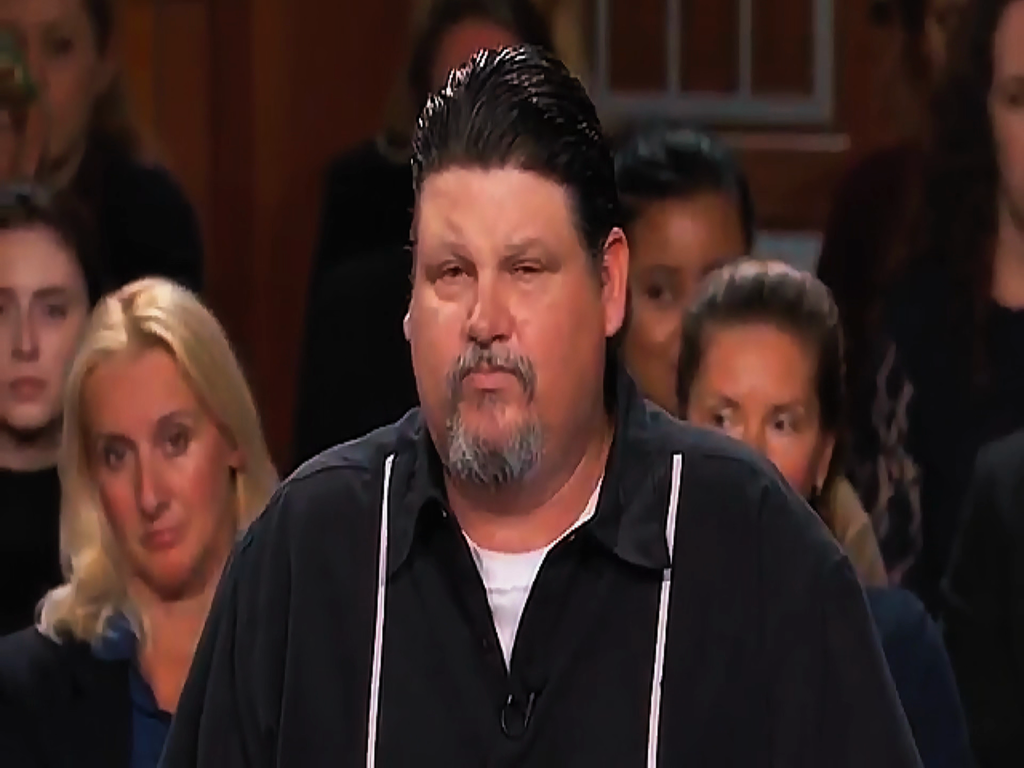
Tina Says She Loaned Chris $1,800
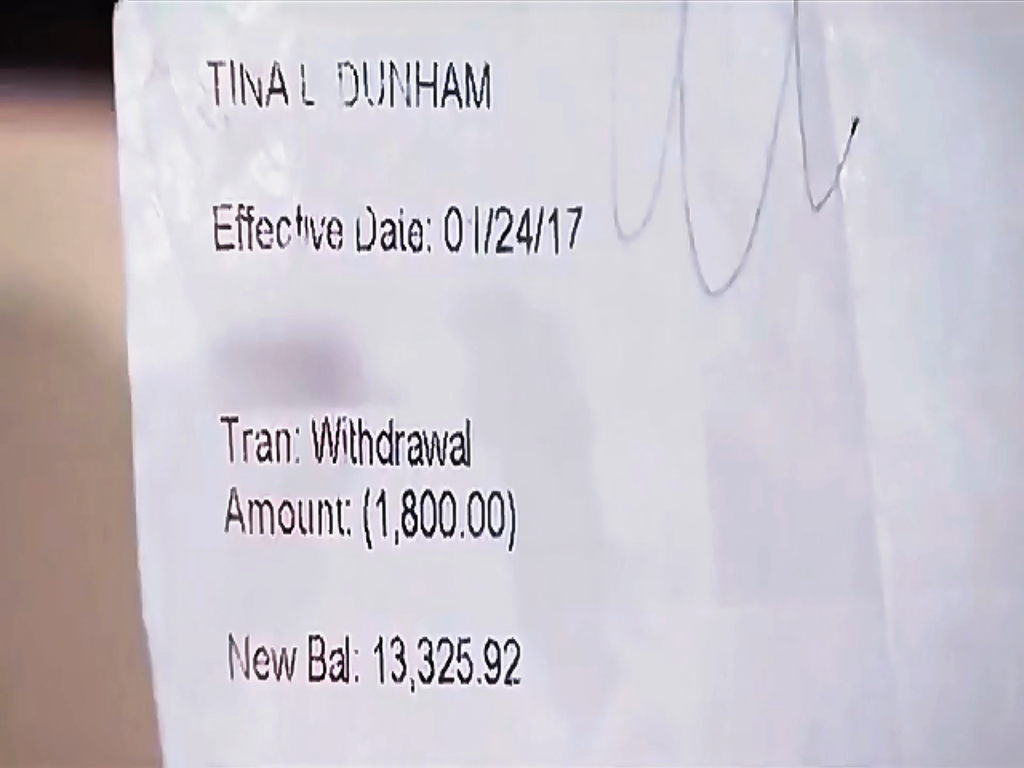
Tina told Judge Judy that she gave Chris the money on January 24, 2017. To support her claim, she produced a credit-union record showing that she had withdrawn $1,800 in cash during January. The document helped establish that Tina had access to exactly the amount she claimed to have given Chris, but Judge Judy immediately identified an evidentiary weakness: withdrawing $1,800 from a bank account does not prove what happened to the cash afterward. The record did not identify Chris as the recipient and did not contain any notation saying that the money was a loan.
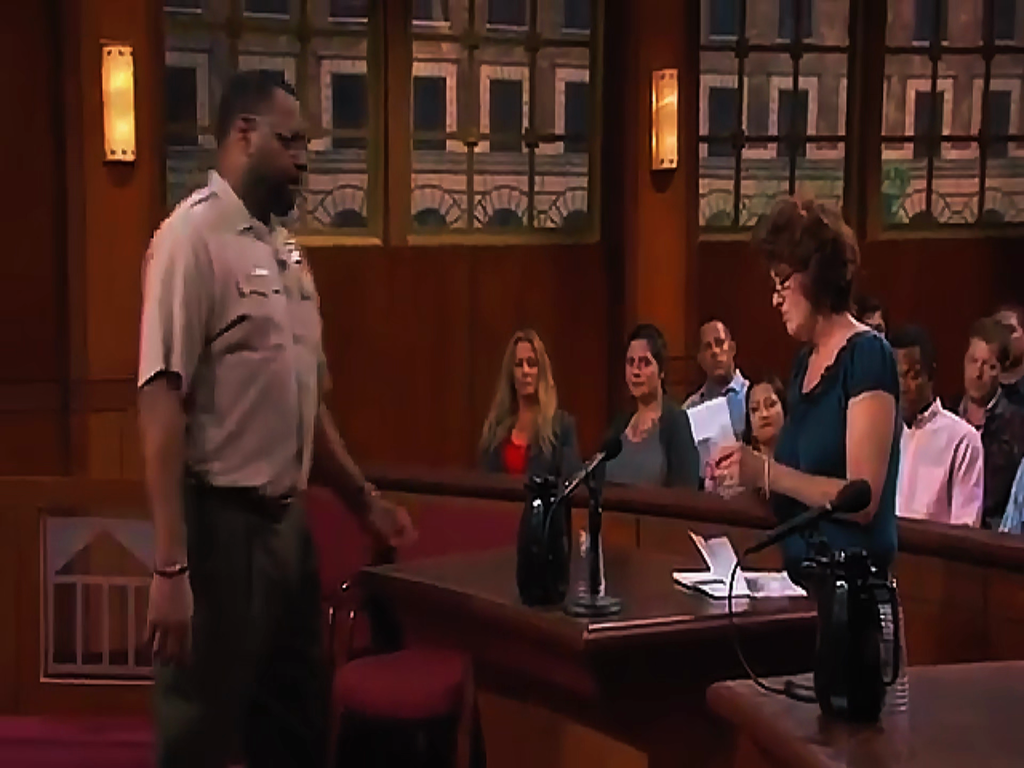
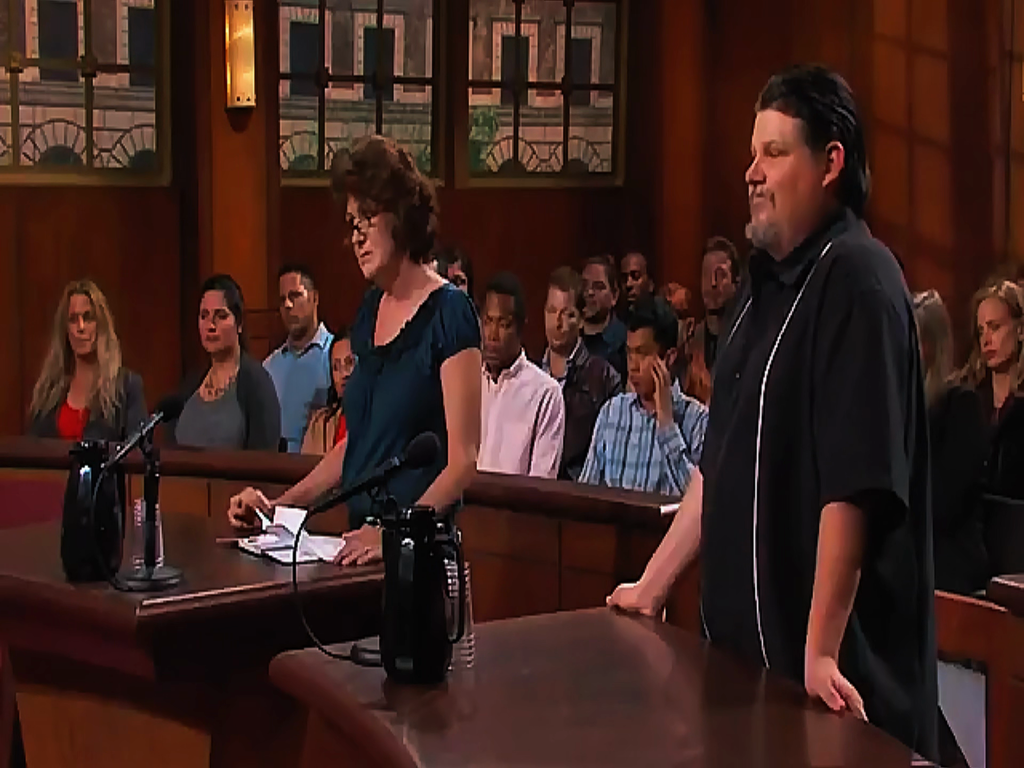
Tina therefore tried to establish the agreement through what happened afterward. She said she repeatedly attempted to contact Chris about getting her money back and referenced communications from March 26, 2017, when she said she sent him several text messages. Tina also testified that she went to Chris’s home on April 8, knocked on the door and received no answer. Her behavior was consistent with someone attempting to collect an unpaid debt, but Judge Judy wanted more than Tina’s recollection of those communications.
The Text Messages Tina Needed Were Gone
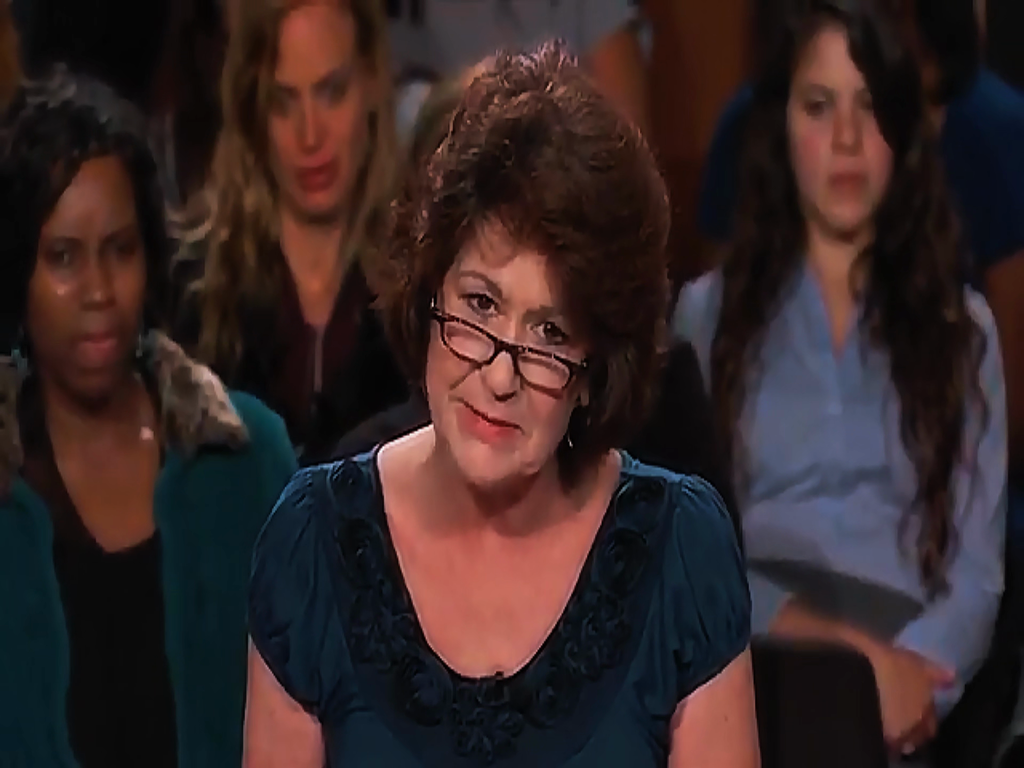
When Judge Judy asked Tina to produce the messages, Tina could not do so. She explained that the original texts had been deleted from her phone and that her phone company had been unable to retrieve them. Instead, Tina had written information about the communications in a notebook. That created another problem because handwritten notes made later are not the same as the original messages exchanged between the parties. Judge Judy was not prepared simply to treat Tina’s personal record as independent proof that Chris had promised to repay the money.

At that point, Tina’s lawsuit appeared to have a meaningful evidentiary gap. Her bank record proved that she withdrew $1,800 but did not prove she handed it to Chris. Her notebook reflected her own account of later communications but could not replace the missing texts. If Chris had denied receiving the money altogether, Tina would have faced the difficult task of connecting her cash withdrawal directly to him. Instead, Judge Judy asked Chris one of the simplest questions in the case, and his answer dramatically changed the evidentiary picture.
Chris Admits He Received the Money
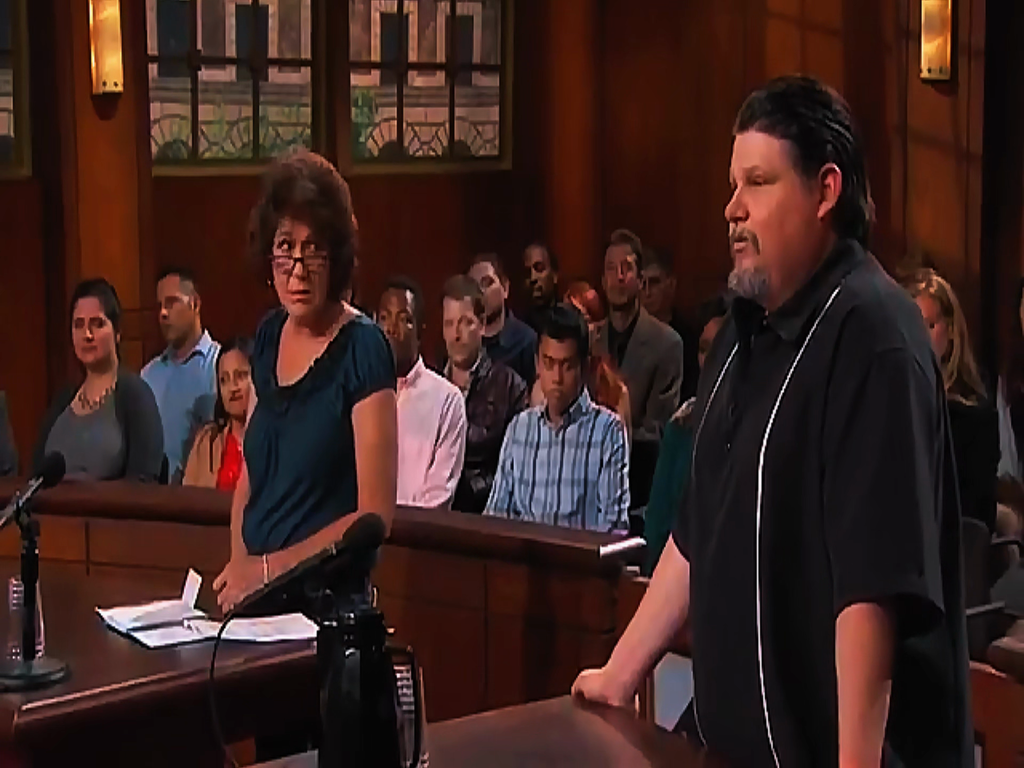
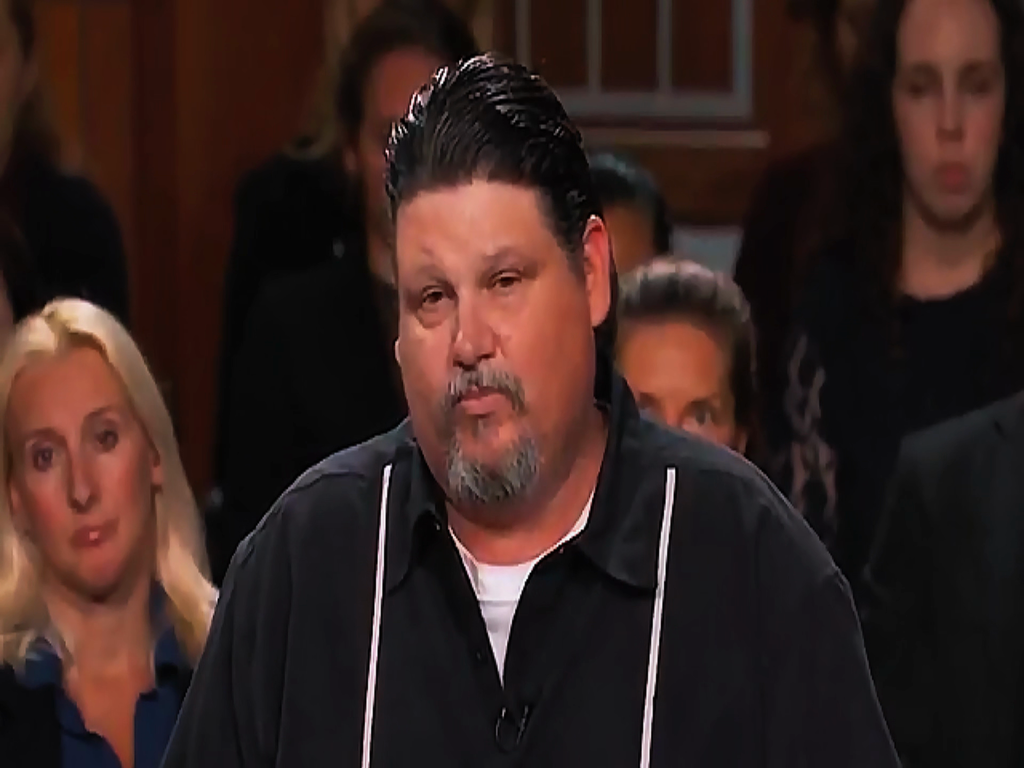
Chris acknowledged that Tina had given him the $1,800. With that admission, the most important weakness in Tina’s bank evidence disappeared. The court no longer needed to infer where the cash had gone because Chris himself confirmed that he was the recipient. The dispute was therefore reduced to one central issue: what were the terms under which Tina had given him the money?
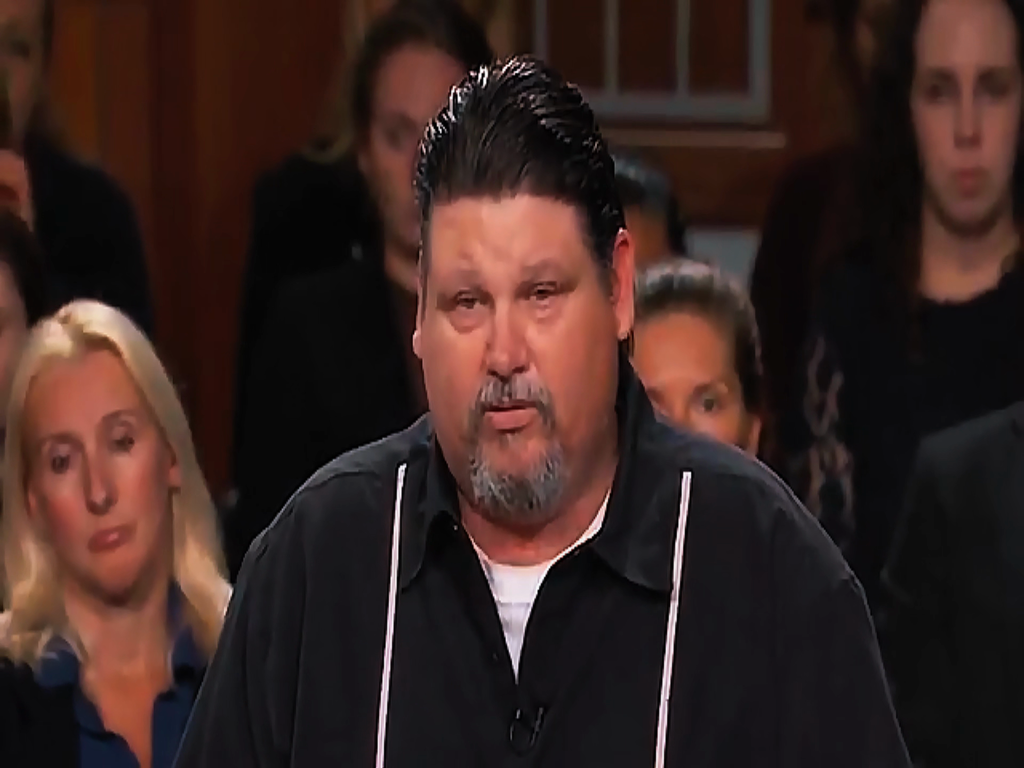
Tina said it was a loan that had to be repaid. Chris said it was an investment in a business opportunity and that Tina had knowingly accepted the possibility of losing her money. His explanation was unusual enough to catch Judge Judy’s attention. Chris described Tina not as a lender but as a “silent business partner” in his effort to buy and resell vehicles for profit.
Chris Says Tina Invested in His Car-Flipping Business
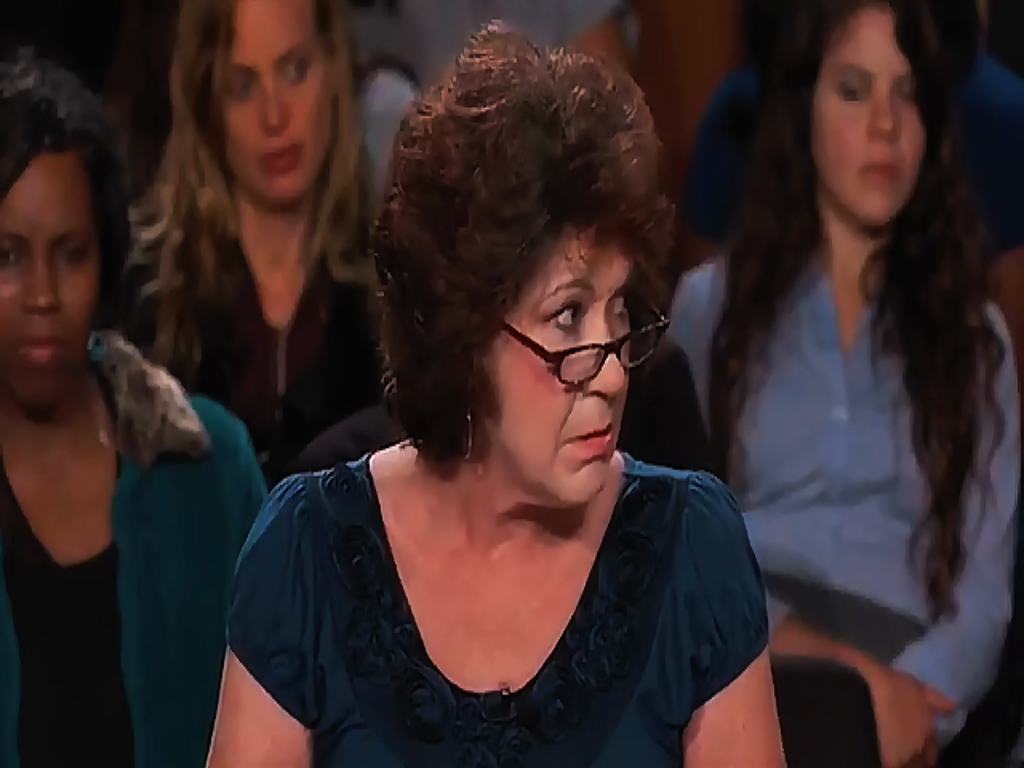
According to Chris’s version, Tina wanted to participate financially in his car-flipping activity. He needed approximately $1,800 to purchase a vehicle, and Tina supplied the money with the expectation that the transaction would eventually generate a profit. Chris therefore maintained that he had not borrowed $1,800 for personal expenses and had never guaranteed Tina that the original amount would be returned regardless of what happened. In his telling, she had invested in a business deal and assumed the risk associated with it.
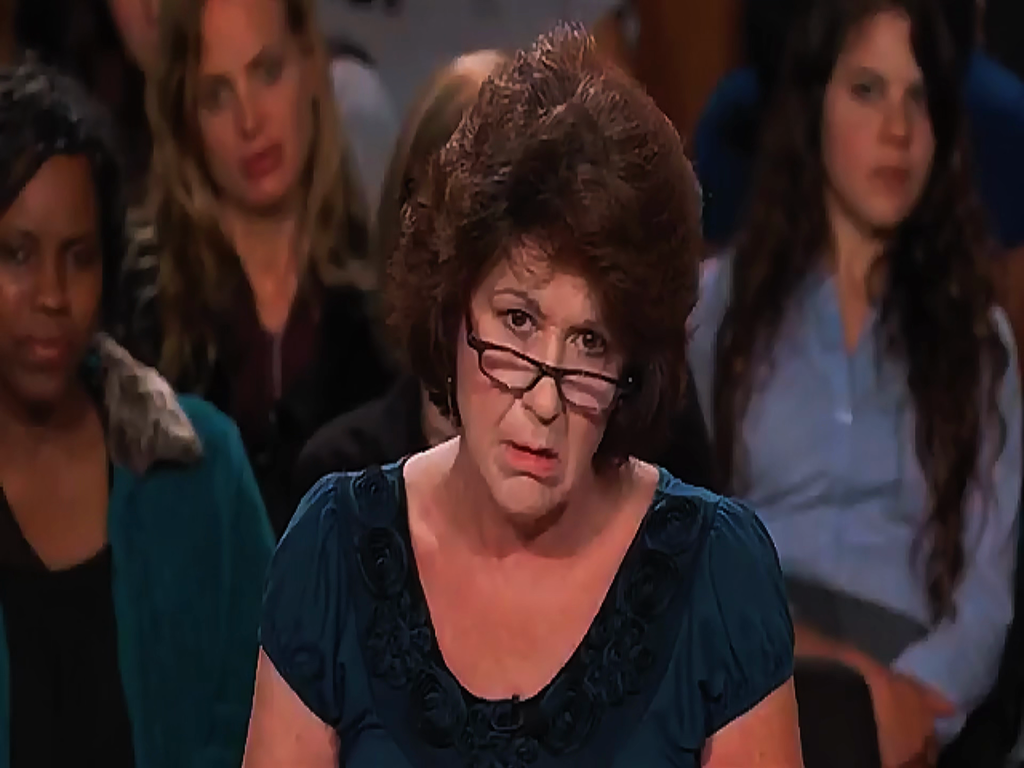
The transaction, Chris said, did not work out as planned. The person who was supposed to purchase the vehicle apparently failed to complete the deal, leaving the venture unsuccessful. If Chris’s characterization were accepted, the loss would potentially be very different from an unpaid loan: investors can lose their principal when a business transaction fails. That was why his description of Tina as a silent partner mattered so much. He was not denying taking her money; he was denying that receiving it created a personal repayment obligation.

Judge Judy had already read Chris’s written answer and knew the argument before he began explaining it at length. Rather than allowing the hearing to become a detailed reconstruction of the car deal, she summarized his position: Tina wanted to become involved in the car-flipping business, gave him $1,800 to help purchase a vehicle, and the money was lost when the transaction failed. Chris confirmed that this accurately represented his defense. That confirmation proved decisive.

Judge Judy Wasn’t Convinced Tina Had Become an Investor
Chris attempted to place the transaction within the broader relationship he had with Tina’s family. He emphasized the help he had provided to Tina’s daughter and her children, apparently believing that history supported his credibility or explained the informal way in which money had passed between them. Judge Judy acknowledged that he had helped the family, even responding sarcastically to the extent of his claimed generosity, but she kept returning to the $1,800 itself. Previous favors did not prove that Tina had agreed to become an investor.
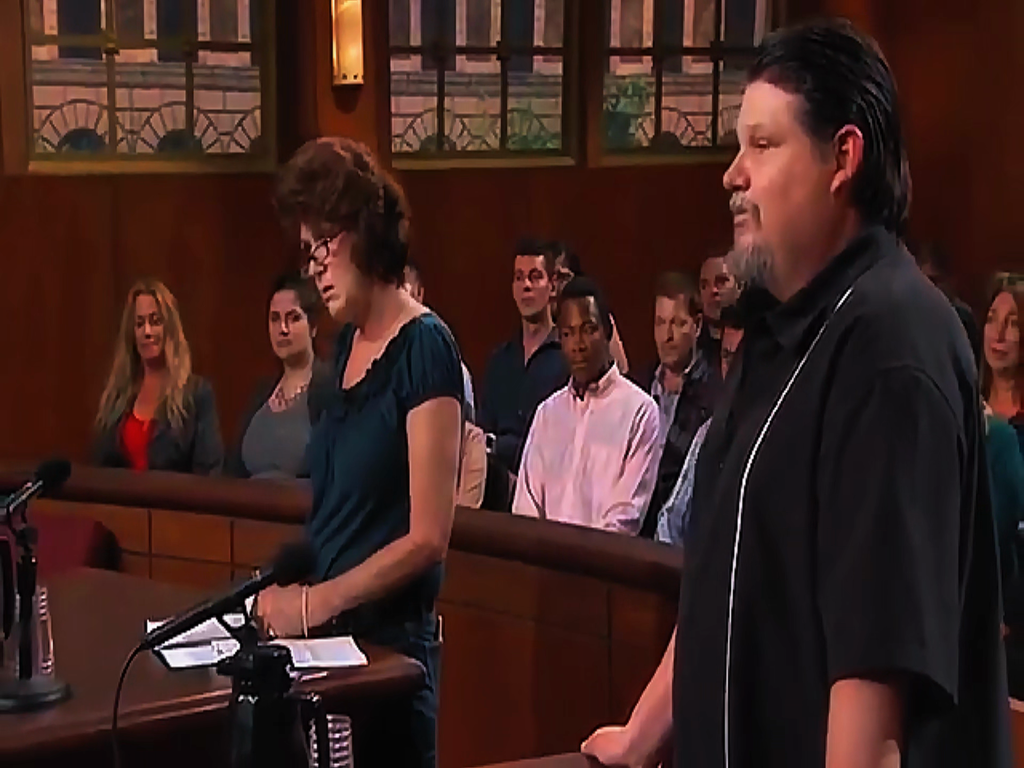
More importantly, the hearing did not establish a documented investment arrangement. Chris’s defense depended on Judge Judy accepting that Tina had knowingly entered a car-flipping venture and accepted the risk that her entire $1,800 could disappear if the deal failed. The transcript does not show Chris producing a partnership agreement, investment contract or other document establishing those terms. Tina’s evidence was imperfect as well, but Chris had already admitted the most important fact in her case: he received her money.
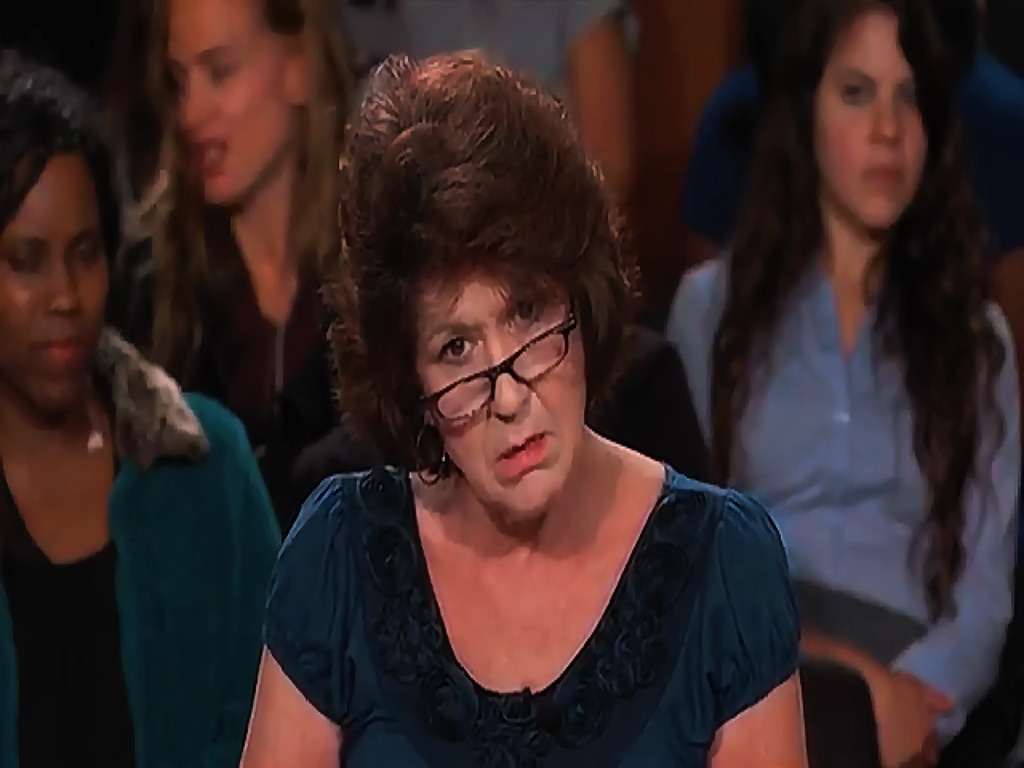
That shifted the credibility question away from whether the transaction happened and toward why it happened. Tina’s story was that she gave a trusted family friend $1,800 and later tried to collect it. Chris’s story was that the same woman had become his silent business partner in a speculative vehicle transaction. Once Judge Judy heard and confirmed Chris’s version, she did not need a lengthy examination of the failed car deal. She rejected his characterization of the payment and ruled for Tina.
Why the Missing Texts Did Not Destroy Tina’s Case
The outcome is especially interesting because Tina did not arrive in court with the kind of documentation Judge Judy normally prefers. She did not have a signed promissory note establishing the amount, repayment date and terms. Her bank statement showed a cash withdrawal rather than a direct transfer to Chris, and the text messages she said demonstrated her attempts to recover the money were no longer available. On paper, those weaknesses could have made the case much harder.
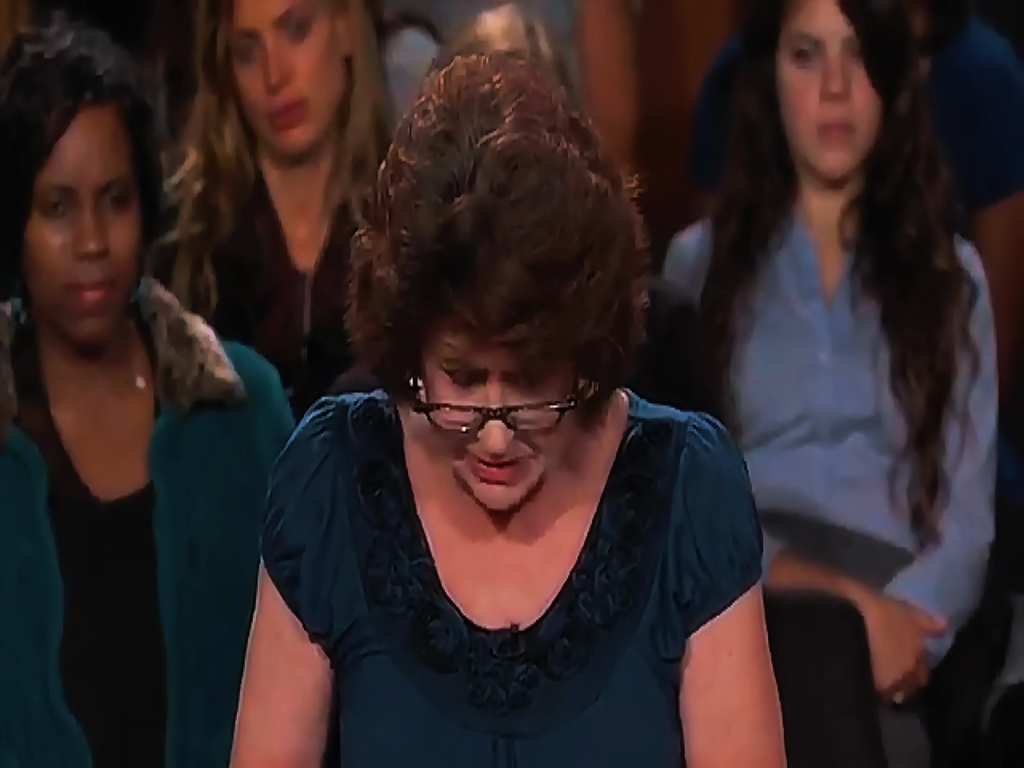
Chris’s testimony effectively supplied the missing link. By admitting that Tina had given him $1,800, he eliminated any need for her to prove that the cash withdrawn from her account ultimately reached him. From that point forward, his defense depended entirely on convincing the court that Tina had agreed to risk the money as an investor rather than lend it to him. Judge Judy did not find that explanation credible enough to relieve him of repayment.
The case therefore became a good example of how a defendant’s own admission can narrow a lawsuit. Tina did not have to prove every detail once Chris agreed with her on the fundamental transaction. Judge Judy only had to decide which explanation of that transaction made more sense based on the testimony before her.
Personal Relationships Can Blur Financial Agreements
The conflict between Tina and Chris also illustrates a recurring problem in disputes between friends, relatives and romantic partners. Money is often exchanged informally because the people involved trust each other. They may not prepare contracts, specify repayment dates or write “loan” in a bank transfer because neither person expects the relationship to deteriorate. That informality can become extremely costly when memories and expectations later diverge.
A simple written agreement could have prevented much of the argument. If Tina had a message from January stating that Chris was borrowing $1,800 and would repay it, the nature of the transaction would have been much clearer. Conversely, if Chris had a written agreement saying Tina was investing $1,800 in a specific vehicle purchase and understood that the investment could be lost, his defense would have been significantly stronger. Neither type of documentation emerged in the hearing, leaving Judge Judy to evaluate the parties’ testimony.
Chris’s history of helping Tina’s daughter did not change that analysis. Generosity toward someone’s family does not automatically convert later money into a gift or investment, just as a friendship does not automatically prove that money is a loan. Each transaction has to be examined on its own terms. Judge Judy did exactly that and ultimately concluded that Chris was responsible for returning the money.
Judge Judy Awards Tina the Full $1,800
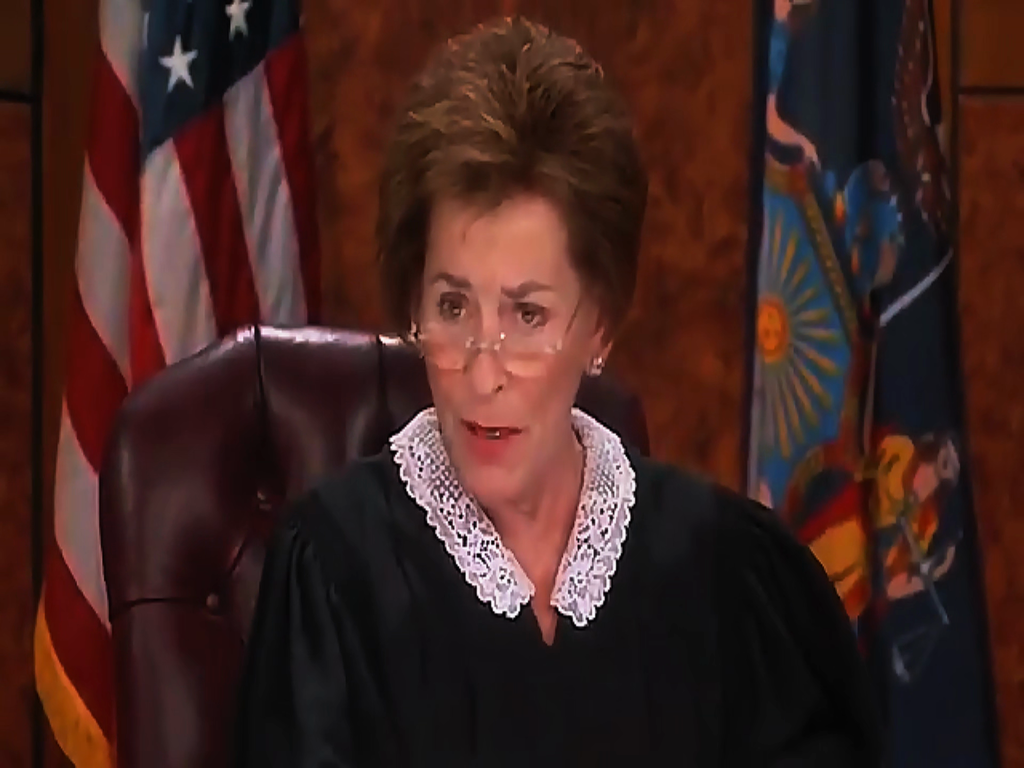
The final ruling was direct: Judge Judy awarded Tina Dunham $1,800. Chris’s argument that Tina had become his silent partner in a failed car-flipping venture did not persuade the court, and the fact that the proposed vehicle transaction went badly did not shift the loss onto Tina. Once Chris admitted receiving her money, Judge Judy treated the $1,800 as an obligation he had failed to repay.
The verdict also demonstrates why Tina’s weak documentation did not automatically mean she would lose. Her bank record alone could not establish the entire case, and her missing text messages deprived her of potentially valuable evidence. But civil disputes are decided on the complete record, including admissions made by the opposing party. Chris supplied the fact Tina otherwise would have needed to prove: he had taken the $1,800. His attempt to redefine that payment as a business investment was the part Judge Judy rejected.
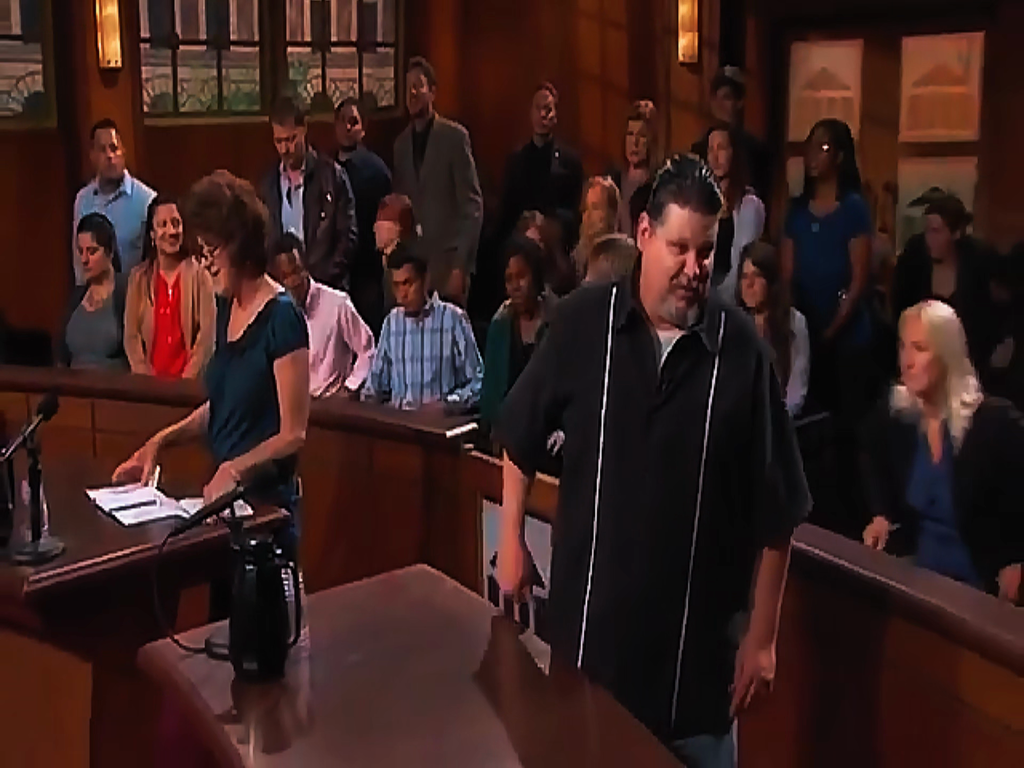
In the end, a transaction that Chris described as a failed investment became a straightforward repayment order. Tina entered court saying she had loaned a trusted former family friend $1,800 and had been unable to recover it. Chris entered court admitting he received the money but insisting she had accepted the risk of his car-flipping business. Judge Judy heard both explanations and chose Tina’s. Chris owed her the entire $1,800.
(uc.)
FAQ
Why did Tina Dunham sue Chris Aldahl?
Tina sued Chris because she said she gave him $1,800 in January 2017 as a loan and he failed to repay it. Chris admitted receiving the money but argued that Tina had invested it in his car-flipping business rather than loaned it to him.
What proof did Tina have that she gave Chris $1,800?
Tina produced a credit-union record showing that she withdrew $1,800 in cash. The record did not itself establish that Chris received the cash, but Chris solved that evidentiary problem by admitting in court that Tina had given him the money.
Why couldn’t Tina show Judge Judy the original text messages?
Tina said the messages had been deleted from her phone and that her phone company could not retrieve them. She had written information about the communications in a notebook, but Judge Judy did not treat those notes as equivalent to the original messages.
What did Chris mean by calling Tina a “silent business partner”?
Chris claimed Tina had voluntarily invested the $1,800 in his car-flipping activity. According to his version, the money was connected to purchasing a vehicle for resale and the transaction failed, meaning Tina had lost an investment rather than being owed repayment on a loan.
What was Judge Judy’s final verdict?
Judge Judy rejected Chris’s investment explanation and entered judgment for Tina Dunham for the full $1,800.
Sources
Judge Judy, including Tina Dunham’s testimony about the January 2017 transaction, her credit-union withdrawal, the missing text messages and subsequent collection attempts, Chris Aldahl’s admission that he received the funds, his “silent business partner” explanation involving a car-flipping transaction and Judge Judy’s final judgment for Tina. The automatic subtitles contain inconsistent rendering of the dollar amount, but the surrounding testimony identifies the disputed sum as $1,800.