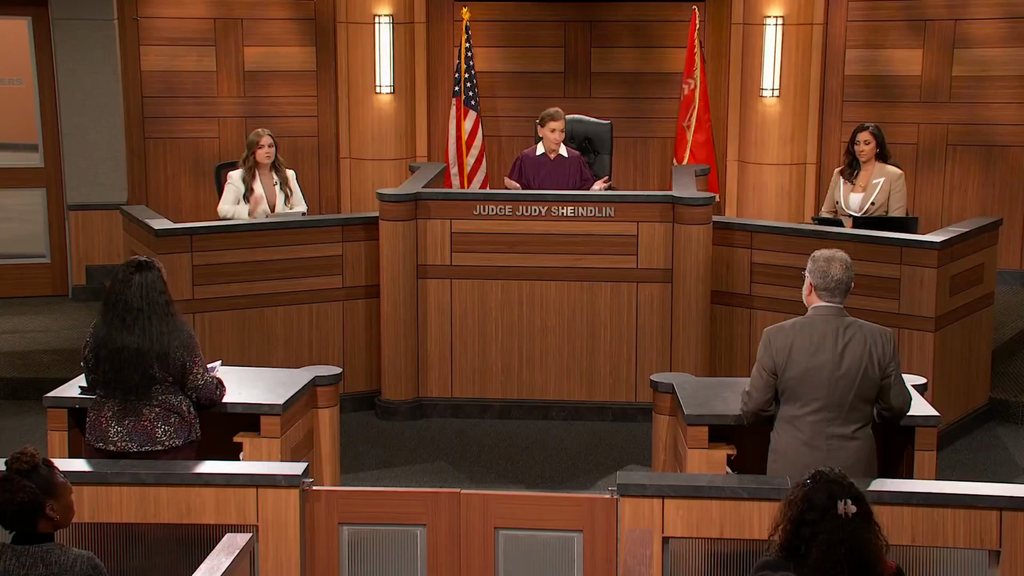
Lawrence Waterman went to Facebook Marketplace looking for the kind of dog his daughter wanted and paid Rose Crowell $525 for a young rescue from a litter brought from Mexico. Within days, he said the dog was growling, showing its teeth and causing problems. Seventeen days after the transaction, Rose had the dog back at her home — but Lawrence still did not have his money. Judge Judy quickly reduced the dispute to one question: if Rose kept the dog, why should she also keep the $525?
(uc.)
Lawrence Finds a Dog on Facebook Marketplace
Lawrence Waterman was looking for a Corgi because that was the type of dog his daughter wanted. He found an advertisement on Facebook Marketplace and contacted Rose Crowell on June 4 of the year in which the case was heard. Rose operated a dog rescue and had a young dog available from a litter that had been brought into the United States from Mexico.

The exact age of the dog became slightly disputed. Lawrence said Rose had represented the animal as approximately six months old, although he thought it appeared closer to a year old. By reconstructing when Rose received the litter and when Lawrence obtained the dog, Judge Judy calculated that the animal was closer to eight or nine months old, while Rose maintained it was about seven months old.
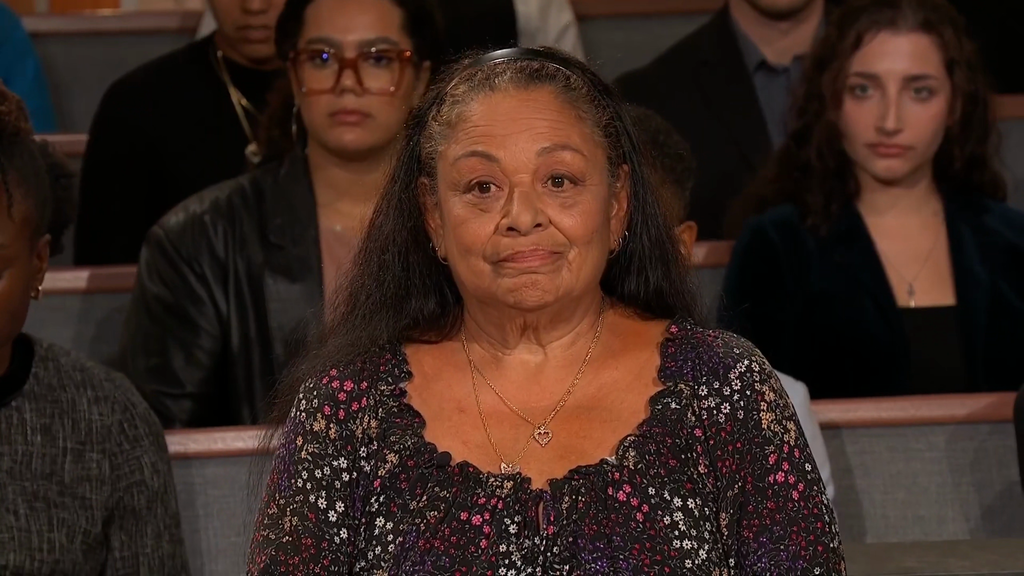
Whatever the precise age, everyone agreed it was still a relatively young dog. Lawrence had owned dogs before and paid Rose $525 to take this one home.
Rose acknowledged receiving the money. She also acknowledged that Lawrence contacted her shortly afterward to report problems with the dog.
Lawrence Says the Dog Was Aggressive
Lawrence’s lawsuit characterized the animal as dangerous or vicious. Judge Judy, however, immediately made clear that she did not know whether that description was accurate and ultimately did not need to resolve it to decide the refund dispute.
According to Lawrence, the dog displayed concerning behavior shortly after arriving at his home. In the post-case comments, he described the animal growling and showing its teeth. During the hearing, Judge Judy referred to Lawrence contacting Rose only a couple of days after getting the dog because he was experiencing problems.
Rose apparently suggested that Lawrence give the dog chicken as part of trying to manage the situation. Lawrence followed the advice, but the placement ultimately did not work.
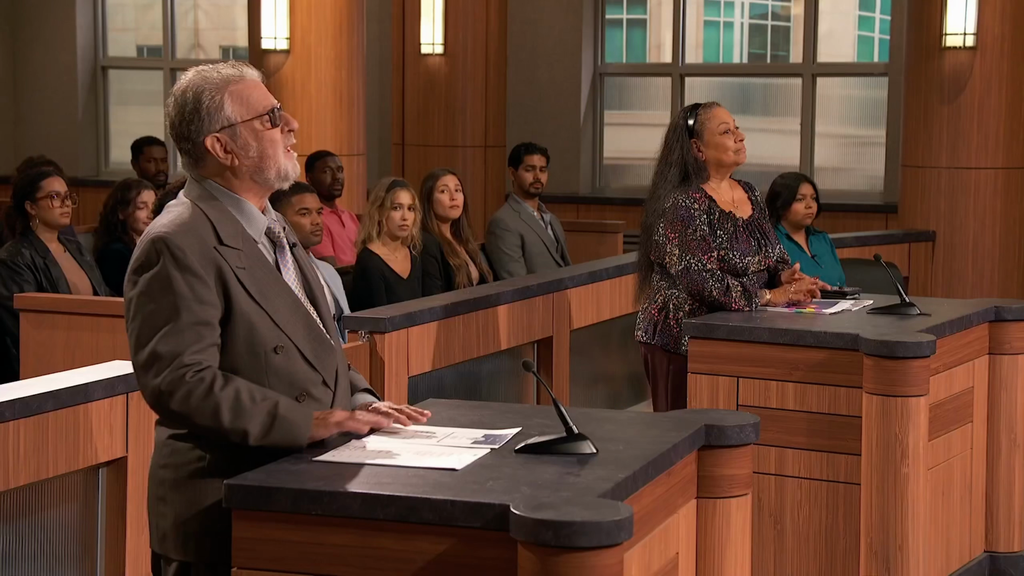
Rose disputed Lawrence’s characterization of the animal. After the hearing, she said he was lying about the dog being aggressive and pointed to a photograph showing Lawrence holding the dog on his lap while it wore a tutu.
That disagreement might have become a complicated behavioral case. Judge Judy instead focused on something much easier to establish. Lawrence no longer had the dog. Rose did.
The Dog Was Returned 17 Days Later
Judge Judy established that Rose regained possession of the dog during the same month Lawrence had obtained it. Rose specified that the return occurred 17 days later. The dog was now living at Rose’s home.

That fact simplified the case dramatically. Lawrence had paid Rose $525 for the dog. He had quickly complained about its behavior. Less than three weeks later, Rose accepted the dog back and kept it. Yet she had not returned Lawrence’s $525.
Judge Judy immediately appeared skeptical that Rose should be entitled to both the animal and the entire payment. Before issuing her ruling, however, she investigated Rose’s rescue operation and the history of the litter.

That questioning produced an increasingly tense exchange.
The Litter Came From Rosarito, Mexico
Rose testified that the dog was part of a litter rescued from Rosarito, Mexico. She did not personally travel to Mexico. Instead, she said she worked with another rescuer there who obtained the entire litter and prevented the puppies from being put down.
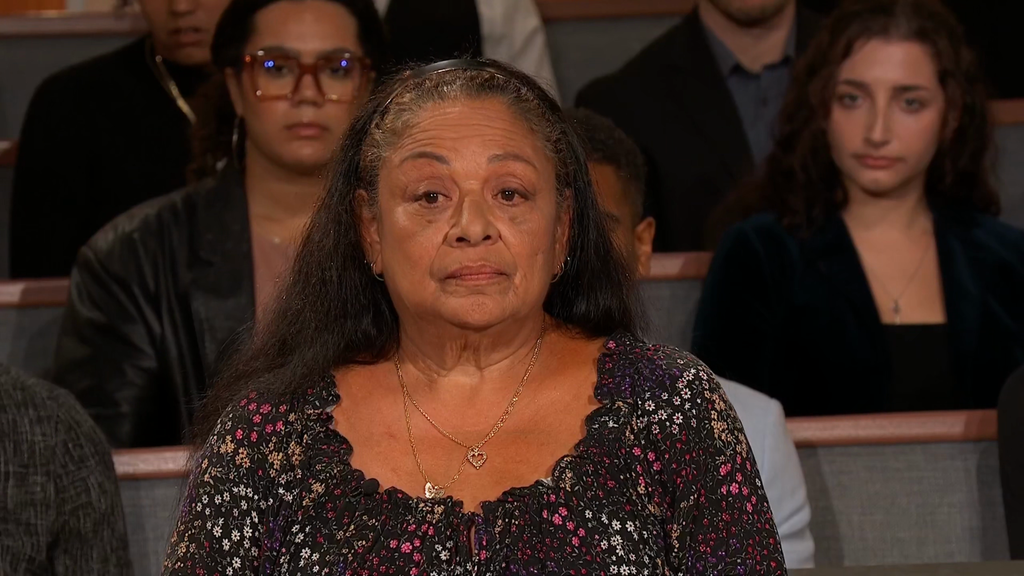
According to Rose, the rescuer transported the puppies across the border into San Diego, where Rose picked them up.
There were eight puppies in total. Rose said she had received them in December when they were approximately one month old. Her household kept one of the dogs, while the others were placed with adopters.
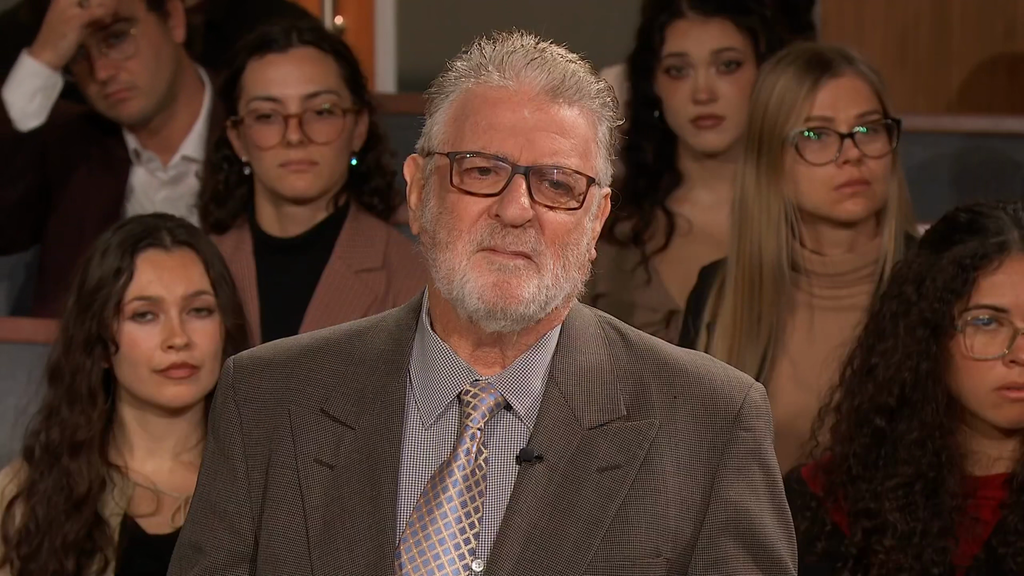
Judge Judy asked Rose what she had paid to acquire the litter. Rose said she had paid nothing for the puppies themselves.
The judge then wanted to know what happened when the remaining dogs were placed. Each was adopted for $525.
“Adopted” or Sold for $525?
Rose repeatedly characterized the transactions as adoptions because she operated a nonprofit rescue. Judge Judy focused on the financial reality rather than the terminology.
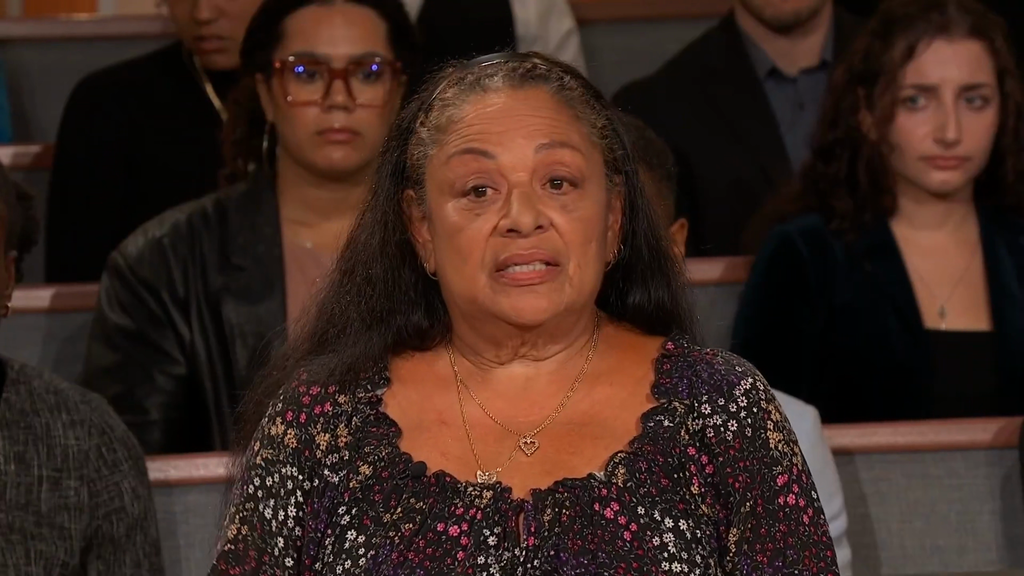
The puppies had been obtained without a purchase price. Rose then collected $525 for each dog placed with another person. With most of the eight-dog litter going to adopters, Judge Judy calculated that the transactions generated more than $3,000.
When Rose objected that she did not “sell” dogs and instead adopted them out, Judge Judy rejected the distinction for purposes of the dispute. Money changed hands in exchange for the animals. Calling the transaction an adoption did not change that fact.

Rose explained that the $525 fees did not simply represent profit. She said she paid out of pocket for shots, food, housing, deworming and veterinary care. Those expenses are relevant in any legitimate rescue operation, and Rose maintained after the case that she felt the money she collected merely reimbursed what she had invested in caring for the animals.

Judge Judy nevertheless became skeptical when the conversation turned to spaying and neutering.
The Spay and Neuter Explanation Troubles Judge Judy
Rose initially told Judge Judy that she had paid for fixing the puppies. But Lawrence’s dog had not been spayed when he took it home. According to Rose, Lawrence was supposed to arrange that procedure himself.
Judge Judy asked why Rose would have sterilized the other puppies while leaving this particular dog unfixed when it was already around seven or eight months old.

Rose explained that only the male dogs had initially been neutered because her veterinarian could get them into surgery more quickly. The female dogs had not been handled at the same time. She later produced paperwork showing that Lawrence’s dog had eventually been spayed after he returned it.
Judge Judy did not believe Rose’s explanation about the rest of the litter. She repeatedly told Rose that she did not believe what she was saying regarding the veterinary procedures and challenged the idea that the other puppies had all been treated while Lawrence’s dog had been left for him to handle.
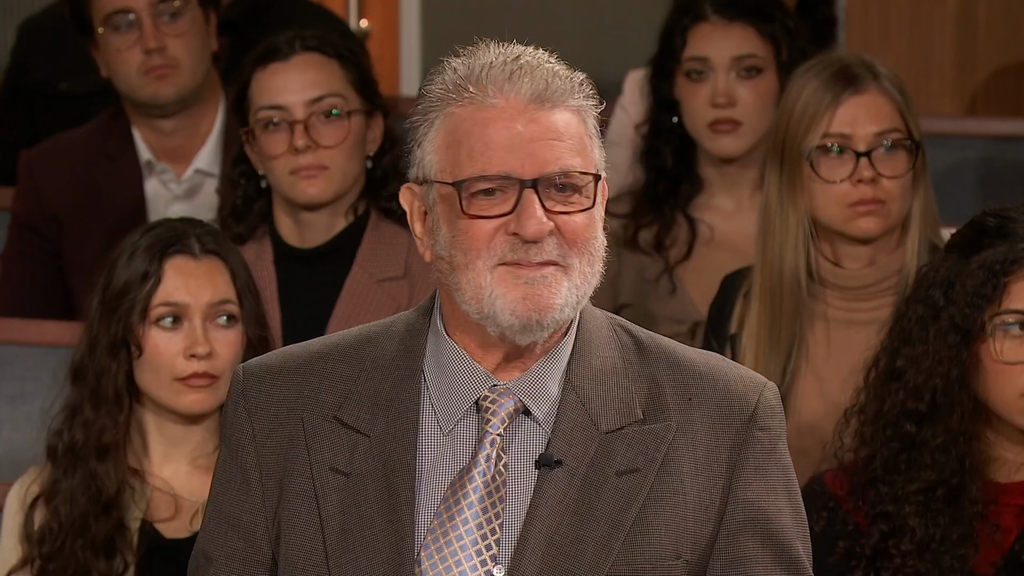
The questioning became heated, but the refund did not ultimately depend on proving whether Rose’s statements about every veterinary expense were accurate.
The decisive fact remained much simpler. Rose had Lawrence’s dog back.
Judge Judy Did Not Have to Decide Whether the Dog Was “Vicious”
The case introduction described Lawrence as seeking a refund after being sold what he claimed was a dangerous dog. It would therefore be easy to treat the verdict as a judicial finding that Rose had placed a vicious animal with him.
That is not what the transcript establishes.
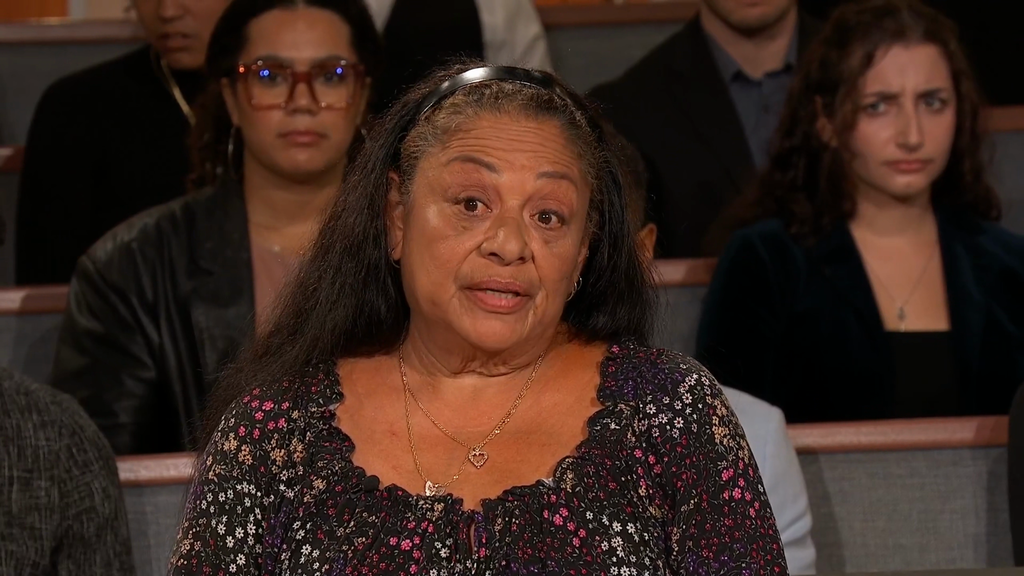
Judge Judy explicitly said early in the hearing that she did not know whether Lawrence’s description of the dog as vicious was true. Lawrence had possessed the animal for only a short time before reporting behavioral problems, and Rose strongly disputed his account.
Judge Judy did not need to resolve that factual fight because the transaction had effectively been reversed in practice. Lawrence returned the animal. Rose accepted it. The dog was now at Rose’s home.

The dispute was therefore no longer about forcing Rose to accept the animal back. She already had it. It was about whether she could retain both the dog and Lawrence’s payment. Judge Judy’s answer was no.
Rose Keeps the Dog — Lawrence Gets $525 Back
Once Judge Judy finished questioning Rose about the rescue operation, she returned to the basic transaction. Rose confirmed that she had the dog. Lawrence confirmed that he had paid $525.
Judge Judy’s ruling was immediate: “You have the dog. He gets his $525 back.” Lawrence received judgment for the full $525. Rose kept the dog. The case was over.
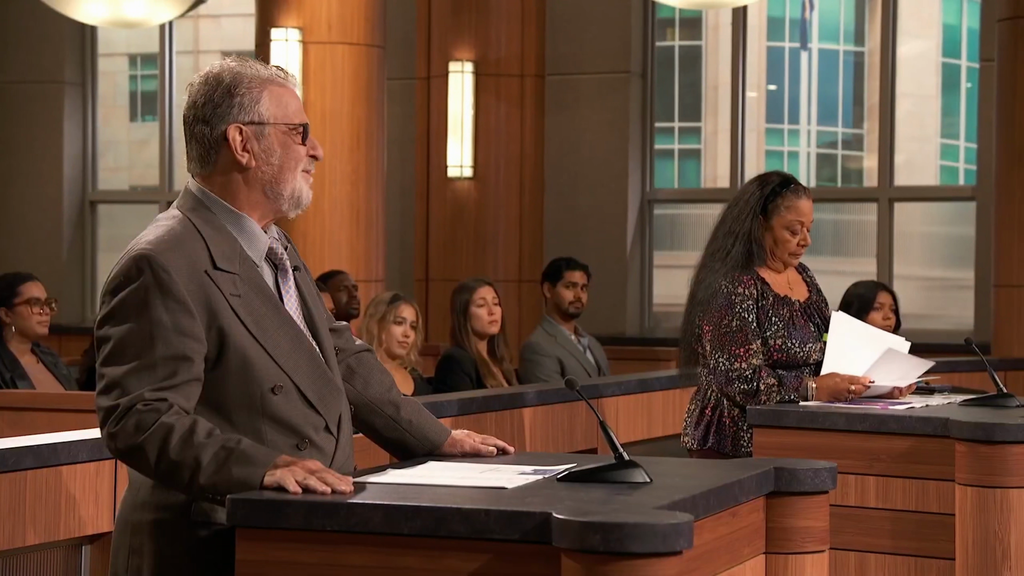
There was no additional award for Lawrence based on the dog’s alleged aggression, and Judge Judy did not make a definitive ruling that the animal was dangerous. Instead, she restored the financial side of a transaction that had already been reversed on the property side.
Lawrence had returned what he received. Rose therefore had to return what she received.
Why the 17-Day Timeline Mattered
The speed with which Lawrence complained and returned the dog helped distinguish this dispute from a situation where someone keeps an animal for months and later decides they no longer want it. According to the testimony, Lawrence contacted Rose about behavioral problems within only a couple of days.
The entire placement lasted just 17 days.
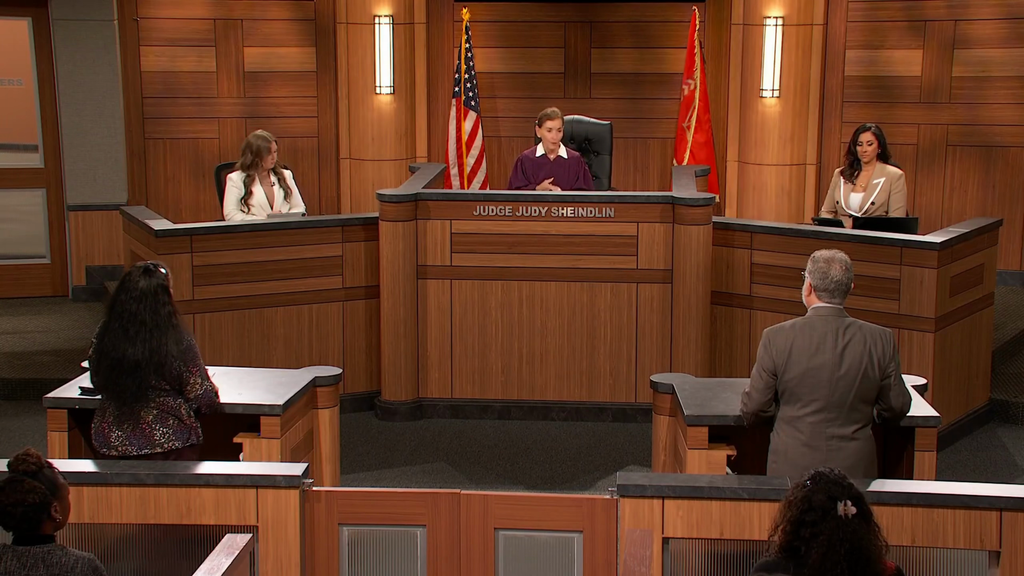
Rose was therefore put on notice almost immediately that Lawrence believed there was a serious problem. She ultimately accepted the dog back rather than leaving Lawrence permanently responsible for it. Once that happened, Judge Judy saw little reason for Rose to retain the entire $525 payment.
The ruling also avoided an unnecessary determination about the dog’s temperament. Whether the animal was genuinely aggressive, frightened in a new environment or simply needed more time and training was not conclusively established.
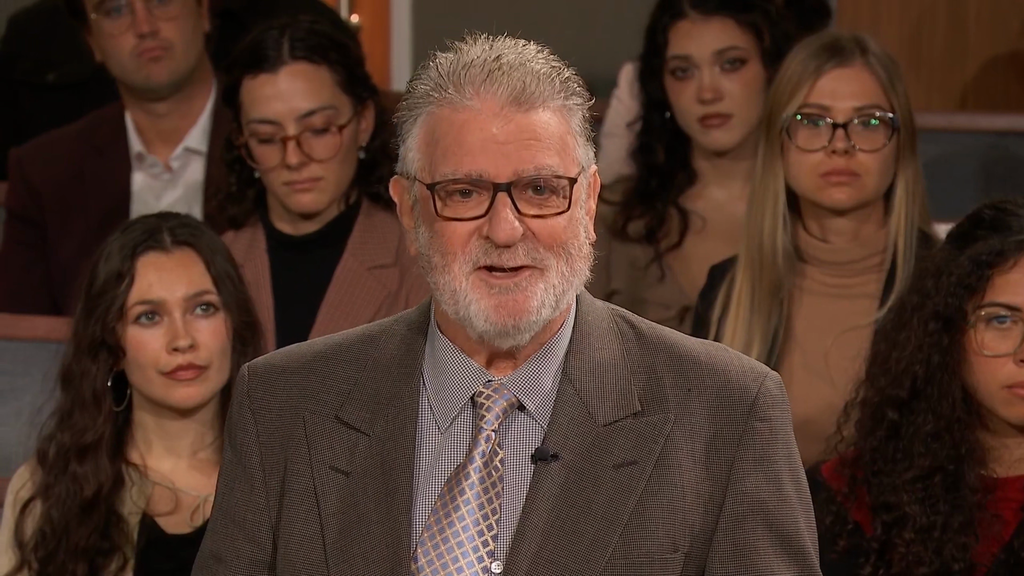
Rose even said after court that the dog had reacted similarly to her, although she denied that this meant it was aggressive.
For the refund claim, none of those possibilities changed the outcome.
The Rescue Debate Behind the Case
The post-case discussion raised a broader issue about rescue organizations and the money collected when animals are placed. Rose emphasized that she paid for the dogs’ needs herself and said she felt she merely recovered what she had invested.
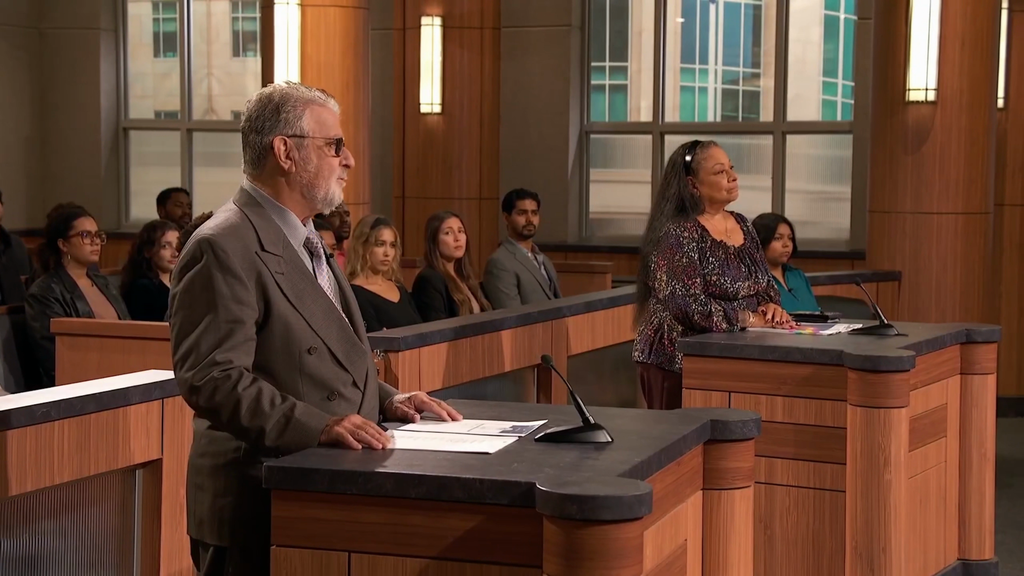
Judge Judy was more skeptical of the financial arrangement, particularly after learning that the litter itself had cost Rose nothing and that the dogs were being placed for $525 each. The judge also challenged Rose’s claims about the veterinary treatment the puppies received before adoption.
The transcript does not provide a complete accounting of Rose’s rescue expenses, so it would be inaccurate to calculate the adoption fees as pure profit. Rose specifically identified food, housing, vaccinations, deworming and other care as expenses.
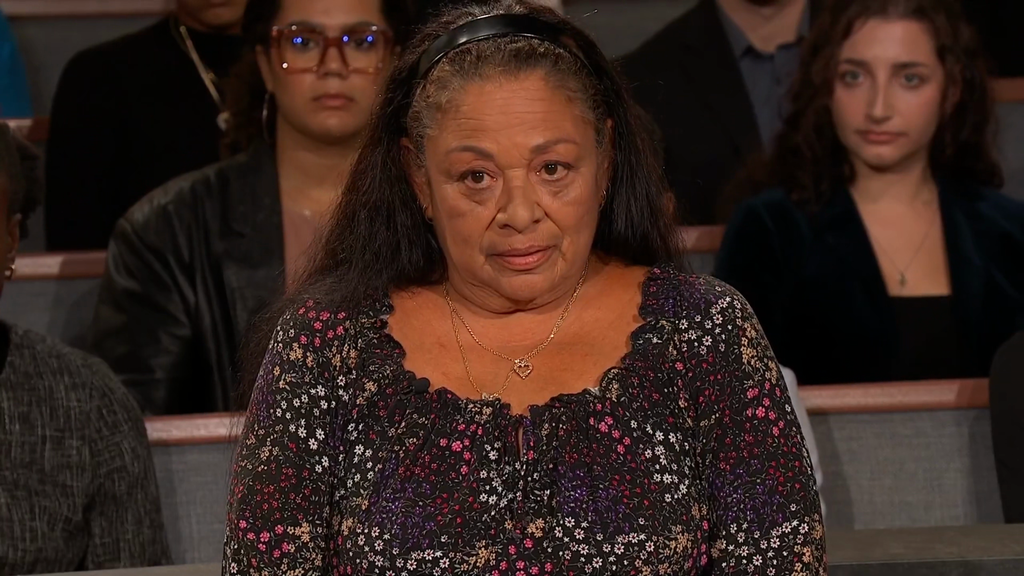
What the transcript does establish is that Judge Judy did not accept Rose’s nonprofit label as an automatic answer to questions about the money. She examined what Rose received, what she spent and what had actually been done for the puppies.
The broader principle was that rescue work does not eliminate ordinary accountability when money changes hands.
A Straightforward Ending to a Messy Dog Dispute
The case began with a potentially complicated accusation: Lawrence believed he had been given a dangerous dog. That could have required testimony about temperament, previous behavior, training and whether Rose knew of any aggression before placing the animal.

Instead, the case ended on a basic exchange. Lawrence paid $525. He returned the dog 17 days later. Rose accepted the dog and still had it at the time of court. Judge Judy therefore ordered Rose to return the $525.
Afterward, Rose said the dog had a home with her. Lawrence walked away with the money he had paid. The court did not have to label the animal dangerous or decide whether either side’s description of its behavior was entirely accurate.

Sometimes the simplest fact is the one that decides the case. Rose could keep the dog, or she could keep Lawrence’s money. Judge Judy was not going to let her keep both.
(uc.)
FAQ
Why did Lawrence Waterman sue Rose Crowell?
Lawrence wanted his $525 returned after he gave back a young rescue dog that he said displayed aggressive behavior shortly after he obtained it.
How much did Lawrence pay for the dog?
Lawrence paid Rose $525 after finding the dog through a Facebook Marketplace advertisement.
How long did Lawrence keep the dog?
Rose testified that the dog was returned 17 days after Lawrence obtained it. Lawrence had contacted her about problems with the animal within the first few days.
Did Judge Judy rule that the dog was vicious?
No. Judge Judy specifically said she did not know whether Lawrence’s claim that the dog was vicious was true. The refund ruling did not require her to decide that question.
What was Judge Judy’s verdict?
Because Rose had accepted the dog back and still had it, Judge Judy ordered her to refund Lawrence the full $525.
Sources
Judge Judy, including Lawrence Waterman’s $525 transaction with Rose Crowell, the Facebook Marketplace advertisement, Lawrence’s early complaints about the dog, the return 17 days later, Rose’s testimony concerning the eight-puppy litter from Rosarito, Mexico, the $525 adoption fees, veterinary expenses, spay/neuter questioning and Judge Judy’s full $525 refund judgment. Claims about the dog’s aggression are attributed to Lawrence because Judge Judy expressly stated that she did not determine whether the animal was actually vicious.