It was an ordinary afternoon walk on November 24, 2023, until a German Shepherd came out of a nearby home and approached Sadie, a 35-pound Australian Cattle Dog walking on a leash. Moments later, Sadie yelped after being bitten in the stomach and eventually needed veterinary treatment. Owner Julie Saw insisted her German Shepherd normally stayed on her property. But one admission changed the case: Julie already knew her highly trained dog could operate the lever-style door by itself.
(uc.)
An Afternoon Walk Turns Into a Dog-Bite Dispute
Lisa and Abby Krider sued their neighbor Julie Saw for veterinary expenses after a dog encounter on November 24, 2023, at approximately 4:00 to 4:30 p.m. The parties lived relatively close to one another, approximately half a mile apart. The Kriders had been in their neighborhood since 1994, while Julie said she had lived in her home for about 12 years.
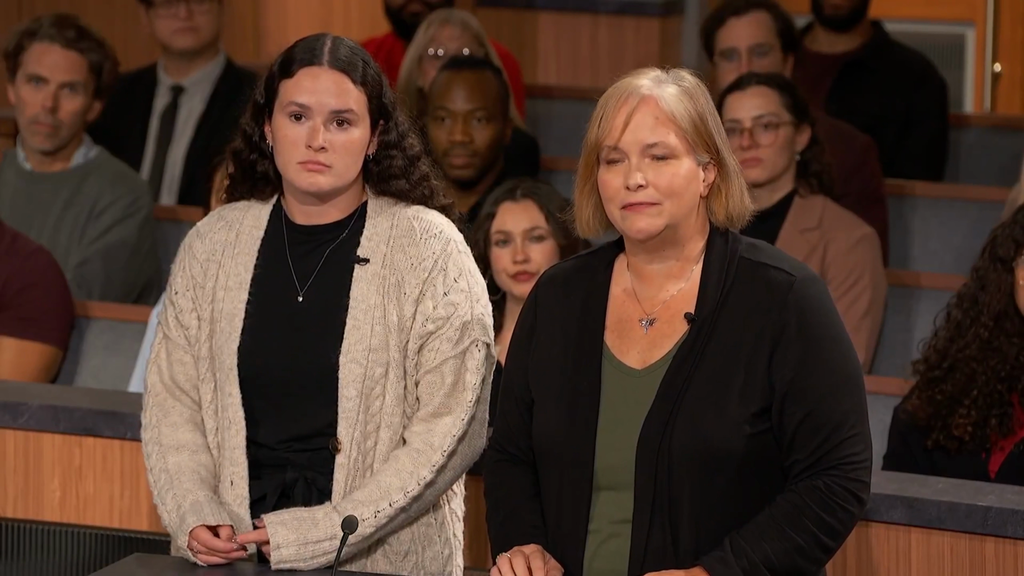
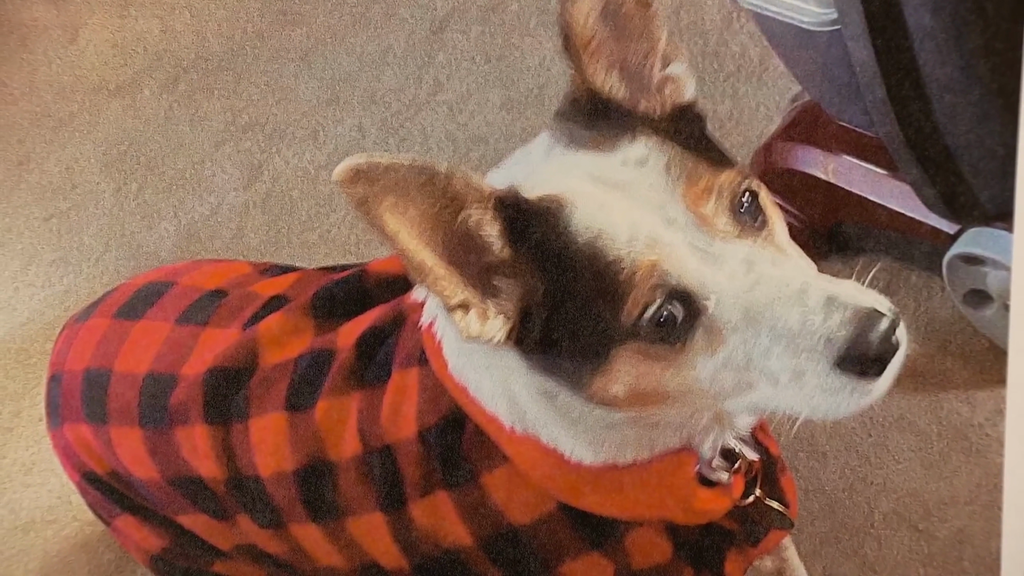
The injured dog was Sadie, a nine-year-old Australian Cattle Dog weighing approximately 35 pounds. At the time of the incident, Sadie was being walked along with Willow, a Schnauzer. Both dogs were on leashes. Willow was not injured.
Julie owned a six-year-old German Shepherd. Judge Judy established that the German Shepherd was substantially larger than Sadie, with the discussion placing its weight at approximately 80 pounds. The size difference became relevant once the court examined how quickly the encounter could have resulted in injury.
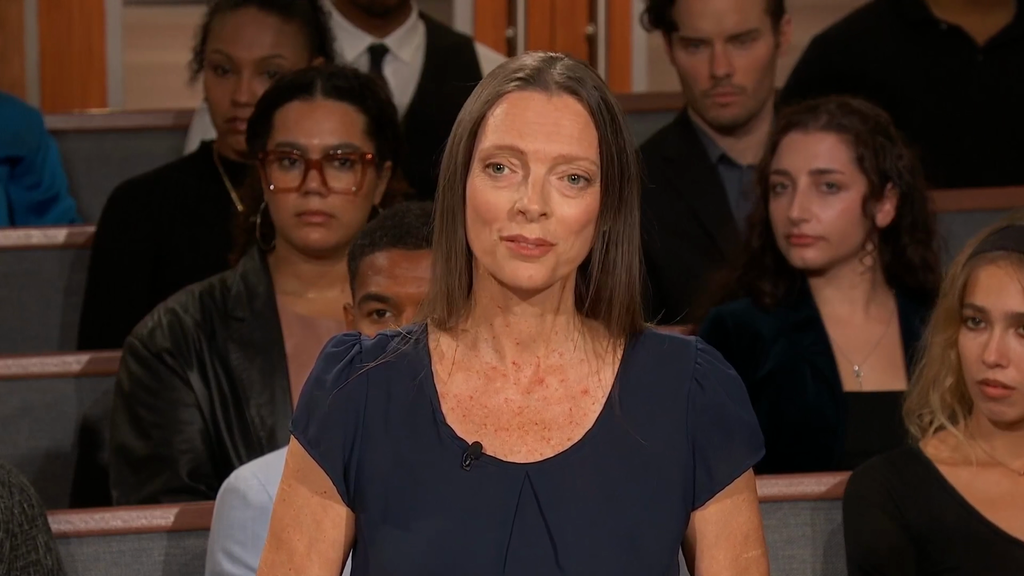
The plaintiffs’ account was straightforward: they were walking their dogs on the sidewalk when Julie’s German Shepherd suddenly came out of the house.
Sadie Was Walking on a Leash
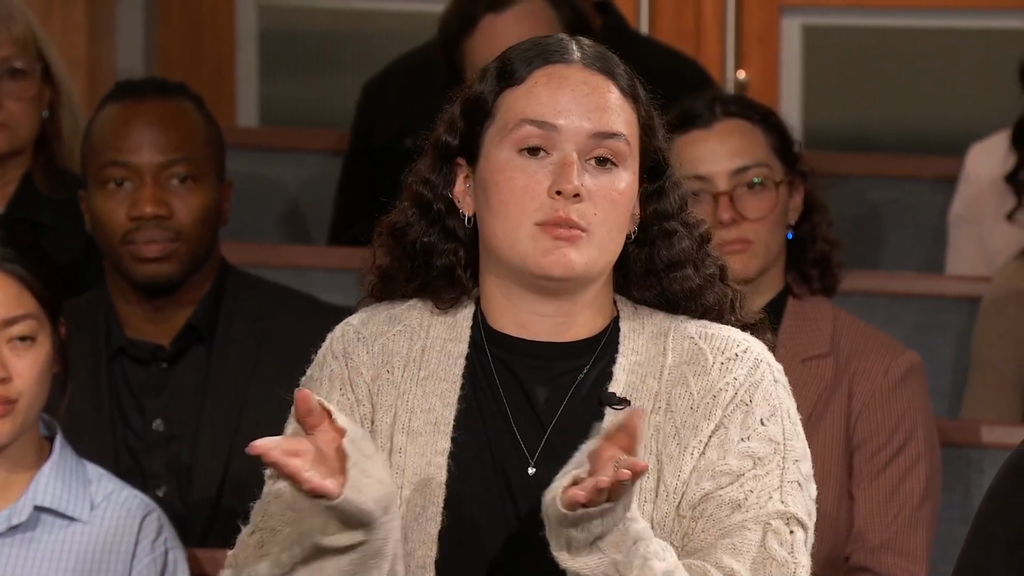
According to the testimony, the German Shepherd came through Julie’s front door while Sadie and Willow were being walked past the property. The person walking the dogs said she saw the German Shepherd come out and tried moving into the road because she did not know whether the approaching dog was aggressive.
The German Shepherd followed. At first, it appeared to be sniffing the other dogs. The walker tried to position herself between them without physically striking the German Shepherd because she was concerned about being bitten herself. Then she heard Sadie yelp.
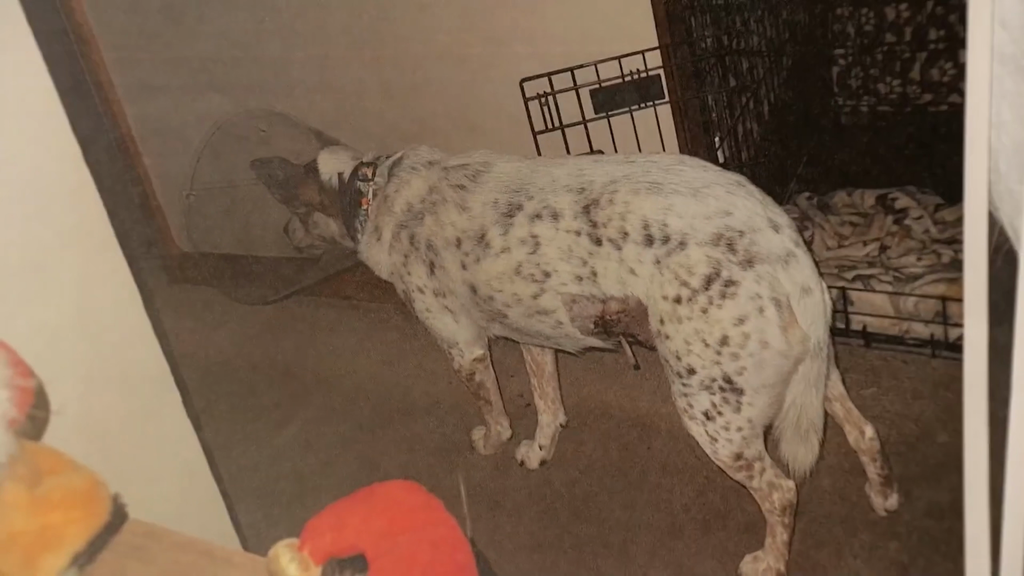
Sadie had been bitten in the stomach or underbelly. Photographs presented to Judge Judy showed the injury and what appeared to be a drain used during veterinary treatment.
Someone then emerged from Julie’s house and called the German Shepherd back. The dog responded and returned toward the home. The person who retrieved the dog was Julie’s ex-husband, who was visiting that day.
The plaintiffs called police and were advised to go home. Later, the veterinary consequences of the bite became the basis of their lawsuit.
What Was Happening Inside Julie’s House?
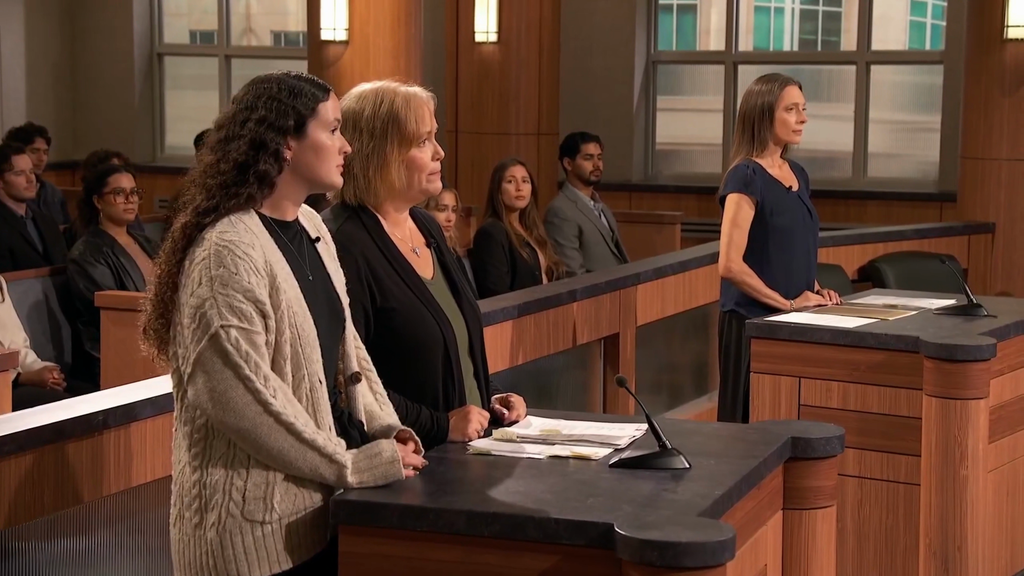
Julie was home when the incident occurred, but she did not personally witness the bite. Her ex-husband had arrived approximately 15 minutes earlier to visit their 12-year-old son. He had entered through the front door and was inside the house while Julie was lying down in a bedroom just off the front room.

Judge Judy carefully reconstructed the layout and timing. Julie’s entrance had two doors: a steel security door and a heavy glass door where a screen door might ordinarily be located. Julie acknowledged that the security door was open while the glass door was closed.
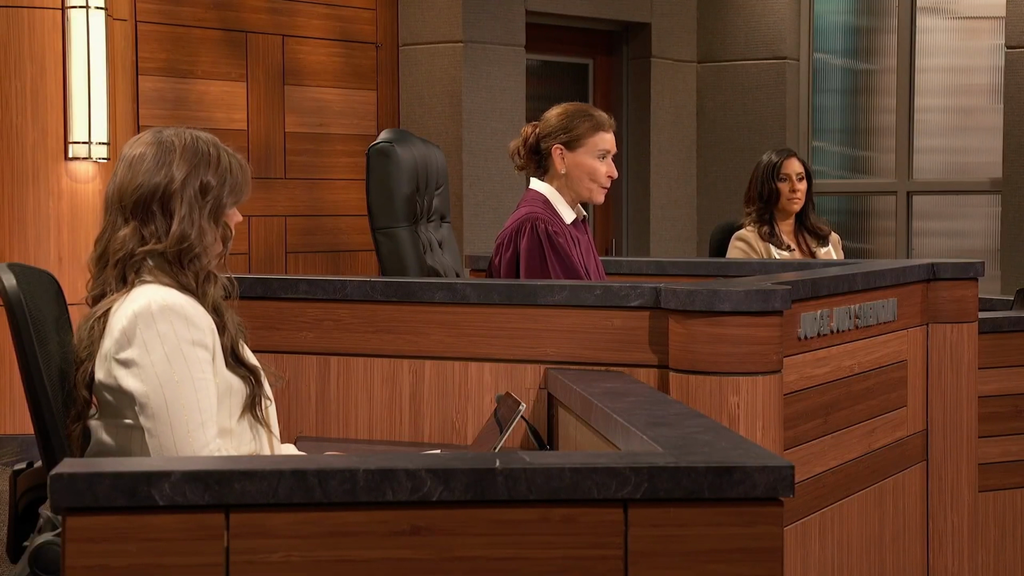
According to Julie, she later heard the door latch and initially assumed her son had arrived. When he did not come into the bedroom or greet them, she asked her ex-husband where the dog was. Julie said she got out of bed and the two of them went toward the front of the house.
By the time Julie said she looked outside, her German Shepherd was under a willow tree in her front yard. She said the plaintiffs’ dog was also in the yard and barking at her dog. Julie described her German Shepherd as giving a warning bark before she called it back inside.
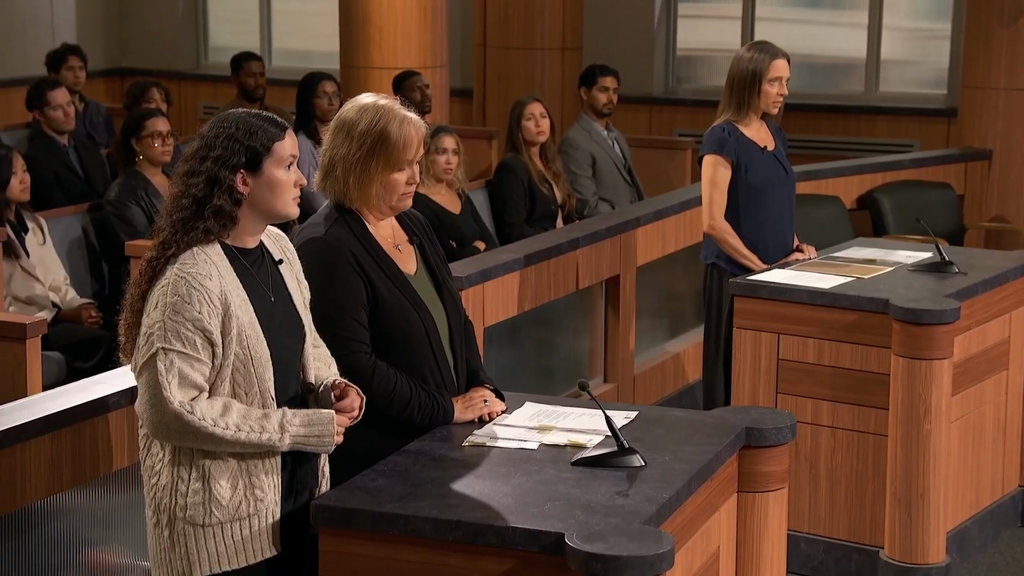
Julie insisted that she did not see either dog in the road and did not witness a physical confrontation.
Judge Judy immediately identified the problem with that defense: not seeing an event does not mean the event did not happen.
The Mystery of How the German Shepherd Got Outside
A large portion of the hearing focused on one deceptively simple question: how had Julie’s German Shepherd gotten through the front door without its owner?
Julie initially emphasized that the glass door was heavy and normally latched securely. Judge Judy responded that it was clearly not secure enough if the dog had gotten outside.
Then Julie made the admission that became central to the case. Her German Shepherd knew how to open doors.
Judge Judy asked whether Julie had previously seen the dog operate a door using its paw. Julie said yes. She described the German Shepherd as a highly trained animal and eventually explained that her doors had lever-style handles. The dog knew how to manipulate them.
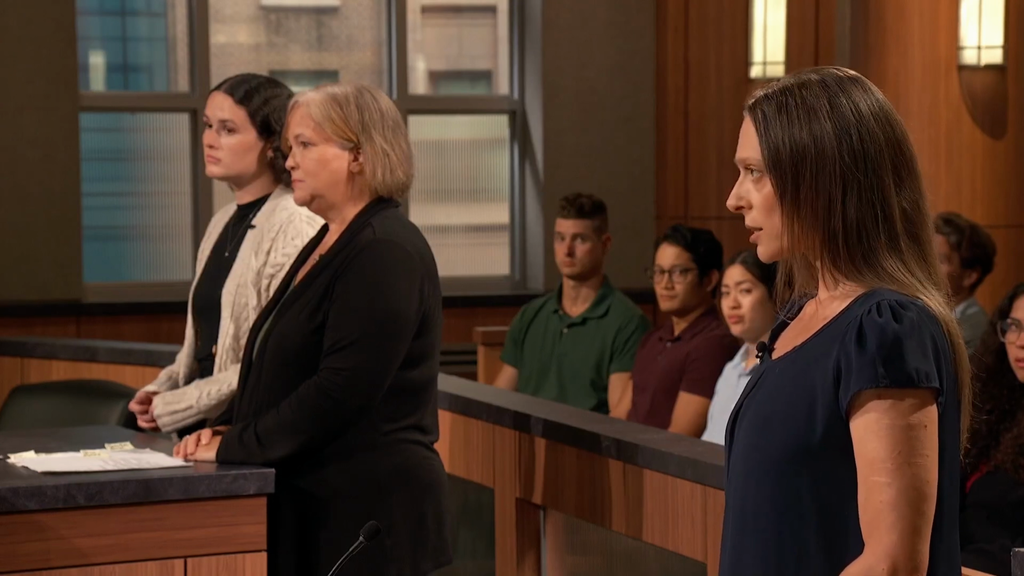
Julie attempted to distinguish those earlier situations from the November incident. She said the German Shepherd had previously opened doors while she was present and accompanied the dog outside, particularly into her fenced backyard. She maintained that the German Shepherd had never previously opened the front door and independently run away from the property.

Judge Judy was not persuaded that this distinction eliminated Julie’s responsibility.
The important fact was that Julie already knew what her dog was capable of doing.
Knowing the Dog Could Open Doors Changed the Case
Judge Judy repeatedly questioned Julie about how she had learned that the German Shepherd could open a lever-style door. Julie ultimately confirmed that she had watched the dog do it while off leash and that they would then go outside together.
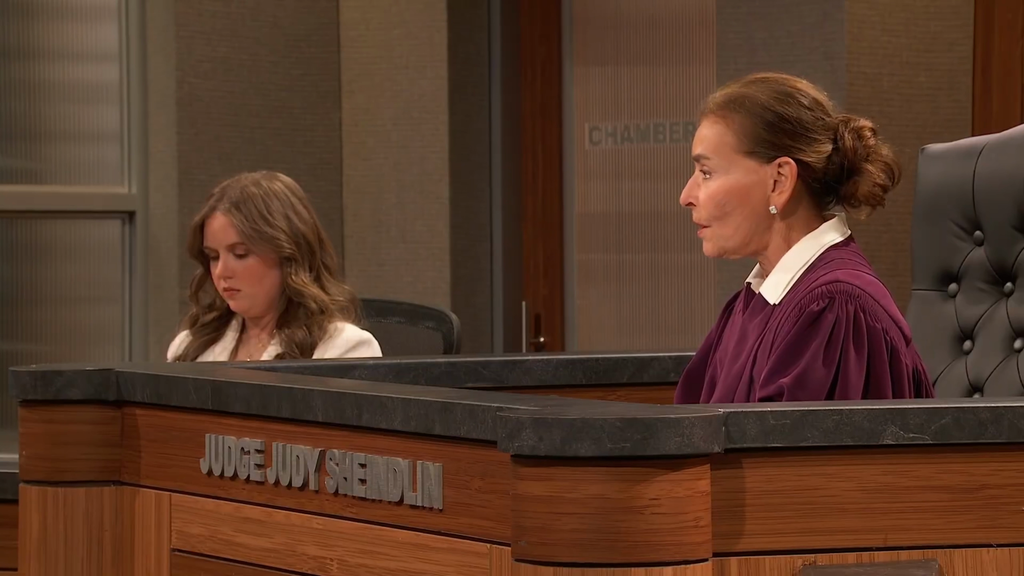
That knowledge created a foreseeable risk. Even if November 24 was the first occasion on which the German Shepherd had allegedly gone through the front entrance without Julie, its ability to operate the door was not new information.
Judge Judy’s reasoning was practical. If an owner knows a dog is intelligent enough to open a door, the owner must take additional precautions to prevent the animal from getting outside unsupervised. In Julie’s case, there were two doors available at the entrance. The interior security door could have been closed as an additional barrier.
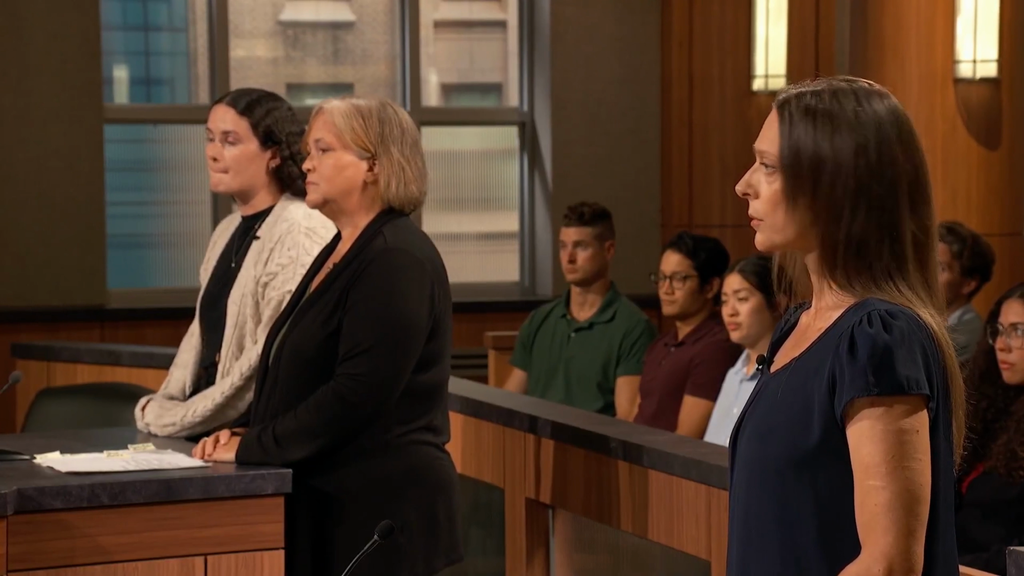
Instead, it was left open.
The German Shepherd got outside unaccompanied while two leashed dogs were passing the property. One of those dogs came away injured.
For Judge Judy, controlling that risk was Julie’s responsibility.
Julie and the Plaintiffs Described Different Scenes
Julie’s description of what she eventually saw outside differed sharply from the plaintiffs’ account. The walker said the German Shepherd followed her and the two leashed dogs into the road, where Sadie was bitten. Julie said that when she came outside, the animals were in her front yard and she saw no attack.

Judge Judy did not consider those accounts mutually exclusive. Time had passed before Julie reached the front of the house. She had heard the door, waited to see whether her son would appear, asked her ex-husband where the dog was, gotten out of bed and then moved toward the entrance.
An encounter between dogs can happen within seconds.
Judge Judy told Julie that many things could have occurred during the 20 or 30 seconds before she reached a position where she could see outside. The fact that the German Shepherd was back near the front yard when Julie observed it did not establish where the dog had been moments earlier.
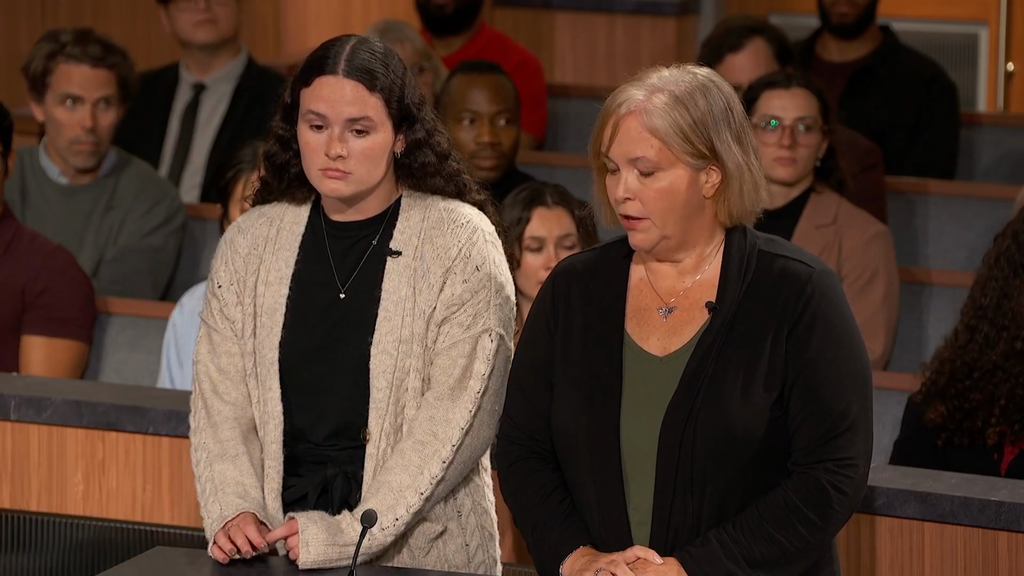
More importantly, Julie had not seen the beginning of the encounter at all. The plaintiffs’ dog, meanwhile, had a documented injury.
The Missing Witness Became Another Problem
Julie’s ex-husband was a potentially important witness because he had been closer to the front entrance and was the person who called the German Shepherd back. Yet he was not in court.
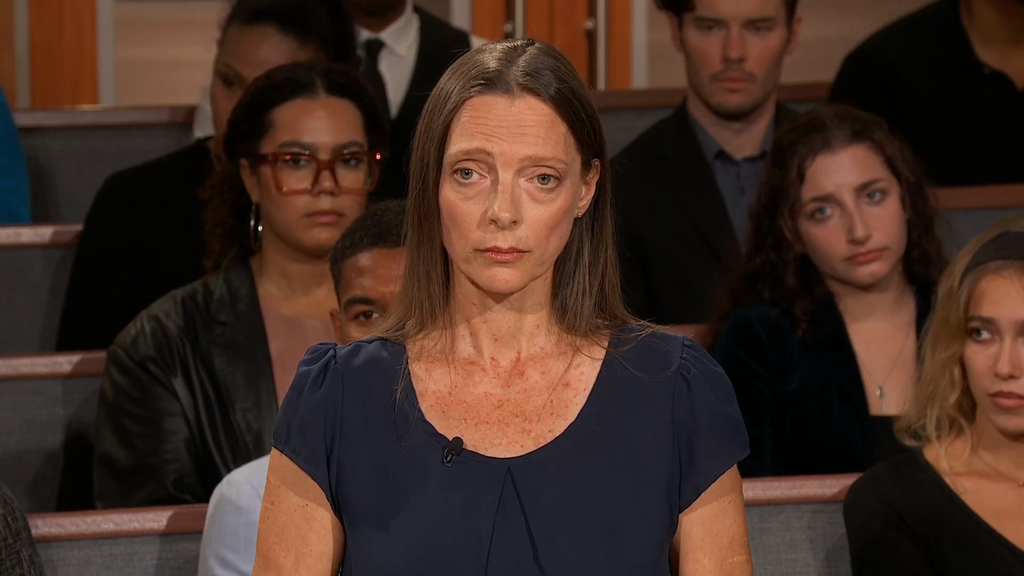
Judge Judy asked whether he was incarcerated or serving in the military — circumstances that might have explained why he could not appear. Julie said no. The two were also apparently on sufficiently good terms for him to have been visiting her home shortly before the incident.
That made his absence significant.
Julie repeatedly described what her ex-husband had done and what he allegedly saw, but he was not present to give his own testimony. Judge Judy pointed out that Julie had been allowed to bring a witness and that her ex-husband was clearly someone with potentially relevant firsthand knowledge.
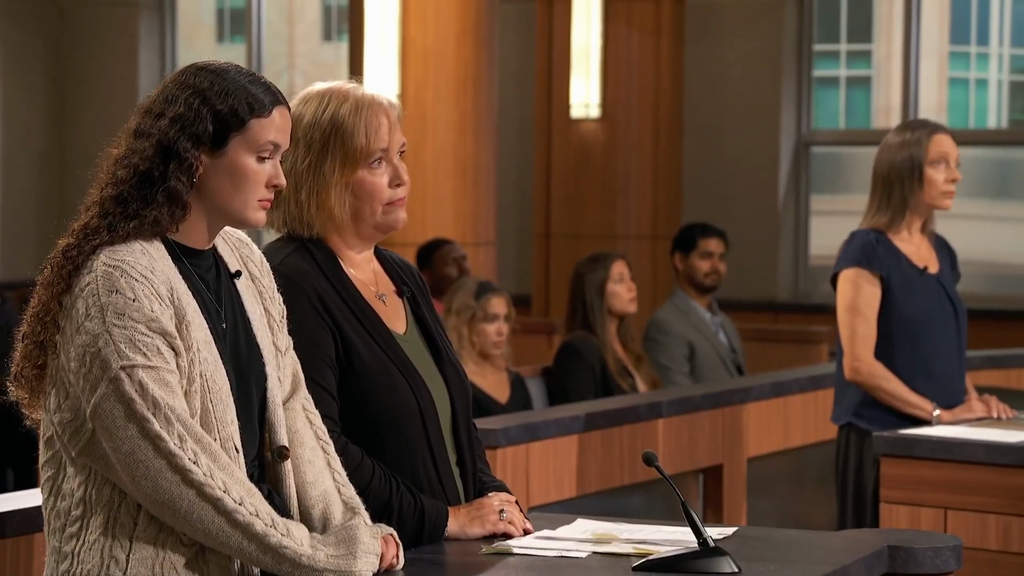
By contrast, Julie herself had seen very little of the critical event. Judge Judy bluntly summarized the evidentiary problem: Julie had witnessed no actual interaction between the dogs.
Her testimony therefore could not rebut an encounter she never saw.
Leashed Dog Versus Unaccompanied Dog
The basic facts ultimately became difficult for Julie to overcome. Sadie and Willow were being walked on leashes. Julie’s German Shepherd was outside the home without an accompanying handler. Sadie was injured during the encounter.

Judge Judy also had Julie’s acknowledgment that she knew her German Shepherd was capable of operating the door. Despite that knowledge, the additional security door was not being used as a barrier at the relevant time.
Julie emphasized that her dog normally did not leave the property and was highly trained. But Judge Judy did not treat training as a substitute for physical control. A well-trained dog can still act unpredictably, particularly when another animal is nearby.

In fact, the German Shepherd’s intelligence made the precautions more important because Julie knew it had the physical ability to defeat the ordinary door latch.
The issue was therefore not whether Julie intended for her dog to get outside. She clearly did not. The issue was whether she had taken reasonable steps to prevent something she knew the dog was capable of doing. Judge Judy concluded that she had not.
Judge Judy Awards $775 for Sadie’s Veterinary Bills
After questioning both sides, Judge Judy entered judgment for the plaintiffs for $775.

The award covered the veterinary expenses resulting from Sadie’s injury. Judge Judy did not need to determine whether Julie’s ex-husband accidentally let the German Shepherd out or whether the dog operated the lever itself. Either possibility led back to the same fundamental responsibility: Julie’s dog was outside unaccompanied while the plaintiffs’ dogs were under leash control.
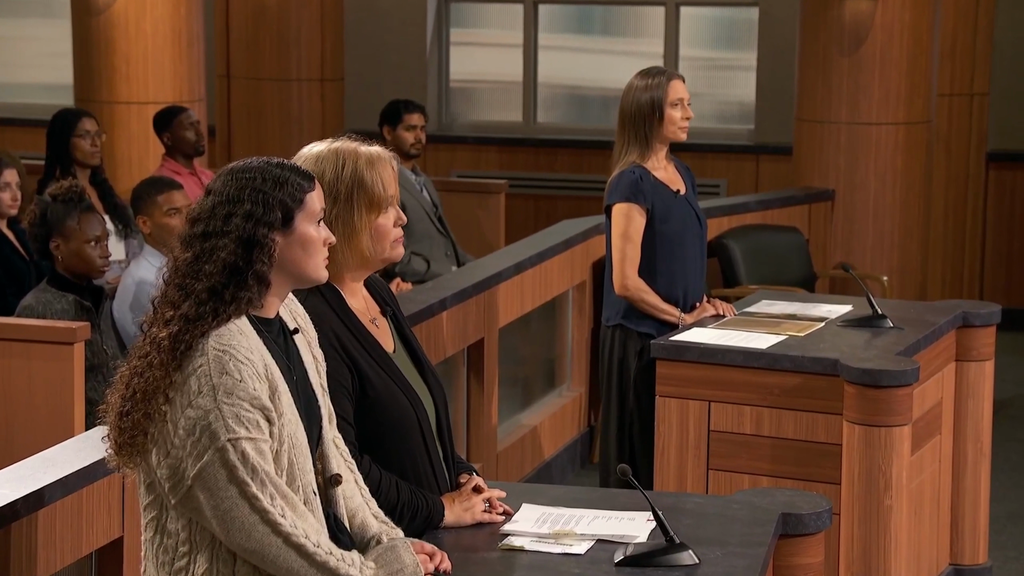
The German Shepherd’s ability to open the door made Julie’s argument even more difficult. Once an owner knows an animal has learned how to defeat a household barrier, simply relying on that barrier is no longer enough.
Judge Judy told Julie that preventing the dog from escaping was her responsibility.
The plaintiffs received their $775 judgment, and the case was closed.
Julie Still Considered the Incident a “Non-Event”
After the verdict, the parties remained divided. The plaintiffs said they were relieved that nobody had been seriously injured and that they had simply expected Julie to do the right thing and pay the veterinary bill. The walker also described the incident as frightening and said she had stopped walking her dogs past Julie’s house.
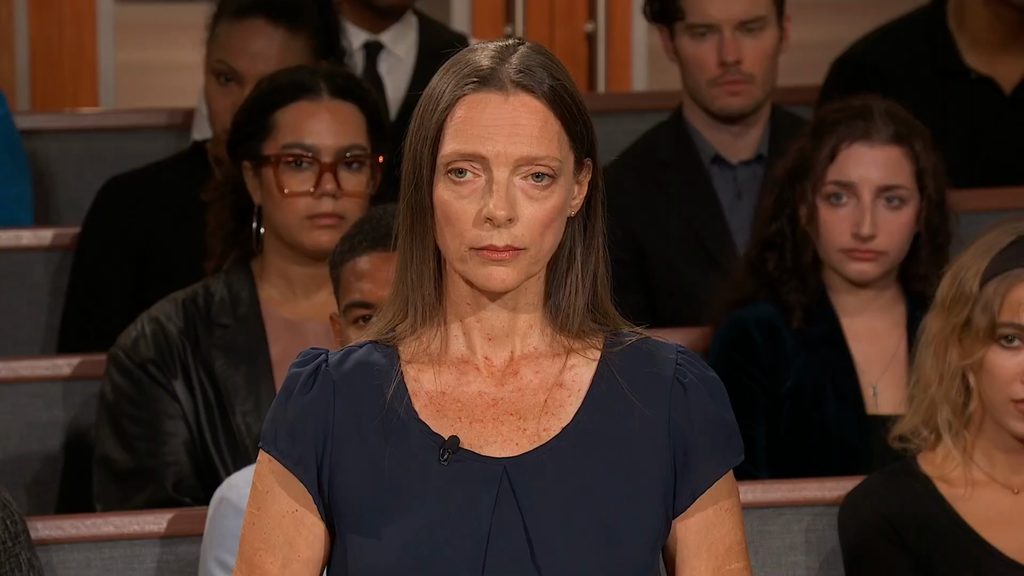
Julie saw things differently. She called the situation a “non-event” and pointed out that police had not issued her a ticket.
But the absence of a police citation did not control the civil judgment. Judge Judy was evaluating financial responsibility for Sadie’s veterinary expenses, not deciding whether Julie should receive a criminal or municipal penalty.
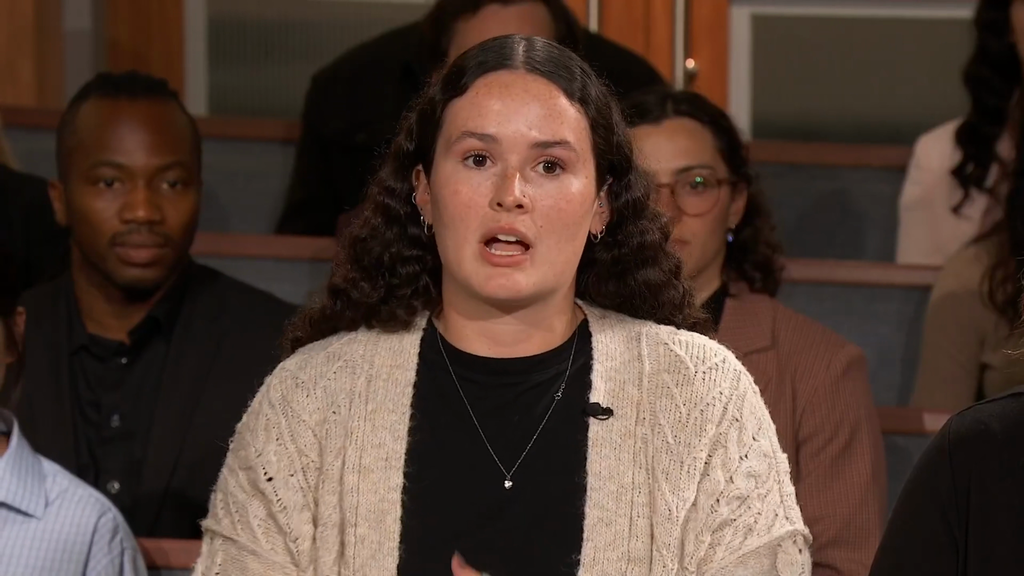
The evidence before the court showed that Sadie was injured, that she had been under leash control, and that Julie’s German Shepherd had been outside without its owner.
That was enough for the civil claim.
The Bigger Lesson: Smart Dogs Require Smarter Precautions
The post-case discussion focused heavily on the unusual fact that Julie’s German Shepherd could operate doors. Judge Judy recalled other intelligent dogs capable of doing the same thing and emphasized that once an owner becomes aware of such an ability, the owner must adapt.
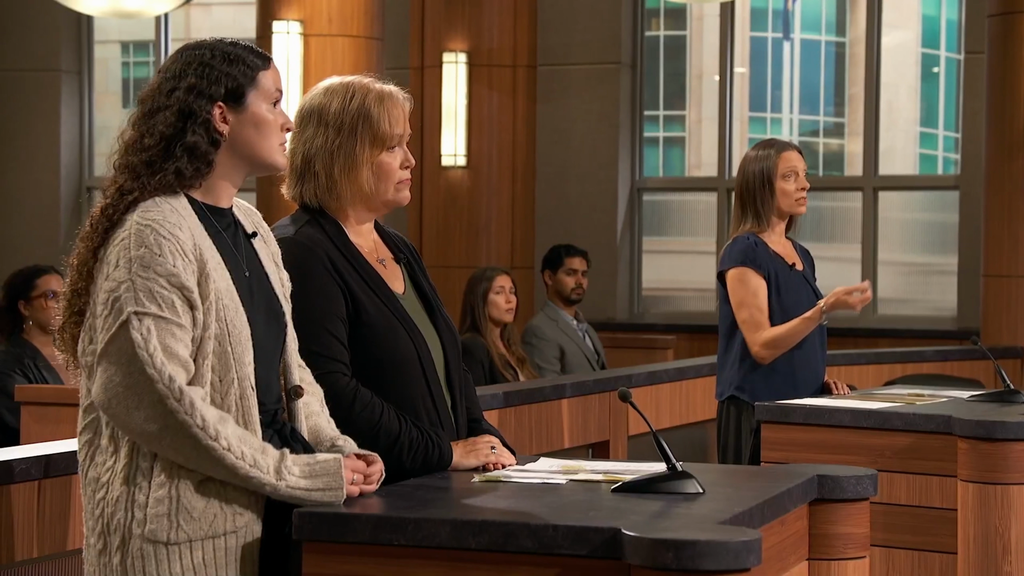
A dog knowing how to open a door may seem impressive, but it also creates a safety problem. The animal can potentially leave a controlled environment without the owner realizing it. That creates risks not only for neighbors and their pets but also for the escaping dog itself.
Julie had a second door available. Closing both doors could have created the additional barrier needed to keep the German Shepherd inside.
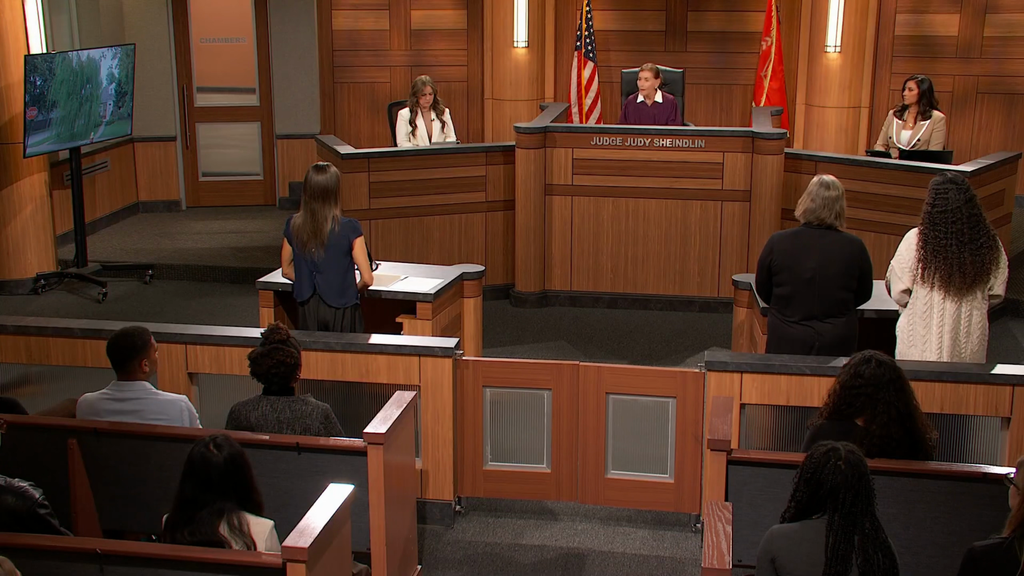
The lesson from the case was therefore broader than the $775 veterinary bill. Pet ownership requires responding to what an animal is actually capable of doing, not simply relying on what it has usually done in the past.
Julie said her German Shepherd had never previously run out through the front entrance. Judge Judy’s response, in effect, was that the first time can still create liability when the owner already knows the dog can open the door.

For Sadie, that first time ended with a bite, veterinary treatment and a drain in her abdomen. For Julie, it ended with a $775 judgment.
(uc.)
FAQ
Why did Lisa and Abby Krider sue Julie Saw?
They sought reimbursement for veterinary expenses after Sadie, their Australian Cattle Dog, was bitten during an encounter with Julie’s German Shepherd on November 24, 2023.
Were the plaintiffs’ dogs on leashes?
Yes. Sadie and Willow were both being walked on leashes when Julie’s German Shepherd came outside without an accompanying handler.
Did Julie Saw witness her German Shepherd bite Sadie?
No. Julie did not witness the actual bite or the beginning of the encounter. She said she later saw the dogs near her front yard after getting out of bed.
Did Julie know her German Shepherd could open doors?
Yes. Julie acknowledged that the highly trained German Shepherd knew how to operate lever-style doors. Judge Judy considered that prior knowledge important when determining Julie’s responsibility to prevent the dog from getting outside.
How much did Judge Judy award the plaintiffs?
Judge Judy awarded the plaintiffs $775 for Sadie’s veterinary expenses.
Sources
Judge Judy covering the November 24, 2023 dog encounter, Sadie’s injury, testimony concerning the two leashed dogs, Julie Saw’s German Shepherd, the home’s glass and security doors, Julie’s acknowledgment that her dog could operate lever-style doors, the absence of Julie’s ex-husband as a witness and Judge Judy’s final $775 judgment. The automated transcript renders the plaintiffs’ surname inconsistently as “Krider/Critter”; this article follows the case introduction’s clearest rendering, Krider, while avoiding unsupported corrections to other details.