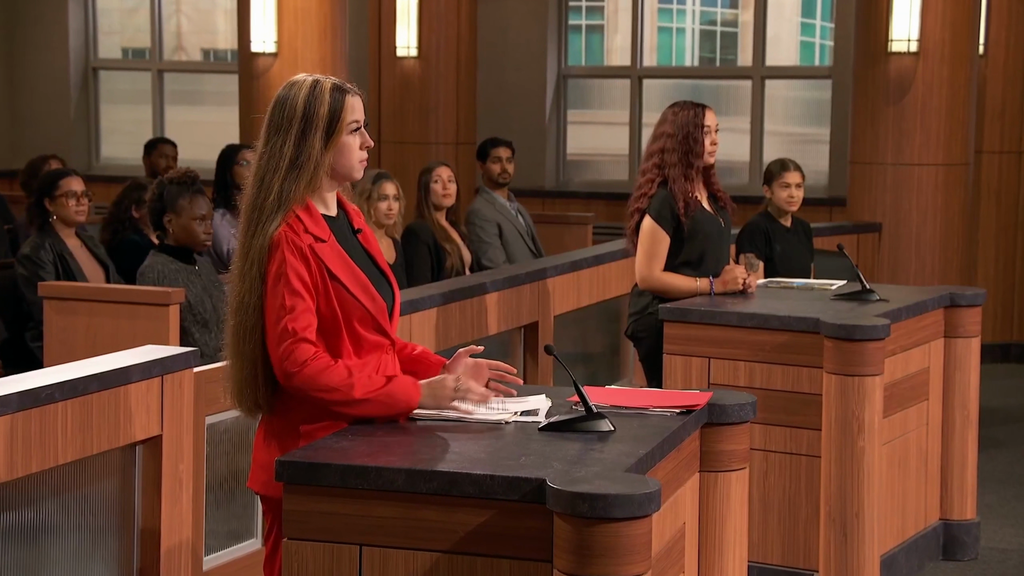
Brooke Overe and Mariah Jones had been friends since childhood. Then, on August 12, one disagreement over social-media drama turned their friendship into a flood of hostile messages and threats. By the next morning, Brooke discovered that her car had been badly keyed. Mariah denied doing it — but she also admitted she had been in a car that drove by Brooke’s home that night and eventually conceded that someone with her could have caused the damage.
(uc.)
Childhood Friends Until August 12
Brooke Overe and Mariah Jones had known each other since childhood, but their longtime friendship collapsed on August 12 after Brooke confronted Mariah about material she was posting on Facebook. Brooke told Judge Judy that Mariah had been publicly posting personal drama that did not involve Brooke. Acting as a friend, Brooke told her to stop putting so much of her private life online because she believed the posts made Mariah look foolish.
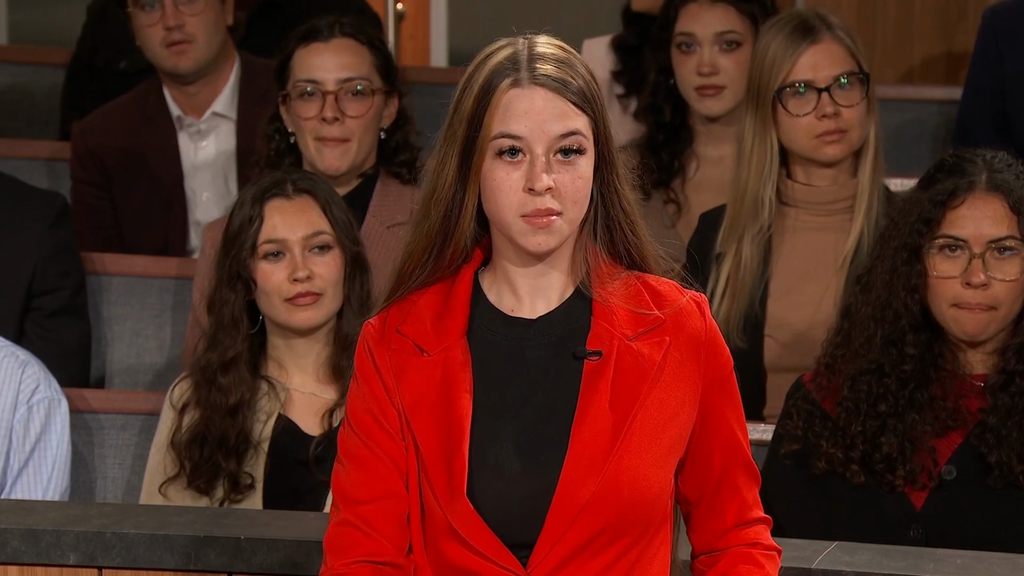
Mariah became angry. What followed was not a quiet disagreement between two old friends. Brooke said she began receiving numerous threatening messages from Mariah, and she brought those communications into court. Judge Judy reviewed them but was visibly frustrated by the hostile language and the amount of time both sides had devoted to attacking one another online. For the judge, most of that personal hostility was background noise. The actual legal question was much narrower: who damaged Brooke’s car?
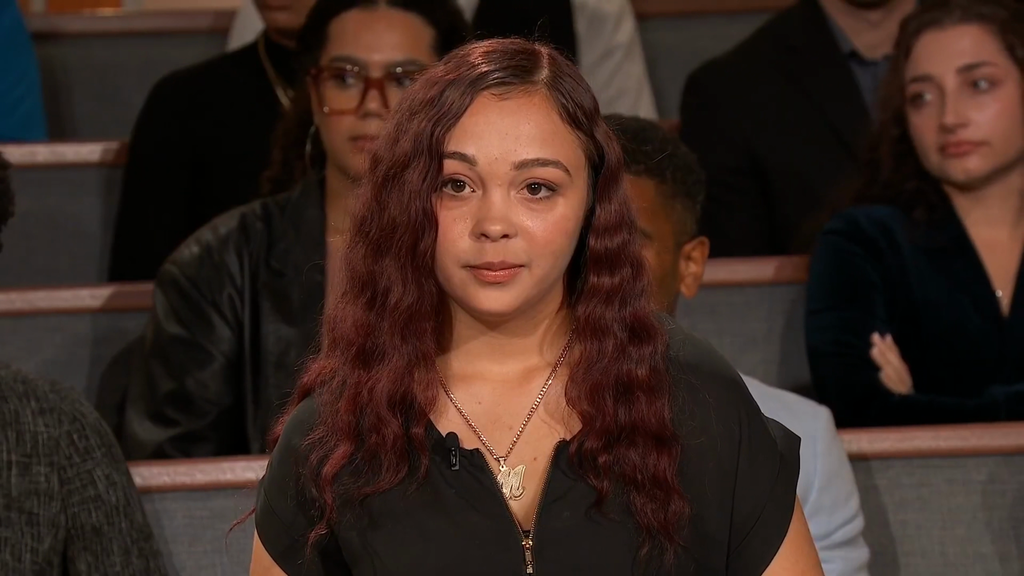
The timing made that question impossible to separate from the argument. Brooke and Mariah fought on August 12. On August 13, Brooke woke up and discovered that her vehicle had been badly keyed.
Brooke Finds Her Car Keyed on August 13
Brooke showed Judge Judy photographs of the damage. The scratches were extensive enough for the judge to immediately describe them as serious. Brooke also filed a police report following the incident and presented messages that she believed connected Mariah to what had happened.
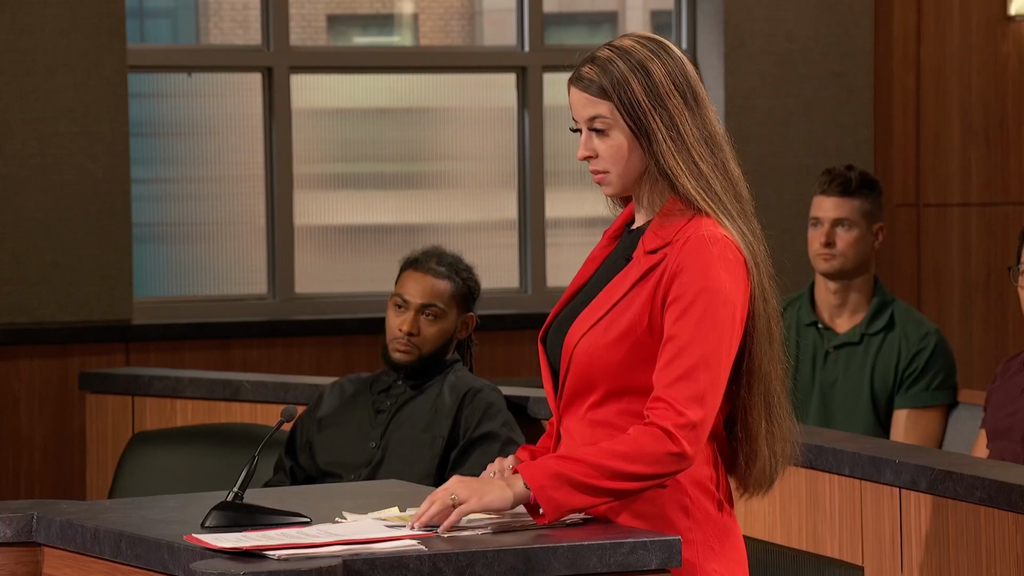
Mariah denied keying the vehicle. At first, her position appeared simple: Brooke could prove that her car had been vandalized, but she could not prove Mariah was the person who did it. Judge Judy agreed that Brooke needed more than suspicion. The fact that two former friends had exchanged threats shortly before property damage occurred did not, by itself, establish who physically caused that damage.
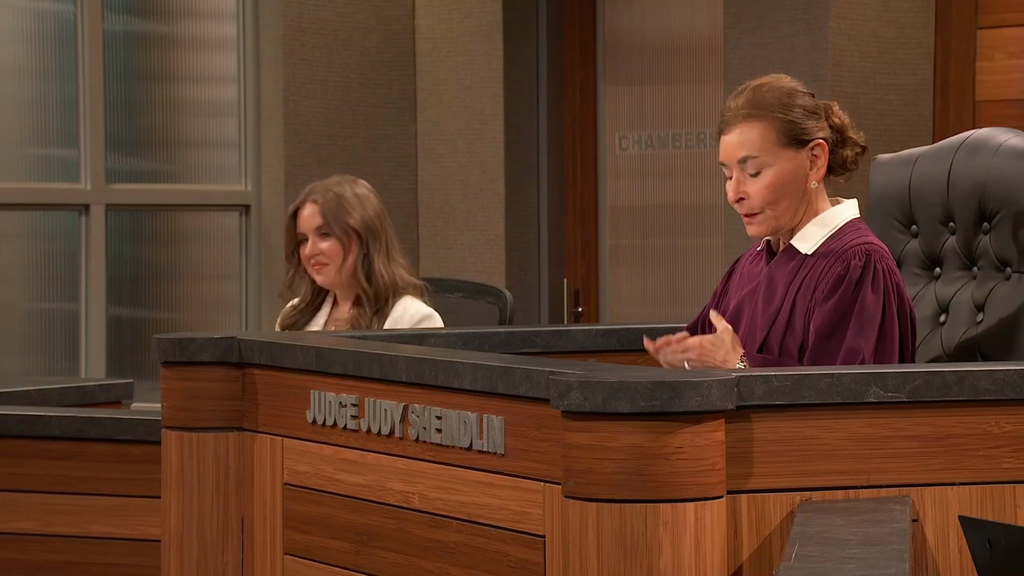
Brooke therefore pointed Judge Judy toward the messages. She believed Mariah had effectively acknowledged what happened. Judge Judy asked Brooke to identify the specific portions she considered a confession because much of the language was difficult to interpret. Mariah acknowledged that she had sent the messages, but denied explicitly admitting that she keyed Brooke’s car.
Then Judge Judy began asking Mariah what she actually remembered about that night.
Mariah Says She Was Not in the Right State of Mind
Mariah’s explanation quickly became more complicated. She repeatedly insisted that she had not damaged Brooke’s vehicle and even offered to take a lie-detector test. At the same time, she said she could not remember everything she had written or done because she had consumed what she described as “bad weed.”
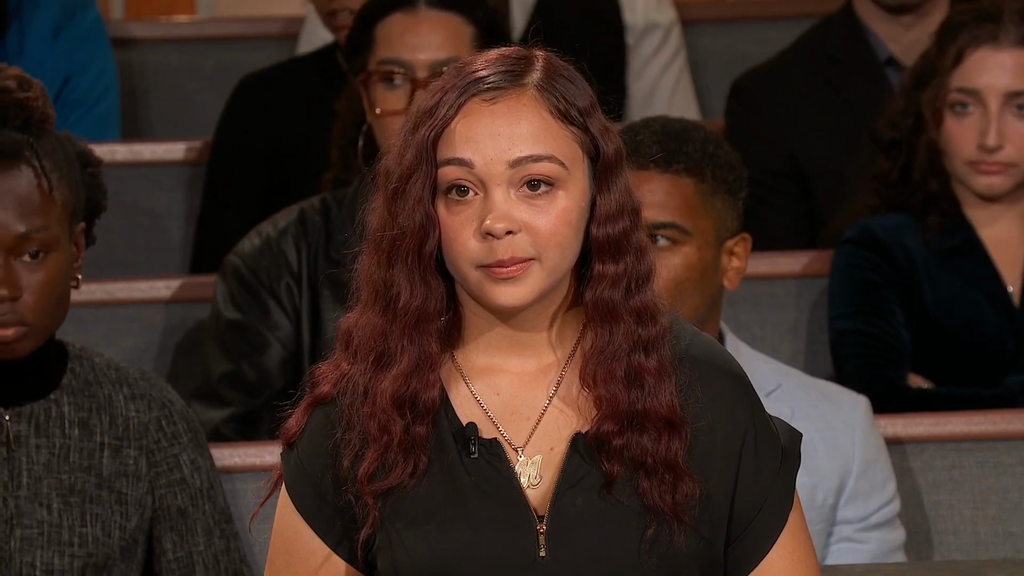
Mariah said she had not been herself for approximately a week. Judge Judy asked why, and Mariah attributed her condition to the drugs she had taken. She also testified that she spent three days in a psychiatric ward during that period.
That explanation created a serious contradiction. Mariah wanted Judge Judy to accept her certainty that she had not keyed Brooke’s vehicle while simultaneously saying she could not remember significant portions of the relevant period. When Judge Judy asked whether it was therefore possible that she had damaged the car, Mariah conceded that it “could be.”
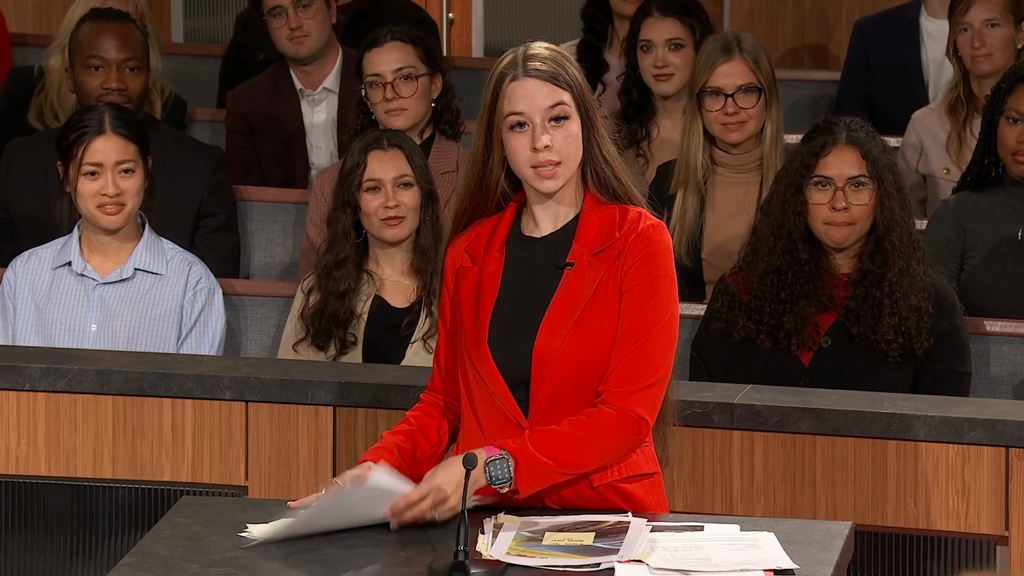
Her written answer created another problem. Judge Judy said Mariah had previously described being in a vehicle that drove past Brooke’s home while someone else was driving and Mariah was sleeping. In court, Mariah acknowledged that she had been in the car but continued saying she did not know what happened.
The case was no longer simply Brooke’s accusation against Mariah’s denial.
The Messages Add Another Piece
Brooke presented another communication she believed supported her case. In a message to someone else, Mariah had written words Judge Judy interpreted as essentially telling the recipient to ask the last person who had “played with” her what happened to that person’s car.
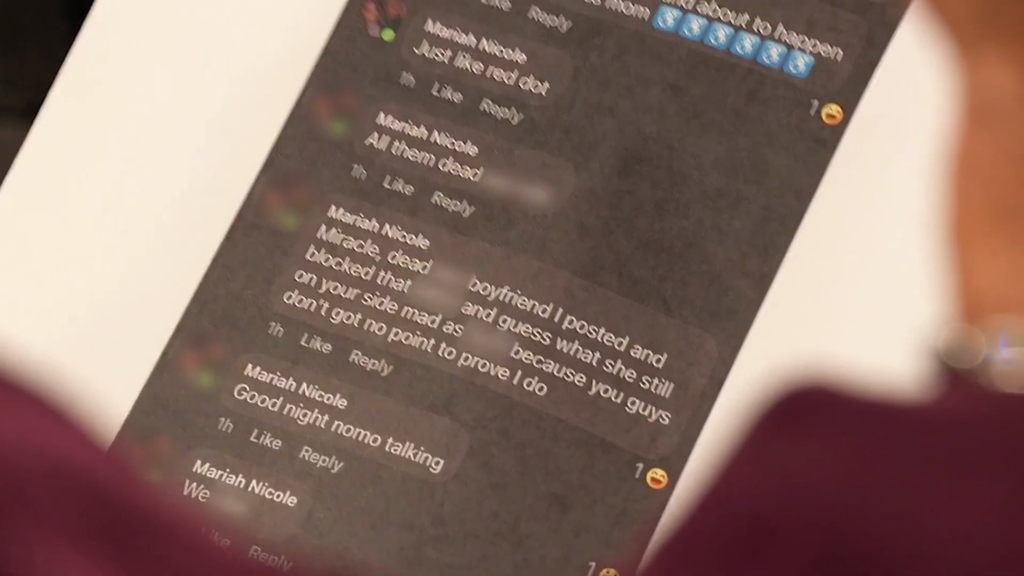
Judge Judy asked Mariah what she had done to that previous person’s vehicle. Mariah again denied doing anything and said she had merely been talking. She admitted that she had made threats but apologized for them, saying she had not meant what she wrote because she was not in the right state of mind.
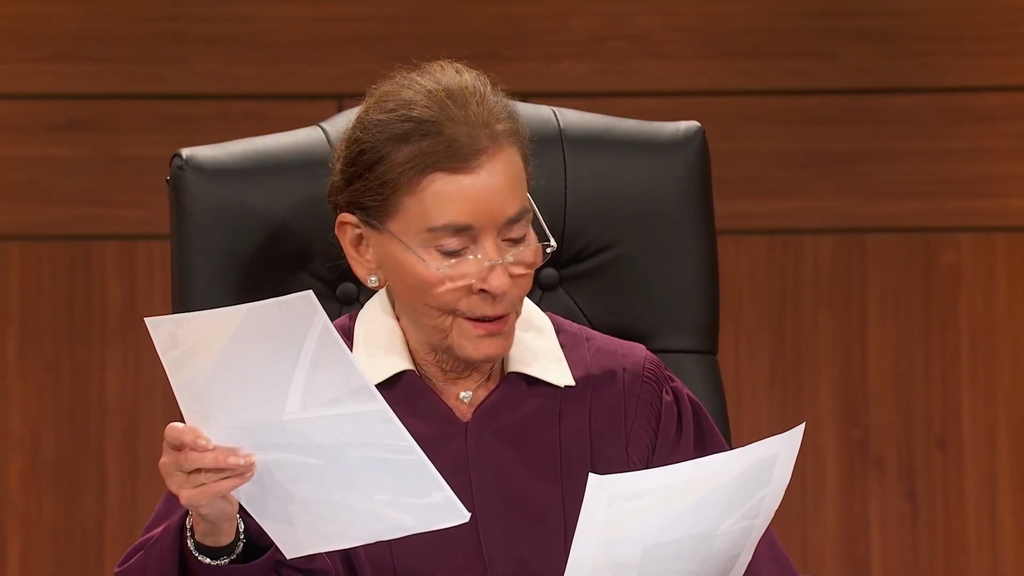
Judge Judy did not treat the threatening language alone as conclusive proof that Mariah had personally scratched Brooke’s car. Instead, she continued looking for evidence connecting Mariah to the actual location and time of the vandalism.
That connection emerged through Mariah’s own testimony.
Mariah Admits She Was in a Car Near Brooke’s Home
Under continued questioning, Mariah acknowledged that she had been inside a car with approximately three other people during the relevant night. She said they had left her home at around 1 or 2 a.m.
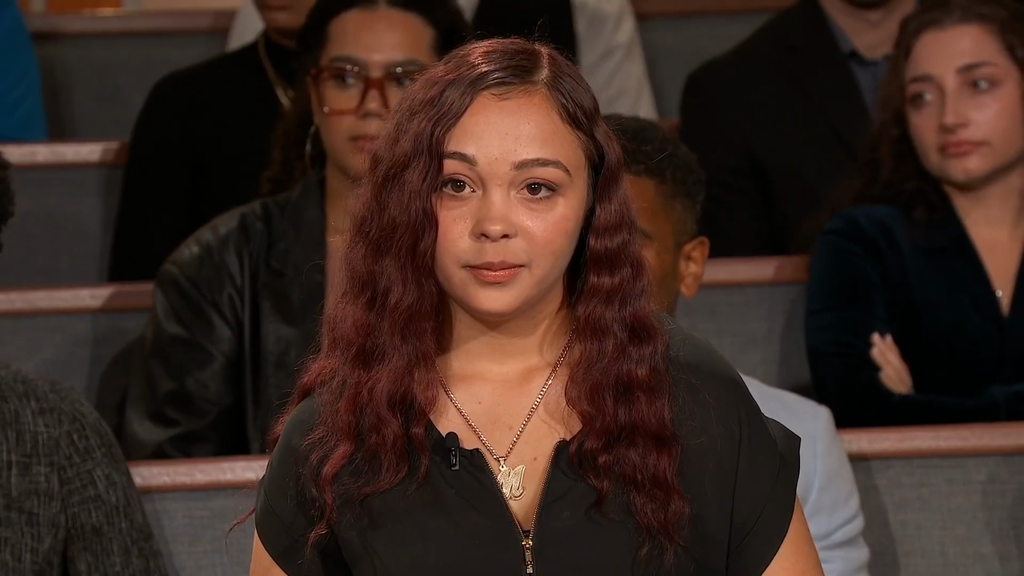
Mariah explained that Brooke had allegedly posted her home address online and that people had begun driving past Mariah’s house, honking and throwing objects. She even claimed someone had thrown a brick toward her window. Those allegations were not the subject of Brooke’s lawsuit and were not independently established in the transcript, but Judge Judy immediately recognized their relevance to motive.
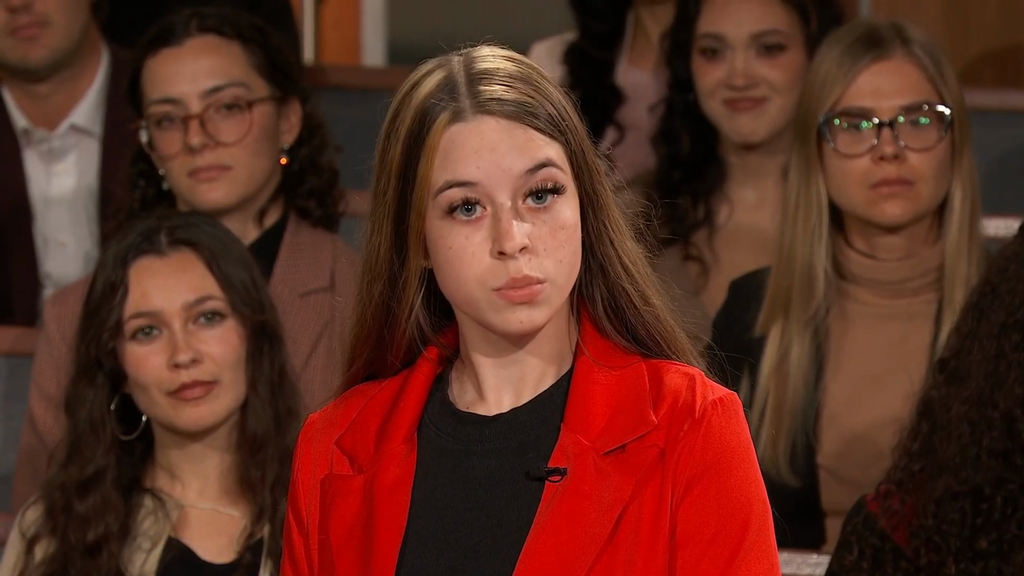
If Mariah believed Brooke had exposed her address and caused people to target her home, she had a reason to be angry enough to retaliate.Mariah then acknowledged something even more significant: the car she was riding in drove past Brooke’s property that night.
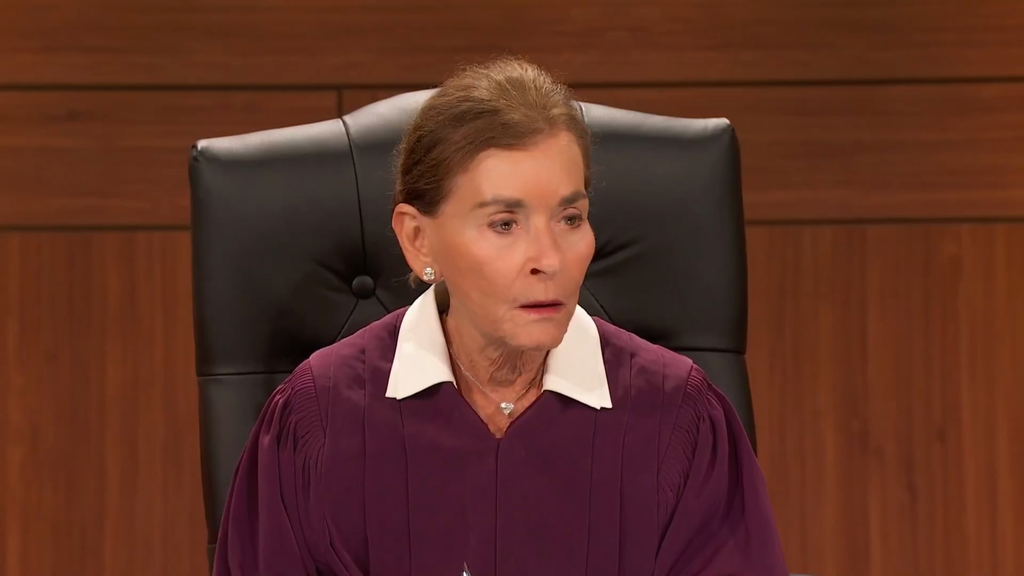
Judge Judy asked whether Mariah was saying that she had been in a vehicle containing someone who might have keyed Brooke’s car. Mariah answered yes. When asked who the approximately three people in the vehicle were, Mariah said she could not remember.
“Either You or the People You Were With”
At that point, Judge Judy believed the evidentiary pieces had come together. The former friends had engaged in an intense dispute. Mariah had sent threatening messages. Brooke’s car was keyed immediately afterward. Mariah admitted she had been riding with a group of people who drove past Brooke’s home in the middle of the night, and she acknowledged that someone in the vehicle may have damaged the car.
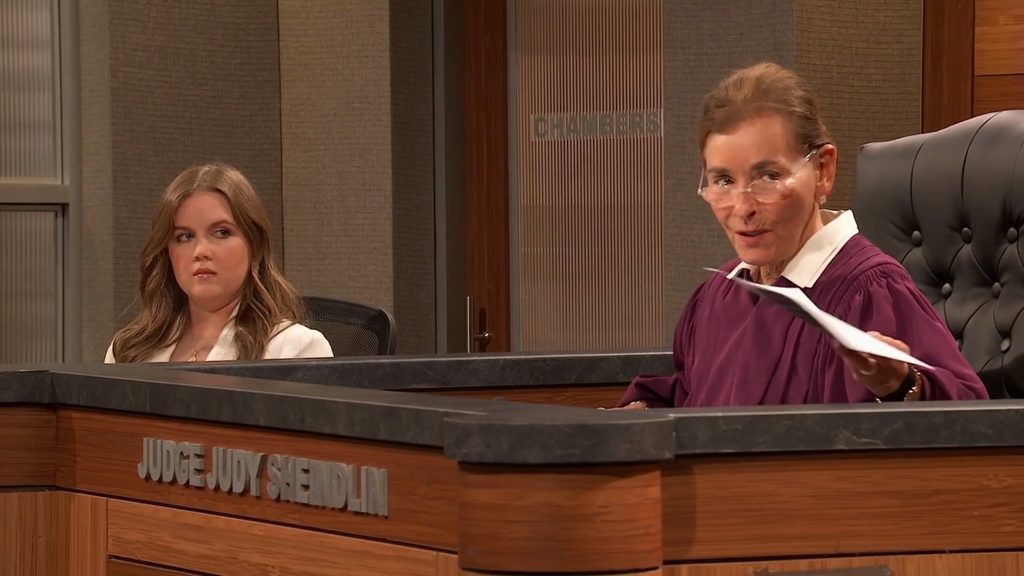
Mariah continued insisting that she personally had not done it. Judge Judy was no longer persuaded that this distinction relieved her of responsibility.
The judge summarized the situation directly: Mariah and her group had gotten into a car, driven by Brooke’s property, and either Mariah or one of the people with her had keyed the vehicle. Mariah responded that it was not her personally, but she had already acknowledged that someone in the group could have been responsible.
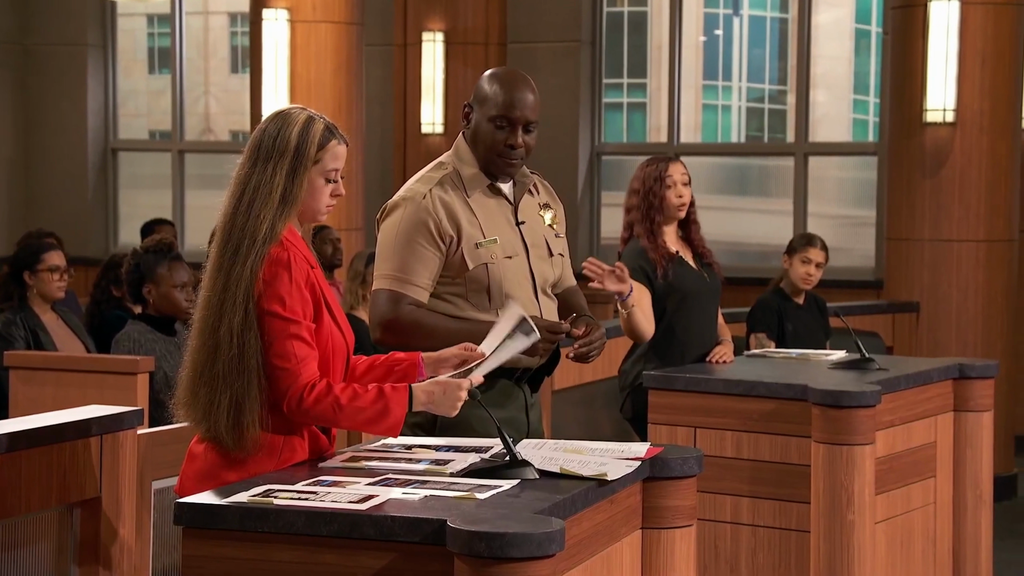
Judge Judy also rejected Mariah’s impaired-state explanation as a defense. Even if Mariah genuinely had been mentally affected by drugs during the relevant period, that did not eliminate responsibility for the property damage connected to the late-night retaliation.
The $3,000 Repair Estimate
Once Judge Judy was satisfied about responsibility, she turned to damages. Brooke presented an estimate showing that repairing the keyed vehicle would cost $3,000.
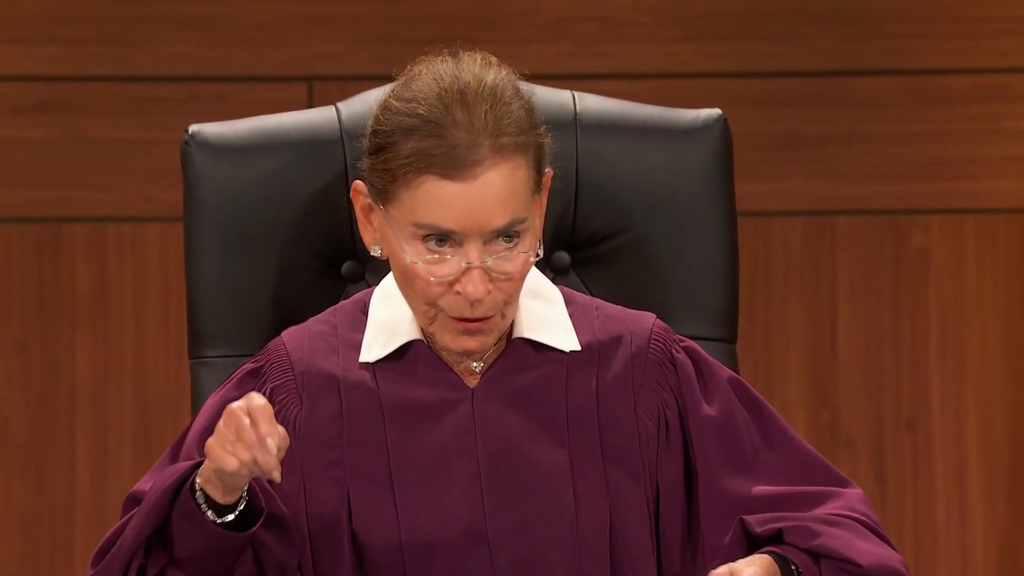
Judge Judy asked whether the car had already been repaired. Brooke said no. She had been waiting for the court case before proceeding with the work.
Mariah objected to paying because she continued insisting that she had not personally caused the scratches. But her testimony had already undermined that defense. She could not clearly remember the night, acknowledged that she had been in the vehicle that went past Brooke’s home and admitted that someone with her could have keyed the car.
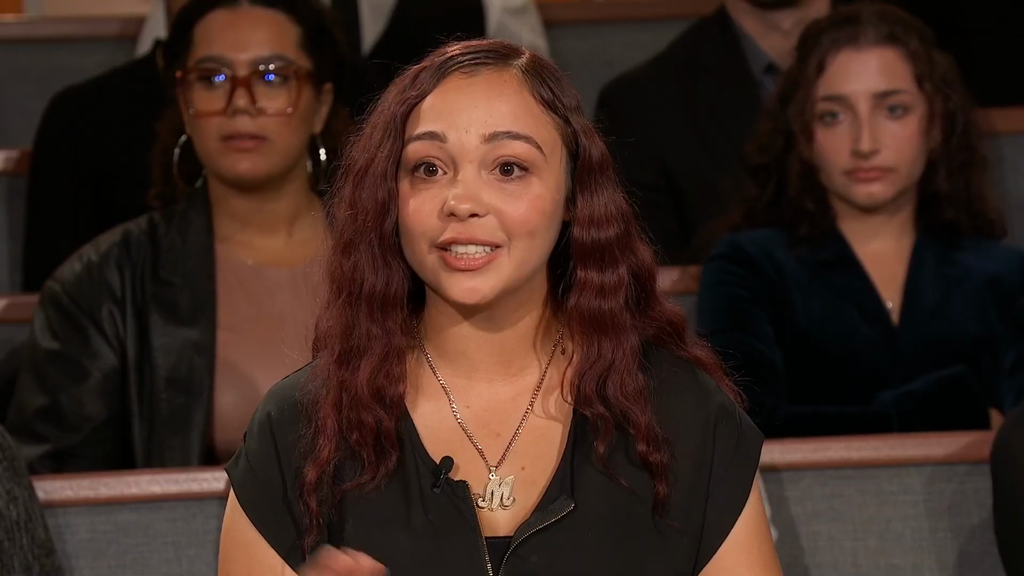
For Judge Judy, the combination of threats, motive, opportunity and Mariah’s own admissions was sufficient. Brooke had proved both the damage and the amount required to repair it.
Judge Judy Awards Brooke $3,000
Judge Judy entered judgment for Brooke in the full amount of $3,000.
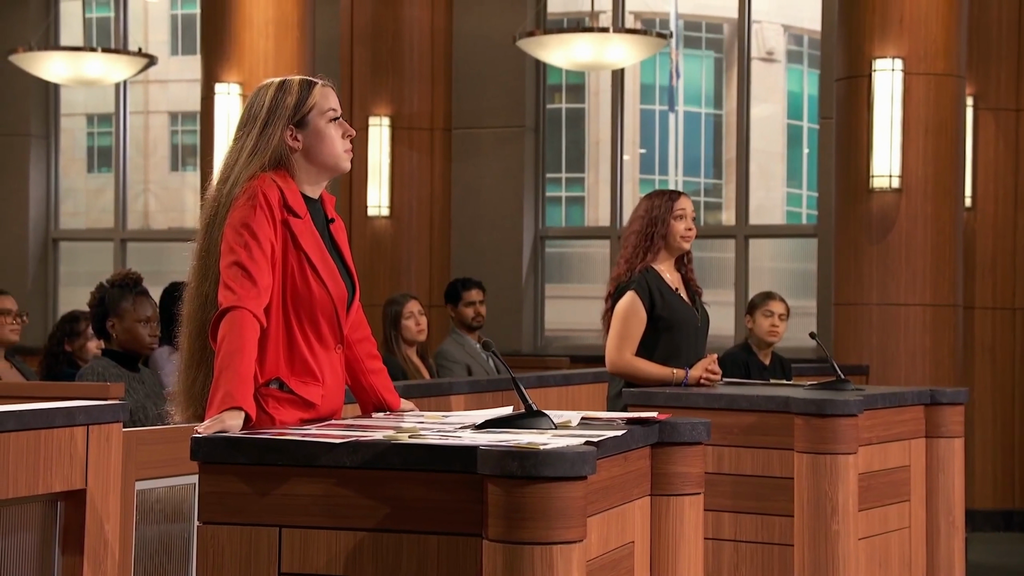
The ruling did not depend on a video showing Mariah physically dragging a key across the vehicle. Instead, Judge Judy evaluated the entire sequence of events. The friendship collapsed on August 12. Threatening communications followed. Brooke’s vehicle was found keyed on August 13.
Mariah acknowledged being in a car that drove past Brooke’s home around 1 or 2 a.m. with approximately three other people. She could not identify those people, admitted someone in the car could have damaged Brooke’s vehicle and had already said she could not remember significant parts of the period because of her impaired condition.
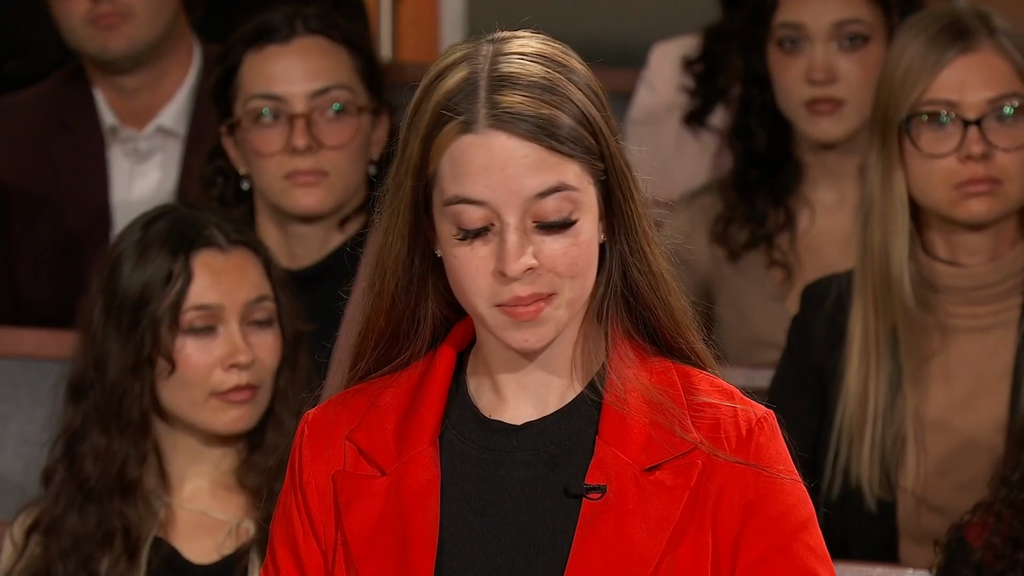
Mariah’s own explanation therefore supplied much of the circumstantial evidence against her. Judge Judy told Brooke that she had her judgment, declared the case finished and awarded her $3,000.
The Case Was Built on Circumstantial Evidence
Brooke did not enter court with the type of perfect evidence that makes a vandalism case effortless. There was no clear surveillance recording shown in the transcript of Mariah personally scratching the car. The messages did not contain a simple statement saying, “I keyed your vehicle.”
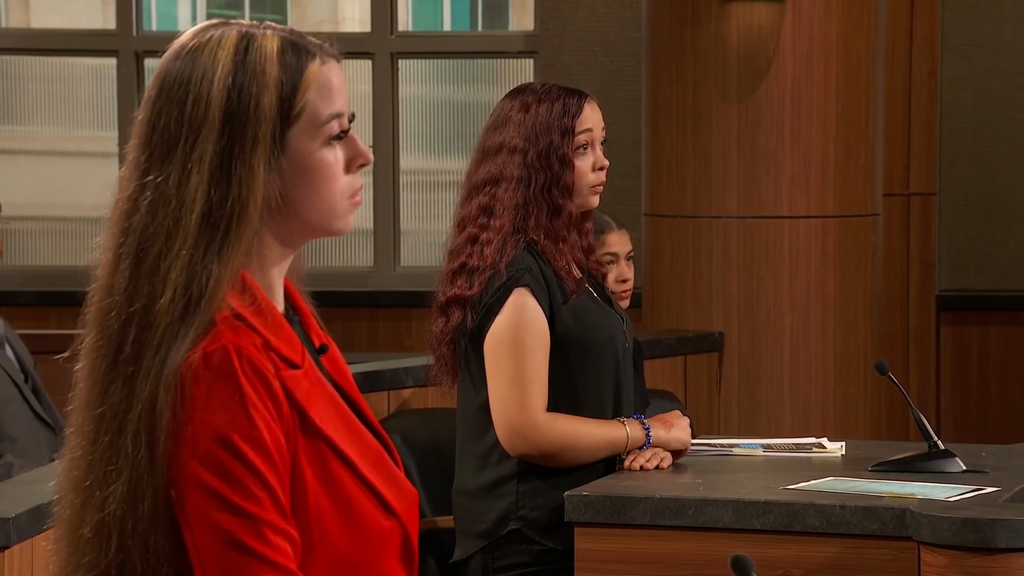
Instead, the case developed through circumstantial evidence and admissions. Mariah had threatened Brooke during an explosive argument. She had a possible retaliatory motive after believing Brooke posted her address. She admitted being in a vehicle that drove by Brooke’s home during the relevant overnight period. She acknowledged that someone inside that vehicle might have keyed the car. At another point, she admitted it was possible she herself had done it because she could not reliably remember what happened.
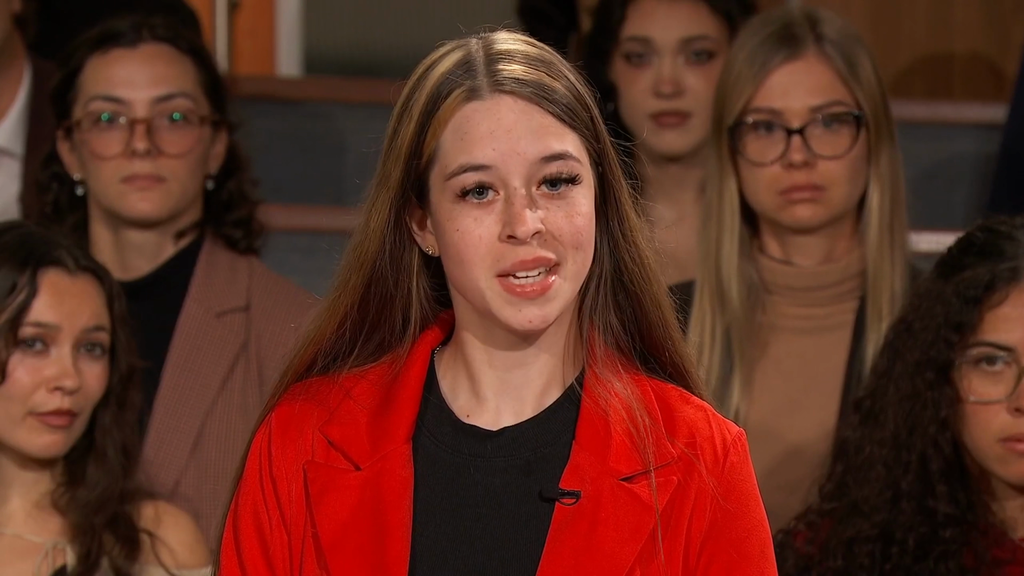
Those details mattered more than Mariah’s repeated requests for a lie-detector test. Judge Judy was deciding the case from the evidence and testimony already in front of her.
Mariah’s insistence that she “knew” she did not do it was difficult to reconcile with her simultaneous claim that she did not remember what happened.
One Facebook Argument Destroyed a Childhood Friendship
The post-case discussion focused less on the $3,000 than on the way the conflict had developed. Judge Judy expressed frustration with the hostile shorthand, insults and threatening exchanges that had consumed the former friends’ communication. What started with Brooke telling Mariah to stop broadcasting personal drama on Facebook escalated into threats, allegations involving posted addresses, claims of objects being thrown at a home and ultimately a vandalized vehicle.
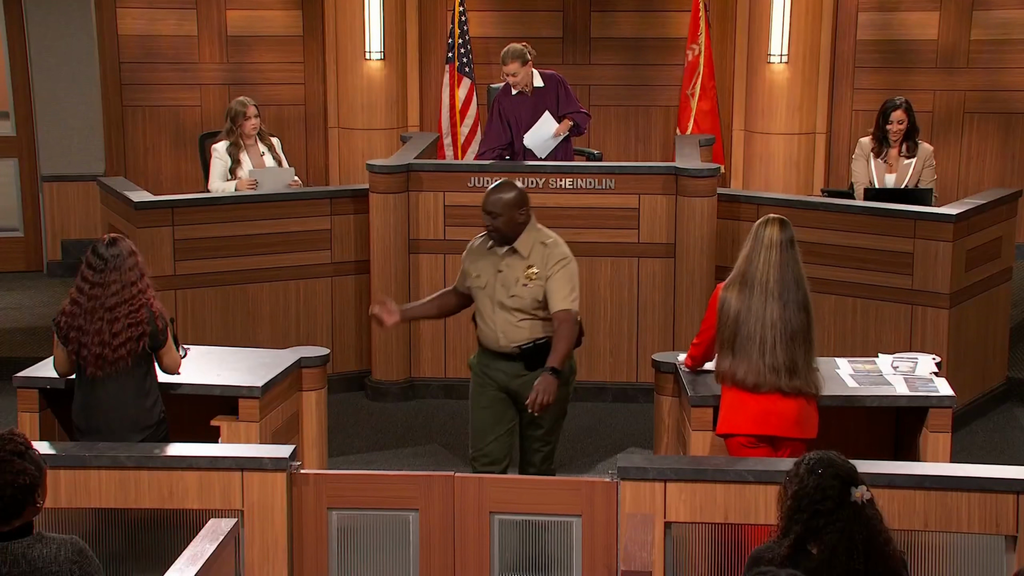
The case demonstrated how quickly online hostility can move into the physical world. Neither woman benefited from the collapse of a friendship that had lasted since childhood.
Brooke was left with thousands of dollars in vehicle damage. Mariah left court responsible for a $3,000 judgment after her own account placed her and her companions near Brooke’s home during the critical period.
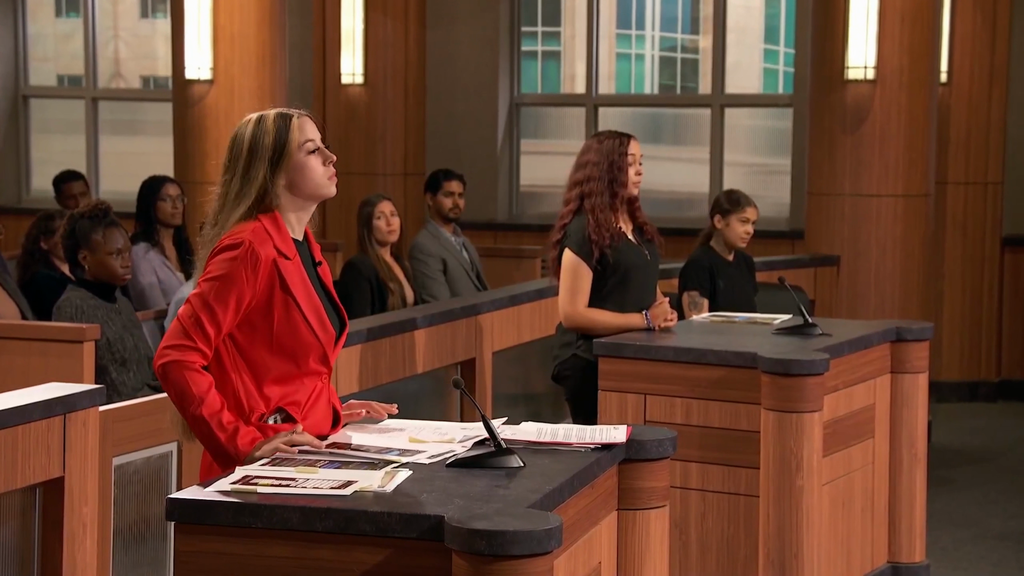
Judge Judy’s decision ultimately came down to a straightforward evidentiary question. Brooke could prove her car had been keyed and could document the repair cost. Mariah’s own testimony provided the missing connection between the online feud and the people who were outside Brooke’s home that night.
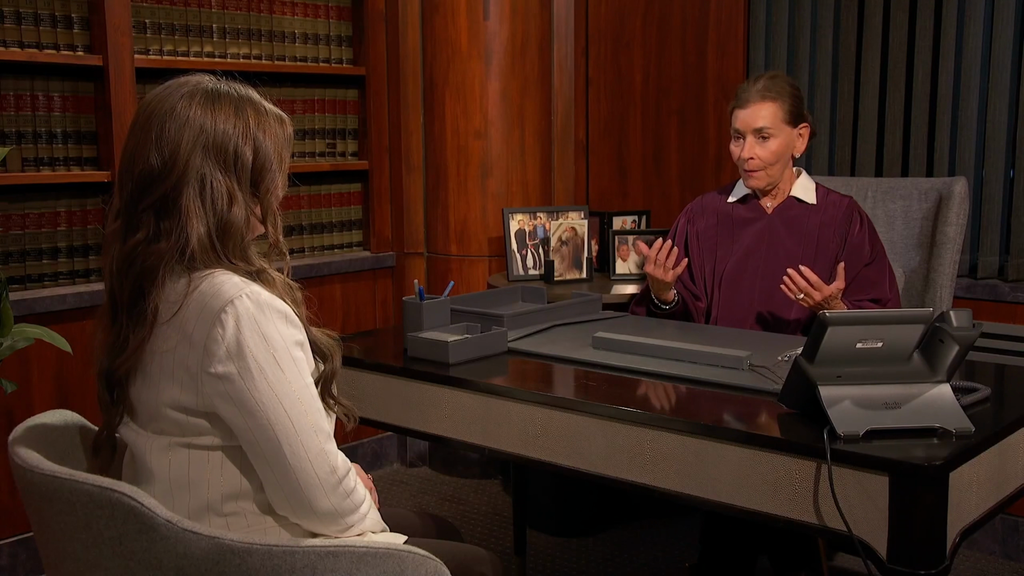
A childhood friendship had ended in less than a day. The financial consequence was $3,000.
FAQ
Why did Brooke Overe sue Mariah Jones?
Brooke sued her former childhood friend after her car was keyed following an intense August 12 argument and threatening exchanges between the two women.
Did Mariah Jones admit personally keying Brooke’s car?
Mariah did not clearly admit that she personally keyed the vehicle. However, she acknowledged being in a car that drove past Brooke’s home during the relevant period and said someone in the vehicle could have caused the damage.
What did Mariah say about her memory of the incident?
Mariah said she had consumed “bad weed,” was not in her normal state of mind and could not remember parts of the relevant period. She testified that she had also spent three days in a psychiatric ward.
How much was the damage to Brooke’s car?
Brooke presented a repair estimate totaling $3,000. The vehicle had not yet been repaired when the case was heard.
What was Judge Judy’s verdict?
Judge Judy found for Brooke and awarded her the full $3,000 requested for the vehicle damage.
Sources
Judge Judy, including Brooke Overe’s testimony, Mariah Jones’ responses, the August 12 social-media dispute, threatening messages, August 13 vehicle damage, police report, Mariah’s testimony about her impaired state, the late-night drive past Brooke’s home and Judge Judy’s $3,000 judgment. Some names are imperfectly rendered by the automated subtitles; this article follows the clearest case-introduction and courtroom references rather than inventing corrections not established by the supplied SRT.