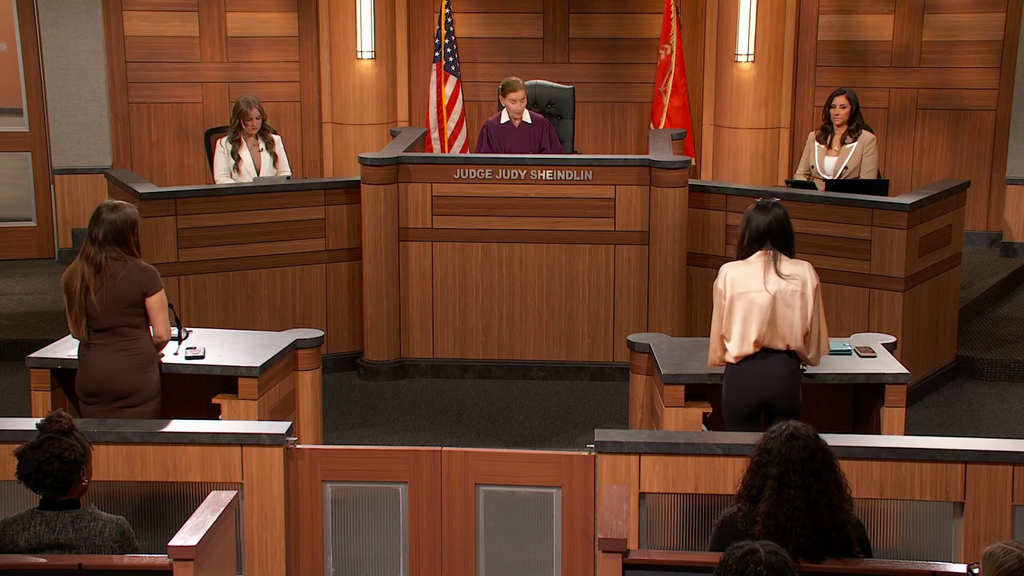
Marina Reyes and Kayla Hurst had once been close enough to take provocative photographs together. Their friendship ended in April 2022, but the images did not disappear with it. Two years later, Marina learned that Kayla had used social media to advertise access to intimate material involving her — including photographs Marina said Kayla had no permission to sell. Judge Judy’s reaction was immediate: consent to create or share an image is not unlimited permission to monetize it forever.
(uc.)
A Friendship Ends in April 2022
Marina Reyes and Kayla Hurst had once been friends. According to the testimony, their friendship ended around April 2022. While they were still close, they took photographs together, including images in bikinis and other provocative poses.
At the beginning of the hearing, Marina described the images as lingerie photographs before correcting herself and saying they were bikini photos. That distinction became important because Judge Judy wanted to know precisely which photographs Marina had willingly created with Kayla and which images formed the basis of the lawsuit.
The photographs they had taken together were revealing, but Judge Judy did not consider them nude. She repeatedly distinguished between provocative or risqué images and photographs showing someone naked.

Marina’s lawsuit concerned something more serious. She said nude photographs of her had been circulated through Kayla’s social-media presence and offered in connection with paid access.Marina maintained that those particular images had never been created with Kayla.
Marina Learns About the Posts Two Years Later
The posts at issue dated back to 2022, but Marina testified that she did not learn about them until April of the year of the hearing, when her witness informed her.
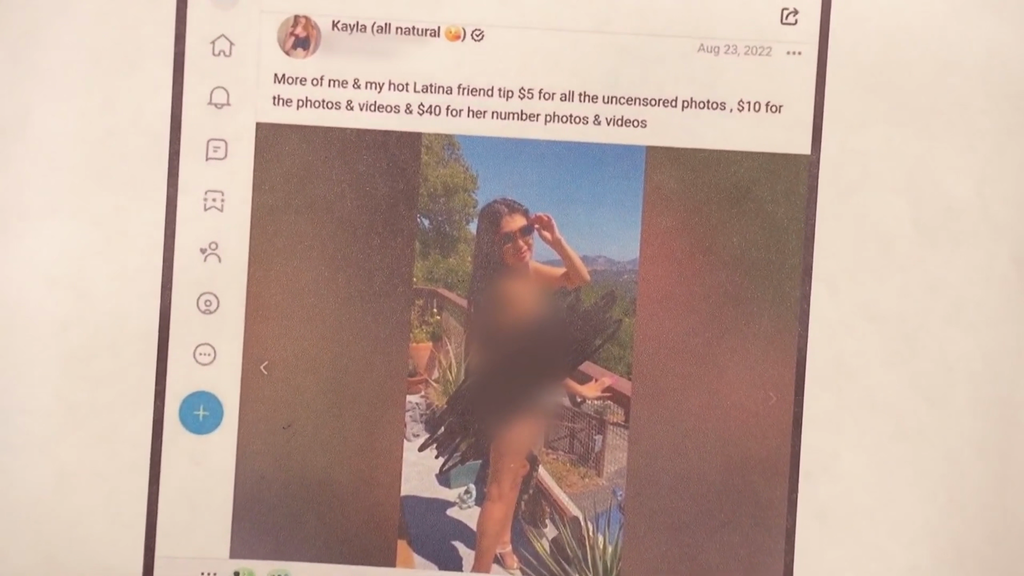
That meant the material had apparently existed online for roughly two years before Marina became aware of it. Judge Judy immediately examined the screenshots Marina brought to court. Some of the visible photographs were the bikini-style images Marina and Kayla had taken together. Those were not nude, and Judge Judy made that clear. But Marina directed the court to the captions accompanying the posts.
The wording suggested that additional, uncensored material was available for money. One post promoted “more of me and my hot Latina friend” and offered different levels of access, including $5 for uncensored photos, $10 for photos and videos, and $40 for Marina’s phone number, according to the material read aloud in court.

That changed the focus of the hearing. Judge Judy was no longer simply looking at two former friends who had once posed together. She was examining whether Kayla had used intimate material involving Marina as something she could sell.
Where Did the Nude Photographs Come From?
Judge Judy asked Marina whether she knew where Kayla had obtained the nude photographs. Marina said she was not certain. She believed they may have come from someone she had previously dated. Marina acknowledged that she had allowed that former partner to take nude photographs of her.
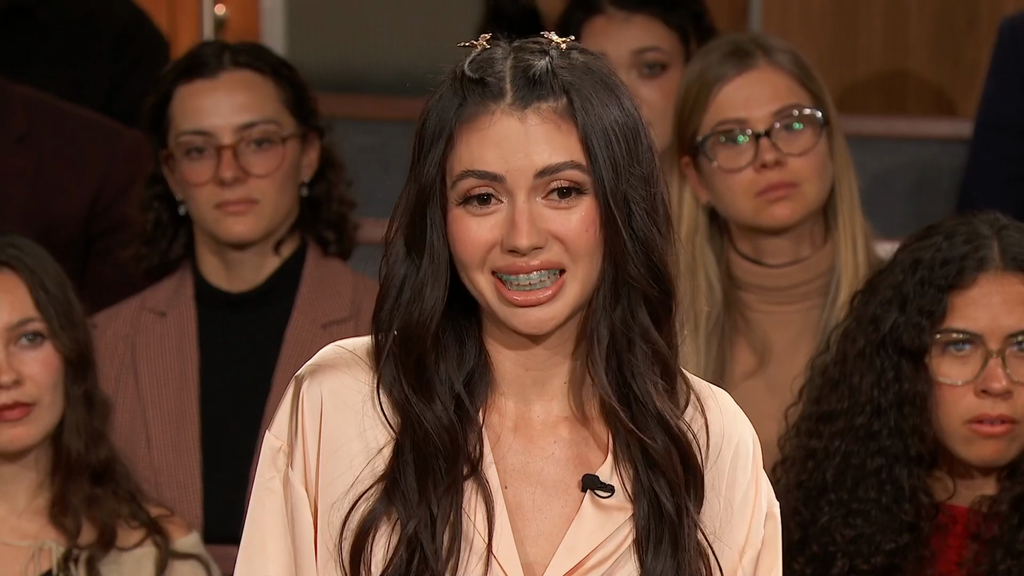
She was clear, however, that she and Kayla had never created those specific nude photographs together. Kayla initially told Judge Judy that Marina had sent the images to her. She described a three-person group chat and suggested that the photographs had circulated there. Judge Judy then questioned Marina about whether she remembered being in such a group conversation.
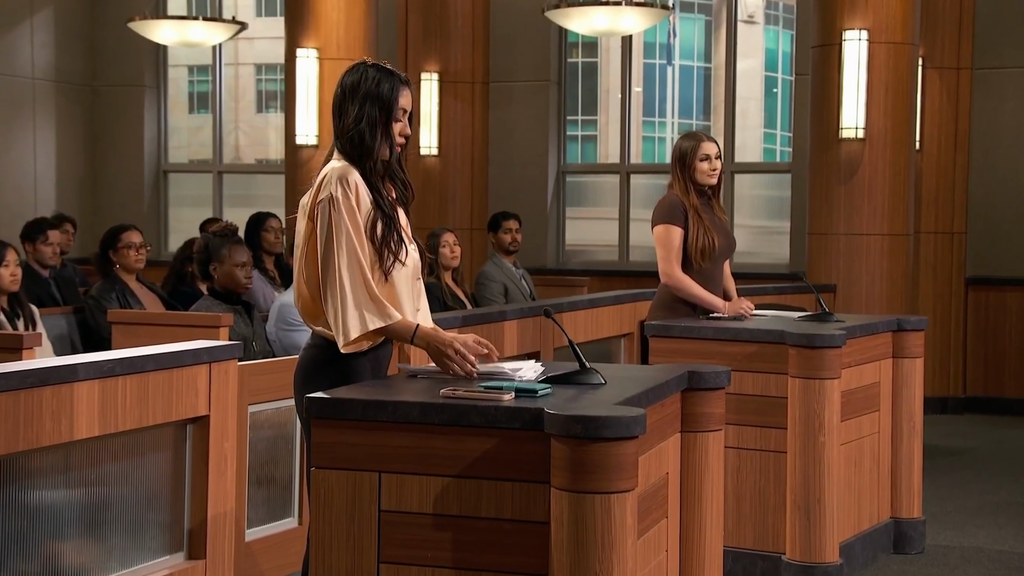
The testimony became complicated over exactly who had transmitted the images, but Judge Judy eventually focused on a much simpler issue. Regardless of how Kayla obtained the photographs, had Marina given her permission to sell them? The answer was no.
Judge Judy Separates Risqué Photos From Nude Photos
Judge Judy examined several photographs during the hearing and repeatedly rejected attempts to treat all of them as the same type of material.
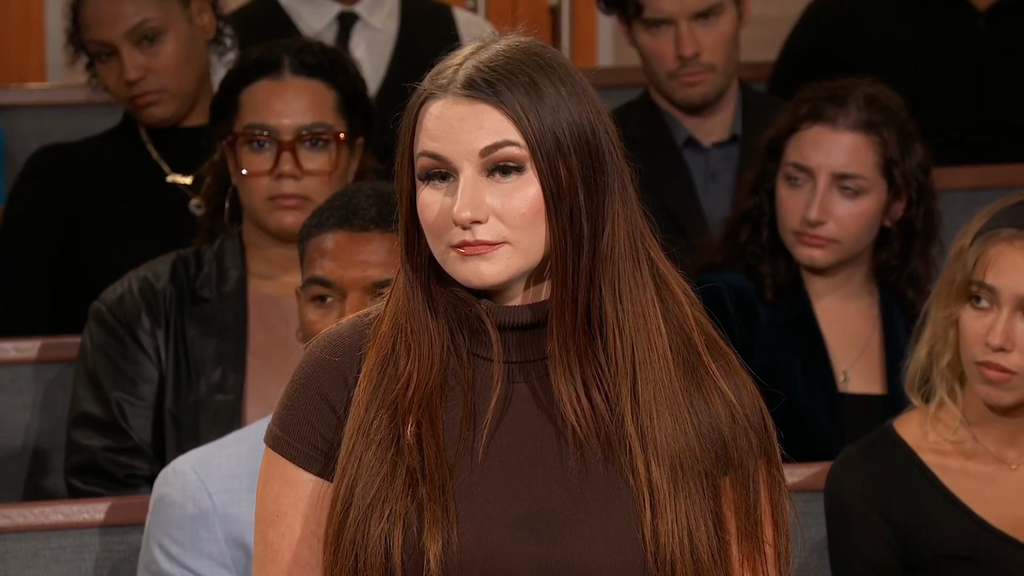
Some images showed Marina and Kayla in revealing bikinis. Judge Judy described them as risqué rather than nude. She also criticized the broader practice of creating intimate photographs that a person would later be devastated to see publicly circulated, but that commentary did not erase the legal distinction she was making.
The crucial images were not simply bikini photographs that Marina had knowingly posed for with Kayla. They were nude photographs that Marina said had been taken in a different context. Judge Judy pressed Kayla repeatedly on that distinction.
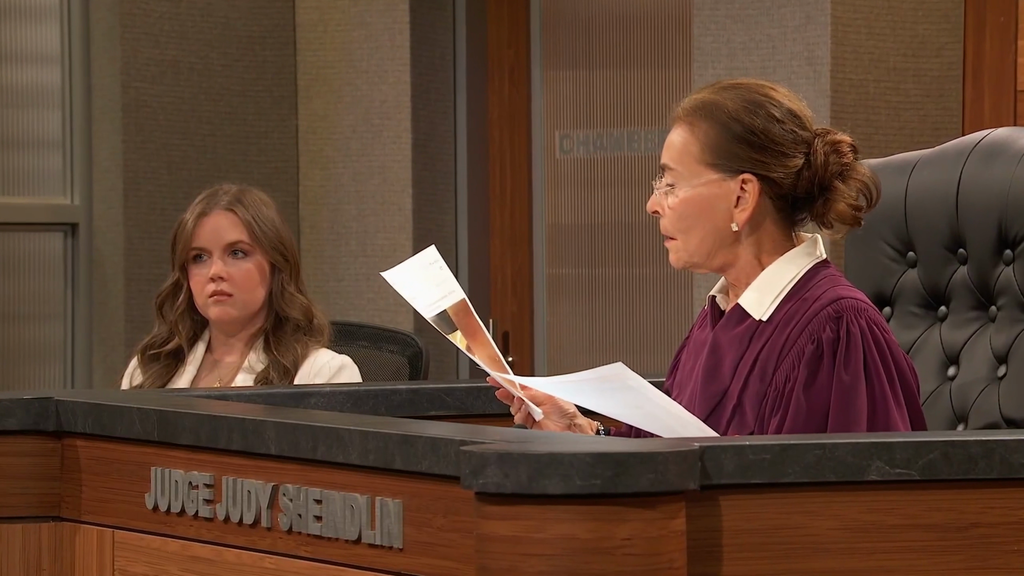
Kayla acknowledged that she and Marina had previously taken photographs and videos together and that the two had discussed sending or monetizing some of the material they created together. She maintained that there had been a mutual understanding regarding those jointly created images. But Judge Judy was not asking about those. She was asking about the nude photographs Kayla had not taken herself.
Kayla Admits Selling Marina’s Images
As the questioning continued, Kayla attempted to explain that she had been selling photographs she and Marina had consensually taken together rather than the specific nude images being discussed. Judge Judy read the wording of the post and continued pressing her.

Eventually, the critical exchange became clear. Judge Judy asked whether Kayla had been selling the photograph taken by Marina’s former boyfriend. Kayla acknowledged that she had. Judge Judy then asked whether she had done so without Marina’s permission. Kayla answered yes.

That admission effectively transformed the case. Whatever ambiguity existed around the bikini photographs or the former friends’ earlier agreement to monetize jointly created material, Kayla had admitted using an intimate photograph of Marina that she had not created and did not have permission to sell.
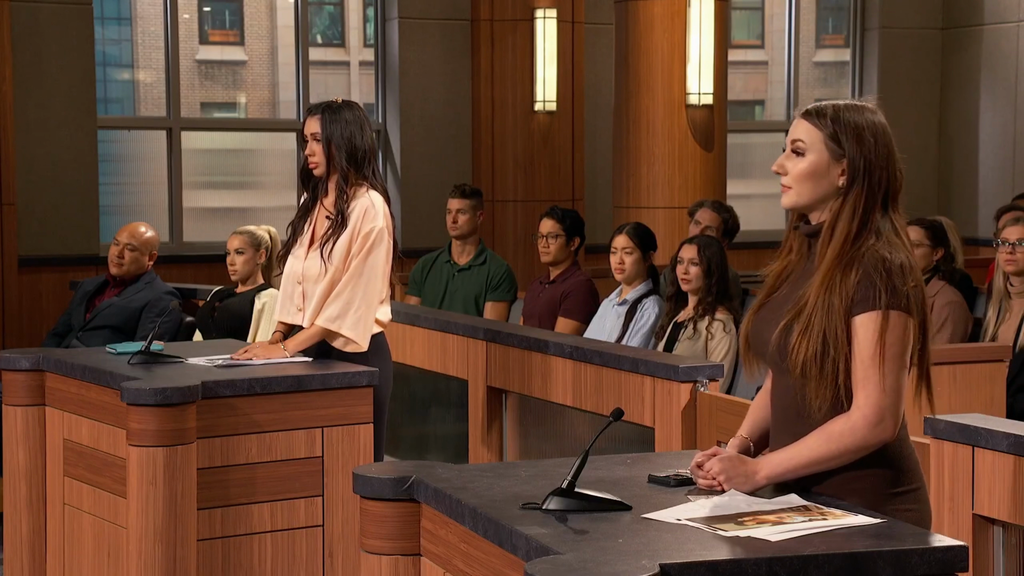
Judge Judy also asked whether the situation had been embarrassing to Marina. The underlying harm was obvious from the context: private intimate material had been turned into content offered to strangers for money.
Marina Had Monetized Her Own Images Too
Kayla’s defense also raised another complicated fact: Marina herself had previously posted and monetized nude photographs of herself on an online platform. Judge Judy confirmed that with Marina. Marina acknowledged that she had personally chosen to post nude material of herself and monetize it. Judge Judy even asked to see the account or material from Marina’s phone.
That fact might initially seem damaging to Marina’s claim. If she had willingly sold intimate photographs of herself before, how could she complain when intimate material appeared elsewhere? Judge Judy drew a sharp line between the two situations. Marina had the right to decide whether to post her own image. Choosing to monetize one photograph herself did not give another person permission to take a different private photograph and monetize it without consent.
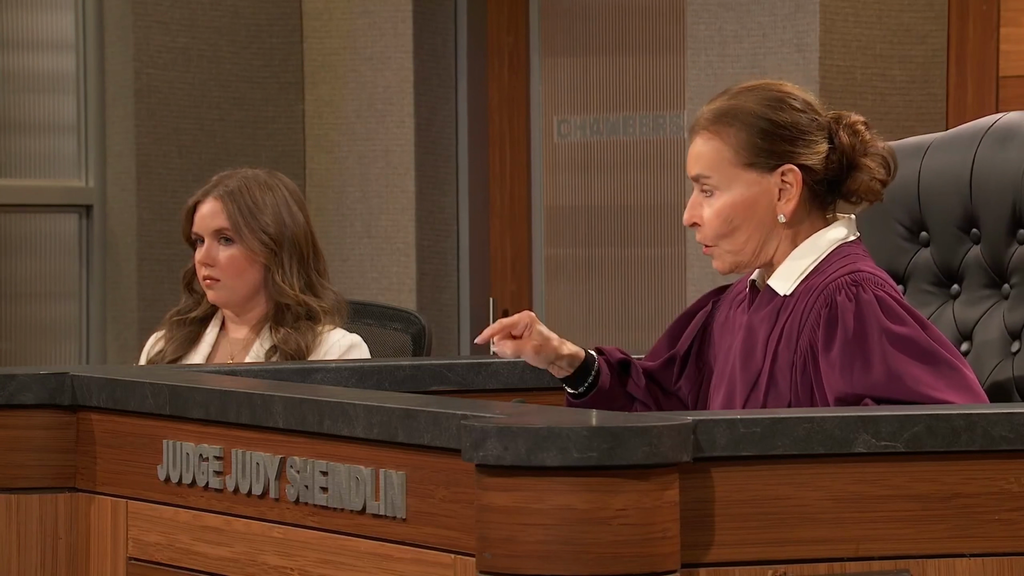
The issue was not simply nudity. It was control and consent. “You can’t do that to somebody else,” Judge Judy told Kayla in substance. A person cannot post another individual’s nude photograph for money when that individual did not consent to the use.
The Platform Removes the Material
Marina told Judge Judy that she contacted the platform after discovering what had happened and asked for the material to be removed. The photographs were taken down.
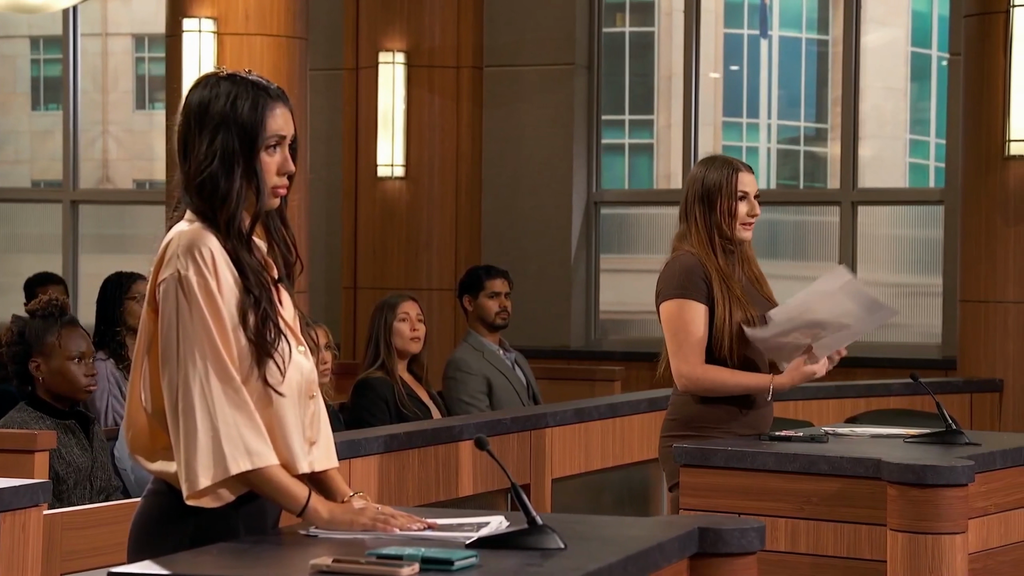
According to Marina, the consequences went further: Kayla was also banned from the platform. Judge Judy did not spend significant time investigating the platform’s internal disciplinary process because the central question before her was already established by the evidence and Kayla’s admissions.

Still, the removal supported an important part of Marina’s account. Once she became aware that the material was being used, she took steps to stop its distribution. By then, however, the posts had existed long enough for Marina to bring the dispute to court.
Judge Judy Rejects the Consent Argument
The most important lesson from the hearing was that consent is specific. Marina had consented to taking bikini photographs with Kayla. The two women may also have had an understanding that certain jointly created images could be monetized. Marina had separately chosen to create nude photographs in other circumstances and had even monetized some of her own material.

None of those decisions automatically authorized Kayla to sell every intimate image of Marina that came into her possession. Judge Judy focused specifically on the photograph Kayla acknowledged she had not taken and the lack of Marina’s permission to sell it.
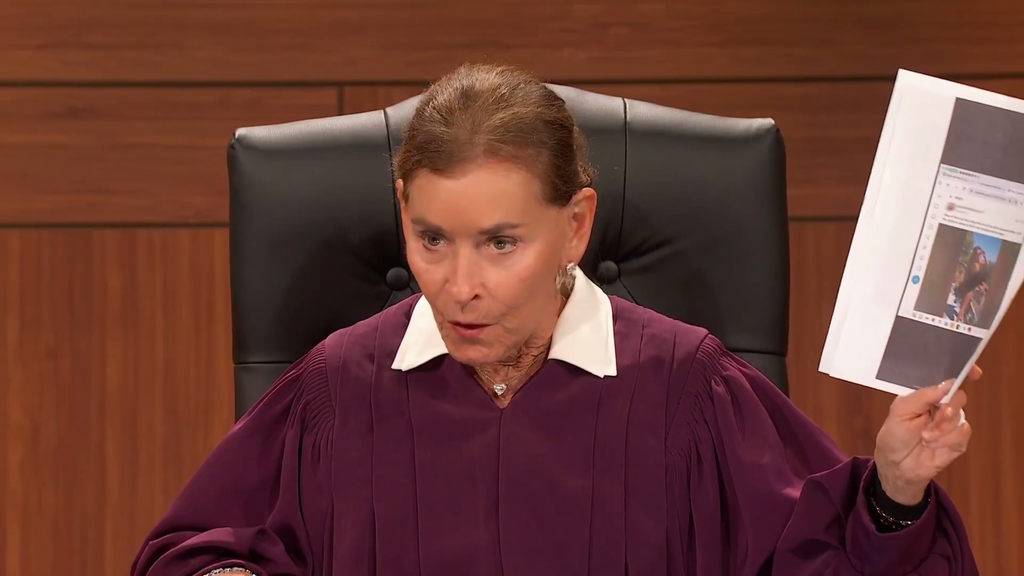
The distinction mattered because Kayla’s argument depended heavily on the women’s previous behavior. They had posed together. They had created provocative content. They had discussed making money from certain images. Judge Judy’s conclusion was that none of that amounted to permanent, unlimited consent.
Judge Judy Awards Marina $9,000
Near the end of the hearing, Judge Judy addressed Marina’s characterization of the case as “revenge porn.” She said she was not necessarily deciding whether that precise label technically applied. Instead, she focused on the underlying conduct established before her. Kayla had taken something potentially humiliating to another person and monetized it without permission.
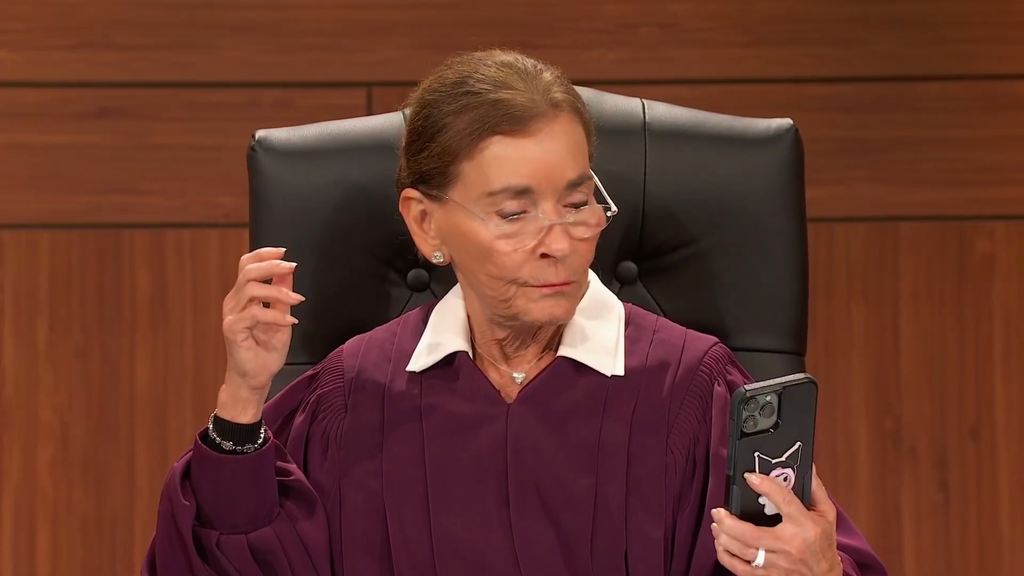
Judge Judy’s reaction was forceful. Whatever choices Marina had made about her own photographs, Kayla did not acquire the right to make those choices for her. The judgment was entered for Marina in the amount of $9,000. The case was over.
The Bigger Warning After the Verdict
The post-case discussion broadened the dispute into a warning about intimate photographs in the digital age. Relationships and friendships can end, but photographs can remain indefinitely in someone else’s possession.
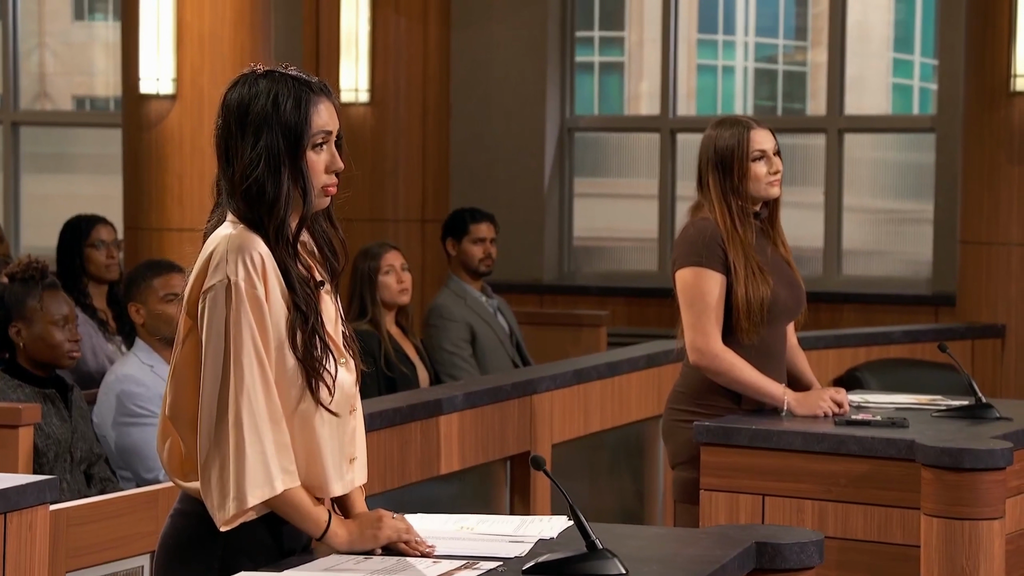
Once a private image exists, the person depicted may lose practical control over every copy. Someone who was once trusted may later become indifferent, angry or hostile. Digital platforms make distribution easier, faster and potentially profitable.
The discussion also referenced the existence of laws addressing nonconsensual intimate imagery. But the practical message was even simpler: creating intimate photographs carries a permanent risk because relationships do not always remain as they were when the images were taken.

That broader warning, however, should not be confused with Judge Judy’s ruling on responsibility. Marina’s decision to create intimate images did not authorize Kayla to sell them. The court placed responsibility for that choice on the person who made it.
Consent to One Photo Is Not Consent to Every Photo
This case turned on a distinction that became clearer with every round of questioning. Marina had willingly participated in provocative photographs. She had previously monetized some of her own content. She had also permitted a former partner to photograph her nude. But consent in one situation did not transfer automatically into another.
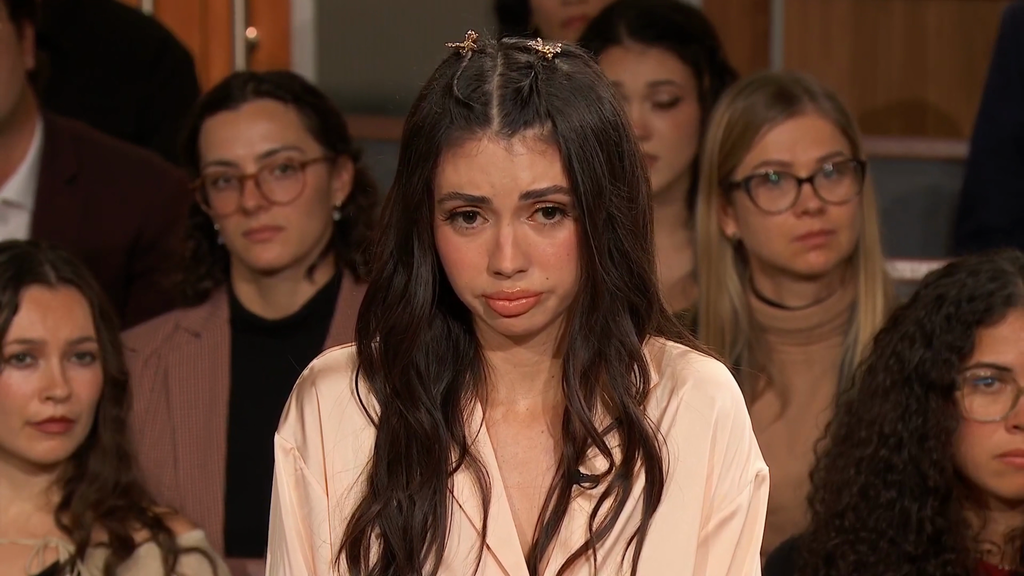
Kayla could not rely on Marina’s previous choices as blanket authorization to monetize an intimate photograph that Marina had not given her permission to sell. Judge Judy repeatedly separated the images the women had consensually created together from the nude photograph that came from another source.
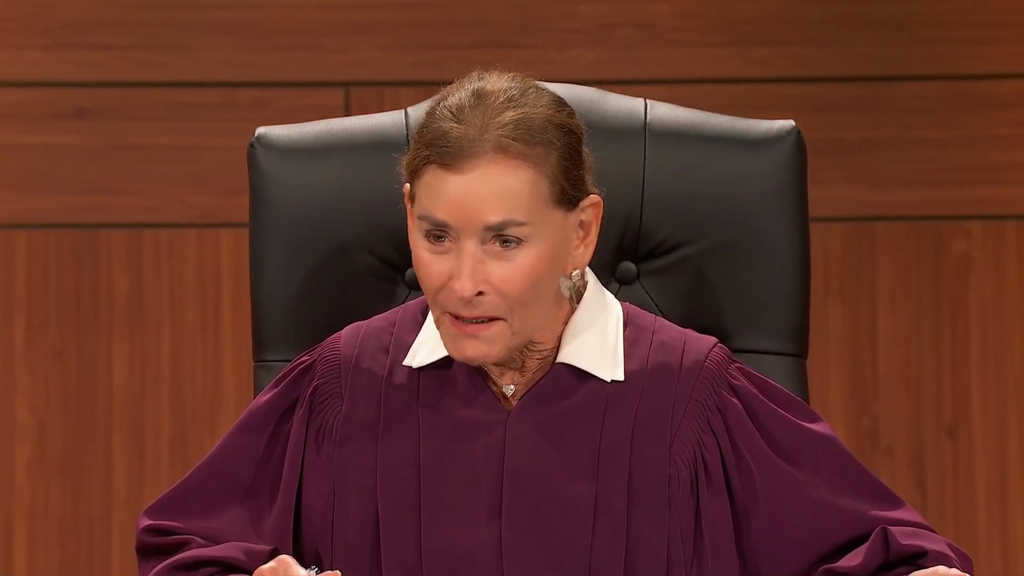
Once Kayla acknowledged selling that material without Marina’s permission, the central dispute was largely resolved. A friendship that had ended in 2022 ultimately produced a $9,000 judgment because the digital material created during and around that relationship remained long after the friendship itself disappeared.
(uc.)
FAQ
Why did Marina Reyes sue Kayla Hurst?
Marina sued her former friend after discovering that intimate photographs involving her had been advertised or monetized online without her permission.
Did Marina and Kayla take revealing photographs together?
Yes. They had taken bikini and other provocative photographs together, and testimony indicated that some jointly created material had been monetized with mutual knowledge.
Did Kayla admit selling an intimate photo without Marina’s permission?
Yes. During Judge Judy’s questioning, Kayla acknowledged selling the disputed photograph and confirmed that Marina had not given her permission to do so.
Did Marina previously monetize her own nude photographs?
Yes. Marina acknowledged that she had chosen to monetize some of her own intimate material. Judge Judy ruled that this did not authorize Kayla to sell other private images without consent.
How much did Judge Judy award Marina?
Judge Judy entered judgment for Marina for $9,000.
Sources
Judge Judy, including Marina Reyes’ testimony, Kayla Hurst’s responses, the social-media screenshots, discussion of the disputed photographs, Kayla’s admission concerning unauthorized monetization, removal of the material and Judge Judy’s $9,000 judgment. The transcript’s opening narration uses the name “Marina Rios,” while Judge Judy and the case caption identify the plaintiff as Marina Reyes; this article uses Reyes because that is the name used during the hearing.