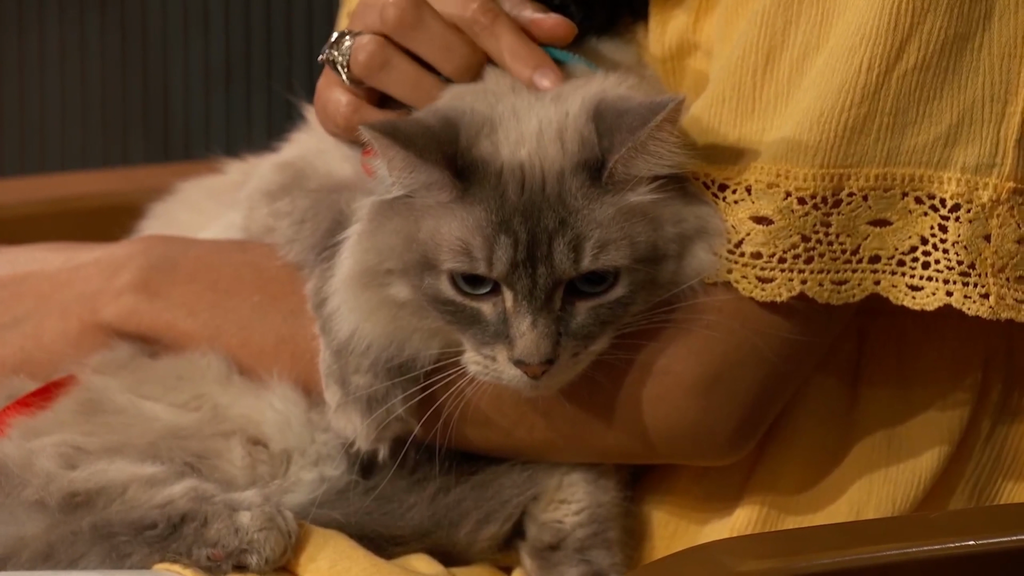
Claudia Figueroa had owned her cat Fugitive for nearly five years. But after she was evicted from her apartment, the outdoor cat remained around the building until former neighbor Bonnie Klabundy eventually took him in. Four months later, Claudia wanted Fugitive back. Judge Judy agreed the cat legally belonged to her — but what she learned about his care made a simple return impossible.
(uc.)
Claudia Is Evicted and Fugitive Stays Behind
Claudia Figueroa’s dispute with former neighbor Bonnie Klabundy began after Claudia was evicted from her apartment on March 21. Claudia acknowledged that Fugitive was her cat, and Bonnie did not seriously dispute Claudia’s original ownership. The disagreement centered instead on what happened to Fugitive after Claudia left the building and whether she should simply be allowed to take him back months later.
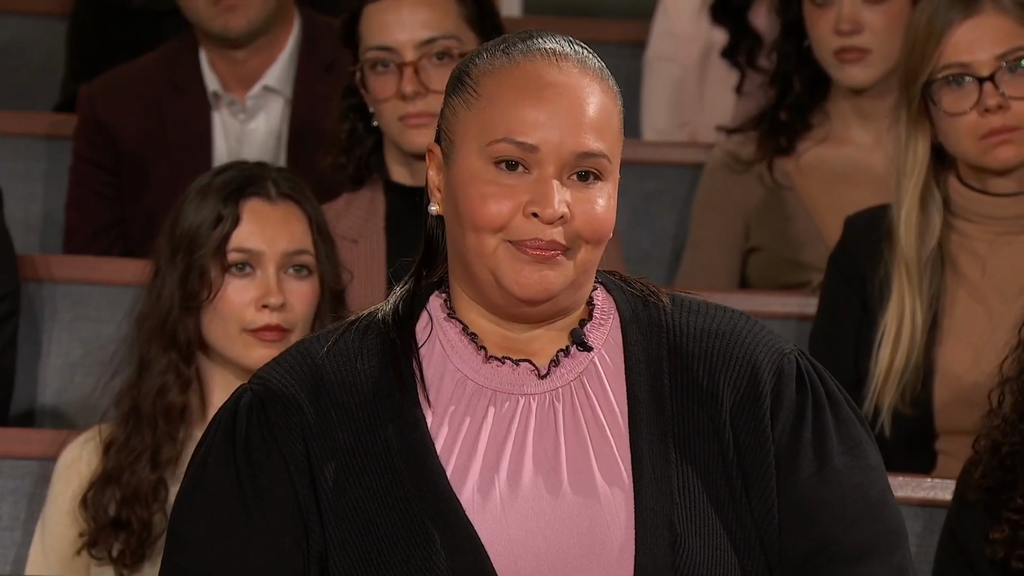
Bonnie said surveillance cameras showed Claudia opening the door and letting Fugitive outside when she was evicted before leaving the property. Bonnie had not personally witnessed that moment and did not have the surveillance images available in court, so Judge Judy did not treat that allegation as independently established.
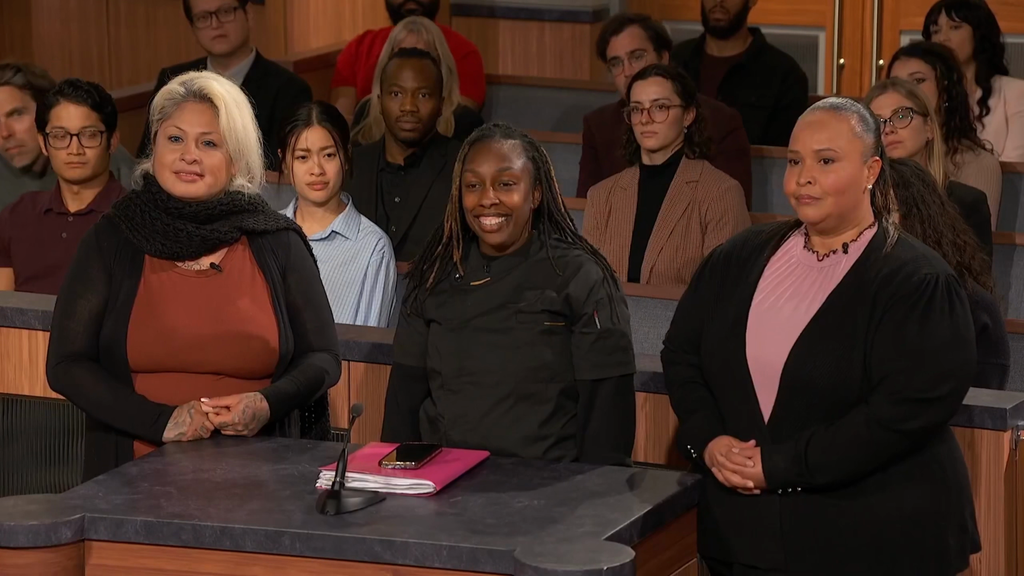
Claudia offered a different explanation. She said she had entrusted Fugitive to Denitra Gray and Jessica Pacheco, primarily Denitra, who were still connected to the apartment building. Her son Israel was also staying with Denitra for a period, Claudia said, meaning Fugitive had not simply been left without anyone familiar nearby.
But the testimony established another important fact: Fugitive was accustomed to going outside.
Fugitive Was an Indoor-Outdoor Cat
When Judge Judy asked whether Fugitive had been an indoor or outdoor cat before the eviction, Claudia initially struggled to give a simple answer. She eventually explained that Fugitive went both inside and outside, entering through the windows when he wanted food or shelter.

One of Claudia’s witnesses described the cat as living outside, prompting Judge Judy to focus on the practical reality of the arrangement. Fugitive was not an animal that had remained securely inside another person’s apartment after Claudia moved. He continued roaming around the property.
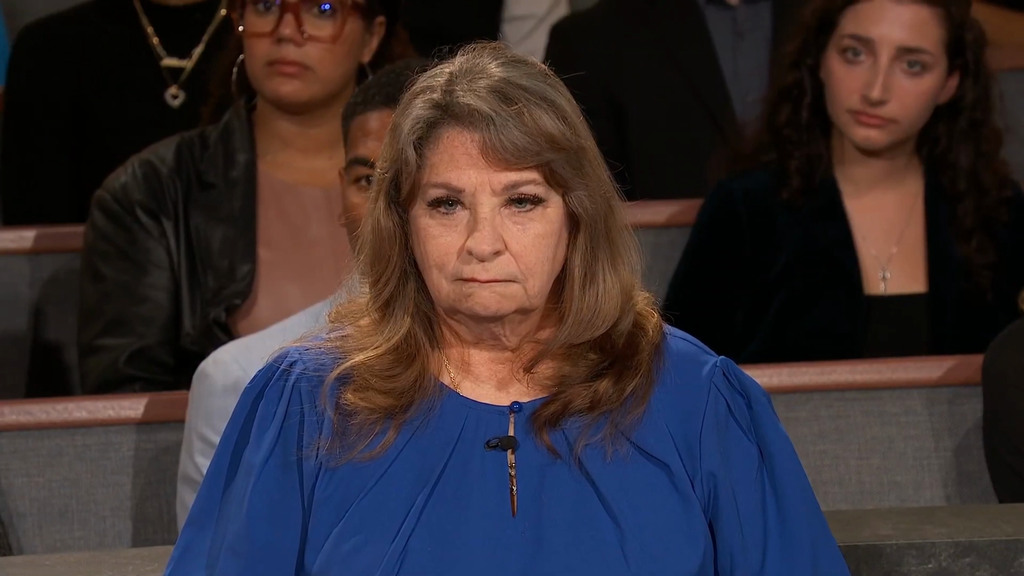
Bonnie said she became aware around the end of May that Fugitive was alone and wandering around. She and her son had been leaving food outside near bushes where the cat was hiding and eventually managed to catch him.
By then, approximately two months had passed since Claudia’s March 21 eviction. Bonnie brought Fugitive into her home. What she did next became central to Judge Judy’s concerns about whether the cat should immediately be returned.
Bonnie Takes Fugitive Into Her Home
Bonnie did more than feed Fugitive. According to the testimony and records discussed in court, she began taking responsibility for his veterinary and daily care.
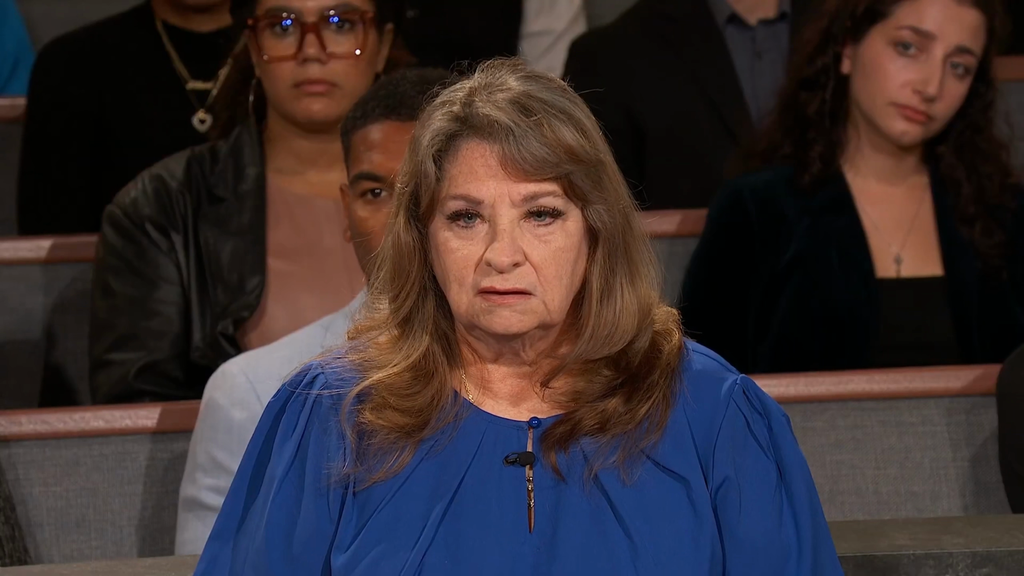
The transcript establishes that Claudia had owned Fugitive since approximately 2019. Yet when Judge Judy questioned her about veterinary treatment, Claudia acknowledged that the cat had been taken to a veterinarian only once during roughly six years. That answer clearly troubled the judge.
Fugitive had been allowed to move between indoors and outdoors, but Claudia had not maintained the regular veterinary care Judge Judy expected for an animal living that lifestyle. The court discussed vaccinations, neutering and other routine care that Bonnie had undertaken after taking possession of him.
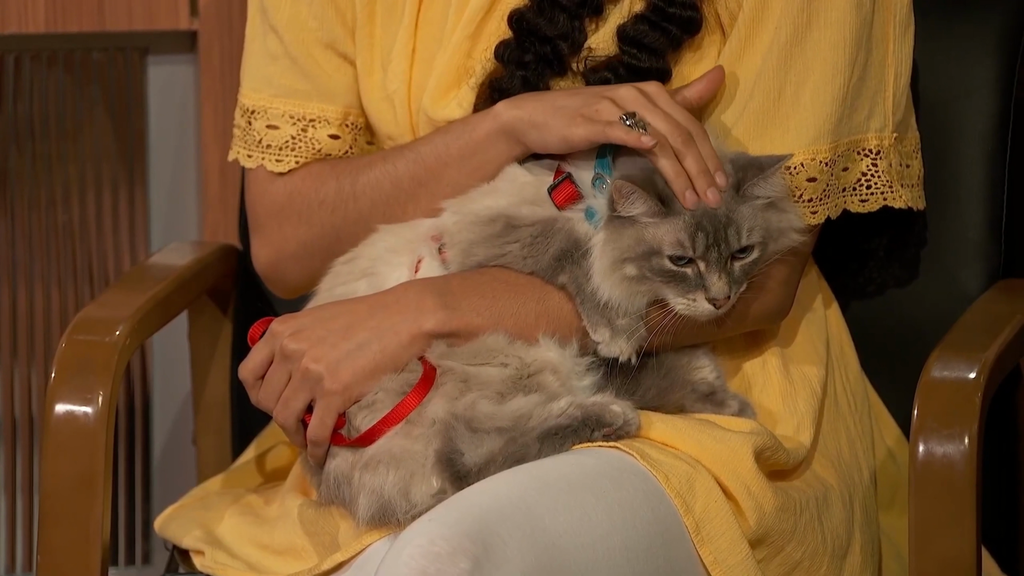
Claudia still insisted that ownership was not in question. Fugitive belonged to her, and she had documentation supporting that fact. Judge Judy agreed on that point. The harder question was what should happen next.
Claudia Tries to Get Fugitive Back
Claudia explained that a serious car accident on May 27 had temporarily prevented her from dealing with the situation in person. She said she suffered bodily injuries and could not walk. By June 22, after Denitra had allegedly made several unsuccessful attempts to communicate with Bonnie, Claudia went to Bonnie’s home with documents showing ownership and demanded Fugitive back. Bonnie refused.

Claudia then tried to involve law enforcement. She first filed an online report, but she said it was rejected because authorities considered the dispute a civil matter. She subsequently went to the police station, where she was told officers could not resolve the ownership dispute but could potentially assist with a civil standby.

Claudia continued pursuing the cat. From her perspective, Bonnie was keeping property that did not belong to her.
Judge Judy did not disagree that Fugitive was Claudia’s cat. But she became increasingly concerned about the circumstances to which Fugitive would be returned.
Claudia’s Current Shelter Becomes a Problem
At the time of the hearing, Claudia told Judge Judy that she was living in a shelter. When asked whether the shelter allowed cats, Claudia said it did and offered a contract or policy as evidence. Judge Judy read it.

The document did not establish what Claudia claimed. Instead, it said the facility would reasonably accommodate participants with an assistance animal. Fugitive had never formally been designated as such.
Claudia then said she had originally obtained Fugitive for her son as an emotional-support animal. Judge Judy was not persuaded. Fugitive had lived as an indoor-outdoor cat and there was no documentation establishing that he was a recognized service or assistance animal covered by the shelter policy.
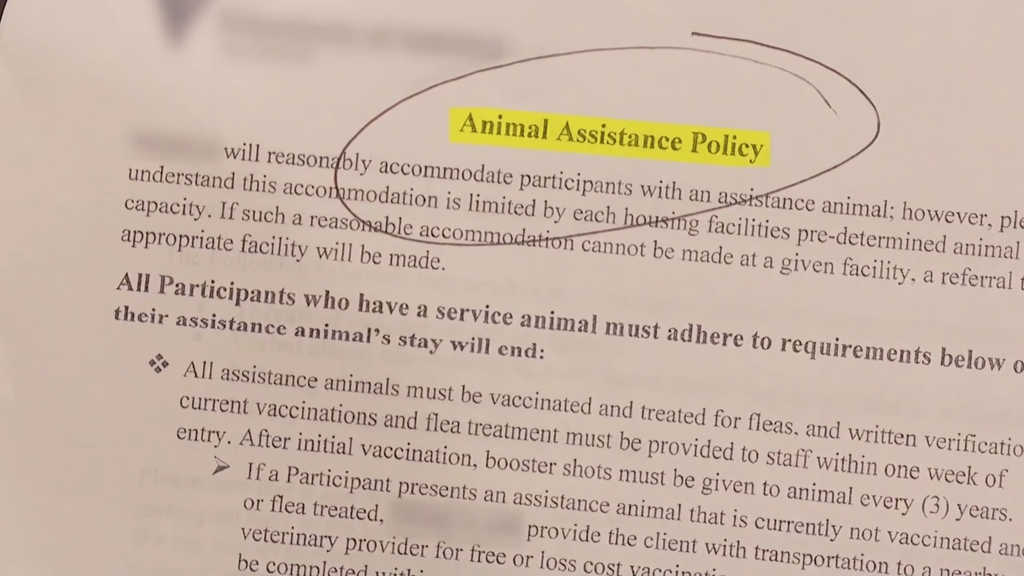
Judge Judy therefore concluded that Claudia could not simply take Fugitive back to the place where she was currently living.
Claudia said her children had other housing arrangements in Burbank and Hollywood and argued that Fugitive would have somewhere to go. But Judge Judy remained focused on the cat’s actual welfare rather than accepting a vague promise that another placement could be found.
Judge Judy Questions Six Years of Care
The most uncomfortable part of the hearing came when Judge Judy examined Claudia’s history of caring for Fugitive.
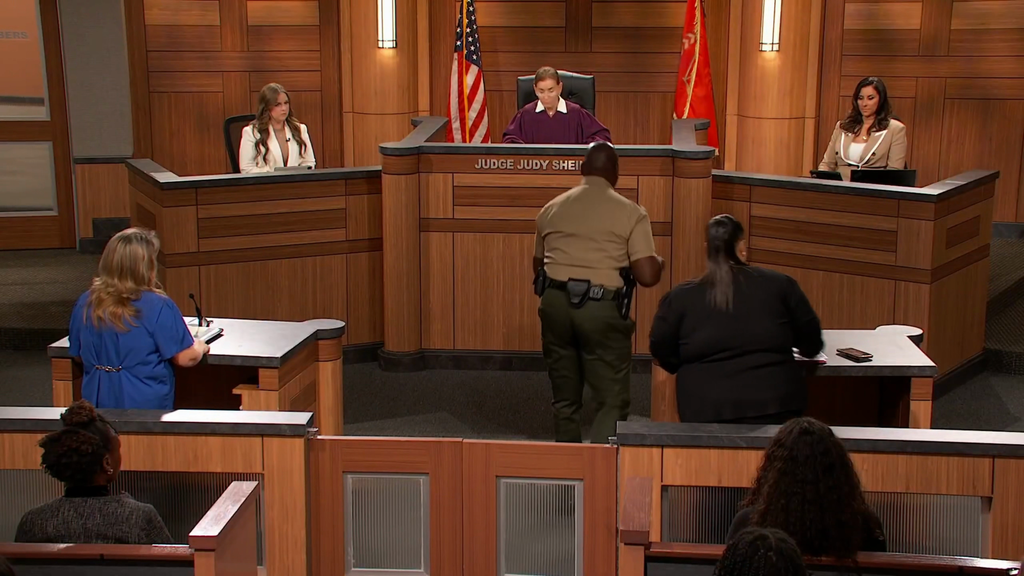
Claudia had owned him for almost five years by her own description, while the court discussion placed the beginning of ownership around 2019. Yet Fugitive had apparently received veterinary attention only once during approximately six years.
Judge Judy viewed that as inadequate care, particularly for a cat regularly allowed outside. She criticized Claudia for failing to ensure regular vaccinations and other veterinary treatment and for leaving Fugitive in a situation where he continued roaming around the apartment complex after her eviction.
Bonnie argued that a responsible owner would have found a secure placement for the cat rather than allowing him to remain outside for months. She told Judge Judy that she felt sympathy for Claudia’s difficult circumstances but believed Fugitive was the one ultimately suffering.
Judge Judy understood that argument. Still, there was a legal complication Bonnie could not overcome: Fugitive was not her cat.
Ownership and Welfare Pull in Opposite Directions
Judge Judy explicitly told Bonnie that Claudia remained Fugitive’s owner. Bonnie could not simply convert someone else’s cat into her own because she believed she had provided better care.
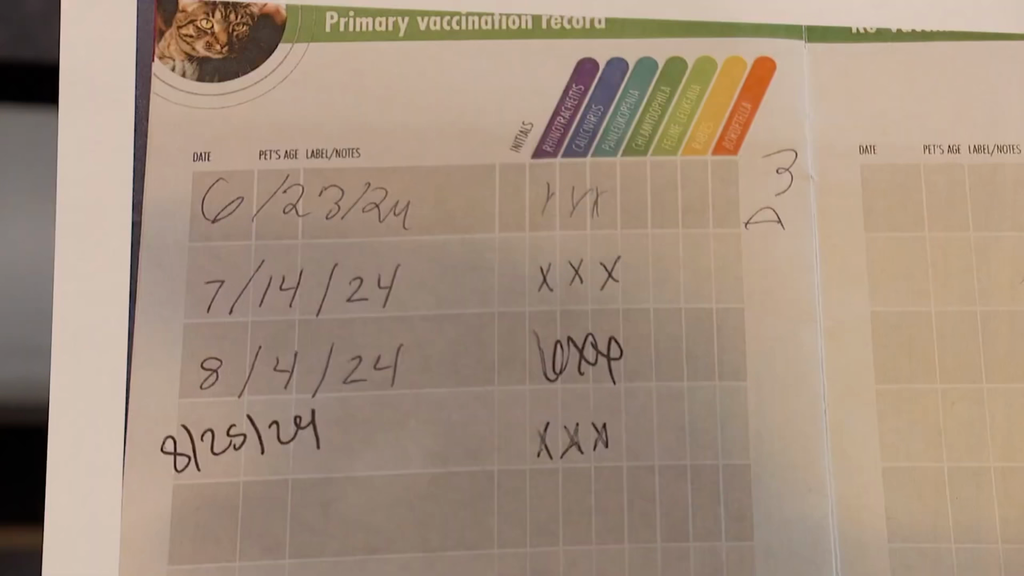
At the same time, Judge Judy said she had no intention of making the return easy. She did not have sufficient evidence to legally establish neglect at the level necessary to permanently strip Claudia of ownership. What she did have was evidence that Claudia had provided little veterinary care, allowed Fugitive to roam and currently lived somewhere that did not appear to permit an ordinary pet cat.
That left the court balancing two competing realities. Claudia had the stronger ownership claim. Bonnie had spent months caring for Fugitive and had incurred substantial expenses while doing so.
Judge Judy therefore created a solution that required Claudia to demonstrate that recovering Fugitive mattered enough for her to accept financial responsibility for the care Bonnie had provided.
Bonnie put that amount at approximately $1,500.
Bonnie Claims About $1,500 in Expenses
Bonnie had spent money feeding and caring for Fugitive and taking him for veterinary treatment during the months he lived with her. Judge Judy asked for documentation of the expenses and ultimately used $1,500 as the amount Claudia would have to reimburse if she wanted the cat returned.
This was not framed as Judge Judy selling Fugitive to Claudia. The judge repeatedly recognized that Fugitive already belonged to Claudia. Instead, the money represented what Bonnie said she had invested in caring for an animal whose owner had not been providing that care during the relevant period.
Judge Judy wanted Claudia to have what she called “skin in the game.”
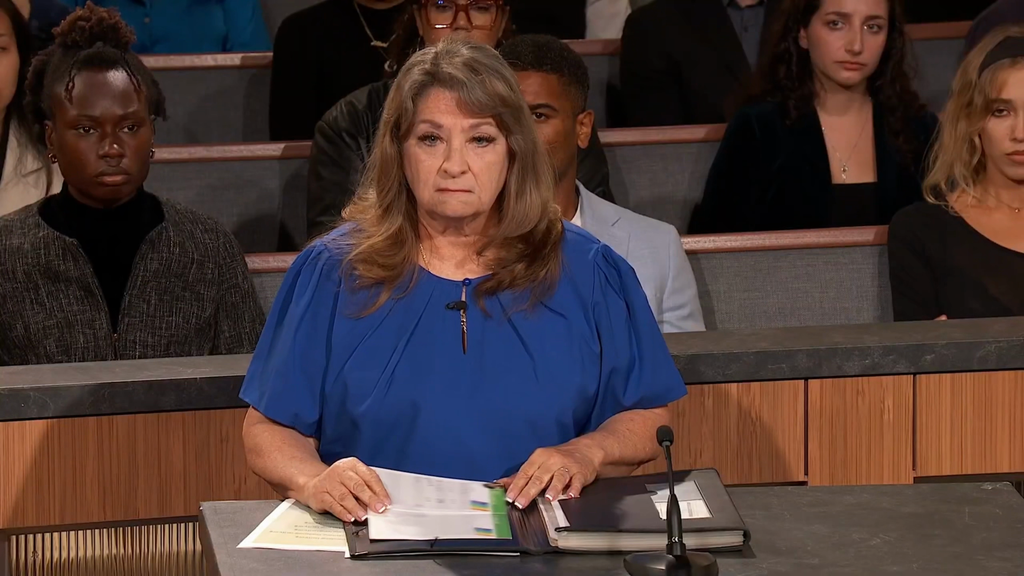
If Claudia truly wanted Fugitive back, she would have to personally bear the financial cost rather than simply receiving the cat after Bonnie had spent months feeding him and paying for his care. But Judge Judy also offered another option.
Judge Judy Offers Claudia $300 for a New Cat
Judge Judy told Claudia that if her primary concern was having a cat for her son, the court would provide $300 to cover an adoption fee for another animal. That would allow the family to adopt a cat through a process in which the animal could already be vaccinated and neutered, while Fugitive remained with Bonnie.
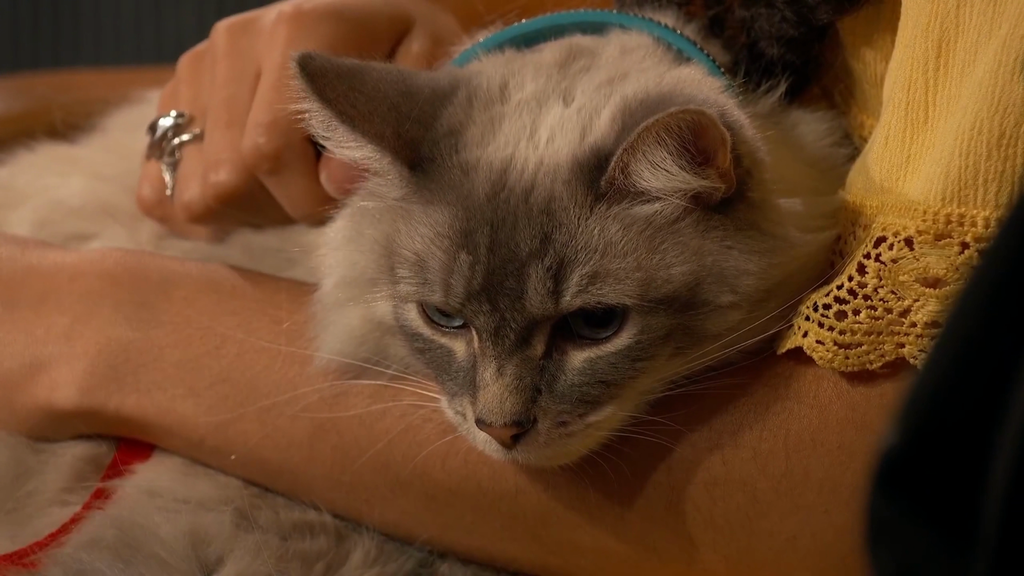
Judge Judy appeared to believe that option made practical sense because Claudia’s current shelter did not allow Fugitive under the policy she had shown the court. Claudia rejected it.
Fugitive was not interchangeable with another cat. She said he meant a great deal to her and that she had had him for nearly five years. She wanted her cat back.
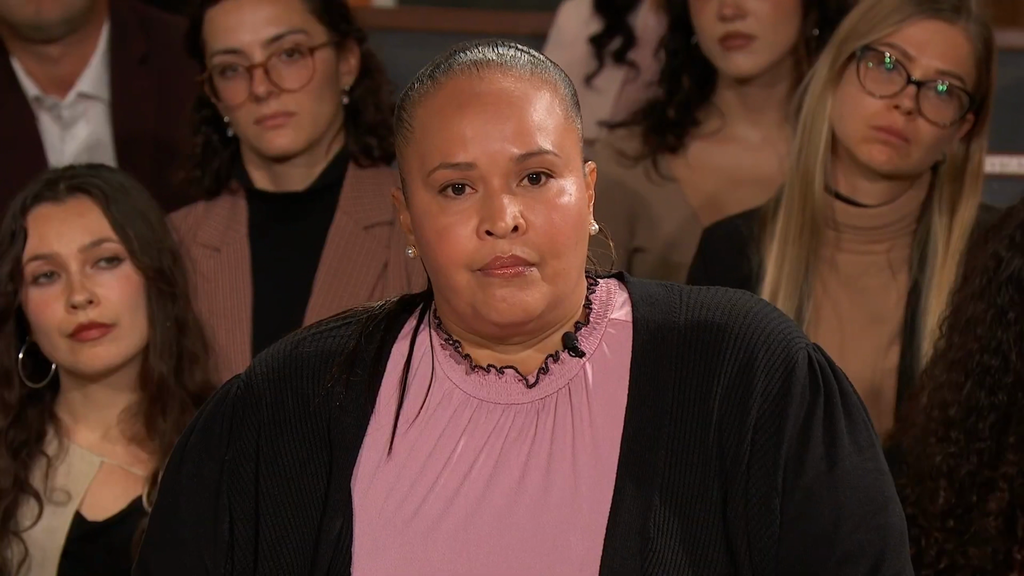
Claudia therefore chose the more difficult option: she agreed to pay Bonnie $1,500.
Judge Judy then imposed a strict deadline.
$1,500 in Cash — Monday at Noon
The exchange was to take place at the Mission Police Station on Sepulveda Boulevard. Claudia was ordered to bring $1,500 in cash on Monday at noon.

Bonnie was required to be there with Fugitive between 12:00 and 12:15 p.m. If Claudia arrived with the money, Bonnie would receive the $1,500 and Fugitive would be returned to Claudia pursuant to the court’s order.
If Claudia failed to appear with the cash by 12:15 p.m, Bonnie could leave. And the matter would be over. “The cat is yours,” Judge Judy told Bonnie regarding what would happen if Claudia missed the deadline.
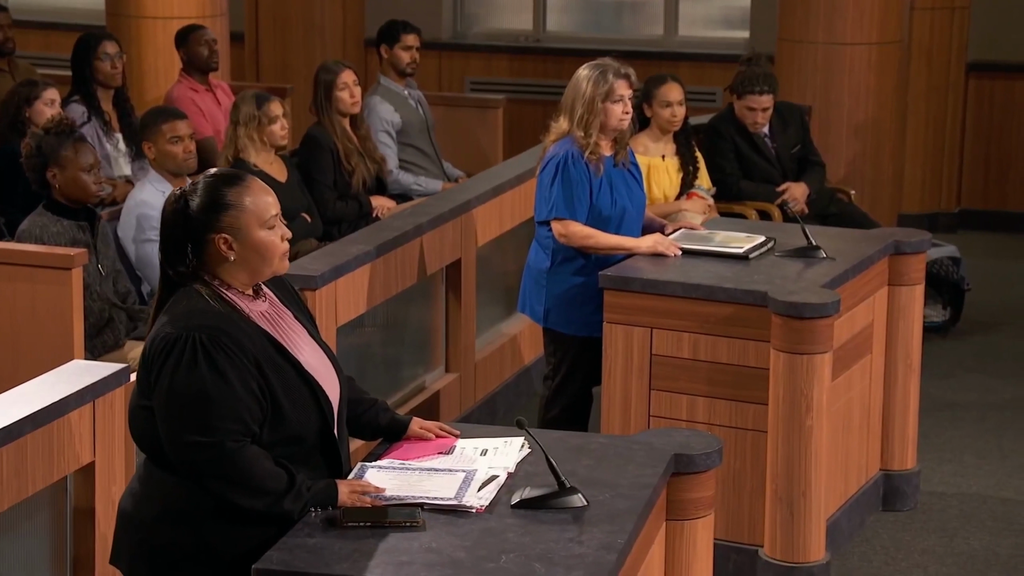
Judge Judy openly expressed doubt that Claudia would be able to produce $1,500 so quickly. Claudia insisted that she would find the money by Monday because Fugitive meant that much to her.
The transcript ends before that deadline arrives, so it does not establish whether Claudia ultimately paid the $1,500 or who permanently kept Fugitive afterward.
Fugitive Finally Appears in Court
Before the hearing ended, Claudia asked to see Fugitive. The cat was brought into the courtroom. Bonnie referred to him as Fritz, while Claudia continued calling him Fugitive. The legal arguments temporarily disappeared.
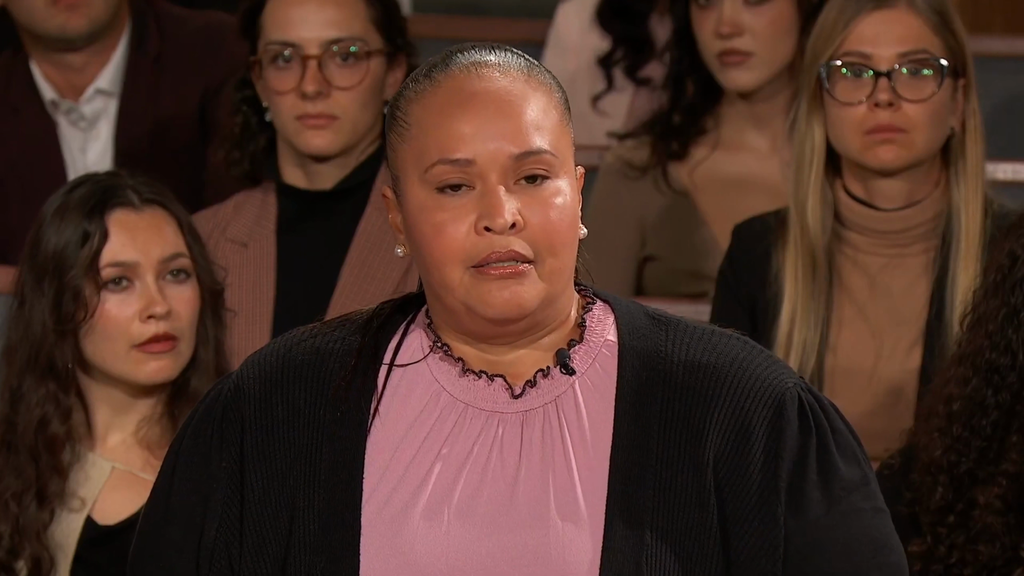
“Hi, Papas,” Claudia said as she approached him. She thanked the court and spoke affectionately to the cat before having to give him back. Fugitive appeared frightened by the unfamiliar courtroom environment, and the brief reunion made clear that Claudia’s attachment to him was not merely about financial value.
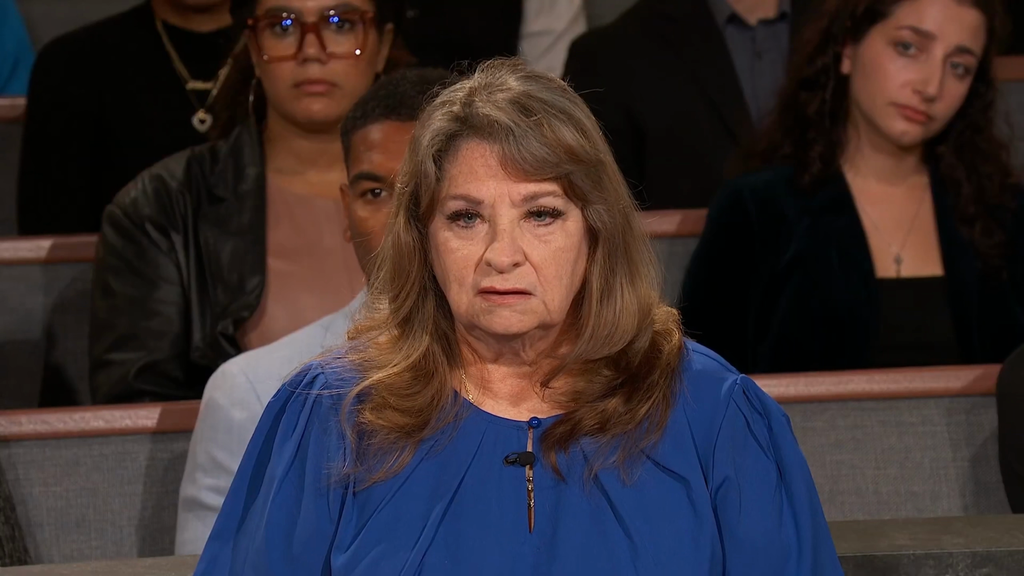
But emotion could not resolve the practical problems Judge Judy had identified. Claudia wanted her cat. Bonnie had cared for him for months. The shelter document Claudia presented did not show that Fugitive could live with her there, and Claudia’s history of veterinary care left Judge Judy deeply dissatisfied. The court therefore refused to make either side’s position absolute.
A Pet Custody Case Without a Simple Winner
Unlike many property disputes, the central issue here involved a living animal. Legally, Fugitive belonged to Claudia. Practically, Bonnie had become his caretaker. Judge Judy refused to ignore either fact.

She did not find sufficient evidence to declare Claudia had permanently forfeited ownership through neglect. At the same time, she criticized Claudia’s failure to provide regular veterinary care and the circumstances that allowed Fugitive to remain roaming around the apartment complex after the eviction.

Bonnie could not simply keep another person’s cat without consequence. Claudia could not simply demand Fugitive back while ignoring the money and care Bonnie had invested.
The $1,500 deadline forced the ownership claim to carry a real cost. If Claudia could produce the money, she could reclaim Fugitive. If she could not, Bonnie would keep him. Claudia also had the option of accepting $300 toward adopting another cat, but she refused.
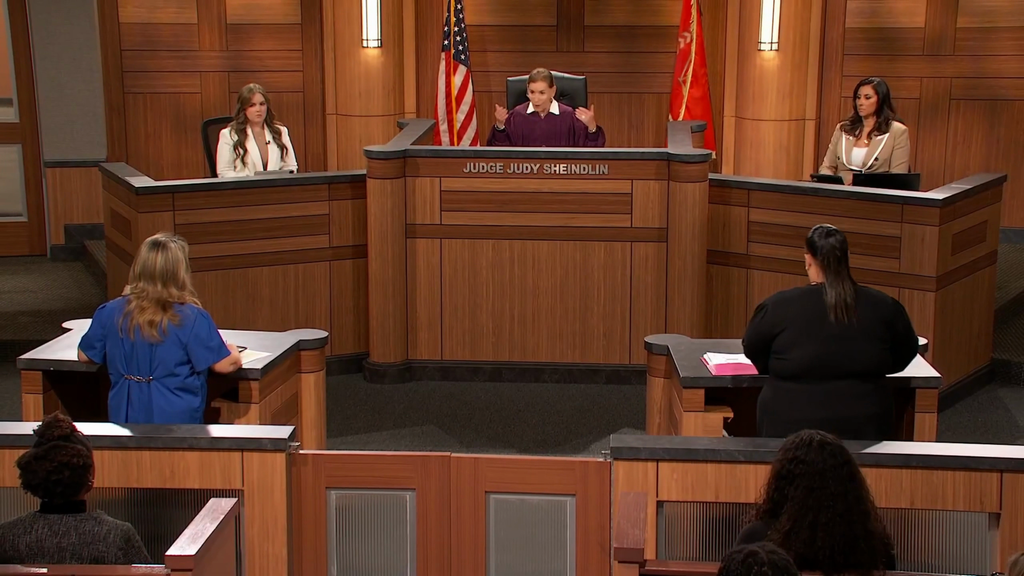
The result was one of those Judge Judy cases where the final order was less about declaring one person entirely right and another entirely wrong than finding a workable solution for a situation neither party had handled perfectly. And somewhere at the center of all the arguing was Fugitive — the cat both women insisted they were trying to protect.
(uc.)
FAQ
Why did Claudia Figueroa sue Bonnie Klabundy?
Claudia wanted Bonnie to return her cat Fugitive after Bonnie took him in while he was roaming around their former apartment complex.
Did Judge Judy agree that Fugitive belonged to Claudia?
Yes. Judge Judy recognized Claudia as Fugitive’s owner and said Bonnie could not simply claim ownership because she had been caring for him.
Why didn’t Judge Judy immediately return Fugitive?
Judge Judy was concerned about Claudia’s history of veterinary care, Fugitive’s months of roaming and evidence that Claudia’s current shelter only accommodated qualifying assistance animals.
How much did Claudia have to pay to get Fugitive back?
Judge Judy ordered Claudia to pay Bonnie $1,500 in cash for the care and expenses Bonnie had incurred.
Did Claudia ultimately get Fugitive back?
The supplied transcript ends before the Monday deadline, so it does not establish whether Claudia produced the $1,500 and ultimately regained possession of Fugitive.
Sources
Judge Judy, including Claudia Figueroa’s ownership claim, Bonnie Klabundy’s account of finding and caring for Fugitive, testimony from Claudia’s witnesses, shelter documentation, veterinary-care discussion and Judge Judy’s conditional order for the cat’s return. The SRT ends before the scheduled Monday exchange, so the eventual ownership outcome is not presented as known.