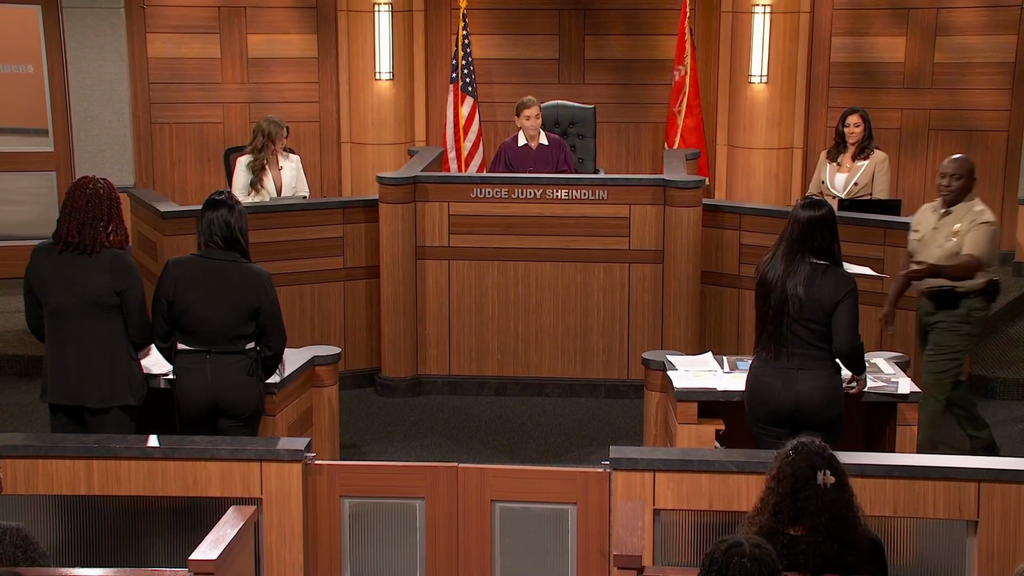
Jada Mollets wanted professional photographs ready for her 21st birthday. Photographer Rashida Frazier moved the shoot to an earlier date, completed the session and later returned the entire $250 after their relationship deteriorated. Then, just 15 to 20 minutes after an angry phone exchange, Rashida learned someone was smashing her windows. What began as a birthday photo shoot had become a Judge Judy case.
(uc.)
The $250 Birthday Photography Package
Rashida Frazier worked as a photographer from her home when Jada Mollets and her mother became clients ahead of Jada’s 21st birthday. Judge Judy began by examining the photography website and the terms of the package they had purchased. The total price was $250, including the photography session and 10 retouched images. A $50 deposit was required, with the remainder to be paid in cash on the day of the shoot. The website also stated that guests had to be disclosed in advance because Rashida worked from a relatively small space.
Jada’s birthday was July 7, and the original photography appointment was planned for July 2. That immediately created a timing issue because Rashida’s normal turnaround for retouched images was seven to 10 business days. Jada wanted the photographs ready for her birthday, and the website offered a rush option that would have cost an additional $200.
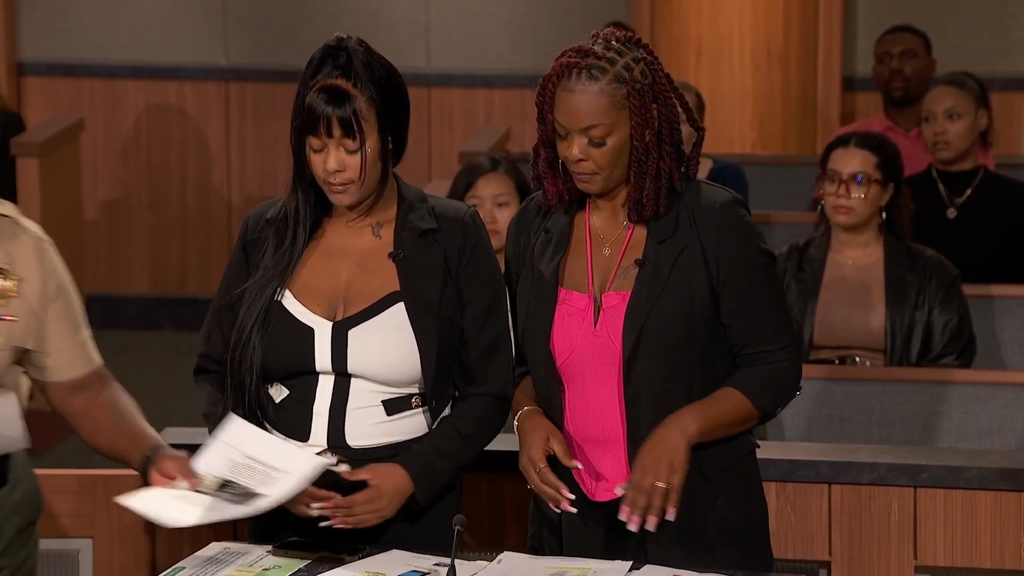
Instead, the parties discussed moving the session to an earlier date. Rashida ultimately scheduled Jada for June 26, giving her more time to complete the photographs without the additional rush charge. Judge Judy viewed that earlier appointment as an accommodation, repeatedly pointing out that Jada’s 21st birthday had not arrived unexpectedly and that the photographer was rearranging the schedule to meet her requested deadline.
Moving the Shoot From July 2 to June 26
Jada and her mother disputed Judge Judy’s characterization of the schedule change as an accommodation. They argued that June 26 was available and that they simply moved the appointment to an open date after learning about the seven-to-10-business-day turnaround. From their perspective, Rashida had not been forced to rearrange anything.
Judge Judy was less interested in that semantic distinction. The messages showed that Jada had specifically asked whether her July 2 photographs could be ready by July 7 without paying the rush fee. Once it became clear that they could not, the session was moved to June 26.
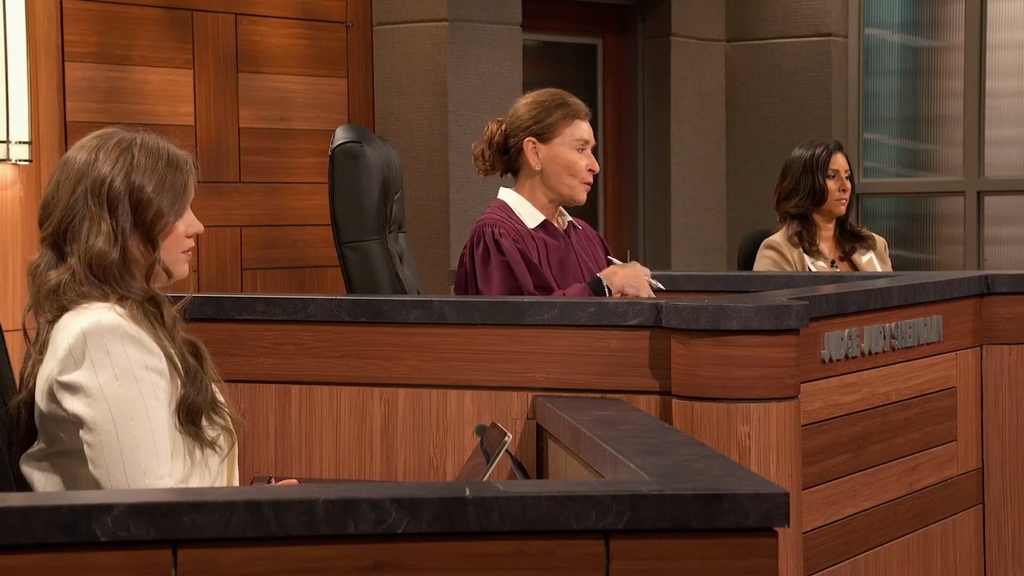
That exchange became Judge Judy’s first indication that friction had developed early. She emphasized that Rashida operated a service business that depended on satisfied customers, giving her a financial incentive to make the arrangement work rather than manufacture a conflict with people who were paying her.
The photo shoot nevertheless went forward.
The 55-Minute Photo Session
The June 26 session began at approximately 5 p.m. and ended around 5:55 p.m. Although the package called for an hour, the parties agreed that the actual session lasted about 55 minutes. Jada described “weird energy” at the photographer’s home and said her mother had even advised her not to continue, but Jada wanted the promotional and birthday photographs and decided to proceed.
There was also disagreement about Jada bringing her mother. Rashida’s website allowed one guest with prior notification. Jada said Rashida knew her mother would attend because all three had participated in a group conversation about the appointment. Judge Judy noted that this amounted to an assumption unless Jada had specifically told Rashida that her mother would be coming, though she also questioned why the mother’s presence should have caused a problem if she behaved appropriately.

Another small dispute involved the cash payment. Rashida acknowledged that Jada’s mother ultimately paid the required amount in cash on the day of the shoot, though the mother apparently had to leave to obtain the money. Judge Judy refused to let that detail become larger than it was: Rashida had been paid the agreed $250, and the photography session had been completed.
The more serious conflict began when Jada started choosing the photographs she wanted edited.
Ten Retouched Photos Become the Breaking Point
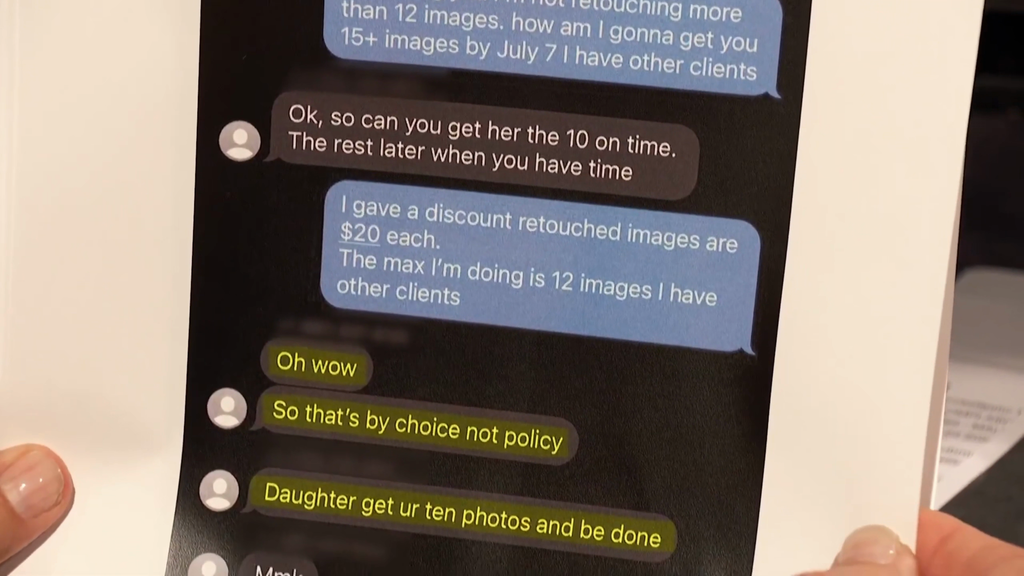
Two days after the session, on June 28, Rashida sent Jada the raw images so she could choose the 10 photographs included in the package. Jada wanted more. She sent a message asking Rashida to edit approximately 13 photographs and offered to pay extra for the additional work.
According to the website terms discussed in court, additional editing was available for a fee, but Rashida told Jada that 12 photographs were the maximum she could order. Jada responded by asking whether that limit was a formal policy or Rashida’s personal choice.
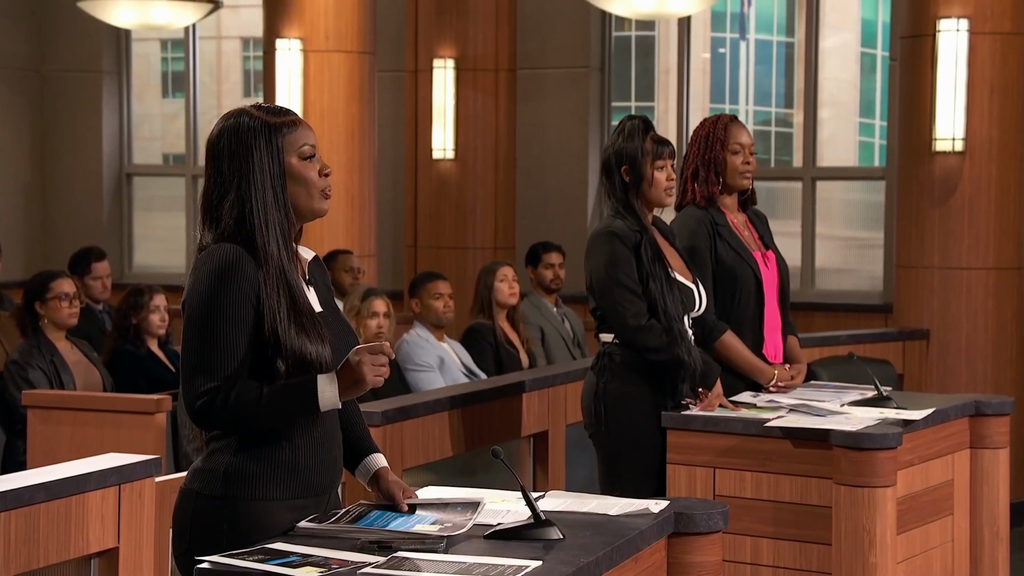
Taken alone, that exchange might have sounded relatively harmless. But Judge Judy reviewed a longer chain of messages and found substantial back-and-forth between the parties. On June 29, Rashida reminded Jada that the deadline for selecting photographs was approaching if she wanted them completed by July 7. Jada responded hours later, questioned the deadline and continued discussing additional photographs.
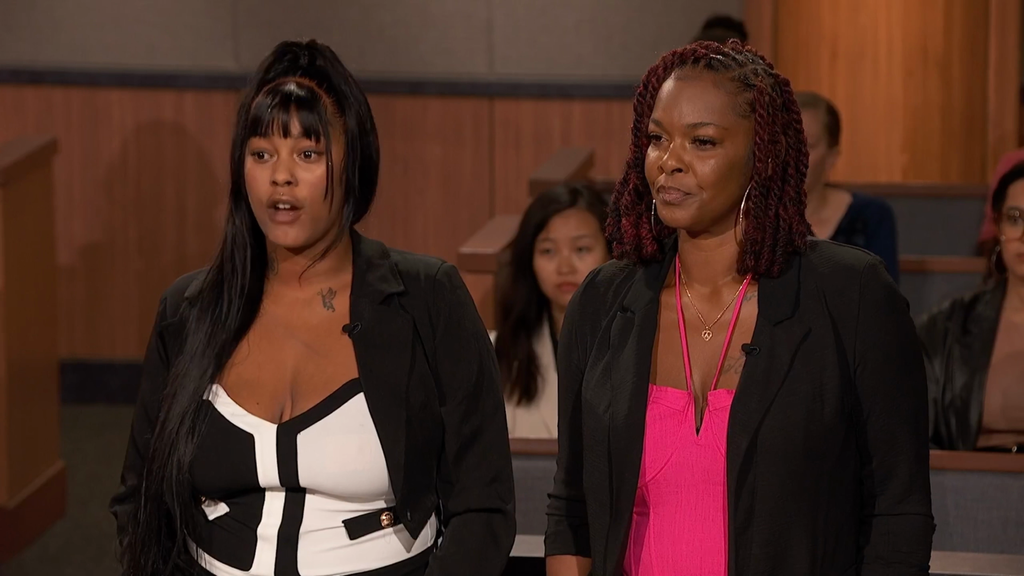
The exchange became increasingly frustrating. Judge Judy characterized it as “back and forth and back and forth” until Rashida finally decided she had had enough.
Rather than continue the job, Rashida returned the entire $250.
Rashida Returns the Entire $250
The refund effectively canceled the photography arrangement. Jada no longer had the edited photographs, but Rashida no longer had the clients’ money either. Judge Judy described the original business dispute as a “wash”: whatever disagreements existed about deadlines, additional photographs or customer service, the $250 had been returned.
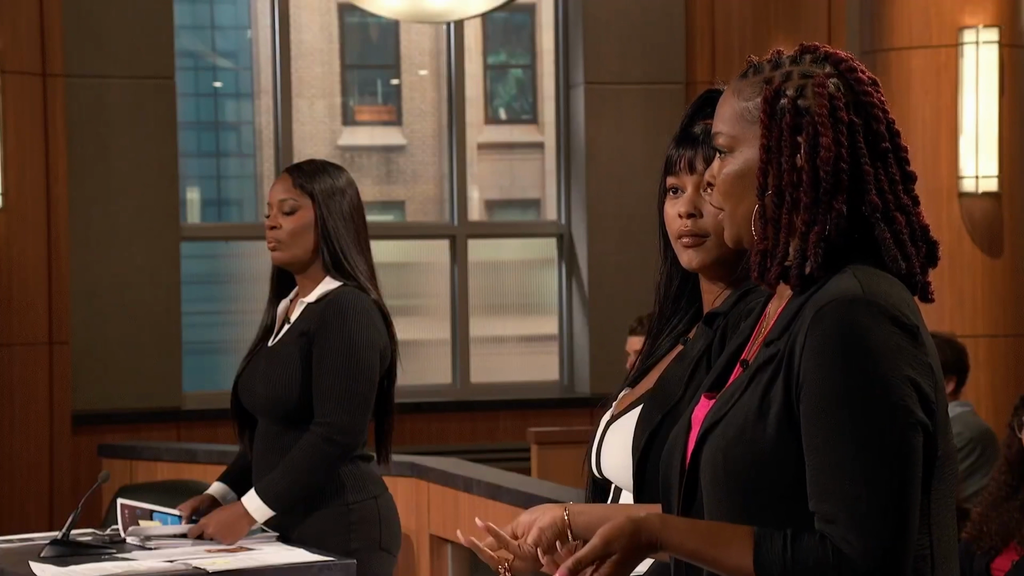
Jada did not want the refund. She wanted the photographs. According to Rashida, Jada’s mother responded to the refund with a message in capital letters saying the decision “was not smart.” Jada then repeatedly called Rashida, demanding to know why she would not provide the pictures.

Rashida testified that she told Jada she had received her $250 back and should find another photographer because Rashida considered them too difficult to continue working with. According to Rashida, Jada ended the conversation with a statement essentially meaning, “I got you.”
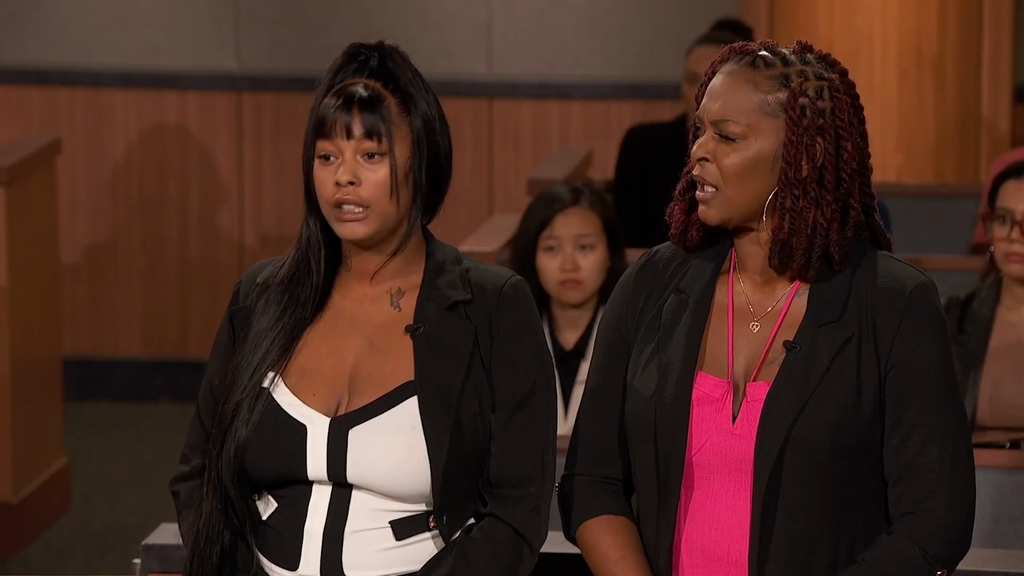
Approximately 15 to 20 minutes later, Rashida received another call — this time from someone telling her to get home quickly because a person was breaking windows at her property.
Minutes Later, Rashida’s Windows Are Smashed
Rashida accused Jada of being the person captured by her surveillance system damaging the windows. Jada denied it completely. She told Judge Judy she did not know the person shown on the recording and argued that visible differences involving tattoos and piercings proved it was not her.
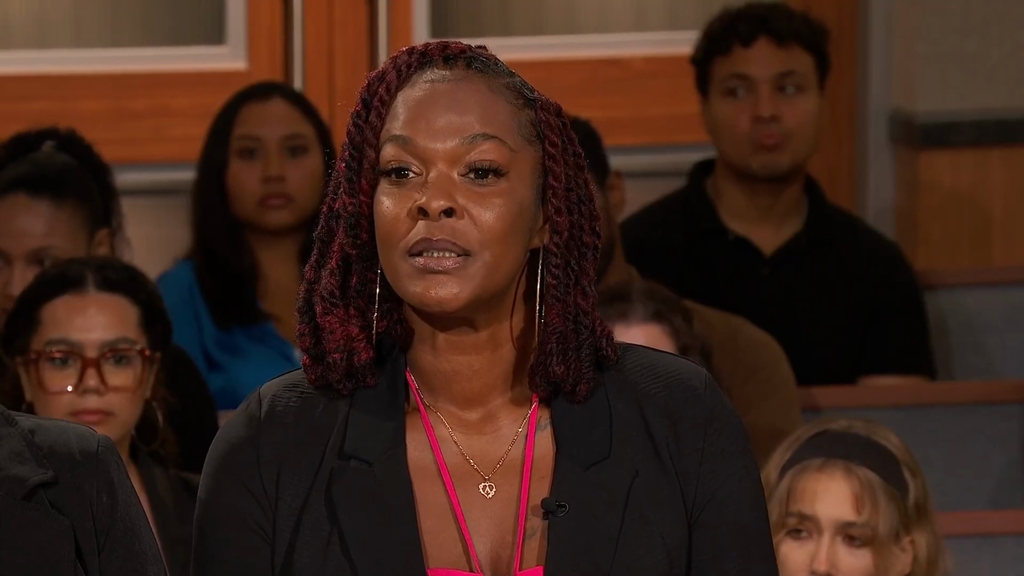
The timing, however, was difficult to ignore. The vandalism occurred on June 29, the same day Rashida refunded the photography payment and the conflict over the pictures reached its breaking point.
Judge Judy watched the surveillance video and also examined the police report. The footage was not perfectly clear, and Judge Judy acknowledged its limitations. But the Bakersfield Police Department had gone further by comparing the surveillance image with identification records.
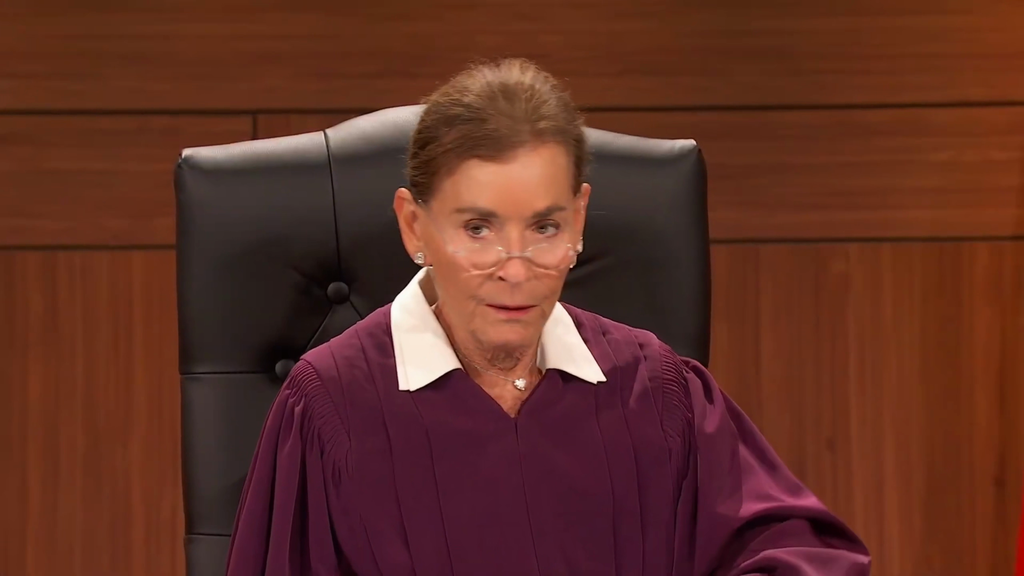
According to the police material discussed in court, an investigator used California photo-identification resources to compare the person in the footage with Jada’s California identification or driver’s-license photograph. The investigator identified Jada.
That evidence became central to Judge Judy’s decision.
Jada’s Las Vegas Alibi Falls Short
Jada had a potentially decisive response: she said she and her mother had been in Las Vegas when the vandalism occurred. If documented, that could have directly challenged the identification.
Judge Judy asked her to prove it.
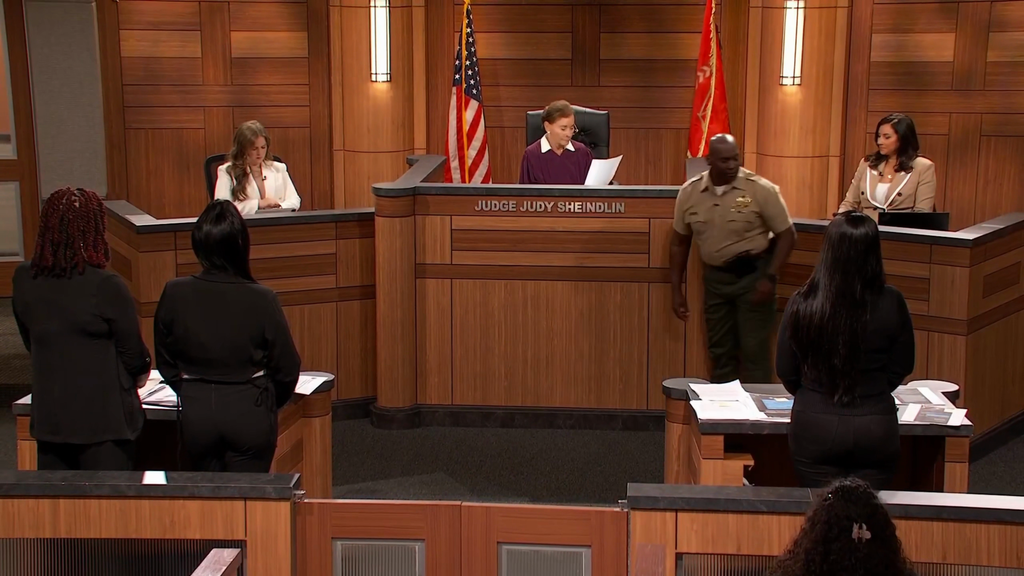
Jada began searching her phone, suggesting that she might have photographs from the Las Vegas Strip or other evidence showing where she had been. But despite repeated opportunities, she did not produce evidence establishing that she was in Nevada at the relevant time.

Judge Judy explicitly contrasted the unsupported alibi with the evidence already before her. Police professionals had compared the surveillance image with Jada’s identification photograph. The vandalism occurred on the same day Rashida returned the $250 and refused to provide the photographs. Jada claimed she was elsewhere but could not substantiate it.
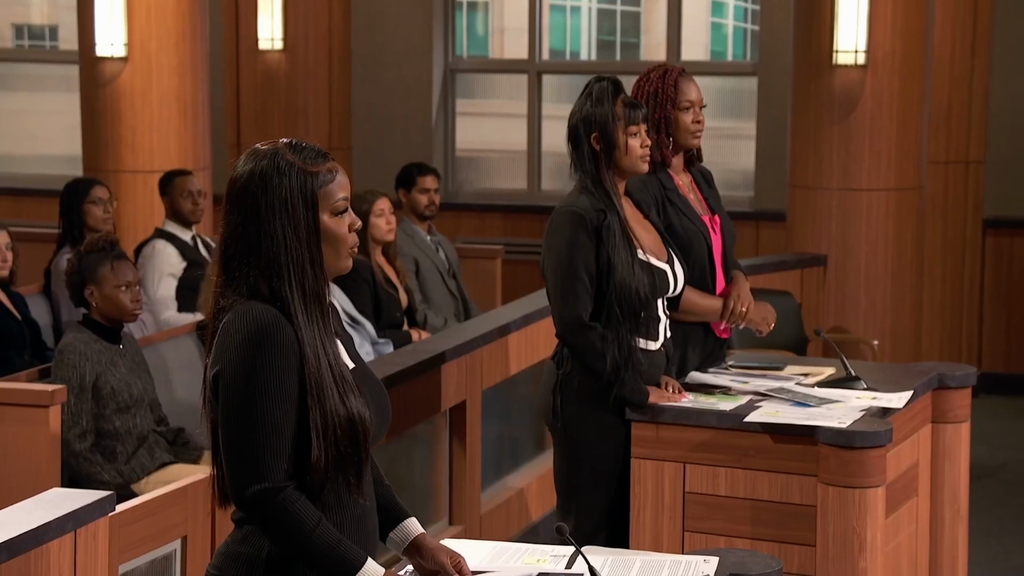
Judge Judy said she was therefore relying on her own assessment together with the police department’s identification and the surrounding circumstances.
The Conflict Moves to Facebook
After the vandalism, the dispute expanded onto social media. Rashida sought help identifying the person she believed had damaged her property, while Jada and her mother posted about their negative experience with Rashida’s photography business. The parties exchanged increasingly hostile comments, accusations and communications.
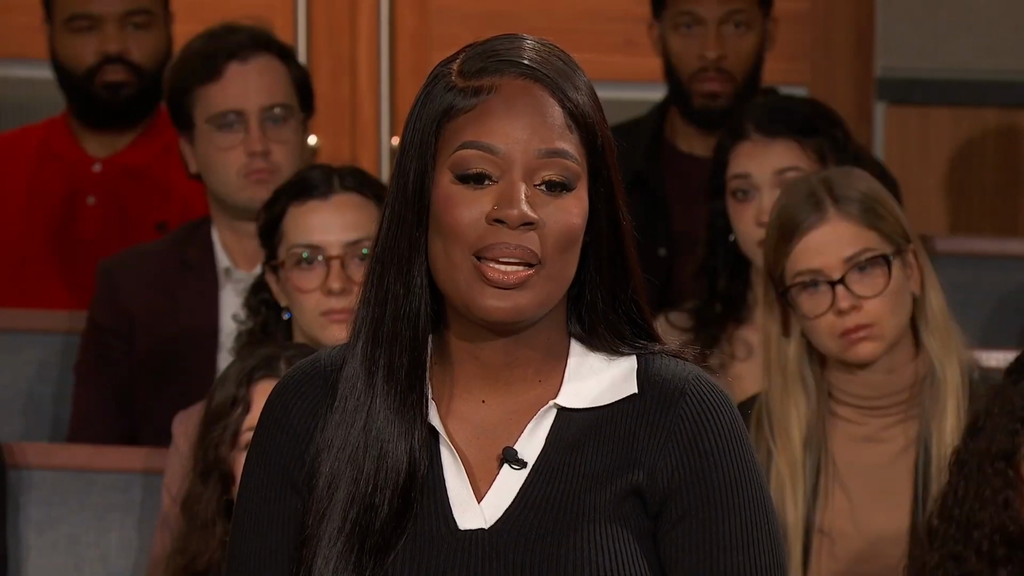
Judge Judy made an important distinction regarding negative reviews. Jada and her mother were allowed to describe an unfavorable experience with a business. A service provider who advertises online assumes the risk that unhappy customers may leave poor reviews. Judge Judy therefore did not treat the mere existence of a negative review as actionable defamation.
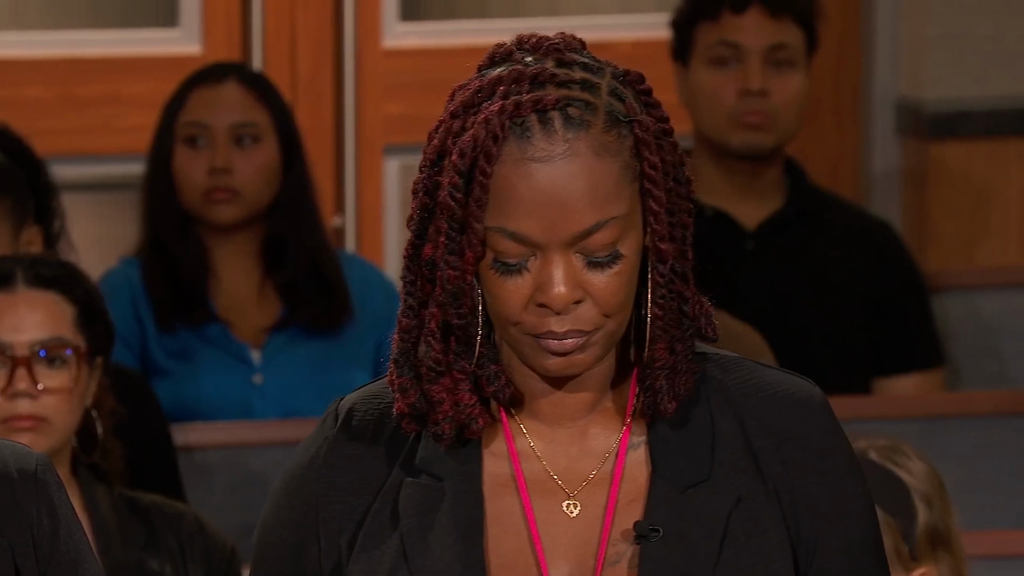
The communications went much further than an ordinary customer review, however. The transcript includes allegations of threats, repeated calls, insults and challenges to fight. Judge Judy observed that the parties had become nasty toward one another and refused to spend the case sorting through every personal insult.
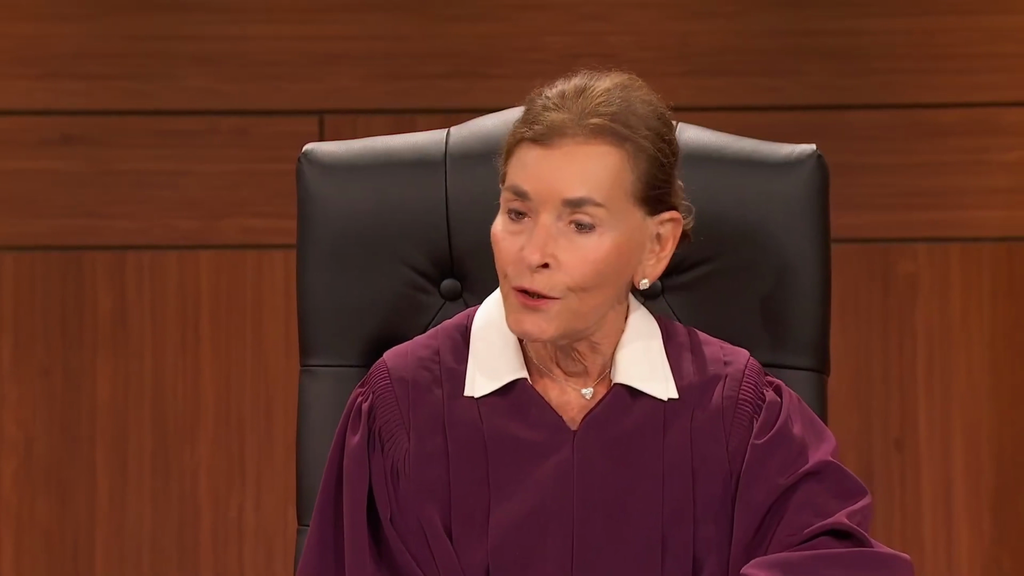
One issue required closer attention because it formed part of Jada and her mother’s counterclaim: an intimate-looking image of Jada that Rashida had posted or shared during the online feud.
The Disputed Image Was Not From Rashida’s Photo Shoot
Jada argued that Rashida had damaged her reputation by posting what she described as a nude photograph of her online. She said the image caused significant emotional distress. Judge Judy first established something important: Rashida had not taken that particular image during the birthday photography session.
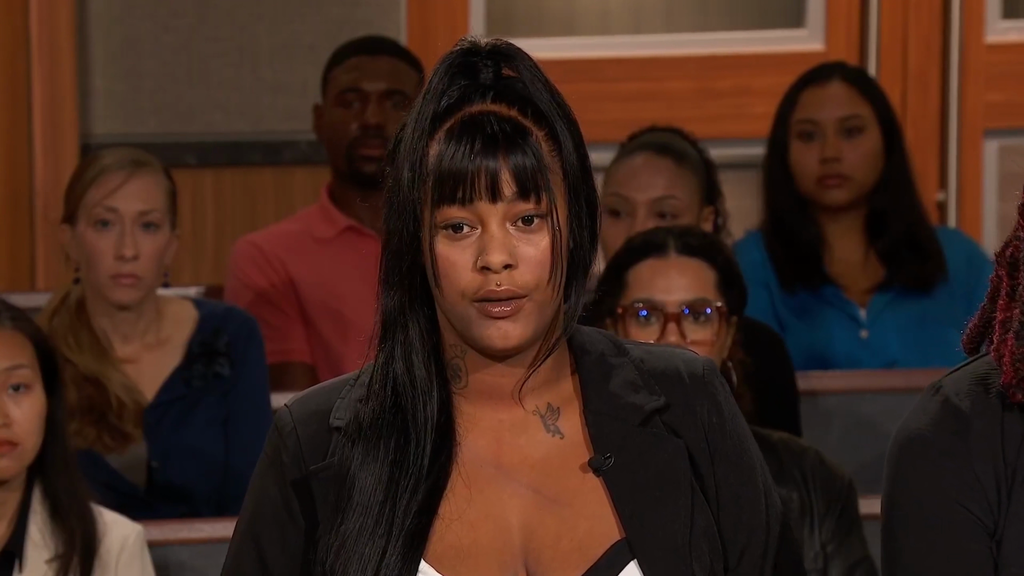
The professional shoot included provocative photographs involving fishnet stockings and revealing poses, but the image at issue in the counterclaim came from somewhere else. When Judge Judy examined it, she noted that Jada appeared to be wearing clothing, including pants, and questioned the description of it as a straightforward nude photograph.
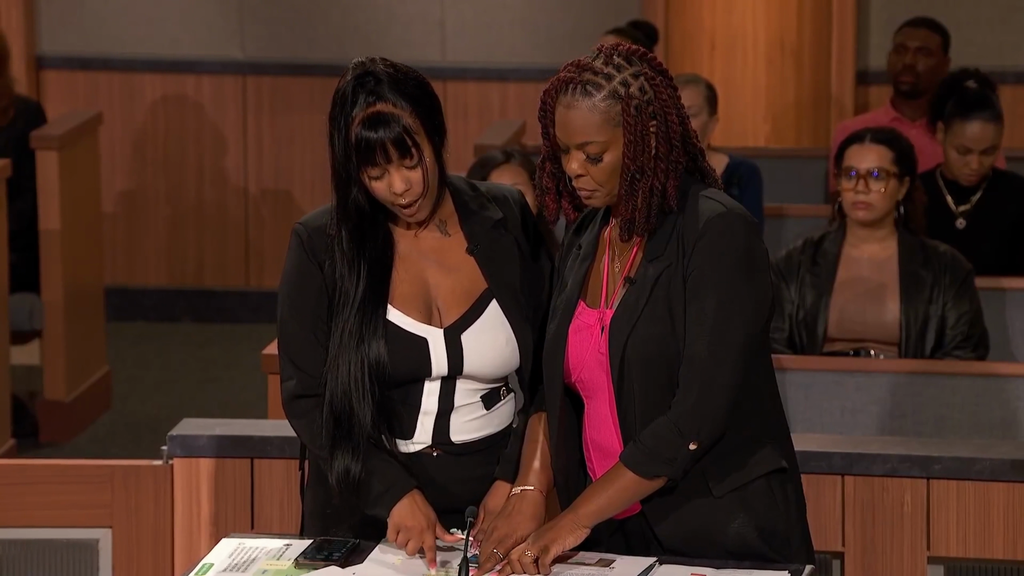
Jada explained that the image originated during a separate physical confrontation involving two women. She said her shirt had been pulled up, her shoulder became dislocated and someone captured the image against her will. The court then viewed video of that May 12 incident in Bakersfield.

Rashida explained that after her windows were damaged, she asked people online for help finding Jada and began receiving material from others. The disputed image came to her through that process rather than from the birthday photo shoot.
Judge Judy ultimately rejected the counterclaims.
The $1,378 Window Damage Becomes a $2,000 Judgment
Rashida presented documentation showing that repairing the damaged windows cost $1,378. The automated transcript later renders Judge Judy’s figure imperfectly, but the repair amount is clearly stated when she reviews the documentation.

Judge Judy found Jada responsible for the vandalism based on the totality of the evidence: the surveillance footage, the Bakersfield police identification, the timing immediately following the refund and Jada’s inability to substantiate her claim that she was in Las Vegas.

She then entered judgment for Rashida for $2,000, incorporating the window damage along with an additional amount for the trespass and aggravation associated with the incident. Jada and Antoinette’s counterclaims were dismissed.
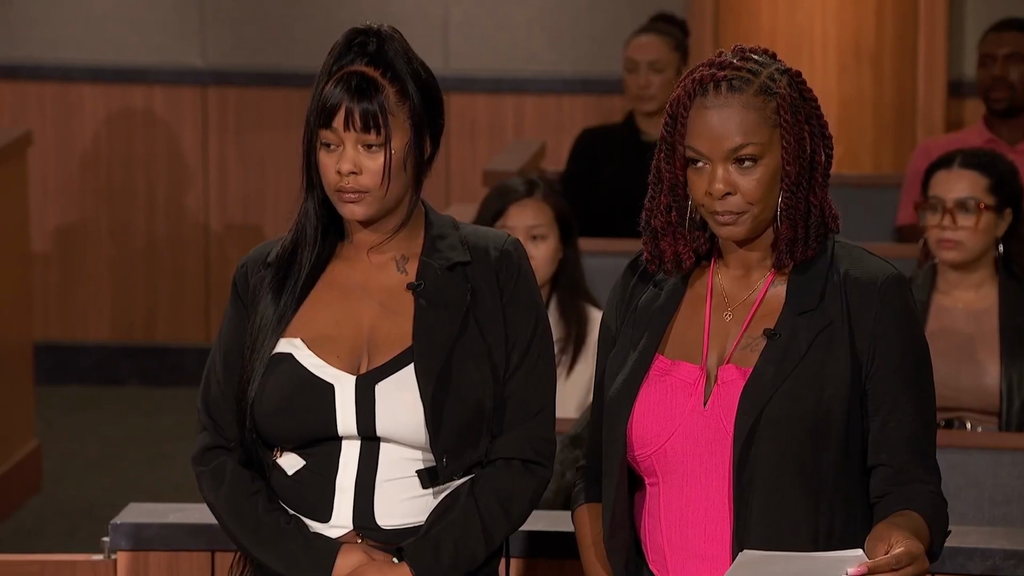
The original photography contract no longer mattered financially because Rashida had returned every dollar. What began as a $250 photo package had nevertheless produced a judgment eight times that amount.

Why the Case Was Really About Evidence
The most significant evidence in the case did not come from the photography website or arguments about whether 10, 12 or 13 images should have been edited. Those disagreements explained how the relationship deteriorated, but they did not determine liability for the vandalism.
The crucial evidence emerged afterward. Rashida’s refund and the angry communications established timing and context. Surveillance footage captured the person accused of damaging the property. Bakersfield police compared that image with Jada’s identification photograph. Jada then presented an alternative explanation — that she was in Las Vegas — but could not document it when Judge Judy asked.
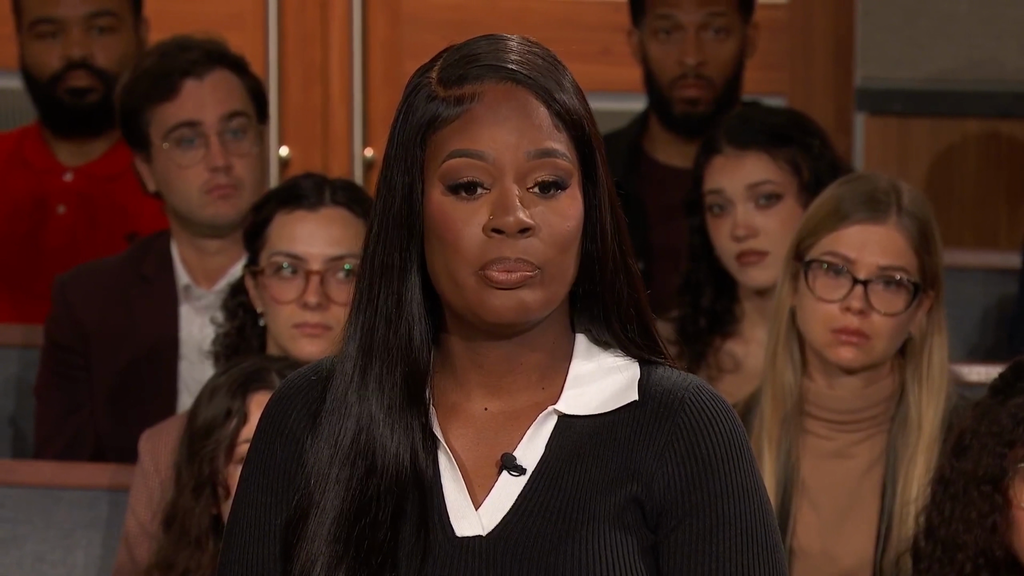
Judge Judy did not rely on one perfect image. She relied on multiple pieces of evidence that, taken together, persuaded her that Jada was responsible.
The case also carried a separate lesson for businesses and customers. The original dispute might have ended quietly when Rashida returned the $250. At that point, neither side owed the other anything under the photography arrangement. Instead, the conflict moved beyond the service itself and into property damage, social-media accusations and deeply personal attacks.
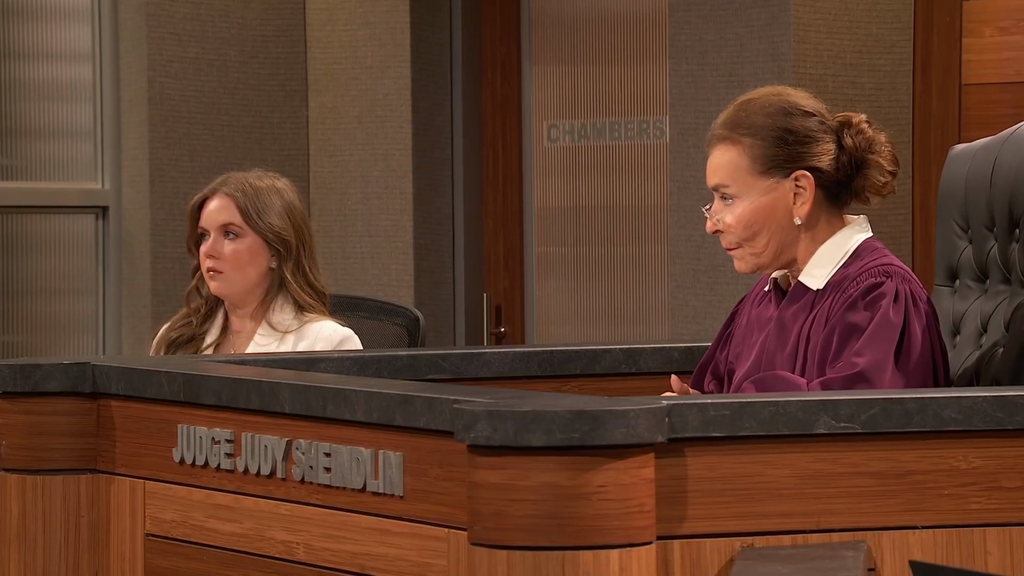
By the time Judge Judy declared the matter finished, a birthday photo shoot that was supposed to produce 10 polished images had produced something entirely different: a police report, surveillance footage, competing accusations and a $2,000 courtroom judgment.
(uc.)
FAQ
Why did Rashida Frazier sue Jada Mollets and Antoinette Shavers?
Rashida sued her former photography clients over property damage and other claims arising after their $250 birthday photo-shoot arrangement collapsed.
Why did Rashida refund the $250?
After extensive disagreement over the photographs and editing, Rashida decided she no longer wanted to work with the clients and returned the full payment on June 29.
Did Jada admit smashing Rashida’s windows?
No. Jada denied responsibility and claimed she was in Las Vegas when the vandalism occurred.
What evidence persuaded Judge Judy?
Judge Judy considered the surveillance footage, Bakersfield police identification, the timing of the vandalism and Jada’s failure to produce proof supporting her Las Vegas alibi.
How much did Judge Judy award Rashida?
Judge Judy awarded Rashida $2,000 and dismissed Jada and Antoinette’s counterclaims.
Sources
Judge Judy, consisting of 827 subtitle entries covering the photography agreement, June 26 photo shoot, June 29 refund, surveillance footage, Bakersfield police identification, online communications, counterclaims and Judge Judy’s final $2,000 judgment. Names and disputed allegations are presented according to the supplied transcript; allegations not established by the court are attributed rather than stated as independent fact.