The custom wig had already been examined, restyled, tried on, and accepted when Patricia Bailey wrote hairstylist Laurel McClendon a check for $370. Days later, after a missed appointment to add a band, Bailey stopped payment and claimed the hair had been overprocessed. Was the dispute really about a defective wig, or did frustration over scheduling become a reason to reverse an agreed purchase? The timeline of July 5 through July 9 gave the court its answer.
(uc.)
A Custom Order More Than a Year Earlier
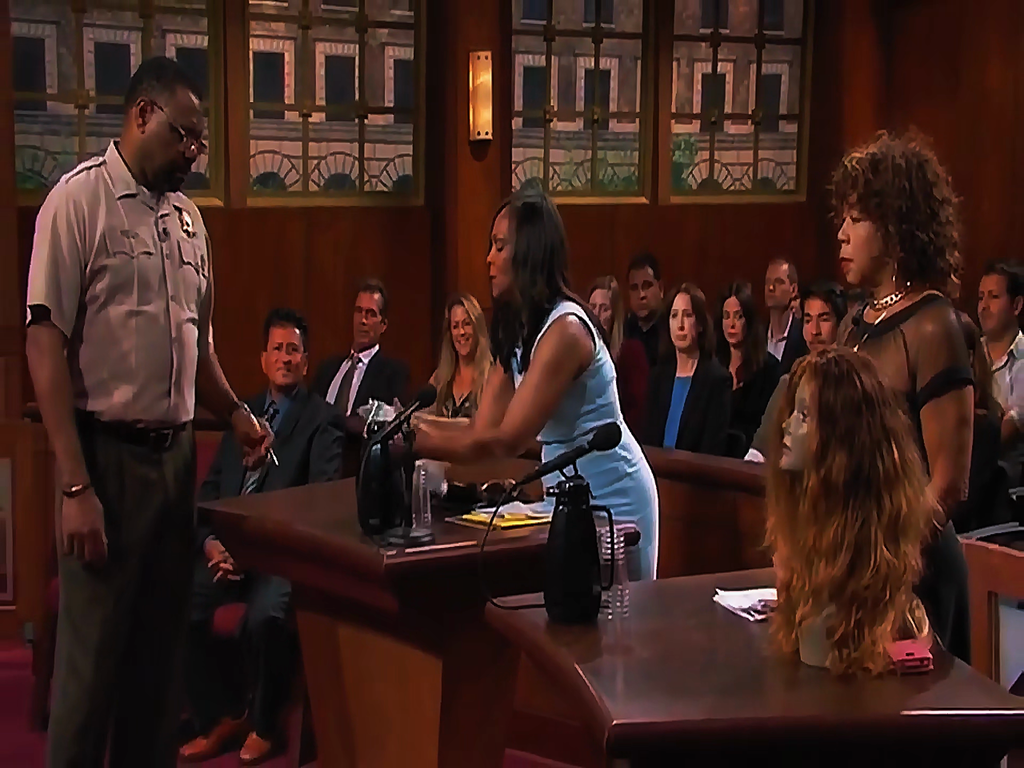
Laurel McClendon, a hairstylist, sued her former client Patricia Bailey for the labor cost of a custom wig, the fee caused by Bailey’s stopped check, and an allegation of fraud. Bailey counterclaimed for the value of the hair she had purchased for the project. By the time the case reached court, the transaction was more than a year old, but the crucial events occurred across only a few days in July.
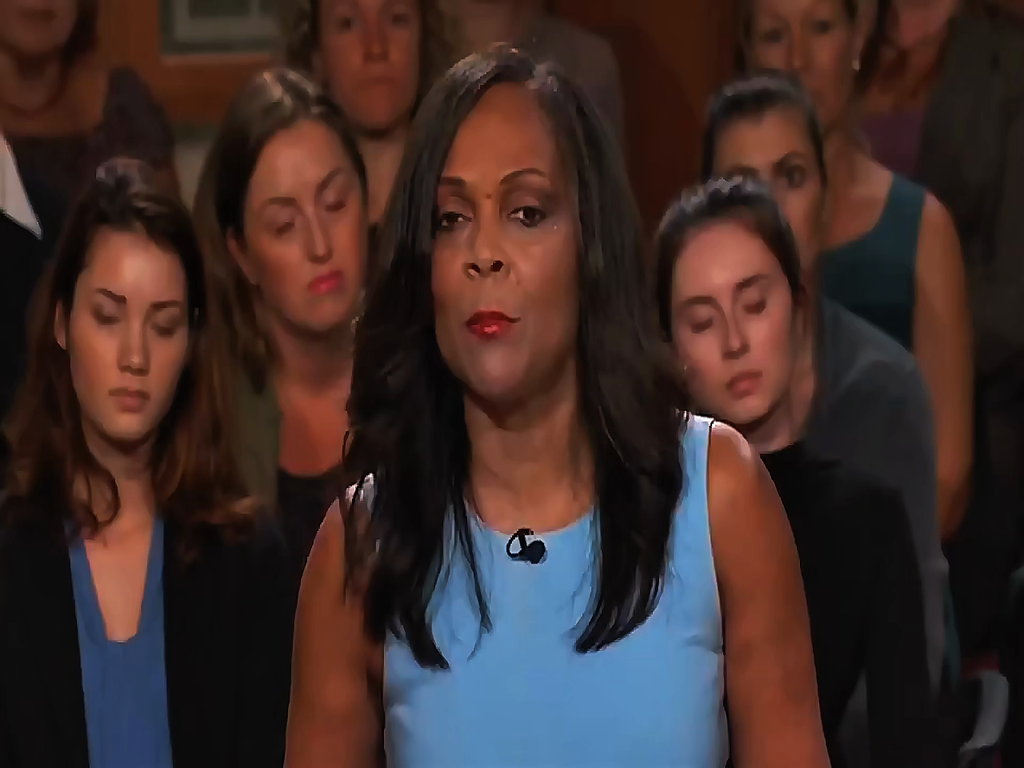
The financial arrangement had two parts. Bailey purchased the hair used to make the wig. McClendon supplied the labor required to construct and finish it. The $370 check at issue therefore did not represent the entire cost of the materials and finished product; it was McClendon’s fee for her work.
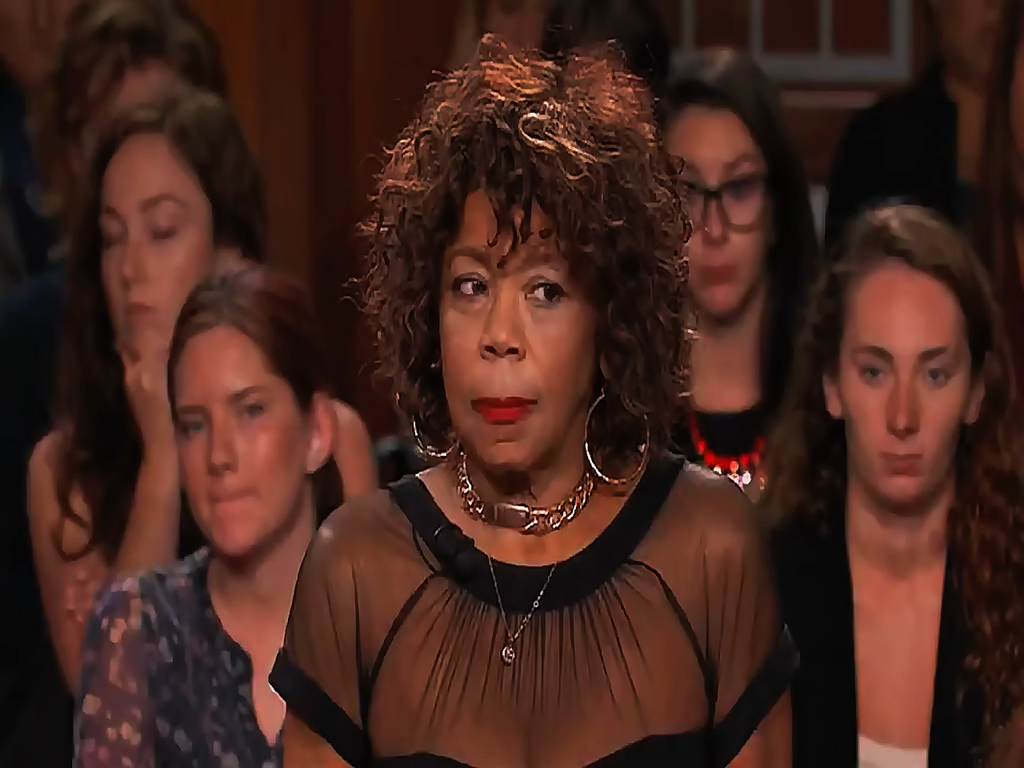
That distinction mattered when Bailey later sought reimbursement for the hair itself. The court had to separate dissatisfaction with the material Bailey had purchased from whether McClendon had earned her labor fee after delivering a wig Bailey inspected and accepted.
The July 5 Pickup
On July 5, Bailey went to McClendon’s shop to collect the wig. She did not receive it unseen through the mail, nor did she pay before having any chance to inspect it. Bailey looked at the wig in person and discussed her concerns with McClendon.
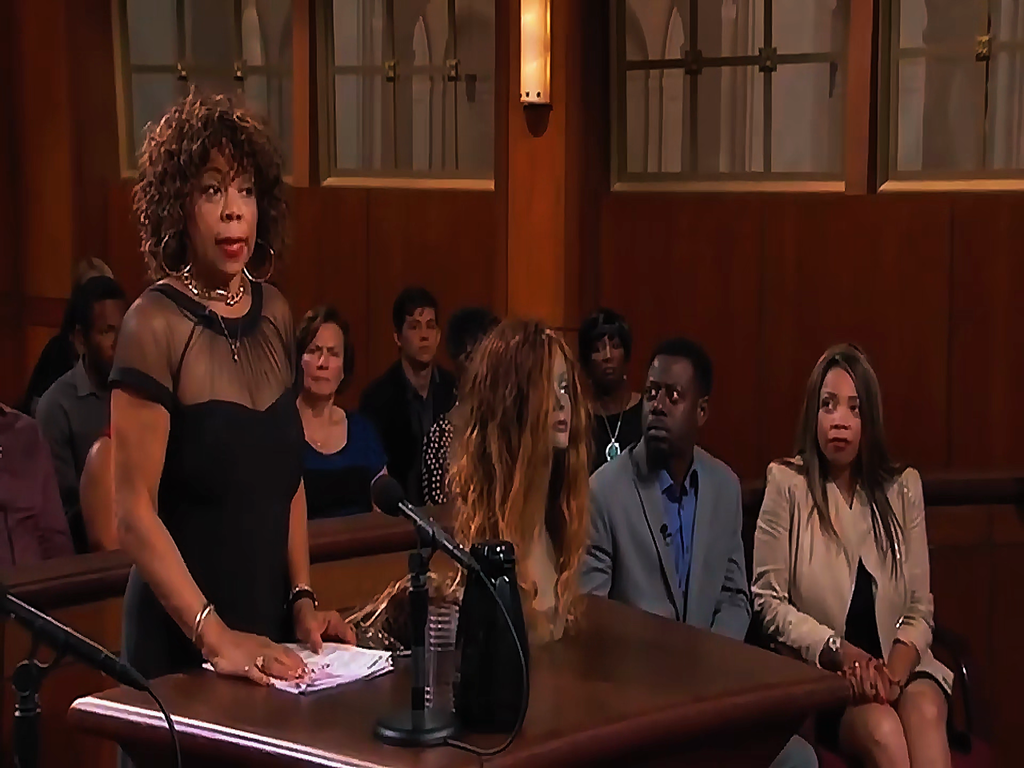
The order of events became important because Bailey initially said she handed over the check after trying on the wig, then appeared ready to revise that account. The judge stopped her and asked for a precise sequence, warning against tailoring the story to what she thought the court wanted to hear. Bailey ultimately confirmed that she examined the wig, raised her concerns, watched McClendon work on it, tried it on, and then wrote the $370 check.
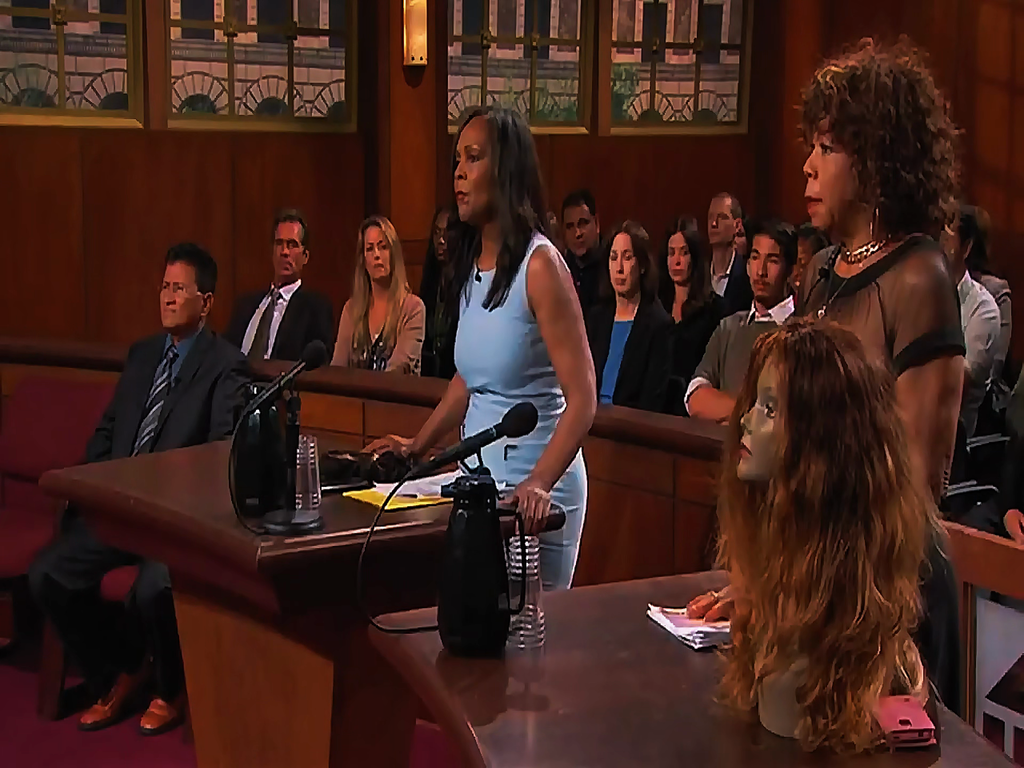
That sequence created a record of acceptance. Bailey had an opportunity to refuse the wig or withhold payment at pickup. Instead, she stayed while McClendon addressed the appearance, placed the wig on her head, and paid after seeing the result.
Concerns About Color and Dryness
Bailey testified that the color looked different from what she had requested and that the wig appeared dry. McClendon responded that the hair needed to be wet, treated with product, and blow-dried. She then performed those steps in the salon.
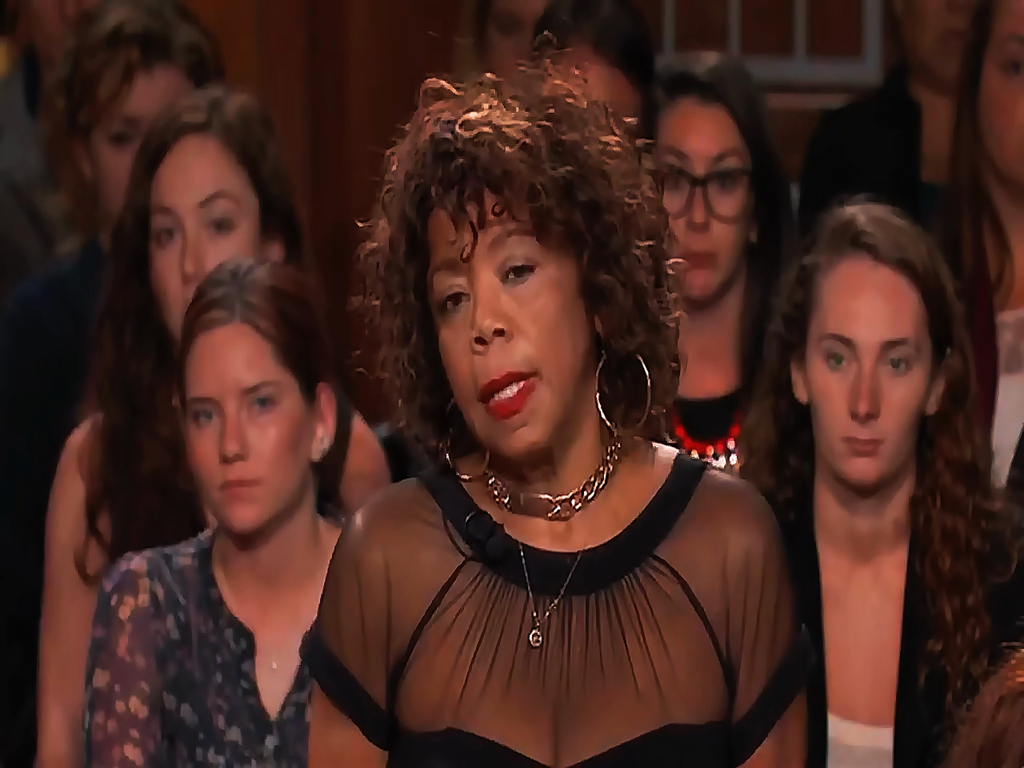
After the wig was moistened, treated, and dried, Bailey tried it on. She described herself as “kind of happy” with the result. The court treated that statement, followed by payment, as evidence that the visible condition had been addressed to Bailey’s satisfaction at the time of delivery.
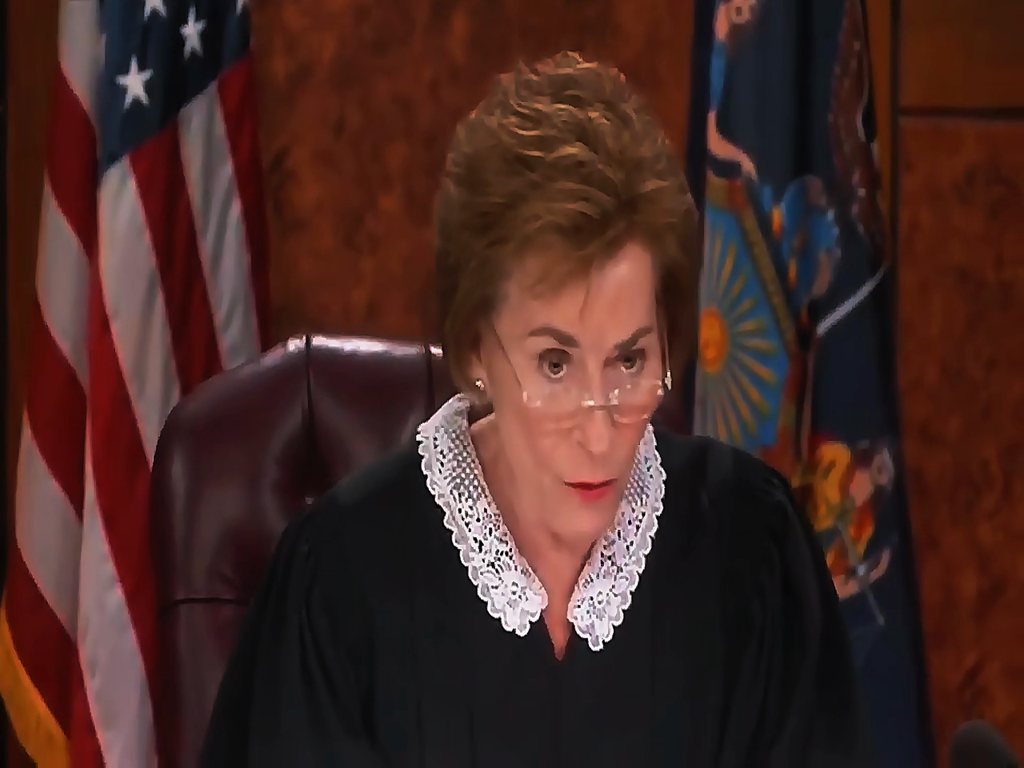
The later accusation that the hair had been overprocessed did not match the concern Bailey voiced on July 5. At pickup, the issues were color, dryness, and fit. She did not refuse the wig as unusable, nor did she condition the check on a complete reconstruction of the hair.
Acceptance After the Salon Adjustment
Once McClendon finished the salon adjustment, Bailey thanked her, wrote the check, and left with the wig. The judge repeatedly returned to this moment because payment followed inspection rather than preceding it.

In a custom-service dispute, acceptance does not prevent a client from raising a genuine hidden defect later. But Bailey’s complaint concerned features she could see and feel before writing the check. She had watched the stylist add moisture and product, had seen the finished appearance, and had worn the wig in the shop.
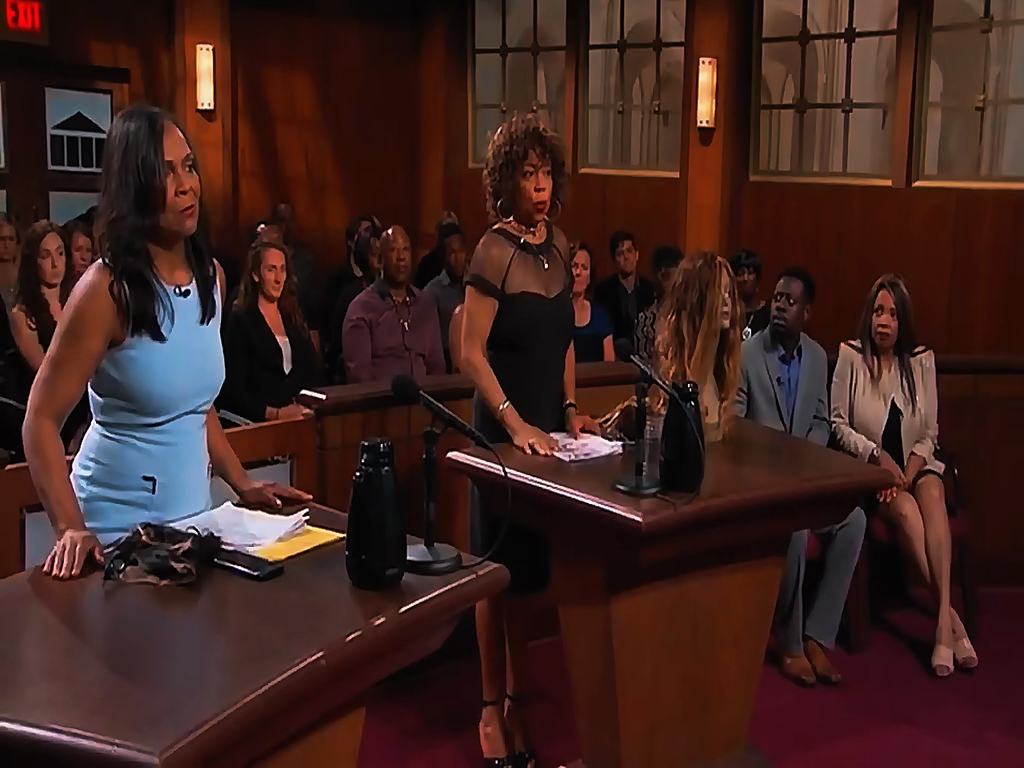
The check therefore represented more than an intention to consider the purchase. It was payment for work Bailey had reviewed. Stopping payment later required a justification stronger than dissatisfaction she had already allowed McClendon to address.
The Loose Fit and Promised Band
Bailey did identify one issue that remained after pickup: the wig felt loose. McClendon offered to add a band if Bailey brought it back. Bailey accepted that solution and still delivered the $370 check.
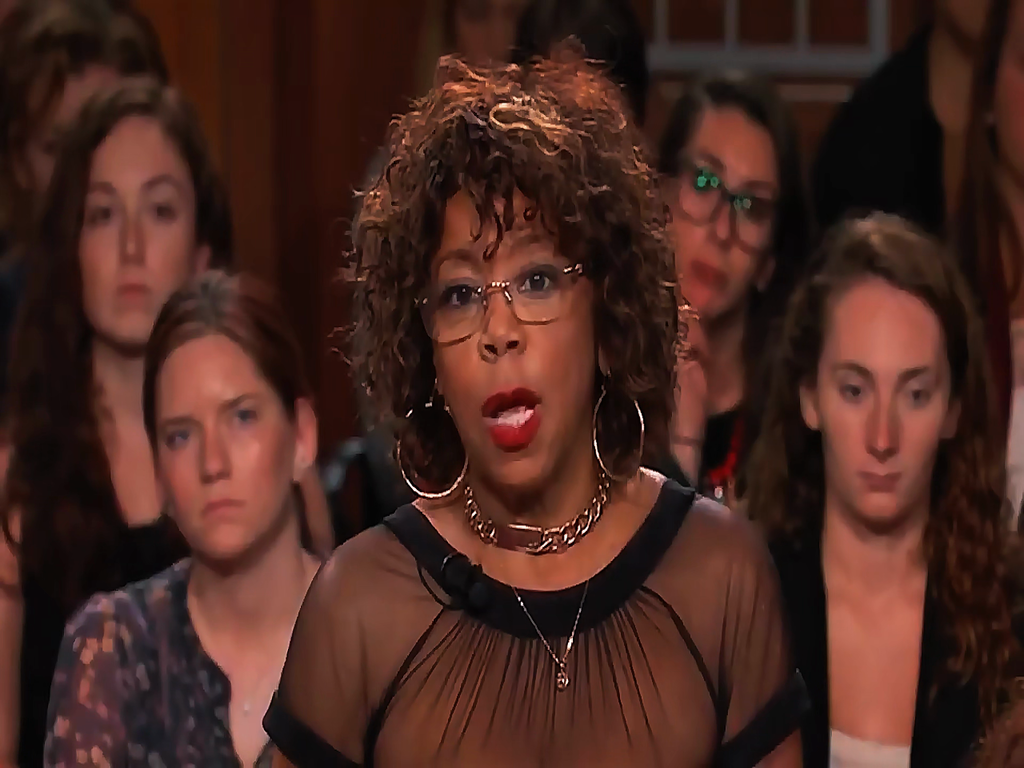
This detail became the center of the dispute. The promised follow-up was not to replace the hair, correct alleged overprocessing, or rebuild the wig. It was to add a band for a tighter fit. Bailey contacted McClendon either later on July 5 or on July 6 to arrange the work.

An appointment was set for July 7. Bailey could not recall every scheduling detail at first, but eventually identified that date. Her own testimony therefore showed that the transaction had moved from delivery and acceptance to a limited adjustment.
The July 7 Missed Appointment
Bailey arrived for the July 7 appointment and found that McClendon was not there. When she called, McClendon said she had sent a text message at approximately 4 a.m. explaining that she could not keep the appointment.
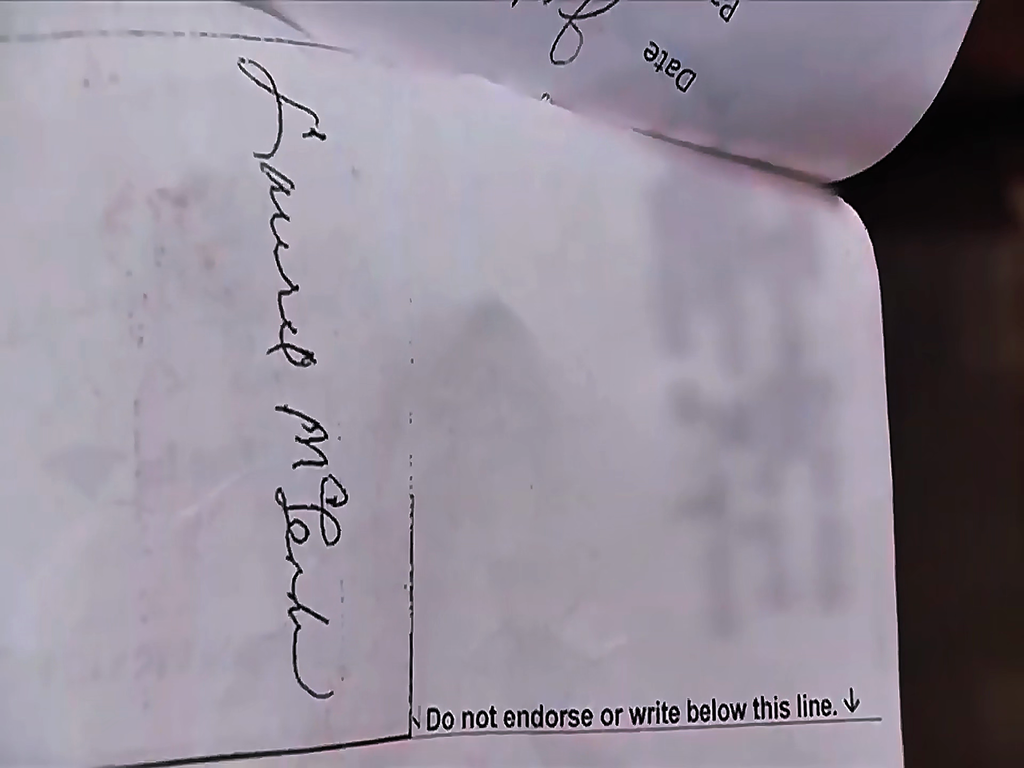
Bailey said she had been asleep when the message arrived and had not checked her texts. She also explained that her husband had died the previous month and that many things were happening in her life. The judge acknowledged the statement but ruled that it did not determine whether McClendon had sent reasonable notice.

A 4 a.m. message intended to be seen first thing in the morning was not considered inherently unreasonable. The missed appointment may have frustrated Bailey, but it did not erase the completed labor or convert the accepted wig into a product she could keep without paying for.
Why Bailey Stopped Payment
Bailey was uncertain about the exact date she directed the bank to stop the check. She first suggested it might have been the day of the missed appointment, then said it was around July 9. She explained that she and McClendon had been discussing another meeting and complained that this was not the first time the stylist had failed to keep an agreement.
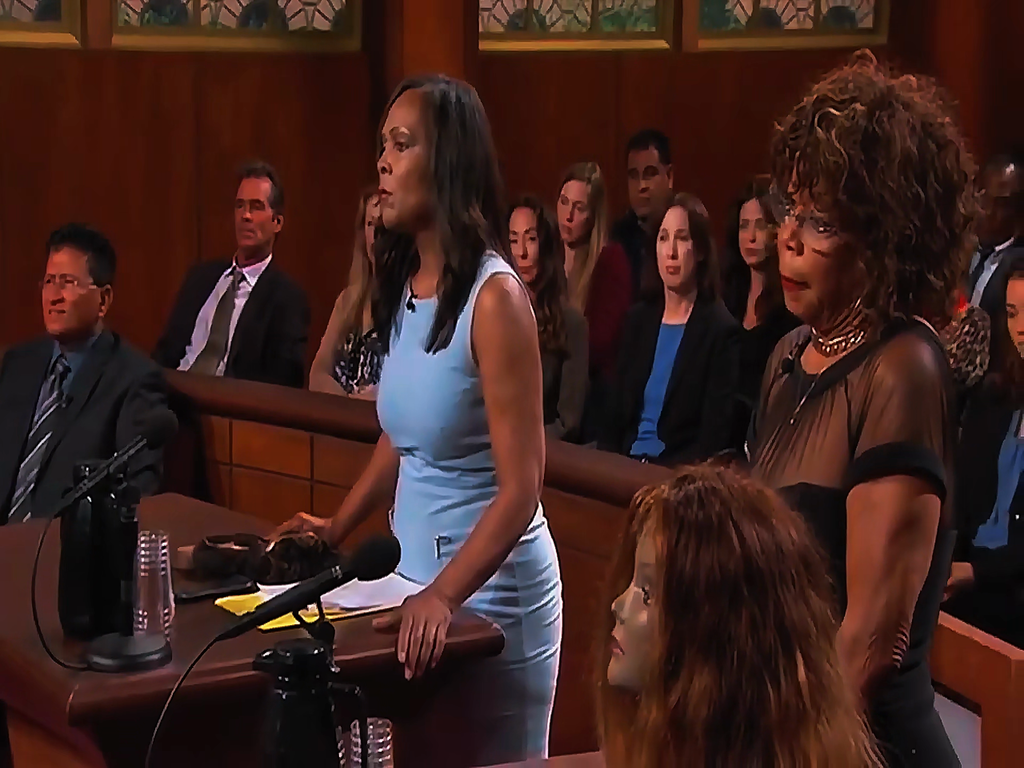
The judge separated that scheduling dispute from payment for the wig. Even if McClendon missed one or more appointments to add the band, Bailey had retained the custom wig and had already accepted the $370 labor charge. A service problem involving a follow-up adjustment did not authorize her to cancel the entire payment while keeping the work.

Bailey then described the hair as overprocessed and the wig as incomplete. The court found those claims inconsistent with her July 5 conduct. The hair could not have become overprocessed between pickup and the stop-payment order through anything McClendon did, because the wig remained with Bailey.
The Counterclaim for the Hair
Bailey counterclaimed for the value of the hair she had bought. Her theory rested on dissatisfaction with the completed wig. Yet the court focused on what Bailey knew before leaving the shop: she saw the color, observed the dryness, watched McClendon apply product and blow-dry the hair, tried the wig on, and paid afterward.
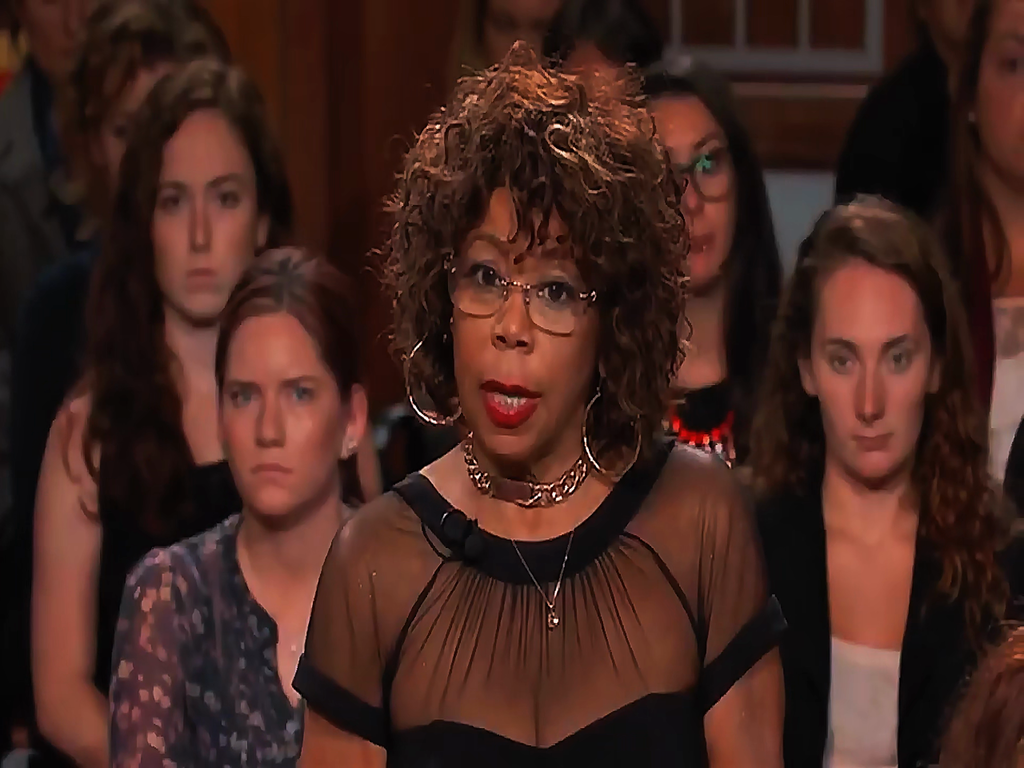
Her request for the band confirmed that fit—not a newly discovered defect in the hair—was the immediate follow-up issue. The judge concluded that the overprocessing argument had been developed later and did not support reimbursement for the materials.
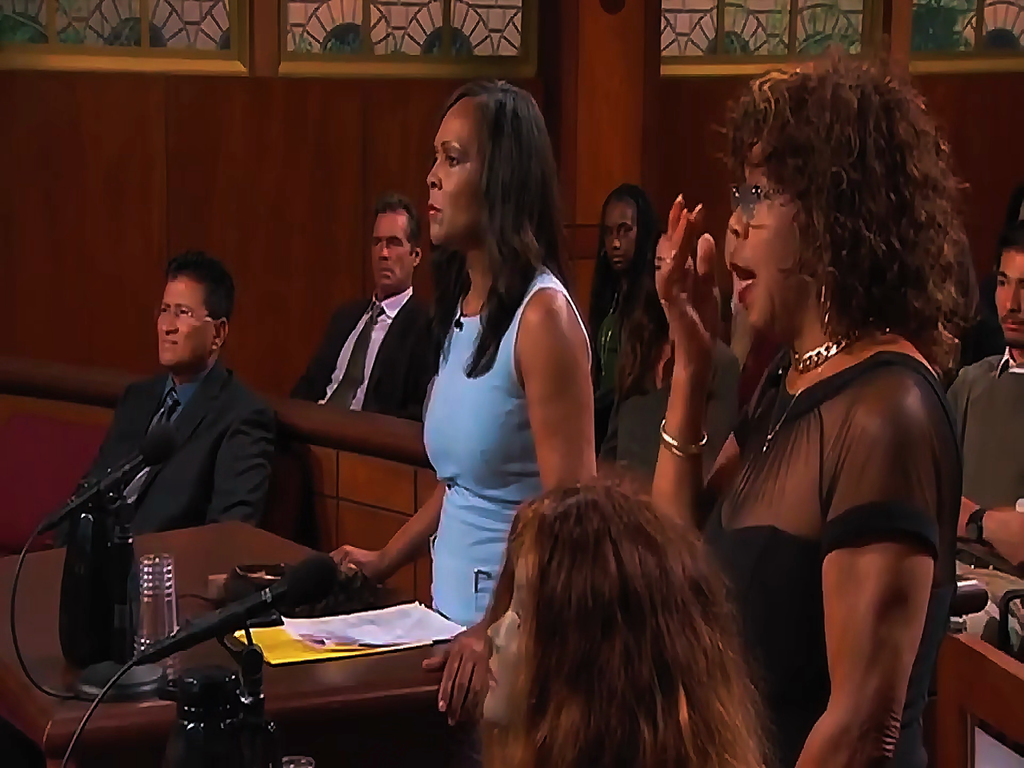
The counterclaim was therefore dismissed. Bailey kept the wig and received no award for the purchased hair. The ruling avoided giving her both the finished item and a refund based on objections she had evaluated before accepting it.
The $405 Judgment
The court awarded Laurel McClendon $370 for the labor charge and $35 for the stopped-check fee, for a total judgment of $405. Bailey’s counterclaim was dismissed.
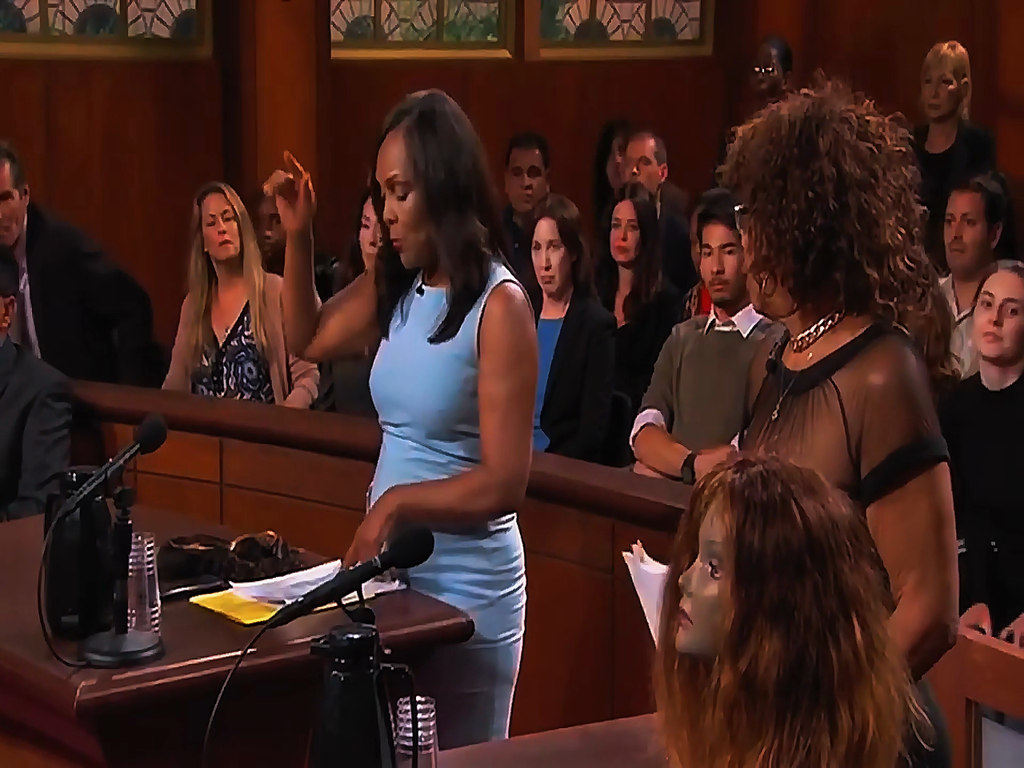
McClendon attempted to raise the possibility of triple damages under California law, but the judge ended the proceeding without adding such an award. The judgment recorded in the transcript remained $405.
The result turned on chronology more than technical hair analysis. July 5 showed inspection, adjustment, try-on, acceptance, and payment. July 7 brought a missed appointment for an added band. Around July 9, Bailey stopped the check. That sequence did not support treating the original labor as unpaid work that Bailey was entitled to keep for free.
What the Case Reveals
McClendon v. Bailey illustrates why custom-service providers and clients should document acceptance and follow-up obligations separately. A completed product may be accepted even when a minor adjustment remains. If the adjustment appointment fails, the remedy should address that remaining service rather than automatically reversing payment for all completed work.

For stylists, written invoices should identify who supplies the hair, what the labor fee covers, when the product is considered accepted, and which fit adjustments are included. Before-and-after photographs and a signed pickup acknowledgment can preserve the condition of a custom piece at delivery.
For clients, concerns about color, texture, processing, and fit should be written down before payment. If a defect remains, the receipt or service agreement should state what correction is promised and by what date. Stopping a check while retaining a custom product can create a stronger claim for the provider than the missed appointment creates for the client.
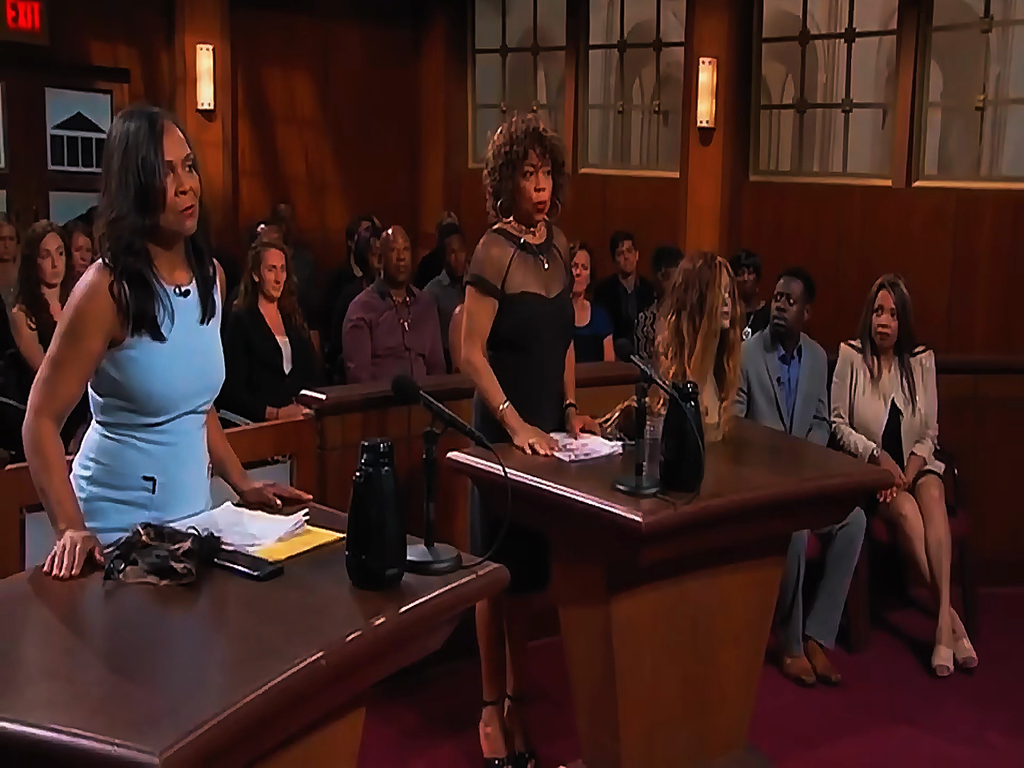
The emotional circumstances surrounding Bailey were real within her testimony, including the recent death of her husband. But the court’s task was narrower: determine whether she owed for labor she had examined and accepted. On that record, the answer was yes, and the unpaid $370 check became a $405 judgment.
(uc.)
FAQ
Who were Laurel McClendon and Patricia Bailey?
Laurel McClendon was the hairstylist who made the custom wig, and Patricia Bailey was the former client who purchased the hair and later stopped payment on McClendon’s labor check.
How much did Patricia Bailey pay for the wig labor?
Bailey wrote McClendon a check for $370 after inspecting, trying on, and accepting the wig on July 5.
Why did Patricia Bailey stop payment?
Bailey cited dissatisfaction and a missed July 7 appointment to add a band. The stop-payment order was placed around July 9, according to her testimony.
What happened to Patricia Bailey counterclaim?
The court dismissed Bailey’s counterclaim for the value of the hair because she had inspected and accepted the wig before paying, and her immediate follow-up request concerned adding a band.
What was the final judgment?
McClendon received $370 for labor plus a $35 stopped-check fee, totaling $405.
Sources
Judge Judy, the supplied courtroom transcript of McClendon v. Bailey.
The article distinguishes the parties’ testimony from the court’s findings and award.