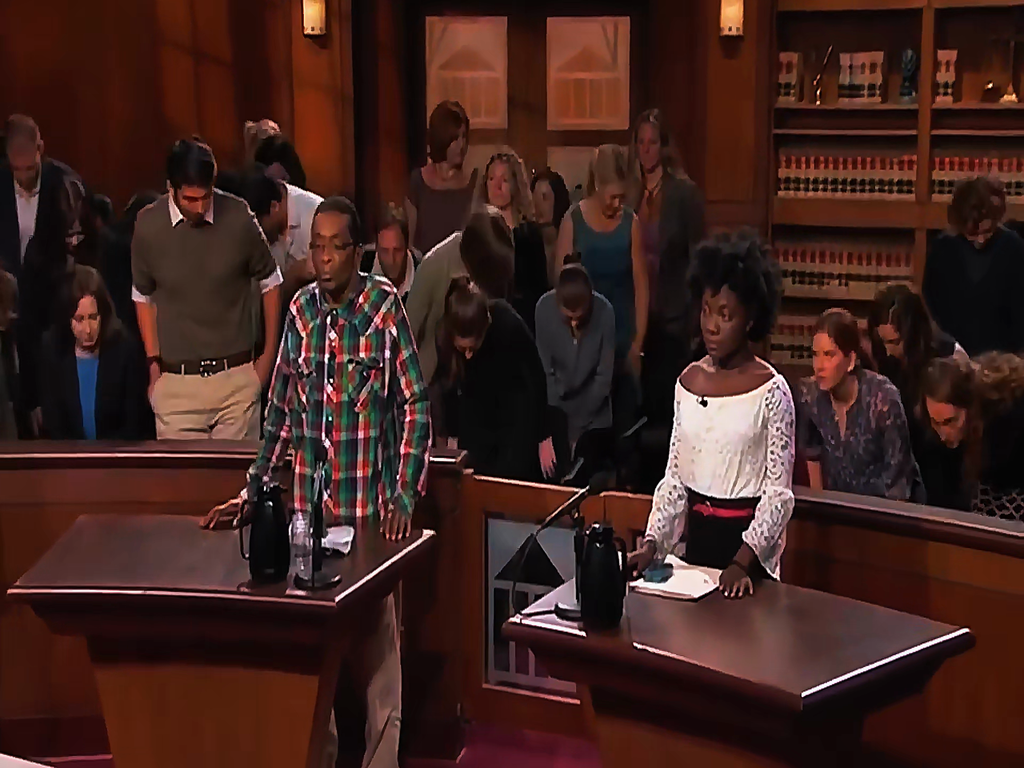
By July, the shared house had become a maze of changed locks, unpaid bills, disputed rooms, and tenants waiting to be removed. Brian Fordham said Mardia Williams repeatedly broke the lock protecting his bedroom and allowed the electricity to be shut off, ruining his food. Williams said Fordham owed rent and slammed a window onto her thumb as she tried to climb back inside. Yet when both entered court, the decisive question was not whose story sounded worse—it was who could prove an actual financial loss or documented injury.
(uc.)
A Room Inside a Rented House
The conflict began with an arrangement that was unstable from the start. Mardia Williams, identified in the program as 20 years old, had rented a house from its owner for approximately three years. Brian Fordham later rented a room in that same property from Williams.
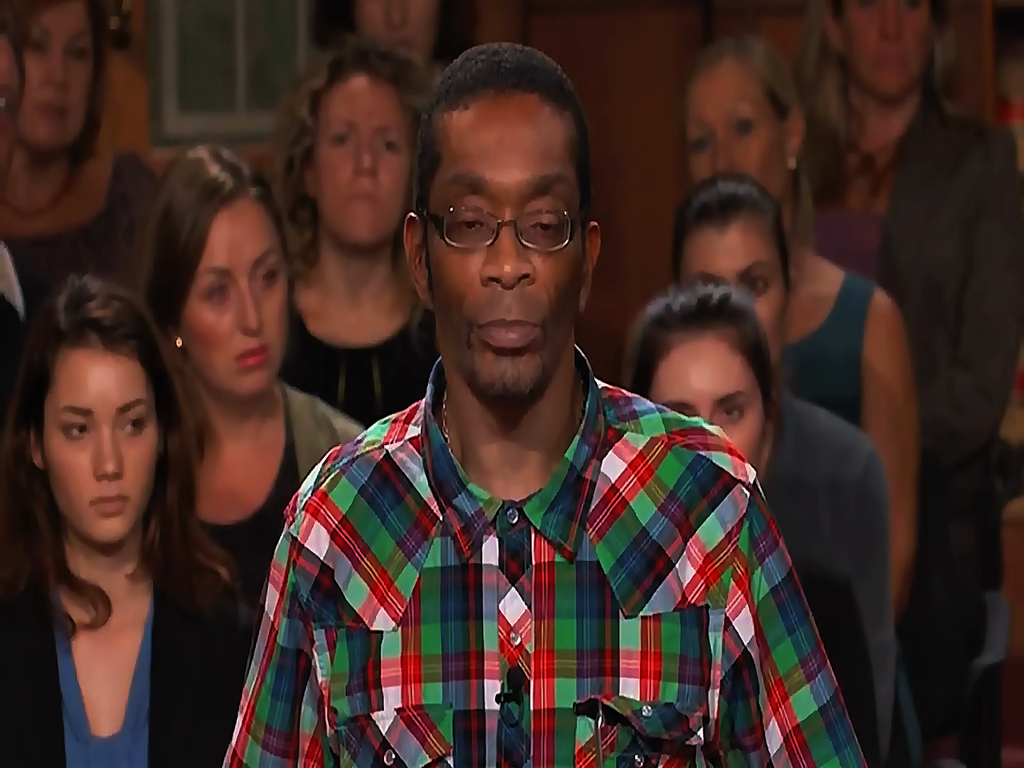
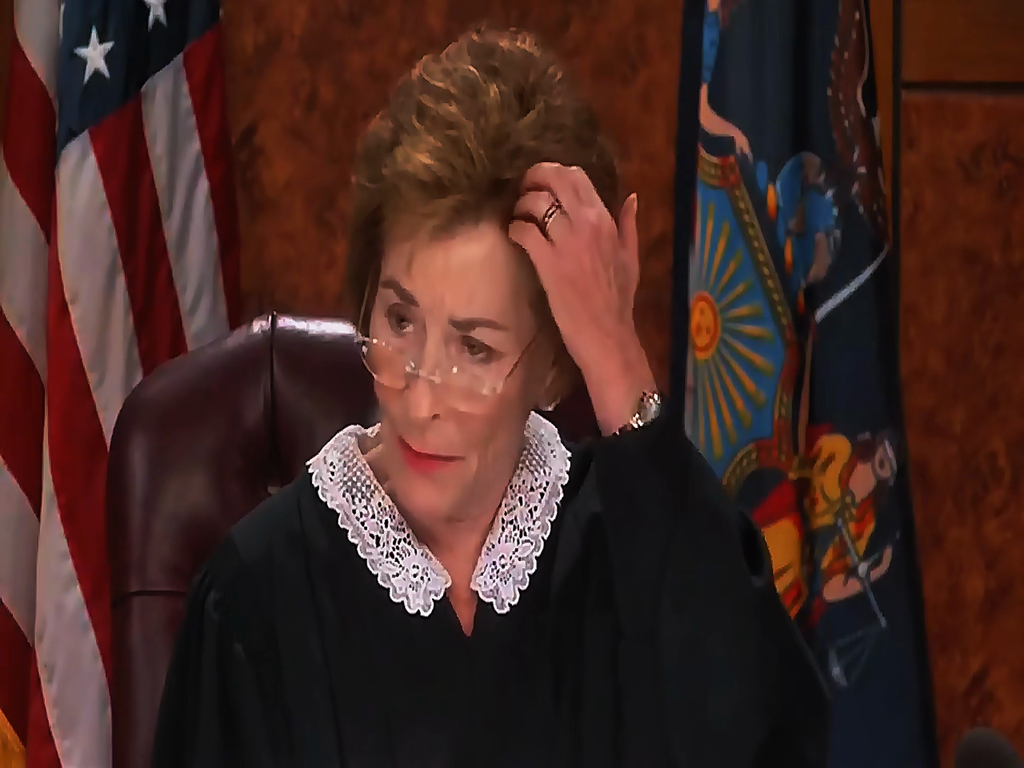
That distinction shaped the entire hearing. Williams held the rental relationship with the owner, while Fordham’s arrangement was with Williams. Although Fordham said Williams had made a lease for them and that he had met the owner, Judge Judy emphasized that he was not on the owner’s lease. In the judge’s blunt assessment, his legal position in the home was precarious.

By the time the parties reached court, the household was already collapsing. Williams acknowledged that the owner was evicting her for nonpayment of rent. Fordham remained in the house, as did Williams, even as both discussed having to leave.

What arrived in court was therefore more than a disagreement between two roommates. It was the final stage of a failed housing arrangement in which authority, access and payment obligations had become increasingly difficult to separate.
Four Locks and a Growing Breakdown
Fordham’s lawsuit combined several allegations. He said Williams had broken or removed locks he installed on the door to his rented bedroom—not once, but four times. He also sought compensation for food he said was lost after the electricity was not paid, and for property he claimed Williams took from his room without permission.
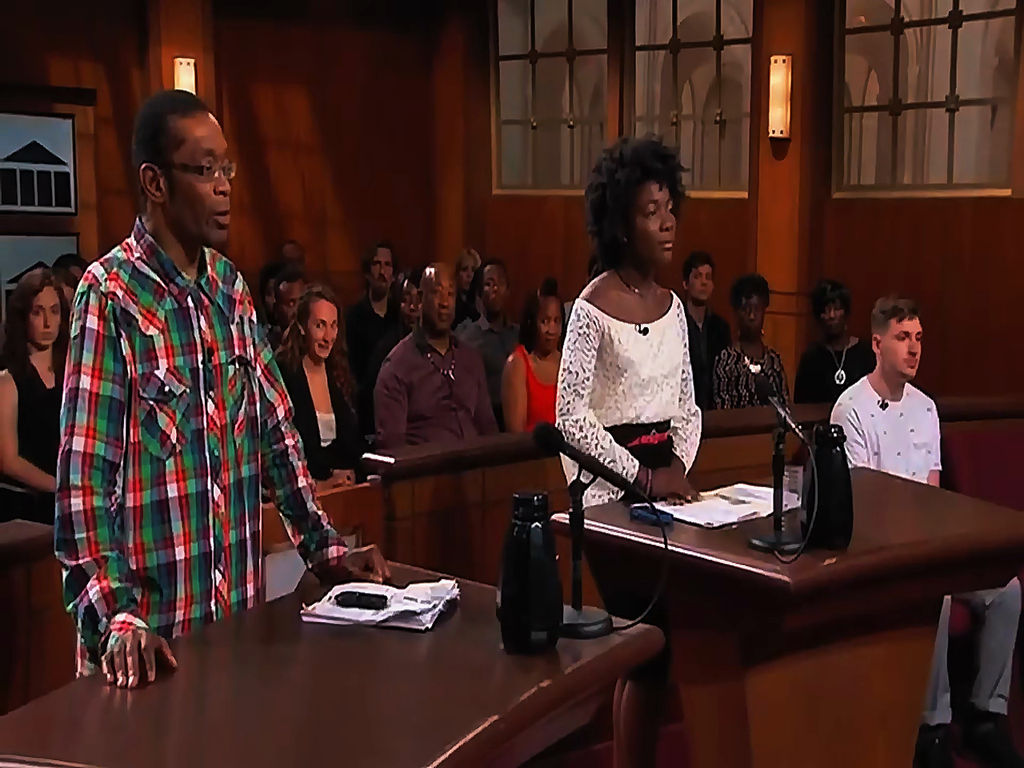
The bedroom lock was the strongest part of his case in principle. Judge Judy said a person renting a room had the right to put a lock on that bedroom door and that Williams did not have the right to remove it. That conclusion gave Fordham a potentially valid claim for the cost of replacing the locks.
Yet a valid theory is not the same as proven damages. When the judge asked to see bills documenting the lock replacements, Fordham did not have them in court. He offered a spreadsheet and referred to a police report, but neither established the amount he had actually spent on new locks.

Judge Judy narrowed the issue repeatedly: she wanted the receipts or bills for changing the locks. Fordham acknowledged that he had one bill somewhere, but it was not with him. Without documentation, the court could not calculate an award.

His claims involving lost food and allegedly taken property did not gain traction during the hearing. The court focused on the lock expense because it was the part of his lawsuit the judge was prepared to consider. Once he could not produce proof of that expense, his case had no evidentiary foundation left.
The Rent Story Begins to Shift
Williams responded with allegations of her own. She claimed Fordham owed rent and said he had assaulted her during an attempt to get back into the house. The rent issue quickly exposed the confusion underlying the entire arrangement.

Williams first said she had not paid her own rent for one month. Under further questioning, she described being behind by a month and a half—effectively two rental periods—and eventually admitted that she had paid only part of June and nothing for July. She explained that she had withheld $200 because Fordham had not paid his share.
Judge Judy kept the obligations separate. The lease with the owner belonged to Williams, and Fordham’s alleged failure to pay Williams did not change Williams’s responsibility to her landlord. The judge also expressed skepticism that the owner would already have started eviction proceedings over a July payment alone when the hearing itself was taking place in July.
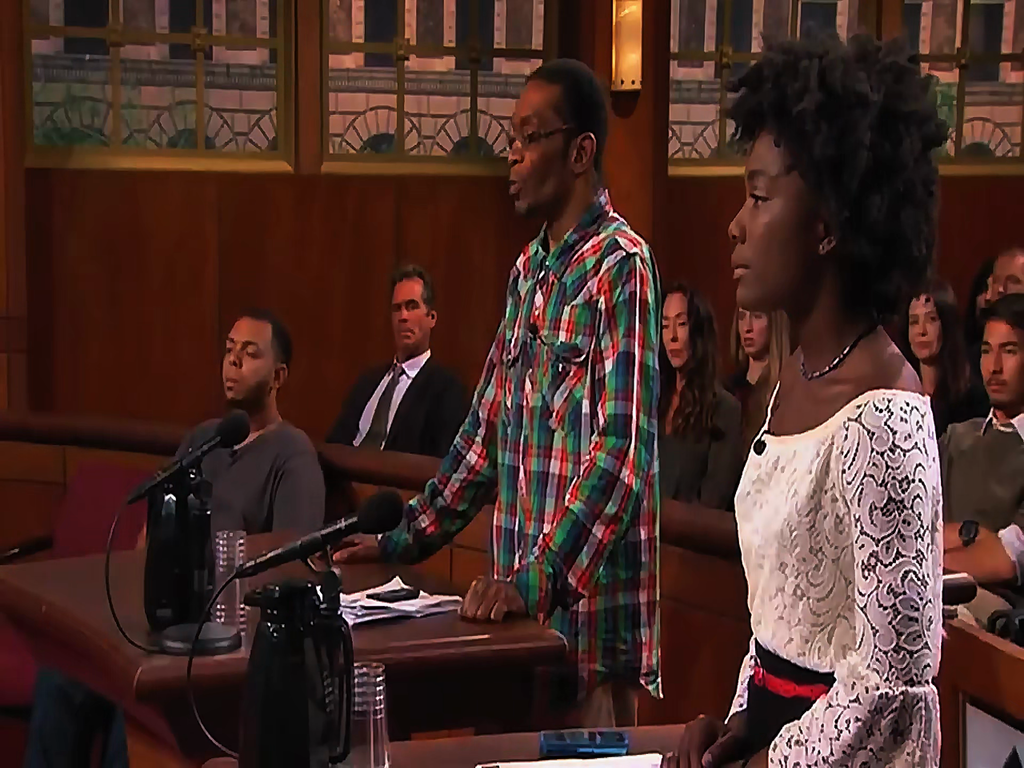
Fordham said he had paid rent in June. He also testified that the owner met with him and his witness on July 6 and told everyone they had to leave by the end of that month. He said he had met Williams on April 30 in connection with moving in and planned to relocate to another apartment in Albany, although he still needed to pay the first month’s rent and security deposit.

The back-and-forth did not produce a clean accounting. It did, however, establish the setting in which the physical confrontation occurred: Williams was behind on rent, the owner wanted the occupants out, Fordham remained in the property, and access to the home had become contested.
The July Timeline
The dates provided in court create a short but important chronology:
- April 30: Fordham said he and Williams met in connection with his move into the house.
- June: Fordham said he paid rent. Williams eventually acknowledged paying only part of her own June rent to the owner.
- July 6: According to Fordham, the owner met him and his witness and said everyone had to leave by the end of July.
- Sunday, July 16: Williams returned to the house after receiving repeated calls from the owner and attempted to enter through a window.
- End of July: Both occupants were expected to leave the property.
The timeline matters because it shows how quickly the housing dispute intensified. Within ten days of the owner’s alleged July 6 instruction, the parties were fighting over physical access to the house. By the hearing, each side was trying to turn that breakdown into a claim for money.
What Happened at the Window
Williams testified that she went to the house on Sunday, July 16, accompanied by Jonathan. She said the owner had been trying to contact her and had left approximately 13 messages. When Williams arrived, her key did not open the main door.

According to Williams, Fordham had changed the lock on that door. She said she knocked, identified herself and explained that her key was not working. Fordham denied changing the front-door lock. He maintained that the only lock he changed was the one on his bedroom door—the lock he said Williams had damaged four times.
Unable to enter through the door, Williams tried a window accessible from a small rear passage. During the first description of that route, she said the window did not lead into Fordham’s room. She then testified that Fordham came into her room and slammed the window onto her finger because he did not want her to enter the apartment.
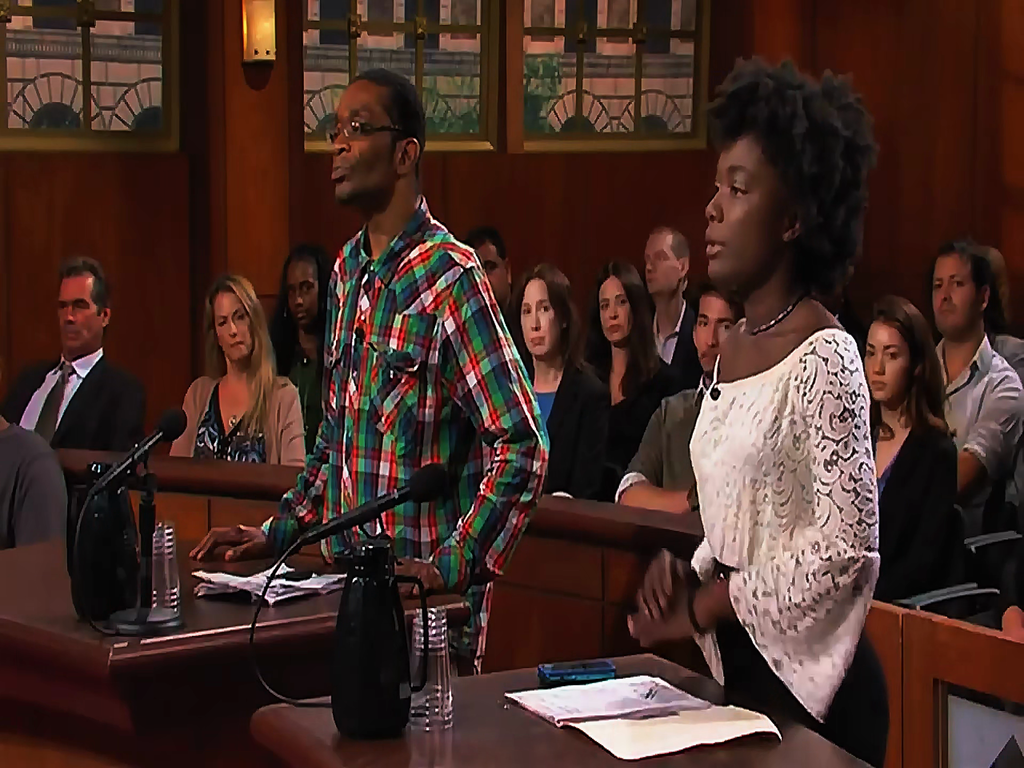
That was the factual basis for her assault claim and request for punitive damages. The allegation was serious, but the court’s inquiry turned immediately to injury and documentation.
Williams did not see a doctor. She had no medical report. She said police suggested that she seek medical attention, but she did not do so. The transcript contains no medical bill, diagnosis or other documented loss associated with the finger injury.
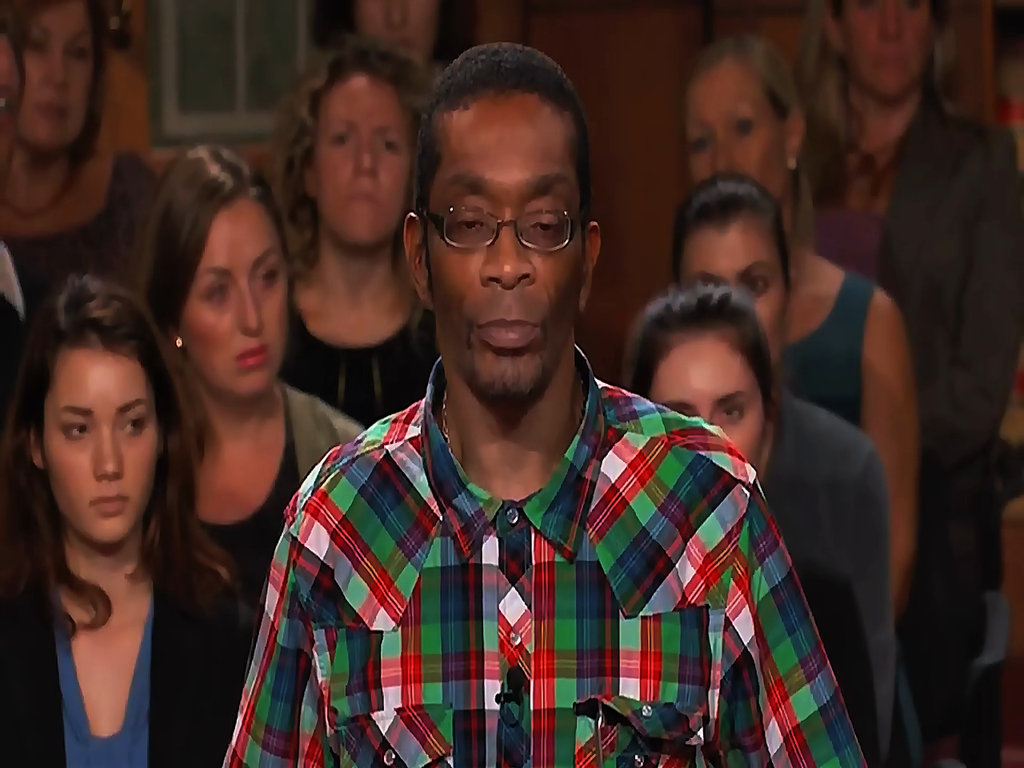
The hearing did not reach a detailed finding about whose account of the door lock was true or whether Fordham intentionally closed the window on Williams’s finger. Instead, the absence of proof of damages ended the counterclaim before those disputed facts could be fully resolved.
Evidence, Not Accusations
The courtroom exchange demonstrates the gap between telling a plausible story and proving a claim. Fordham persuaded the judge of one important legal point: a person renting a bedroom could reasonably place a lock on that private space, and Williams should not have removed it. But he did not bring the bills needed to show how much the alleged interference cost him.
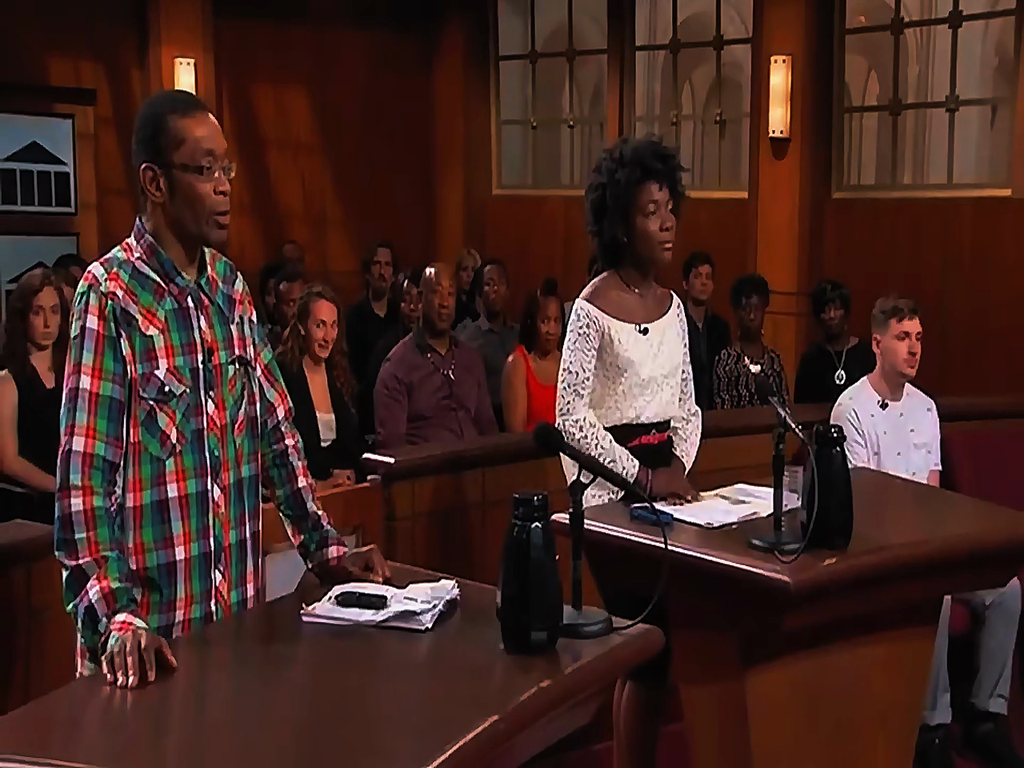
Williams described an incident that, if proven, could have supported a claim arising from physical harm. Yet she brought no medical evidence and had not sought medical treatment. Her testimony alone did not establish a compensable injury in the presentation before the court.
Both parties also tried to connect their claims to the wider rent conflict. Judge Judy declined to follow them there. She observed that neither side had paid rent as claimed and redirected the hearing toward the specific damages each party was asking the court to award.
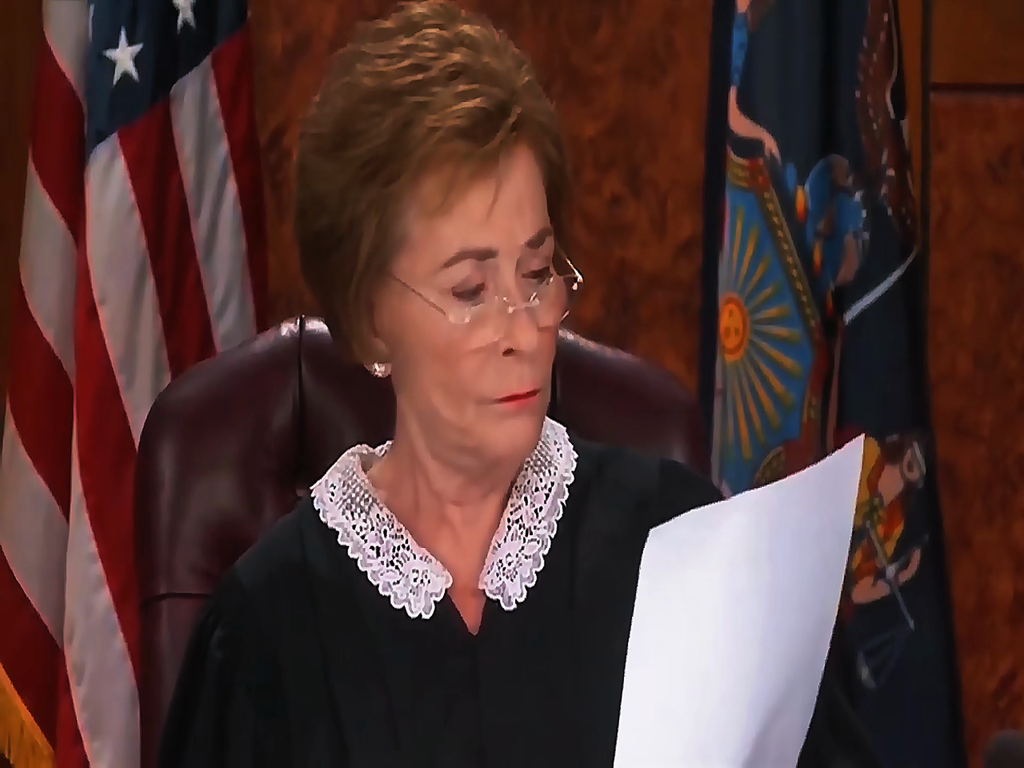
This focus prevented the case from turning into a general judgment about who had behaved worse inside the house. The question was narrower: did the plaintiff and counterclaimant bring reliable evidence of the losses for which they wanted money?
Neither did.
Why Both Claims Were Dismissed
Fordham’s claim was dismissed because he could not document the cost of replacing his bedroom locks. His spreadsheet and reference to a police report did not substitute for receipts or bills. The other losses he alleged—spoiled food and taken property—were not established with evidence during the portion of the case shown in the transcript.
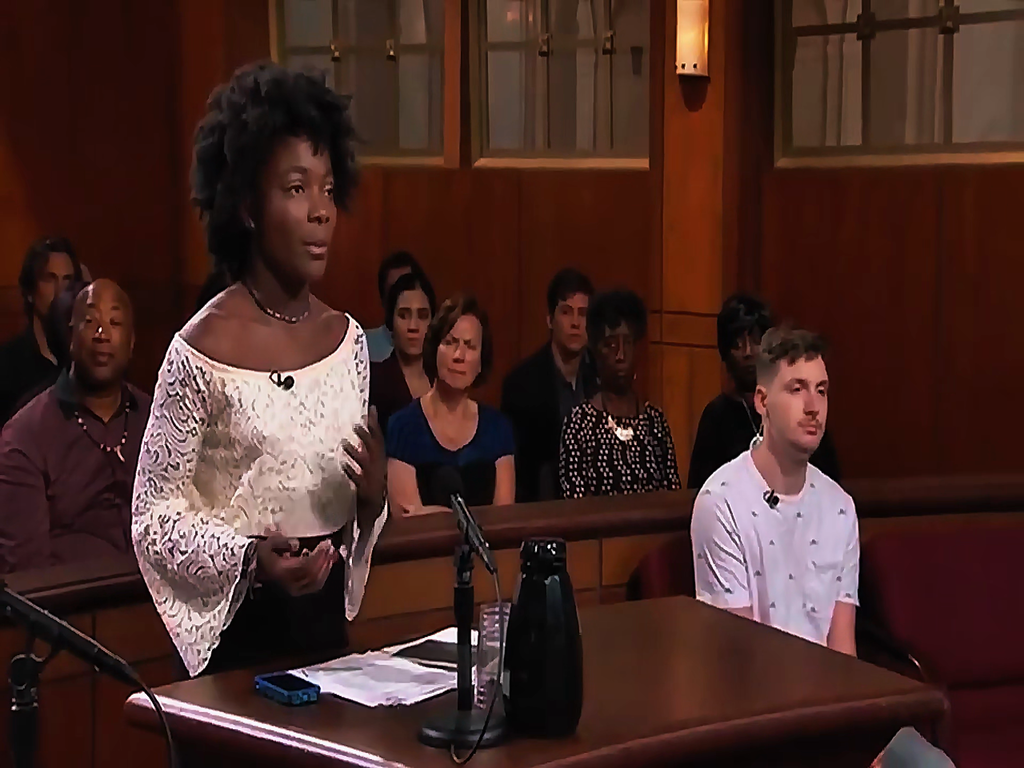
Williams’s counterclaim was dismissed after she confirmed that she neither visited a doctor nor possessed a medical report for the finger injury. The court therefore had no documented medical damages to assess.
The final ruling was simple: Fordham’s case was dismissed, Williams’s counterclaim was dismissed, and the proceeding was over. No damages were awarded to either side.
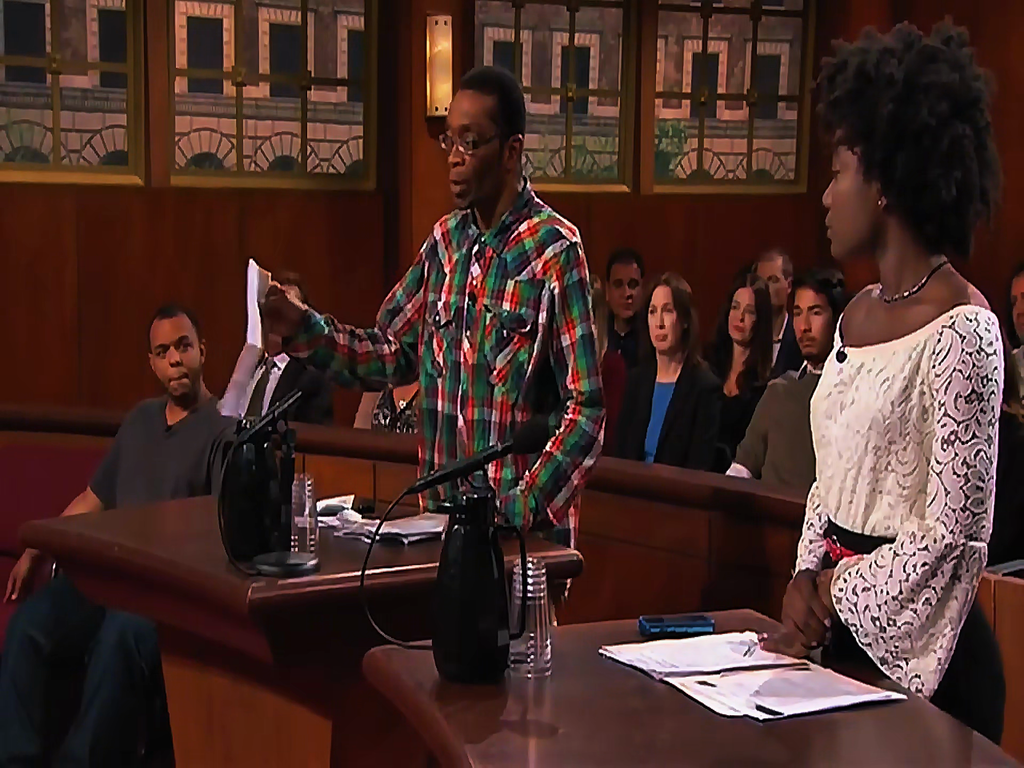
Outside the courtroom, their disagreement continued. Fordham accused Williams of lying and said that, two months after he arrived, there was no rent payment, no utility payment and no electricity for him and two other people. Williams said she shut off the power because she did not want to have to keep paying. She also returned to the unavoidable fact that hung over every argument: they were being evicted.
What the Case Reveals
This was not a conventional true-crime case involving a criminal conviction. It was a civil dispute about a deteriorating room-rental arrangement, presented through conflicting testimony and limited evidence. Still, it illustrates several recurring features of courtroom conflict.

Informal housing arrangements can leave authority unclear. The person collecting rent from a roomer may not own the property. A private bedroom lock can become a flashpoint when occupants disagree over who controls access. Utility payments and rent arrears can further turn an ordinary shared home into a space where each person feels excluded or exploited.
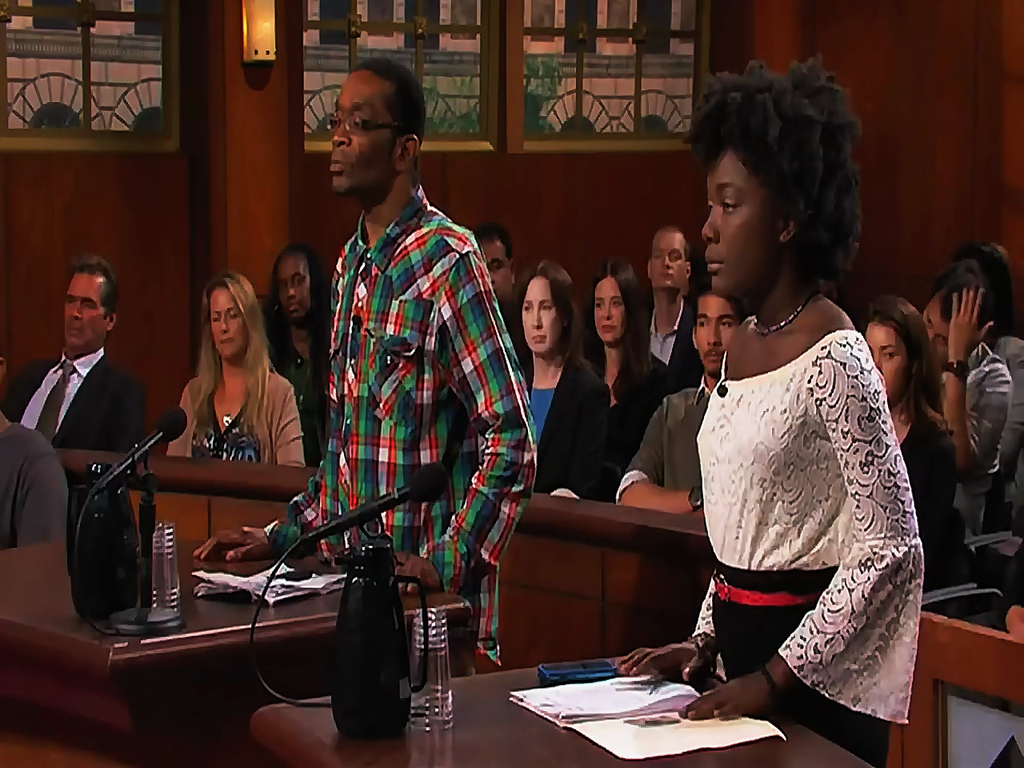
Most importantly, courts decide monetary claims through evidence. Photographs may show damage, a police report may record that a complaint was made, and testimony may explain what happened. But when a party asks for a specific financial award, receipts, invoices, medical records and other proof of measurable loss can be decisive.

Fordham and Williams entered court with sharply different accounts of the same household. They left with the same result: neither had proved the damages requested.
(uc.)
FAQ
Who were the parties in the Judge Judy room-rental dispute?
Brian Fordham was the plaintiff who rented a room in the house. Mardia Williams, identified as 20 years old, was the defendant who had rented the house from its owner and then rented a room to Fordham.
Why did Brian Fordham sue Mardia Williams?
Fordham sued over property damage related to locks on his bedroom door, food allegedly lost after the electricity was not paid, and property he said was taken from his room without permission.
What did Mardia Williams allege in her counterclaim?
Williams alleged that Fordham owed rent and that he injured her finger by closing a window while she was trying to enter the house. She sought punitive damages for assault.
When did the window incident happen?
Williams testified that the incident occurred on Sunday, July 16. Fordham said the property owner had told the occupants on July 6 that they had to leave by the end of July.
Why were both claims dismissed?
Fordham did not produce bills proving the cost of replacing the locks. Williams had not seen a doctor and had no medical report documenting her alleged finger injury. The court dismissed both claims and awarded neither party damages.
Sources
- Judge Judy, including the in-court testimony of Brian Fordham and Mardia Williams and the court’s ruling.
- No outside facts have been added. Where the parties disagreed, their statements are identified as allegations or testimony rather than established facts.