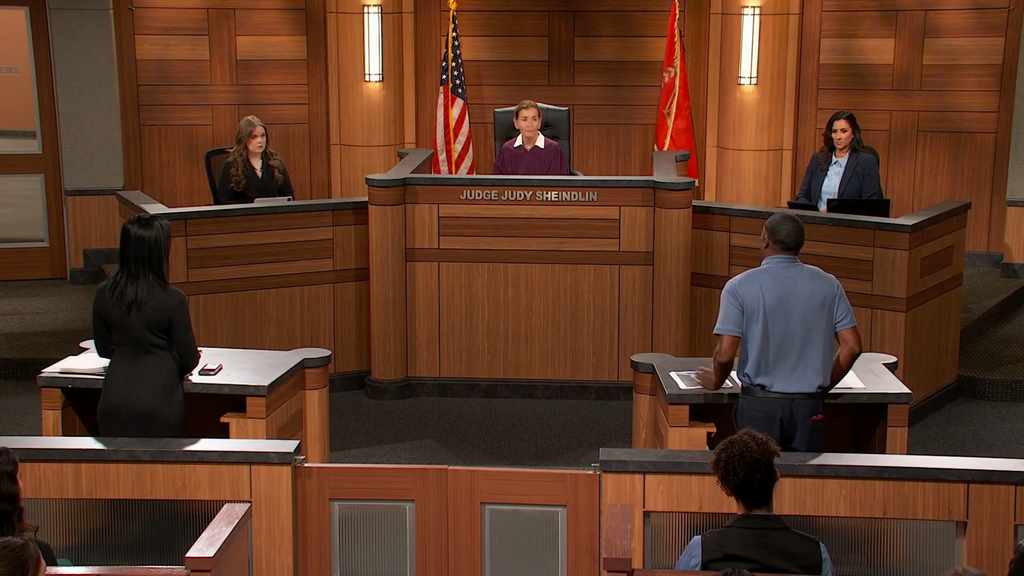
Marcus Paladore arrived in court with hospital records and photographs of a leg injury he said ex-girlfriend Kyla Percelle caused by throwing a porcelain cup. Kyla admitted throwing the cup but said she did it while escaping after Marcus allegedly pushed her onto a bed and choked her. Their April 2022 confrontation eventually produced protective orders, criminal proceedings and a plea. Two years later, Judge Judy refused to relitigate the entire relationship in civil court.
(uc.)
A Former Couple With a Child Together
Marcus Paladore and Kyla Percelle had been romantically involved and shared a young daughter. Their relationship had been unstable, and Marcus described their living arrangement after the child’s birth as being “off and on.” By the time they appeared before Judge Judy, however, the dispute had moved far beyond the ordinary disagreements of former partners.

Marcus was suing Kyla for medical expenses, lost wages and damages connected to what he characterized as false charges arising from a confrontation in 2022. Kyla filed her own counterclaim, including $2,000 related to what she alleged was an assault by Marcus as well as wages she said she lost attending court proceedings.
The central incident occurred on April 4, 2022. Both agreed there had been an argument connected to the care of their daughter and a babysitter. Both also agreed that Kyla eventually threw a porcelain cup that struck Marcus in the leg. Almost everything surrounding that moment, however, was disputed.
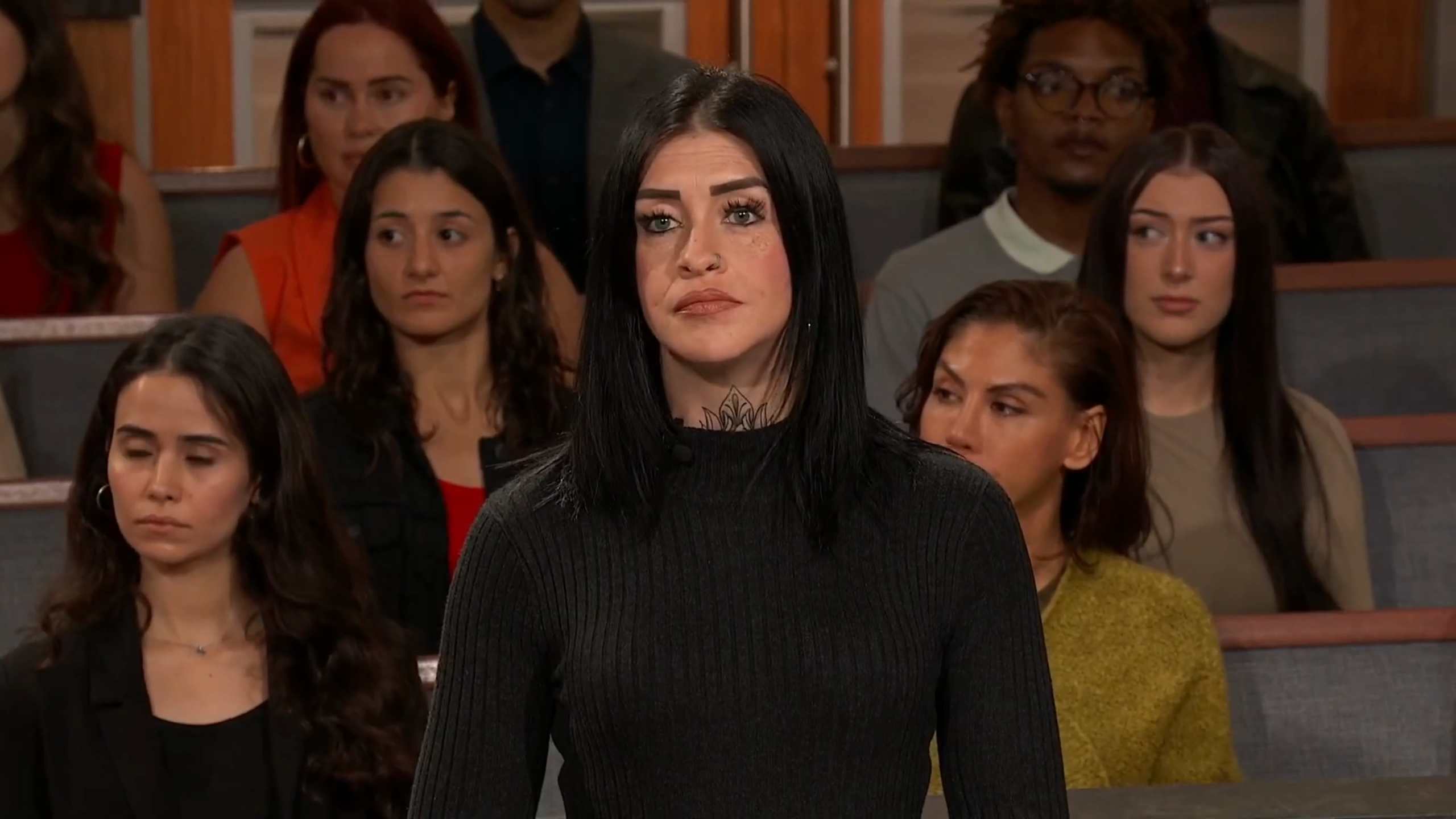
Judge Judy therefore had to examine two dramatically different descriptions of how the confrontation began and why the cup was thrown.
The April 4 Argument Begins Over Their Daughter
Marcus said he had concerns about the person caring for their daughter. He insisted he had never said the child could not stay with the babysitter; according to him, he merely wanted to discuss concerns about the arrangement. The argument began while Marcus and Kyla were in a car. Marcus testified that Kyla became angry and attempted to throw his insulin out of the vehicle, although she ultimately did not do so. Marcus has Type 1 diabetes, making the insulin particularly important.

When they arrived at Kyla’s residence, Marcus said she slammed the car door and walked inside while yelling and cursing at him. He followed her into the house and eventually into the bedroom. Marcus described himself as shocked by the intensity of her reaction because, from his perspective, he had simply been asking questions about their daughter’s care.
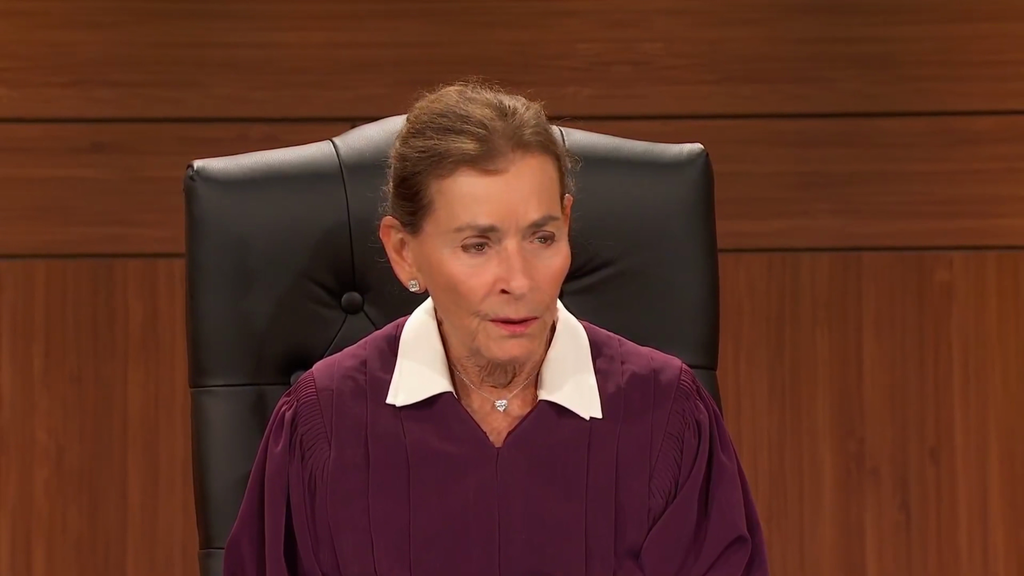
Kyla described the conflict differently. According to her, Marcus wanted to take her vehicle and pick up their daughter from the babysitter because he did not approve of the arrangement. She said she refused to let him take the car or retrieve the child. The disagreement then continued inside the bedroom as Kyla prepared to leave for work.
What happened there became the central factual dispute.
Marcus Says Kyla Hit Him Before Throwing the Cup
Marcus testified that he was leaning partly on the bed when Kyla became increasingly angry. He said she picked up a lamp and struck him with it three times. Marcus claimed he then wrapped his arms around Kyla only to stop her from continuing to hit him and released her when she dropped the lamp.

According to Marcus, he returned to the bed and Kyla attempted to swing at him again. He put his feet out to keep her away. Then, he said, Kyla picked up a porcelain cup from the nightstand. Marcus remembered warning her not to throw it, but she did.
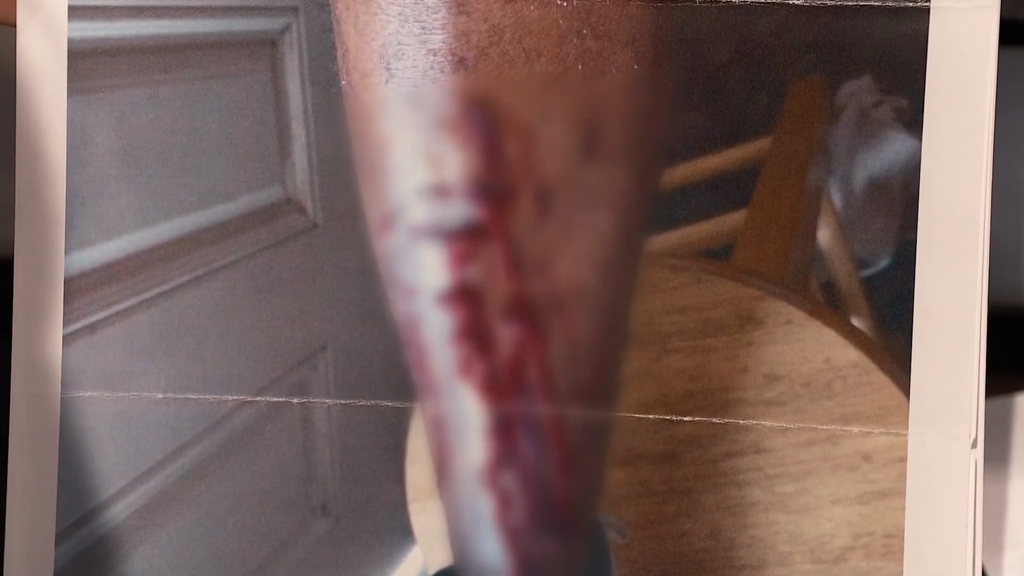
The cup struck his leg. Marcus testified that he heard a “pop,” felt numbness and looked down to see that his leg was bleeding. Kyla then grabbed her stethoscope and left for work. Marcus called a friend, who took him to the hospital.
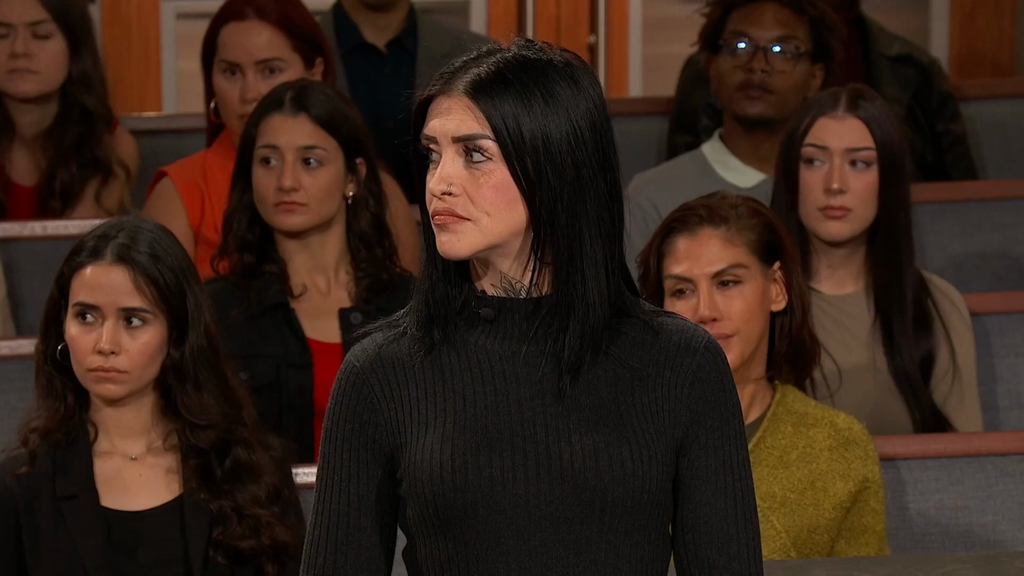
He produced hospital records for Judge Judy. The medical documentation confirmed that he had suffered an injury to his leg and also reflected his Type 1 diabetes. The physical injury itself was therefore not seriously disputed. The critical issue was why Kyla had thrown the cup.
Kyla Says Marcus Pushed Her Onto the Bed and Choked Her
Kyla admitted throwing the porcelain cup, but her version of the events leading up to it was almost the reverse of Marcus’. She testified that she was trying to retrieve her stethoscope and leave for work when Marcus blocked the bedroom doorway. The two were arguing about whether he could take her car and pick up their daughter.
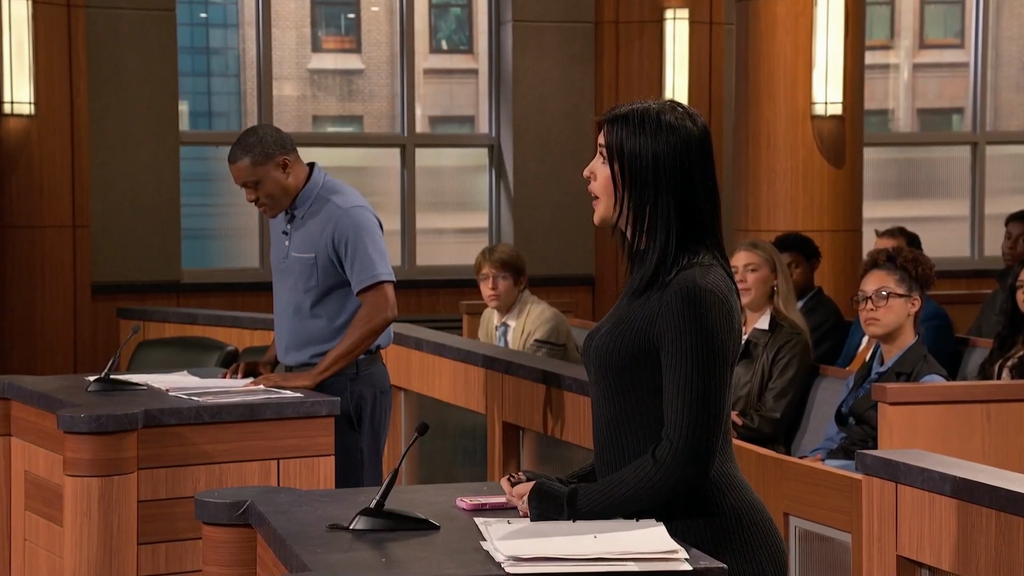
Kyla said she attempted to push past Marcus. According to her testimony, Marcus pushed her backward, threw her onto the bed and got on top of her. She alleged that he began choking her while she struggled to get free. Kyla said she believed she kneed him at some point, after which he got off her.
She then got up and ran toward the door. Kyla testified that Marcus followed her, so she grabbed the porcelain cup from the nightstand and threw it behind her as she fled. She got into her car and went to work.

That self-defense claim was critical. Marcus had clearly been injured by the cup, but if Kyla threw it while attempting to escape an assault, Judge Judy would have to evaluate the incident very differently from an unprovoked attack.
The photographs did not resolve the question.
The Physical Evidence Did Not Tell the Whole Story
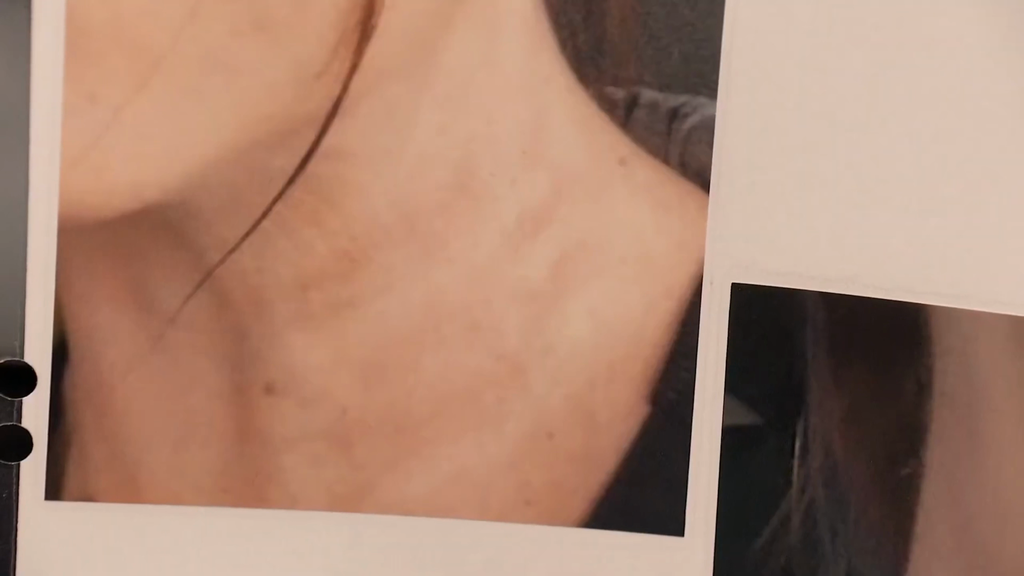
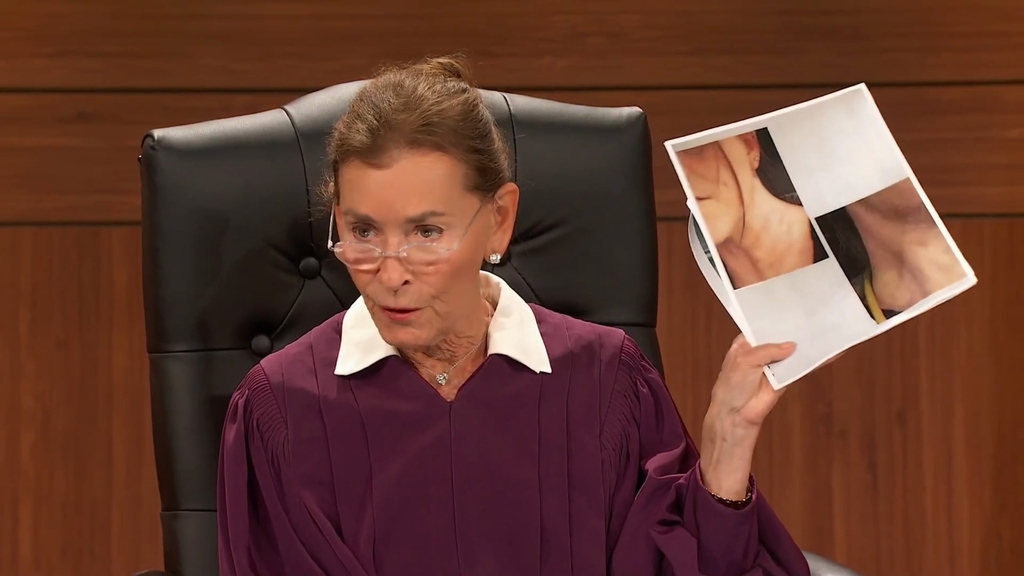
Judge Judy examined photographs Marcus presented of his injured leg and images Kyla said showed marks on her neck. Marcus’ injury was much more obvious. Kyla pointed to areas she said reflected fingernail scratches and handprints, but Judge Judy said some of the photographs did not show her much and asked for better images.
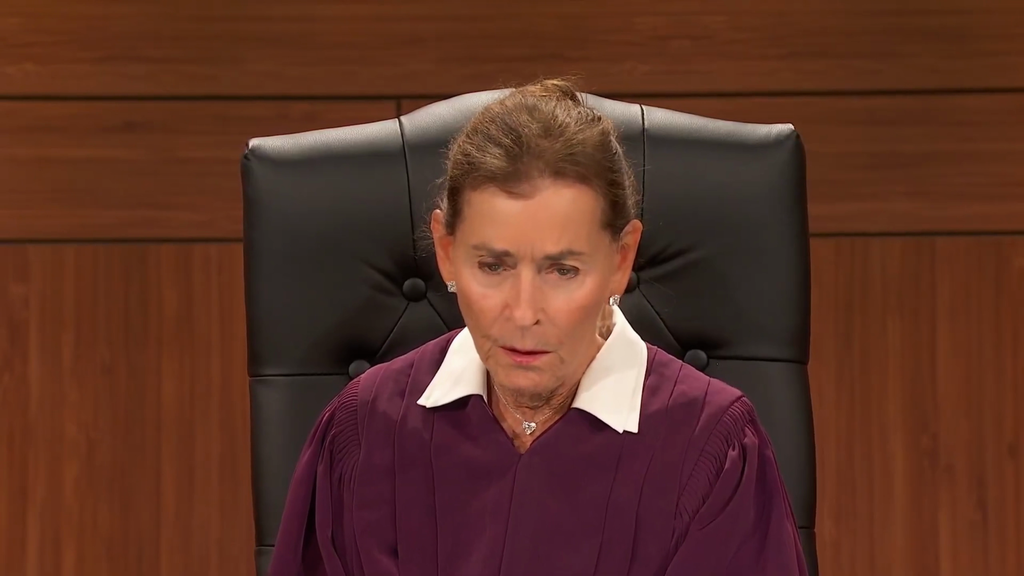
Kyla did not go to a hospital or doctor for the alleged neck injuries. In fact, she went to work that day and completed her shift. Judge Judy later emphasized this when evaluating Kyla’s counterclaim for damages. Marcus, by contrast, had gone to the hospital after the cup struck his leg.
But the difference in the severity of the injuries did not prove who initiated the physical confrontation. Judge Judy later made that point explicitly in the post-case discussion. She knew Marcus had ended up more seriously injured, but she did not know exactly what happened in the bedroom before the cup was thrown.

The case therefore could not be decided merely by comparing photographs.
Kyla Files for an Emergency Protective Order
While at work on April 4, Kyla went online and filed for an emergency protective order. She testified that she had told Marcus not to be at her house when she returned. According to Kyla, Marcus responded that because he received mail there, he lived there and she would have to evict him. Neither side produced those alleged text messages, and Judge Judy refused to treat them as established evidence.
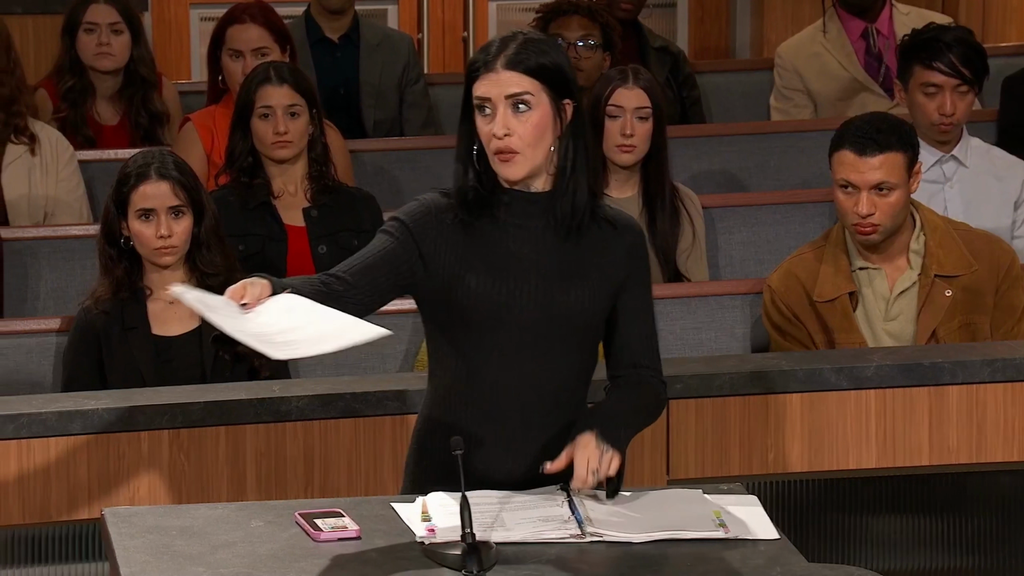
The protective-order application itself also did not contain the detailed narrative Judge Judy initially expected to find. Kyla instead presented a later police report. That report concerned a domestic-violence incident reported to police on April 6 but described events that had occurred on April 4.
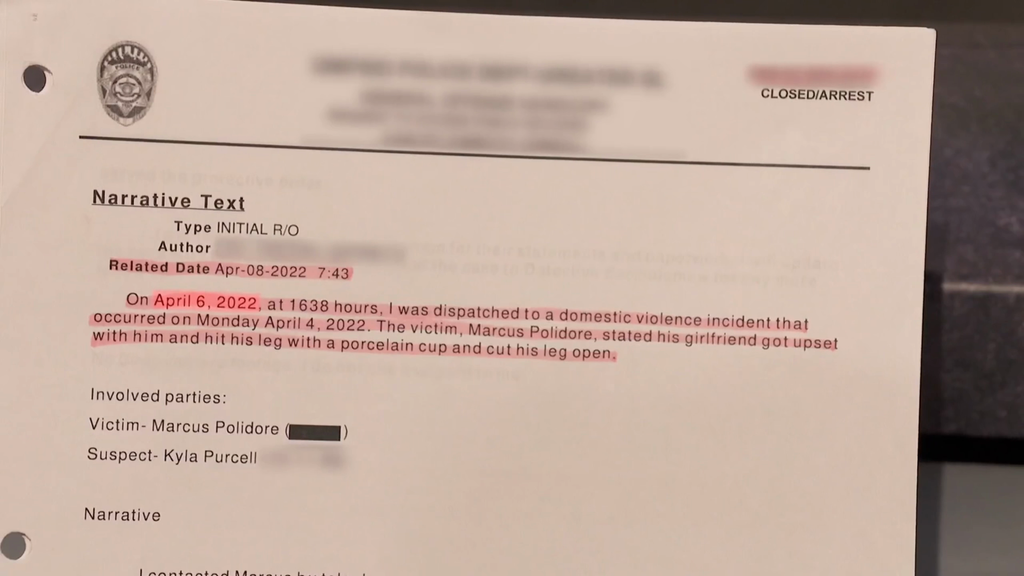
The police report identified Marcus as the victim of the cup injury. It also referenced messages police had seen in which Kyla apologized for hitting Marcus with the mug but stated that she would not have done so if he had not choked her.
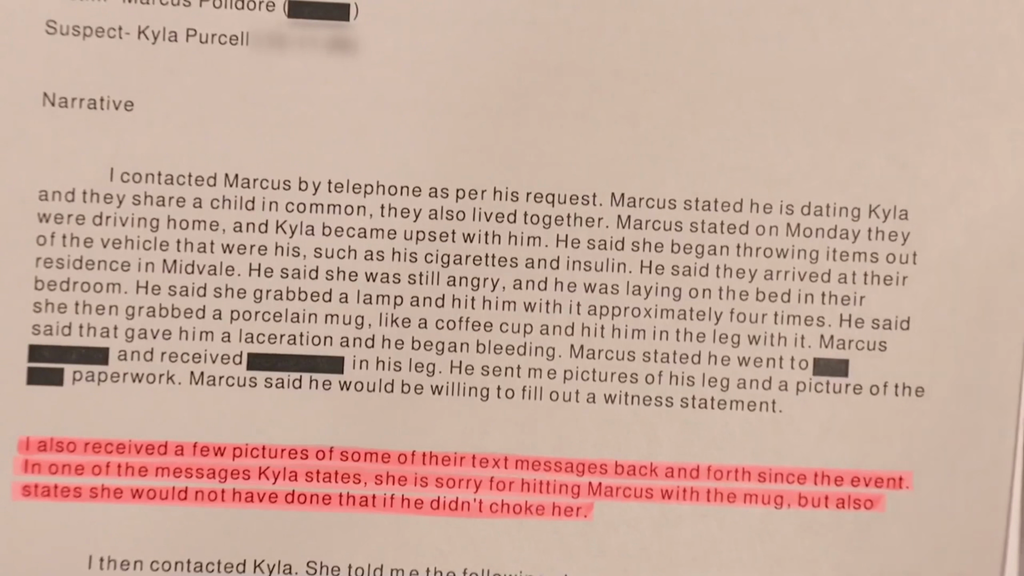
Those messages supported two facts already largely admitted in court: Kyla had caused the cup injury, and she was claiming from the beginning that her action followed an alleged choking incident.
The dispute then expanded into a much longer legal battle.
More Protective-Order Problems Followed
The parties’ conflict did not end with the April 4 incident. The transcript describes subsequent allegations that Marcus violated protective-order restrictions. One later dispute involved their daughter, while another involved Marcus going to Kyla’s home after asking whether she had insulin he could retrieve.
Kyla testified that she placed insulin outside on the porch and told Marcus to pick it up and leave. According to her, Marcus instead entered the house. She initially allowed him approximately 10 minutes because their infant daughter appeared happy to see him, but she said another confrontation followed when he began drinking alcohol and did not want to leave. Kyla further alleged that beer was poured on their infant during that incident.
Marcus disputed significant parts of Kyla’s descriptions of these events. Judge Judy therefore turned away from the competing narratives and focused on something more concrete: what had actually happened when the criminal and protective-order matters were resolved in court.
That occurred in January 2024.
Marcus Took a Plea in January 2024
Judge Judy reviewed records showing that Marcus had resolved the outstanding proceedings by pleading guilty to violating a temporary protective order. The remaining charges were dismissed with prejudice, and Kyla received a permanent protective order.

Marcus emphasized that the other charges had been dismissed and continued maintaining that there had never been sufficient evidence against him regarding the original assault allegations. He told Judge Judy he had fought the case for two years. In his view, the dismissal of those other allegations supported his position that Kyla should now compensate him for his leg injury and related losses.
Judge Judy saw the procedural history differently.
Marcus had been represented and had an opportunity during the earlier proceedings to insist that the original allegations be tested at trial. Instead, the overall matter had been resolved through a plea to violating the protective order while the other charges were dismissed. Judge Judy was unwilling to use a later civil lawsuit to reopen all of the unresolved factual questions surrounding the original confrontation.
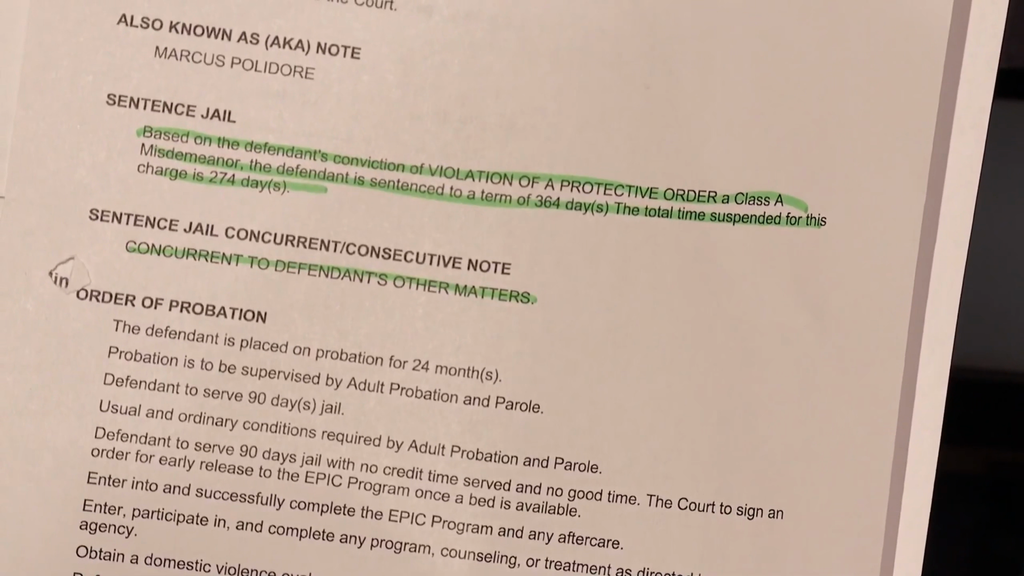
The permanent protective order remained in place, and the transcript indicates an expiration date so distant that Judge Judy joked it appeared to run until the year 3000.
Kyla’s Counterclaim Had Its Own Evidence Problems
Kyla sought lost wages connected to five court appearances as well as approximately $2,000 for the assault she said Marcus committed against her. Judge Judy rejected the lost-wages theory immediately. Missing work to attend court proceedings did not entitle Kyla to the damages she was seeking from Marcus in this case.
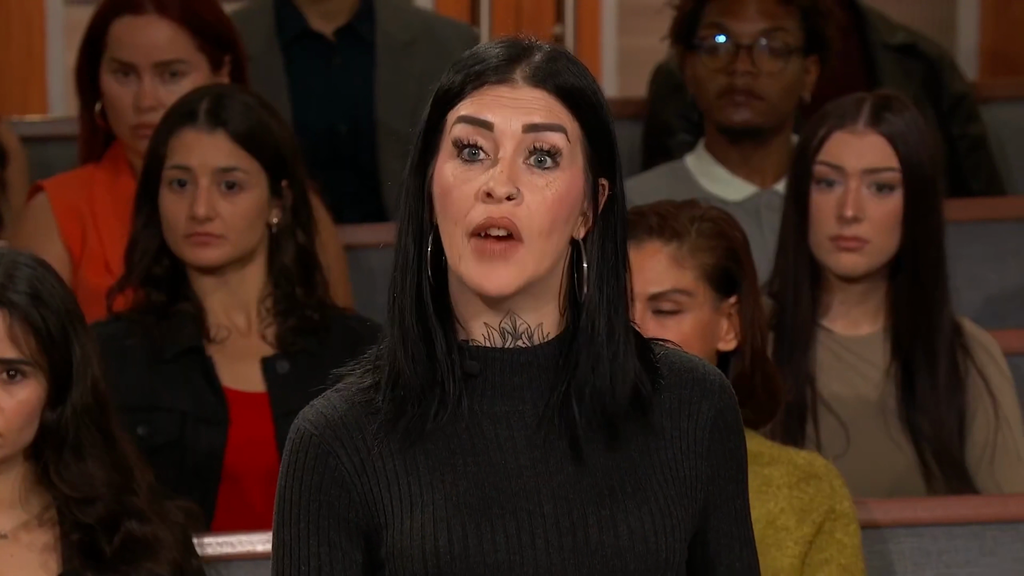
The alleged assault damages were also poorly supported. Kyla acknowledged that she had not gone to a doctor or hospital for the marks she attributed to Marcus. Judge Judy found the marks difficult to see in the photographs, and Kyla had gone to work after the April 4 incident without missing her shift.
That did not mean Judge Judy found that Kyla had fabricated the choking allegation. The judge explicitly said later that she did not know whether it happened. Rather, Kyla had not established the type of compensable injury necessary to support the $2,000 civil counterclaim she was pursuing.

Just as Marcus could not use the civil case to conclusively establish his preferred version of the disputed bedroom confrontation, Kyla could not transform her allegations into a damages award without sufficient proof.
The Case Turns Toward Their Daughter
Near the end of the hearing, Judge Judy asked Marcus whether he regularly saw his daughter. He said he did not. The permanent protective order apparently allowed him to see the child under specified conditions involving contact with the mother, but Marcus said his efforts to reach Kyla’s mother had not produced results.

Marcus then said he intended to file for visitation as soon as he left court. Judge Judy told him that was a very good idea.
Marcus explained that he had needed time to rebuild his life after the previous legal proceedings, saying he had lost his job and faced other setbacks. Now that he was working again, he believed he was in a position to seek visitation.
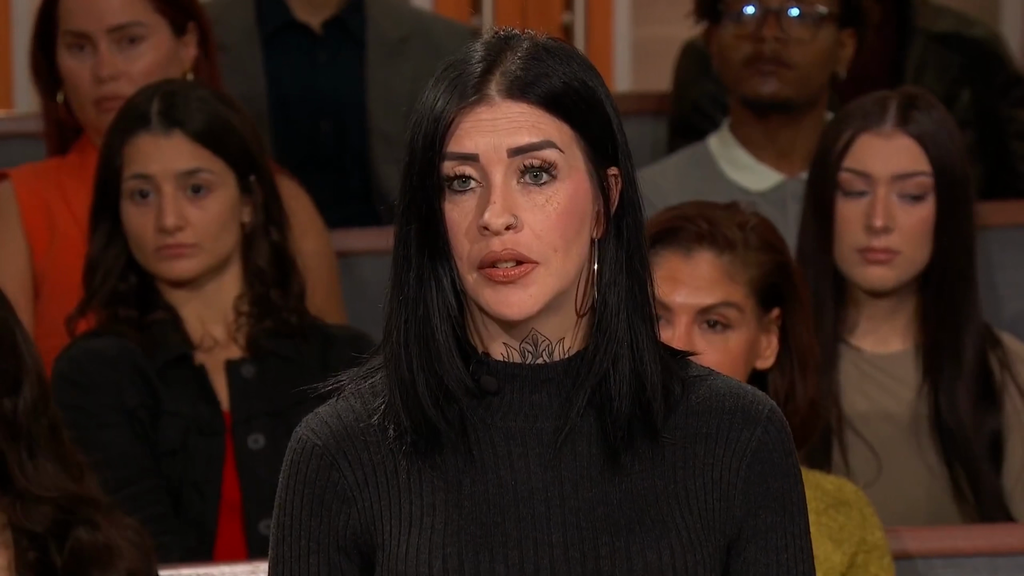
Judge Judy made clear that the proper place to resolve those issues was family court, not the civil case in front of her. If Marcus wanted enforceable visitation with his daughter, he needed to pursue the appropriate family-court process rather than trying to resolve that problem through a damages lawsuit against Kyla.
Judge Judy Dismisses Both Claims
Marcus continued insisting that Kyla owed him money for the leg injury. Judge Judy returned to the same problem that had dominated the hearing: she could not reliably determine what happened during the original confrontation before Kyla threw the cup.

Marcus had an opportunity during the earlier proceedings, with legal representation, to contest the allegations and seek a full determination of the events surrounding the protective order. Instead, the matters had been resolved through a plea agreement. Judge Judy was not prepared to revisit those unresolved issues in a new civil forum and award Marcus money based on one version of the confrontation.
She dismissed Marcus’ claim.
Kyla did no better. Her lost wages from attending court were not recoverable on the theory she presented, while her claimed assault damages lacked medical treatment and convincing proof of compensable injury.
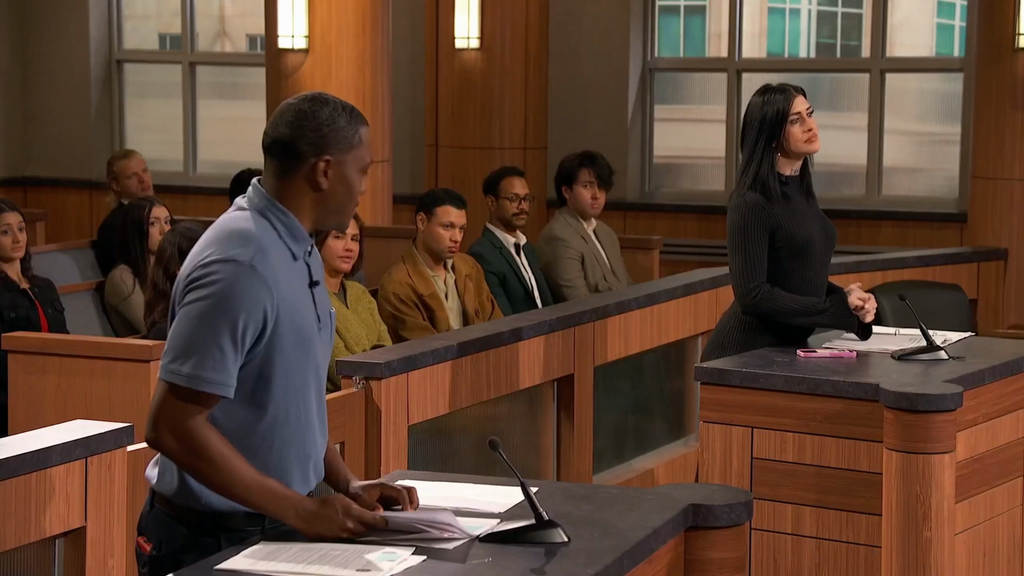
Judge Judy dismissed Kyla’s counterclaim as well.
Neither party received money.
Why the Hospital Records Were Not Enough
The post-case discussion clarified one of the most important points in the ruling. Marcus had real evidence of injury. His leg was visibly hurt, he went to the hospital promptly and he had medical records. Normally, that type of documentation can be powerful evidence in a civil injury case.
But proof of an injury is not automatically proof of legal liability.

Even Marcus’ own description established that an argument had begun in the car, continued into Kyla’s home and moved into the bedroom. Kyla was furious. Marcus followed her inside. Their stories then diverged completely. Marcus said Kyla attacked him with a lamp and later threw the cup. Kyla said Marcus blocked her exit, pushed her onto the bed and choked her before she threw the cup while escaping.
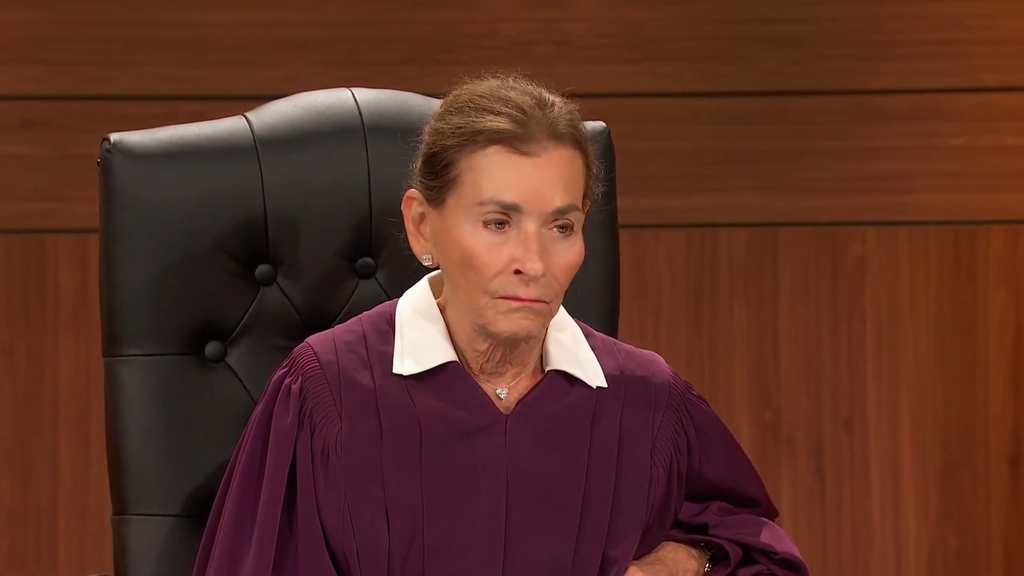
Judge Judy knew Marcus was more seriously injured. She also knew that Kyla had been sufficiently concerned after the confrontation to file online for a protective order while she was at work. The police later saw messages in which Kyla acknowledged hitting Marcus while simultaneously asserting that he had choked her.
That was not enough for Judge Judy to confidently reconstruct the physical encounter two years later.
A Civil Court Was Not the Place to Start Over
The broader reason for the dismissal was procedural as much as factual. Marcus had spent two years dealing with the criminal and protective-order proceedings. He eventually entered a plea to violating a temporary protective order, other charges were dismissed with prejudice and a permanent protective order was entered.

Judge Judy believed he had already possessed the opportunity to litigate the underlying issues with a lawyer. If Marcus wanted a trial over whether Kyla’s original allegations were true, that earlier proceeding was where he should have insisted on having the matter tested rather than later attempting to obtain damages through a separate civil lawsuit.
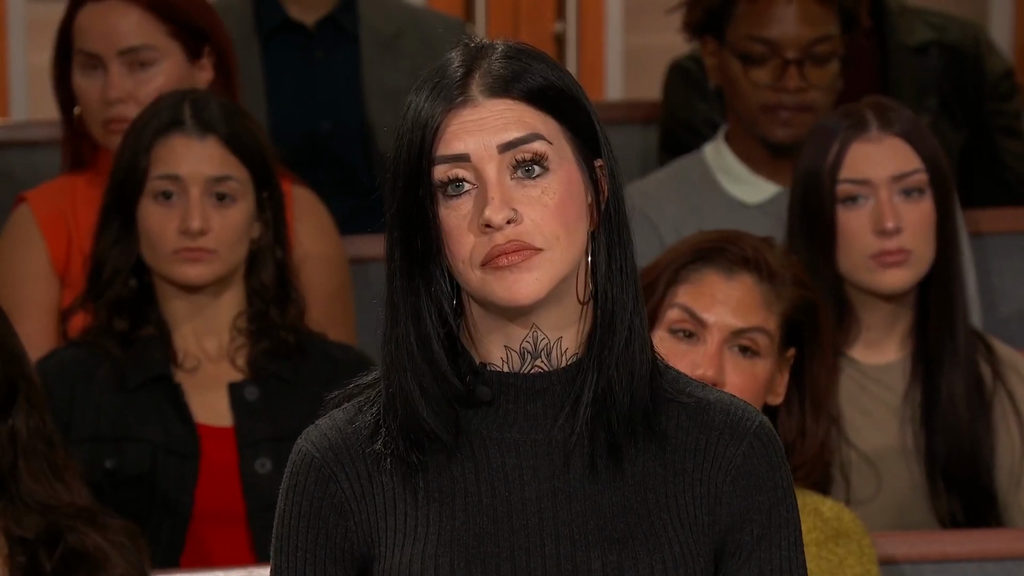
The court was equally unwilling to reward Kyla simply because she had obtained the protective order. Her own counterclaim still required proof, and Judge Judy found the claimed lost wages and physical damages insufficient.
The result left both former partners exactly where they had entered financially: Marcus’ claim dismissed, Kyla’s counterclaim dismissed.
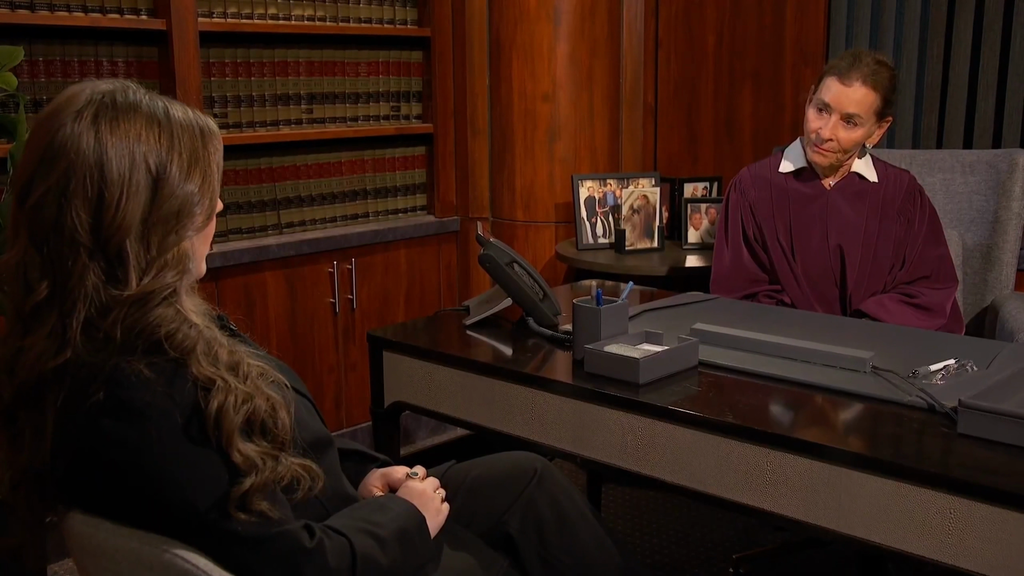
The only concrete direction Judge Judy offered for the future concerned their daughter. Whatever had happened between Marcus and Kyla, their visitation dispute belonged in family court. For Marcus, Judge Judy suggested that should be his next stop.
(uc.)
FAQ
Why did Marcus Paladore sue Kyla Percelle?
Marcus sought compensation for medical bills, lost wages and other damages connected to the April 4, 2022 confrontation in which a porcelain cup thrown by Kyla injured his leg.
Did Kyla admit throwing the porcelain cup?
Yes. Kyla acknowledged throwing the cup, but said she did so while attempting to escape after Marcus allegedly pushed her onto a bed and choked her. Marcus denied that version and said Kyla had attacked him.
Did Judge Judy decide whether Marcus actually choked Kyla?
No. Judge Judy explicitly indicated that she did not know whether the alleged choking occurred. The evidence before her did not allow her to confidently determine exactly what happened during the disputed bedroom confrontation.
What happened in the earlier protective-order proceedings?
In January 2024, Marcus pleaded guilty to violating a temporary protective order. The other charges were dismissed with prejudice, and Kyla received a permanent protective order.
Who won the Judge Judy case?
Neither party received damages. Judge Judy dismissed Marcus’ claim and Kyla’s counterclaim and advised Marcus to pursue visitation issues involving their daughter in family court.
Sources
Judge Judy, including Marcus Paladore’s account of the April 4, 2022 confrontation, Kyla Percelle’s self-defense claim, hospital and photographic evidence, the police report, protective-order proceedings, Marcus’ January 2024 plea, Kyla’s counterclaim and Judge Judy’s dismissal of both sides’ claims. Because the parties give conflicting accounts of the physical confrontation, disputed conduct is attributed to the person alleging it rather than presented as established fact.