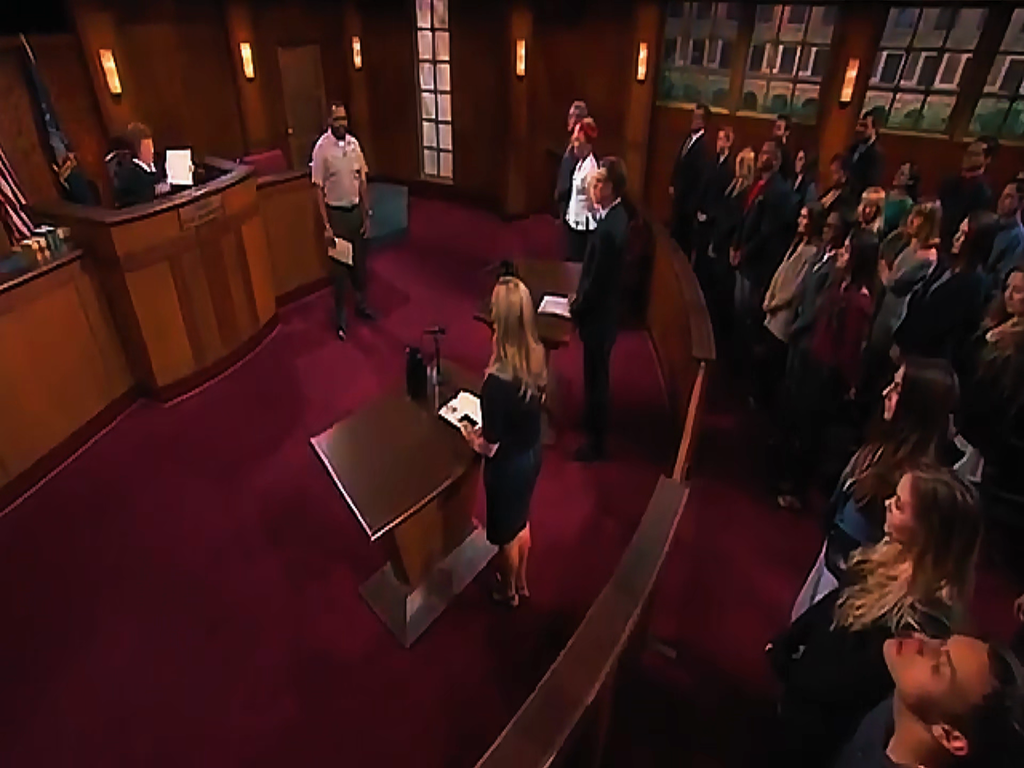
Thomas Riley had spent months helping his sister while she battled cancer, driving her to medical appointments and assisting her through a devastating period. After her death, however, another painful conflict began. Their cousin, Anna Wells, inherited the estate and later claimed valuable property had disappeared from the condominium while an expensive Sleep Number bed had been damaged. Suspicion fell on Thomas, an insurance investigation followed, and he hired an attorney. But once Judge Judy examined Anna’s police report and the timeline behind it, the case began to look very different.
(uc.)
A Family Already Dealing With Loss
Before the courtroom accusations began, the family had already been through a difficult period. Thomas Riley and his wife had been living in Florida before relocating to California, where his wife was involved in an ongoing contracting project. Thomas’s sister was also in California and had been diagnosed with cancer.

Thomas testified that he became involved in caring for her during the months before her death. He drove her to medical appointments and helped with other needs while she was ill. His sister was unmarried and had no children, making the disposition of her estate especially significant after she died.
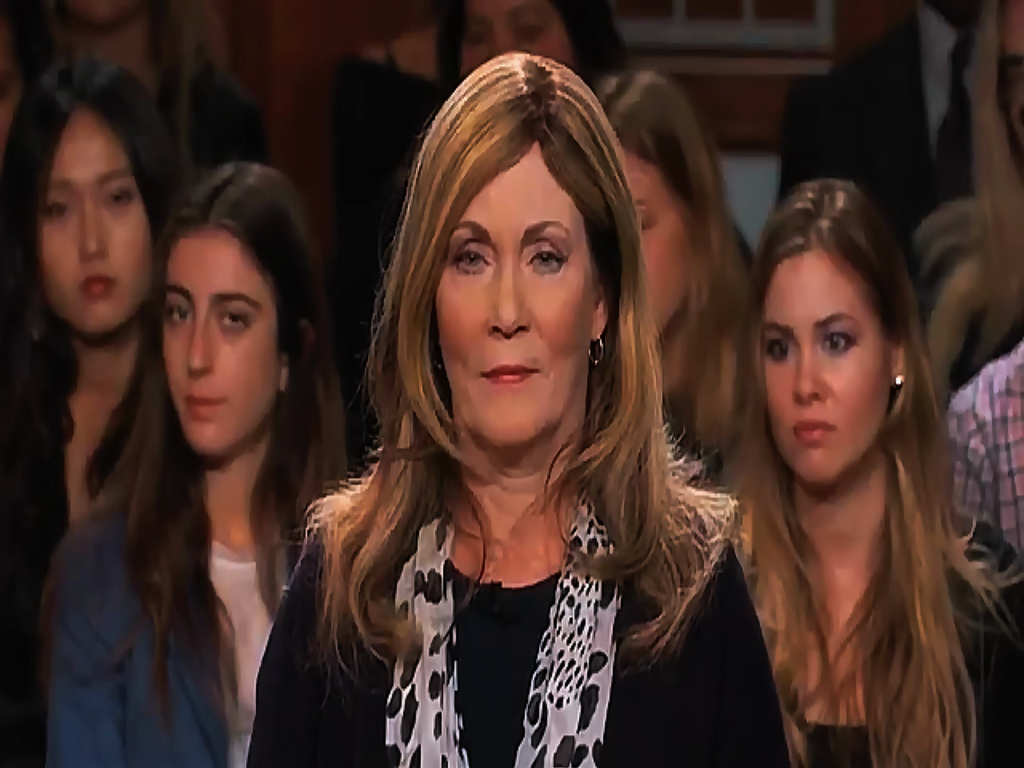
Thomas discovered that his sister had left her estate not to him, but to their cousin, Anna Wells. Thomas had been named trustee, while Anna was the beneficiary. Judge Judy quickly recognized that the arrangement created fertile ground for a serious family dispute. Thomas denied that his feelings were about wanting the inheritance for himself, but there was no question that tension developed over how the estate was being handled.

Eventually, that disagreement moved beyond trust administration and became something much more serious: allegations of missing property and deliberate damage.
Anna Takes Control of the Estate
Anna became dissatisfied with Thomas’s handling of the trust because she believed money was being dissipated. Control of the estate eventually shifted, and Anna gained access to the condominium that had belonged to Thomas’s sister.

According to Anna, she discovered that numerous belongings were missing. The items discussed in court included electronics, household property, a bicycle and a purse. One of the most expensive pieces involved was a Sleep Number bed valued at approximately $6,000.
Anna also claimed the bed had been damaged. Part of the mattress appeared to have been cut, and she did not believe the damage was accidental.
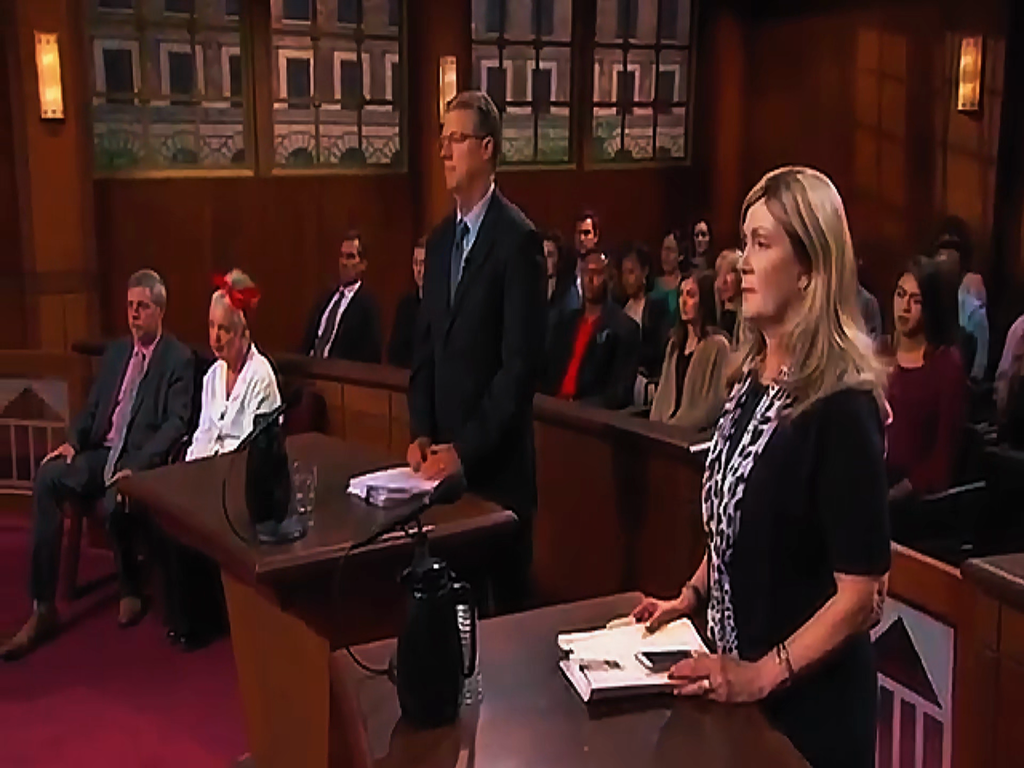
Because Thomas had previously had access to his sister’s condominium, Anna began to suspect that he was responsible. The accusation was significant: this was no longer merely an argument over whether a trustee had properly managed an estate. Anna was suggesting that Thomas might have removed property and deliberately damaged something valuable.

Judge Judy wanted to know what evidence supported that conclusion. That question would become the turning point of the case.
Anna’s Suspicion Was Not Proof
Judge Judy examined the sheriff’s department report connected with Anna’s allegations. Rather than relying on how either party characterized it in court, she focused on what Anna had actually told law enforcement at the time.
The report indicated that Anna suspected Thomas. But it also contained an important qualification: Anna did not know for certain whether Thomas had taken the missing property or damaged the mattress.

That distinction mattered enormously. There is a major difference between saying someone had access to a property and saying there is evidence that person stole or damaged something inside it. Anna had a theory about Thomas, but the report did not establish that she had witnessed him remove anything, seen him damage the mattress or possessed direct evidence proving he was responsible.
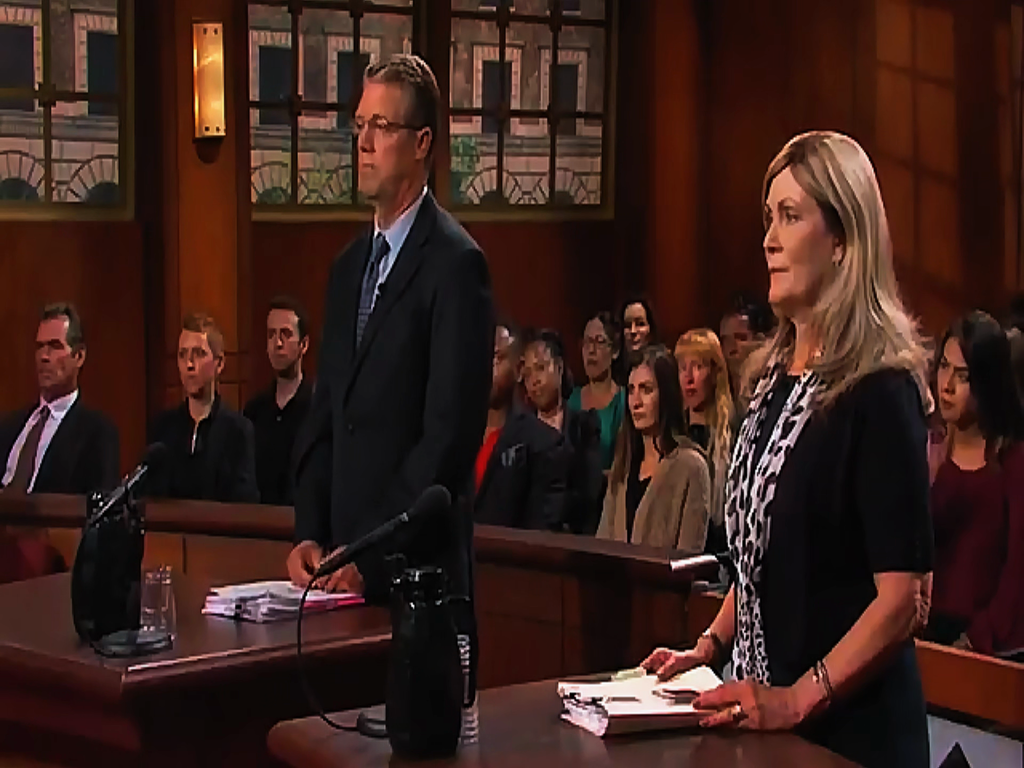
Judge Judy also learned that Anna did not want Thomas prosecuted or contacted by police. Instead, she wanted the incident documented for insurance purposes.
That immediately shifted the context of the police report. Anna was not reporting Thomas because she could prove he had committed the acts she suspected. She was documenting missing and damaged property while pursuing an insurance claim. Judge Judy then turned to the timeline.

The Delay in Reporting Becomes a Major Problem
Anna disputed parts of the chronology surrounding when she first gained access to the condominium. She maintained that the first time she was actually at the apartment was June 24. Judge Judy nevertheless focused on the gap between Anna becoming aware of the alleged losses and her eventual police report.
The delay was roughly two months.
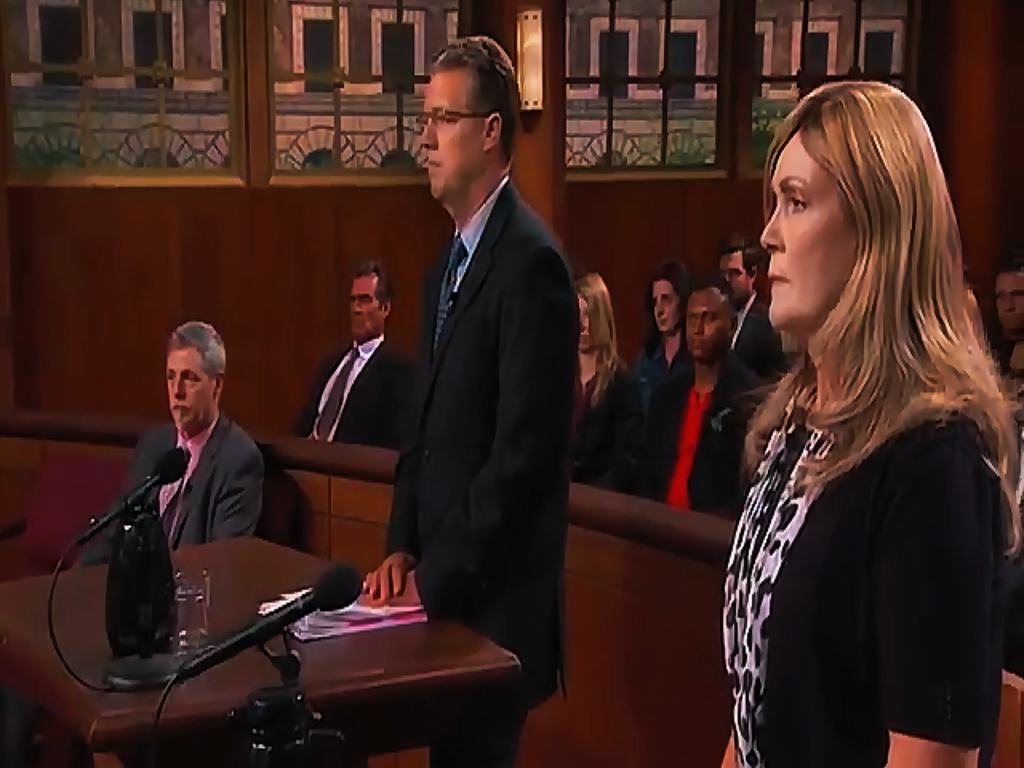
For Judge Judy, that was difficult to understand. Anna was describing a situation in which she had inherited a condominium, discovered valuable property missing and found what she believed was deliberate damage to an expensive bed. If she genuinely believed Thomas had entered the property, taken items and intentionally damaged a mattress worth thousands of dollars, Judge Judy questioned why law enforcement had not been contacted immediately.

Anna attempted to explain the delay. She referenced discussions with her attorney and suggested there had been confusion about where the report needed to be filed. But those explanations did not persuade the judge.
Judge Judy’s reaction became unmistakable: “I don’t believe you.”
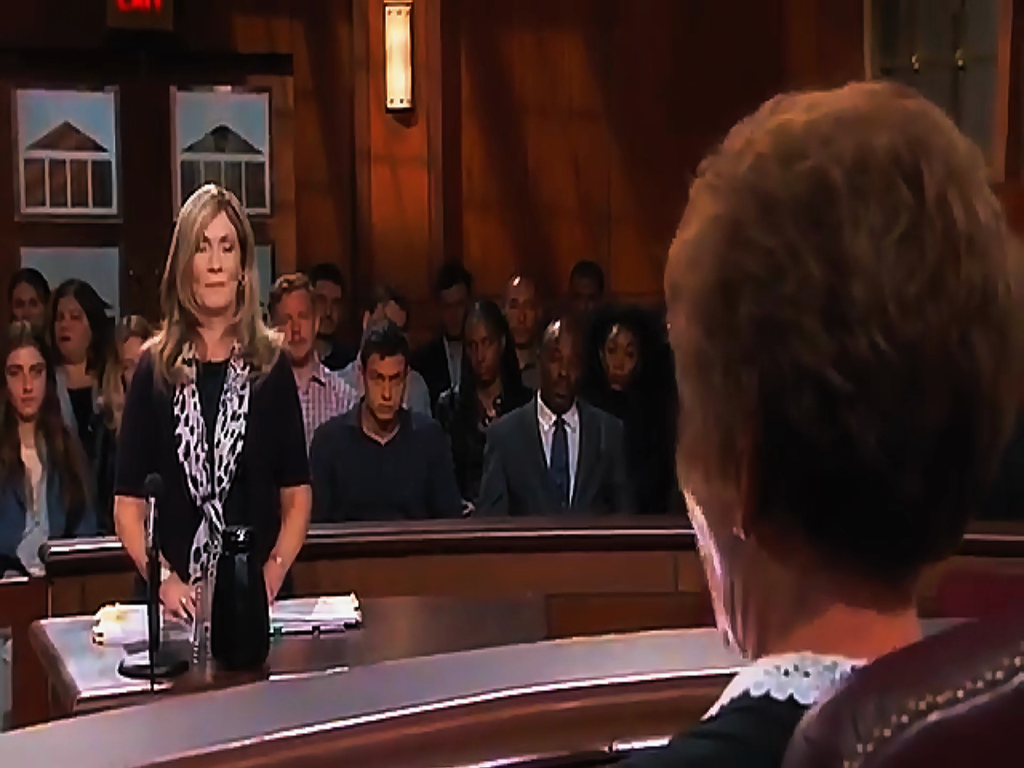
It was a crucial credibility determination. The judge was not merely asking whether items had gone missing from the condominium. She was evaluating whether Anna had sufficient grounds to direct responsibility toward Thomas and whether her later account made sense when compared with her own earlier report.
The Insurance Claim Adds Another Layer
The insurance component made the case even more complicated. Anna testified that the insurance company ultimately paid approximately $16,000 for the property reported missing or damaged.

Judge Judy established that Anna had not personally purchased the original items. They had belonged to Thomas’s sister and became part of the estate Anna inherited. Anna therefore benefited from the insurance coverage after assuming control of that estate.
The condominium was later sold as well. The transcript contains some ambiguity around the exact transaction figures, so they should not be overstated. Anna did acknowledge receiving approximately $120,000 net, while also describing roughly $75,000 in expenses connected with mortgage payments, homeowners association fees, late fees and other costs.

Judge Judy was not interested in turning the hearing into a complete audit of the estate. Her focus remained narrower: Anna had accused Thomas of involvement in missing and damaged property, those accusations had consequences for him, and Anna’s own evidence did not convincingly establish that he was responsible.
Anna nevertheless had a counterclaim seeking additional compensation. Judge Judy was not persuaded by that either.
Anna’s Counterclaim Fails
Anna sought money involving several issues, including funds she believed should be returned, an insurance deductible and car insurance. The broader family financial history had clearly become tangled with the estate dispute, but Judge Judy refused to award Anna damages simply because the cousins had unresolved grievances.

The judge repeatedly returned to proof. Anna’s suspicions about Thomas did not establish that he had taken the property. Her belief about the damaged mattress did not prove who cut it. The police report itself acknowledged uncertainty, and the timing of that report damaged her credibility in Judge Judy’s eyes.

The fact that Anna had already received approximately $16,000 from the insurer also formed part of the overall context. She had successfully presented a loss to the insurance company, but that did not automatically make Thomas legally responsible for causing it.
Anna’s counterclaim was ultimately dismissed. Thomas, however, had a concrete expense directly connected to the accusations.
Thomas Had to Hire an Attorney
Once Thomas became associated with allegations involving theft and property damage, he hired an attorney. He told the court that he needed legal representation to deal with the situation and protect himself during the insurance-related investigation.
The bill was $800.

Compared with the other numbers discussed during the hearing — the $6,000 bed, the $16,000 insurance payment and the value of the estate — $800 might have appeared relatively small. But Judge Judy viewed it differently because Thomas could document the expense and connect it directly to the accusations that had been made against him.
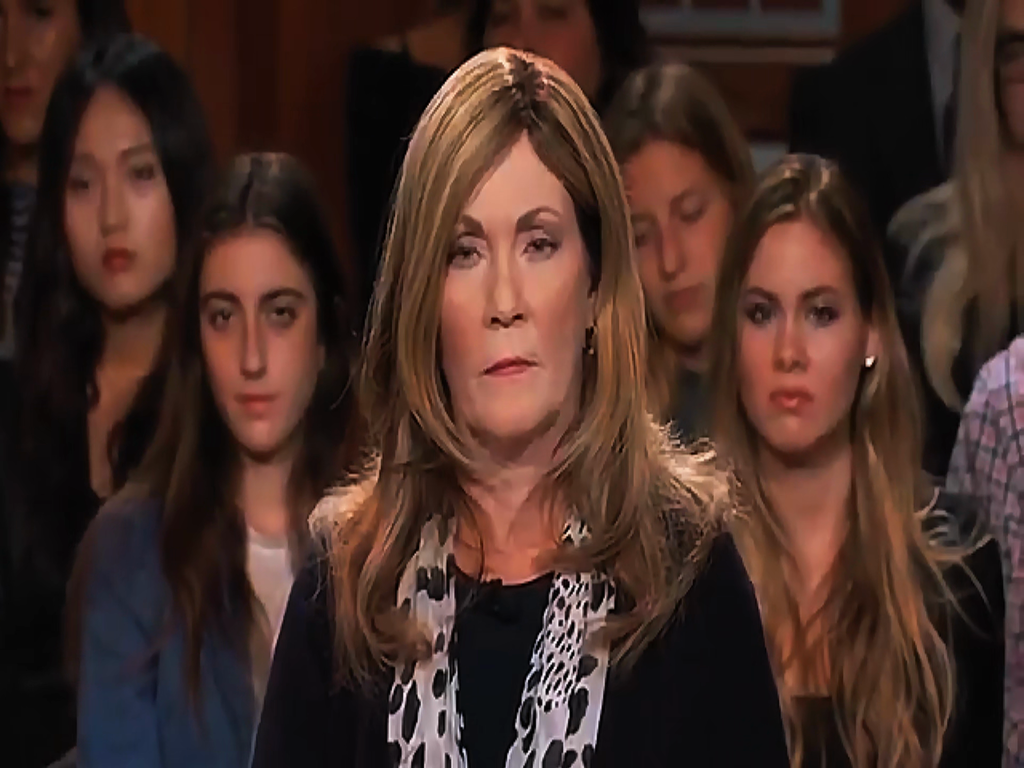
Judge Judy asked to see the attorney bill. Once she reviewed it, the remaining argument over Anna’s photographs and missing property was effectively over. She was satisfied that Thomas had incurred the legal expense and unconvinced that Anna had established he was responsible for the alleged theft or vandalism.

The family conflict had started with an inheritance and escalated into allegations carrying much more serious implications. In the end, the only financial loss Judge Judy was prepared to recognize in this case was the money Thomas spent defending himself.
Judge Judy Awards Thomas $800
Judge Judy entered judgment for Thomas Riley in the amount of $800, covering his attorney fees. Anna Wells’s counterclaim was dismissed.
The decision did not mean Judge Judy determined exactly what happened to every item that disappeared from the condominium. Nor did the ruling establish who damaged the Sleep Number bed. The transcript did not provide sufficient proof to answer those questions definitively, and Judge Judy did not need to solve them to resolve the lawsuit before her.
Instead, the case turned on the gap between suspicion and evidence.

Anna believed Thomas might have been responsible because he had access to the property. Yet her own police report acknowledged that she did not know whether he had taken the items or damaged the mattress. She waited an extended period before filing that report, did not want Thomas prosecuted or contacted, and stated that she wanted documentation for insurance purposes.

For Judge Judy, those circumstances made Anna’s accusations against Thomas unconvincing.
Thomas, meanwhile, could show a specific consequence. He had been drawn into the matter strongly enough that he retained an attorney and paid $800. That was the amount Judge Judy awarded him.
When a Family Dispute Becomes an Accusation
What made the case compelling was how quickly grief, inheritance and suspicion became intertwined. Thomas had been involved in caring for his sister before she died. Afterward, he learned that Anna was the beneficiary of the estate while he had been placed in the role of trustee. Disagreements over the trust followed, and once Anna gained control of the condominium, missing belongings created an entirely new source of conflict.

But courts do not decide cases based solely on which theory feels plausible. Having access to a home does not establish theft. A damaged mattress does not identify the person who damaged it. Even an insurance payment proves that a covered loss was accepted by an insurer; it does not, by itself, prove that a particular relative caused that loss.
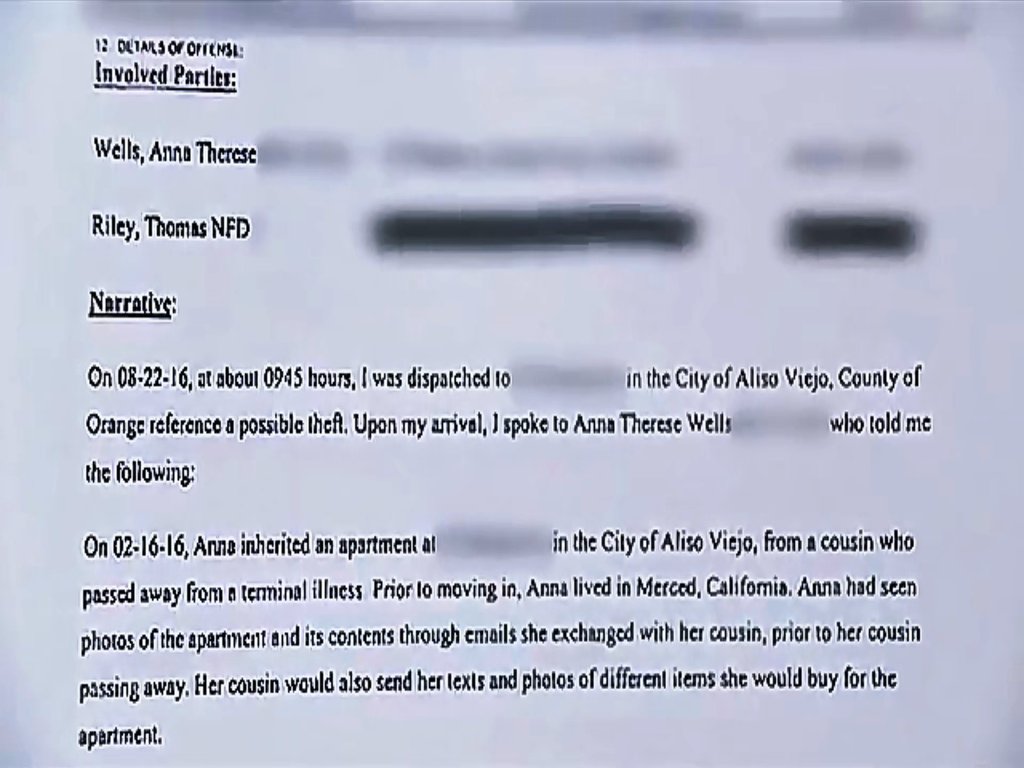
Judge Judy therefore concentrated on the evidence created before the courtroom confrontation: Anna’s police report, what she actually told law enforcement, the delay in making the report and her admitted uncertainty about Thomas’s responsibility.
Those details proved more important than the emotional history surrounding the inheritance.
The final outcome was comparatively modest in dollars but decisive in meaning: $800 for Thomas, and Anna’s counterclaim dismissed.

(uc.)
FAQ
Why did Thomas Riley sue Anna Wells?
Thomas sought reimbursement for attorney fees he incurred after Anna accused him of involvement in missing property and damage inside the condominium she inherited from his sister.
What did Anna Wells believe Thomas had done?
Anna suspected Thomas of removing various belongings from the condominium and damaging an expensive Sleep Number mattress. However, the police report stated that she did not know for certain whether Thomas was responsible.
Why was the police report important?
Judge Judy focused on both its wording and timing. Anna acknowledged uncertainty about who had taken or damaged the property, did not request that Thomas be prosecuted or contacted, and wanted the incident documented for insurance purposes. Judge Judy was also troubled by the roughly two-month delay before the report was made.
How much did Anna receive from the insurance company?
Anna testified that the insurance company paid approximately $16,000 for the reported missing and damaged property. That payment did not establish that Thomas had caused the loss.
What was Judge Judy’s final verdict?
Judge Judy awarded Thomas Riley $800 for his attorney fees and dismissed Anna Wells’s counterclaim. The court did not make a definitive finding identifying who actually removed the missing property or damaged the mattress.
Sources
Judge Judy, including Thomas Riley and Anna Wells’s testimony regarding Thomas’s late sister, the estate and trust, the condominium, the allegedly missing property, the damaged Sleep Number bed, Anna’s sheriff’s department report, the approximately $16,000 insurance payment, Thomas’s $800 attorney bill and Judge Judy’s final judgment. Where the transcript does not definitively establish who removed or damaged the property, this article preserves that uncertainty rather than presenting Anna’s allegations as proven facts.