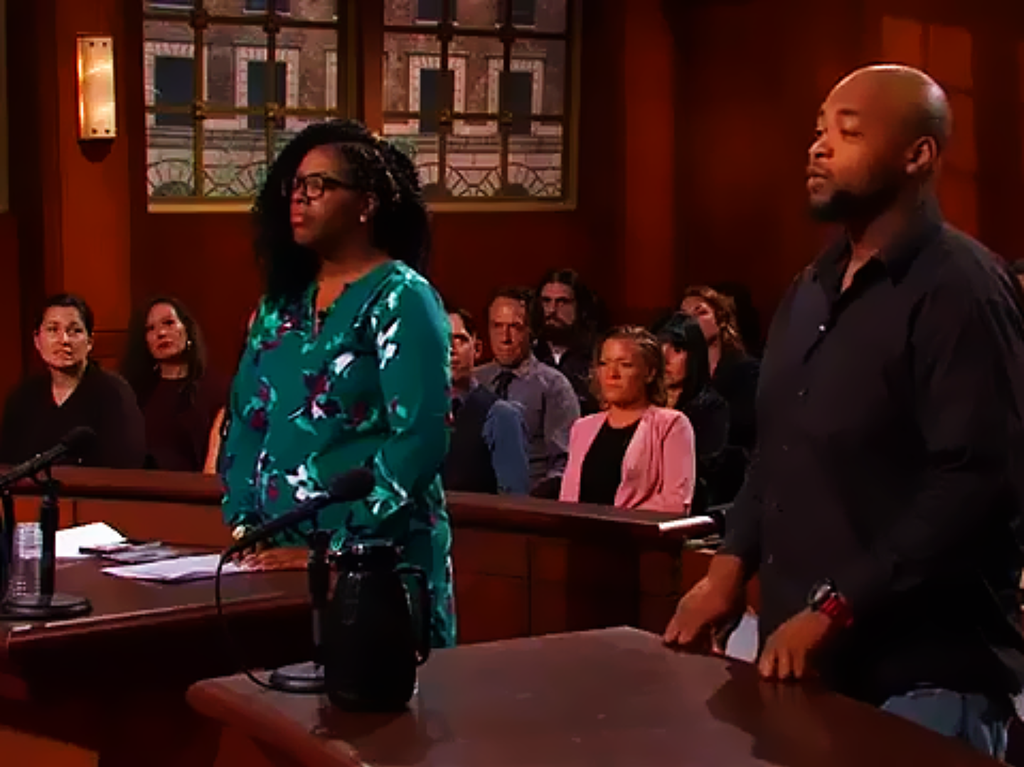
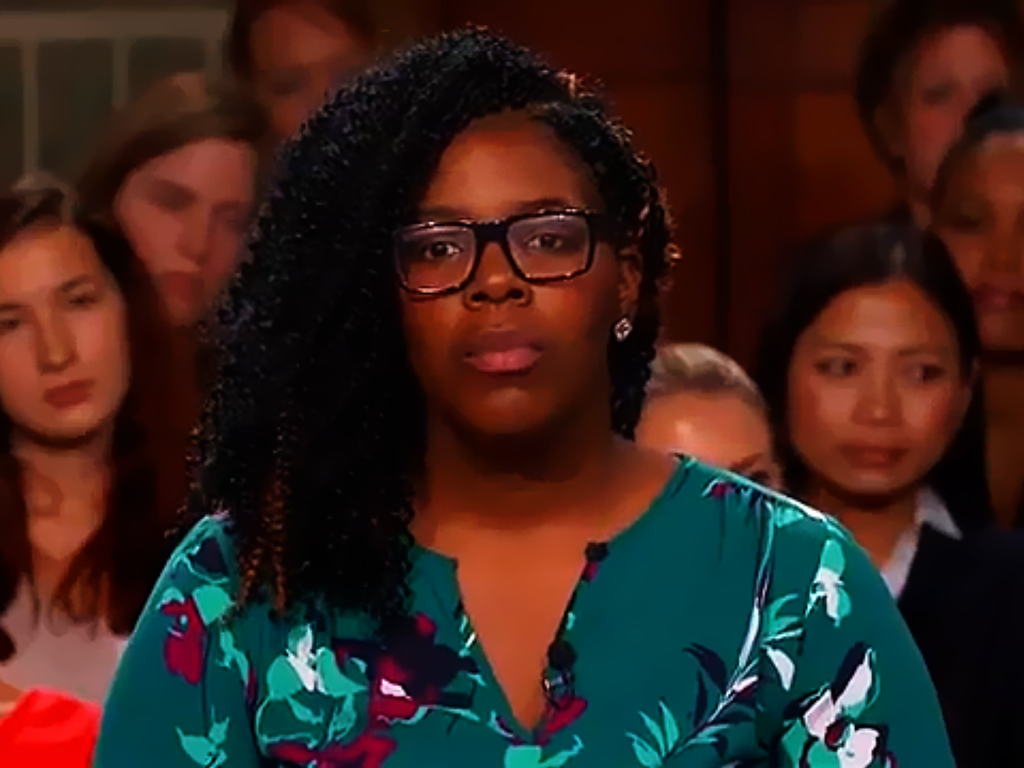
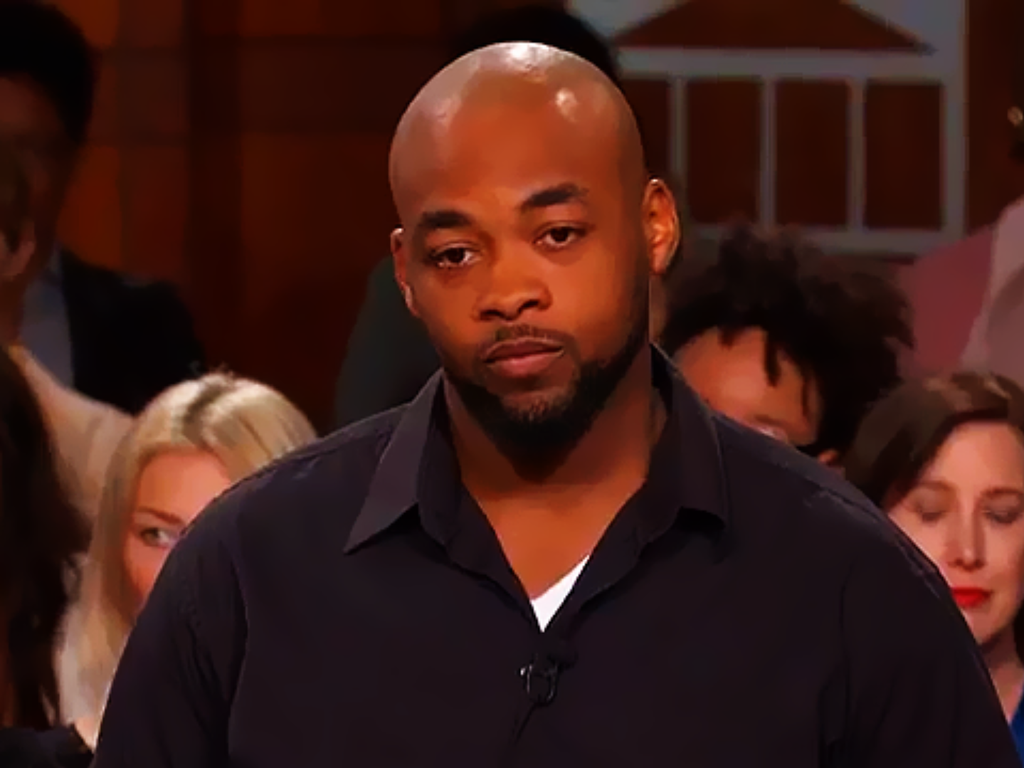
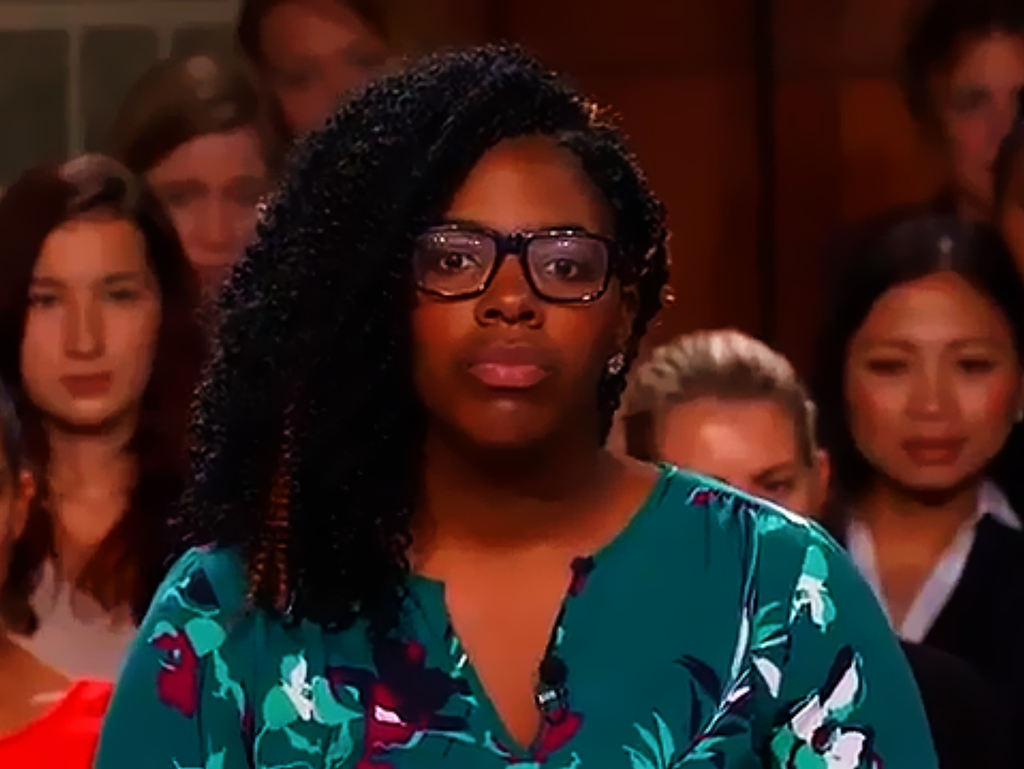
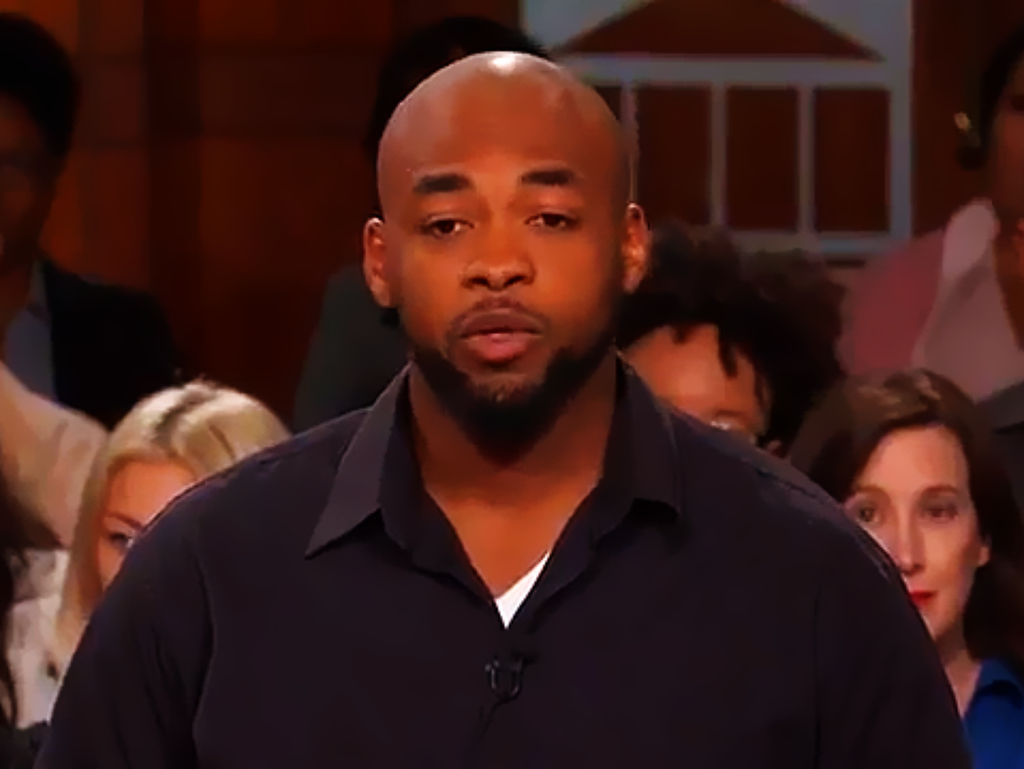
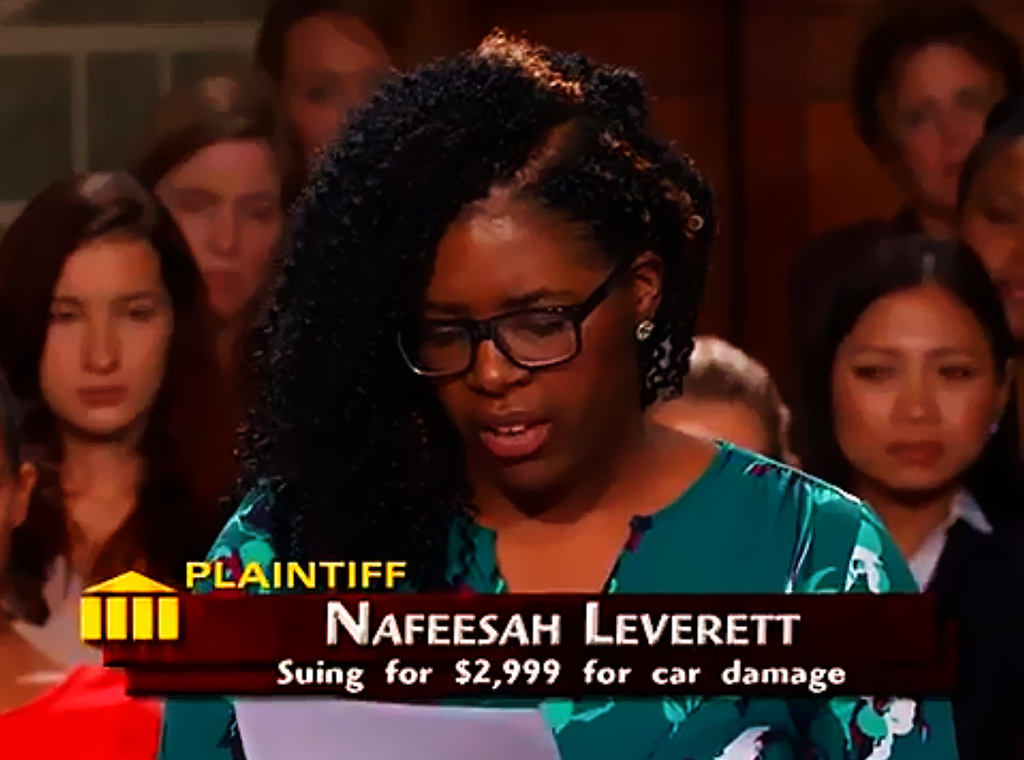
Trust built inside the walls of a church is rarely questioned. But when Nevisa Leverett handed her car keys to her sanctuary’s trusted drummer, she didn’t just lose her vehicle—she walked into a web of deceit that unravelled live on television before Judge Judy.
1. A Sanctuary Built on Trust
In many close-knit communities, the church functions as a bastion of solidarity where bonds are forged on shared faith and mutual assistance. For Nevisa Leverett, her local church was not merely a place of Sunday worship; it was a sanctuary of familiarity. Among those she saw regularly was Joseph Pinkston, a musician who played the drums for the congregation. Over time, their acquaintance settled into a comfortable friendship defined by quiet goodwill and unwritten favors.
When Pinkston needed occasional transportation, Leverett did not hesitate. On one or two prior occasions, she had lent him her personal vehicle without requesting a single cent in return. It was not a rental transaction or a business arrangement; it was simply one churchgoer helping another. Leverett was endeavoring to be what any decent friend would be: generous, trusting, and supportive.
2. The March 22nd Favor
The morning of March 22nd began like any ordinary workday for Nevisa Leverett. She had a tight schedule planned: first, traveling to her former workplace to collect essential employment documents necessary to onboard at her new job, and subsequently driving home with a brief stop at a local store. However, when Pinkston requested the use of her vehicle that day, Leverett agreed once more, allowing him to drop her off at her workplace before taking the car.
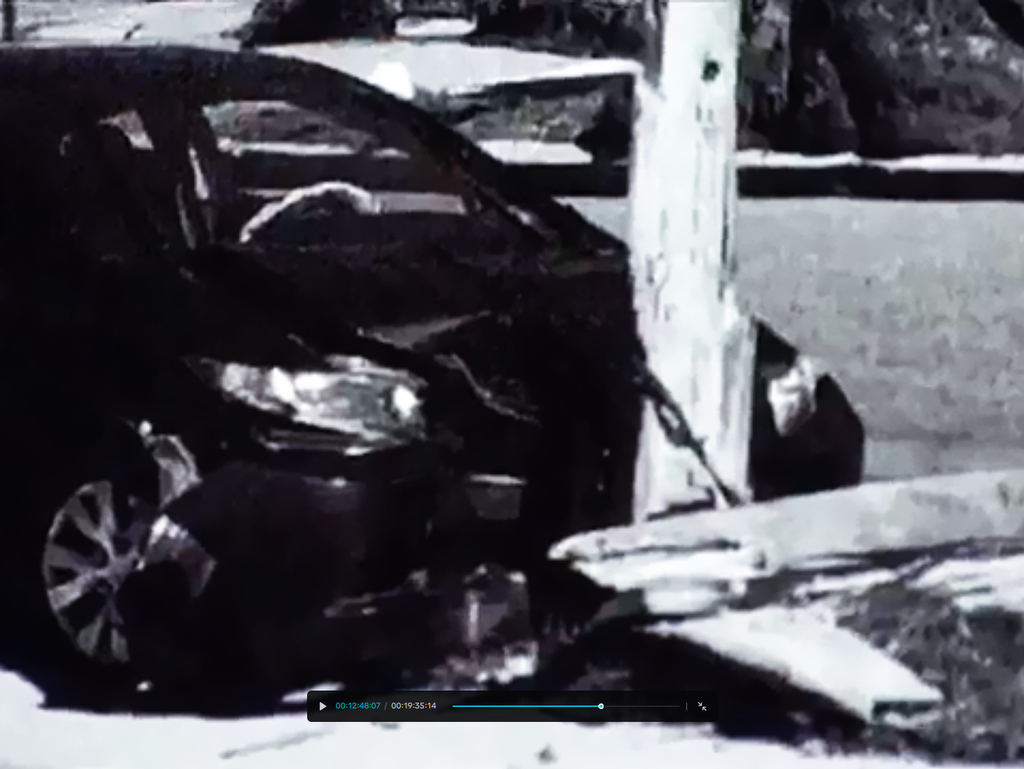
To Leverett, the gesture was routine. Pinkston dropped her off, donned in a distinct green jacket, and drove away. Nothing in their brief interaction indicated that by mid-afternoon, her vehicle would be reduced to twisted metal against a roadside utility pole, or that her trust would be completely shattered.
3. The 2:00 PM Phone Call and the Fireman’s Discovery
At approximately 2:00 PM, during her afternoon lunch break, Leverett’s phone rang. On the line was Joseph Pinkston. His voice brought unsettling news: the car was gone. Pinkston claimed that he had pulled up to a store, stepped inside for a brief moment, and left the engine running with the keys inside the ignition—only for an opportunistic thief to jump in and speed away.
“He told me that the car was stolen… I told him to call the police and I’ll call the insurance company.” — Nevisa Leverett
Acting on instinct and civic duty, Leverett instructed Pinkston to contact the police immediately while she prepared to notify her insurance provider. But roughly thirty minutes later, Leverett received a second, alarming phone call—this time from an emergency firefighter on the scene of an accident. The firefighter inquired if she was unharmed, explaining that her car had crashed heavily into a telephone pole. When Leverett clarified that she was at work and had lent the vehicle to a friend, the firefighter revealed a critical detail: the car was wrecked, but the keys had been left sitting directly in the driver’s seat.
The firefighter immediately transmitted photographs of the wrecked vehicle to Leverett’s phone. The story of a swift carjacking began to show severe structural cracks.
4. The Discrepancy: Stolen Car vs. Video Evidence
As the administrative process unfolded, Leverett found herself trapped in a financial squeeze. Her insurance carrier covered the baseline valuation of the totaled vehicle against her car loan, but a steep shortfall remained. Between her $1,000 insurance deductible and the remaining loan balance, Leverett was left owing $1,788 out of pocket. Furthermore, the loss of her daily transportation forced her to spend hundreds of dollars out-of-pocket, reimbursing coworkers and friends for daily rides to maintain her livelihood.
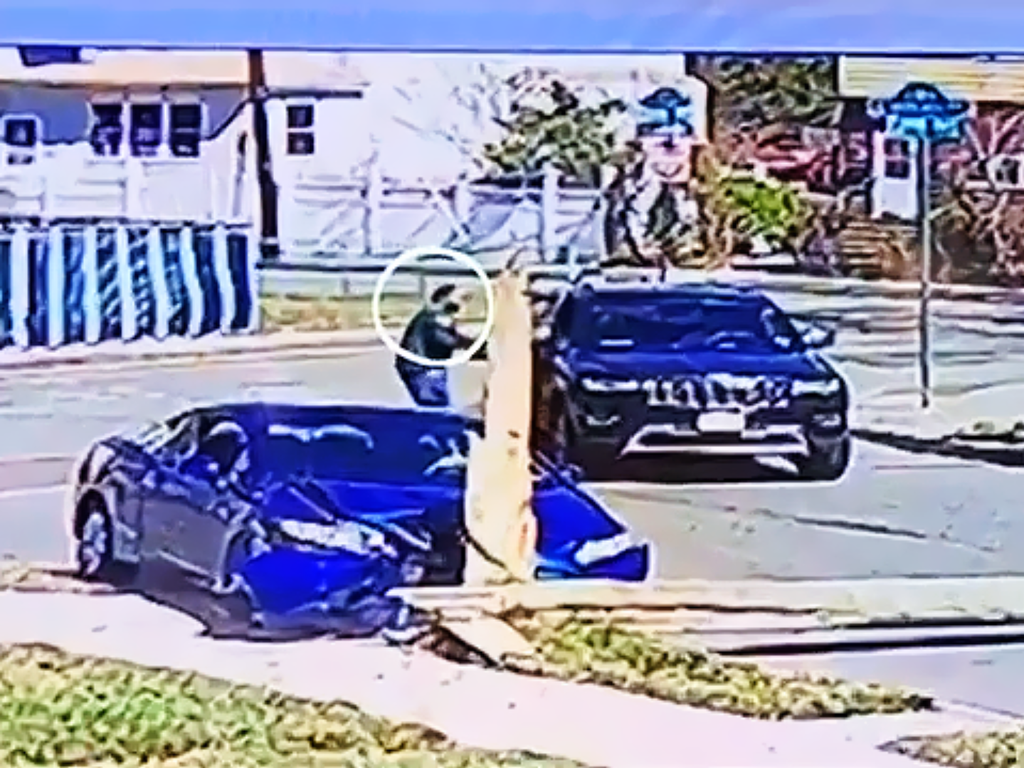
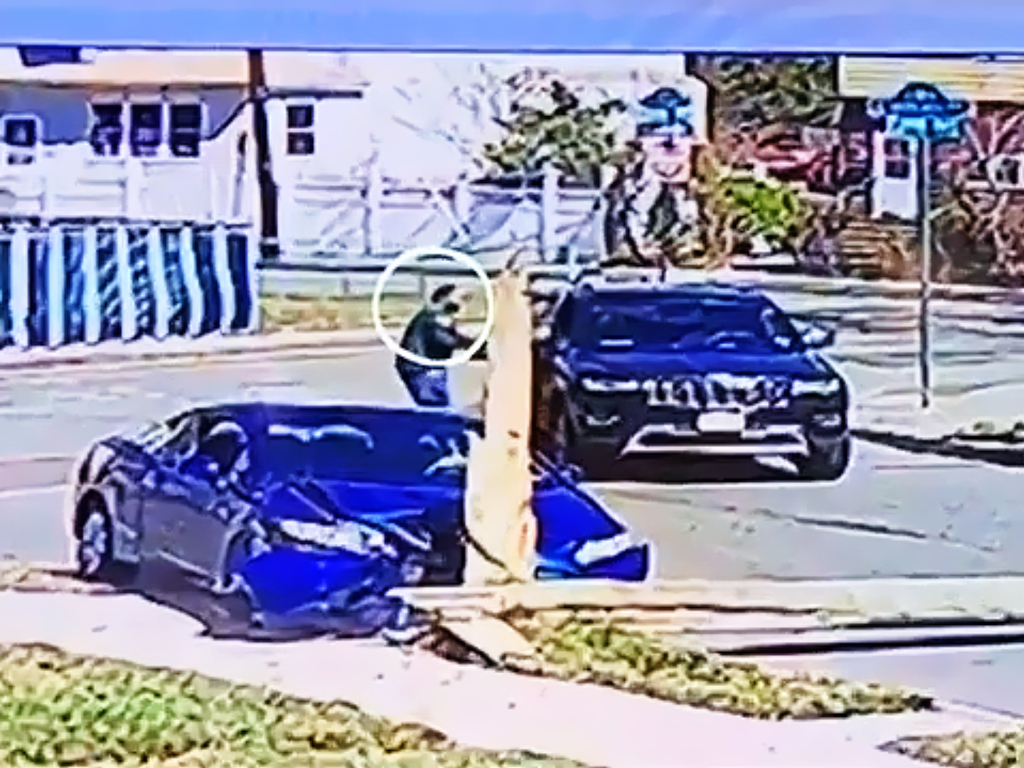
Seeking accountability, Leverett pressed Pinkston. Yet, he adamantly maintained his claim: the vehicle had been stolen while running outside the store. What Pinkston did not realize was that the utility pole he struck stood directly in front of a residential house equipped with external security cameras. Coincidentally, the homeowner was an acquaintance of Leverett’s brother. Upon reviewing the footage, the homeowner emailed the clear video recording directly to Leverett.
The footage told an undeniable truth: the sedan approached, impacted the utility pole, and came to a sudden halt. Seconds later, a male figure wearing a distinct green jacket exited the driver’s side door, abandoned the wrecked car, and swiftly entered a secondary waiting vehicle before fleeing the scene entirely.
5. The Courtroom Confrontation: Felony Warning and $2,800 Verdict
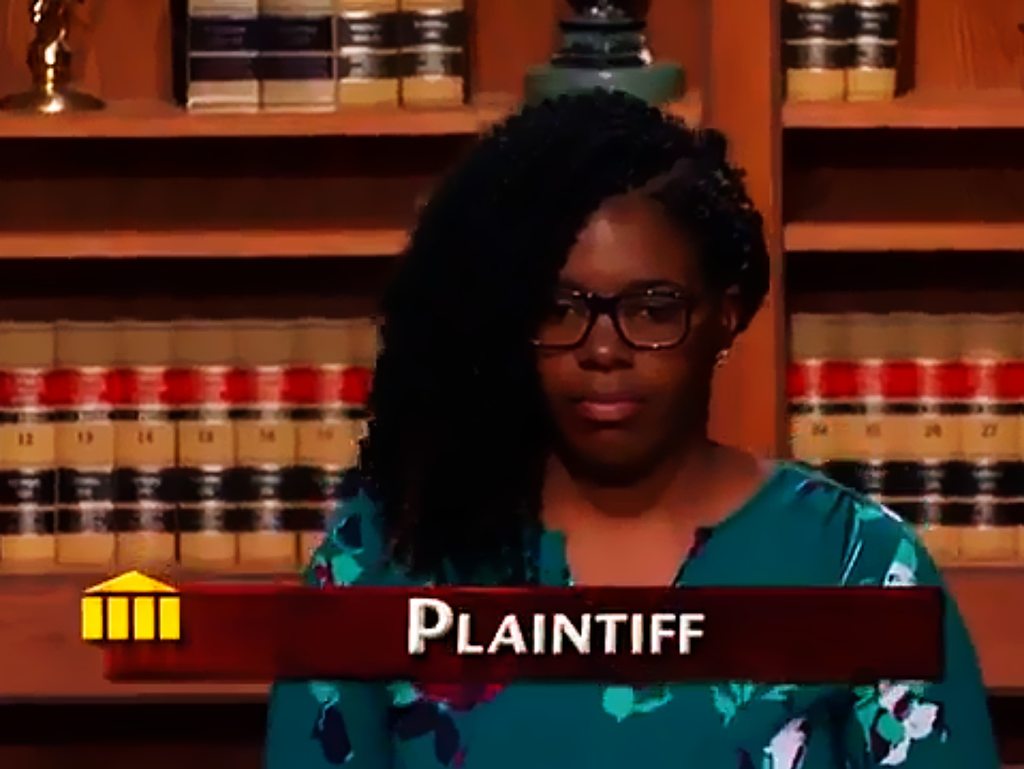
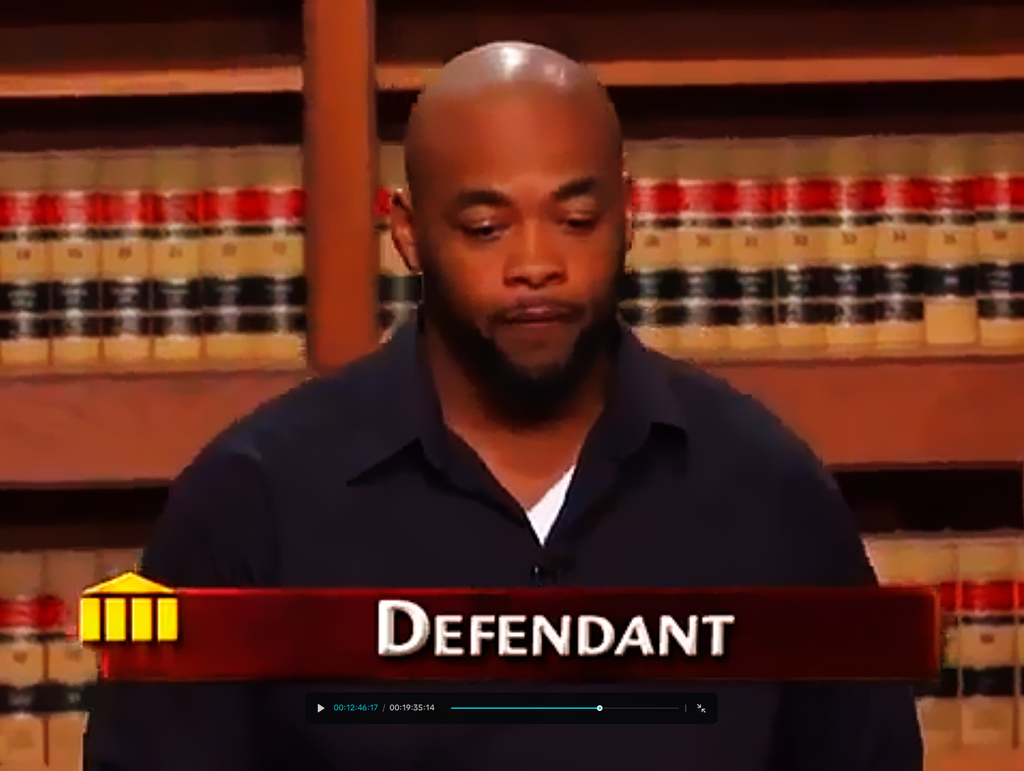
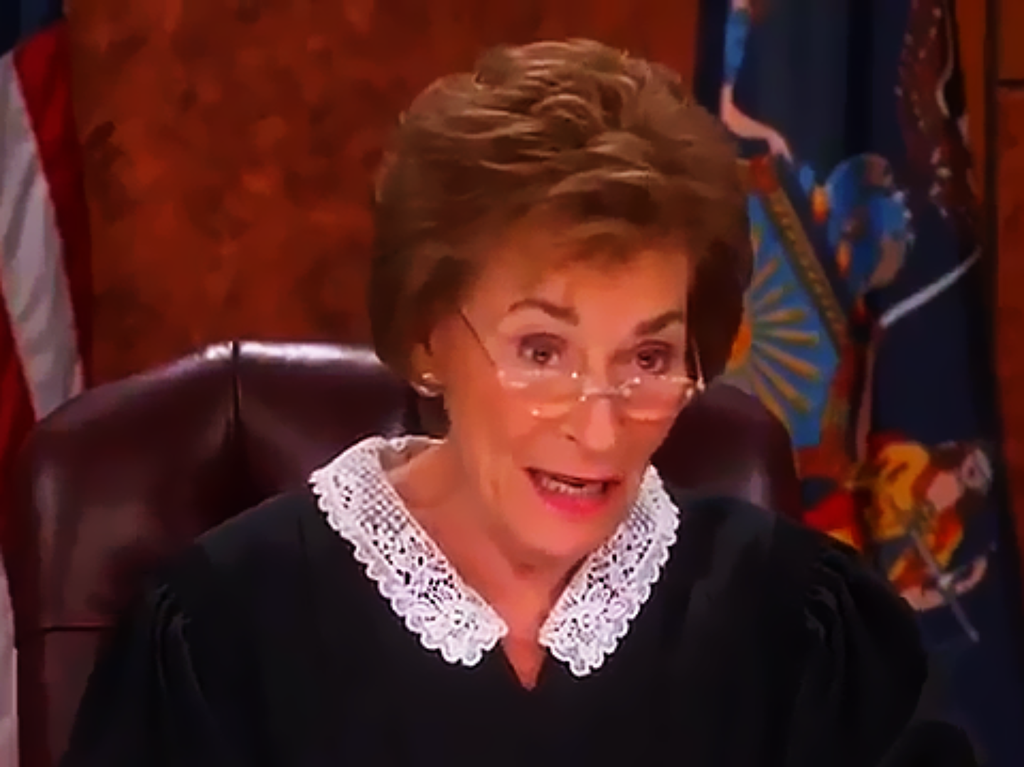
When the civil suit reached the courtroom of Judge Judy Sheindlin under the matter of Leverett v. Pinkston, Leverett sought $2,999 to cover her insurance deductible, the unpaid loan gap, and months of cumbersome transportation expenses. Under oath, Pinkston stood firm before the bench, denying that he crashed the car and insisting he was a victim of theft.
“You understand it’s a felony to report a crime to the police that didn’t happen? … That’s a crime you could go to jail for.” — Judge Judy Sheindlin
Judge Judy sternly reminded the defendant that filing a false police report is a serious felony offense that wastes vital law enforcement resources. When the court monitor played the home security footage, the truth was laid bare for all to see. The video depicted the impact, the driver abandoning the vehicle, and the getaway car. When questioned about the green jacket worn by the driver in the video, Leverett confirmed under oath that it was the exact same jacket Pinkston wore when dropping her off that morning.
Confronted with undeniable visual proof and a fabricated defense, the court ruled decisively. Judge Judy awarded judgment in favor of the plaintiff, Nevisa Leverett, in the amount of $2,800, bringing a swift and lawful end to a painful episode of deception.
FAQ
Q1: How much money did Judge Judy award to Nevisa Leverett?
Judge Judy awarded $2,800 to Nevisa Leverett to compensate for her loan gap ($1,788), deductible costs, and alternative transportation expenses incurred.
Q2: How was the video evidence of the car crash obtained?
The footage was captured by security cameras on a home located right near the utility pole. The homeowner was friends with Leverett’s brother and emailed her the footage.
Q3: Why did filing a false police report come up during the trial?
Pinkston told police and Leverett the car was stolen. Judge Judy pointed out that reporting a non-existent crime is a felony punishable by jail time because it wastes police resources.