In the quiet corridors of small claims court, cases usually pivot on unpaid rent, broken furniture, or unreturned personal property. But when 20-year-old Marley Masara stepped before the bench alongside her father, what began as a routine petition to recover IKEA shelving and a filing cabinet quickly mutated into a high-stakes investigation of sabotage, weaponized phone calls, and systemic character assassination.
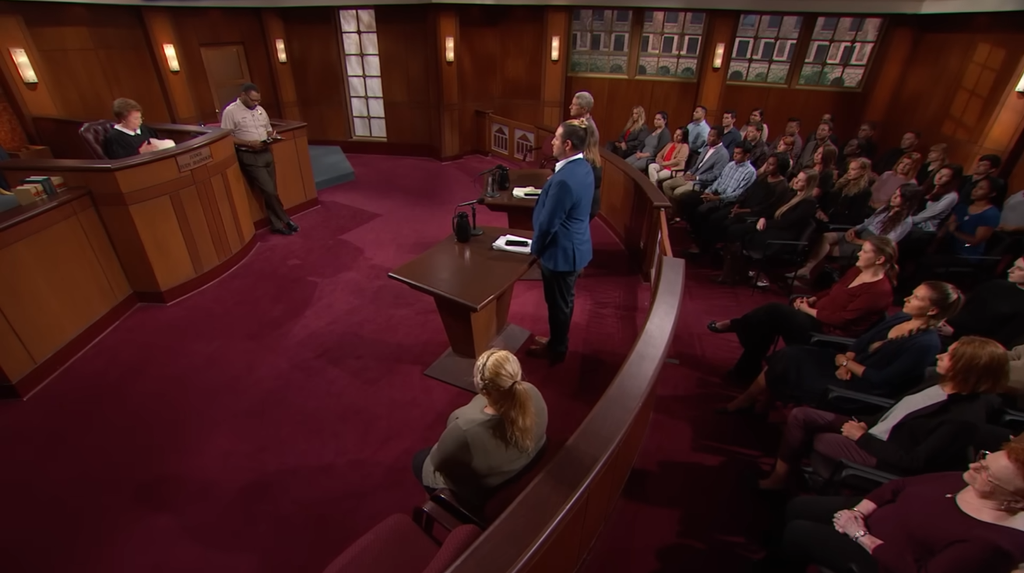
1. The Spark: A Whirlwind Romance Built on Shaky Ground
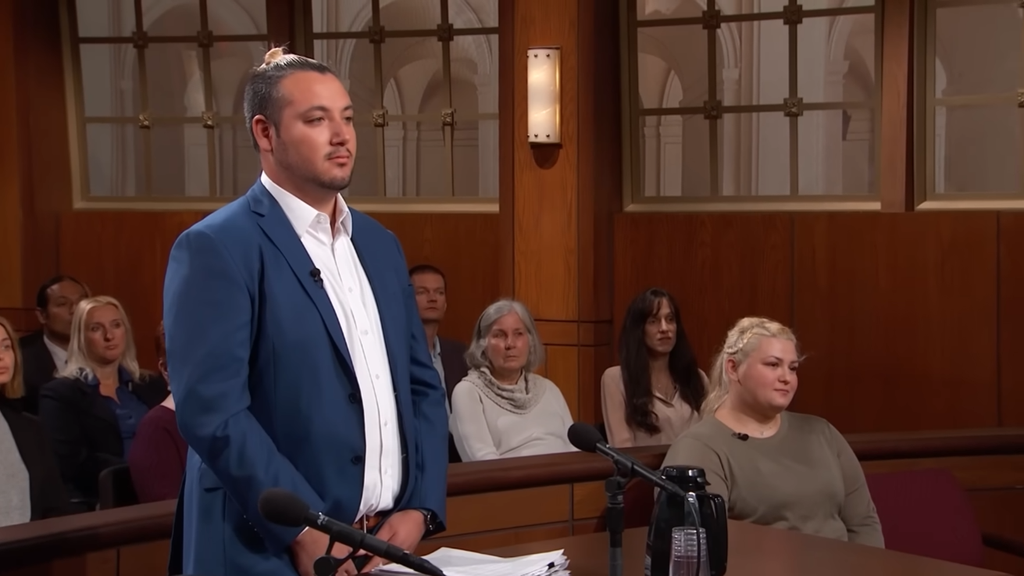
The relationship between 20-year-old Marley Masara and Paul Rainbolt was fraught with tension long before it ever reached a court docket. The two had known each other for a long time, but their personal dynamic took a decisive shift in October. At the time, Rainbolt was navigating a complex personal life—having recently separated from his wife, with whom he shared a young child. Despite the volatile nature of a marriage on the rocks and a separation barely a month old, Masara became deeply involved in Rainbolt’s living situation.

Rainbolt had moved into an apartment of his own, and Masara quickly became a constant presence. Driven by romantic aspirations and an eager intent to move in together, Masara began purchasing domestic goods to outfit the dwelling. From IKEA shelving units and storage items to filing cabinets and small decorative pieces, she invested her financial resources into making the separate unit feel like a shared sanctuary.
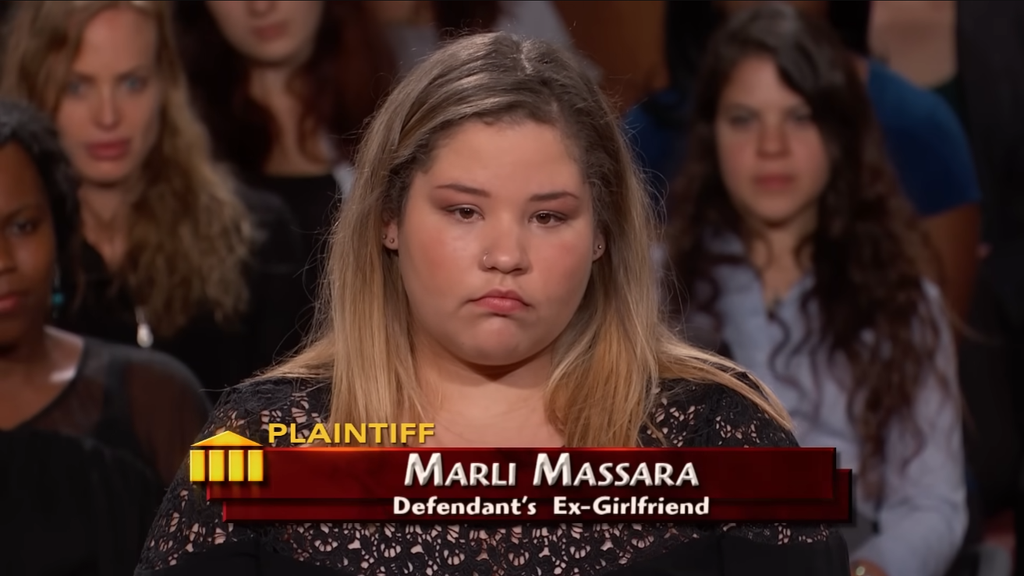
Her father, Michael Masara, watched the unfolding drama from the sidelines. While welcoming his daughter’s happiness, he harbored clear reservations about the sheer speed and heavy complications of the relationship. His skepticism would later prove deeply prophetic as the relationship began to fracture under the weight of unresolved marital ties and mounting interpersonal friction.

(ec.)
2. Escalation in the Apartment: Shelving, Spray Paint, and Police Escorts
By early January, the brief romance had run its course. Rainbolt reached the decision to end the affair and reconcile with his wife—a choice that left Masara deeply aggrieved and abruptly alienated. What followed was a contentious battle over ownership, access, and personal property lingering inside Rainbolt’s home.

When Masara sought to retrieve the items she had bought, the situation escalated to the point where law enforcement intervention became necessary. Accompanied by a police escort, Masara returned to the apartment to collect her belongings, including clothing, personal stationary, and an Apple TV streaming box she had brought over for shared movie nights.

However, the recovery effort degenerated into dispute. An IKEA filing cabinet had been spray-painted to match the apartment’s interior decor. While Rainbolt later maintained that the paint was applied consensually with paint Masara herself had bought, Masara viewed the modification as unauthorized damage to her property. Furthermore, wall-mounted shelving units remained fixed to the structural walls—Rainbolt refusing to tear them down and ruin the drywall—while an Apple TV box could not be located.
3. The Lawsuit: Misguided Claims and Dismissed Grievances
Seeking legal recourse, Marley Masara and her father Michael filed a civil complaint against Paul Rainbolt, demanding compensation for damaged property and unreturned belongings. Michael Masara added his own claims to the lawsuit, seeking monetary damages for domestic items Rainbolt had allegedly broken while attempting home repairs during his visits. Specifically, Michael claimed Rainbolt had aggravated existing defects in a washing machine and dryer, as well as an outdoor grill.
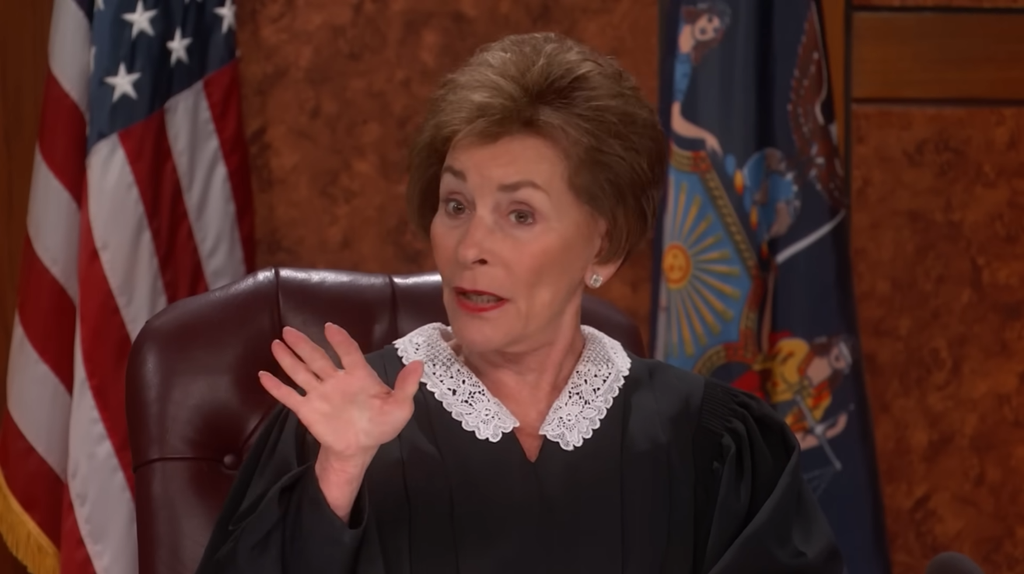
“He tried to fix a washing machine dryer… according to you, he made it worse… that’s dismissed. Sit down, ’cause it’s a ridiculous lawsuit.” – Presiding Bench Judgment
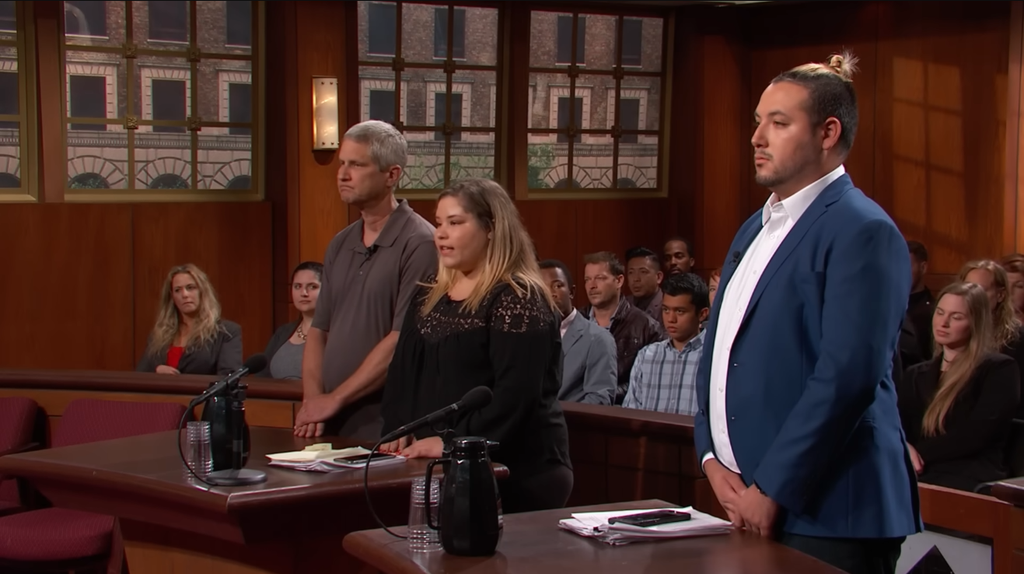
The bench swiftly dismantled the father’s claims. Because the attempt to repair the household appliances was done voluntarily without any contractual obligation or prohibition from the family, the court summarily dismissed Michael Masara’s claims as legally groundless. Attention then shifted entirely to Marley’s property claims, where the court noted that items voluntarily affixed to walls or painted during a cohabitation plan could not easily form the foundation for a property destruction tort.
(ec.)
4. The Turning Point: An Anonymous Call to Human Resources
While the property claim appeared trivial, Paul Rainbolt brought a devastating counterclaim that shifted the entire nature of the proceedings. Rainbolt counter-sued for defamation of character and lost wages, alleging that Masara had engaged in a targeted attempt to destroy his professional livelihood.

Throughout their romantic involvement, Rainbolt had been unemployed or transitioning between jobs. In January, he secured employment at a commercial retail enterprise, officially starting in late February or early March. Shortly thereafter, he applied for a management promotion within the company.
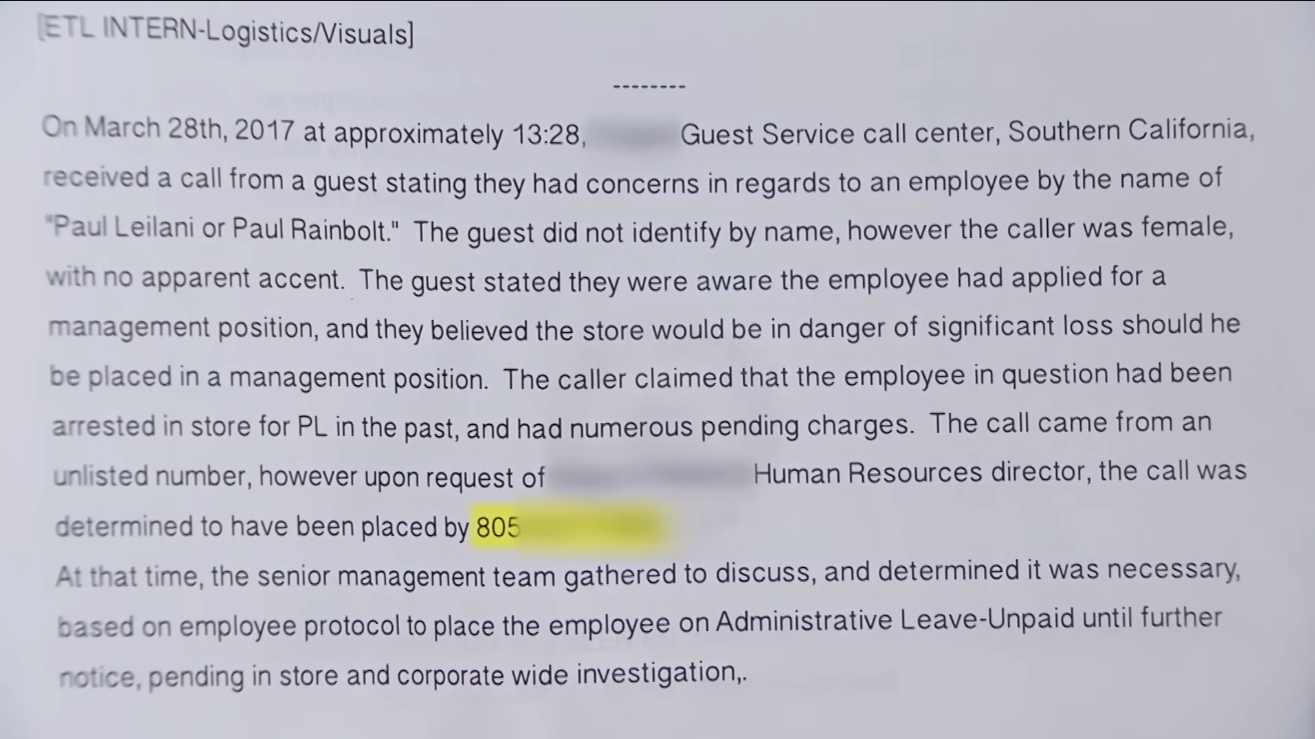
On March 28, 2017, the corporate employer received a phone call from an anonymous guest claiming to have critical information regarding Rainbolt. The caller explicitly informed management that Rainbolt had a severe criminal background, asserting that he had been arrested inside a store for petty larceny in the past and currently had “numerous criminal charges pending” against him.
Faced with shocking allegations regarding an applicant for a management role, senior leadership convened an emergency protocol meeting. Pursuant to corporate policy, Rainbolt was immediately placed on administrative unpaid leave pending a formal investigation, stripping him of his income for nearly three weeks.
5. The Confrontation: Courtroom Cross-Examination and Evidence
When questioned directly under oath, Marley Masara categorically denied making any phone calls to Rainbolt’s place of employment. Her father similarly maintained that his daughter would never engage in such conduct.

However, official corporate records submitted as evidence by Rainbolt decisively shattered her defense. Although the caller had attempted to mask her identity by using an unlisted number, the store’s Human Resources Director had requested full call trace logs. The incoming call was officially traced directly to phone number (805) XXX-XXXX.
In court, when pressed by the judge to identify the owner of that exact phone number, Masara admitted on record: “That’s mine.”
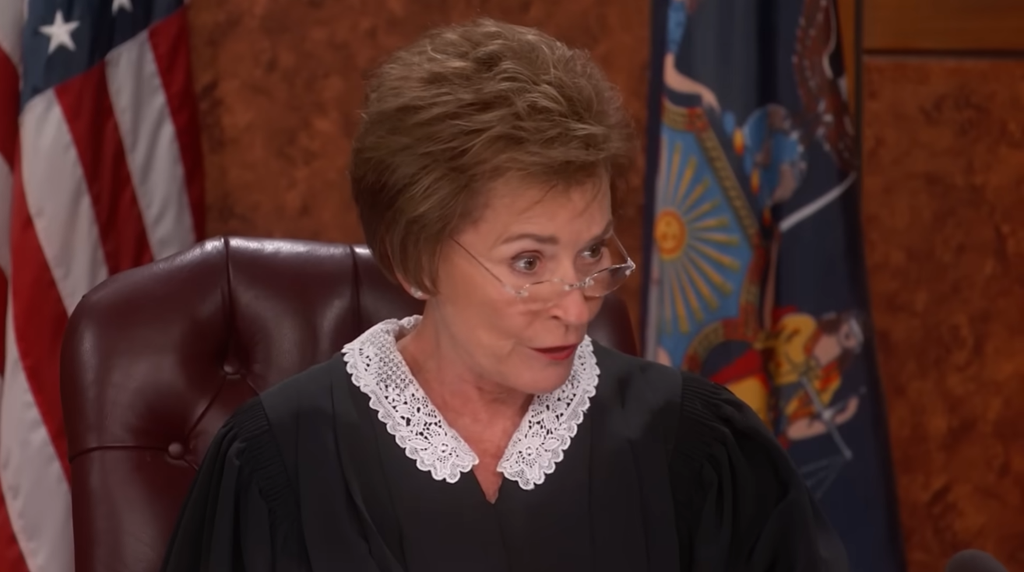
“I don’t like it when you lie in court… You look to get him fired, knowing that he has a young child, knowing that he’s married. Just vicious.” – Courtroom Finding on Malicious Defamation.
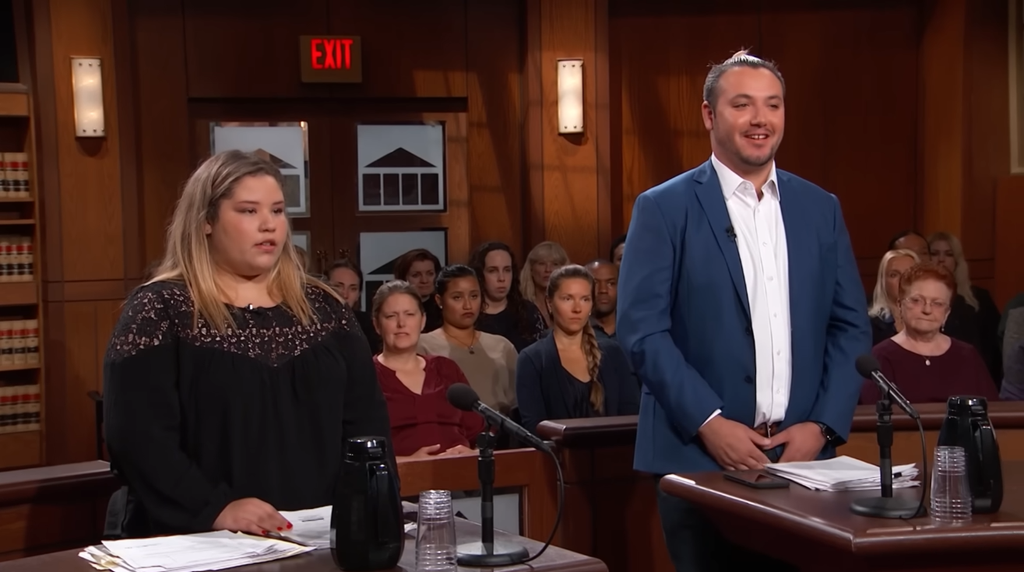
When confronted with the indisputable trace evidence, Masara and her father offered vague assertions that someone else must have taken her phone. The court rejected these claims as absurd, concluding that Masara had deliberately fabricated criminal allegations to sabotage Rainbolt’s job out of resentment over their breakup. Official verification confirmed Rainbolt had zero criminal charges pending.
(uc.)
6. The Verdict: Financial Accountability and Uncompromising Truth
The court’s final ruling was swift and severe. Finding that Masara acted with deliberate malice and calculated deceit, the judge ruled entirely in favor of Paul Rainbolt on his counterclaim.

Marley Masara was ordered to pay maximum damages of $5,000 to compensate Rainbolt for lost wages, professional humiliation, and character defamation. All remaining property claims made by the Masara family were dismissed. What began as a petty dispute over IKEA home decor concluded as a cautionary tale on the severe legal and financial consequences of vengeful defamation.
(uc.)
FAQ
Why did Marley Masara sue Paul Rainbolt initially?
Marley Masara sued her ex-boyfriend Paul Rainbolt to recover the financial value of personal belongings and property she bought for his apartment, including shelving, a filing cabinet, and an Apple TV.
What caused Paul Rainbolt to be placed on unpaid administrative leave?
An anonymous caller contacted Rainbolt’s employer claiming he had been arrested for petty larceny and had multiple criminal charges pending while applying for a promotion. HR placed him on 14.5 to 19 days of unpaid leave during their investigation.
How was Marley Masara proven to be the caller?
Although the call was made from an unlisted number, the store’s Human Resources Director obtained call records identifying the originating phone number, which Masara confirmed under oath was her personal cell phone.
What was the court’s final judgment in Masara v. Rainbolt?
The court dismissed all claims brought by Marley Masara and her father, and awarded Paul Rainbolt $5,000 on his counterclaim for defamation and lost wages.
Sources & References
- Small Claims Court Official Transcript: Masara v. Rainbolt (Case No. 46).
- Corporate HR Incident Report & Telephone Trace Records: Dated March 28, 2017.
- Verified Judicial Summary & Final Judgment Ledger.
Whoever writes for these is hilarious!!