
She left home for the holidays and returned to beer cans, cigarette butts and a damaged dining table. Within weeks, the roommate arrangement had collapsed — and the dispute ended before Judge Judy with a $1,029 judgment.
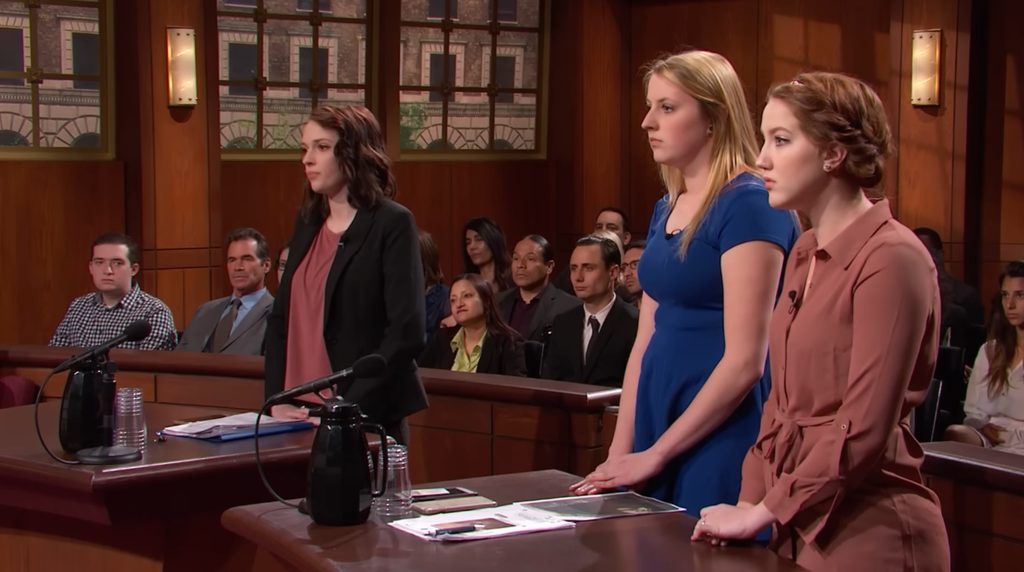
(uc.)
A Lease Suddenly Needs New Roommates
The dispute began with a housing problem rather than a courtroom fight. The plaintiff had been living in a rented house with her former boyfriend for approximately six months. Both of them were on the lease, but he moved out in early November, leaving her with a home she wanted to keep and a rent obligation she could not comfortably handle alone.

The house cost $650 per month plus utilities. Because all of her belongings were already there and she considered the property her home, she began looking for someone who could help with the rent. She initially searched for roommates through Facebook, but when that effort did not work as planned, she considered finding someone to take over the lease entirely.

That was when two young women came to look at the property. Instead of simply replacing her, they suggested that all three of them live together and divide the rent. The arrangement appeared practical. By the end of November, they had agreed to share the house.
Three Tenants Split the Rent
A new six-month lease was prepared by the landlord for the remainder of the plaintiff’s original 12-month term. Her former boyfriend was removed, and the two new tenants were added. The revised lease began on December 1.

With the monthly rent divided among the three women, each person was responsible for approximately $217. They also each contributed a $217 security deposit. The plaintiff remained in the home through December and paid January’s rent, producing a landlord receipt showing payment on January 2, 2017.
The new roommates brought bedroom furniture, while the plaintiff supplied the common-area furnishings. The living room furniture and dining table belonged to her. The table had particular significance because it had been given to her by her grandmother as a housewarming gift.
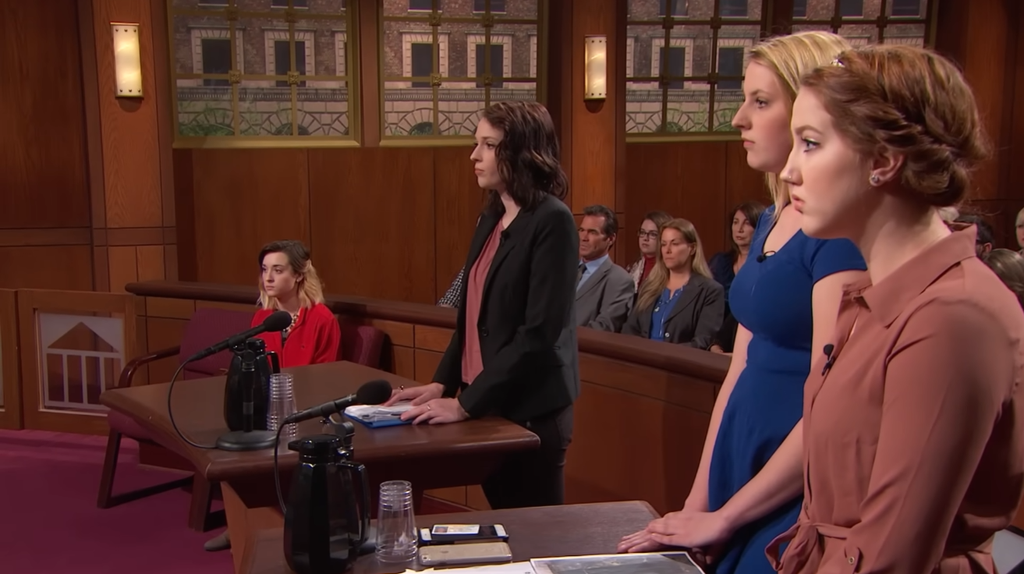
The defendants explained that they knew each other from playing on a basketball team and wanted to live closer to the college they were attending. At first, the arrangement appeared to offer each woman what she needed: affordable housing, proximity to school and shared expenses. But that stability lasted only weeks.
The Holiday Trip That Changed Everything
On December 28, the plaintiff left the house with her sister for a holiday trip to Texas. She returned on approximately January 4. What she found immediately suggested that something significant had happened while she was away.

Beer cans and cigarette butts were scattered across the front lawn. While still in Texas, she had already seen a video showing that her roommates were hosting a party at the house. According to her testimony, the gathering included underage drinking and people playing beer pong on her dining room table.
The defendants did not deny that a party had occurred. They estimated that approximately 25 people had attended, mostly college students, and acknowledged that the gathering took place around December 28 or 29.

Judge Judy quickly reduced the dispute to a simple fact: the roommates had held a large college party while the plaintiff was away, and the property had not been properly cleaned before she returned.
The problem, however, went beyond the mess.
An Unauthorized College Party
The plaintiff had anticipated that parties could become an issue when three young people shared a house. For that reason, she said she had required the new tenants to sign a separate roommate agreement. One of its provisions required permission from everyone in the house before a party could be held.
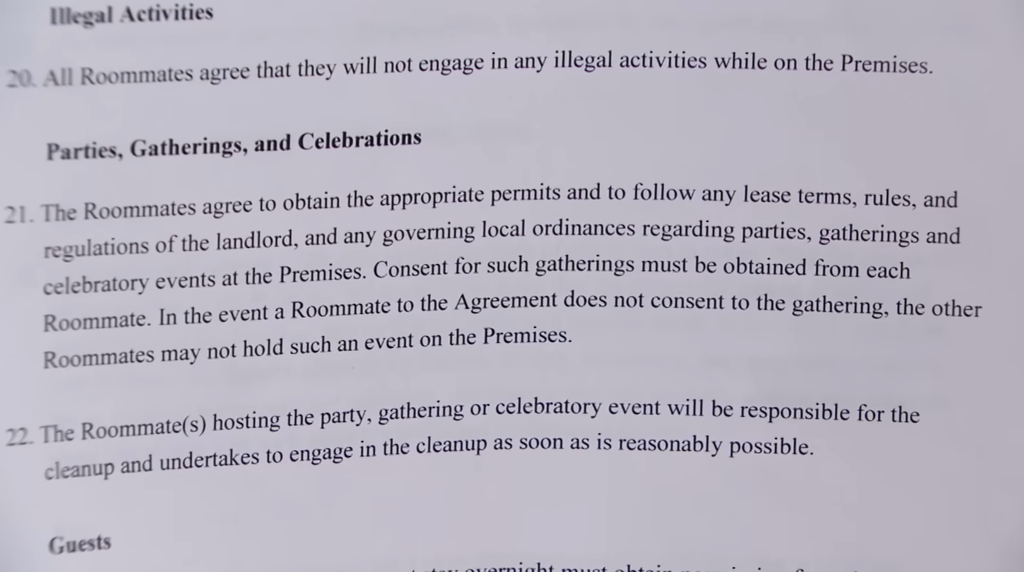
The defendants admitted that they had not obtained the plaintiff’s consent before the December gathering.
The age of the defendants also became important. Both told Judge Judy that they were 18. When asked about the legal drinking age in their state, they answered 21. They nevertheless acknowledged that drinking occurred at the December party.

Judge Judy viewed that admission as decisive. The agreement prohibited unauthorized parties, and the gathering had included illegal underage drinking. In the judge’s view, the roommates had plainly violated the agreement.

That breach would later become crucial when the defendants challenged the plaintiff’s decision to move out before the lease ended.
The Dining Table Becomes Evidence
The plaintiff claimed that her dining table had been damaged during the party when it was used for beer pong. She described water damage that caused bubbling across the surface. Later, while preparing to remove the table from the house in mid-January, she discovered what she described as a large crack underneath it.
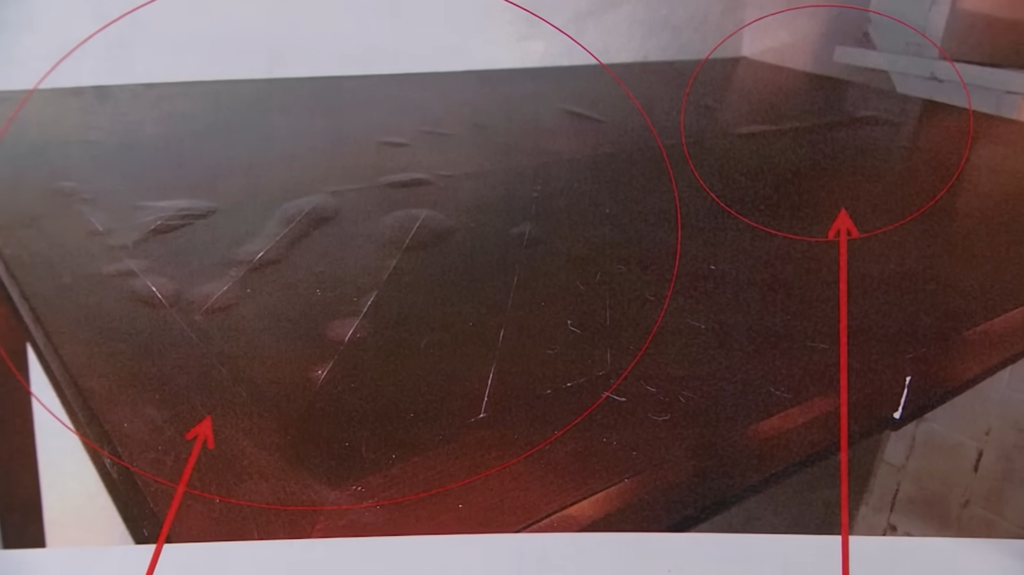
She provided photographs of the damage to the court as well as documentation connected to the table. Although the furniture had been a gift from her grandmother, she had the receipt available for Judge Judy to review.
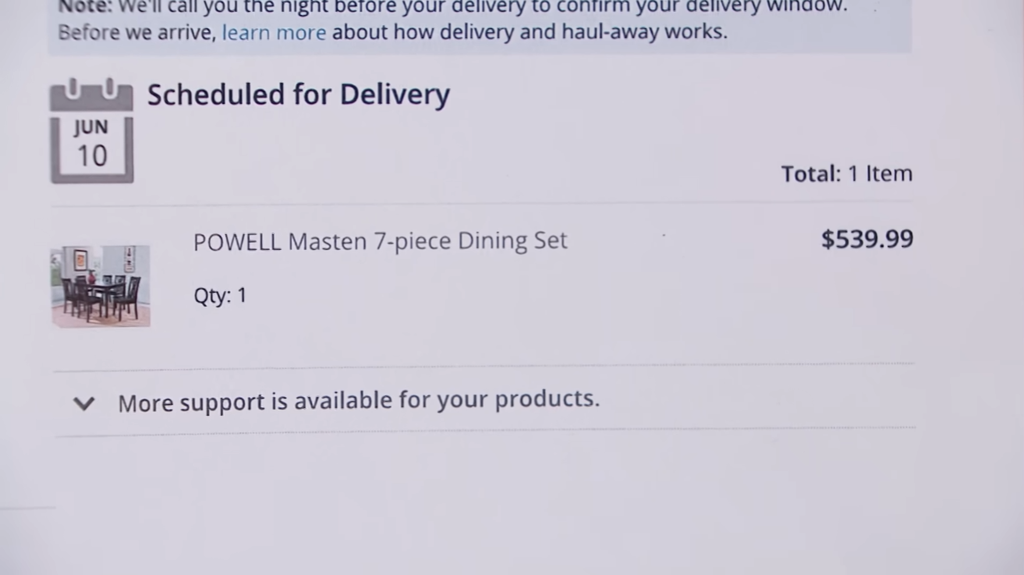
The damaged table became one of the most tangible pieces of evidence in the case. The plaintiff was not simply arguing that the roommates had behaved irresponsibly. She was showing the court physical damage to personal property that had been inside the house before the defendants moved in.

By mid-January, the relationship among the roommates had deteriorated enough that the plaintiff had decided to leave.
Another Problem Arrives: A Pit Bull
The party was not the plaintiff’s only complaint. She also objected to animals being brought into the home.
One of the defendants already had a Yorkie, which the plaintiff said had been accepted as part of the living arrangement because she had been told that the dog was house-trained. But around December 23, the two roommates brought home a full-grown Pit Bull without the plaintiff’s approval.

The defendants said the idea of getting a Pit Bull had been discussed earlier and specifically mentioned that Amanda had expressed interest in having one. They found a dog through Facebook and brought it home from a woman in a neighboring town.
When Judge Judy pressed them on whether the dog was actually housebroken, the answer eventually became clear: it was not.

The defendants later returned the Pit Bull, apparently around the period when the plaintiff was already preparing to move out. The exact date was not established in the transcript.
For the plaintiff, the dog added to a growing list of problems inside a house she had originally hoped to preserve after her former boyfriend left.
The Roommate Agreement Matters
The hearing shifted when Judge Judy asked to inspect the roommate agreement itself. Once she reviewed it, the unauthorized party became more than an example of poor judgment. It became a documented violation of the terms the roommates had accepted.

Both defendants acknowledged that they had not received the plaintiff’s permission for the December party. Both were 18, and they admitted that drinking took place even though the legal age was 21.
Judge Judy concluded that the agreement had been broken. That conclusion directly affected the plaintiff’s right to leave.

The defendants could not reasonably insist that she remain bound to the shared living arrangement after they had violated an agreement designed specifically to establish rules for the household. Judge Judy stated clearly that because they had breached the roommate agreement, the plaintiff had a right to move out.
Why Moving Out Was Justified
After returning on January 4, the plaintiff said she repeatedly told her roommates that she was unhappy with what had happened. She eventually began looking for another place and moved out on January 14.
Her lawsuit sought compensation connected to the damaged table, rent and the security deposit. Because January’s rent had already been paid, part of her claim concerned the period after she left the house.

Judge Judy first addressed the $217 security deposit. Because the landlord was still holding the money, she directed that the plaintiff receive her portion back. The remaining roommates would eventually be responsible for the condition of the house and could recover deposits when they themselves left, assuming the property was maintained as required.

The focus then returned to the physical damage.
Judge Judy Awards $1,029
Judge Judy reviewed photographs of the dining table. Once she saw the condition of the furniture, she indicated that there was no need for the plaintiff to continue presenting additional damage evidence.
Her conclusion was direct: the defendants had made a mess of the plaintiff’s house.

The court entered judgment for the plaintiff in the full amount she was requesting — $1,029.
The ruling brought together the central elements of the dispute. The defendants had hosted an unauthorized party involving underage drinking. The gathering violated a signed roommate agreement. Personal property belonging to the plaintiff had been damaged. She then moved out in mid-January after deciding she no longer wanted to live under those conditions.
What began as a practical solution to a rent problem had deteriorated in less than two months. The plaintiff had wanted roommates who could help her maintain a home after her former boyfriend left. Instead, a holiday party, damaged furniture, an unapproved dog and broken household rules turned the arrangement into a lawsuit.
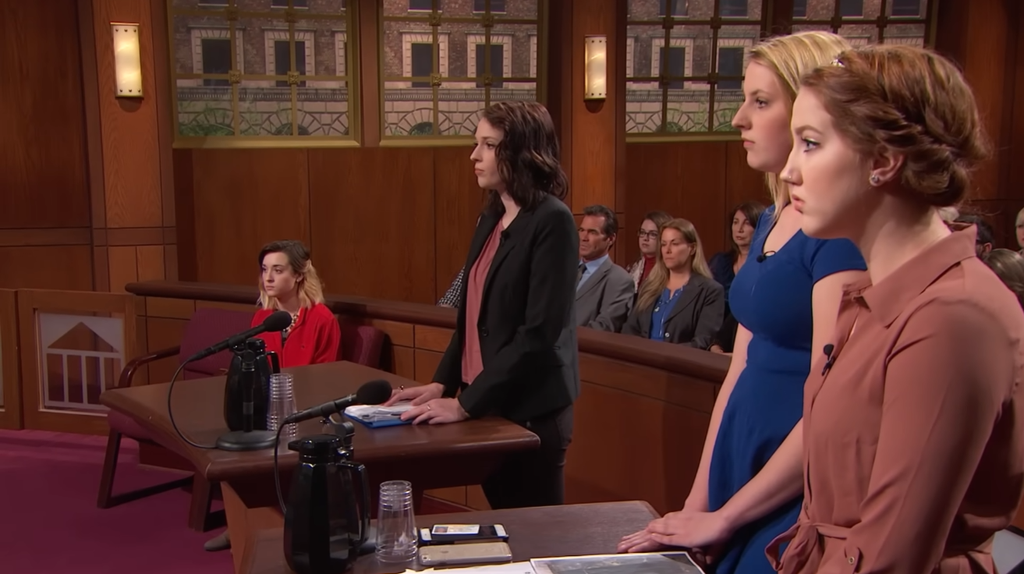
Judge Judy’s decision ultimately rested not on the fact that the roommates were young or that college parties happen, but on responsibility. They had agreed to rules before moving into the house, then admitted that they ignored one of the clearest of those rules.
The cost of that decision was $1,029.

(uc.)
FAQ
Why did the plaintiff need new roommates?
Her former boyfriend moved out in early November after they had lived in the rented house together for approximately six months. She wanted to remain in the property but needed help covering the $650 monthly rent plus utilities.
How much rent did each roommate pay?
After the two new roommates were added to the lease, each of the three tenants was responsible for approximately $217 per month.
What happened while she was away?
The defendants hosted a party attended by approximately 25 people. The court heard that drinking occurred, beer pong was played and the plaintiff’s dining table was damaged.
Why was there a dispute about a Pit Bull?
The defendants brought a full-grown Pit Bull into the house around December 23. The plaintiff said they did so without her permission. The defendants ultimately acknowledged that the dog was not housebroken and later returned it.
How much did Judge Judy award the plaintiff?
Judge Judy entered judgment for the plaintiff in the amount of $1,029, the full amount requested.
Sources
Judge Judy courtroom.