A three-inch strip of land was enough to turn two neighbors into courtroom opponents. By the time they stood before Judge Judy, the fight involved a garage, two surveys, fences, dogs and years of tension.
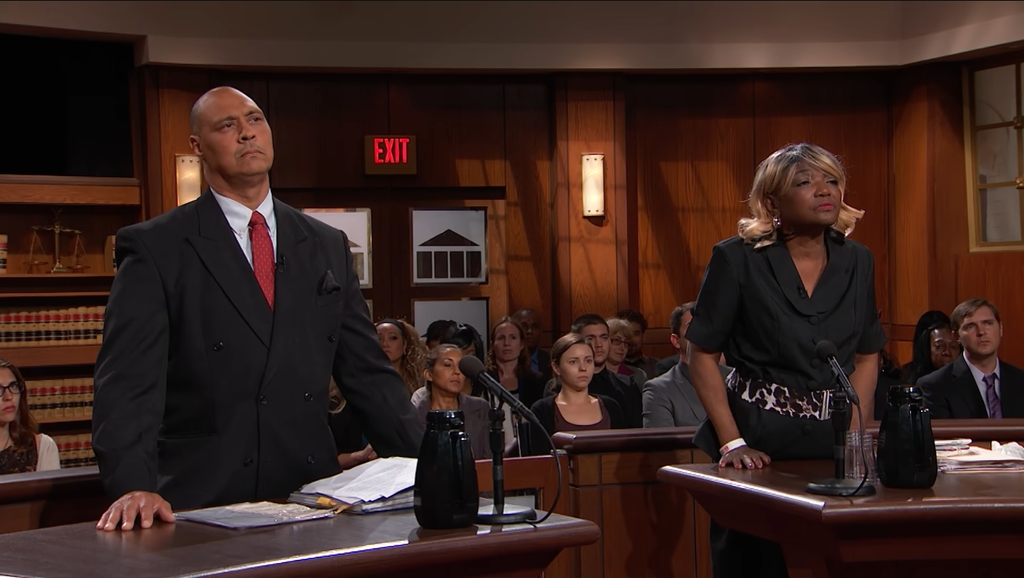
Miss Lee Finds the House She Wanted
Miss Lee told the court that she had been living in her house since December 2009. The purchase had been arranged through a real-estate transaction, and it was the first house she looked at. Although she described the property as a fixer-upper, she knew almost immediately that she wanted it.

One detail from that purchase would later become crucial. When Judge Judy asked whether Miss Lee had obtained a property survey before buying the house, she said she had not. At the time, that apparently caused no immediate problem. Years later, however, the exact location of the property line would become the central issue in a serious dispute with the owner next door.

(uc.)
A New Neighbor Arrives
Mr. Martinez later purchased the neighboring property. The date initially became confused during testimony, with April 2015 mentioned before the timeline was corrected in court to April 2014. Martinez explained that the property was intended for his brother and his brother’s family, who were going to rent the house from him.

After Martinez became involved with the property, questions arose about where one lot ended and the other began. Miss Lee had a garage that she understood to be part of her property, while fencing and the space between the two homes also became points of disagreement. What had once appeared to be a settled boundary between neighboring houses became far less certain once a professional survey was introduced.

(uc.)
The Surveys Change the Dispute
Martinez had the property surveyed twice. The first survey was discussed as having been performed around November 2014 and completed around December 2014. A second survey followed sometime in 2015, although the testimony indicated that the report did not clearly identify its completion date.
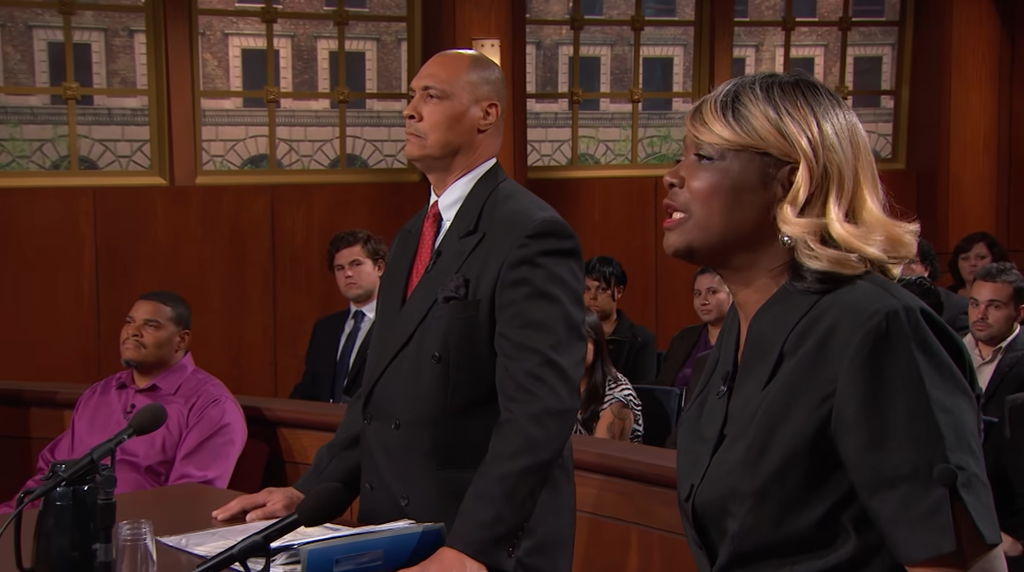
According to the discussion in court, the surveys showed that some land Miss Lee believed belonged to her was legally part of Martinez’s property. Miss Lee questioned aspects of the situation and told the court that she had gone downtown to research the history of the properties. She learned that the two homes had once been part of a larger parcel before the land was subdivided.

Whatever the history of the lots, the surveys revealed a physical problem that could not easily be ignored. Part of Miss Lee’s garage crossed the boundary identified as Martinez’s property.
A Garage Wall Crosses the Property Line
The entire dispute eventually narrowed to an extraordinarily small measurement: approximately three inches. According to the courtroom discussion, part of Miss Lee’s garage extended about three inches onto Martinez’s land.

The structure was not something that could simply be shifted back into place. The court heard that the garage involved a brick wall, making the encroachment a practical as well as a legal problem. Martinez wanted to build a fence on his property, partly because he had dogs, but the position of the garage interfered with where he wanted the fence to run.
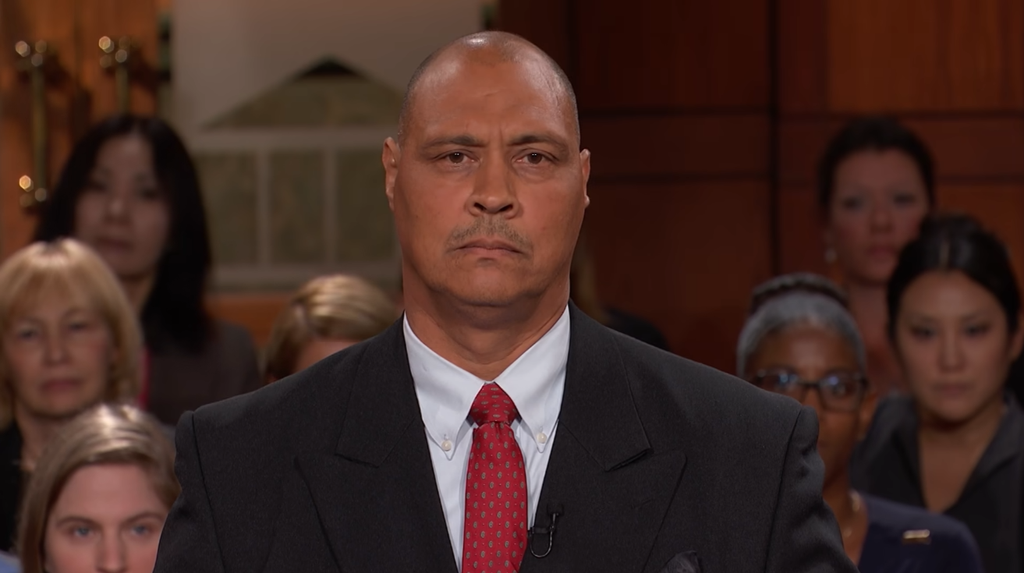
During the hearing, Miss Lee acknowledged that the garage wall extended onto Martinez’s property. By that point, however, the disagreement had grown far beyond a technical question about a survey line.
Fences, Dogs and Growing Friction
Martinez testified that he had four dogs and had installed a makeshift fence. He said Miss Lee had previously removed her own fence after having to take it down, and he argued that he could not construct the fence he ultimately wanted because the garage was sitting partly on his land.
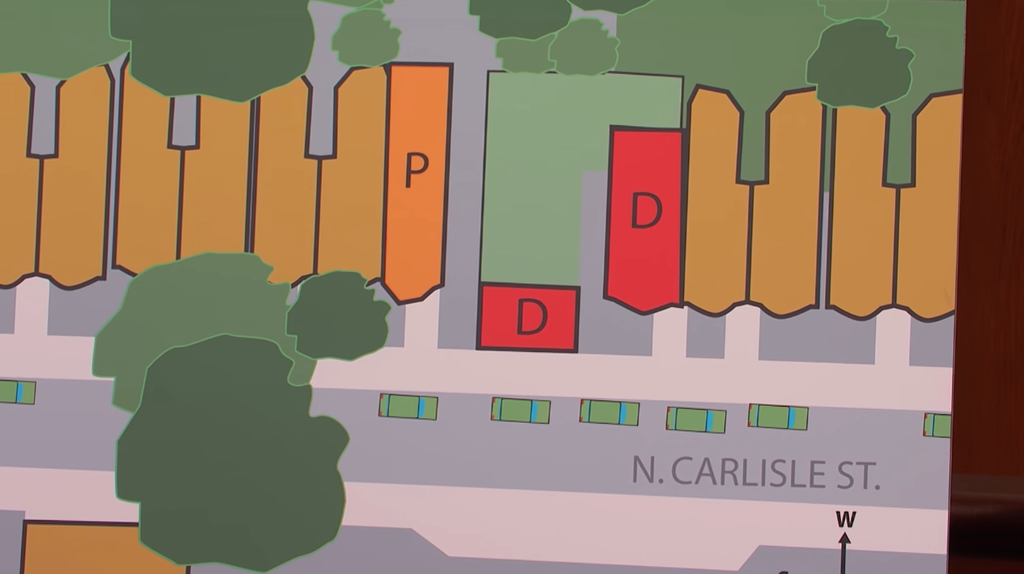
The tension between the neighbors had also spread into other areas. Martinez claimed that Miss Lee repeatedly contacted animal control and complained that his dogs were entering her yard. He also alleged that police had been called numerous times. Miss Lee disputed parts of his account, particularly details involving the placement of fences and the history of the property.
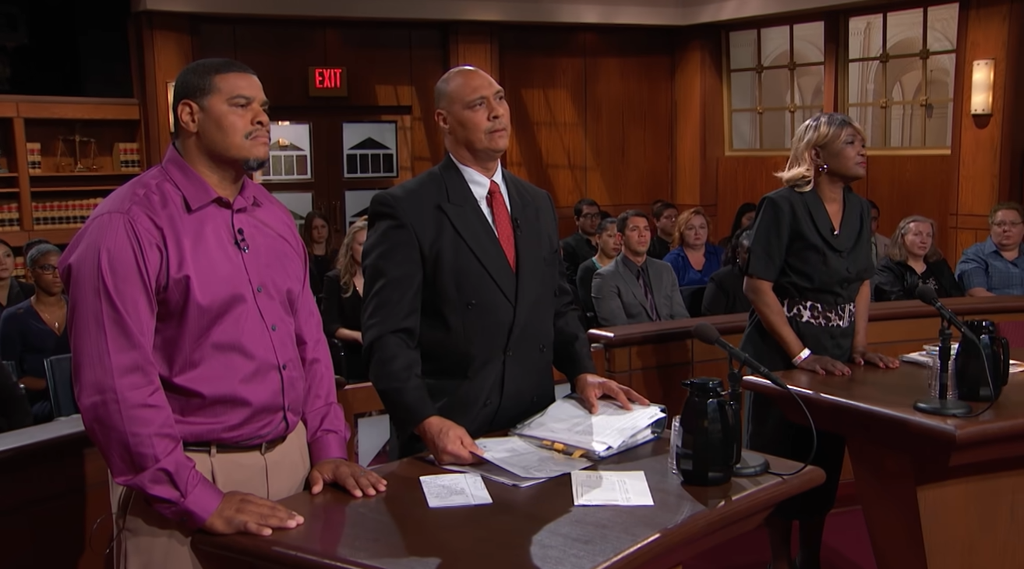
Rather than allowing the hearing to become a reconstruction of every disagreement between the two neighbors, Judge Judy repeatedly brought the discussion back to the central physical issue: the garage wall, the property line and the three inches of land separating the parties.

(uc.)
Judge Judy Focuses on the Real Problem
Judge Judy asked Martinez why he needed Miss Lee’s permission to build a fence if the fence itself would remain on his property. His answer returned the case to the same obstacle. The garage wall was approximately three inches over the line.

Judge Judy then questioned why such a narrow strip of land mattered so much. Martinez indicated that the three inches themselves were not particularly important to him. That answer created an opening for a practical solution.

Instead of requiring Miss Lee to remove or alter part of the garage, Judge Judy raised another possibility: Miss Lee could acquire the three-inch strip from Martinez. The garage could remain where it was, Martinez could adjust the position of his planned fence, and the two properties could finally be physically separated in a way that might reduce future conflict.
What Are Three Inches Worth?
The courtroom discussion then became a negotiation over the value of the disputed land. If Miss Lee acquired the three-inch strip, she would avoid having to remove the section of garage extending over the boundary. Martinez, meanwhile, would receive compensation and could move forward with his fencing plans.

Judge Judy discussed possible figures while pushing the parties toward a final number. Although portions of the verbal negotiation in the transcript are somewhat rapid, the final amount stated in court is clear: $2,500.

Judge Judy emphasized that the payment was not intended as a recurring charge. It was a permanent transaction involving the disputed strip of property. For Miss Lee, the agreement offered a way to keep the garage intact. For Martinez, it offered both compensation and a path toward building the fence he wanted.
The $2,500 Solution
Near the end of the hearing, Miss Lee raised a zoning concern and referred to the need for a permit when changing property lines. Judge Judy nevertheless kept the discussion centered on the resolution being reached in court.

The final arrangement was straightforward. Miss Lee would pay Martinez $2,500, and the three-inch strip that had belonged to him would be transferred to her. With the property issue resolved, Martinez would be able to build his fence without requiring Miss Lee to demolish or move the garage wall.
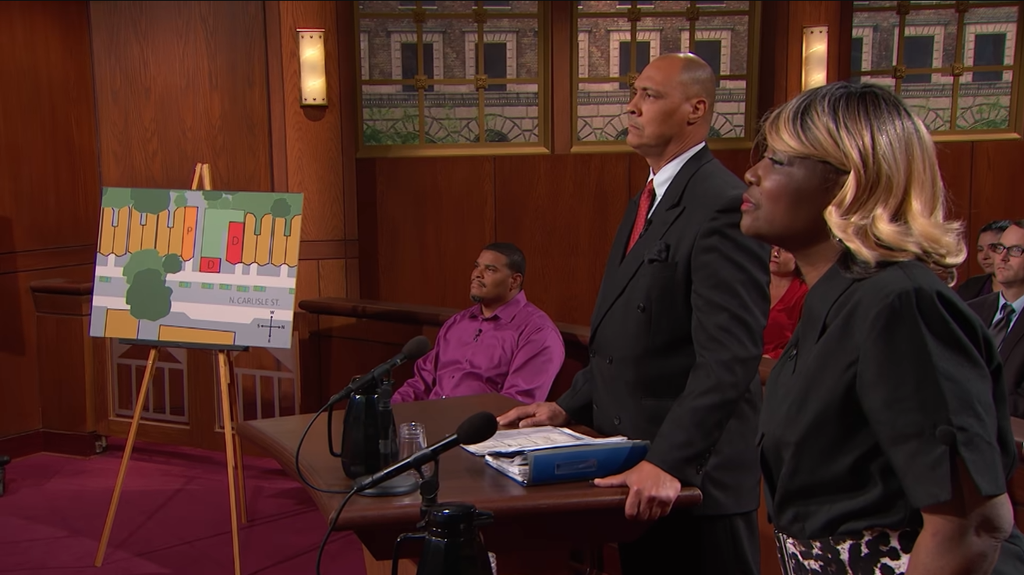
Judge Judy indicated that the judgment would document the transfer. She then told Martinez to go build his fence. The case was dismissed and the parties were excused.
What the Case Reveals About Neighbor Disputes
The most striking part of the case was not the size of the land in dispute but the amount of conflict that had grown around it. Three inches represented only a tiny fraction of either property, yet those inches became tied to ownership, a permanent structure, fencing, dogs and an increasingly hostile relationship between neighbors.

The hearing also showed how easily assumptions about property boundaries can remain unchallenged for years. Miss Lee had lived in the house since 2009 believing the garage was part of her property. Only after Martinez commissioned professional surveys did the encroachment become a formal issue.
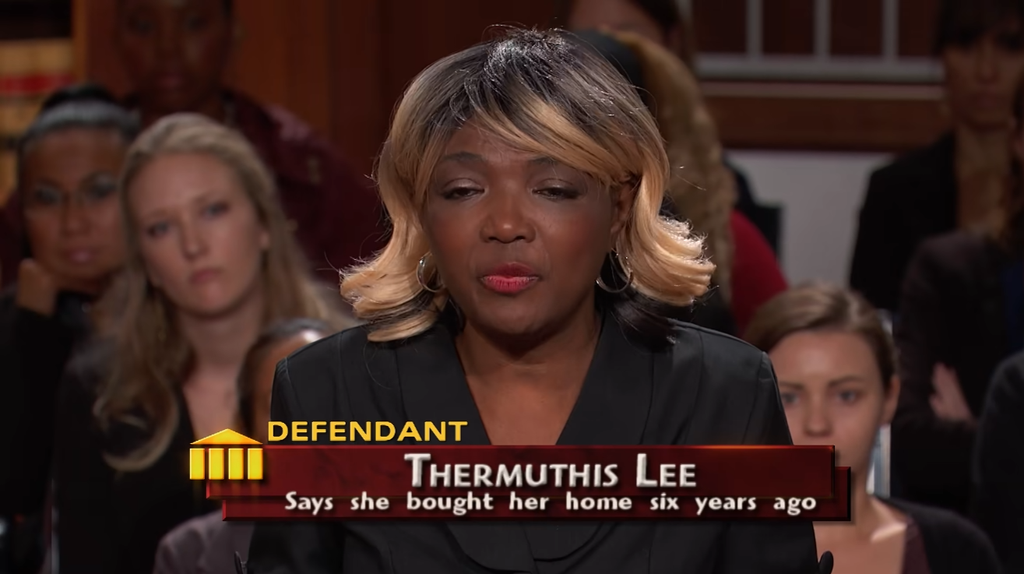
By the time the case reached Judge Judy, determining who was frustrated with whom was no longer enough to solve the underlying problem. The continuing connection between the neighbors was physical: the garage crossed the line, while Martinez wanted to place a fence along his property.

Judge Judy’s solution addressed that problem directly. Instead of prolonging a dispute over a structure that was already standing, the court turned three contested inches into a financial transaction. The result did not erase the history between the neighbors, but it offered something more practical: a clear boundary and a way for both sides to move forward.
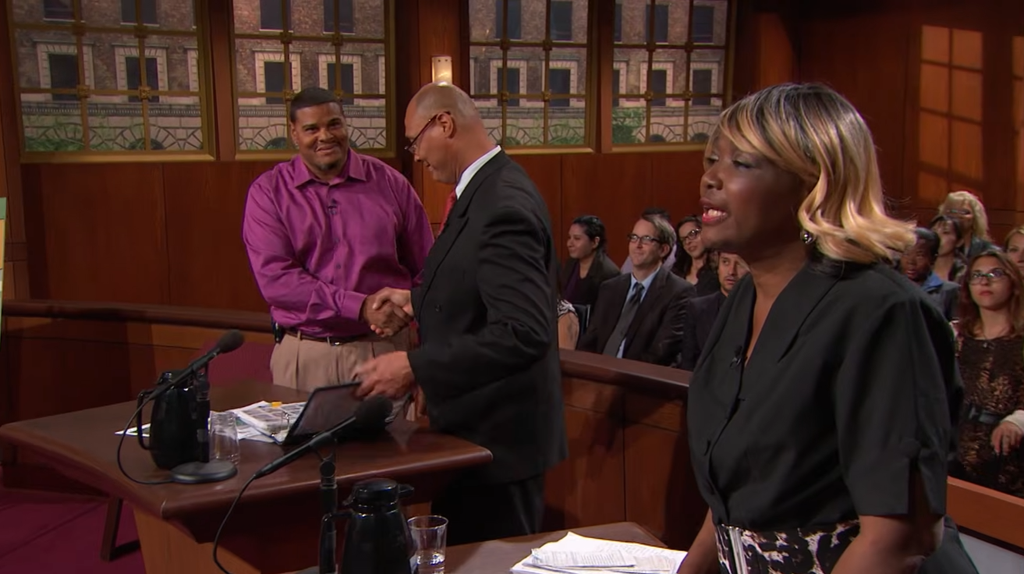
(uc.)
FAQ
What was the dispute between Miss Lee and Mr. Martinez about?
The case centered on the boundary between their neighboring properties. Surveys commissioned by Mr. Martinez indicated that part of Miss Lee’s garage wall extended onto his property.
How far did Miss Lee’s garage extend onto Martinez’s property?
The courtroom discussion focused on approximately three inches of Martinez’s property.
Did Miss Lee survey the property when she bought her house?
No. When Judge Judy asked whether she had obtained a survey when purchasing the house, Miss Lee said she had not.
When did Miss Lee buy her house?
Miss Lee said she had lived in the property since December 2009.
When did Mr. Martinez purchase the neighboring property?
The testimony initially mentioned April 2015, but the date was corrected during the hearing to April 2014.
Why did Martinez want to build a fence?
Martinez testified that he had four dogs and had installed a makeshift fence. He wanted to construct a new fence, but said the garage encroachment affected where it could be placed.
How many property surveys were conducted?
The court heard that Martinez had two surveys performed. The first was associated with late 2014, while the second took place sometime in 2015.
How much was the three-inch strip worth in the final agreement?
The final amount stated in court was $2,500.
What happened to Miss Lee’s garage?
The resolution was intended to allow Miss Lee to keep the garage wall in place rather than remove the section extending across the original property line.
How did the case end?
Judge Judy outlined a resolution in which Miss Lee would pay Martinez $2,500 for the three-inch section of property. Martinez could then proceed with his fence, and the case was dismissed.
Sources:
Judge Judy courtroom.