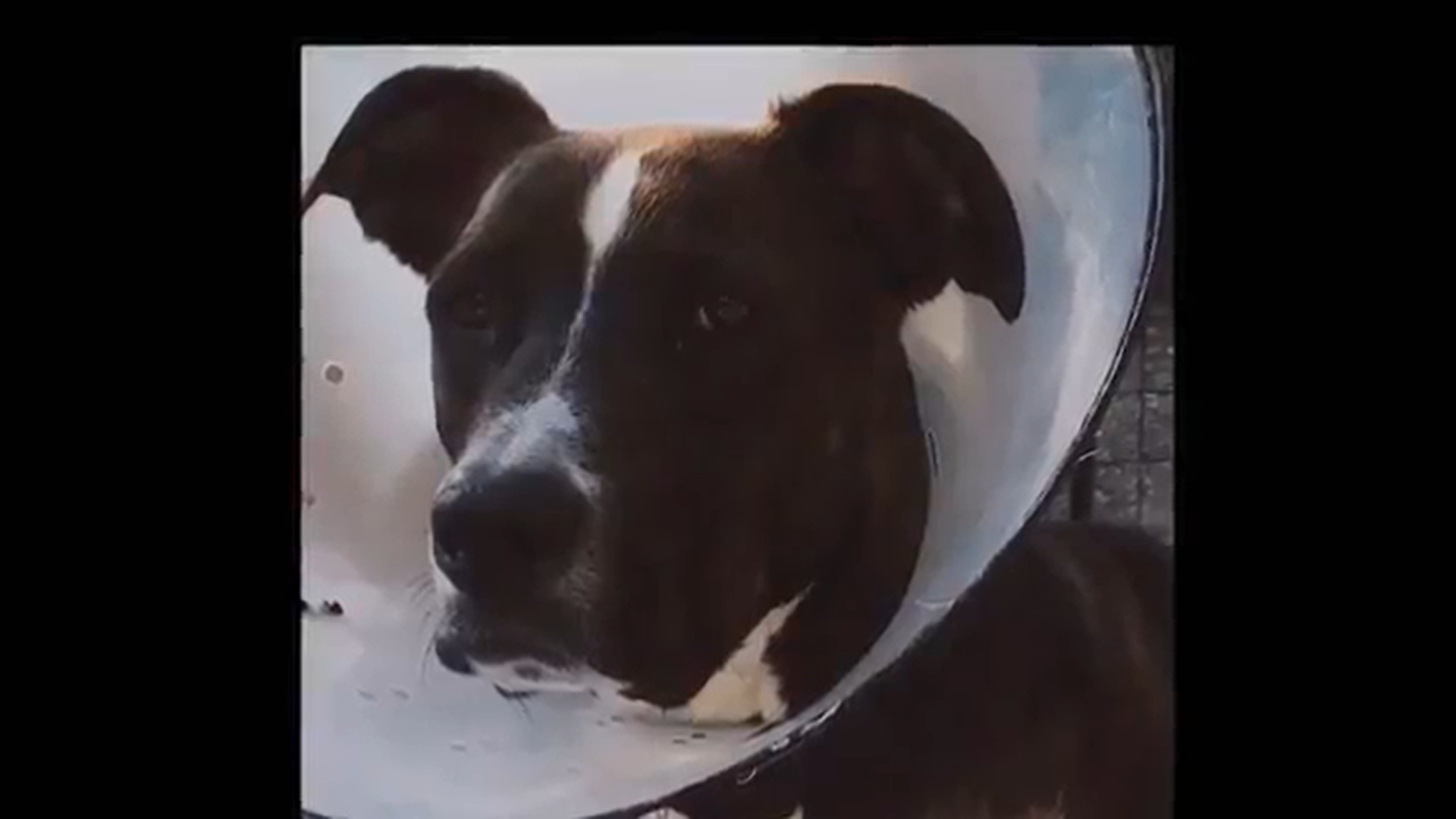
Linda Farr had stopped on a fire road with two leashed dogs beside her, making room for Fiona and Gregory Carroll to pass with theirs. Then the distance between the animals closed. One dog lunged. The Carrolls’ dog suffered an injury that took three months to heal. Yet when the vet-bill dispute reached Judge Judy, the case turned not on which dog’s teeth caused the wound, but on a quieter decision made seconds earlier: who allowed the first approach?

A Routine Hike Reaches a Narrow Point
The encounter began on a fire road near a canyon. Linda Farr was coming out from a hike with two dogs. Both were on leashes. She described one dog as sitting and the other as lying beside her while she stood at the side of the road.
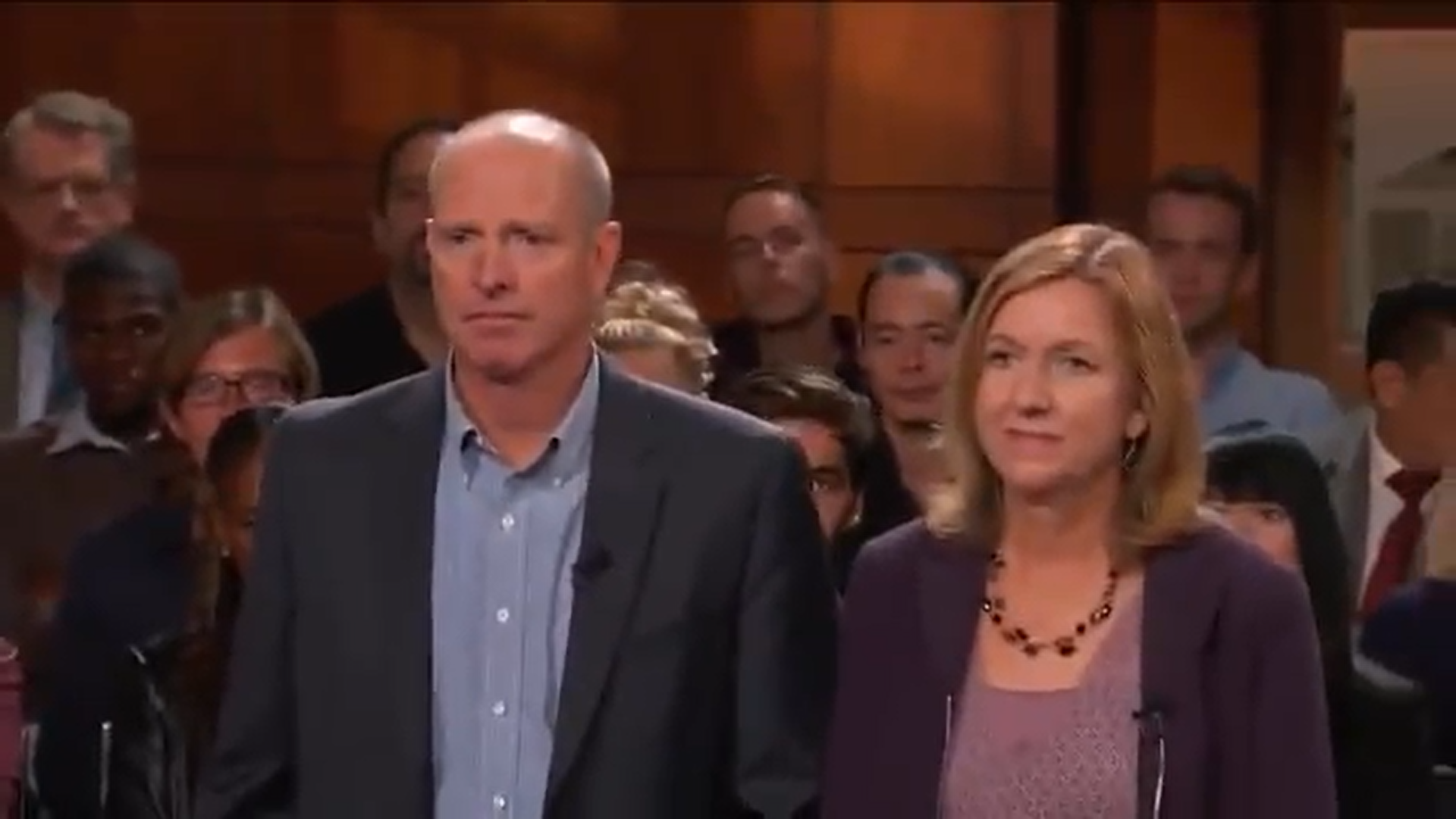
Fiona Carroll and her husband, Gregory Carroll, were traveling in the opposite direction with their own leashed dog. Gregory held the leash. As the Carrolls approached, Linda stopped to let them pass.
Those details were not seriously disputed in court. They established a scene that initially appeared controlled: three restrained dogs, owners present, and one party pausing to create a path for the other. There was no allegation in the segment that Linda’s dogs were roaming loose or that she had moved toward the Carrolls.
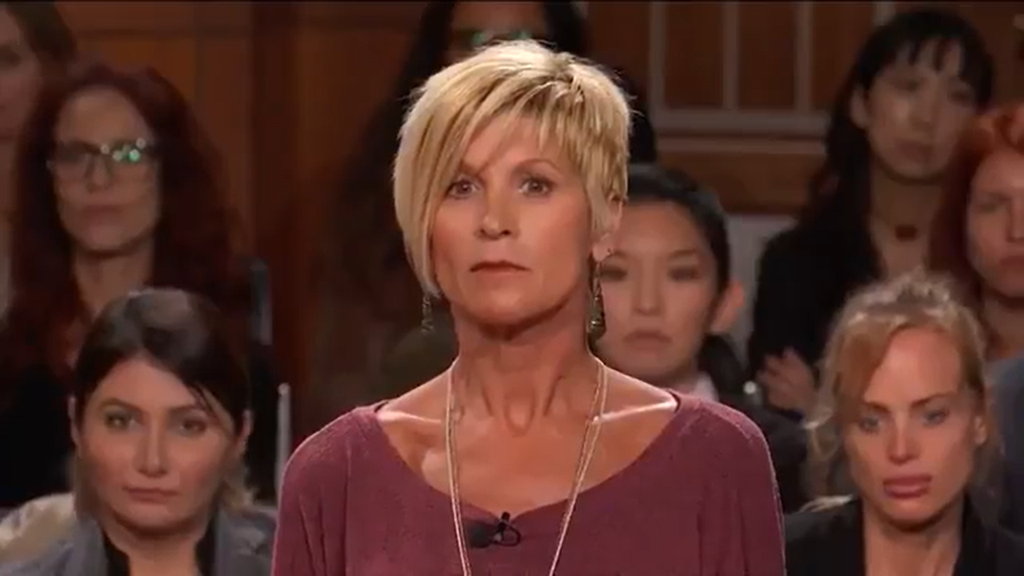
The control lasted only until the Carrolls’ dog moved closer.
The Approach Both Sides Acknowledged
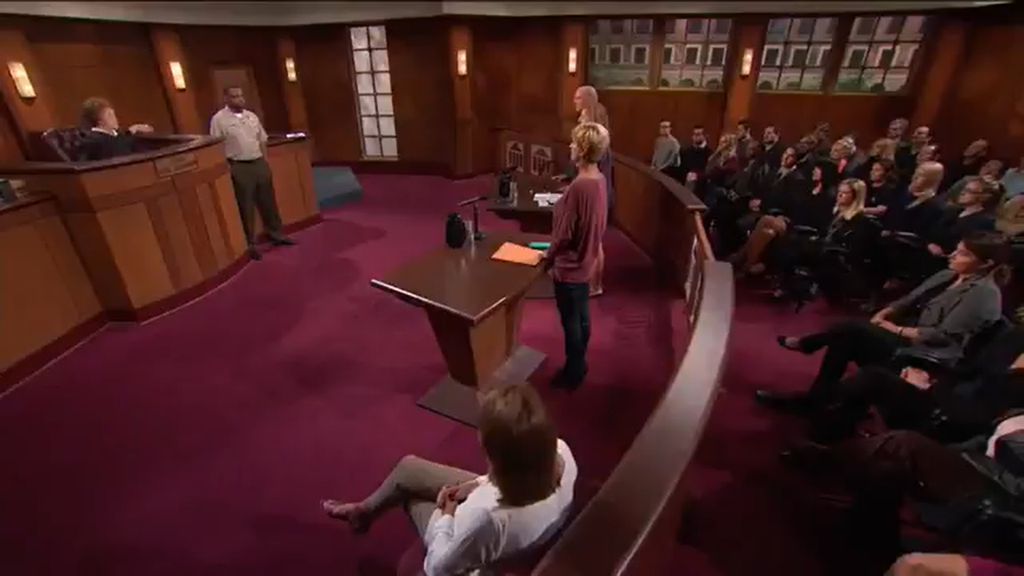
Judge Judy Sheindlin called Gregory forward because he had been holding the leash. Her questions reduced the incident to a short sequence.

The Carrolls were walking. Linda had stopped. Gregory’s dog moved toward Linda’s dogs to sniff them. One of Linda’s dogs then lunged and bit the Carrolls’ dog. During the hearing, the injury was described as a bite to the neck.
Gregory initially tried to explain what he had—or had not—felt through the leash. The judge rejected that framing and returned to conduct rather than perception. Asked directly whether he had let the dog approach Linda’s dogs, Gregory answered that he had.
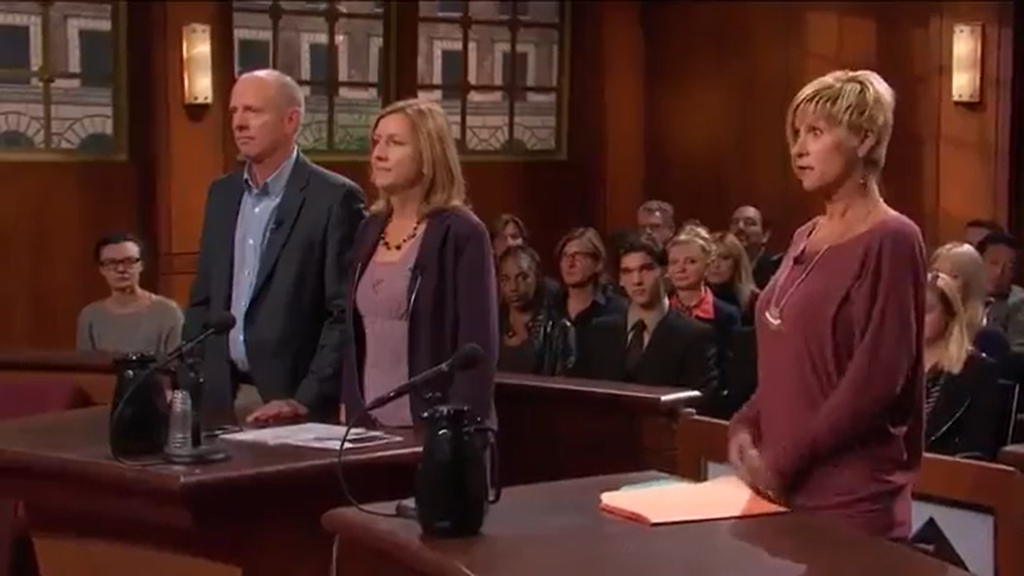
That admission became the central fact. The question was no longer whether Linda’s dog had inflicted the injury; the parties agreed that it had. The question was whether Linda should pay the resulting veterinary bills when she had stopped and held her dogs while Gregory permitted his dog to enter their space.
Why “Both Dogs Were Leashed” Was Not Enough
Fiona’s lawsuit was presented as a claim for veterinary expenses after a dog attack. The amount of those bills was not stated in the supplied transcript. Before damages could matter, the court had to decide responsibility.

The fact that every dog was leashed did not resolve that issue. A leash identifies the person controlling an animal, but it does not prevent the handler from allowing the dog to close the distance. Gregory’s leash gave him the ability to keep walking or hold his dog back. Instead, he acknowledged letting the dog approach.
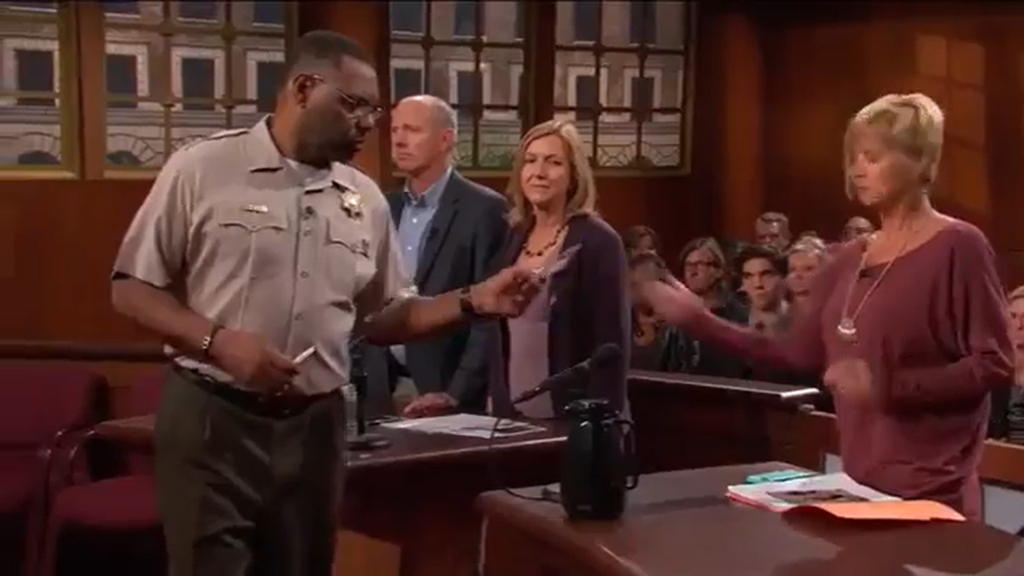
Linda, by contrast, had stopped. The judge found that she had done enough to let the Carrolls pass and was not required to anticipate that Gregory would permit a greeting.
That reasoning is consistent with widely published safety guidance, though the courtroom ruling was based on the testimony in this particular dispute. The American Kennel Club advises handlers to ask permission before allowing dogs to greet. Blue Cross notes that restraint can change how dogs react and recommends giving leashed dogs space when passing.

The Warning the Carrolls Said Never Came
Gregory argued that Linda had not warned him that one of her dogs might react. Linda had spoken with Fiona, he said, but had given no caution about the animals.
The judge did not place the burden on Linda. In her view, an owner who wants to permit a close greeting should first ask whether the other dogs are friendly. Linda did not have to volunteer a warning before Gregory allowed his dog to move toward hers.

The judge illustrated the point with her own practice. When walking her small dog, she said, she asks whether an approaching dog is friendly and also watches its posture. If the answer and the animal’s body language do not reassure her, she keeps moving.
That exchange mattered because the Carrolls’ argument depended partly on silence: Linda had not said “stay back.” The court treated the absence of a warning differently. Linda’s decision to stop and hold her dogs was itself a boundary. Gregory crossed that boundary without first establishing that a greeting was welcome.
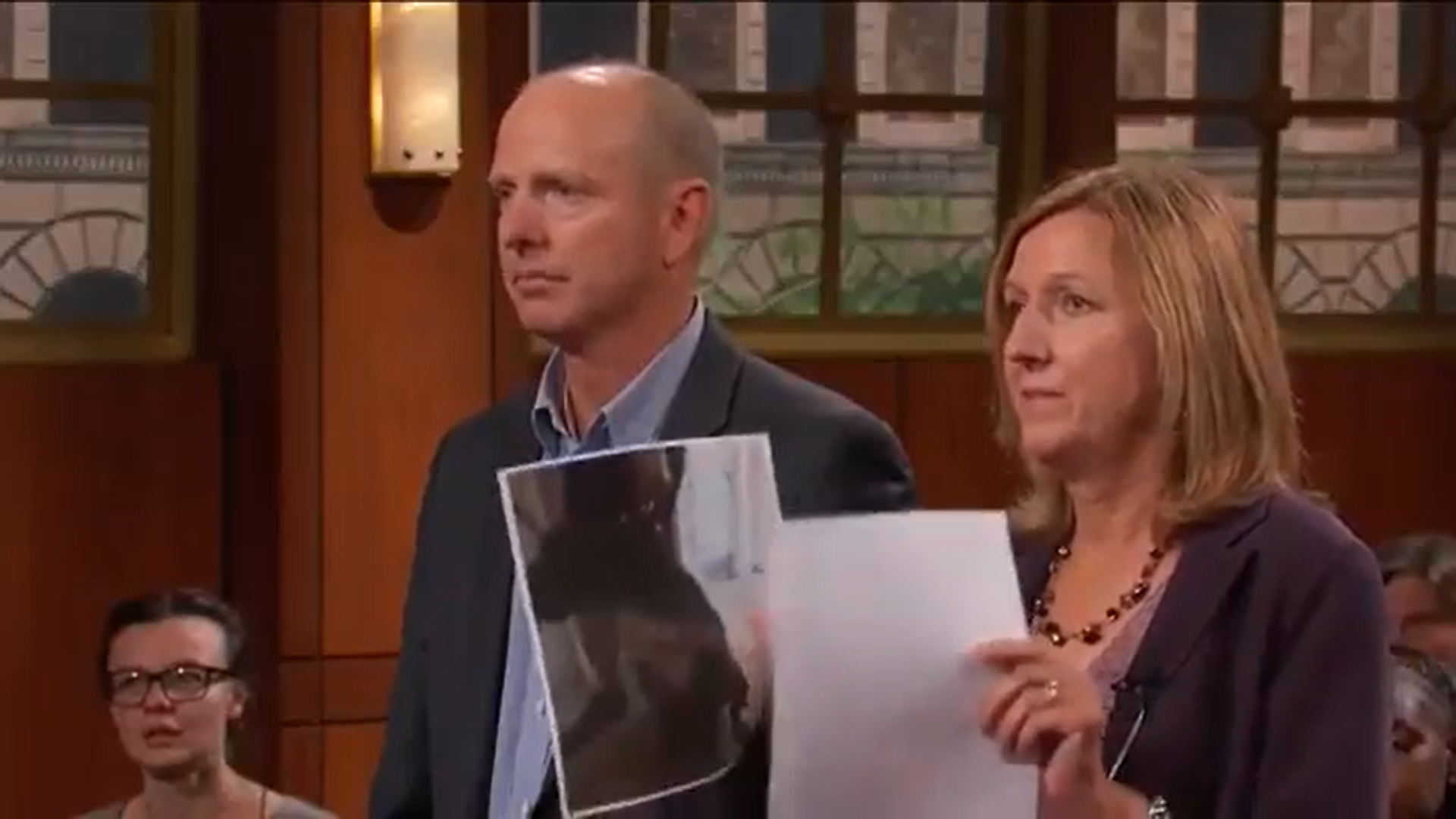
Prior Play Complicated the Claim
The Carrolls also said the dogs had played together before. On its face, that history might explain why Gregory felt comfortable allowing another interaction.
Legally within this hearing, however, it cut both ways. If the dogs had previously played without an incident, the judge reasoned, Linda had less reason to know that one of her dogs would lunge during this encounter. The same fact the Carrolls offered to justify the approach weakened any suggestion that Linda should have anticipated an attack and issued a warning.
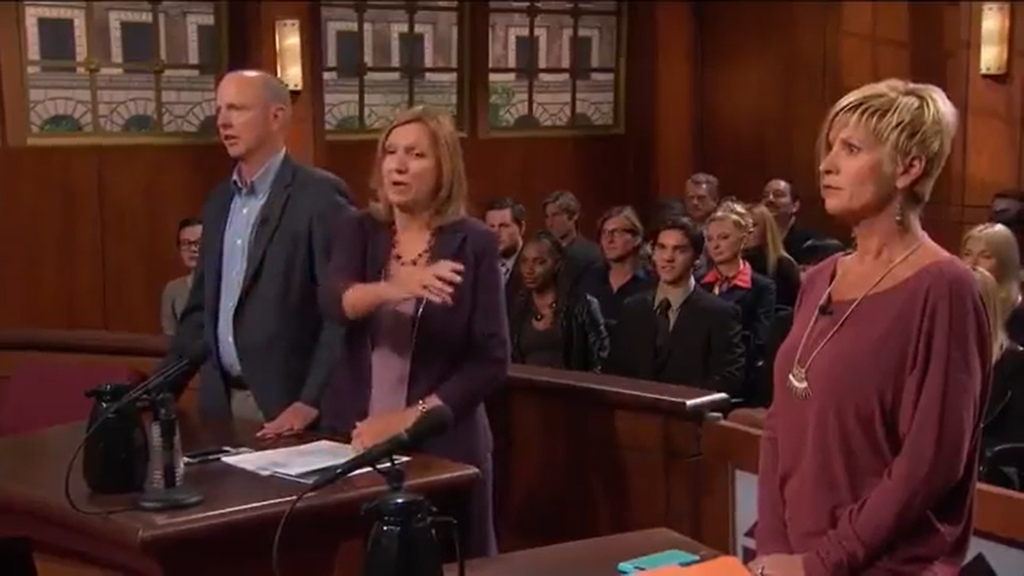
The transcript does not establish when the earlier play occurred, how long it lasted, or whether the dogs met under the same conditions. It would therefore be inaccurate to claim that the prior interaction proved either dog was universally safe. The judge used it more narrowly: as evidence that Linda lacked notice of the specific reaction the Carrolls said she should have foreseen.
The Testimony After the Dismissal
Once Gregory confirmed that he had let his dog approach, the judge dismissed Fiona’s case. The parties then gave sharply different accounts outside the courtroom.

Linda said her dogs had done what she asked: sit beside her and wait for the Carrolls to pass. She maintained that the Carrolls’ dog moved toward her and that her dog jumped up to protect her. Linda said she felt bad whenever a dog was injured but did not believe she was responsible.
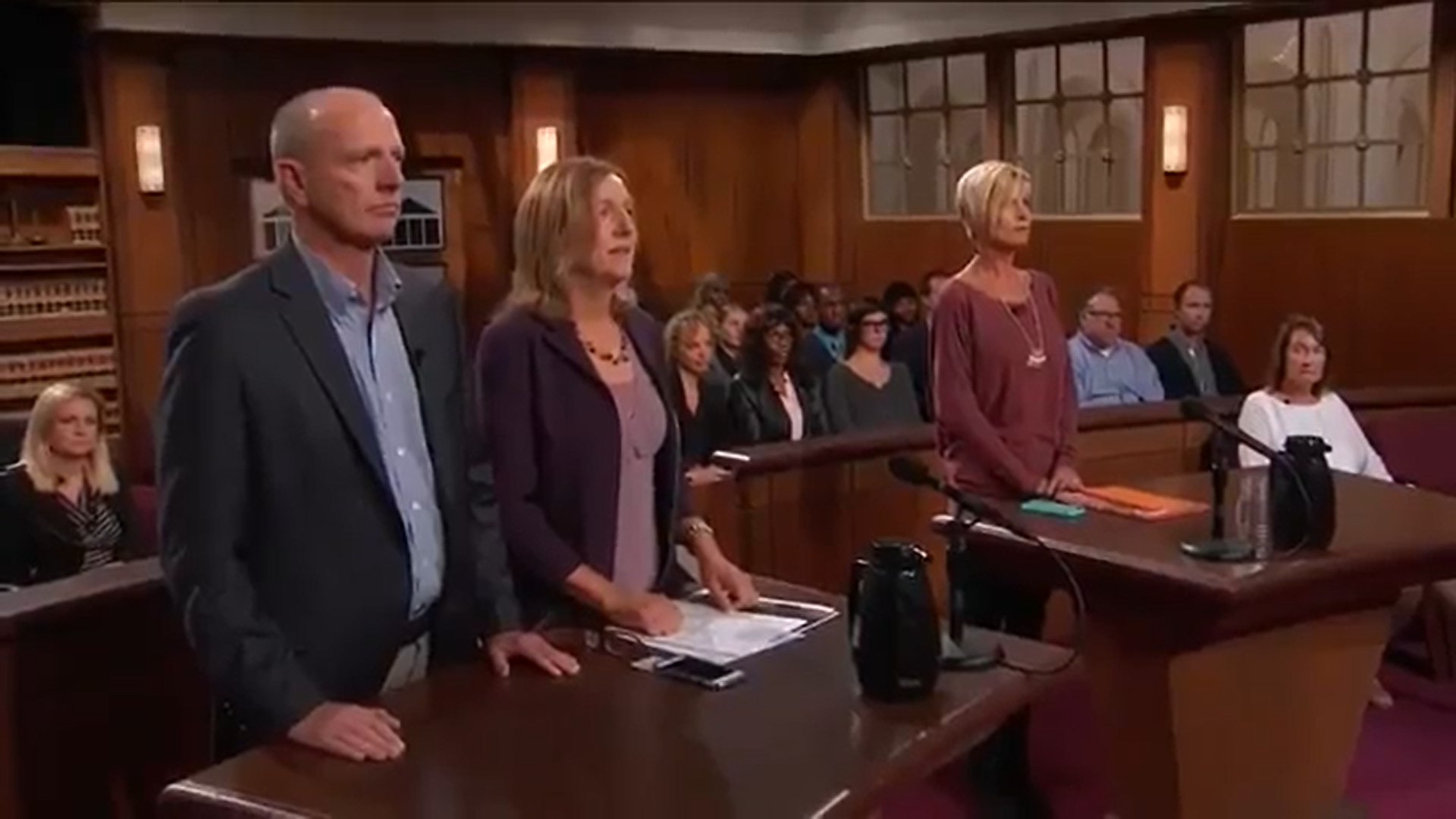
The Carrolls emphasized the violence of the result. Their post-hearing description placed a large wound in the dog’s chest, while the courtroom summary had referred to a bite on the neck. The supplied transcript does not reconcile those anatomical descriptions. Fiona said the injury took three months to heal and confirmed that the dog had recovered.

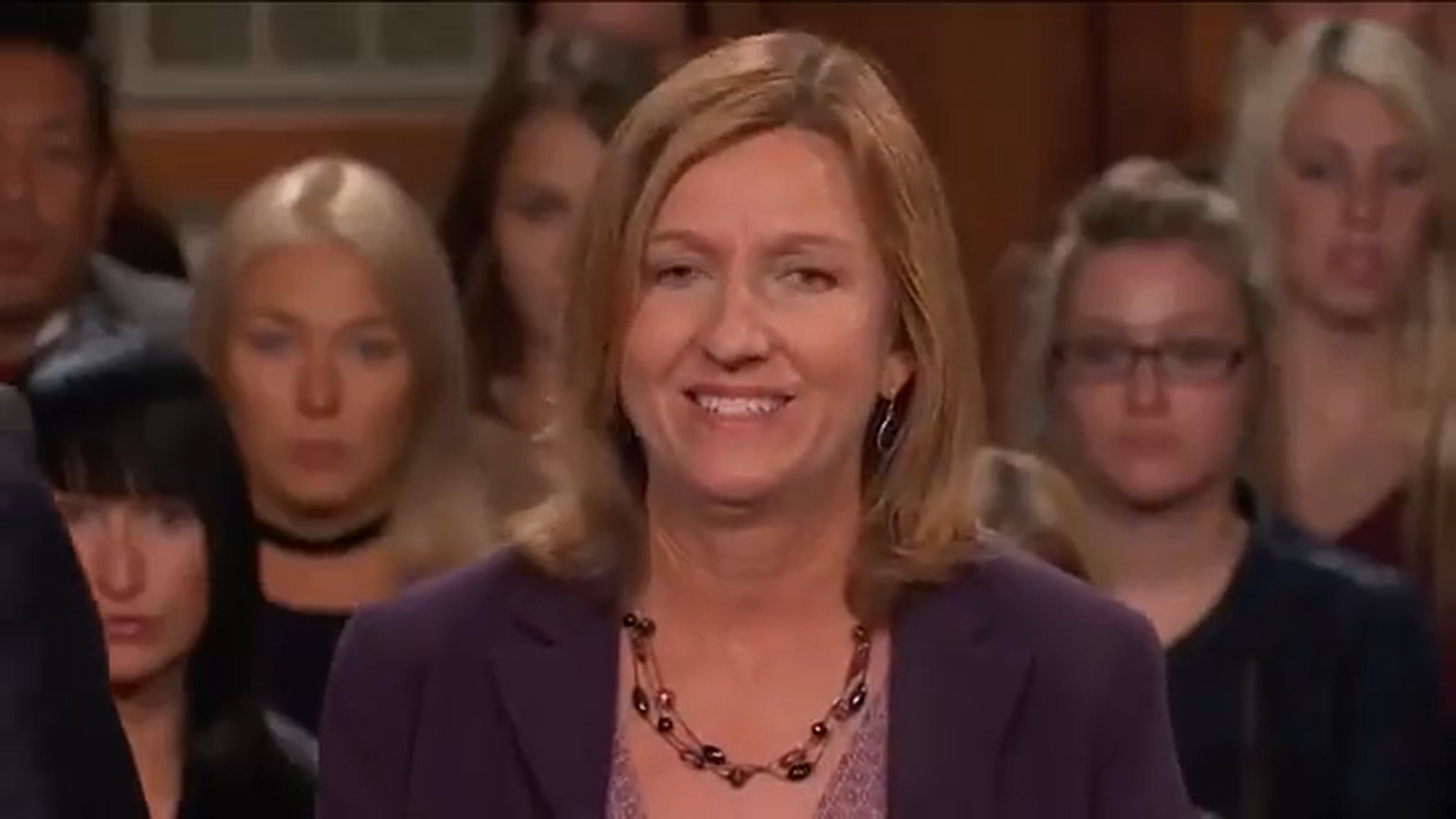
Fiona also expressed fear about what might have happened if a child had reached toward Linda’s dog. Linda answered that her dogs were regularly around children and grandchildren and described the dog as safe. Neither statement changed the ruling because the court decided the dispute on the actual approach between the dogs—not on a hypothetical encounter involving a child.
Despite the disagreement, the segment ended without further hostility. Linda said she was glad the Carrolls’ dog was doing better and wished the family well.
What the Ruling Did—and Did Not—Decide
This was a civil vet-bill dispute, not a criminal prosecution. The court did not declare that the injury was insignificant, nor did it establish a universal rule for every dog-bite case. Dog-injury laws vary by location, and the transcript does not identify the jurisdiction governing the original incident.

The ruling was narrower. On the evidence presented, Linda had restrained her dogs and stopped to allow safe passage. Gregory controlled the injured dog’s leash and permitted the approach without first asking. The judge therefore found Linda was not responsible for Fiona’s veterinary bills.
The case also did not prove that a dog with a history of peaceful play can never react. It showed why prior familiarity is not a substitute for control and renewed consent during each encounter.
The Small Movement That Changed the Case
The most consequential moment on the fire road lasted only seconds. Linda stopped. Gregory continued. His dog moved close enough to sniff, and Linda’s dog lunged.
In the courtroom, emotion surrounded the injury: a wound that required months to heal, fear about future harm, and opposing beliefs about which animal had initiated the danger. But the decision rested on the movement the parties could agree had happened first.
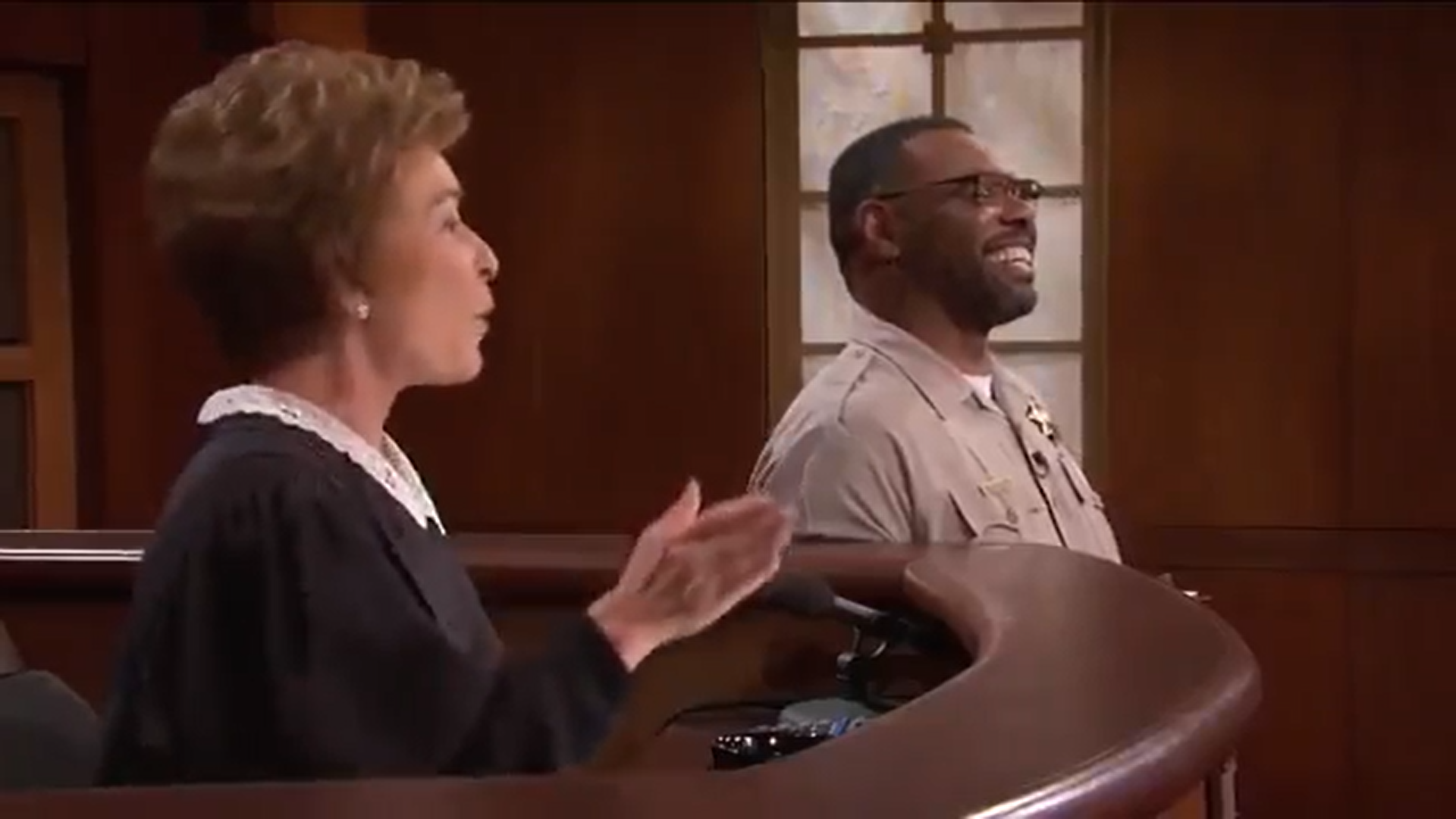
That is what made the dismissal feel both stark and instructive. The court did not need to decide which owner loved dogs more or whose description sounded more alarming. It needed to identify who controlled the approach. Gregory’s answer supplied that fact, and Fiona’s claim ended moments later.
FAQ
Fiona Carroll sued fellow dog owner Linda Farr for veterinary bills after Linda’s dog injured the Carrolls’ dog on a fire road. Gregory Carroll, Fiona’s husband, had been holding their dog’s leash.
Yes. Linda’s two dogs and the Carrolls’ dog were all leashed. The dispute focused on the fact that Gregory allowed the Carrolls’ dog to approach Linda’s dogs.
The courtroom discussion described a bite to the neck. After the case, the Carrolls described a large wound in the chest. The transcript does not reconcile the two descriptions, but Fiona said the dog took three months to heal and later recovered.
Gregory said Linda did not give a warning. The judge ruled that Linda was not required to warn him before he allowed his dog to approach and that he should have asked whether a greeting was safe.
The judge found that Linda had stopped and restrained her dogs to let the Carrolls pass. Because Gregory permitted his dog to approach Linda’s dogs, the judge held Linda was not responsible for the vet bills.
The Carrolls said the dogs had previously played together. The judge reasoned that a prior peaceful interaction gave Linda less reason to expect that her dog would lunge during this encounter.