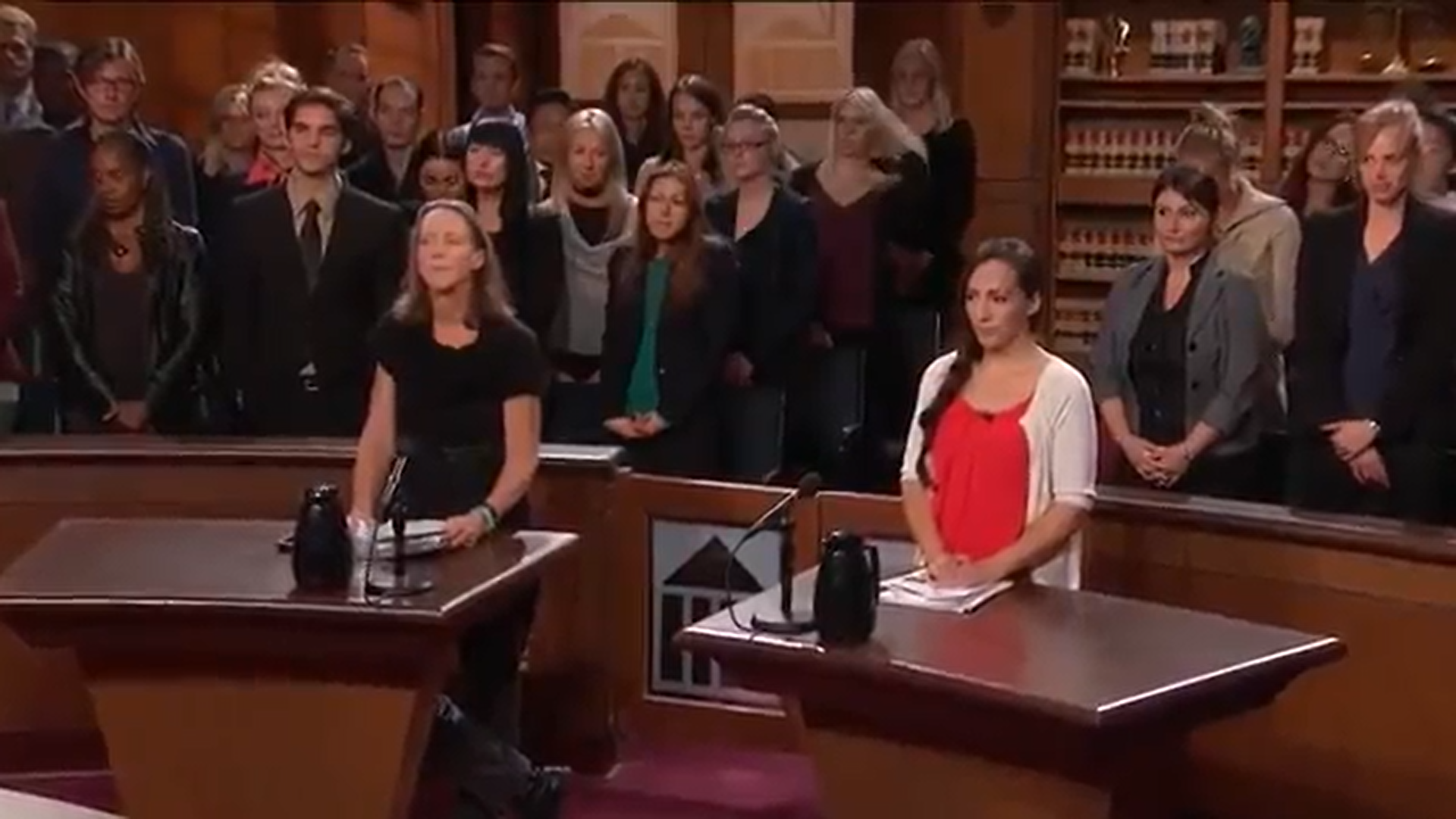
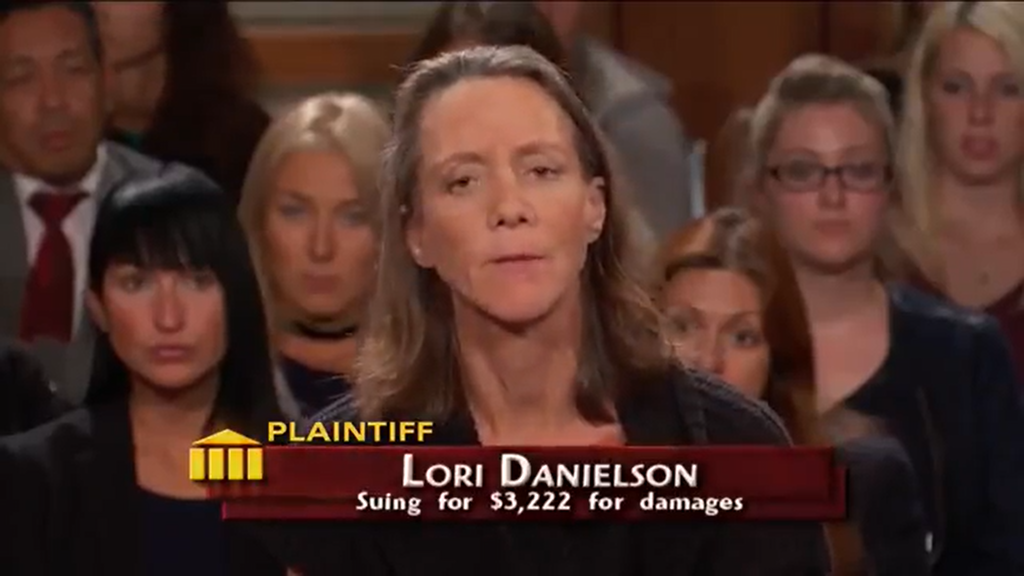
By the time the aging car reached a Brooklyn Park street, it had become more than a broken machine. To Lori Danielson, it represented a $2,200 loan she was still paying and transportation she had lost. To Sarah Kolosky, it represented weeks of unpaid work, money spent on parts, and a city deadline carrying the threat of daily fines. When the vehicle was taken to impound, a favor rooted in a 43-year friendship became a courtroom fight over notice, responsibility, and who should absorb the loss.
A $2,200 Car and a Repair Based on Trust
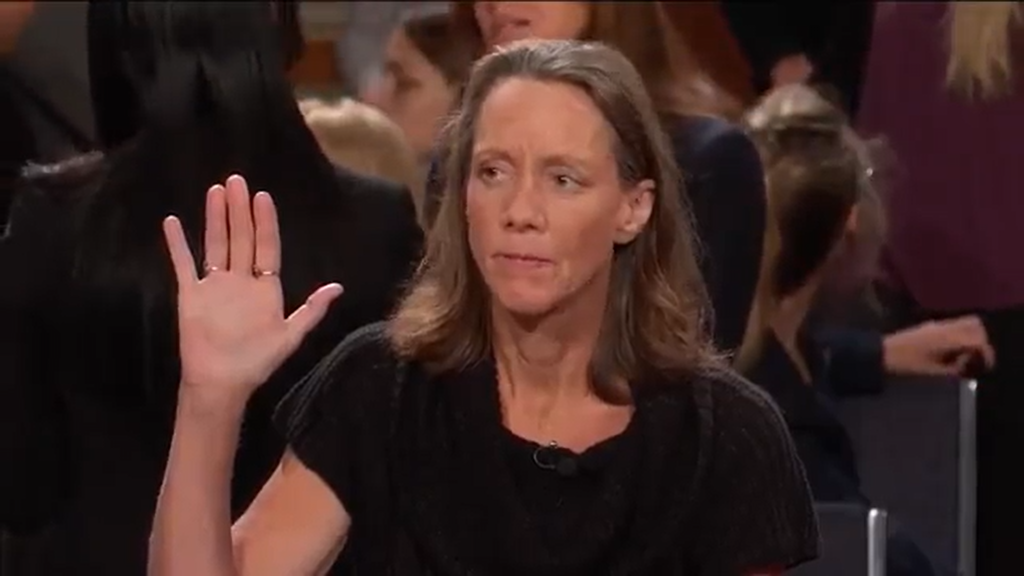
The dispute began in May, when Lori Danielson bought a 20-year-old used car from a dealership for $2,200. She drove it off the lot, but the car soon overheated and became undriveable. The purchase had been financed, Lori told the court, leaving her without a working vehicle while she continued paying the loan.
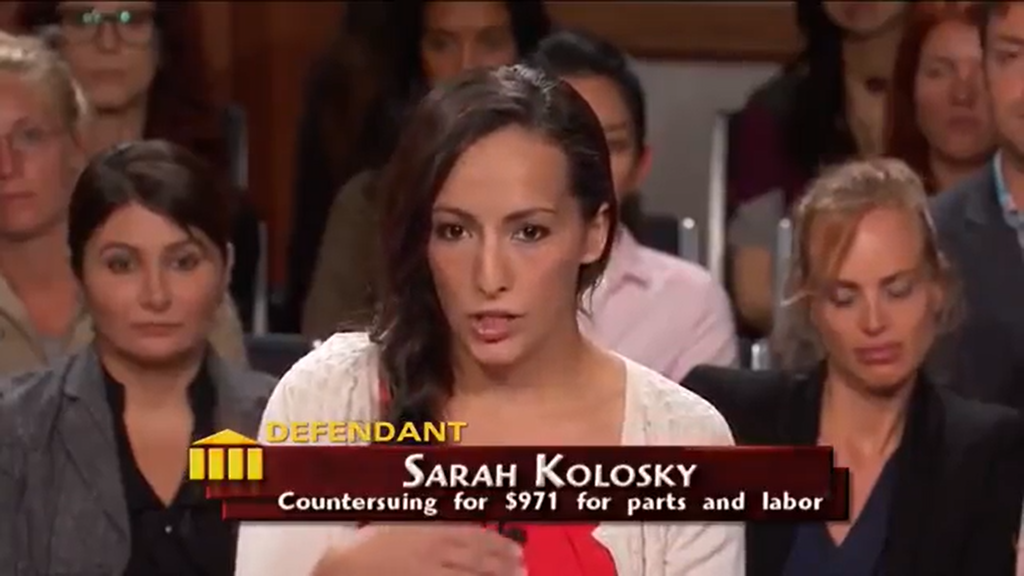
Help came through a relationship that predated the car by decades. Lori said Sarah Kolosky’s mother was her best friend and that the two women had known each other for 43 years. Sarah was a stay-at-home mother who described working on cars as a long-standing interest learned around her father, friends, and family. The arrangement grew out of familiarity and trust.
On June 28, a free flatbed tow took the car from Lori’s home to the dealership and then to Sarah’s property. Sarah was expected to repair it, and Lori was expected to pay for parts and labor.
What the women did not establish was equally important: a firm written price, a payment schedule, or a clear plan for storing and returning the vehicle.
When the Work Became an Unpaid Debt
Sarah told the court she spent about $200 of her own money on the car. She later described working for roughly a month and rebuilding the engine. Lori, however, said she wanted an itemized bill before paying for parts. She had seen only a text showing a total, she testified, and the women had not agreed on the amount Sarah would receive for labor.
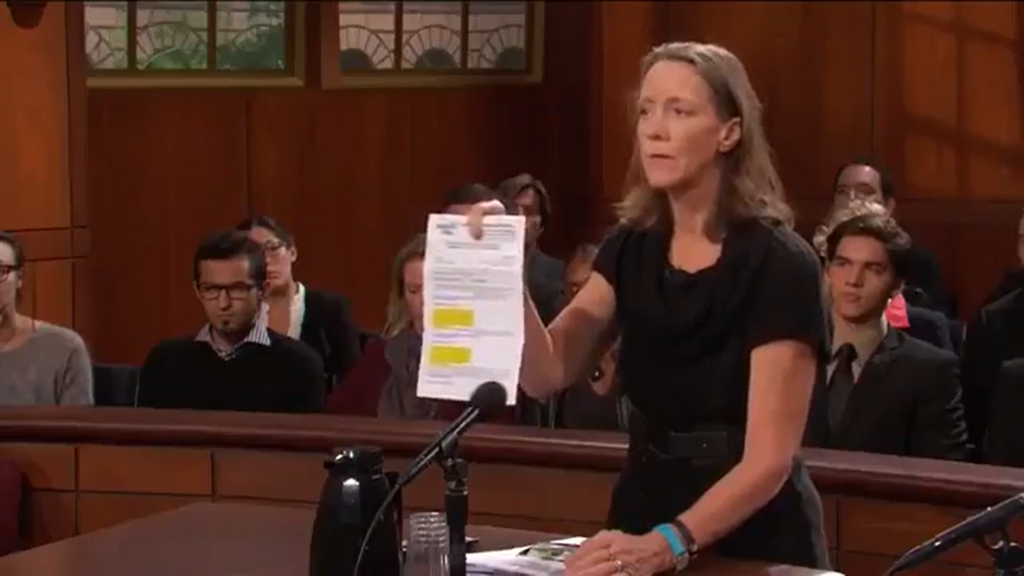
Sarah said Lori repeatedly promised to pay but never did. During the hearing, the judge established that Sarah received no money between June 28 and August 1. Sarah said Lori came to her home on July 28 to inspect the work and was supposed to bring $300. She arrived without payment.
By Lori’s account, the demand became explicit on August 1: pay $700 or the car would be towed within two hours. By Sarah’s account, the warnings had begun earlier and Lori already knew that the vehicle had to leave the property.
The disagreement was no longer only about a repair. It was about whether Sarah could protect herself from an unpaid bill without exposing Lori’s property to a new risk.
The Itemized Bill That Never Arrived
The missing itemized invoice sat at the center of the payment dispute. Lori framed it as the condition she needed before paying for parts. Sarah framed the lack of payment as a broken promise after she had invested both time and money. Neither side described a signed repair authorization, written storage agreement, or agreed labor rate.
The City Deadline That Changed the Dispute
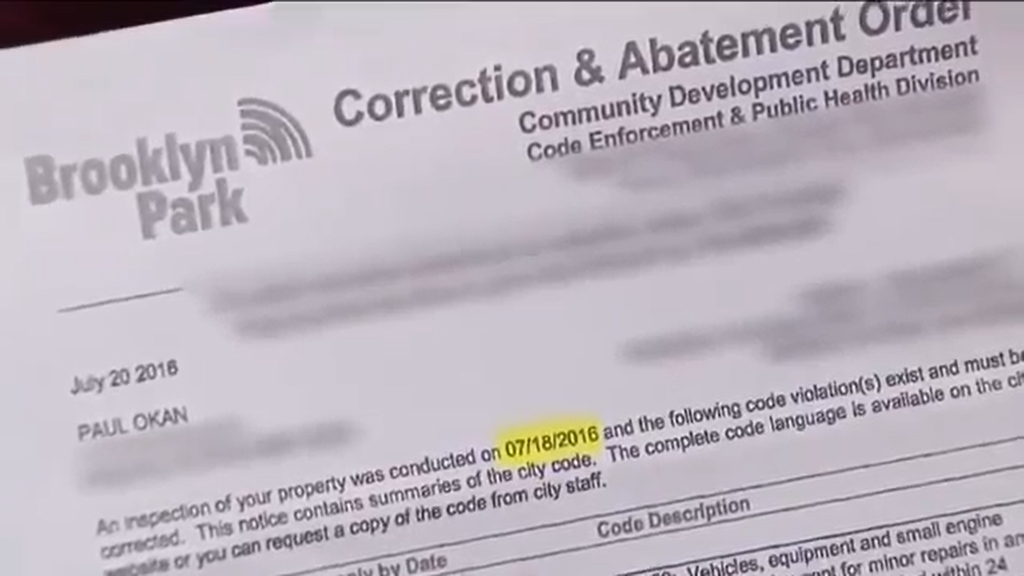
While the car remained at Sarah’s home, the City of Brooklyn Park inspected the property on July 18. A notice discussed in court was issued on July 20. Sarah said a local ordinance limited how long a vehicle not registered to that property could remain there, and the hearing referenced an initial 48-hour period followed by extensions.
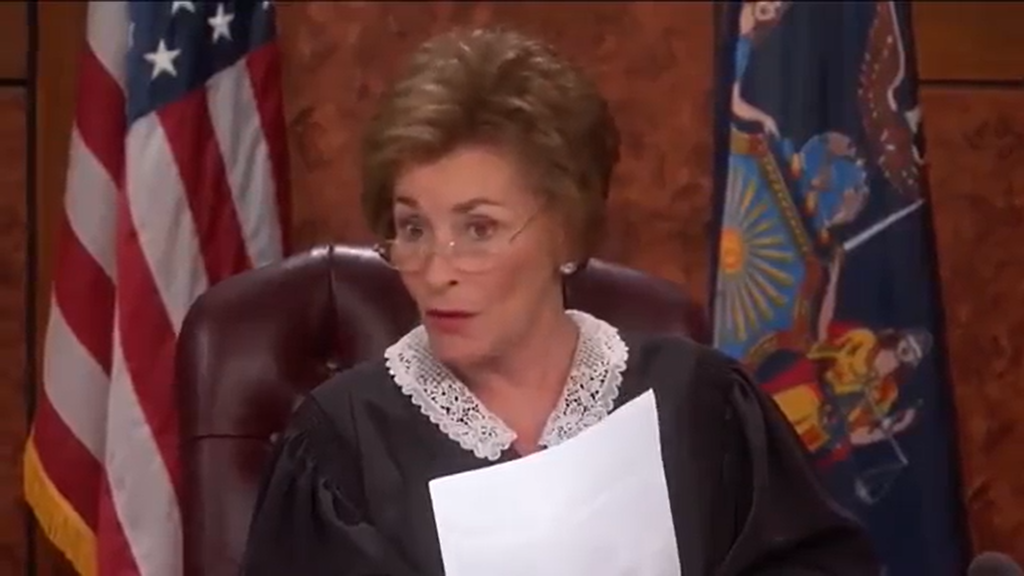
The exact final deadline was contested. The testimony moved among July 22, July 27, August 1, and August 4 as the judge examined successive notices and communications. What was clear was the financial pressure: the paperwork warned Sarah that she could face a $200 fine for every day the car remained on her property after the deadline.

Sarah said she gave Lori a copy of a city notice. Lori said the first time she learned she had to remove the vehicle was August 1. A message dated July 27 appeared to have been sent to Lori’s boyfriend, but the judge questioned whether Sarah could prove that Lori herself had received a direct warning before August 1.
Sarah also said her phone’s hard drive had crashed, taking earlier messages with it. That explanation left her without the text history she said would have shown repeated notice.

From Private Property to a Public Street
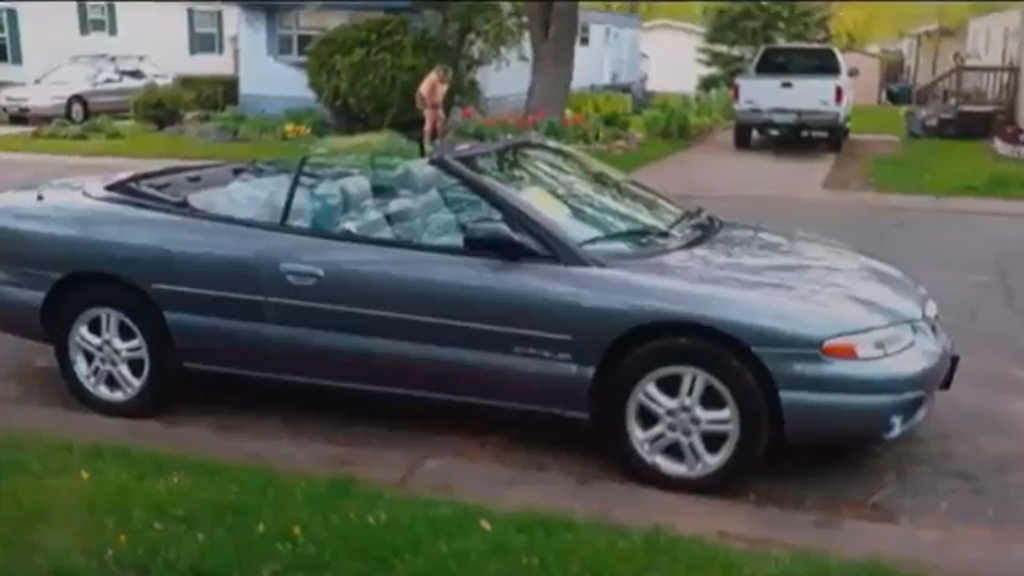
Faced with the city deadline, Sarah moved the vehicle off her property. At first, she testified that she drove it once it became operable. Lori disputed that account and said the car had been left without working parts.
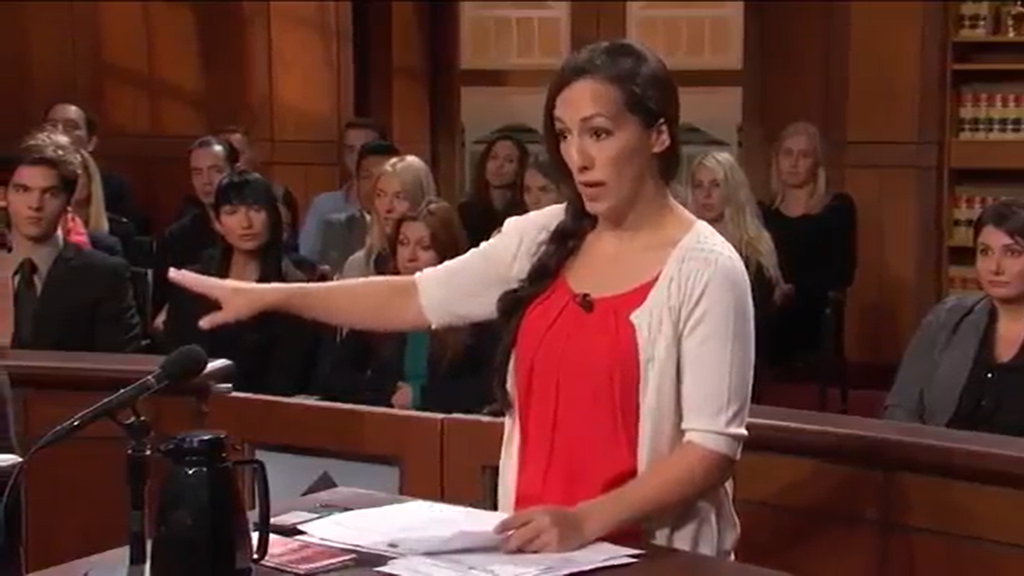
Then the text evidence narrowed the gap between the competing stories. A July 31 message reviewed in court said the car had been “pushed” into the street. When Sarah continued to say the car was operable by August 1, the judge answered plainly: “I don’t believe you.”
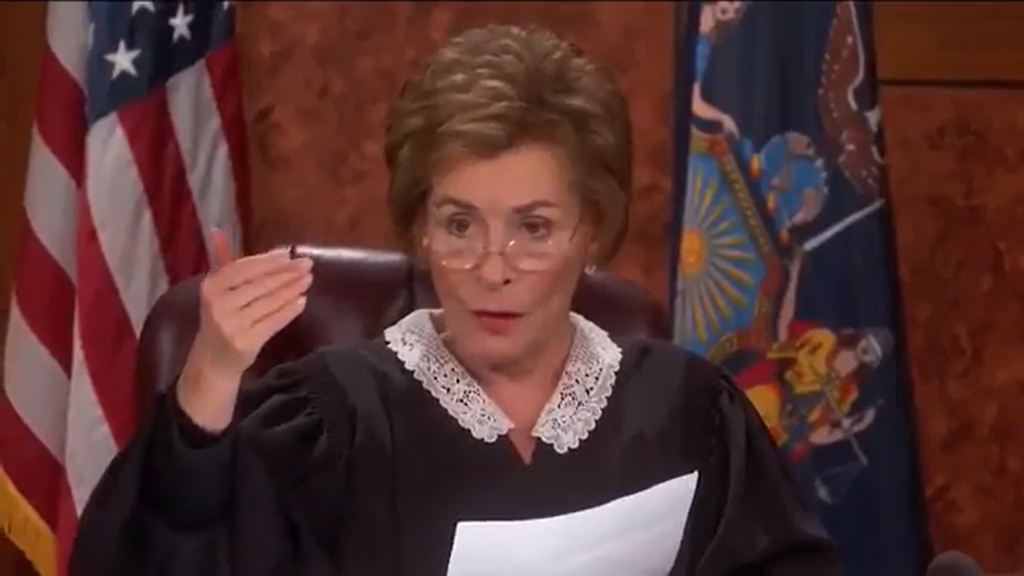
Sarah offered another reason for urgently removing the car. She said gasoline had been siphoned from vehicles in her neighborhood three times while Lori’s car was on the property. The judge acknowledged her frustration but returned to the duty Sarah had accepted when she took possession of the vehicle: she was responsible for keeping it safe.
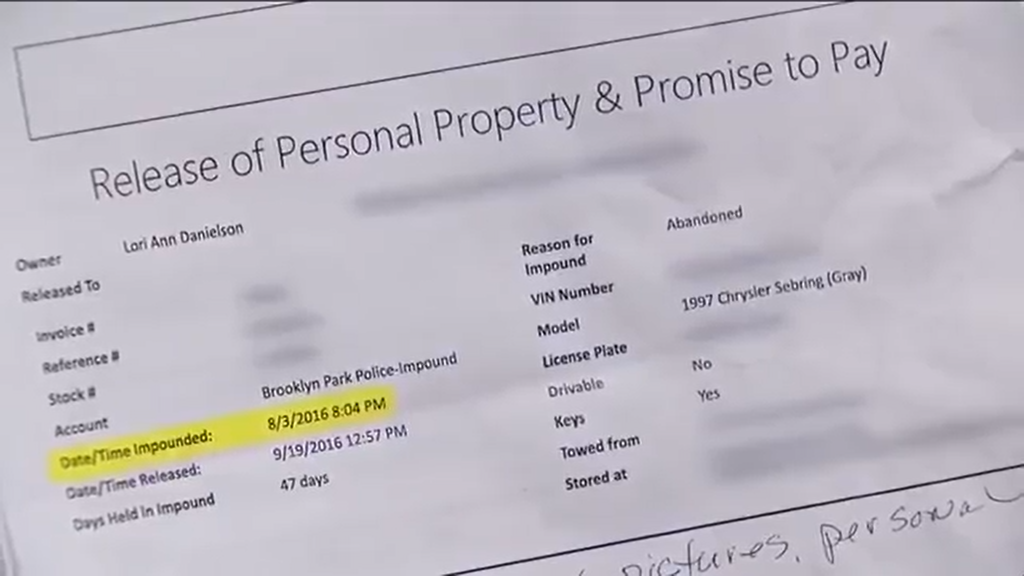
The city eventually removed the car from the street. The hearing first included a reference to August 4, but a document later reviewed in court appeared to place the tow on August 3. The transcript does not fully resolve that one-day discrepancy. It does establish that the vehicle was taken from the street, not from Sarah’s private property.

The Evidence That Shifted the Hearing
Several pieces of evidence shaped the judge’s view:
- City notices documented that Sarah faced a real deadline and possible daily fines.
- Sarah could not produce the earlier text messages she said proved that Lori had been warned.
- Lori’s messages showed a sudden demand for $700 and the threat of towing.
- A July 31 text contradicted Sarah’s initial description of driving the car to the street.
- Both sides agreed that Lori had paid nothing toward the repair before the car was impounded.
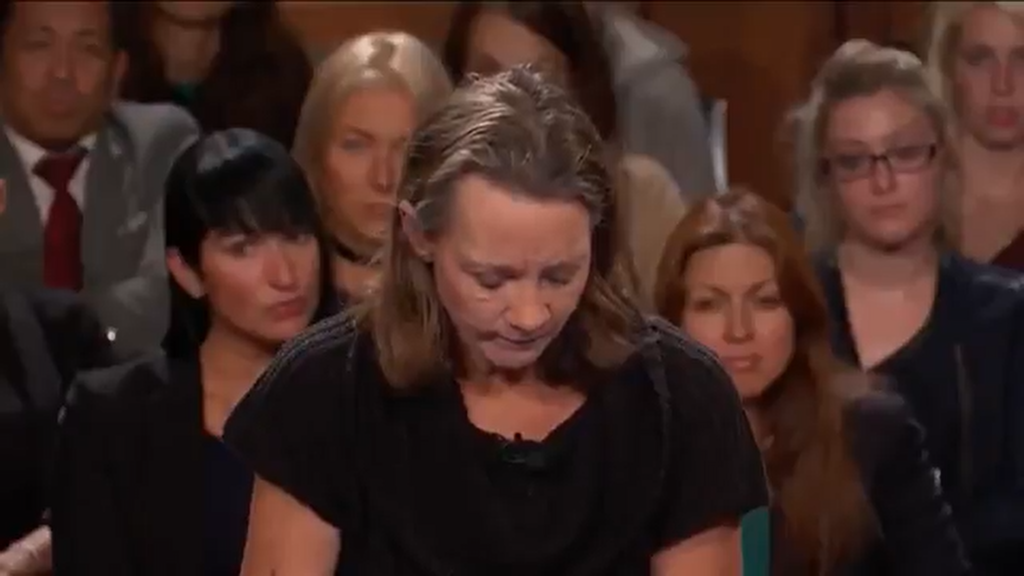
Lori had allowed a repair to continue without paying for parts or settling a labor price. Sarah had accepted the vehicle without a written agreement, spent her own money, and then placed the car where the city could treat it as abandoned.
But the judge separated the unpaid repair claim from the duty to protect the car. Sarah’s frustration did not authorize her to push Lori’s vehicle onto a public street.
Why the Judge Valued the Car at $500
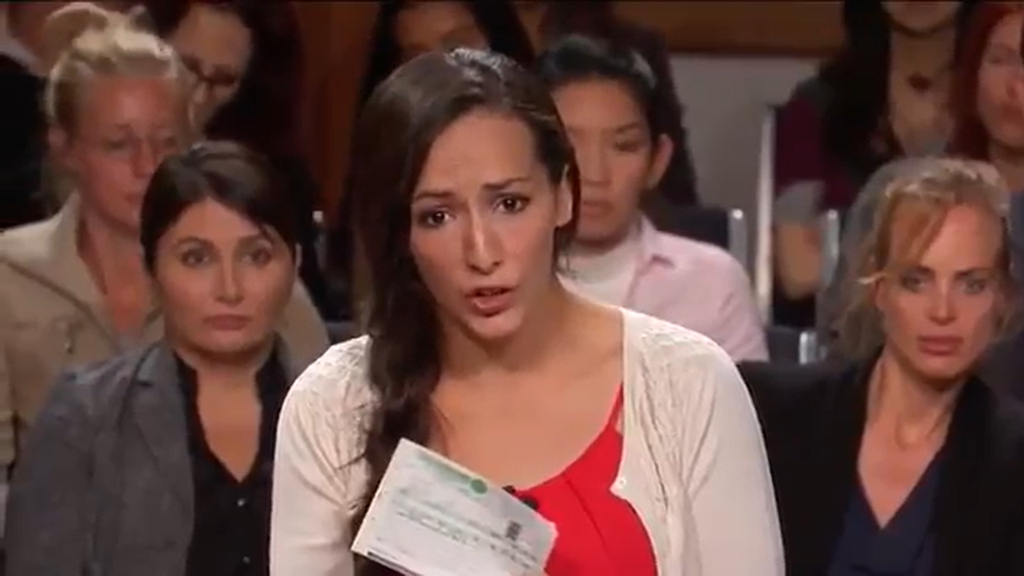
Lori sought the value of the car and impound-related losses. She had paid $2,200, but the judge emphasized that the vehicle was no longer in the condition it had been when Lori drove it off the lot. By the time it reached Sarah, it had overheated and required a tow.
The dealership had offered Lori $500 as a trade-in if she bought another car. Sarah also presented an estimated Kelley Blue Book value of approximately $344. The judge treated the dealership’s $500 offer as the best concrete measure available and awarded Lori that amount.
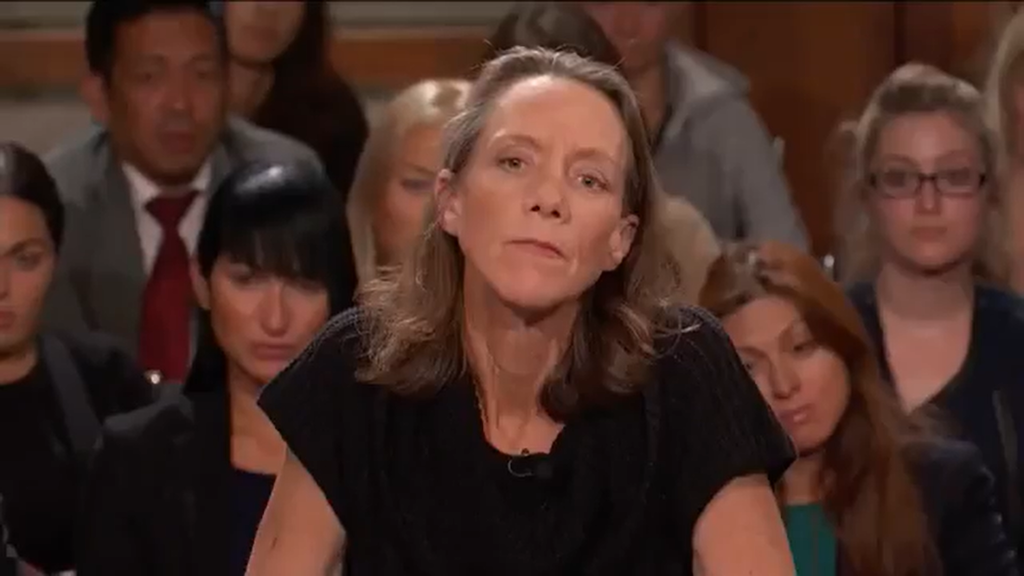
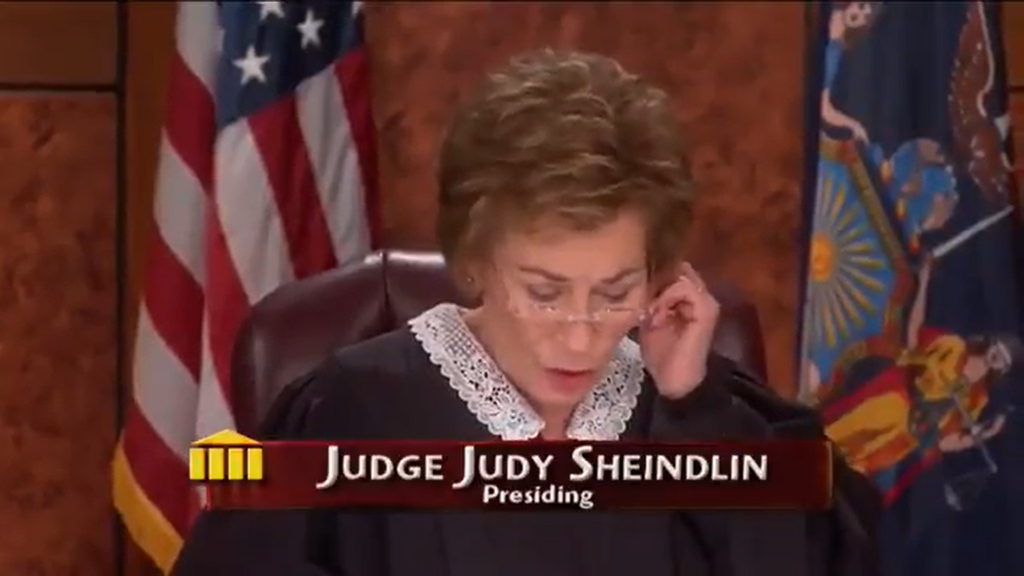
Sarah’s counterclaim for parts, labor, towing, and rental-related fees was dismissed, according to a contemporaneous episode recap. The ruling did not erase the work Sarah said she performed. Instead, it reflected the court’s conclusion that her decision to place the car on the street made her responsible for the loss that followed.
The judge explained that Sarah had another lawful path: tow the car back to Lori’s home, then sue separately for the parts and labor she believed she was owed.
How a Favor Escalated Into a Lawsuit
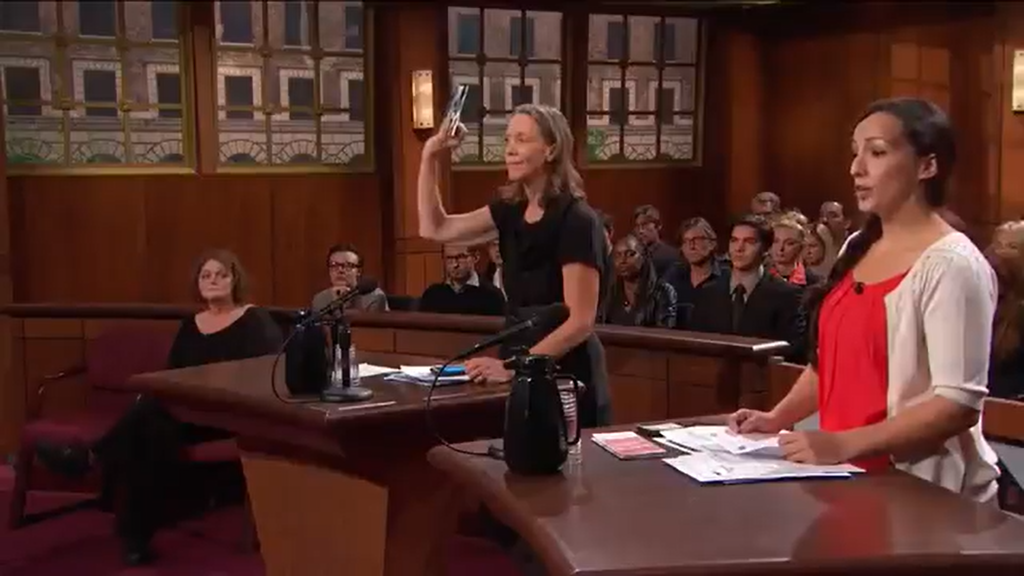
The case was not a criminal prosecution, and the record does not support describing either woman as a criminal. Its tension came from a more familiar kind of breakdown: informal promises hardened into incompatible expectations.

Lori expected transparency before payment. Sarah expected reimbursement as the work progressed. The city’s enforcement deadline then compressed the time available to resolve the disagreement. Each woman began protecting her own position, but neither had the written terms needed to prove exactly what the other had promised.
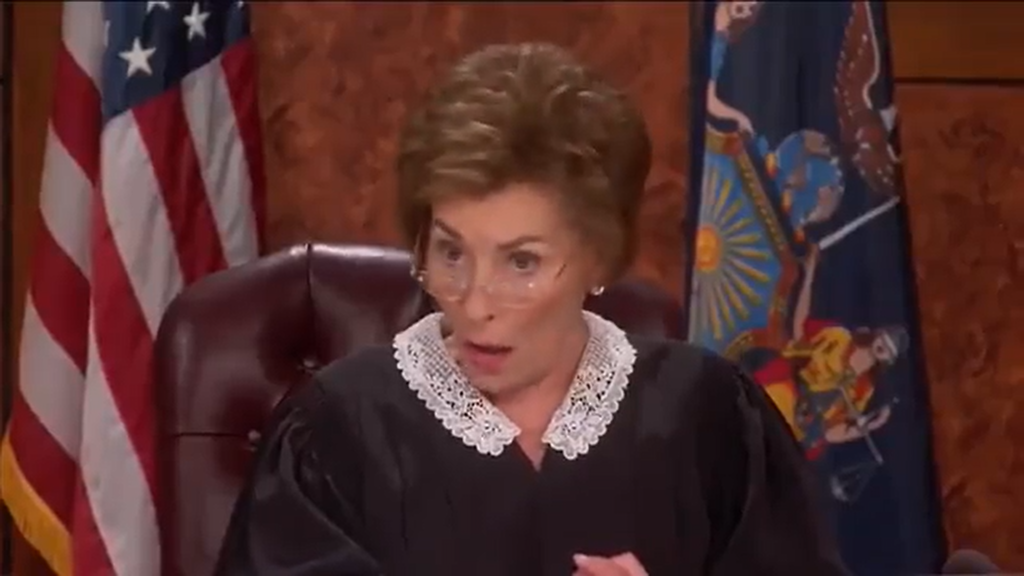
Once the car reached the street, the argument changed permanently. The question was no longer whether Sarah deserved to be paid. It was whether she had safeguarded property entrusted to her. On that question, the judge found against her.
The Courtroom Lesson
The most important detail in Mom the Mechanic? is not the age of the car or even the size of the repair bill. It is the chain of responsibility.
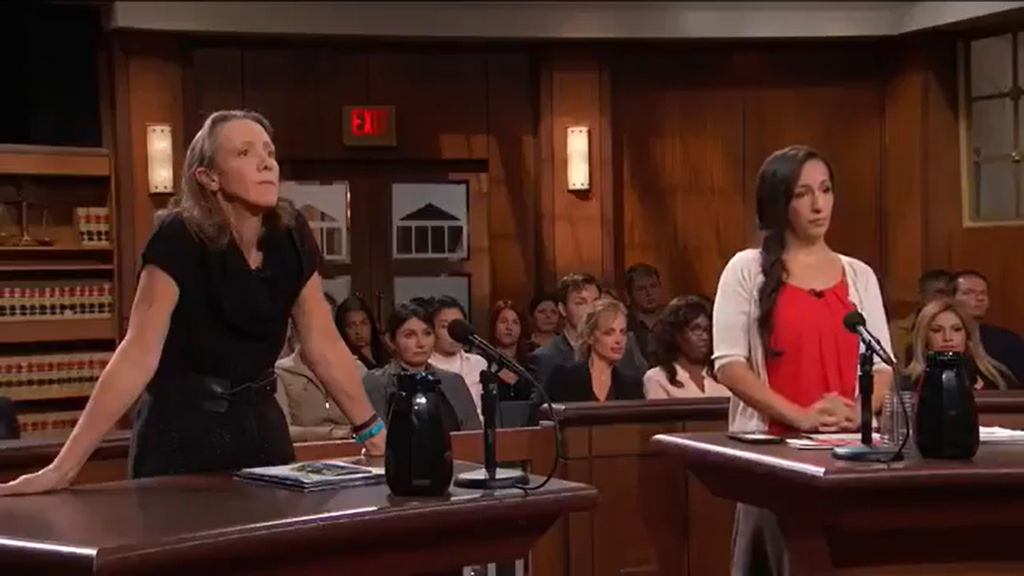
A favor between people connected by a 43-year friendship became an unpaid repair. The unpaid repair collided with a city ordinance. The ordinance created a deadline. The deadline led to the car being moved into the street, where the city could tow it. Each step narrowed the chance of a private solution.
The $500 judgment captured only the car’s estimated value at the moment of loss. It could not restore the time Sarah said she spent under the hood, the loan Lori said she was still paying, or the trust that had made the informal arrangement possible in the first place.

FAQ
Lori Danielson was the plaintiff, and Sarah Kolosky was the defendant. Lori sued over the value of her impounded car and related fees. Sarah counterclaimed for parts, labor, towing, and rental-related costs.
Lori testified that she paid $2,200 for a 20-year-old used car in May. The vehicle later overheated and became undriveable.
After city notices required the car to leave Sarah’s property, Sarah moved it to the street. The City of Brooklyn Park later treated it as an abandoned vehicle and removed it.
Sarah said she spent about $200, worked on the car for roughly a month, and rebuilt its engine. The parties disputed whether the car was operable when it was moved to the street.
The judge valued the car at $500, based largely on a dealership’s trade-in offer, and awarded that amount to Lori. Sarah’s counterclaim was dismissed.
No. It was a civil dispute over property value, repair costs, and responsibility for the vehicle after it was entrusted to Sarah.